Feeds:
Posts
Comments

Archive for 2012

I’m currently doing research for an article in the CHTM! book  on the history of drug use in Dublin from 1964 to 1972.

The Irish Times, 09 Aug 1969.

Primarily focusing on the psychedelic drug LSD and psychoactive drug Cannabis, it’s fascinating to read through The Irish Press, The Irish Times and The Irish Independent and see these types of drugs being talked about for the first time.

You then see the establishment of the Drugs Squad in 1967 (led by the legendary Inspector Denis Mullins) and the general increase in both consumption and arrests relating to the drugs which cumulated in The Yeoman Inn raid in November 1972 which saw 36 police busting the South King Street bar and arresting 34 people. This is where my research ends.

The Sunday Independent. November 19 1972.

So far I’ve only been relying on newspaper articles. I’ve love to hear from anyone who may have any information relating to use of the use of LSD and Cannabis in Dublin in the 1960s and early 1970s. What kind of people were using it first, where were people using it, where were people getting it from etc.

Obviously not looking for names or incriminating evidence (!), just stories or anecdotes. If you can help, drop me a mail at ‘matchgrams(at)gmail.com’. Thanks.

Read Full Post »

Sacre Bleu (1977 – 1980)

The Irish Times – 05 Feb 1979.


Five piece Dublin RnB/New Wave group who released two singles in their three year career.

They played their first gig on November 25 1977 in The Castle Inn, Salthill,  toured with The Fabalous Fabrics in February 1979, one of the earliest Irish New Wave tours and played the second New Wave Festival in the Project Arts Centre on September 15 1979.

Niall Stokes (Hot Press) caught them supporting The Boomtown Rats in The Stella Cinema, Rathmines in December 1977:

I caught the support band Sacre Bleu, with old Eyeless mate Pat Courtney on bass, briefly on the second night and liked what I saw. Unfortunate to have to break the ice before what was at the time an almost completely empty hall (the early arrivals had all gone upstairs to the balcony), they manifested a confidence and professionalism far beyond their age as a unit.
I wasn’t able to stay around long enough to offer anything like a constructive critique of their music but this much seemed clear – that if they can further develop the tightness which already marks their collective playing, they’ll produce an R n B sound to match the best that’s ever come out of this country.

Here’s the fantastically designed poster for the 2nd annual New Wave Festival in 1978:

2nd New Wave Festival, 1978

The band released two singles:

Broken Promises/ Mademoiselle Goodnight
7″ – Polydor Records – 2078 104 – IRL – June 1979 – PS
Produced by Dave Moore

and

Move It / Just Another Saturday Night
7″ – Polydor Records – 2078 107 – Irl – Oct 1979 – PS
A-Side produced by Donal Lunny, B-Side by Dave Moore

More info on the band can be found here (Irish Rock Discography) and here (U2 Early Dayz)

Read Full Post »

One thing we’ve been attempting to do in recent times is get more usage out of the Come Here To Me Facebook page. JayCarax in particular has tried to post interesting third-party links and stories with a Dublin focus, and we’ve posted tidbits there that may not be suitable material for a full post on the blog on their own.

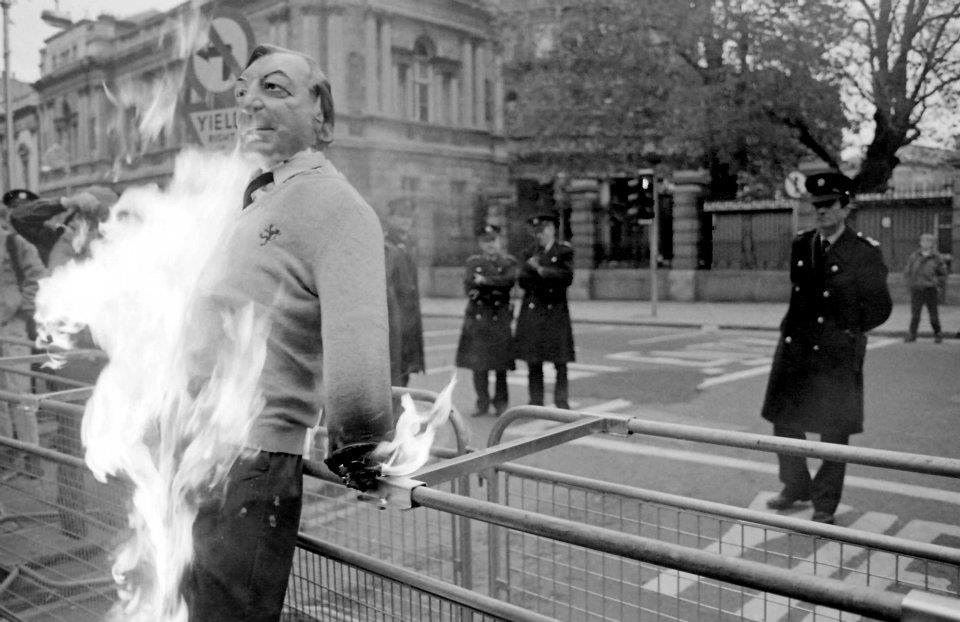
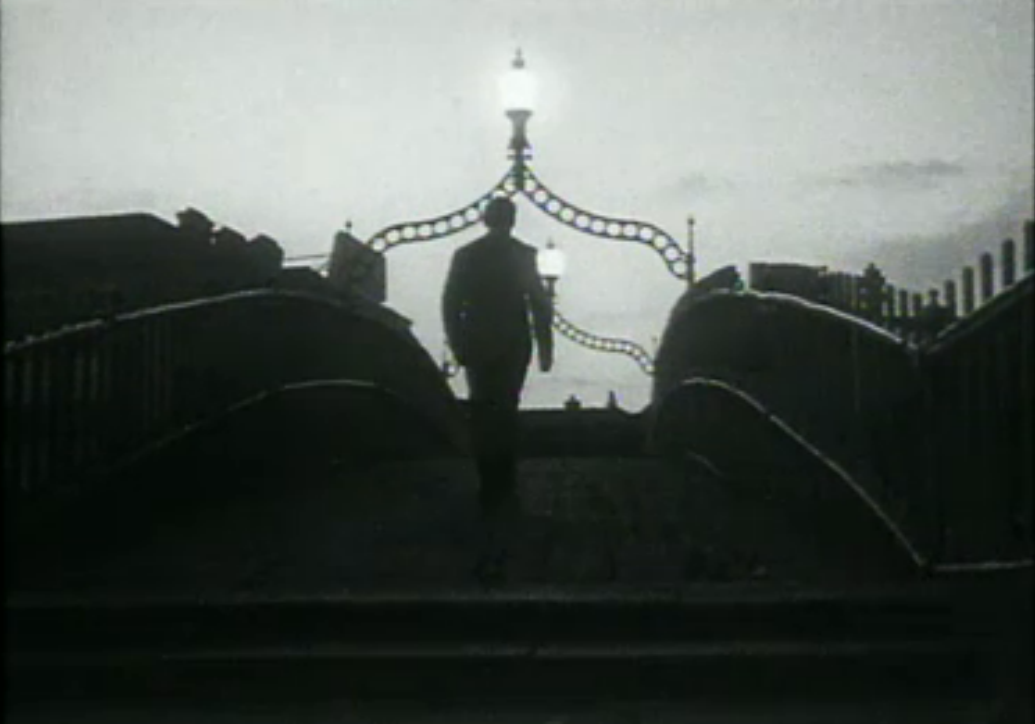
There’s interesting engagement with the page from others too, and people have been very generous with links and images. This fantastic image was left on the Facebook page today by Garry O’Neill, author of Where Were You?. It’s an absolutely incredible image from Wally Cassidy, all the more powerful in black and white. Does anyone know the context of the image?

(C) Wally Cassidy

Read Full Post »

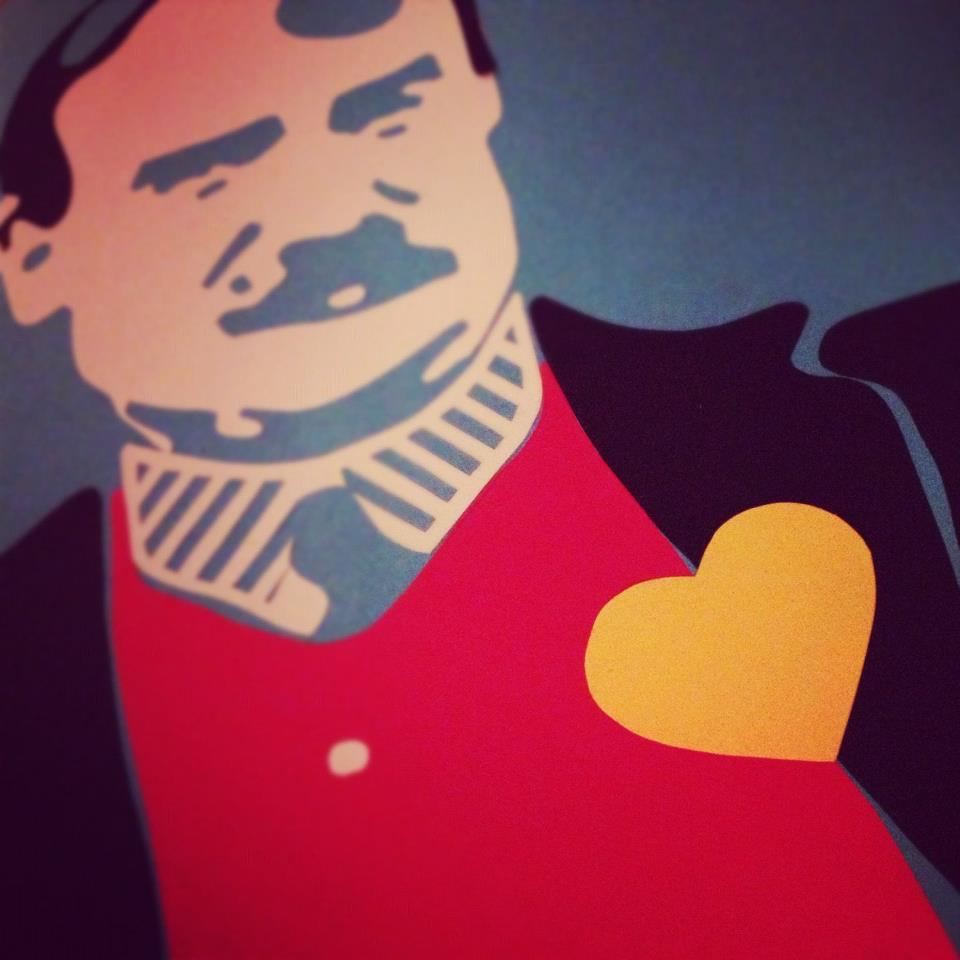
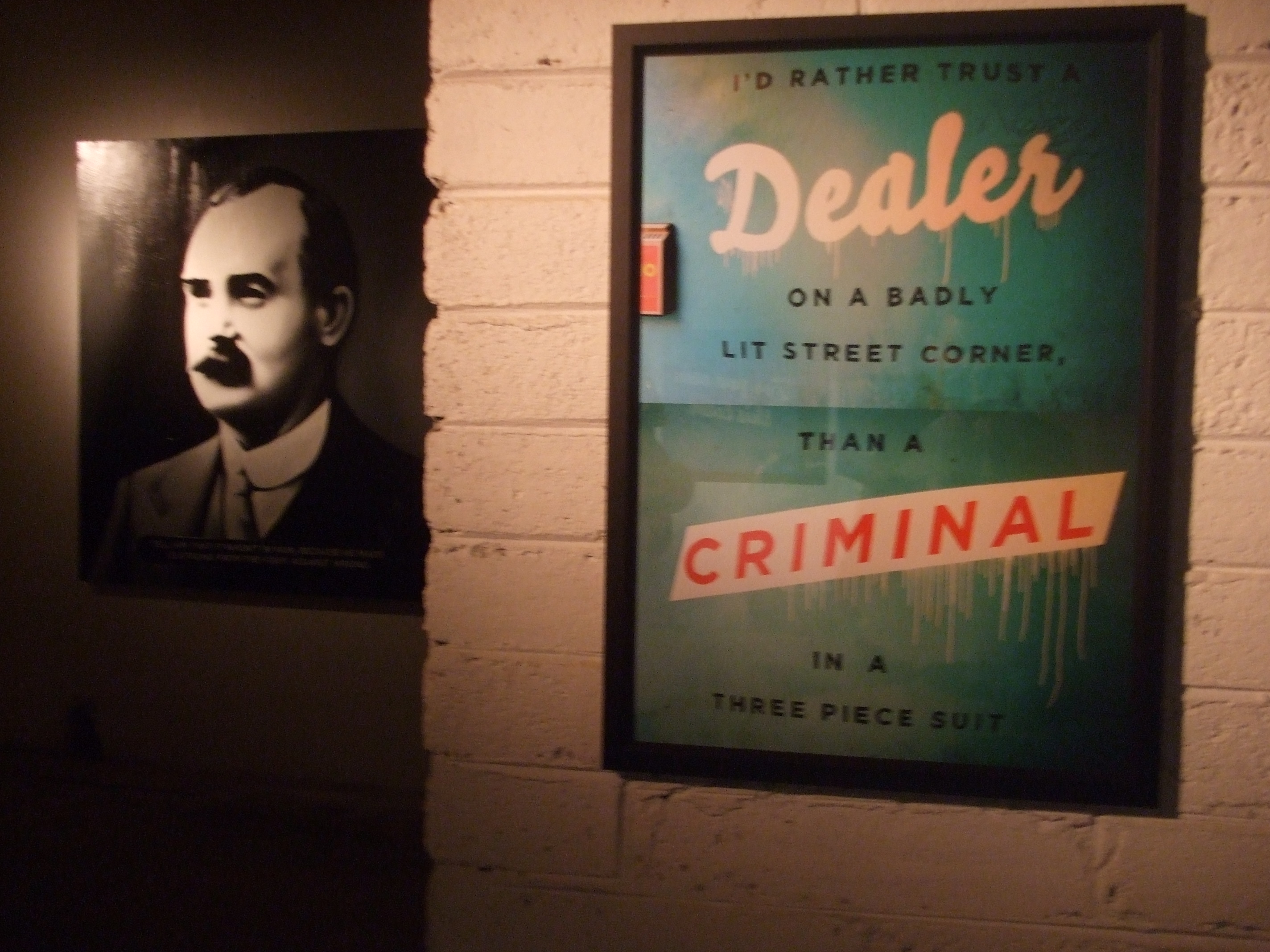
A fantastic image just posted by Dublin street artist Maser, showing the Edinburgh born labour leader James Connolly. Our interview with Maser back in January can be read here.

There is a wealth of history in this city and country that can supply an extensive body of visual work for any artist. There are still a lot of people, places and situations I need to paint and talk about.

Connolly featured also in Maser’s colloborative exhibition effort back in 2010 with Damien Dempsey, entitled They Are Us.

Read Full Post »

The Lafayette Building on the corner of D’Olier Street and Westmoreland Street is a real Dublin landmark, and stands in great contrast to O’Connell Bridge House next to it. It seems younger Dubs refer to O’Connell Bridge House as the ‘Heineken Building’, but the corporate advertising on the building has changed several times! The Lafayette Building, which looks straight down O’Connell Street, is a far more visually pleasing building. It takes its contemporary name from the famous Lafayette photographers. As Christian Casey has noted in her architectural study of Dublin, it was built for the Liverpool and Lanchasire Insurance Company in the 1890s. Casey has described the building as a “Portland stone baronial excercise with Gothic and Ruskinian leanings”. J.J O’Callaghan was the architect, and the work was dubbed ‘O’Callaghan’s Chance’ by his contemporaries!

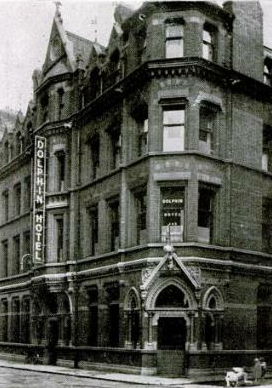
O’Callaghan’s contribution to Dublin’s architecture was significant, and as Frederick O’Dwyer has noted he designed a number of Dublin public houses for example, among them Mooney’s on Harry Street but also pubs on Baggot Street, Amiens Street and South Richmond Street among others. O’Callaghan was the architect responsible for the Dolphin Hotel, which for many years was to be found at Essex Street in Temple Bar. The building remains today.

The Dolphin Hotel in the 1930s.

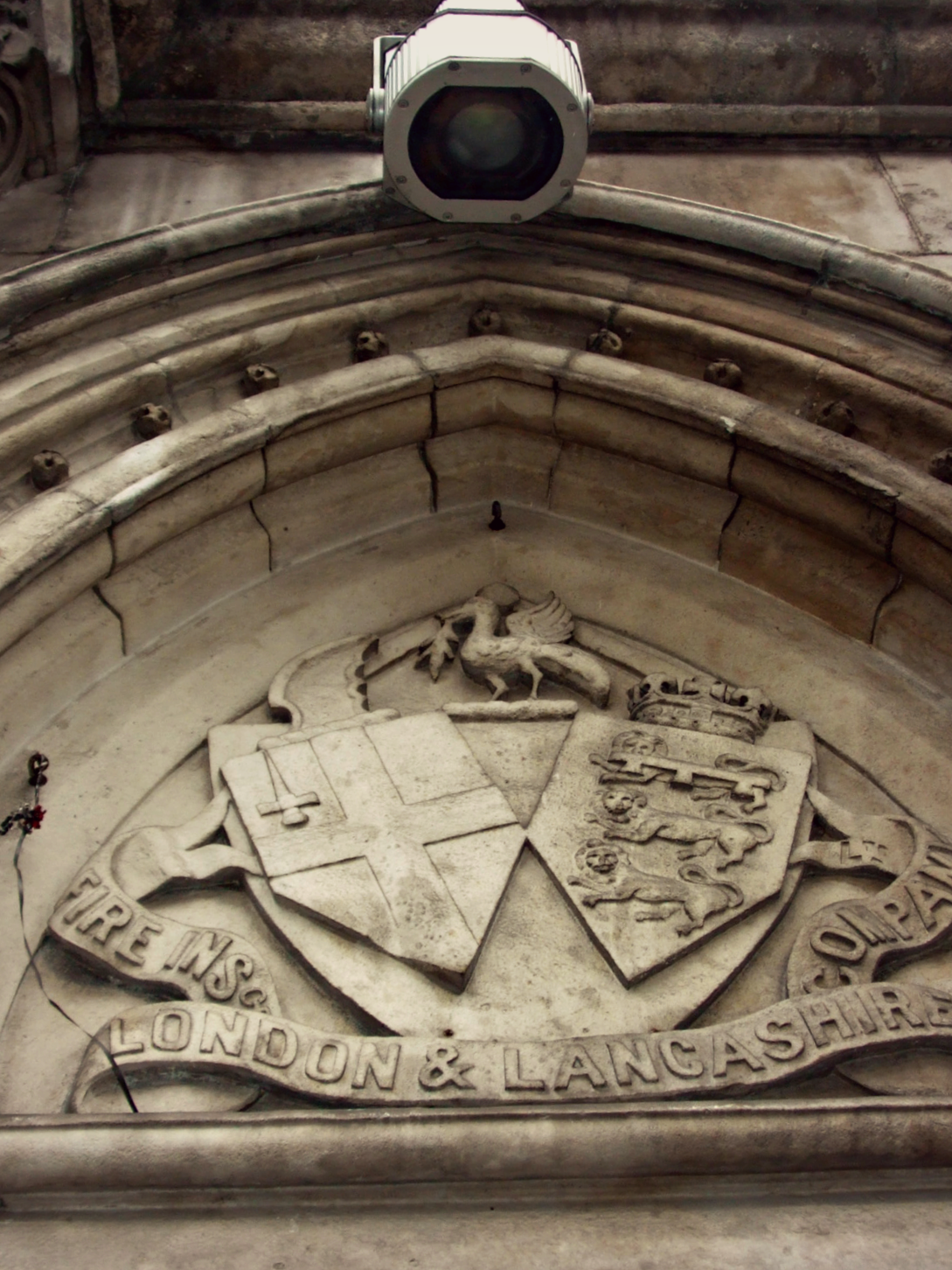
The stonework of the Lafayette Building gives some indication of its former life. Above the Westmoreland Street entrance to the building, the London and Lanchasire Insurance Company logo can be seen. The building was originally constructed for use by this company:

London and Lanchasire Insurance Company.

(more…)

Read Full Post »

This fantastic punch cartoon comes from a London publication and dates from September 10 1913. It relates to the situation in Dublin at the time of the Lockout. James Curry’s recent study of the cartoonist Ernest Kavanagh (‘Artist of the Revolution’) is a great addition to the work on the period, looking at the cartoons of a left-wing artist who worked with the trade union movement of the day, depicting scenes like John Redmond as ‘The New Liberator’ standing upon the body of an Irish suffragete. Cartoons like this one however, from the London press, give fantastic insight into the ‘establishment’ take on the Lockout in Dublin. I scanned this image as this particular cartoon was absent from the internet as far as I could see.

The police man is shown shackled and unable to respond to the riot around him. In the background we see a mob hellbent on destruction.

‘The Rioters Ideal’

Read Full Post »

We All Partied.

Via the good people at Rabble, this made me smile. They’re edging closer to the 1,000 likes there, go on.

Read Full Post »

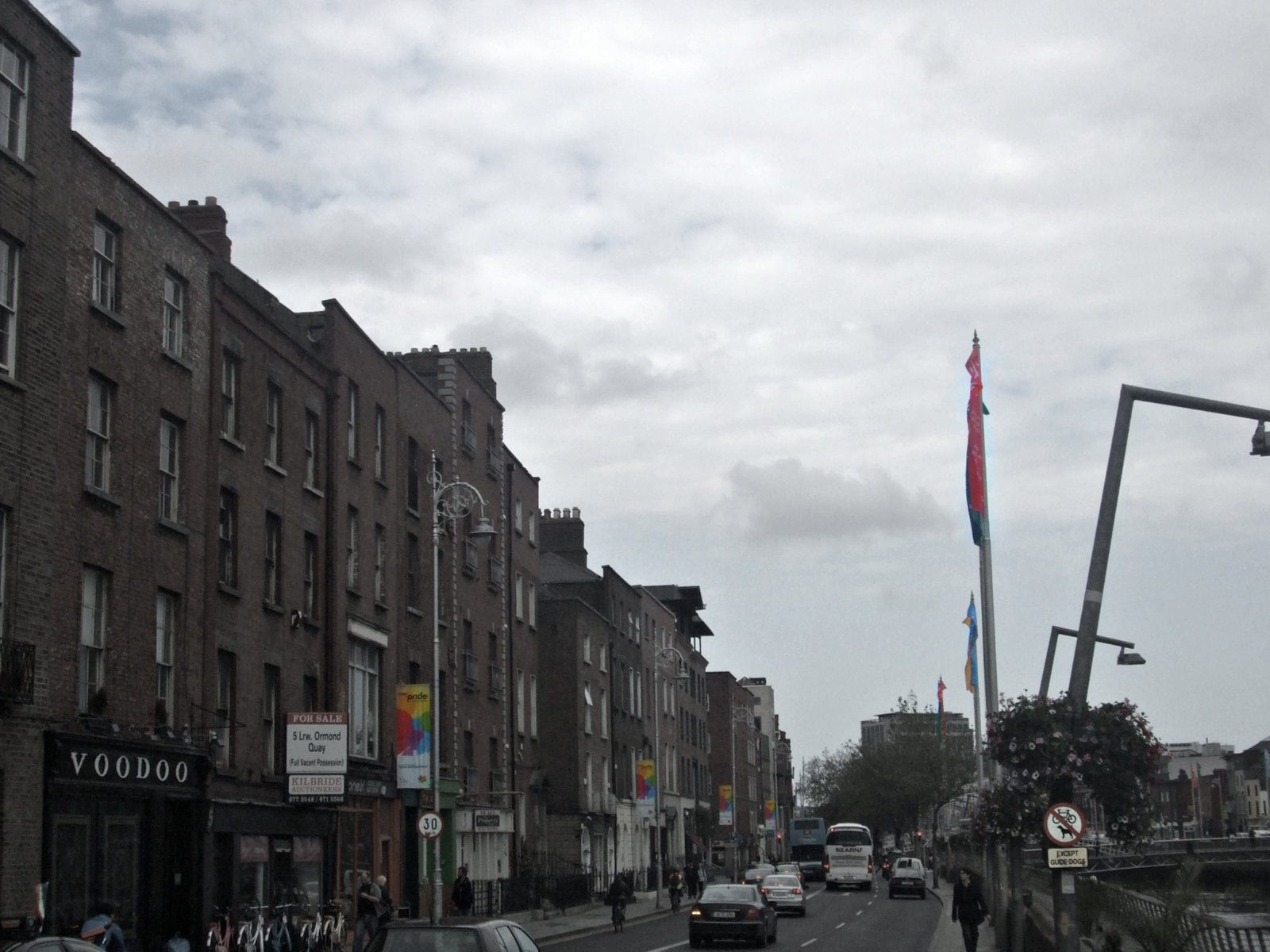
Changing times.

I took this photograph on my way home from work today. On the left, are banners for the upcoming Dublin Pride event, an annual march by the LGBTQ community. On the right, flags can be seen flying for the Eucharistic Congress. It’s a remarkable sign of the times, and made me think just how much Ireland has changed since the Eucharistic Congress was hosted here in 1932.

Recently I’ve been doing a bit of research on the Congress in 1932, mainly looking at the anti-communism of Catholic newspapers and magazines at the time. The Irish Monthly, a Catholic magazine of the period, used the year of the Eucharistic Congress to inform readers that there was a coming confrontation between the two ideologies of Christianity and Communism in Ireland. The magazine frequently ran articles around the dangers of the foreign ideology of Communism, and in his article The Coming Conflict: Catholicism Vs. Communism, Capt. T.W.C Curd noted that:

The times are not without their significance for Ireland. In this year of Congress, the eyes of the world are upon her- a Catholic nation with a Catholic government and the social encyclicals of Leo and Pius open books before them.

I suppose, the times are not without their significance for Ireland once more. Just like in 1932, the streets are decorated with flags and bunting. Unfortunately for the organisers of the event though, it seems football is our religion now. Ole Ole Ole.

Read Full Post »

Definitely the best yet. Both me and Donal have a few pieces in it. Pick it up in Easons for the recession-friendly price only €2. Keep up to date with the magazine on Facebook.

The latest, 48-page edition of LookLeft is in shops now. Stories include:

* Another Europe is Possible

* Interview with Mandate General Secretary John Douglas

* Michael Taft on the possibilities for building a progressive future

* Conor McCabe on the myth of NAMA’s ghost estates

* Gavin Titley on the media’s reporting of the economic crisis

* The Price of Corruption

* Belfast: Divided by Walls, United by Poverty

* Debate: Prostitution by Denise Charlton and Wendy Lyon

* Brian Hanley on Frank Ryan’s Street Fighting Years

* Lauren Arrington on Delia Larkin and the Irish Women Workers’ Union

* What Now for the ULA?

* Egypt’s Permanent Revolution?

* Stormont’s Policies a Recipe for Poverty

* The Politics of The Pogues

* St Pauli – the new commie chic image?

Read Full Post »

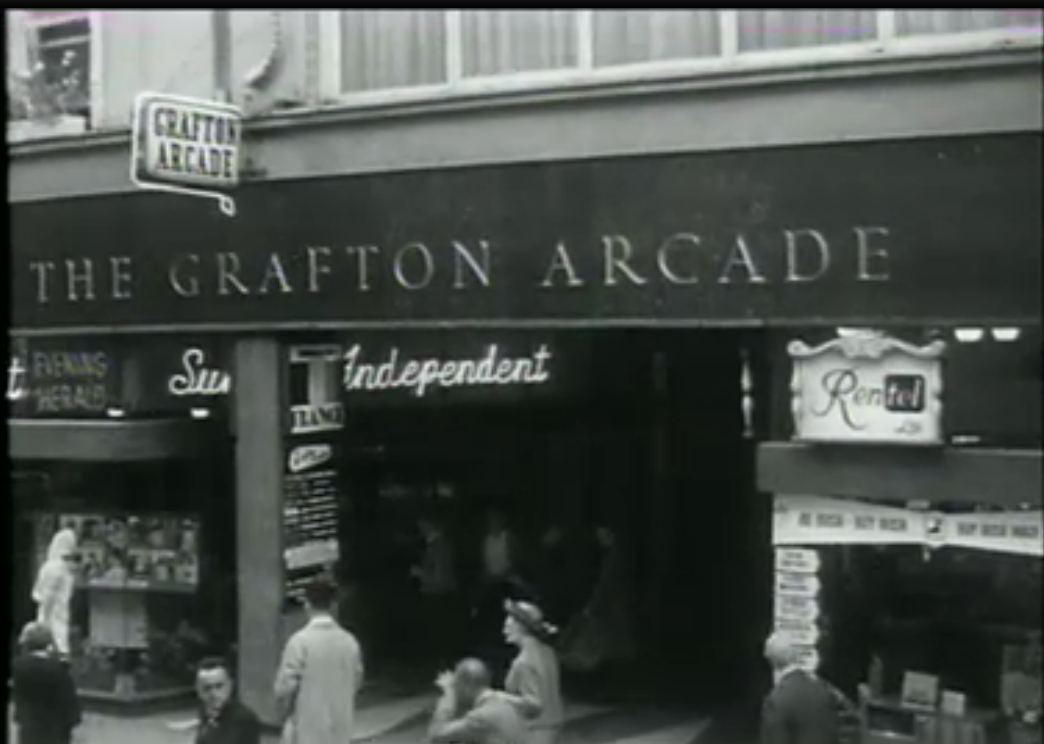
Impressions of Dublin and its people made by Chris Malkeiwicz, a Polish TV producer, who worked in RTÉ in the 60s. The film shows various scenes from around the city accompanied by the voices of Dubliners talking about their city and Aidan Grennell reading from the works of James Joyce.

Twenty minutes of beautiful scenery, stirring music and intriguing quotes from an array of Dubliners. It can be watched on RTE Player here.

Ha’penny bridge

The Long Hall, South Great Georges St

The Grafton Arcade

Read Full Post »

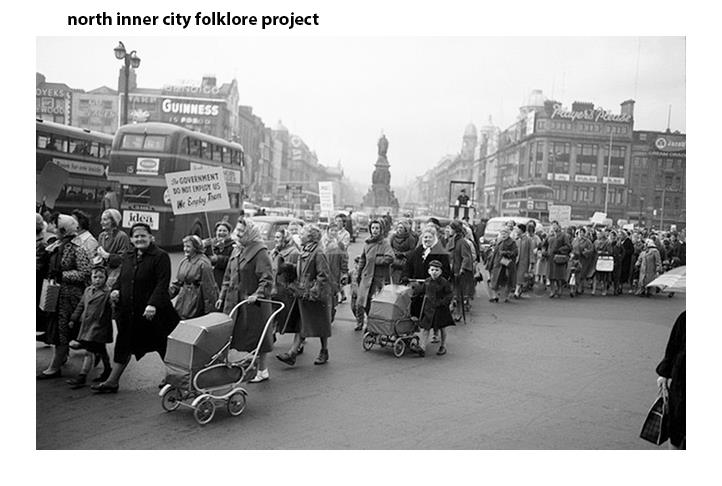
Some fantastic images here of Dublin women protesting in 1963 against the controversial ‘Turnover Tax’, which is explained in this blast from the past from The Irish Times. So controversial was the tax, it led to insults flying across the Dáil floor including “Thugs”, “Yellow”, “Contemptible”, “Coward”, “Perjurer” and “Low thing”. The images come primarily from the news media of the day, and are the kind of wonderful images that are forgotten to history unless someone goes about bringing them to public attention. The North Inner City Folklore Project thankfully saw the historic value of the images.

I like this first one for the fantastic slogan on the placard, “Stupid Men Make Stupid Taxes”. It shows a crowd of demonstrators passing College Green.

The Garda in the traffic box makes this one for me, although you’d miss him on first glance. Daniel O’Connell looks over proceedings.

Lastly, we have the protestors best weapon making an appearance, the megaphone!

Read Full Post »

Priceless video from YouTuber ronnymitchell. You might presume this is Poznan based on the drunkenness of it all, but look a little closer!

After 86 minutes, 3-1 down to Croatia in the Euros, the crowd at the Three on the Quay event decided to make their own entertainment.

Read Full Post »

« Newer Posts - Older Posts »