Feeds:
Posts
Comments

Archive for 2012

A bit later than normal getting this up, but just to flag that the new Look Left is in stores now…

Look Left

LookLeft 9 – only €2 – includes;

Reports on student protests, Occupy Dame Street, turf wars in Kildare, AFA action against Nick Griffin, defending health services, the community fight against drugs, Occupy Wall Street, the sex industry, doctors in El Salvador, Ship to Gaza, turmoil in Egypt, the Greek Communist Party , Belfast’s Fresh Claim Café, WP Northern Ireland conference

Interviews with PUP leader Billy Hutchinson, America Radical Fred Magdoff, Rapper Captain Moonlight

Main Feature; Ireland’ addiction to low corporation tax and Corporate Imperialism

Features; Occupy – where to now, Revolution in Cork City FC, Friedrich Engels on Ireland, Irish Graphic Novels, book reviews, the Jemmy Hope Column and Around the Left (news from progressive organisations)

Views; WP President Mick Finnegan on Budget 2012, Socialist Party MEP Paul Murphy on the need for an EU referendum


Read Full Post »

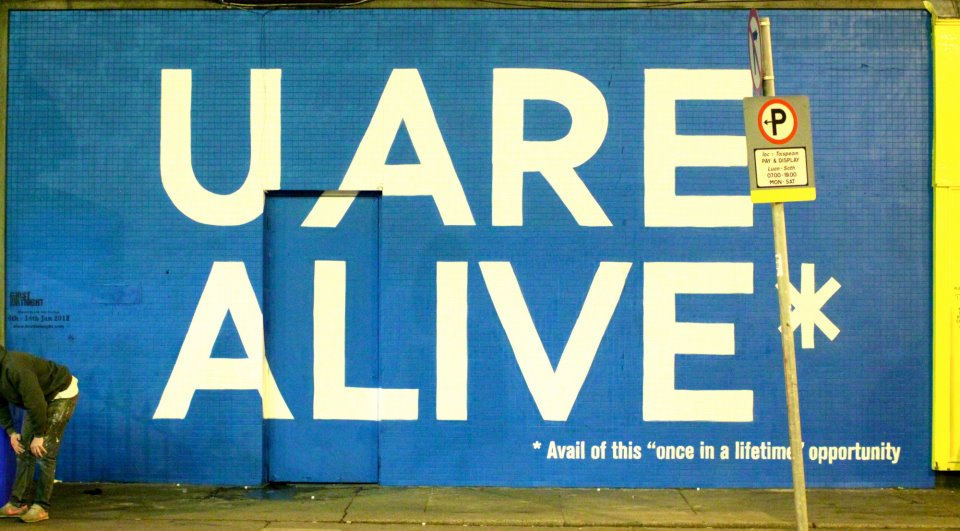
Once In A Lifetime.

Great stuff from Maser, this is painted onto the side of the Dublin Simon Community shop on Camden Street in Dublin 2, and like the prior featured piece from ADW, is a part of the First Fortnight mental health awareness project.

Maser has been bringing good vibes to the city for years now, from the They Are Us collaboration with Damien Dempsey to his projected show on the side of the convention centre, a love letter to the city almost. He also dabbles on occasion in more traditional acts like signwriting. The shopfront writing of Kevin Freeney and the like is a Come Here To Me feature which will have to be done down the line of course, but for now we’re always happy to post the latest from the contemporary artists of the city. Nice one Maser.

Read Full Post »

Twitter really is awful when you’ve work to do. Surreal stuff all the same. “Something only we three would know”

Read Full Post »

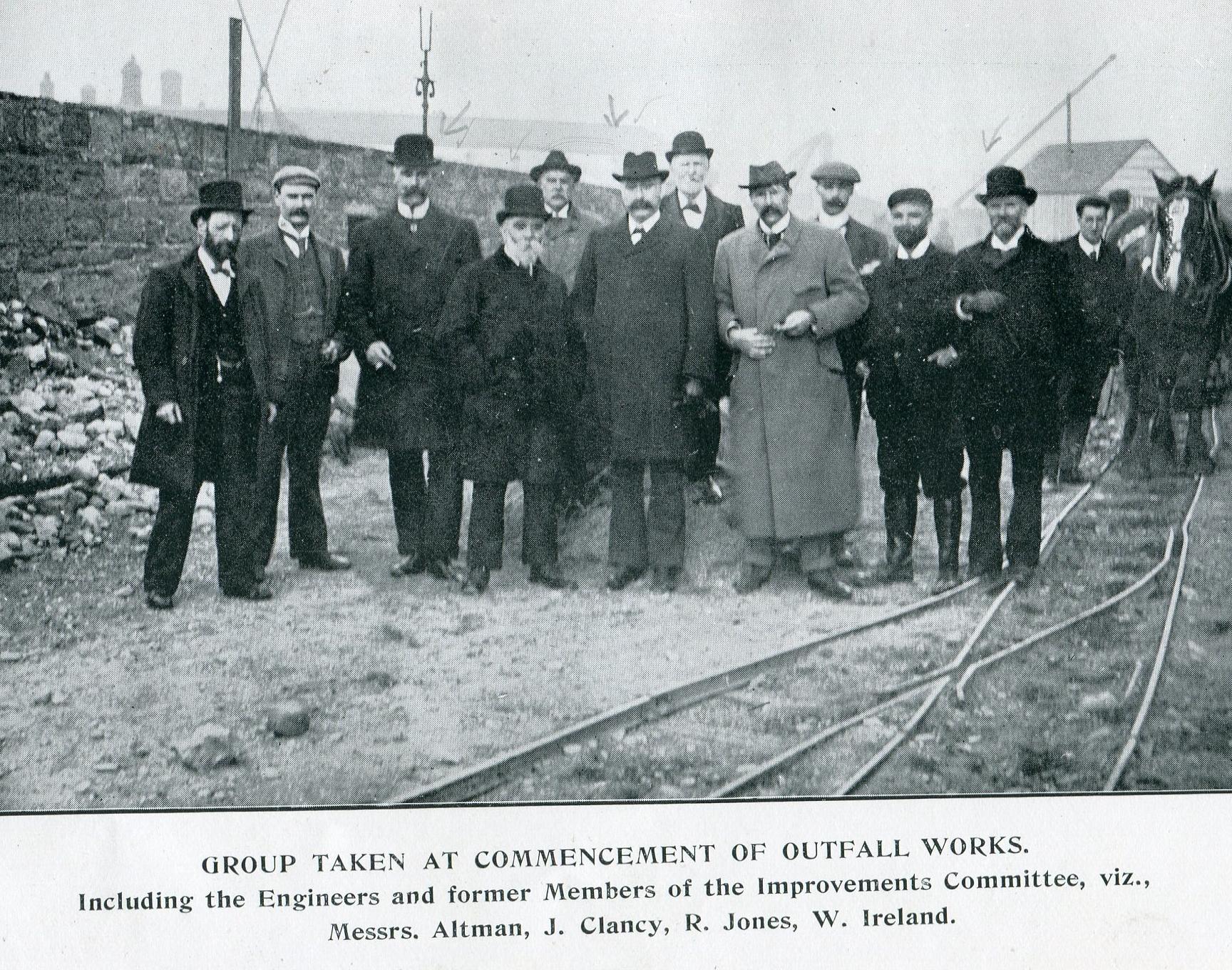
The question above is posed by Shane MacThomais, historian at Glasnevin cemetery. Shane contacted me with this image and the information below, and I’m sharing here in the hope someone can provide an answer either way. The photograph relates to the Dublin Main Drainage Scheme, and Shane details some of the characters in the photograph below. What about the man second on the left? Connolly did work on the scheme in the 1890s, could this be him? The man certainly bares more than some resemblance to Connolly.

Beyond the boots on the man second from right, the men do not appear in what I would deem workman’s attire, but if there is a foreman or labourer among the pile who knows.

Regardless, read Shane’s information below on ‘Altman The Saltman’, ‘Long John Clancy’ and the Dublin Main Drainage Scheme and then give the photo a close look.

By the middle of the 19th century Dublin Rivers like the Camac, Poddle and Liffey became seriously polluted. Several proposals were put forward in the mid to late 19th Century to mitigate this problem, but it was only in 1886 that the Main Drainage Scheme for Dublin City commenced, involving the construction of the North and South Quay interceptor sewers and the Ringsend treatment plant, the latter being completed in 1906.

When this work was completed in 1906 the Dublin Corporation decided that such sterling work deserved a publication. The Dublin Main Drainage Scheme Souvenir Handbook was published in 1906 and is no doubt a riveting read for anyone interested in centriifugal pumps and the inlet pipes and the affects of silt. The book has an interesting chapter on the history of pollution in Dublin and has countless photographs of the city fathers under whose benevolent eyes this work was carried out.

Amongst the photographs is this one of a group at the commencement of the outfall works. In the photograph are Albert Altman better known as ‘Altman the Saltman” whose business in the liberties supplied salt and coal to the numerous public baths across Dublin at the turn of the 19th century. Alongside Messrs Altman is John Clancy known as “Long John Clancy” who steps in and out of many a James Joyce novel. But it is the man 2nd from the left who raises my curiosity. Could it be the man himself Mr. James Connolly? Connolly did work on the scheme in the late 1890s but is it him?

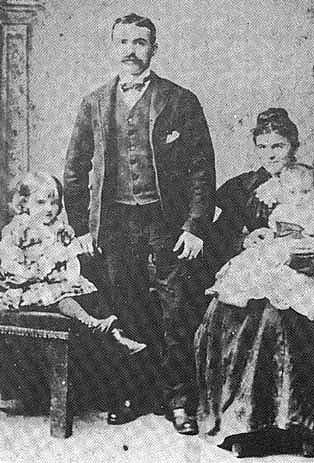
    UPDATE: Lorcan Collins of the 1916 Rebellion Walking Tour has sent in this image of Connolly from 1894. He’s not convinced it’s Connolly above, and see his logic below in the comment section.

    Read Full Post »

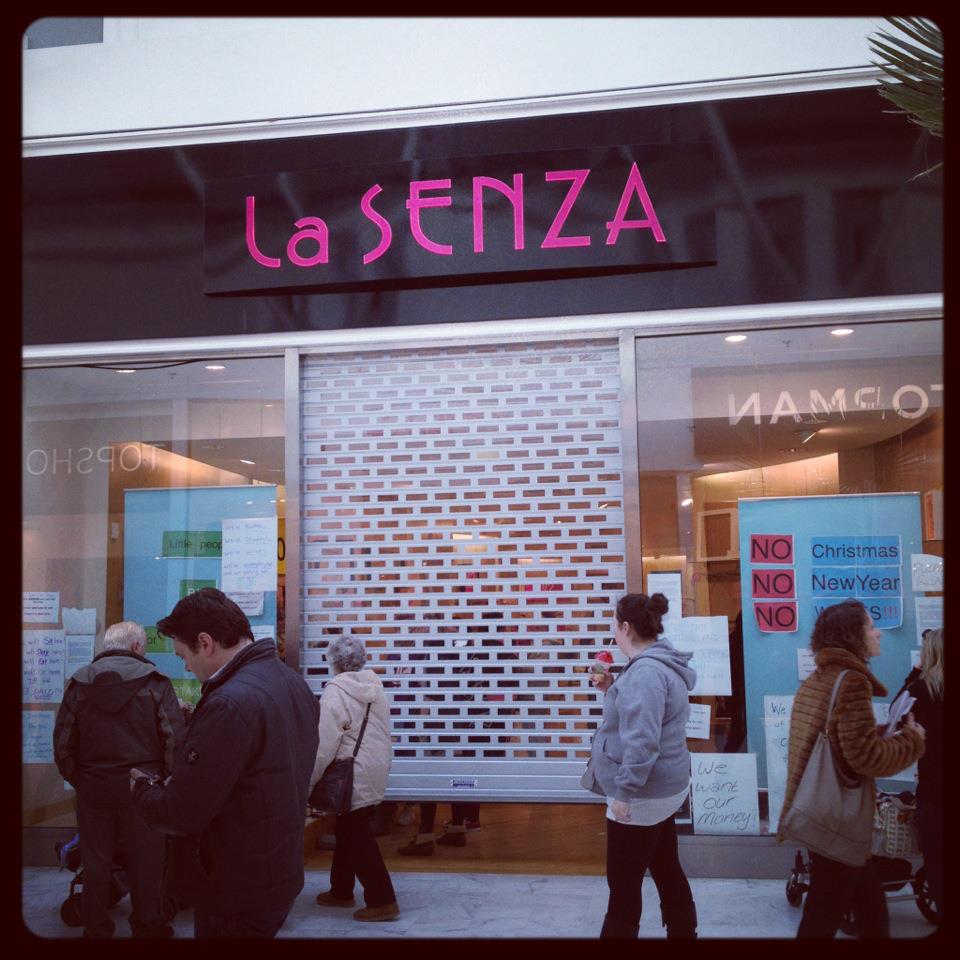
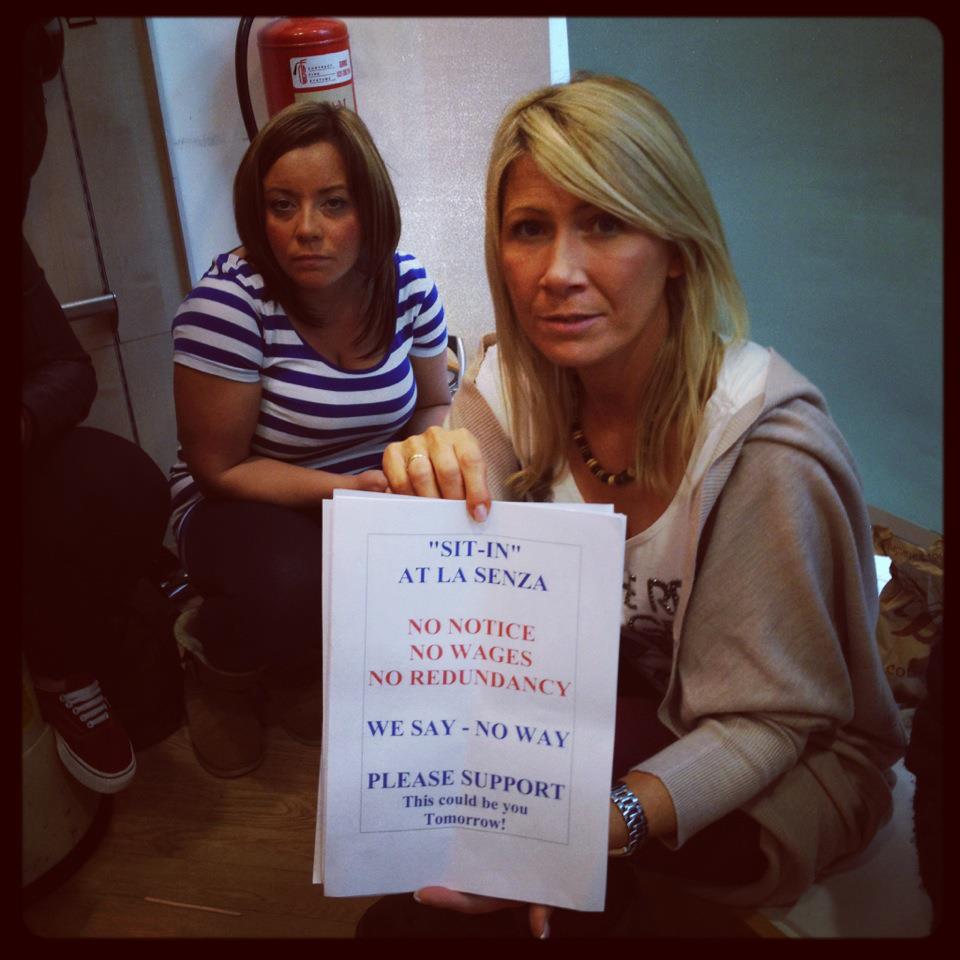
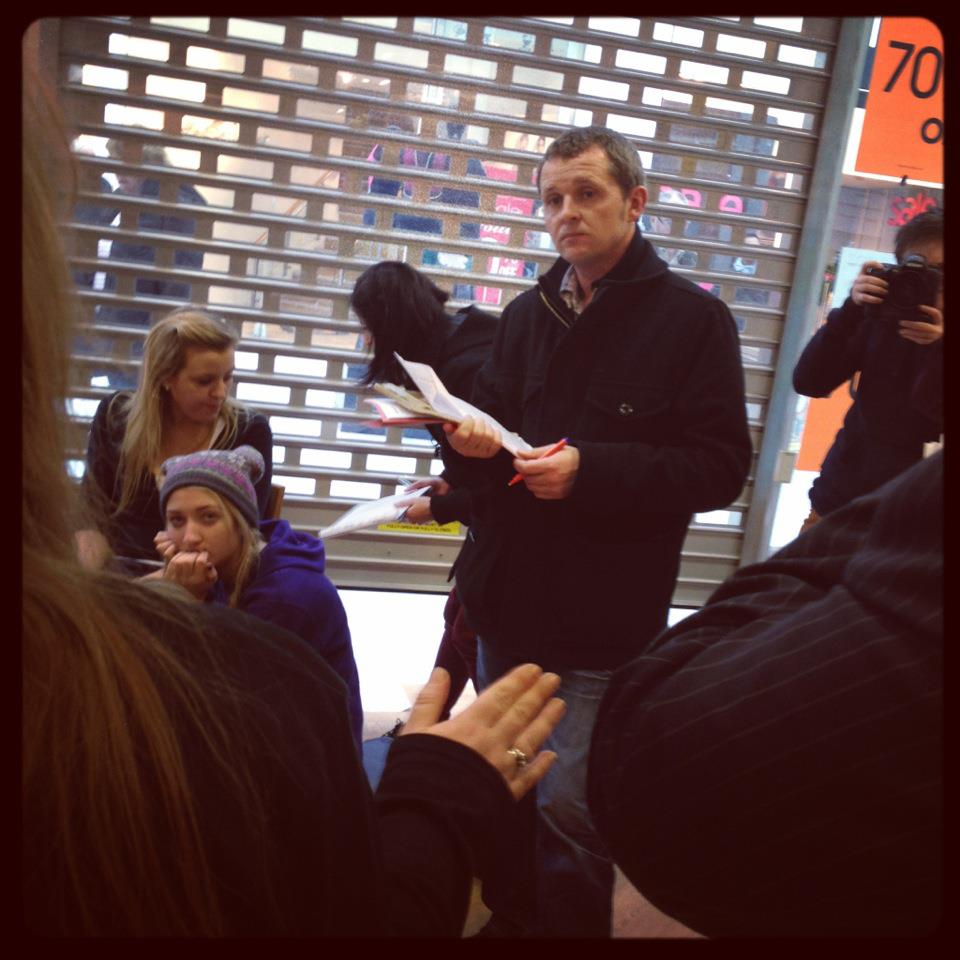
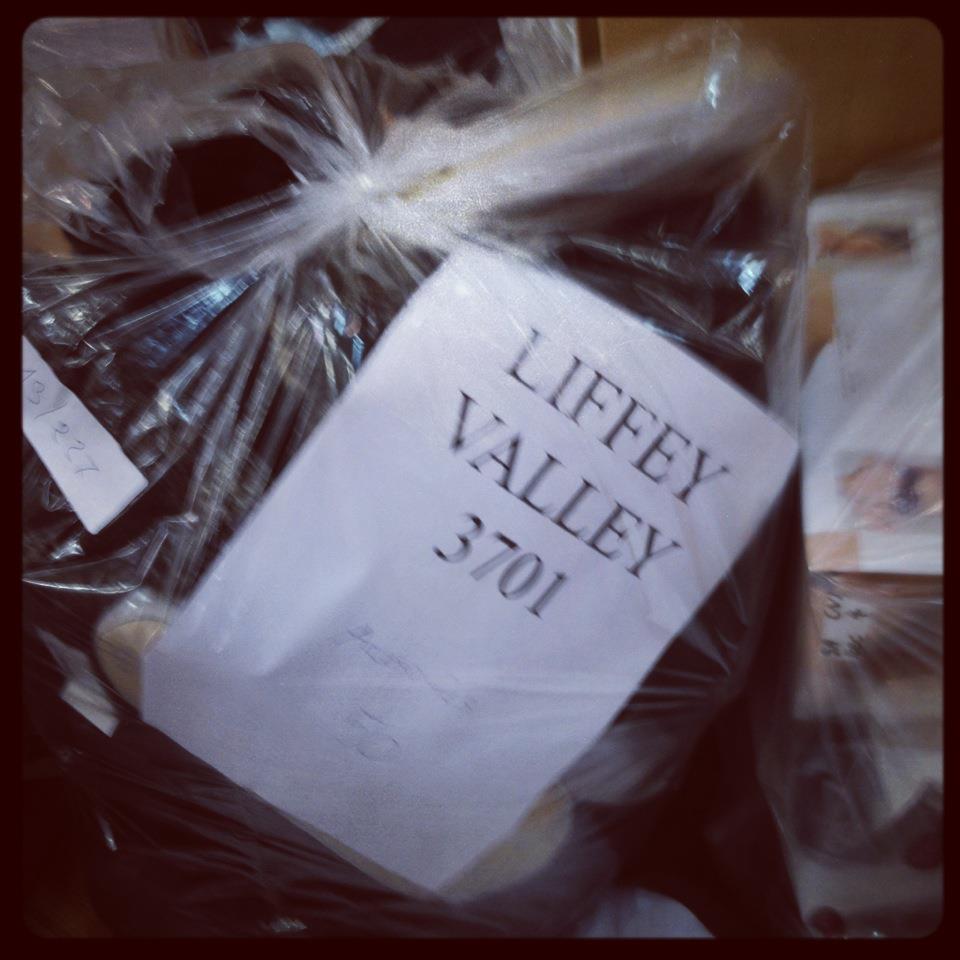
    My thanks to Paula Geraghty of Trade Union TV for these images from Liffey Valley Shopping Centre. Workers from the Grafton Street, Henry Street and Dundrum branches have joined workers at the Liffey Valley branch. Staff who have found themselves out of work have, according to The Irish Times report on the sit-in, not even received P45’s to allow them to seek social welfare payments.

    It goes without saying we wish the workers every success. The Facebook page in support of the workers can be found here.

    It seems fitting to highlight the fact too that Vita Cortex workers, also staging a sit-in at their place of work, will be staging a demonstration at the Dáil this Thursday from 1pm.

    Read Full Post »

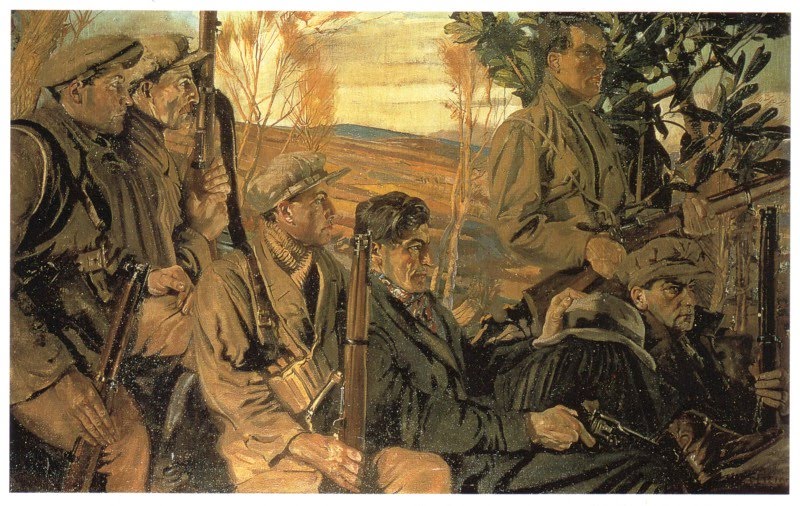
    Sean Keating's 'The Men Of The South' (1921)

    Well, this has potential to be quite the debate. The latest Hedge School from History Ireland takes place this Wednesday at the National Library, it’s likely to fill-up and places are first come first served. Here on the site you can find audio from previous Hedge Schools, on topics such as Brian Boru and the Battle of Clontarf and also a previous Hedge School in the National Library at which I spoke around the Animal Gang.

    We’re now into the ‘decade of centenaries’ of course, but just what we’re commemorating is going to be the subject of great debate. It’s a debate we should all involve ourselves in.

    History Ireland Hedge School in association with The National Library, Kildare St., Dublin @Wednesday 11 January 2012, 7pm

    The War of Independence: ‘four glorous years’ or squalid sectarian conflict? Was historic objectivity the real victim?

    The War of Independence 1918-1921 will be commemorated later this decade. Was it ‘Four Glorious Years’, as one protagonist called it (Frank Gallagher, the deputy director of the first Dáil’s Department of Publicity). Or was it a sectarian conflict darkened by ethnic cleansing, as historian Peter Hart has asserted (The IRA and its Enemies. 1998)?

    Speakers: Historians John M. Regan (University of Dundee), David Fitzpatrick (TCD), Eve Morrison (TCD) and John Borgonovo (UCC).

    Read Full Post »

    Today, stand-up comedy is a multi-million Euro business. Comics like Dara O’Briain and Tommy Tiernan regularly do stints of ten or more nights in Vicar Street, Michael McIntyre can sell out The 02 twice over, dozens of comedians release DVDs for the Christmas market and a whole range of venues like The Laughter Lounge on Eden Quay, The Comedy Cellar at The International, Stand Up at Bankers pub and The Ha’Penny Bridge Inn offer people seven nights a week of comedy.

    This wasn’t always the case.

    From the late 1970s to the late 1980s comics struggled to establish comedy nights in the upstairs of pubs, backrooms of hotels and theatres in the city. The history of stand-up comedy in Ireland is quite an overlooked subject (we do use that phrase a lot on this blog) and besides Deirde Falvey and Stephon Dixon’s fantastic Gift of the Gag: The Explosion in Irish Comedy (1999), nothing has really been written on the topic.

    Particularly interesting and forgotten is the development of Irish stand-up from the birth of ‘alternative comedy’ in the late 1970s to the establishment of The Comedy Cellar in The International Bar on Wicklow Street in 1988. The groundwork that a small number of people did in these early years helped to nurture and progress the scene to what it is now.

    The 1970s were, in many ways, dark times for comedy in this country. The first so-called Festival of Humour took place in May 1978 in Virginia, Co. Cavan. Things can be summed up by the fact that the chairman of the festival committee was the local priest Fr. Pat Morris.
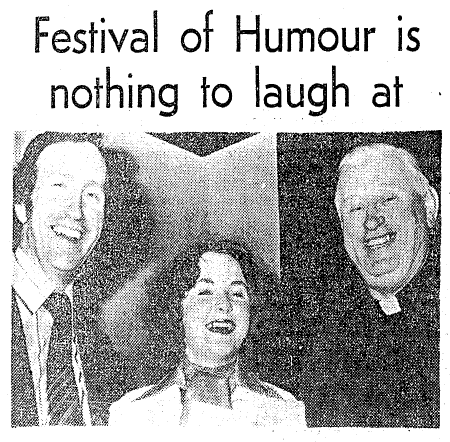
    Festival committee of the Cavan’s ‘Festival of Humour’ Irish Independent. May 10, 1978.

    These were the days of Hal Roach at the Jury’s Irish Cabaret and Jimmy O’Dea.

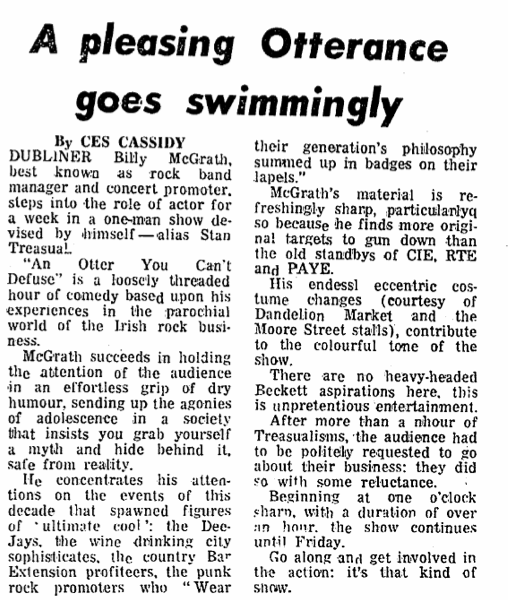
    Coinciding with this brand of boring, ‘king of blarney’ Irish comedy a new generation of jokers were beginning to assert themselves, particularly in the Dram Socs and Rag Weeks of the island’s colleges. In the early 1970s in UCD Billy McGrath/Magra, Paddy Murray and Brendan Martin formed a sketch group called The Spike Milligan Comedy Machine known simply as The Machine. Dermot Morgan (of Father Ted fame) wasn’t too far behind and later performed as Big Gom and The Imbeciles in Theatre L.

    Spurred on by the explosion (a revolution even?) of intelligent, often anarchic, progressive stand-up (coined by Tony Allen as ‘Alternative Comedy’) in London’s Comedy Store by comics such as Alexi Sayle, Andy de la Tour and Pauline Melville and in The Comic Strip which soon followed by comics such as Rik Mayall, Ade Edmondson, Nigel Planer and French & Saunders – stand up comics in Dublin began testing the water and starting up their own nights.
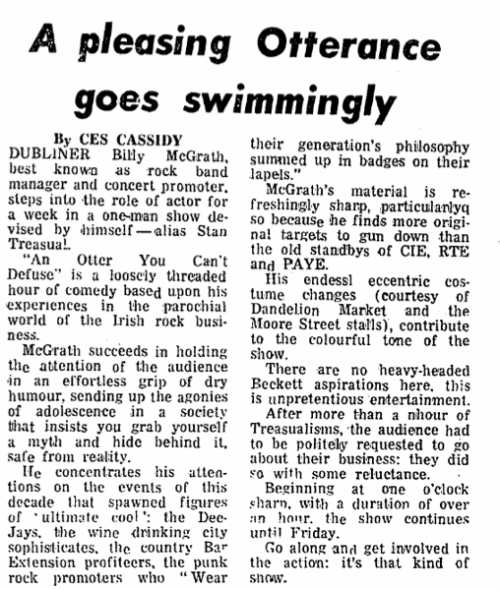
    A review of Billy McGrath’s one-man comedy show ‘An otter you can’t diffuse’. Irish Press. May 9, 1979.

    It has been said that Dublin’s first-ever stand-up comedy club was set up in Harcourt Street in the very late 1970s by a Scottish performance artist called Oscar McLennan.

    In January 1981, novelist Peter O’Connor launched the Comedy Store at the Holyrood Hotel, Harcourt Street. It seems to have lasted only a few months.

    Billy McGrath (Billy Magra) started up Club Comedy in the Sportman’s Inn in Mount Merrion in February 1982. There were further gigs in The Project Arts Centre on East Essex Street, McGonagle’s on South Anne Street, The Mansion House on Dawson Street. The gigs featured Michael Redmond, Kevin McAleer, Ian MacPherson, Mannix Flynn, ‘new wave’ poet Roisin Sheeran, Helen Morrissey, Owen Roe (aka Ronald Raygun), Peter Howick, Garrett Keogh, The Robots (David Rogers and Gerry Sammon), mime group Friends Electric and impressionist Gerry Lavelle.

    Sharing the same venues and many of the same values, this exciting new brand of ‘alternative comedy’ ruffled the feathers of the established comedy scene as much as Punk did to music.
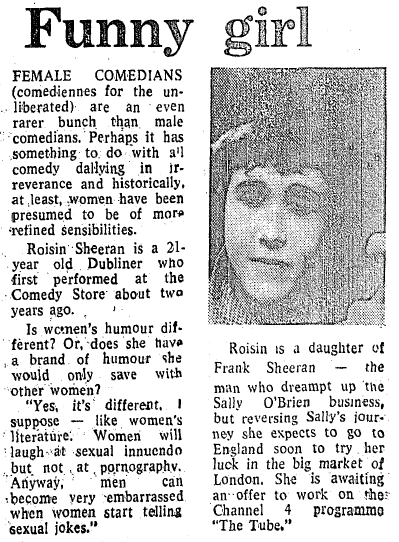
    A piece on Dublin comedienne Roisin Sheeran. Irish Independent. November 28, 1983

    In 1984, the Comedy Store (Dublin) ambitiously released its own live LP
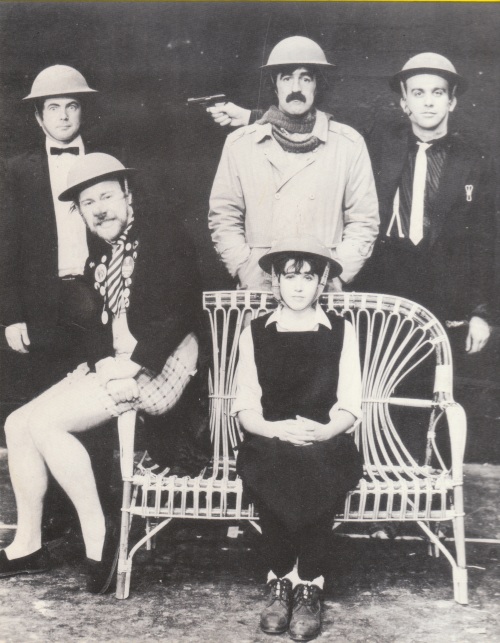
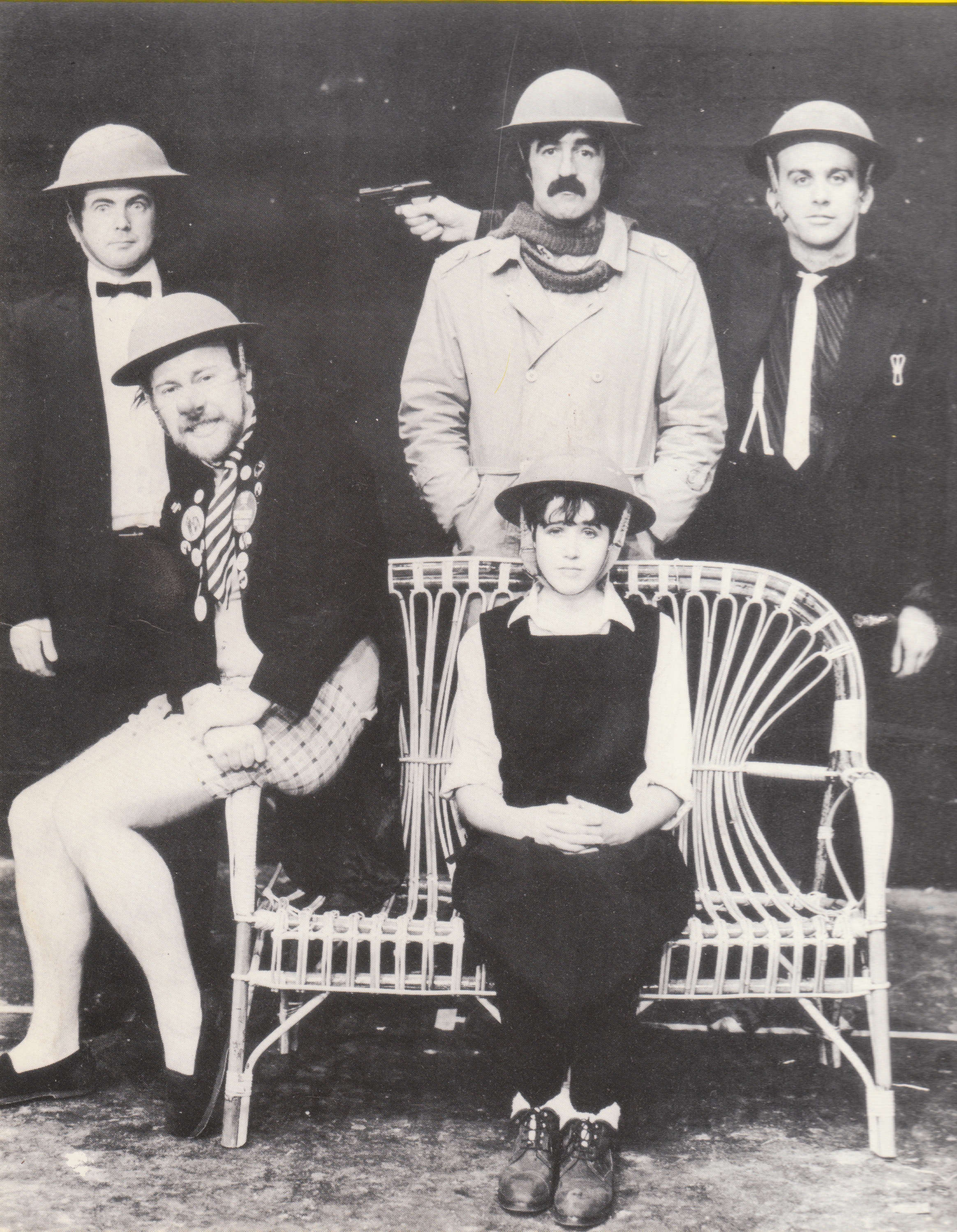
    Image from the LP – The Comedy Store (Dublin) Live At the Project. Recorded October 1983. Released 1984. Picture: “Gerry Lavelle, Ronald Raygun, Michael Redmond, Roisin Sheeran, Billy Magra (Missing Ian Mac Pherson – in London and Helen Morrissey – in hiding)”

    The 13-track LP was recorded live at the Project Arts Centre by Eerie Music Mobile, engineered by Johnny Byrne and Peter Eades, mixed and edited by Slimmer Twins and produced by Stand Treasual (aka Billy McGrath). The executive producer was MCD’s Dennis Desmond.

    Slowly but surely modern ‘alternative’ stand-up comedy began to be assert itself, influence a whole new generation and gain credibility. By the late 1980s, this opened up the path for Mr. Trellis (Ardal O’Hanlon, Barry Murphy & Kevin Gildea) and The Quack Squad (Joe Rooney & Paul Tylak) to open up The Comedy Cellar in The International Bar.

    Thus starting the next chapter of Dublin’s stand-up history…

    Read Full Post »

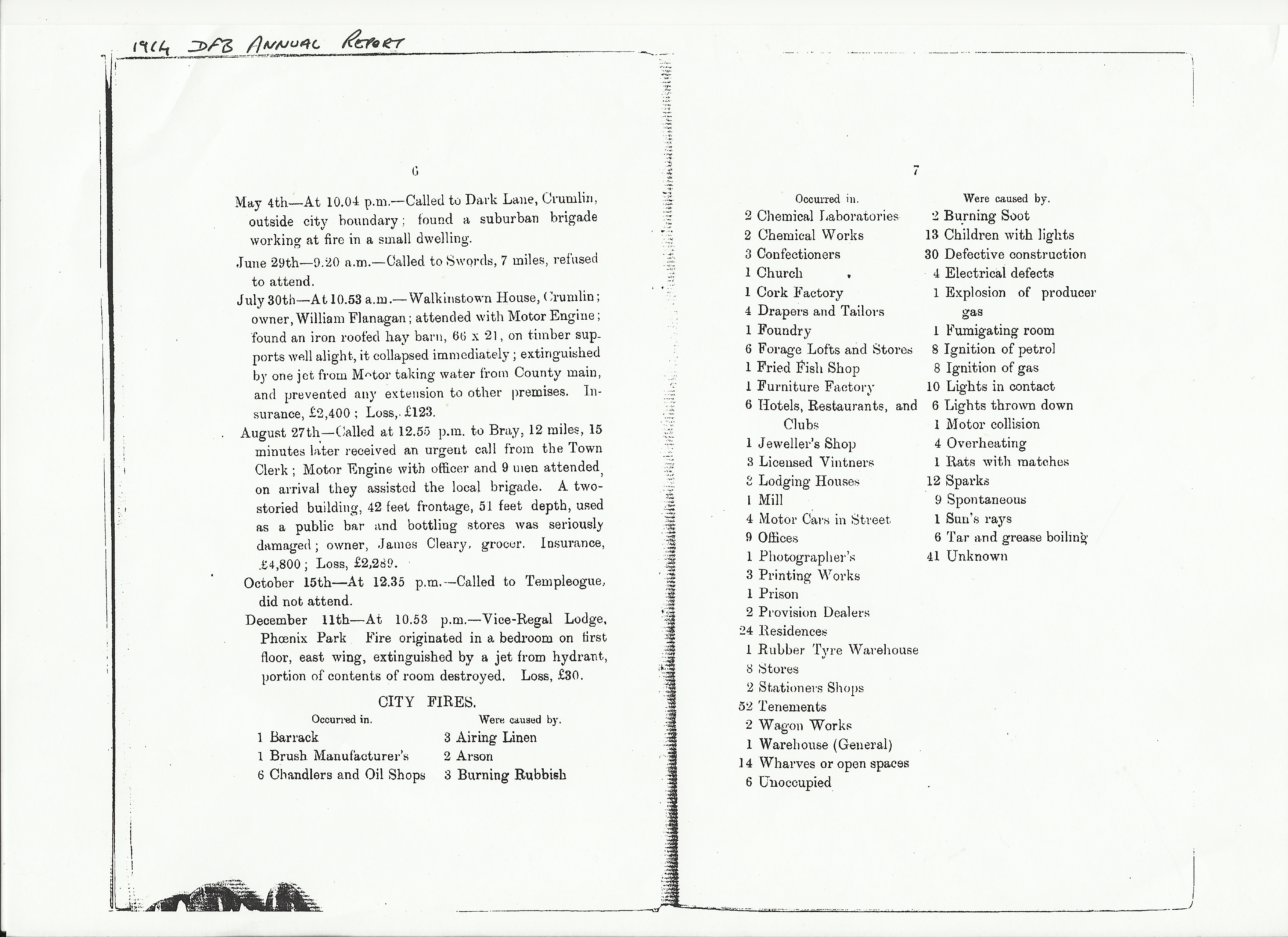
    I had to laugh at this from the Dublin Fire Brigade Annual Report for 1914. In the past we posted excerpts from the 1913 Annual Report, which dealt with “Abnormal labour disturbances”, arson and collapsing tenement houses.

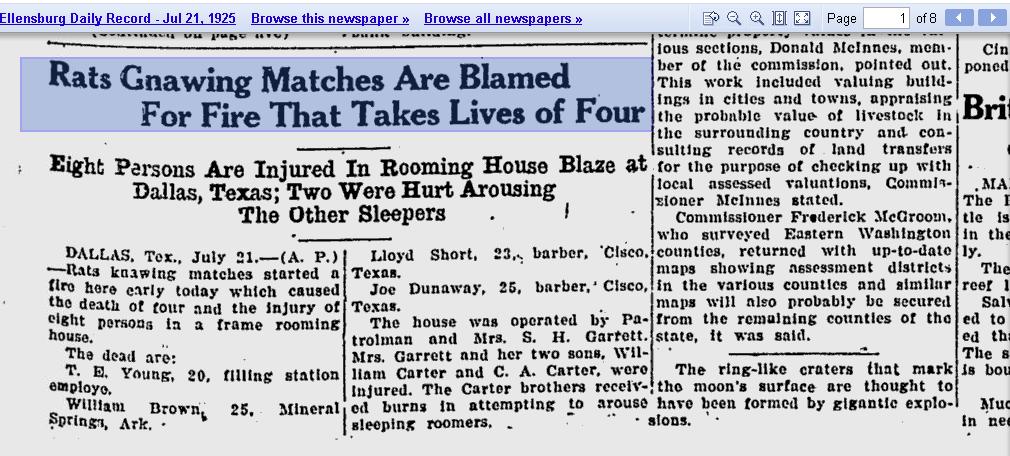
    What’s interesting about the 1914 report, also compiled by Chief Officer Thomas P. Purcell, is one of the listed ’causes’ for fires in the city. 13 fires are attributed to children with lights, 30 to defective construction and one is attributed, quite amazingly, to “rats with matches”!

    1914 Dublin Fire Brigade Annual Report.

    **Thanks to B.Whelan on the Facebook page for pointing me towards this American newsreport, where rats with matches were responsible for a fire that claimed four loves.**

    Read Full Post »
    Thanks (or not, I’m not too sure) to KBranno for pointing me in the direction of this video clip. I don’t know what to say about it only…. its car- crash stuff. Contained within is an uncharismatic blithering idiot trying to talk football while cracking juvenile jokes about Pat Butcher, kissing your mates Ma and the politics of slagging people of different races. Unreal stuff for a Sunday morning.


    WARNING. View at your own discretion. CHTM! will not compensate for facial injuries caused by overt cringing.

    Read Full Post »

    The latest History Ireland is just out and on the shelves.

    Some features of interest to Come Here To Me readers would include Séamus Nevin’s look at Georgian Ireland’s property bubble. It’s a fascinating look at an eighteenth century collapse with an errie resemblance to today. “Pre-Union, an acre of Dublin land typically fetched more than three times its London equivalent. By 1820,however, its value had halved.”

    Brian Hanley has an interesting article looking at the response to the Bloody Sunday massacre in the south. This article looks at nationwide protest, but pays particular attention to the burning of the British embassy in the capital.

    Joseph E.A Connell Jr continues his ‘Countdown to 2016’ feature, this time looking at the return of Thomas Clarke to Dublin following his release from Pentonville Prison.

    I’ve enjoyed the contributions of Lar Joye, curator of military history at the National Museum of Ireland, to the magazine with regards to some of the artefacts in the museum’s collection. This issue sees him take a look at the uniform of Roger Casement’s Irish Brigade.

    Personally, I’ve a review of The Men of Arlington in this issue, a wonderful documentary looking at Arlington House in Camden, home to generations of Irish migrants in London. It features alongside the usual reviews of telly, books and theatre but this issue marks the welcome arrival of ‘Radio Ear’, a look at recent historical content on the airwaves.

    Read Full Post »

    Couldn’t help but smile earlier on when passing Costa Coffee on Dame Street.

    Somebody has taken it upon themselves to spray ‘El Barto’ across the front of the place by the bus stop, pretty sizable and something two kids in front of me picked up on and found hilarious. A brave move, which brought all kinds of nostalgic feelings for a time when The Simpsons was half decent.

    Read Full Post »

    I contacted AK over at the Irish Election Literature Blog recently enquiring about the possibility of posting the below to Come Here To Me, a letter of support from The Housemartins to Shamrock Rovers supporters in their battle to save Miltown Road from destruction.

    I’d long known of Paul Heaton’s love for the beautiful game, his interview with the Celtic fanzine TÁL is worth taking the time to read, and gives good insight into his views on the modern game. There’s also a great bit of Dublin related humour in it.

    Interviewer: Is ‘The Rising of Grafton Street’ by The Beautiful South in reference to the Easter Rising?
    Paul: Not intentionally
    Interviewer: Lol, we can claim it for Ireland anyway?
    Paul: You certainly can!

    The Housemartins letter of support for Shamrock Rovers supporters was printed in the 1988 ‘Glenmalure Gazette’ Christmas edition.

    In the past we’ve featured a range of League of Ireland fanzies on the site, including Osam Is Doubtful from Saint Patrick’s Athletic and numerous fanzines from Bohs fans. We obviously had easier access to Bohs and Pats materials with our own loyalties here, but Come Here To Me is about something broader and we welcome all fanzines from the capital, in my eyes they represent a great part of the game here and one which is sorely missed by many.

    Some previously featured fanzines.

    I was directed towards the following files, which contain an archive of Shamrock Rovers fanzines from over the years, not only the Glenmalure Gazette from which the letter above comes but other fanzines entirely including Some Ecstacy and Hoops Upside Your Head. It’s an important bit of League of Ireland social history and great praise is due to those who took the time to scan and scan and scan away to bring these to a winder audience, not only young Hoops but the broader LOI community.

    The Glenmalure Gazette:

    1-5 http://www.mediafire.com/?qrsa42y124m1lgn
    6-10 http://www.mediafire.com/?11n2boi46oewow9
    11-13 http://www.mediafire.com/?1relcdt52k90q83
    14-15 http://www.mediafire.com/?03n1xw766zj5gt7
    16-18 http://www.mediafire.com/?oo1wf3m0czno1zz
    19-20 http://www.mediafire.com/?kngx9s5njzx17o6
    21-22 http://www.mediafire.com/?1bbm3b4h3e72mku

    Some Ecstasy
    1-5 http://www.mediafire.com/?oc8wf1f54xyxzax
    6-8 http://www.mediafire.com/?gyxuj32yak4em4u
    9-11 http://www.mediafire.com/?3wcw3s85t75rpp1

    Hooped On A Feeling
    Only One Issue : http://www.mediafire.com/?c3745xxia4m71eb

    Hoops Upside Your Head
    1-3 http://www.mediafire.com/?6y13ntvqk3fvua2
    4-6 http://www.mediafire.com/?ez5d7z7v7f71dzz
    7-9 http://www.mediafire.com/?ya6fwodwgik7o1c
    10-11 http://www.mediafire.com/?d9amjej0msjler5
    12 http://www.mediafire.com/?ag2aala7ep7srhm
    13-14 http://www.mediafire.com/?5g7d7bn481g4koa
    15-16 http://www.mediafire.com/?sr4gkua4kh6683d

    Read Full Post »

    « Newer Posts - Older Posts »