Feeds:
Posts
Comments

Archive for March, 2014

Over the weekend I was asked by thejournal.ie to pen a piece on the passing Shane MacThomais. I’m reposting it here as all references to Shane’s passing from Come Here To Me have been made elsewhere, on our Facebook page. For the historical record I wish to mark his passing here on the actual website. The three of us at Come Here To Me extend our deepest sympathies to Shane’s family and many friends.


Bohemian F.C and Shamrock Rovers players join in a minutes applause for Shane MacThomais, a regular at Dalymount Park (Image: Paul Reynolds)

Bohemian F.C and Shamrock Rovers players join in a minutes applause for Shane MacThomais, a regular at Dalymount Park (Image: Paul Reynolds)


FEW FINAL RESTING places in Ireland command the respect of the round tower tomb of Daniel O’Connell. Forever immortalised in Irish school books as ‘The Liberator’, O’Connell is just one of the one-and-a-half million people whose mortal remains rest in what is officially known as Prospect Cemetery. The story of Ireland can be told by walking the grounds of this amazing place.

There is the tragic young Sean Healy, a 15-year-old rebel who perished in the rebellion of 1916, gunned down on a Phibsboro street corner. There are ‘characters’ of centuries past like Michael J Moran, or Zozimus as he was known, the blind bard of nineteenth century Dublin who captivated Dubliners with song. There are shocking reminders of the wrongs of Irish society in recent times too, with many victims of the Magdalene Laundry system to be found within the cemetery. Shane MacThomais understood that each and every human being buried within the walls of the cemetery he loved so passionately had a story, and his ultimate ambition was to tell as many of those stories as he could.

I had the good fortune of encountering this ambition of Shane MacThomais first-hand. My great-grandfather was one of the tens of thousands of Irishmen who would die as a result of the First World War, though lacking a heroic ‘over the front’ battlefield death and the Commonwealth Graves headstone that might come with it, rather dying months later in the Richmond Hospital in Dublin. A working class statistic of the most horrific war in human history, MacThomais was able to help my family locate the paupers’ grave in which he now rests. It may have been far from a round tower, but to my mother it was a spot to stand and pay homage to a man she had heard so much about, and an emotional experience. This was only one part of Shane MacThomais’ job, but all who knew him knew it was an important part to him.

In all the time I was fortunate to know Shane, he was a tireless champion of the underdog in Irish history. Only last year he passionately argued for Dublin’s newest bridge to be named after a woman, Rosie Hackett, arguing that “all too often the role of Irish women is forgotten in our history books.” There has often been much else missing in our history books in Ireland, such as the victims of tragedies like tenement collapses and tuberculosis outbreaks.

(more…)

Read Full Post »

Thomas ‘Tommy’ Wood (1919-1936), aged just 17, was the youngest Irish volunteer to fight and die with the International Brigades. A Dubliner from a staunch Republican family, he left for Spain with Frank Ryan on 11th December 1936 and was mortally wounded just 18 days later at the Battle of Cordoba.

Wood (often misspelt as Woods) joined Na Fianna Éireann at the age of seven and was later active with B Company, 2nd Battalion, Dublin Brigade, IRA. Before leaving, he wrote a letter to his mother:

I am very sorry for not telling you where I was going. I am going to Spain to fight with the International Column. Please forgive me for not letting you know. I got my wages in the Gas. Co. alright. I left a message to be delivered on Sunday. We are going out to fight for the working class. It is not a religious war, that is all propaganda. God Bless you.

He lived with his parents John C. Wood and Sarah Ann Wood (nee Doyle) at 16 Buckingham Place just off Amiens Street with siblings Sean (who died in a workplace accident in 1938), Patrick, Donald, Seamus, Ellis, Kathleen and Frances.

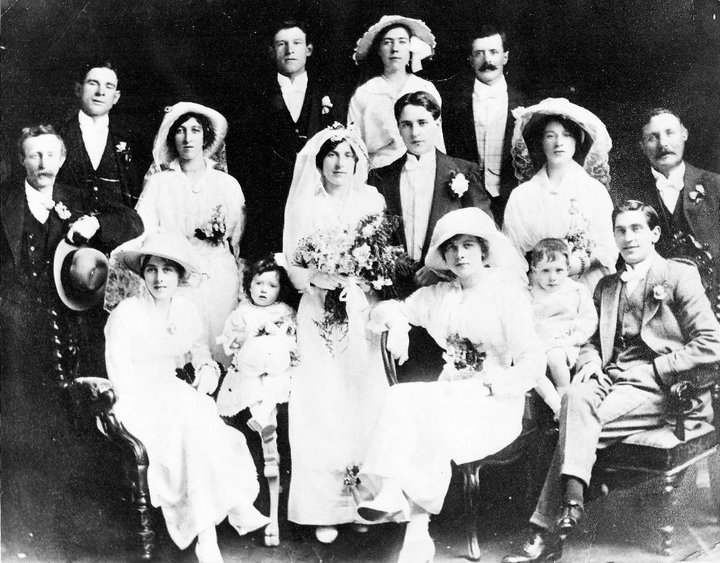
Wedding photo of Sarah Doyle and John Woods, 1915. Credit - ailishm49

Wedding photo of Tommy’s parents Sarah Doyle and John Woods, 1915. Credit – ailishm49

During intense fighting at the Battle of Cordoba, which saw eight Irish anti-Fascists killed, Wood was shot in the knee and then in the head. Frank Ryan wrote to his parents:

He was wounded on the Cordoba Front on December 29 last. I was talking to two comrades who brought him to the dressing station. He was hit above the left knee and then as they were bringing him in, he and one of his comrades was hit again. This time the bullet hit Tommy in the head, but the two lads with him thought it was only a graze as he was conscious all the time. He was brought to Andujar Hospital and the first report from there was very favourable, then we could get no more news of him. It is only now that we have found out why.

Ryan went onto say that name of Woods was confused originally with that of Wools, a Dutch comrade who was also in the hospital. His letter continued:

His comrades here wish to be associated in rendering you their sympathy. Tommy was universally liked during the time he was with us here. I want to emphasise that his life was given in a great cause. He did not come looking for adventures nor for reward. He believed in the cause for which the people of Spain, helped by men such as himself, are fighting. He has given his life not only for the freedom of the people of Spain, but of the whole human race and he will be remembered and honoured equally with those who gave their lives for freedom in Ireland.

On 13th January 1937, the Irish Independent reported:

News has reached Dublin that natives of Dublin serving with the Reds at Albacete – T. Woods (aged 17 years), of Buckingham Place, is suffering from shell shock, and C. Gough, of Cabra, is in hospital with a neck wound. Both casualties were sustained in an air raid on Albacete.

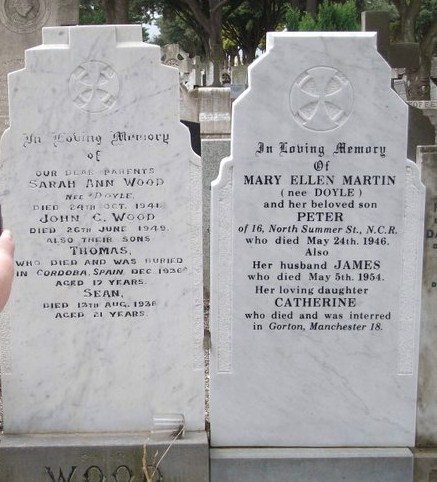
Buried in Corboda, Tommy’s name is inscribed on the grave of his parents Sarah and John Wood and brother Sean in Glasnevin Cemetery:

Wood family grave. Credit - ailishm49.

Wood family grave. Credit – ailishm49.

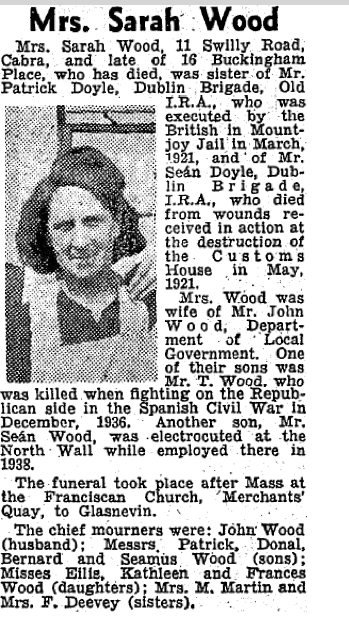
The Irish Press (29 Oct 1941) reported on the death of Sarah Woods (nee Doyle):

Sarah Woods - Irish Press (29 Oct 1941)

Sarah Wood – Irish Press (29 Oct 1941)

Tommy was immortalised in Christy Moore’s song ‘Viva La Quinte Brigada’:

Tommy Wood age seventeen died in Cordoba
With Na Fianna he learned to hold his gun
From Dublin to the Villa del Rio
He fought and died beneath the Spanish sun.

Two of Tommy Wood’s uncles were killed during the War of Independence.

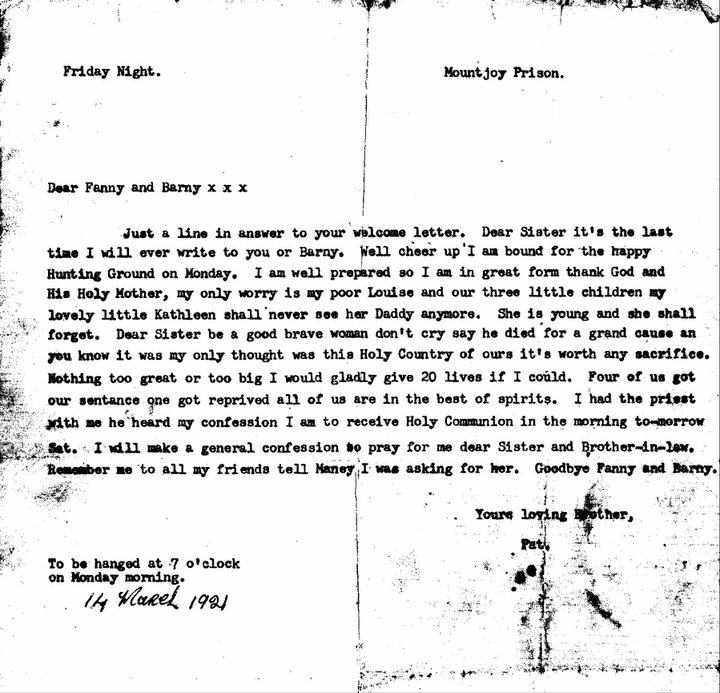
Patrick ‘Paddy’ Doyle (29), of 1 St. Mary’s Place, a carpenter married with two children was hanged in Mountjoy Jail on 14th March 1921. Active with F Company, 1st Battalion, Dublin Brigade, IRA, he was arrested and charged with high treason and levying war against the King for his part in an attempted ambush of British forces at Drumcondra on 21st January.

Letter from Patrick Doyle to his sisters a few days before his execution. Credit - ailishm49.

Letter from Patrick Doyle to his sisters a few days before his execution. Credit – ailishm49.

Six weeks after his execution, his brother Seán ‘Jimmy’ Doyle was killed during the IRA’s attack on the Custom House on 25th May 1921. During an attempt to escape, he was cut down by a British Army machine gun and died of his wounds in the Mater Hospital. Doyle had been active with Michael Collin’s ‘Squad’. Oscar Traynor (BMH WS 340) wrote of his last hours:

As he lay on his deathbed (the nuns) said his one worry was, “Are the boys beaten?”, and that night as the sound of nearby explosions shook the air, Sean’s face, wreathed in smiles, turned to the Nun who was attending him, and he feeble whispered, “Thank God, Sister, the fight goes on”.

If anyone has a photograph or any further information on Tommy Wood, please get in touch.

Read Full Post »

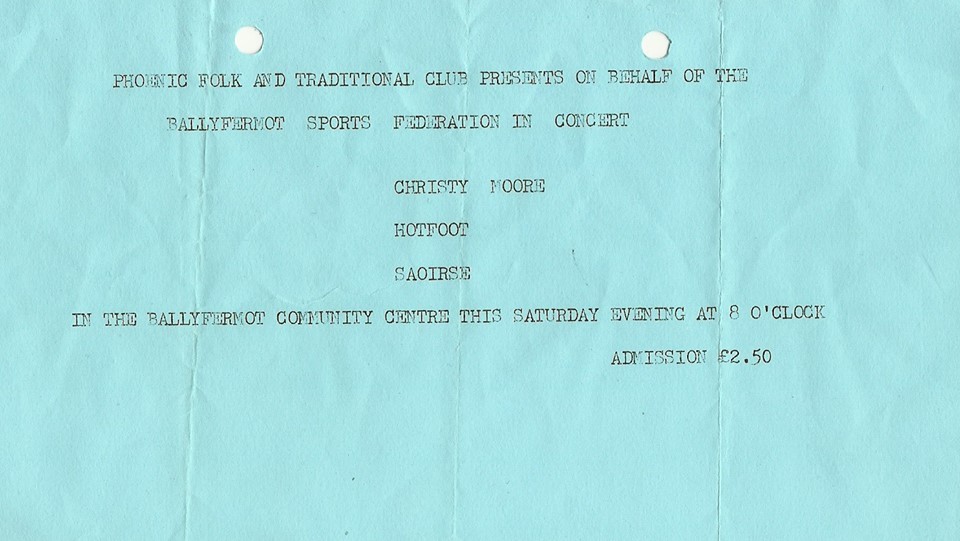
A ticket for Christy Moore in Ballyfermot once upon a time, a find which sparked my interest in interviewing Christy about his recollections on Dublin.

A ticket for Christy Moore in Ballyfermot once upon a time, a find which sparked my interest in interviewing Christy about his recollections on Dublin.

One of the joys of Come Here To Me to date has been interviewing people who we feel have made a real contribution to this city and its culture. We had the honour of publishing an interview with the late Philip Chevron of The Pogues and the Radiators of Space, and we’ve also discussed the city with people as diverse as the street artist Maser and inner-city historian Terry Fagan.

For us, these interviews are a means of collecting important social history from people who have proactively engaged with Dublin and who have stories to tell about the city and its people. For a long time now, I have wanted to interview Christy Moore, someone who has been a constant presence on the music circuit of the capital since releasing his first album under the stewardship of Dominic Behan in 1969. A veteran of iconic acts Planxty and Moving Hearts, Christy has also been an active campaigner in Irish political life for decades, standing beside and a wide range of causes in Irish life, ranging from the anti-nuclear movement of the 1970s to the anti-drugs movement that emerged in working class Dublin thirty years ago.

Christy agreed to answer a wide variety of questions on his relationship with this city through the ages, ranging from the great venues of Dublin’s past to his encounters with people such as Seamus Ennis and Liam Weldon who are institutions in the traditional music heritage of Dublin. I hope readers enjoy it. I’ve followed the format of previous interviews here, with question in bold.

Before you we’ve spoken to Philip Chevron from Santry and Paul Cleary from Ringsend about their memories of Dublin in the decades that have passed, as a young lad from Kildare did you have much engagement with Dublin city growing up?

My earliest memories of coming to Dublin are back to the early 50s. Then I spent a lot of time with my grandparents Jack and Ellie Power who lived at Back-Weston near Lucan. Jack loved the old cowboy movies. We would go to The Carlton,The Savoy,The Metropole or to any of the fine cinemas that festooned the city centre. Back then cars could be parked on O’Connell St right outside a cinema. I recall the picture house queues, the excitement. I remember one singing busker who moved down the queue. Also a street photographer who was always snapping near The Pillar.I remember going to the Theatre Royal in Hawkins St, hearing the magic organ and seeing the Royalettes high kicking before the big picture. We always stopped on the way home at Pacitti’s Ice Cream parlour on Parkgate Street .There I had a young boy’s blushful crush on one of Mr Pacitti’s daughters. Later Jack would pull into the Ball Alley House in Lucan or The Dead-Man-Murrays in Palmerstown for a few swift pints.

My first visit to Croke Park was around this time too. The excitement of that is still palpable. The paper hats and rosettes, the Artane Boys Band, The Hawkers ( “anyone for the last few choc ices”). My grandfather was a proud Meath man. If The Royal County were playing The Dubs the pressure would mount. I remember seeing Snitchy Ferguson, Kevin Heffernan and Ollie Freaney playing for Dublin. Croke Park was an awesome spectacle for a young country lad. We always went there on Patrick’s Day to see The Railway Cup Finals. Back then those Inter-Provincial games were second only to All-Ireland Finals in terms of importance and crowd numbers.

Before he died in 1956 my father took me once to Lansdowne Road to a Rugby International. I remember seeing Gordon Woods and Tony O’Reilly play for Ireland against Wales when I was 10 years old. The atmosphere was quite different at Lansdowne Rd.You’d not find too many hip flasks nor rugs in The Cusack Stand.

Recently a box in our family attic unearthed a ticket for a Christy Moore gig in Ballyfermot from the early 80s, organised by the local folk society. Does Ballyfermot bring back any memories? I know you played there a bit, and the brilliant talent that was Liam Weldon was from there, while one of the most powerful images in your book One Voice comes from that suburb, from the day Bobby Sands passed away.

I recall a number of gigs in Ballyer. The one you mention and another one run by my sister Eilish in the Community Centre, I also recall one in The Cinema but my recall is a bit hazy on these. I well remember visiting The Keenan Family when we played together for a TV programme in The Abbey Tavern, Howth circa 1979. I also visited the home of Liam and Nellie Weldon to swap songs with Liam. Back in the early days of Ballyfermot Rock School I did a workshop and small gig there. One of the students that day was Damien Dempsey. I can still see the lovely wild head on that young fella.

A candid shot of a member of the Special Branch stopping Christy Moore in Ballyfermot, which recently picked up huge traction online, with thousands of likes on a variety of Facebook pages. The image was published in 'One Voice: My Life In Song'

A candid shot of a member of the Special Branch stopping Christy Moore in Ballyfermot. This image recently picked up huge traction and interest online. The image was published in ‘One Voice: My Life In Song’

(more…)

Read Full Post »

War can bring out the worst in people, and not only those on the front-lines of battle. In 1914 there were a number of attacks in Dublin carried out against businesses owned by German nationals, with particular attention being paid to pork butchers in the city. Much of this violence occurred on a single night, with a number of premises attacked in Dublin on 15 August 1914.

The violence was detailed in contemporary newspaper reports, with the Irish Independent reporting that “German pork shops on the south side of Dublin city had a rough time on Saturday night. Between 11 and 11.30 Lang’s shop in Wexford Street was wrecked. A jeering crowd of youths, it appears, had become aggressive towards the manager.” According to the newspaper, “everything breakable in the place was smashed, and the shop left a wreck.” The paper condemned the violence, stating that “the mob, never a wise arbitrator” had no authority to carry out such actions. The poet Padraic Colum asked, in a letter to the Irish Independent, “what have these defenceless traders done to the citizens of Dublin that their means and substance should be destroyed? What has Germany done to Ireland that she should be insulted by mean attacks?”

A popular recruitment poster from WWI asking Irishmen if their home was worth fighting for, and showing German soldiers entering a home.

A popular recruitment poster from WWI asking Irishmen if their home was worth fighting for, and showing German soldiers entering a home.

While there was considerable damage done to Lang’s premises, it was not the only one to be greatly damaged in the heat of the moment. Newspapers noted that George Retz’ butchers on the South Circular Road and Morton’s tobacconist on the same road were also attacked. It was reported that a sum of £20 was taken from the till of Reitz’ premises, while £14 was taken from the till of Lang’s premises.

In October it was reported that Lang was seeking compensation via a sitting of the City Sessions for the damage done to his premises, which was estimated to be just over £117. It was noted that he had lived in the country for twenty-three years, had married an Irish woman and had children here, yet amazingly it was argued on behalf of the Corporation that “the applicant was an alien enemy, and therefore not entitled to sue in their courts while a state of war existed between Great Britain and Germany.” Reitz also sought compensation from the authorities, to the sum of £223, and detailed that he had lived in Britain for the past twenty-six years and was not eligible for German military service. The Independent report noted that “his Lordship during the discussion said very few Englishmen had been allowed to do business in Germany. If these claimants had any right to sue, it was suspended during the war.”

Manus O’Riordan has noted that that among those to condemn the outrage outright was The Irish Worker newspaper, which accused the mob of “German baiting” and the authorities of turning a blind eye, noting that the DMP had arrested Reitz himself. The paper claimed that it was the “sport” of Redmondites, and also made it clear that if the homes and businesses of Germans were to be attacked again, “an appeal to the men of the Transport Union and the Citizen Army to act as a guard for their houses would not fail to produce good results.”

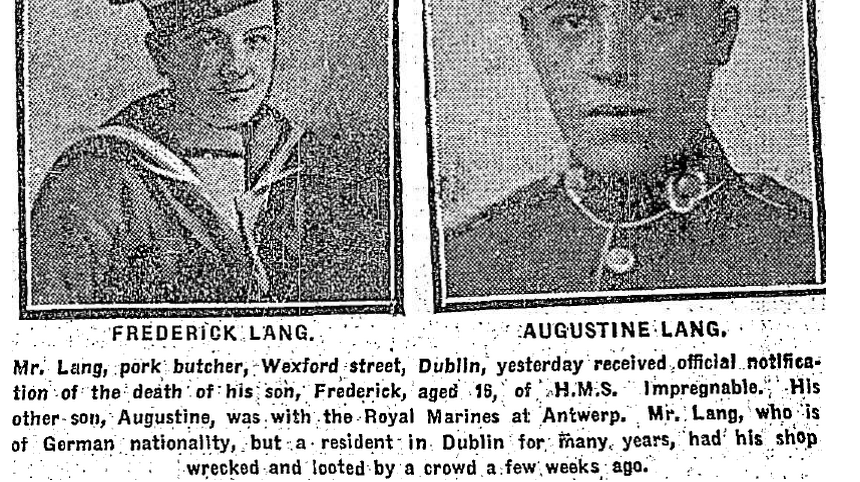
Highlighting the moronic and politically clueless nature of the attack on Lang’s premises was a report in newspapers on 20 October of that same year, detailing the fact his son Frederick Lang, aged 16, had died in the war effort in the service of British forces. His other son, Augustine, also served in the war effort with the Royal Marines at Antwerp.

Report detailing the death of Lang's son.

Report detailing the death of Lang’s son.

Read Full Post »

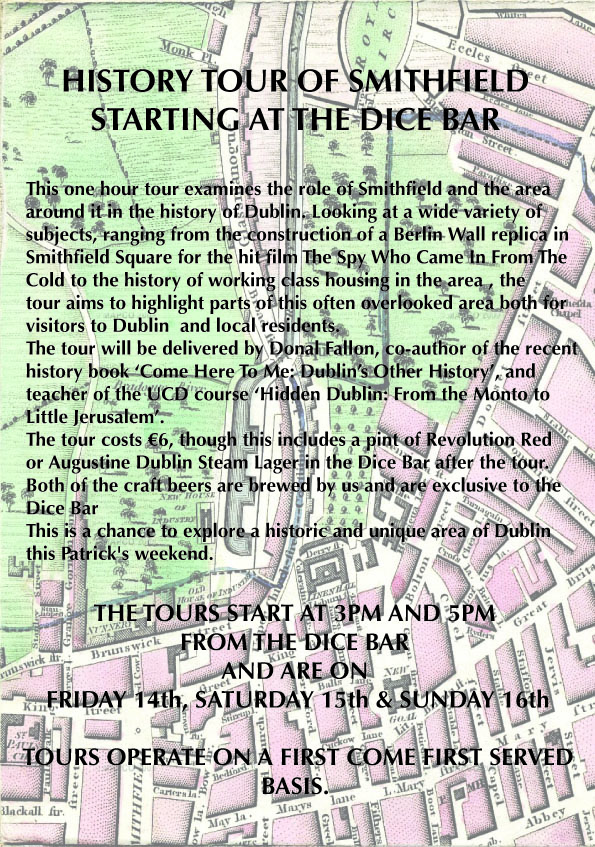
As part of a series of events being organised by the Dice Bar and others in Smithfield, I’ll be doing a few walking tours of the area this weekend, running Friday, Saturday and Sunday. The one hour tours cost €6 but include a pint (or a coffee/soft drink) in the Dice. All details are below in the poster, it’d be great if people can share notice of these events. This is being run by the Dice, just pay at the bar.

Print

Read Full Post »

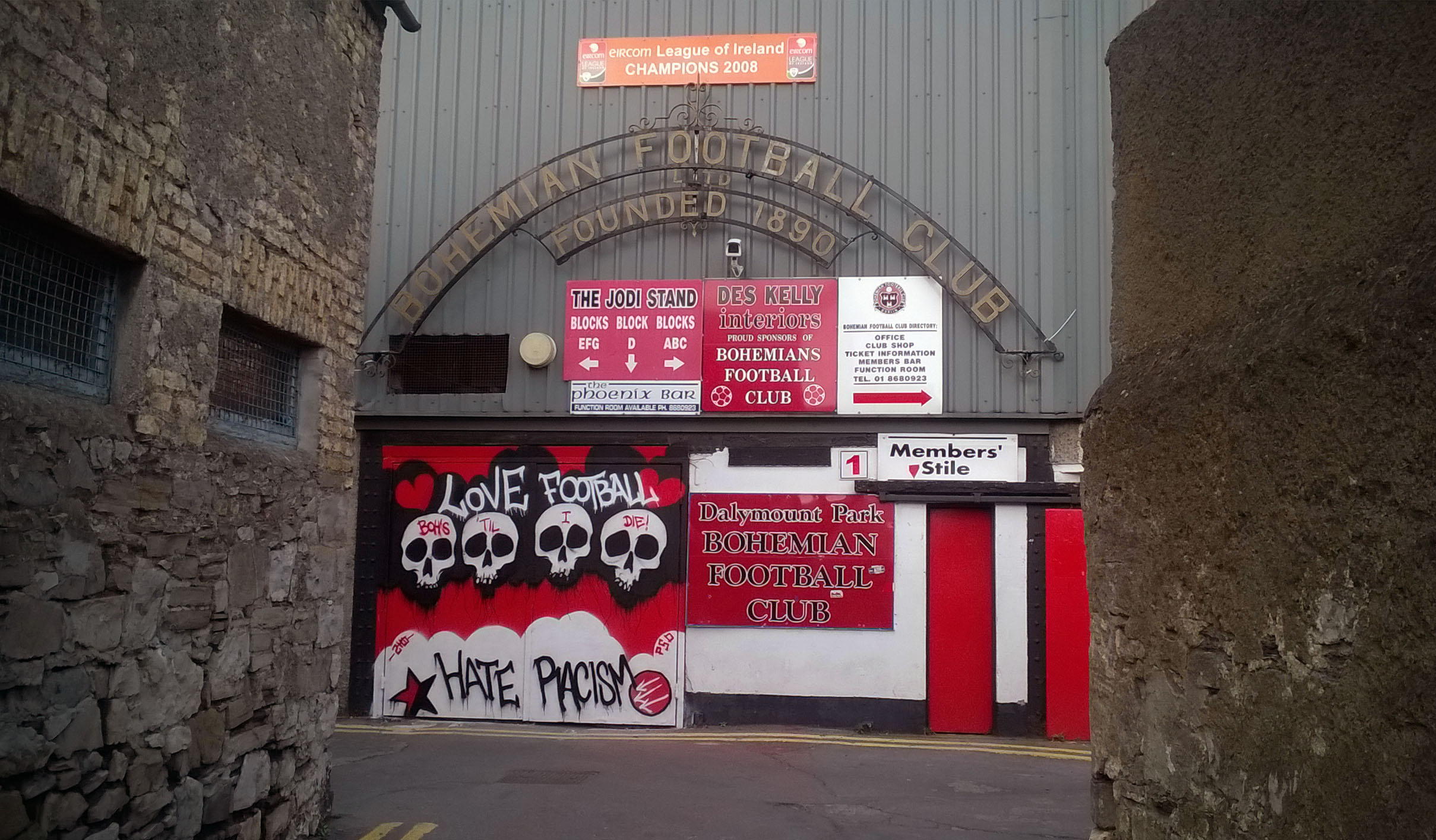
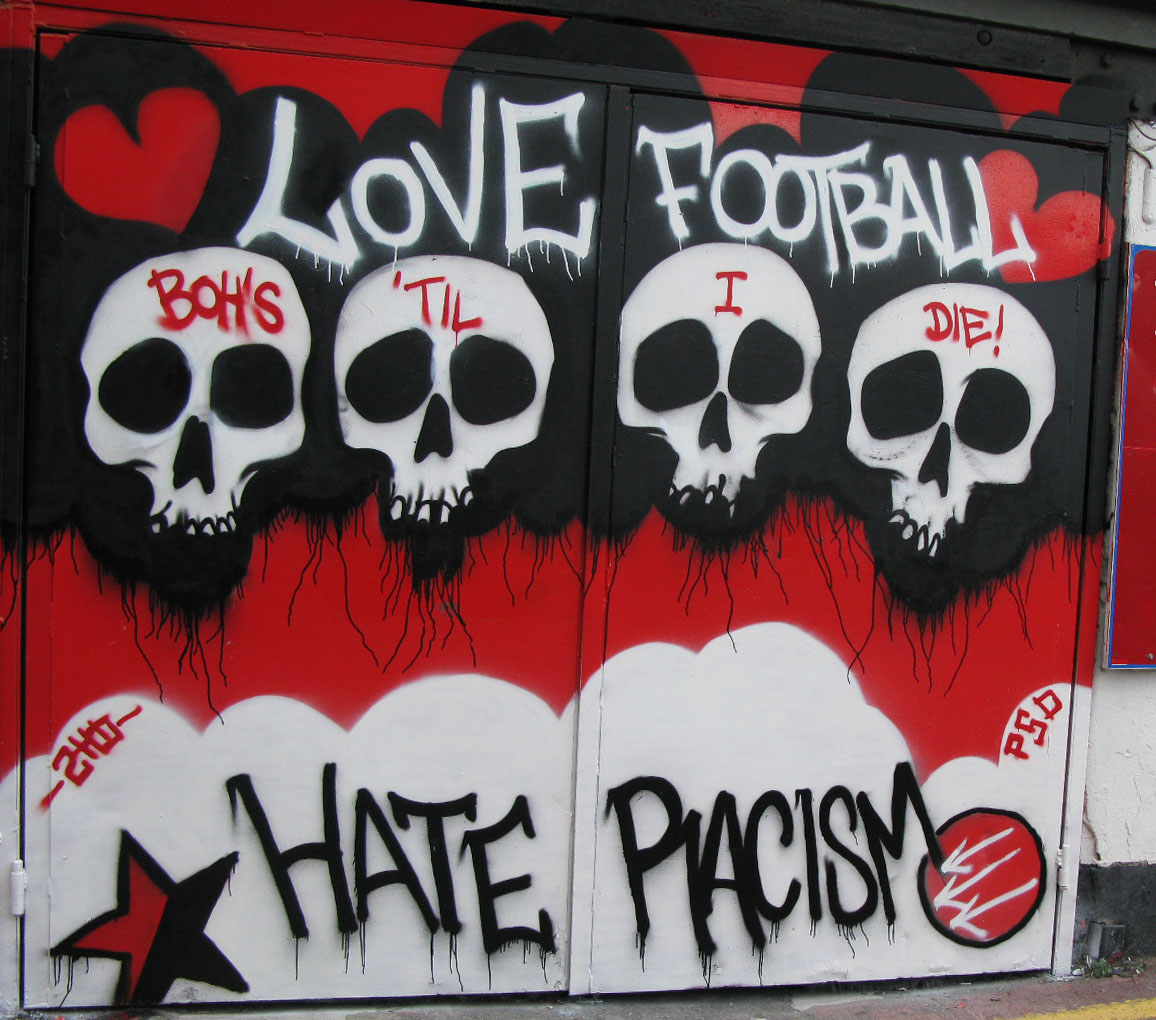
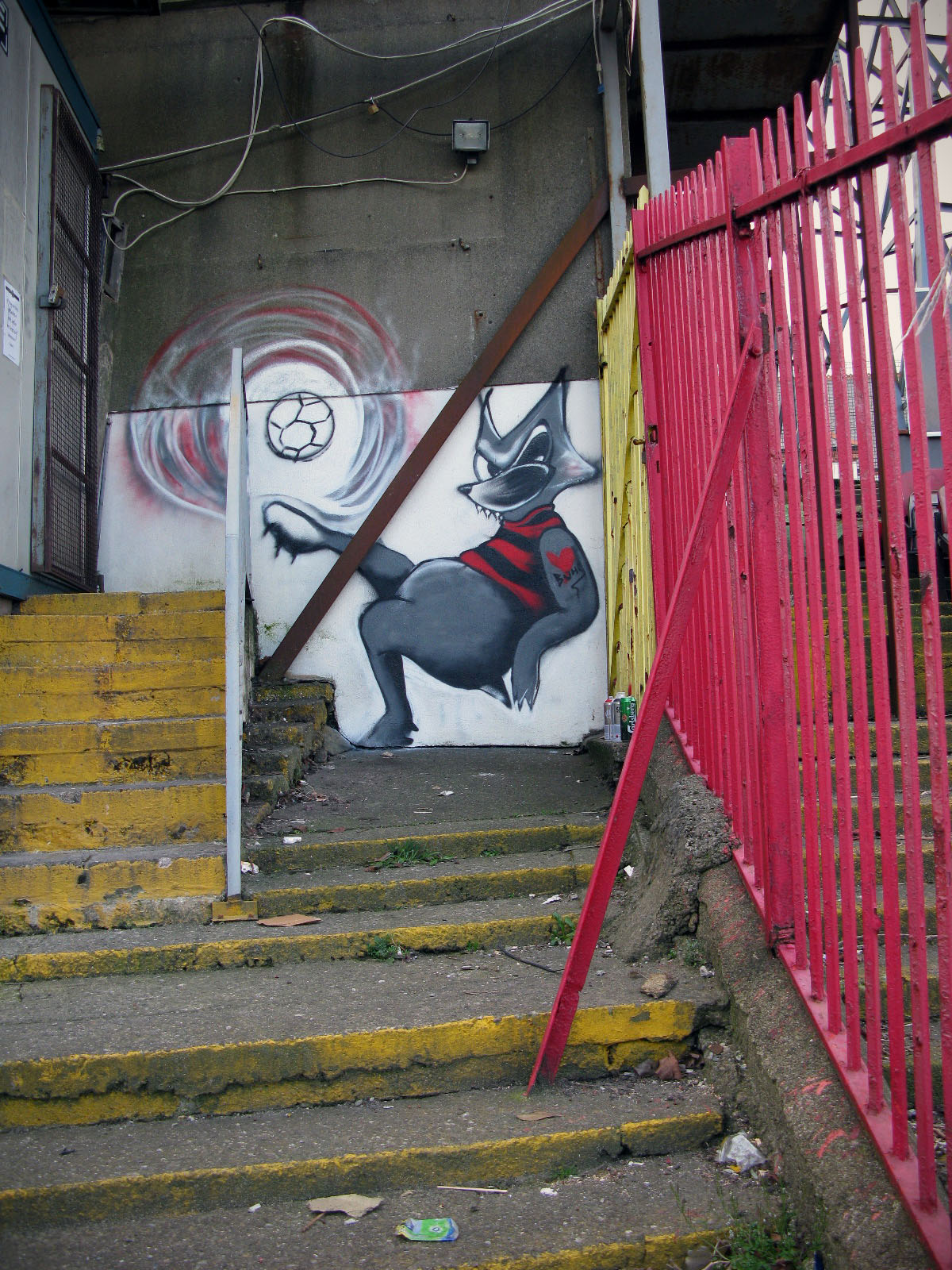
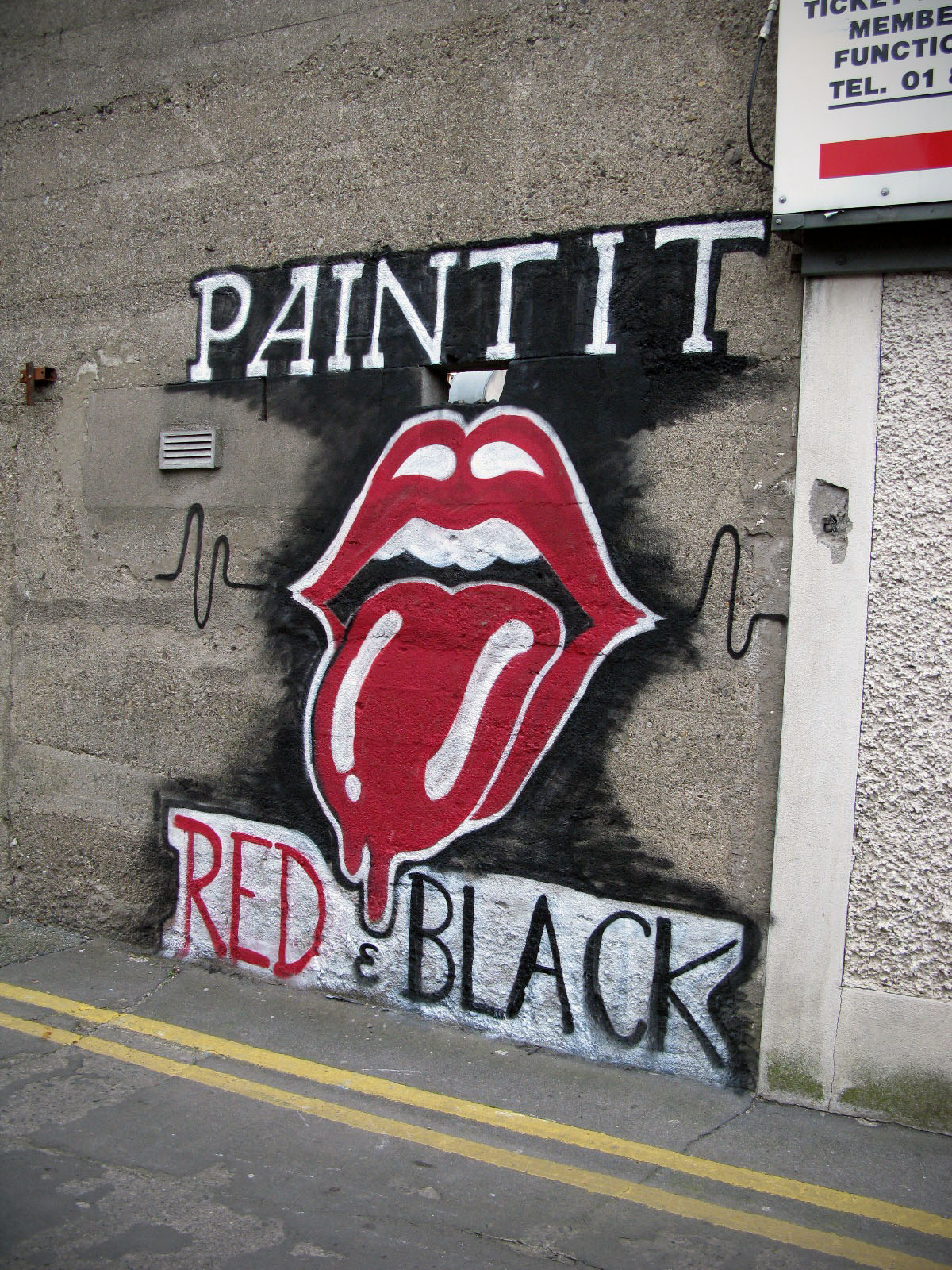
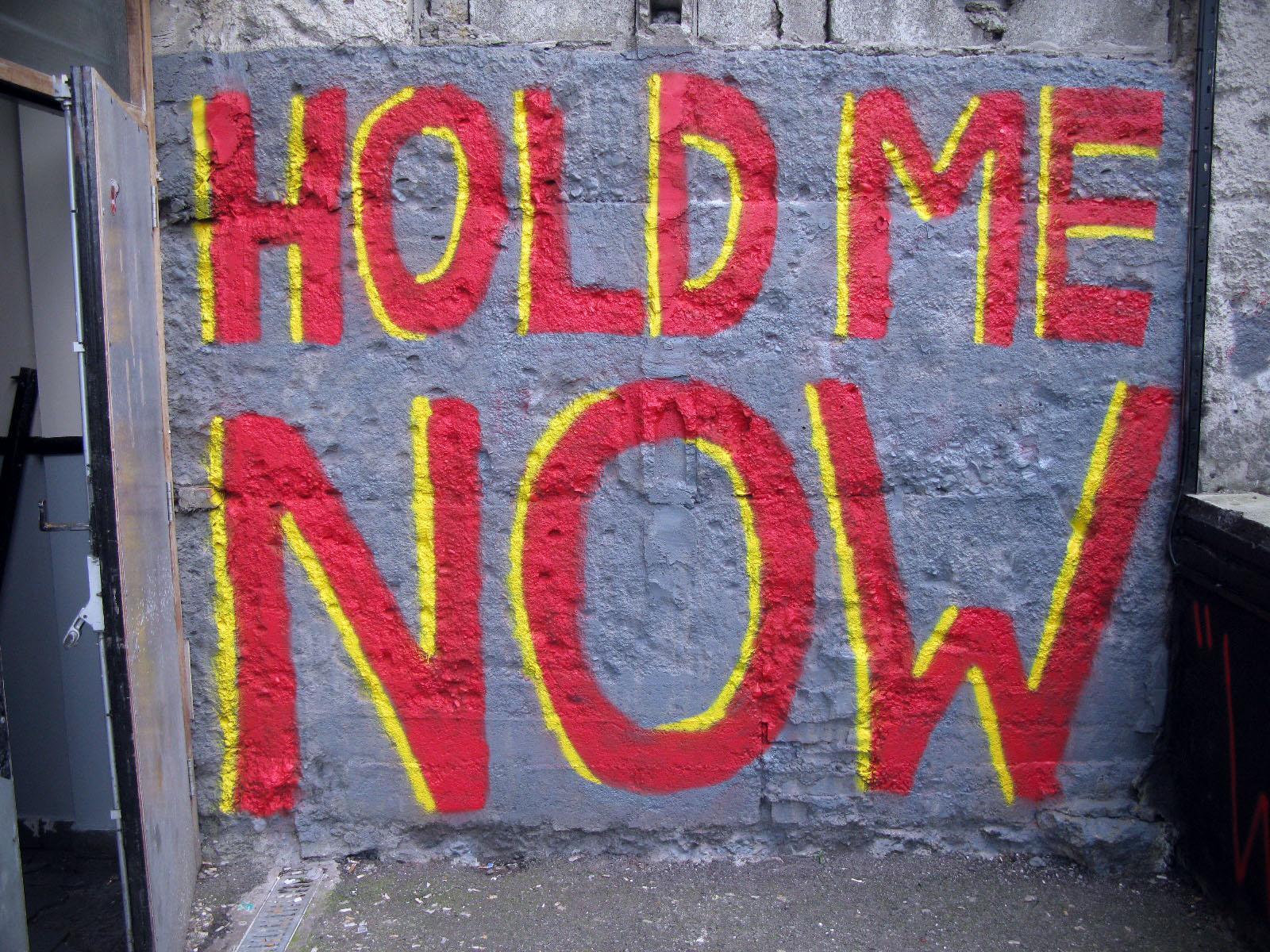
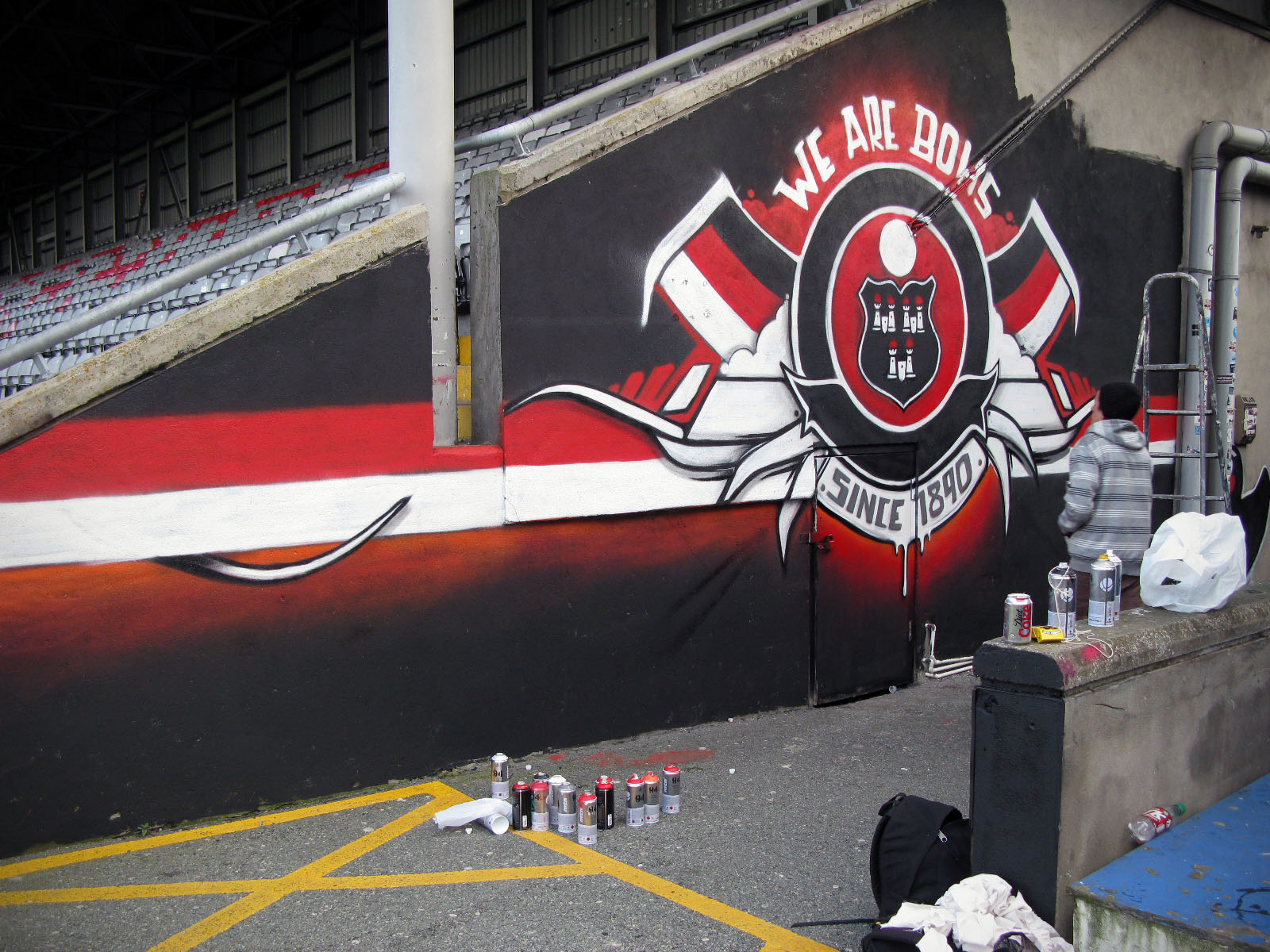
Dalymount Park, fresh from getting a pre-season lick of paint in the bars and corridors, got a lick of paint outside this weekend too as it played host to a selection of Dublin’s graffiti artists. Two-Headed Dog, Kevin Bohan, Marca Mix, Debut, Iljin, Tommy Rash, Kin Mx, Panda & Elroy and CJ Macken amongst others were involved in Dalymount’s first ever Spray Jam, with paint provided by http://www.vinnybyrne.com/ . Most are pictured below, a couple didn’t come out right, but I’ll get them again on Friday when Bohs play their first home game of the season.

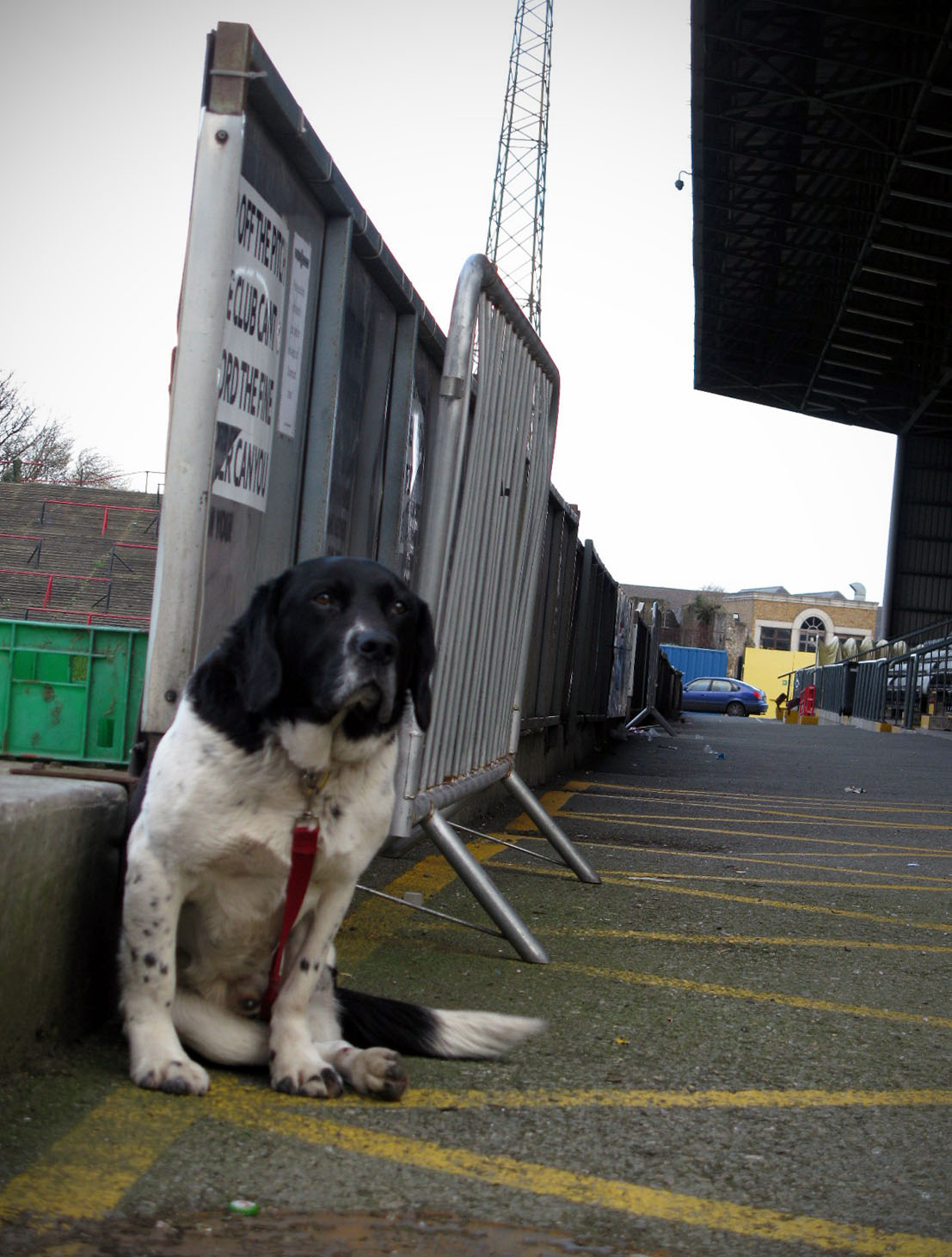
The front gate and the side of the Jodi are the stand-outs in my opinion, but that’s not to take away from the other superb pieces. A long time patron of Dalymount said of the below, and I can’t but agree: “It’s the first thing a foreign or domestic visitor will see as they enter the Mecca… It’s what we’re all about, it’s a statement of intent and something to be proud about.” I’m not sure who owns what, so I’ll just put them up as I took them. Gratuitous dog shot at the end.

WP_20140309_002

037

031

014

030

018

015

2C copy

1CHTM

Read Full Post »