Feeds:
Posts
Comments

Archive for the ‘Dublin History’ Category

Released by Hot Press in 2006 to mark the 20th anniversary Philip Lynott's death.

I always loved Phil Lynnot’s Dublin but I’m embarrassed to say that I only came across this previously unreleased version online this evening. I’ve replayed it six times now. It was originally recorded at Trend Studios in 1970 and ‘remained hidden in the vaults’ until 2006.

After our affair
I swore that I’d leave Dublin
And in that line I’d left behind
The years, the tears, the memories and you

In Dublin

At the quays friends come and say farewell
We’d laugh and joke and smoke
And later on the boat
I’d cry over you

In Dublin

How can I leave the town that brings me down
That has no jobs
Is blessed by God
And makes me cry

Dublin

And at sea with flowing hair
I’d think of Dublin
Of Grafton Street and Derby Square
And those for whom I really care and you

In Dublin


The song always gets to me. What beautiful, haunting lyrics. This version has now become my favoruite.

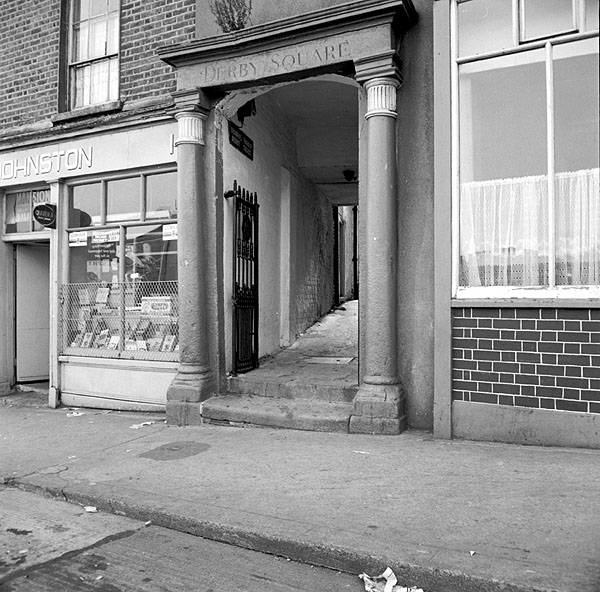
The ‘Derby Square’ in the song refers to a small alley (80ft along according to one poster on Dublin.ie) that used to be off Werburgh Street, just beside Burdocks chipper. It was redeveloped in the early 1990s.

Entrance to Derby Square from Werburgh Street, Dublin (1969). NLI.

For an added bonus, here is a spoken word version from the BBC. Date unknown:

Read Full Post »

Jay Carax will be in Manchester for the next two months but he’s hoping to post irregularly on Dublin and Irish related topics.

The Communist Party of Great Britain (CPGB) kept detailed files on as many Trotskyites and Trotskyite group as they could, right through the 20th century.

One file came that I came across had a snippet on Ireland. The confidential report on “Trotskyite Activities” from May 1943, under the “Colonial”,
section as this to say:

“Socialist Appeal has recently devoted great attention to Ireland, including special reports from Brian Aherne in Belfast. Young Jim Larkin at a recent Connolly Club meeting in London is reported to gave included a number of Trotskyist ideas in his speech. Socialist Appeal is now being sold in Dublin with no apparent interference from the authorities, who strictly maintain the ban on Communist publications. The Workers’ International League (W.I.L.) is reported (May 1943) to have formed an Irish Bureau.” CP/CENT/ORG/12/01

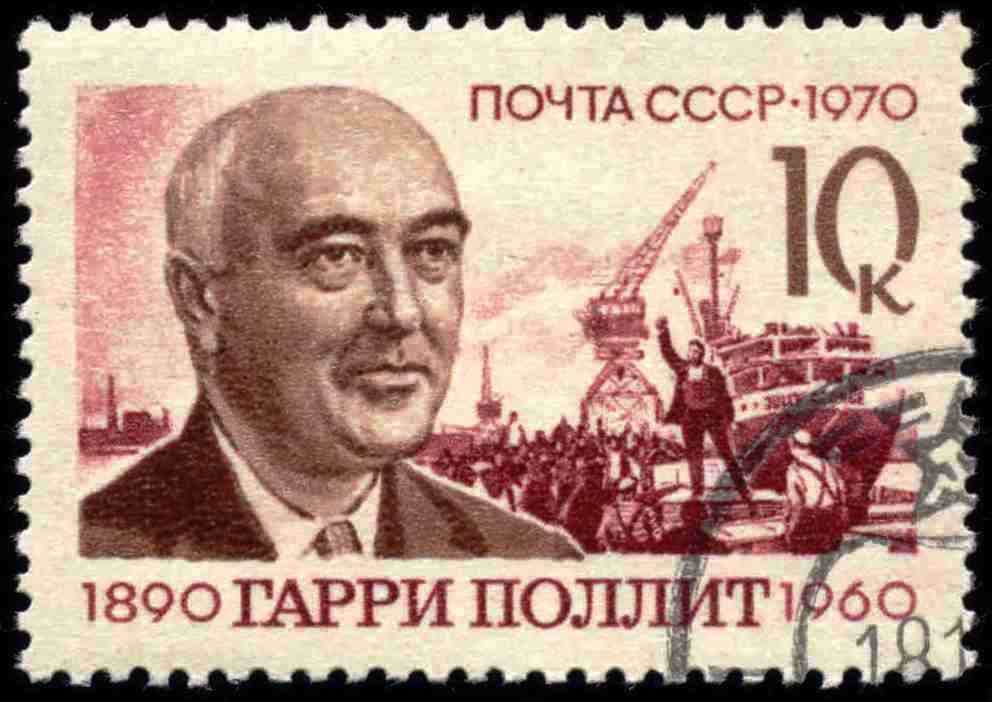
Harry Pollit (1880 - 1960) who was General Secretary of the CPGB from 1921-1939 and 1941-1956.

Read Full Post »

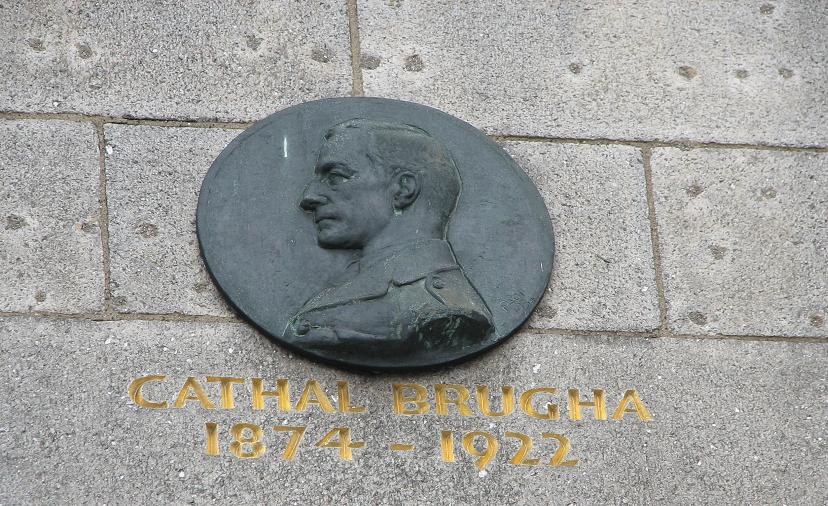
Close up of plaque. Notice bulletholes in stonework.

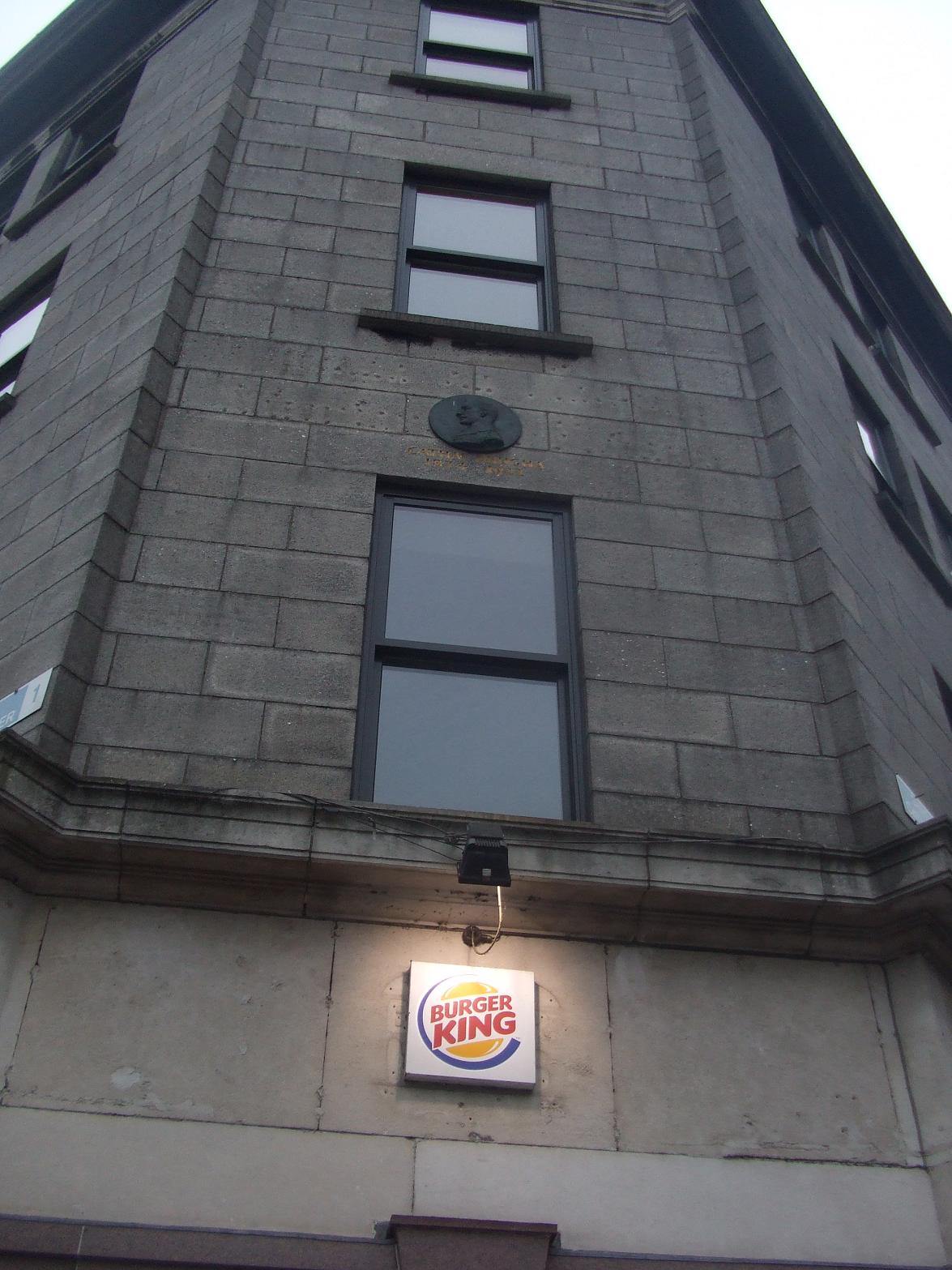
One of the great mysteries of O’Connell Street for me was always the location of this Cathal Brugha plaque I’d seen photographed. Showing an English visiting friend around Fortress Dublin last week, I was surprised to find it right above Burger King. It’s a small plaque and easy to miss, but a great one to a fascinating character.

Brugha’s plaque was once a vanishing one, as this Irish Press report from 1934 notes:

Cathal Brugha, or Charles Burgess as he was first known before changing his name upon joining the Gaelic League, is one of the most celebrated characters of the revolutionary period. Educated at Belvedere and company director at Lalor’s candle factory on Ormond Quay, he famously survived a grand total of 25 injuries sustained in the 1916 rebellion.

It was out of the building marked by the plaque today that Brugha emerged during the Civil War, a leading figure in the Anti Treaty IRA who had refused to surrender, as ordered. The excellent recently released History of Cathal Brugha Barracks noted that Brugha appeared from the doorway of the building, revolver in hand, and was hit by a snipers bullet from the Findlater’s building. I noted here in a previous article on Nurse Linda Kearns that:

Linda Kearns witnessed the wounding of Cathal Brugha, who had refused to surrender to the forces of the new state. She held his severed artery between her fingers as he was driven to hospital, but he would die two days later. Cumann na mBan activists stood guard over Brugha when his body lay in state.

In a great write-up for sadly lost Tribune, Valerie Shanley put it all beautifully when she noted how the revolutionary history of the city is to be found in a very different one today.

fI the events of Dublin’s rebel past were transported to the modern capital, the result would have a Flann O’Brien touch of the surreal. The Irish Volunteers would be ensconced in the Ambassador cinema, which is now a gig venue; the 1916 leaders fleeing the GPO would emerge from the Swarovski crystal shop on Henry Street; and Cathal Brugha would be shot coming out of Burger King on O’Connell Street.

Notice the bullet holes in the stone work around Brugha’s plaque today. Next time you pass Burger King, look up!

Read Full Post »

While I can’t find anymore information online, I read in one of the Sunday papers that Alan Devlin, the famous Dublin hell-raiser and award-winning actor, died over the weekend at the age of sixty-four.

Rest in peace.

I included a famous anecdote about Devlin in an article back in January 2010, my first ever pub crawl review.

Due its close proximity to the Gaiety, (Neary’s) is frequented by figures from the world of theatre. A back door beside the toilets leads to a lane which in turn leads to the back door of the Gaiety itself. The actor Alan Devlin famously used this as a escape route in 1987:

“Perhaps (Devlin’s) finest hour came while he was playing Sir Joseph Porter in the Gaiety Theatre’s 1987 production of HMS Pinafore.

As stage legend has it, Gilbert and Sullivan’s much-loved operetta was wandering to its predictable conclusion when Devlin turned to the audience, said: “F**k this for a game of soldiers, I’m going home,” and clambered through the orchestra pit, shouting: “Finish it yourself!” and vanished. Still dressed in the flamboyant costume of an admiral, Devlin (scuttled) into Neary’s bar, where he approached the counter, drew his sword and demanded a pint.

And thanks to radio mike technology, the cast and audience in the theatre next door were still able to hear the thespian, ordering a round of drinks and fearlessly critiquing the production he had recently departed.” – Joe O’Shea

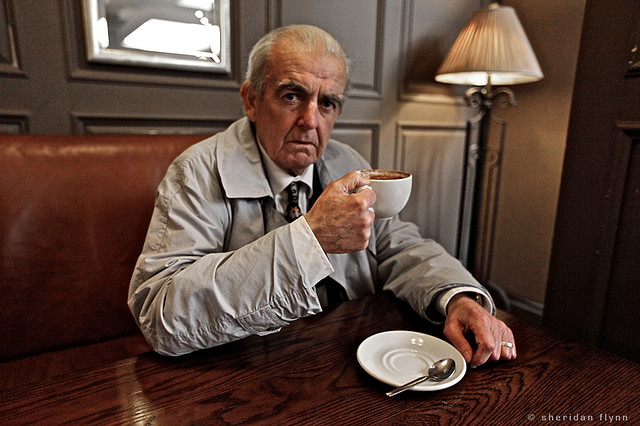
Paul Devlin (1947 - 2011). Dublin actor. Picture credit - sheridanflynn

Read Full Post »

A great piece this, and my thanks to Paddy Kelly for providing it.

This is a fascinating propaganda leaflet from 1922, deriding Michael Collins and the Free State. A different Queen Elizabeth to the one currently making the headlines here of course!

Read Full Post »

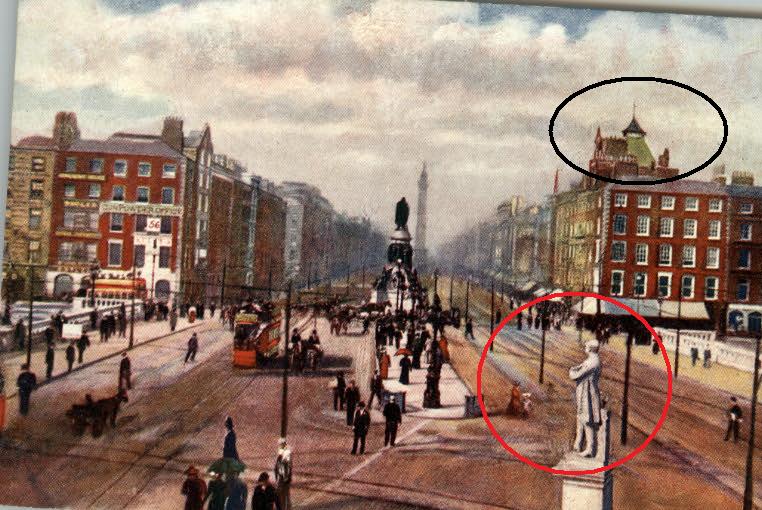
I was looking through some old postcards of O’Connell Street and came across this one. It’s obviously depicting Dublin pre Easter rebellion, as I’ve circled the Dublin Bread Company on the right of the photo. The tower of the Dublin Bread Company was used by rebels during the rebellion to return fire to snipers from Trinity College Dublin, but it was never reconstructed following the rebellion.

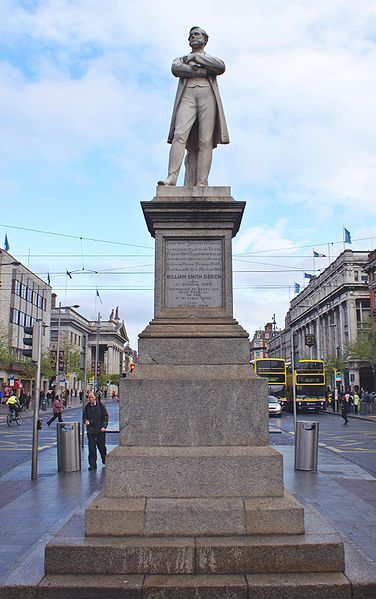
Who is the statue circled in red? It’s William Smith O’Brien. I never knew he was positioned at the corner of D’olier Street and Westmoreland Street for a period. The statue, by Thomas Farrell,was unveiled in 1870.

William Smith O’Brien now stands proudly on O’Connell Street, across the River Liffey and among giants of Irish history.

O’Brien made the journey across the Liffey in 1929. A great article in the Independent at the time commented on the statue, noting it was “..about twice life-size” and “..is composed of Caravazzia marble”. The statue had first been unveiled on the southside of Dublin on Stephens’ Day 1870, before a large assembly. The Times in London remarked at the time “Why gibbet such a failure in monumental marble?”

In 1900, the statue saw the name “O’Brien” removed from its pedestal by Dublin Corporation, substituted for the current bi-lingual inscription. As noted in the Independent: “This was the outcome of an agitation aroused to remove the doubt that somehow got abroad that the statue was that of William O’Brien, the Irish Nationalist M.P, whose name was so much before the public at the time, and not that of the ’48 rebel.”

Will he be left in peace? Well, no. William Smith O’Brien is due to be moved again, though only temporarily. Collins Barracks is the location. The reason for his latest move is of course the Metro North project.

Read Full Post »

Previous ‘Plaques of Dublin’:
The Eagle Tavern, Lord Edward Carson, Sean Healy- Irish Volunteers

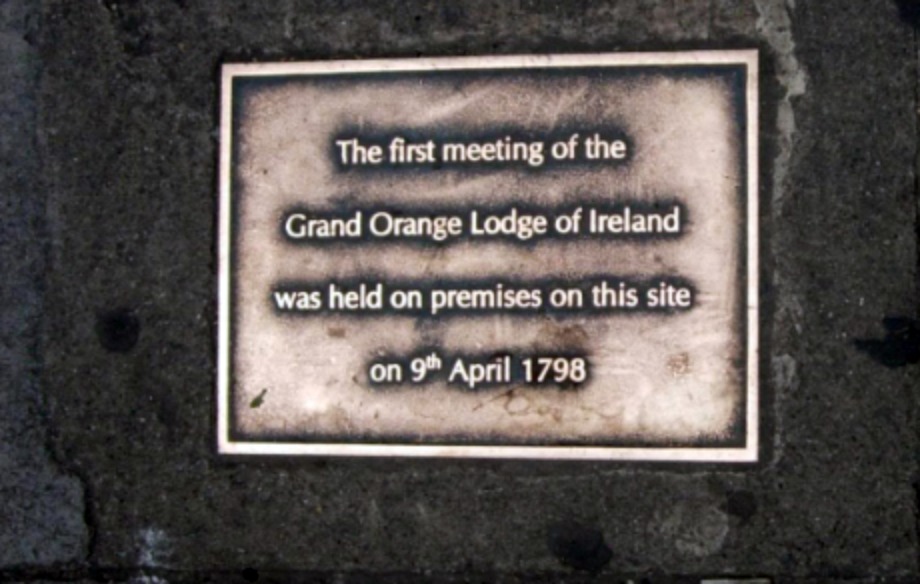
The Grand Orange Lodge, in the wake of the Love Ulster fiasco and riots in Dublin, posted an article to their site relating to a 1998 planned plaque unveiling on Dawson Street.

Dublin has a long history of such intolerance, and Orangemen have only to reflect on what happened in 1998 to prove the depth of this intolerance.

That year the Dublin and Wicklow Orange Lodge had planned to have a small ceremony at the unveiling and dedication of a small plaque in Dawson Street, close to the city centre.
(…)
No march was involved, and it would have been a low-key and non-contentious event, involving mostly Southern Orangemen, and a number from Northern Ireland who wanted to be present at a truly historic affair.
(…)
However, republicans had other ideas, and weeks before the unveiling ceremony, pressure was exerted on local traders and shop-keepers, who produced a statement expressing their opposition.
(…)
The plaque was unveiled, but without any Orange presence and the affair proved that the Republic of Ireland had not matured to the extent that it could accommodate even a small Orange ceremony in its capital city.

The plaque in question is one I’ve been walking past for years, but never really noticed. It sits in the ground by busy bus stops.

The plaque had made its way into the national media in May 2000 when plans to unveil it proved controversial. The Dublin Wicklow Lodge had planned a short parade and ceremony to unveil the plaque, but claimed politicians in the south had stood in the way of such an event.

An Irish Independent report at the time noted:

“We came to a compromise about four weeks ago with Dublin Corporation under which the Lord Mayor Mary Freehill would have a civic unveiling of the plaque and we’d have a parade and our own unveiling. We weren’t happy but we agreed. A week later, we received a letter demanding that we `enter dialogue and lift the siege of the beleaguered Nationalist community on Garvaghy Road’. That’s ridiculous and deeply insulting. We are citizens of, and loyal to, a different state.”

The Lodge decided to postpone the march. It is now considering whether or not to attend the civic unveiling. “We will have to discuss whether we should be seen to lend credibility to a State that has betrayed us,” said Mr Cox.

So, while a very small, hidden and unassuming plaque- this one must surely be among the most controversial in the city?

Read Full Post »

No Rare Old Times- but a city with a great story to tell.

The cultural landscape of Dublin will change this summer, when the Little Museum of Dublin opens at 15 St Stephen’s Green. This new non-profit museum will tell the story of Dublin in the 20th Century, and the collection will be completed with the help of the public. In other words it will truly be a people’s museum.

I stumbled across this yesterday by pure chance and have to say it’s quite an interesting idea. Of course many of our cities have museums dedicated to their own history, such as Cork and Galway. The Little Museum of Dublin looks set to open this summer.

In Dublin, we are obviously very lucky to have the National Museums, and also the Story of the Capital at City Hall. The fact the National Museums are free is a huge kudos too.

When on the job with walking tours, I normally direct tourists towards a few places if they want to get to grips with the city a bit better. There’s the Writers Museum, the prior mentioned Story of the Capital at City Hall, the folks at the Dublin Civic Trust and then a number of smaller specialist museums like the excellent Garda Museum or the GPO in-house museum.

I’m interested in seeing how this new venture marks itself out. It’s interesting to note they seem to be looking for people to become patrons of the Museum at this very early stage:

Become a member
As well as donating artefacts, individuals or companies can become Patrons, Life Members or Friends. We have an exclusive programme of benefits for those who support the Little Museum:

Patron (Annual subscription €5000)
Life Member (€1000)
Friend (Annual subscription €95)

A report in todays Irish Times suggests the museum will have a focus on twentieth century Dublin.

Come to think of it, we’ll consider anything to do with Dublin in the 20th century.

Read Full Post »

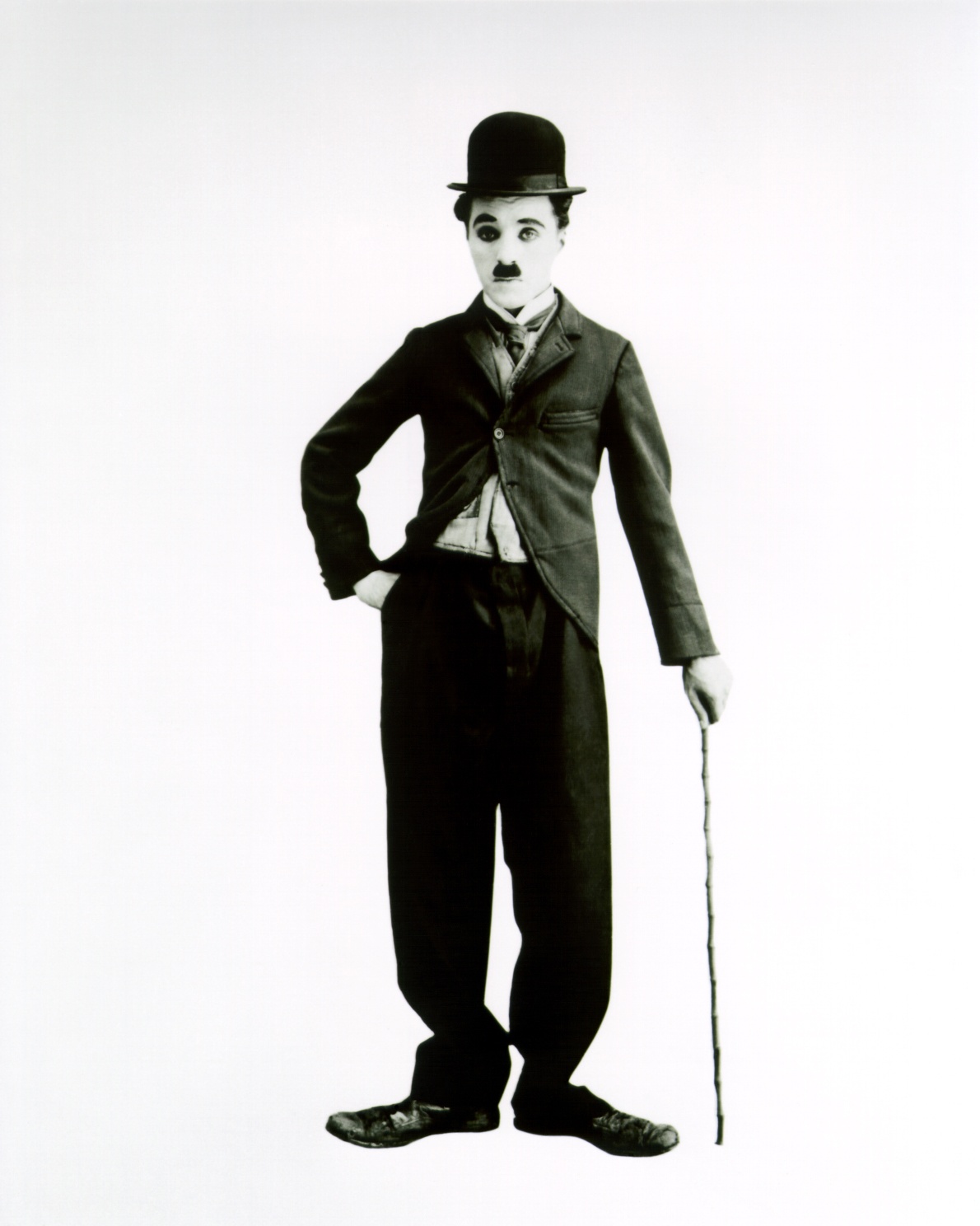
It’s often forgotten that the late and very great Charlie Chaplin has a statue in this country, located in Kerry, where he spent happy times as a visitor.

In recent times, whenever I’m on the job and providing tours of the city to tourists, I’ve stopped at the statue to another great man, Jim Larkin. When I stand there I think of Austin Clarke’s wonderful words of tribute, when he wrote:

What Larkin bawled to hungry crowds
Is murmured now in dining-hall
And study. Faith bestirs itself
Lest infidels in their impatience
Leave it behind. Who could have guessed
Batons were blessings in disguise,
When every ambulance was filled
With half-killed men and Sunday trampled
Upon unrest? Such fear can harden
Or soften heart, knowing too clearly
His name endures on our holiest page,
Scrawled in a rage by Dublin’s poor.

One of the giants of Irish history, Larkin stands proudly and defiantly on the very street where workers he organised were hospitalised and even killed on a Bloody Sunday.

“Who is missing a statue here?” I always ask. The answer is Charlie.

It was through Emmet O’Connor’s wonderful biography of Larkin I first stumbled across a most unusual episode in Larkin’s life, which occurred when he was imprisoned in the United States. Larkin had found himself imprisoned for “criminal anarchy”, essentially a sentence placed upon him as a result of his radical politics.

While sentenced to five to ten years, Larkin found himself in Sing-Sing Prison. Among his more unusual visitors was Charlie Chaplin.

Chaplin wrote of the visit:

The last day in New York, I visited Sing-Sing with Frank Harris. Jim Larkin, the Irish rebel and labour union organiser, was serving five years in Sing-Sing, and Frank wanted to see him. Larkin was a brilliant orator who had been sentenced by a prejudiced judge and jury on false charges of attempting to overthrow the Government, so Frank claimed, and this was proved later when Governor Al Smith quashed the sentence, though Larkin had already served years of it.
Frank inquired about Jim Larkin and the warder agreed that we could see him; although it was against the rules, he would make an exception. Larkin was in the shoe factory, and here he greeted us, a tall handsome man, about six foot four, with piercing blue eyes but a gentle smile.

It was noted in O’Connor’s biography that Chaplin felt compelled to send presents to Elizabeth (the wife of the union leader) and the Larkin children after this visit.

More detail on the visit to the prison can be found on charliechaplin.com, where it is noted:

Other highlights of this tour included meeting Irish radical Jim Larkin and sitting in the electric chair for a few moments. Charlie visited this prison again shortly before his 1931-2 tour, presenting his new film, City Lights, free for the prisoners’ entertainment.

Something to think about this May Day.

Larkin upon his return from America.

Read Full Post »

Six years later

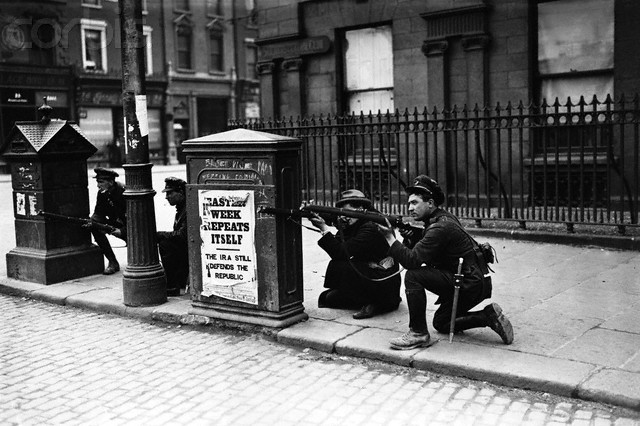
For the week that’s in it. A great snap of Free State soldiers in Dublin in 1922 during the Civil War.

The flyposter beside them reads:

EASTER WEEK REPEATS ITSELF

THE IRA STILL DEFENDING THE REPUBLIC.

Notice the soldier’s sword as well.

© Hulton-Deutsch Collection/CORBIS

Read Full Post »

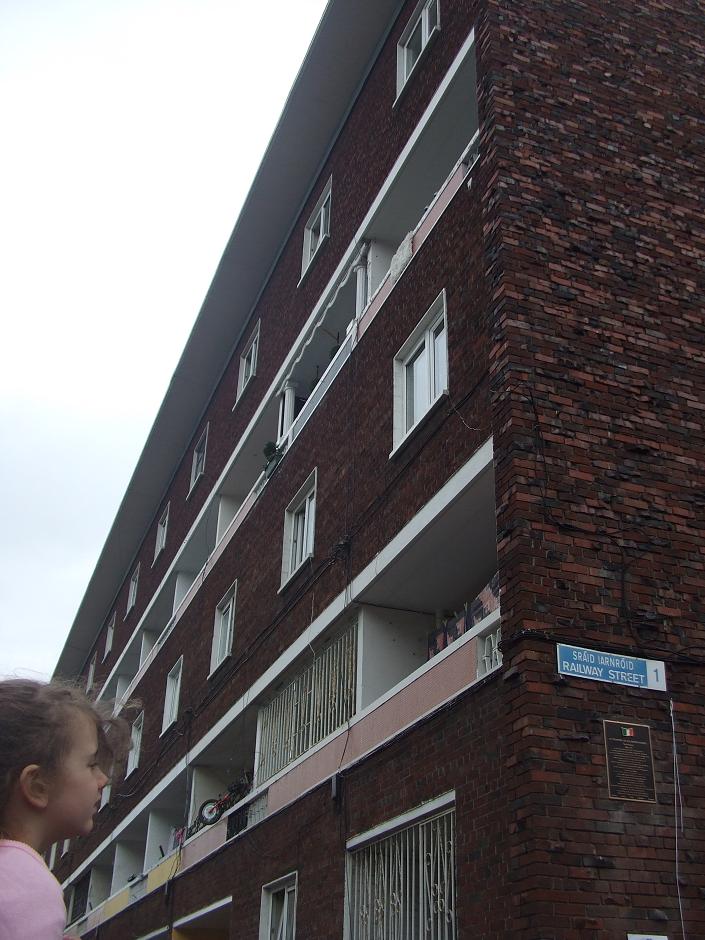
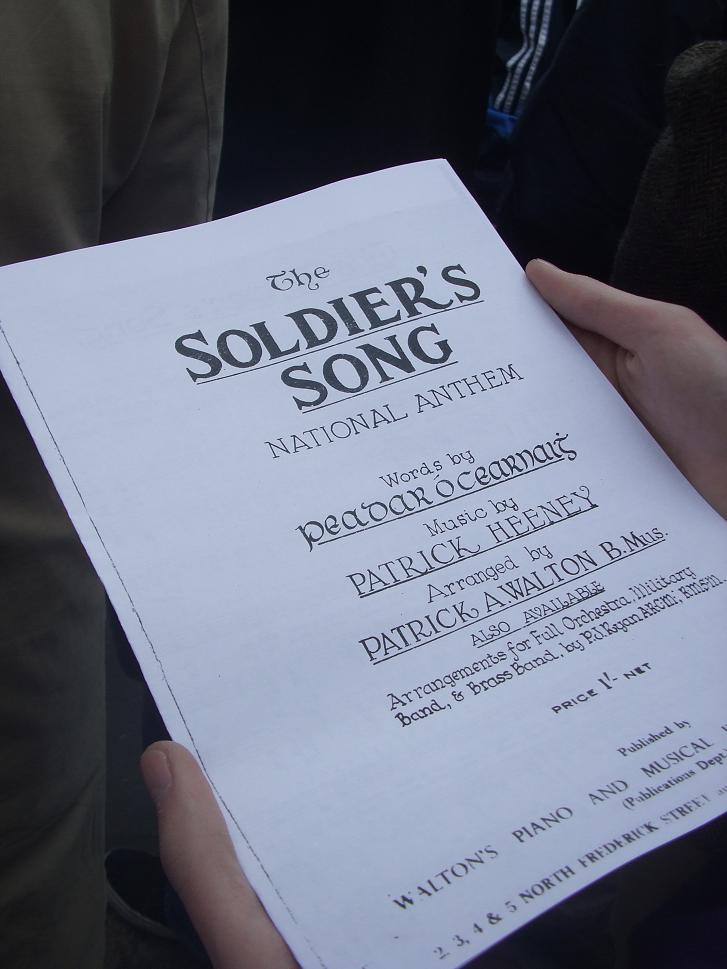
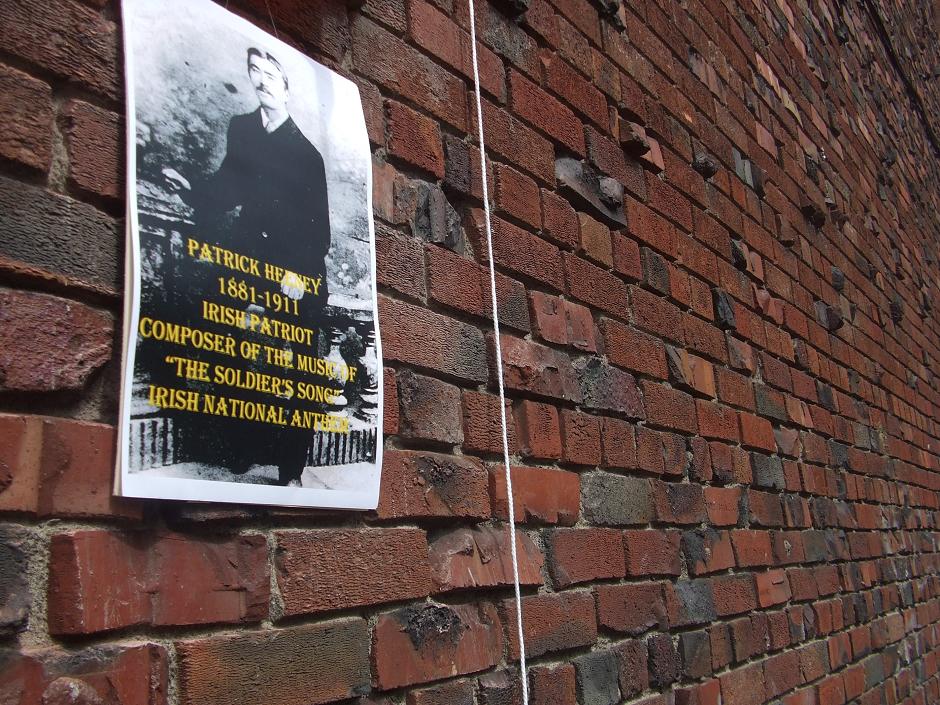
Great credit is due to the North Inner City Folklore Project for its efforts to preserve, protect and cherish the history of its local area. Terry Fagan of the Project has written on everything from local republican women to the madams of Monto, and last year the group put a well deserved plaque on the home of the Connolly siblings of the Irish Citizen Army.

Yesterday, the group unveiled a new plaque, this time to Patrick Heeny who composed the music for The Soldiers Song. It can be seen on the side of the flat complex by Railway Street. Like the Connolly plaque, it’s great to see plaques outside of the city centre itself and in areas like this. The turnout of locals showed how appreciated the efforts of Terry Fagan and the North Inner City Folklore Project are in the area.

Prior to the plaque being unveiled, relatives of James Connolly and young Molly O’Reilly re-enacted the raising of the green flag at Liberty Hall. Writing on the decision to raise the flag over Liberty Hall in 1916, James Connolly wrote:

We are out for Ireland for the Irish. But who are the Irish? Not the rack-renting, slum-owning landlord; not the sweating, profit-grinding capitalist; not the sleek and oily lawyer; not the prostitute pressman – the hired liars of the enemy. Not these are the Irish upon whom the future depends. Not these, but the Irish working class, the only secure foundation upon which a free nation can be reared.

I couldn’t help but think of his words watching the government ‘parade’ on Sunday.

The likes of the Folklore Project empower ordinary people to read and research history. Long may it continue.

Our report from the unveiling of the Connolly siblings plaque in 2010 can be read here.

(more…)

Read Full Post »

Inside Clery’s, 1932

Clerys Mechanical Zoo, bargain basement and more besides. A great gem uploaded to Youtube by timminspj .

Read Full Post »
« Newer Posts - Older Posts »