Feeds:
Posts
Comments

On Saturday November 12th the Old Dublin Society, in partnership with the Dublin City Library and Archive, will hold a Dublin Maritime Morning in the Conference Room of the Dublin City Library and Archive, 138 – 144 Pearse Street, Dublin 2, at which 3 lectures will be presented. All welcome – admission free.

10am   ‘Dublin Port – Past and Present’  – Niall Dardis

11am     The Blood Red Badge: Dublin Dockers, Seamen and their Unionisation’ – Francis Devine

12pm    ‘Liffey Ships’ – Pat Sweeney.

Dublin dockers c1930. (Picture - badger)

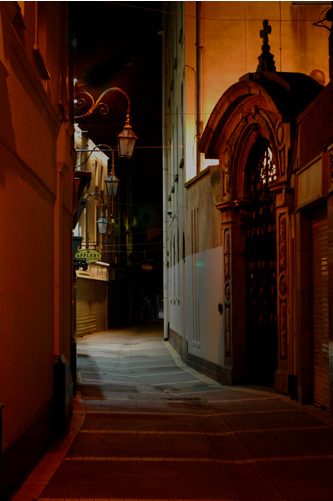
From Dame Street, view up alley towards Dame Court.

This is probably my second favourite little short cut in Dublin City after Crampton Court.

Though it technically has no name, it can best described as a continuation of Dame Court or, simply as, a thin alleyway off Dame Lane. The beauty of it is that you’d pass it without even noticing on Dame Street and I expect many people, especially tourists, do.

Perhaps it used to be as wide as Dame Court but at some point it was narrowed and reduced to only a small passageway. This 1848 map would suggest this is so. Though you can see it does narrow slightly, in essence the alley was once just a continuation of Dame Court:

By 1907, it has been reduced in size dramatically:

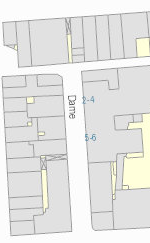
From a modern map you can see by scale just see how slender it is. Barely noticeable:

The entrance from Dame Street is particularly narrow and is marked only by a beautiful mosaic on the pavement for the Stags Head pub. No doubt they placed it here as a marker for lost tourists and the like. It’s perfectly positioned, like an ‘X’ marking the spot on a treasure map, pointing you up this dark alley to find the shining light of the pub. There’s also a barbers sign, with no visible barber shop, which is also a nice touch. (See first image)

Magnificent Stags Head mosaic on Dame Street at entrance to alley

This is view looking down with your back to Dame Street:

(c) infomatique

Finally, this is the view up the lane with your back to Dame Court:

(c) infomatique

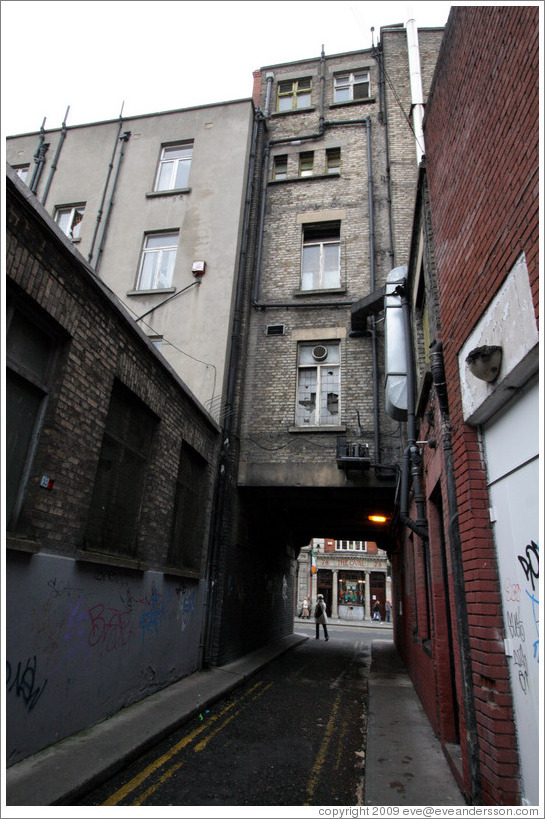
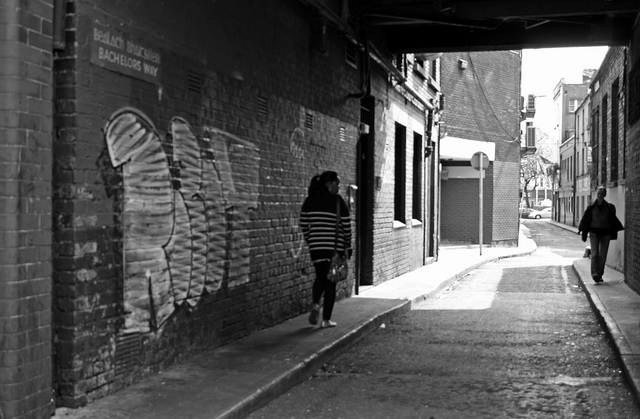
Bachelors Way, looking down to Middle Abbey Street and the Oval (Picture credit - Eve Andersson)

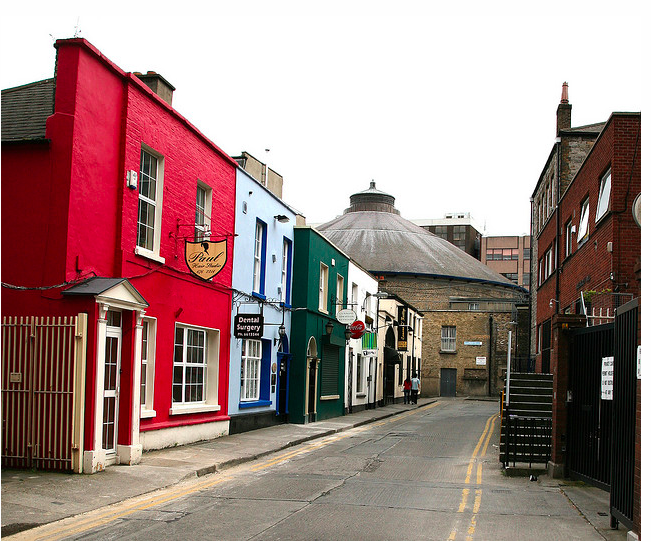
A dingy but practical little lane that links Bachelors Walk (entrance just beside the Bachelor Inn pub) on the quays and Middle Abbey Street (entrance between Supermacs and Book Worms).

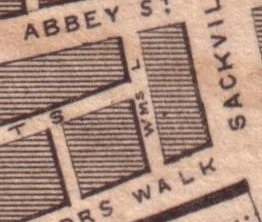
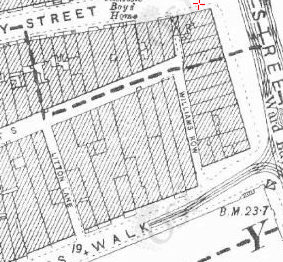
According to some maps, it used to be called Williams Lane. Confusing as there still is a Williams Lane a stone throws away. Other map mark it as Willams Row.

It is by Williams Row that the lane gets a fleeting mention in Joyce’s Ulysses (1922):

‘Mr Dedalus, tugging a long moustache, came round from Williams’s row. He halted near his daughter.’

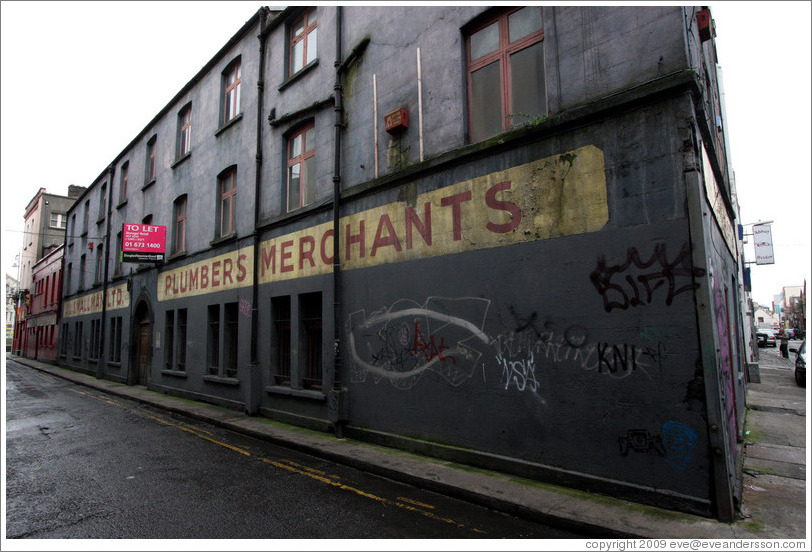
Bachelors Way. Bachelors Inn to the left (Photo credit - Eve Andersson)

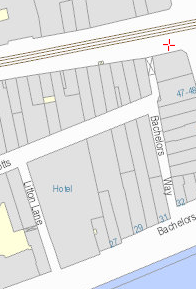
Tracing the history of the lane through maps:

1848, Williams Lane.

1907, Williams Row

2011, Bachelors Way

Not a particularly picturesque lane, I reckon most people today associate it as a public toilet and a place where junkies occasionally loiter.

Bachelors Way, looking down from Middle Abbey Street. (Photo credit - Ester Esther Moliné)

Delighted to see Dole TV 4 up online, the latest effort from the good folks at DCTV. We’ve frequently linked to DCTV productions on this site, and the importance of a good independent community station has been shown for example through DCTV’s interesting engagement with Occupy Dame Street.

This episode focuses on the media. It includes an interview with Harry Browne, a former journo with the paper of record (The Irish Times for any non-natives 😉 ) and a lecturer in journalism at DIT. There’s also some great comedy as ever. Enjoy.

The Trinity ‘Dole Society’ piece is comedy gold.

Recently, we posted here about the economic difficulties Shebeen Chic on Georges Street found itself in. Today, it joins an ever-growing list of Dublin establishments which have closed their doors in recent times.
There are large ‘RIP’s painted on the front and back of the establishment.

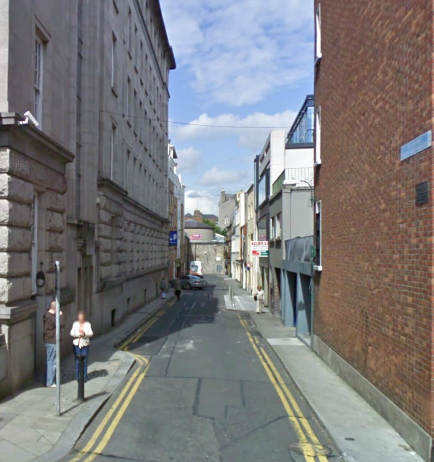
Looking from Molesworth St. down to Molesworth Place. (Picture - Kieran Murphy)

A pretty ugly (the Schoolhouse Lane side anyway) but none the less useful shortcut that links Kildare St. (entrance between the Department of Industry and Commerce and Clerkin Lynch Solicitors) and Molesworth St. (entrance between Whytes Auctioneers and the Irish EU HQ).

Molesworth Place joins into School Lane East. Presuming the latter was named after a school, I wonder where it was and what it was called? (Thanks to comments, I’ve found out there used to a be a school on Kildare Street called ‘Kildare Place National School’)

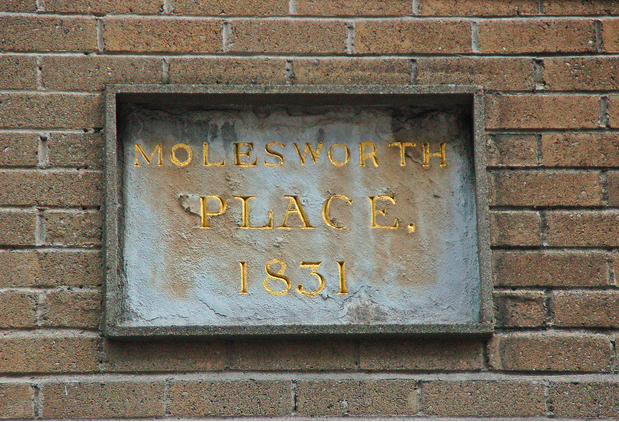
Beautiful plaque to Molesworth Place (Picture - Monceau)

Now home to the Dawson Car Park, Molesworth Court apartment, One Pico restaurant and Paul’s hair studio. Apparently it’s also been used by protesters in the past (particularly students) to slip by cops and get towards the Dail!

Looking from Kildare St. down to Schoolhouse Lane East

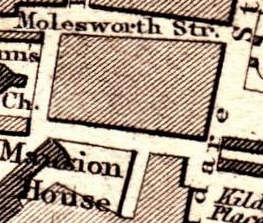
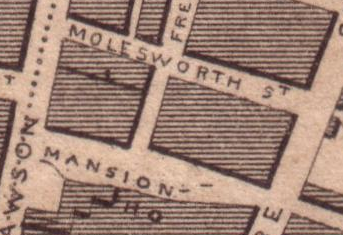
Charting its history using a number of maps:

Looking prominent in 1836 map

Still looking well in 1848

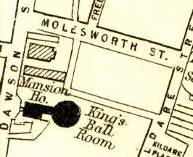
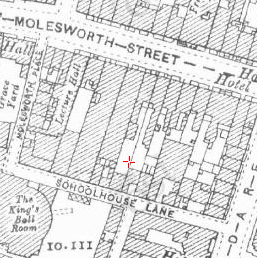
Looks like it was made more narrow and dropped to 'lane status' by 1885

View by 1907

Top Cat in town

Top Cat. (Picture: renegaderadio.co.uk)

Big booking from The Dirty Dubsters!

Top Cat, legendary UK reggae and jungle MC, is hitting Twisted Pepper this week. Pop down Thursday for a ‘How to MC’ seminar and Friday to see the man himself in action.

Thursday, Nov 10:

”How to MC” Seminar in the Loft Room of the Twisted Pepper. Where he will be explaining the tips, techniques, skills and theory behind the art of the Microphone Controller. Entrance is a mere 5euro and Top Cat’s critically acclaimed book ”How To MC” will be on sale after the lecture has finished (15Euro).

Friday, Nov 10:

Top Cat (Congo Natty/9 Lives), The Dirty Dubsters (Irish Moss Records), Rankin Rez (Worries Outernational) and MC Kwasi. Adm: €12.00/€10.00 (Members/Students)  or only a fiver if you write ‘Irish Moss Records’ on Facebook page.

Poster

I was taken aback recently to read that Richmond Park, home of Saint Patrick’s Athletic, hosted what was supposedly Ireland’s first ever outdoor Rock Festival on September 4, 1970. The event was headlined by Mungo Jerry, but also included a performance from Dubliners Thin Lizzy. Researching it further, I found some interesting newspaper reports from the time which suggested that there was a real fear of what kind of element would be attracted to outdoor music festivals in the capital.

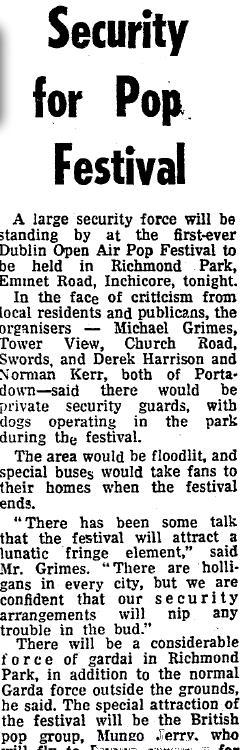
Irish Press. September 4 1970

Reports like the one above from The Irish Press appeared throughout the media in the days and weeks leading up to the festival. The Irish Independent reported that something in the region of 4,000 people had been expected to attend the festival, and that the ground could potentially hold double that. Repeating the sort of tone of The Irish Press piece, the paper wrote that “fears of rowdyism” were dispelled by officials at Saint Patrick’s Athletic.

In the end, the festival proved to be an absolute disaster. “I’ve been to better wakes” was a quote from one discontented young punter in The Irish Times, which ran with the headline ‘Open Air Festival Hardly Pops’. The paper noted that only several hundred young people had attended the festival, perhaps unsurprising giving the scare-tactics in the media in the run up to the event.

Mungo Jerry headlined the show, yet The Irish Times did not have much to say of their appearance, noting that “they appeared finally, like post-Christmas tinsil, on a shabby stand.”

Of course while Thin Lizzy are a legendary Dublin band today, at the time they were a new prospect having only formed in late 1969 and released their first single The Farmer/I Need You only two months prior to the Richmond Park performance.

4. Johnson’s Court

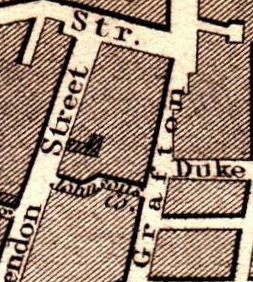
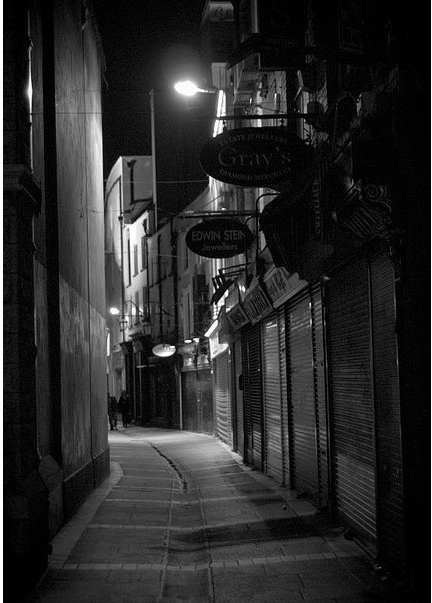
Johnsons Court, looking from Grafton Street. (Photo credit - Paul Feeney)


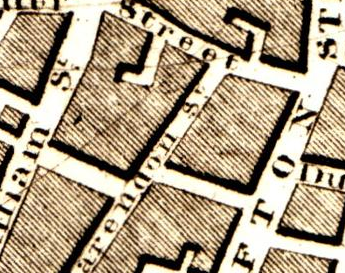
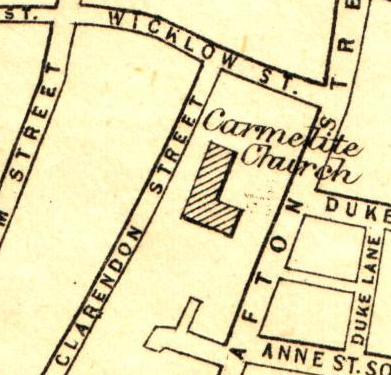
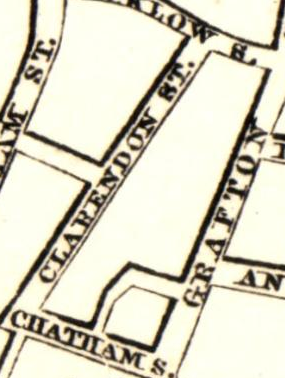
A beautiful little, narrow lane linking Grafton St. and Clarendon St., probably best known for its regular buskers, its jewellery stores and for the side entrance to St Teresa’s Church.

Visible in 1836

Visible but without title in 1840

Disappared from 1885 map


Still AWOL in 1912

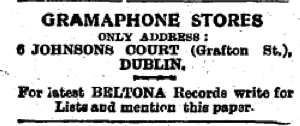
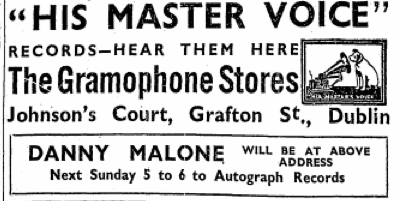
As far I can tell, it was also the site of HMV’s first Dublin store, 6 Johnsons Court, dating back to at least the mid 1920s.

Dec 19, 1925. Nenagh Guardian

May 12, 1933, Irish Independent

View from Clarendon St. (Picture credit - hc1916)

Oh dear.

One of the most interesting aspects of the global #Occupy movement in my eyes has been the propaganda produced. The imagery of Occupy Wall Street has already become iconic, the Adbusters poster depicting the Wall Street bull and the question ‘What is our one demand?’ has been copied by international occupations that have sprung up. I visited Occupy London last week and noticed that there, many of the posters took aim at the coalition government there and utilised London landmarks for visual purposes.

Here at home, Occupy Dame Street has produced a number of posters which have appeared both around the city and online. Below are a number of my favourites.

‘Keep Calm And Carry On’ gets a very Irish reworking, while the physical scale of the building itself features too. With Occupy Dame Street being an ongoing event, more posters and leaflets are surely ahead.

3. Crampton Court

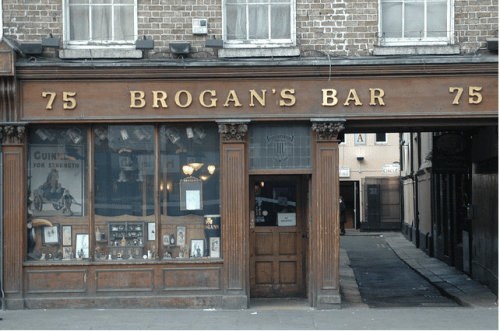
View from Dame Street down to Crampton Court (Photo credit - Trevs Photos)

This is probably my favourite little lane or passage way in Dublin. Not least because it’s not featured on any maps, it was the site of two of Dublin’s most famous 18th century coffee houses – ‘Little Dublin Coffee House’ and ‘Royal Exchange Coffee House’ and as I’ve had some memorable personal experiences in the lane (nothing dirty!)

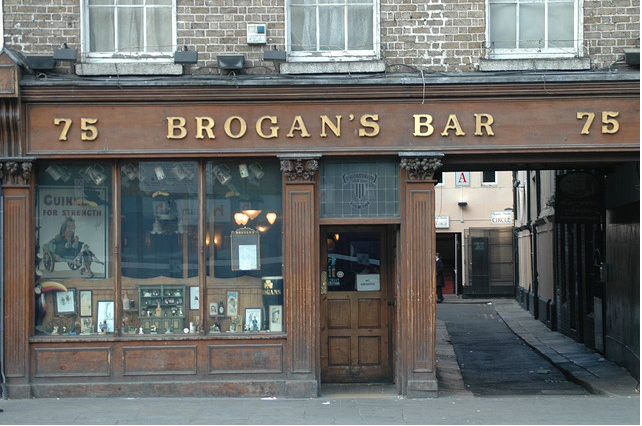
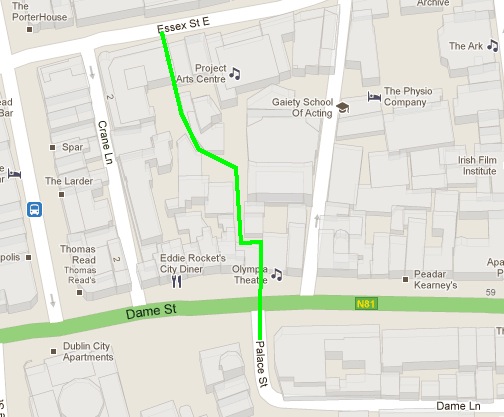
Crampton Court links Dame Street (entrance just under ‘BAR’ in the sign for Brogans BAR) and leads right down, past the back entrance to The Olympia Theatre, to Essex Street East (entrance just beside the Dublin Theatre Festival office)

Flora H. Mitchell in her excellent Vanishing Dublin (1966) described it as being

“… the unofficial “exchange” of Dublin until the “commercial buildings” were opened in 1799. No 20, “The Little Dublin Coffee House” provided the merchants with a meeting place prior to this. Crampton Court had been used as a short cut from the Olympia Theatre to the well known Dolphin Restaurant prior to it being demolished in 1963.”
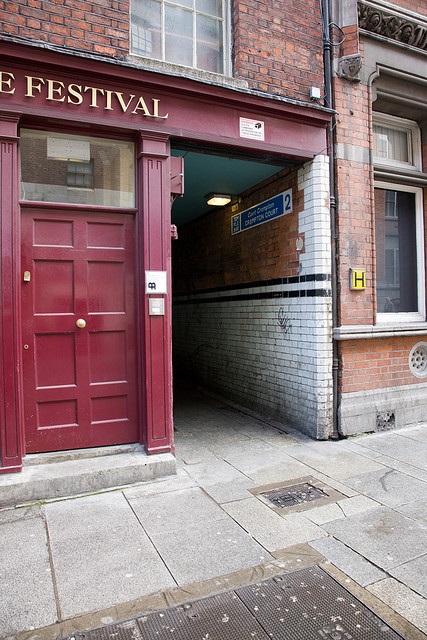
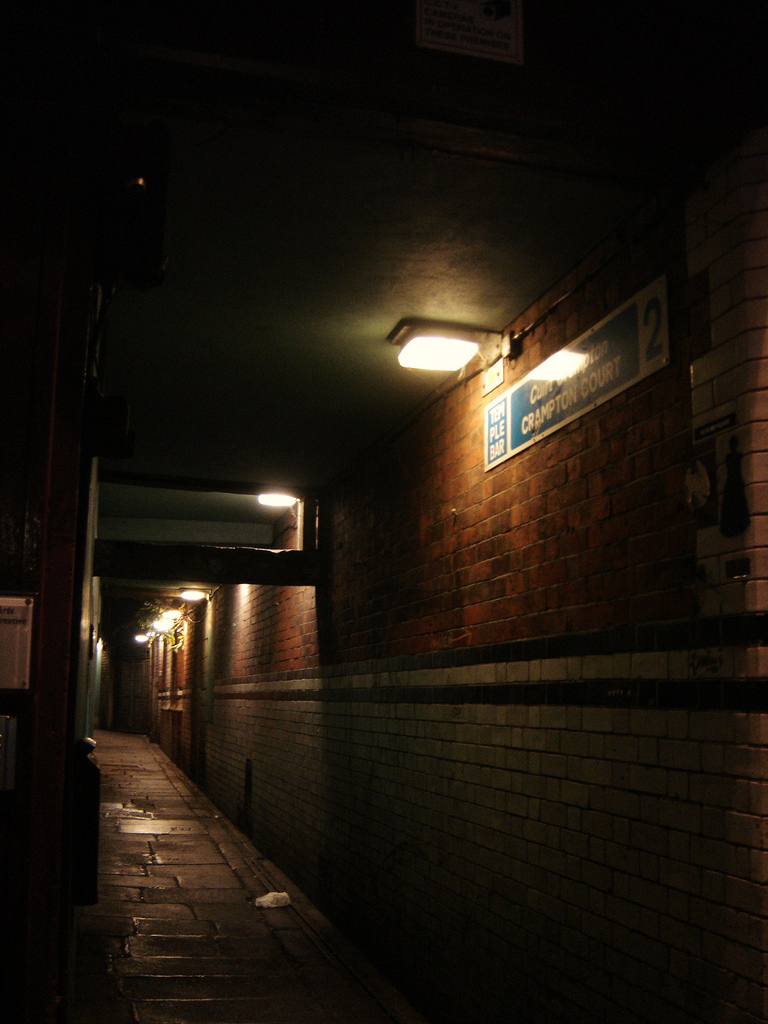
Entrance to Crampton Court from Essex St. East (Photo credit - infomatique)

The doors in Crampton Court were famous in their own right:
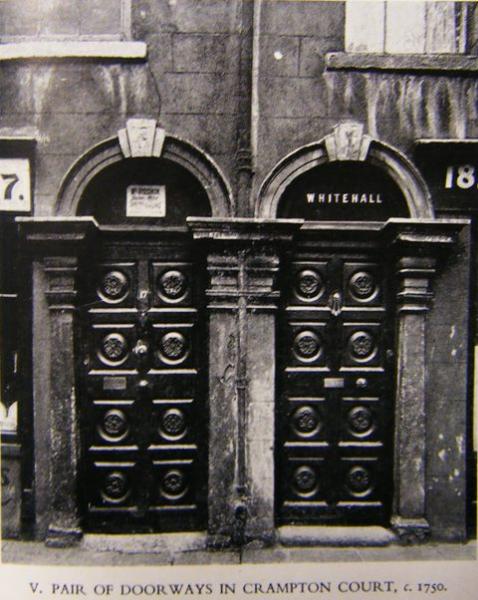
Uploader credit - Jimmymac

This is how it looked in the 18th century when the court was bustling with trade and housing:
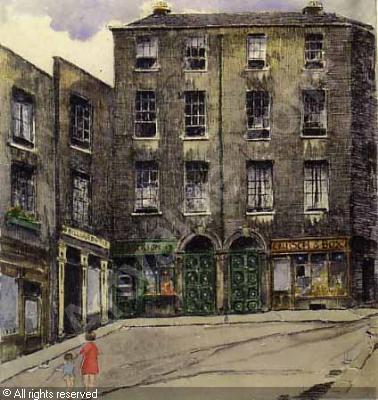
Artists interpretation of those doors (and buildings) in 18th century

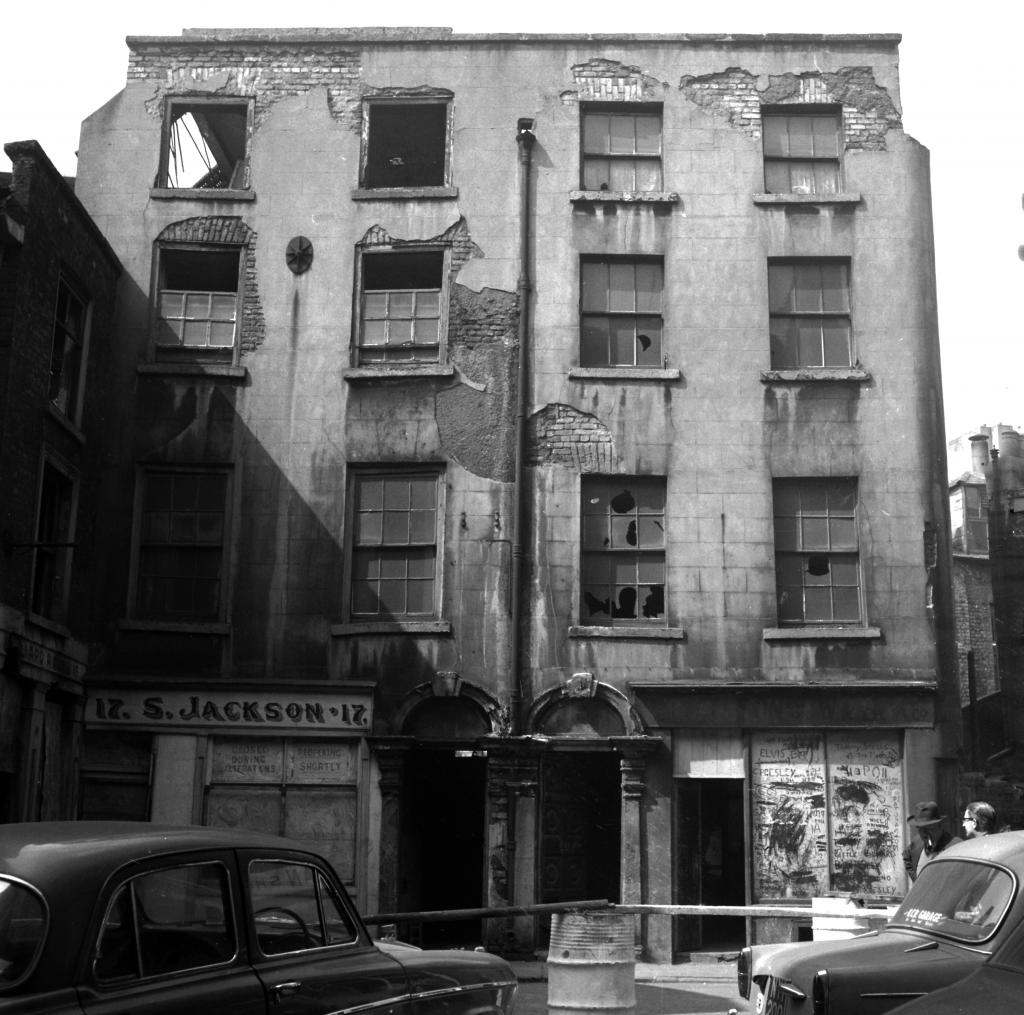
Like so many beautiful and historical sites, it fell into decay in the 1950s and 1960s:
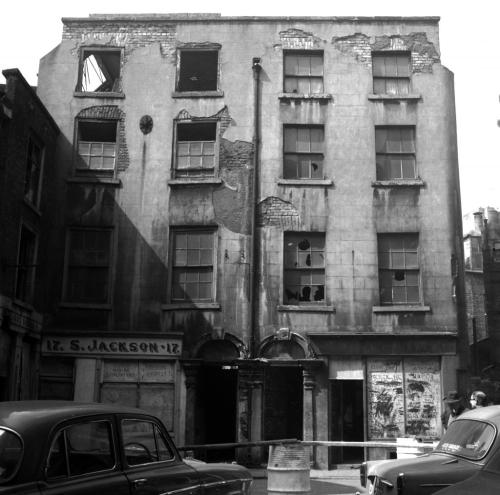
How it looked in 1959. Photo - Dublin City Library

A real pity. An anonymous letter to The Irish Times (May 23rd, 1931) described it as ‘a part of Dublin which still seems to suggest its ancient history’.

No doubt at one stage Palace Street used to run right across Dame Street and into Crampton Court:
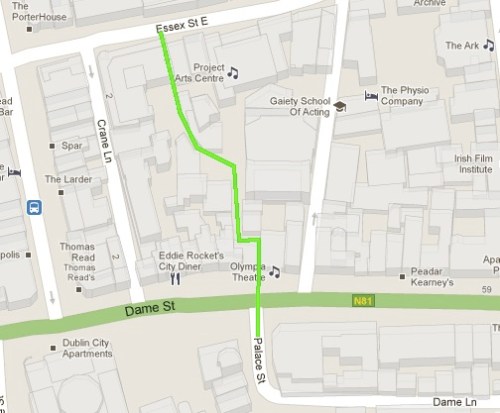
While Palace St. is still visable on maps, Crampton Street has been lost.

So next time your heading down Dame Street, when not pop through Crampton Court and have a gawk at an old, forgotten part of Dublin.
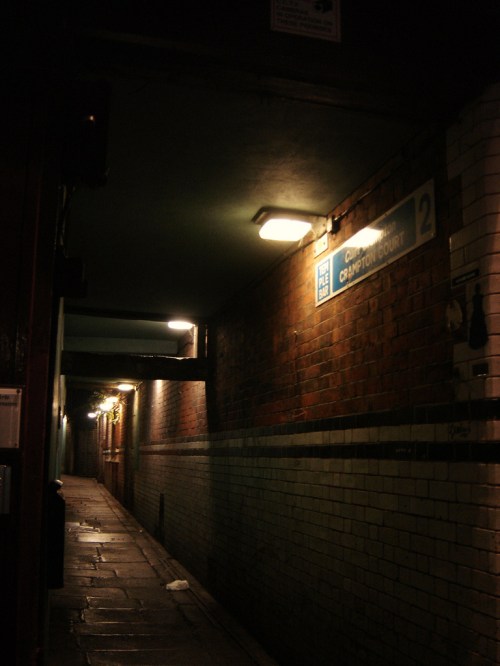
Entrance just beside Dublin International Theatre Festival Essex St. East. Notice wooden rafter across frame (Photo credit plattbridger)

Plus see if you can spot the wooden rafter above your head, as you come from the narrow Essex St. East side, that looks especially old! Perhaps original?