Feeds:
Posts
Comments

We have always had a great interest in the history of Dublin on the big screen on this blog. Some of my favourite posts to write and research were on the theme of Ireland and the cinema, for example this post looking at Ireland, A Nation, a 1914 nationalist film that fell victim to British censorship, or the time they built a Berlin Wall in Smithfield (and its unusual connection to Saint Patrick’s Athletic!). That’s not to mention Fu Manchu, Educating Rita or political attacks on Dublin cinemas in decades past.

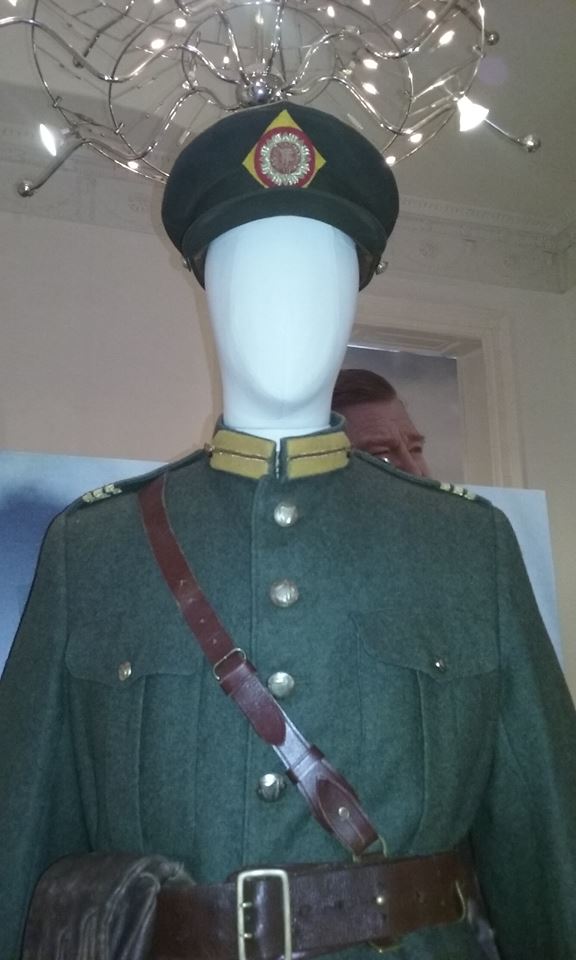
A new exhibition at the Little Museum of Dublin looks at an unusual aspect of the story of Irish cinema – costumes. Some of my favourite films, including Intermission, The Wind that Shakes The Barley and Jimmy’s Hall feature. The exhibition covers 1987 onwards, and has been brilliantly curated by Eimer Ni Mhaoldomnaigh and costume historian Veerle Dehaene.

Intermission, from 2003, remains one of the finest (and funniest) films set in Dublin, with Colin Farrell playing a blinder as petty criminal Lehiff. In the run-up to the release of the film, many journalists were sent bottles of brown sauce, and no doubt thousands were convinced to pour HP sauce into their cups of tea having seen the film! This is just one of several dodgy Colin Farrell jumpers in the exhibition:

Intermission.

Intermission.

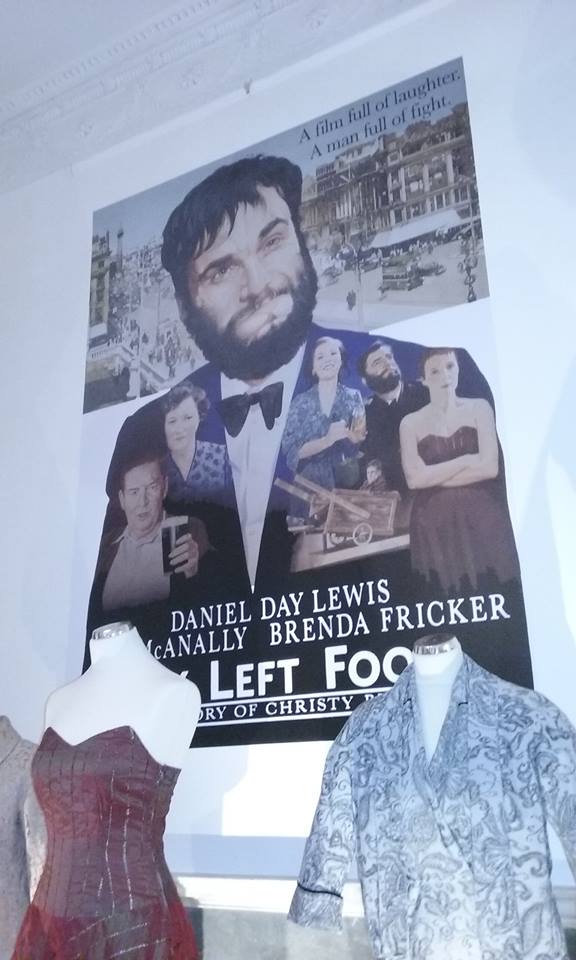
The last exhibition in this space drew from the Christy Brown collection recently acquired by the Little Museum of Dublin and the National Library of Ireland, so there is some continuity with the inclusion of some costumes from the classic My Left Foot.

My Left Foot

My Left Foot

The uniform of The Big Fella, or Liam Neeson, makes an appearance. Not to be considered Treatyite by nature, the exhibition also includes a costume from . Damien O’Donovan, Anti-Treaty volunteer in Ken Loach classic The Wind That Shakes The Barley!

Michael Collins.

Michael Collins.

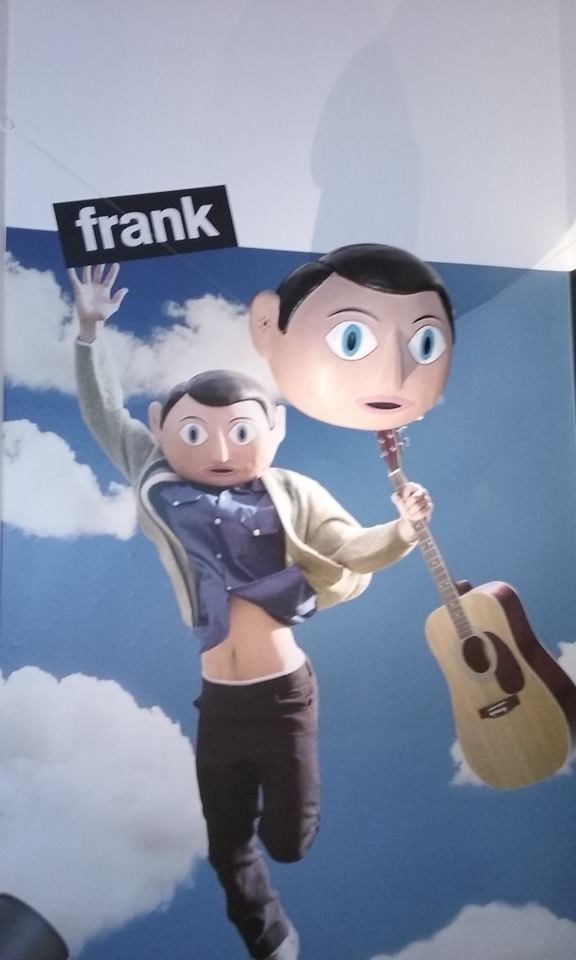
A more recent addition comes from Lenny Abrahamson’s Frank, featuring Domhnall Gleeson, Maggie Gyllenhaal and Michael Fassbender. The head was of course inspired by Frank Sidebottom, the comic persona of Chris Sievey. Frank left the world such classic songs as ‘Guess Who’s Been on Match of the Day’ and ‘Christmas is Really Fantastic’.

Frank

Frank

There’s a lot more, including Good Vibrations and The Commitments. Get in for a look.

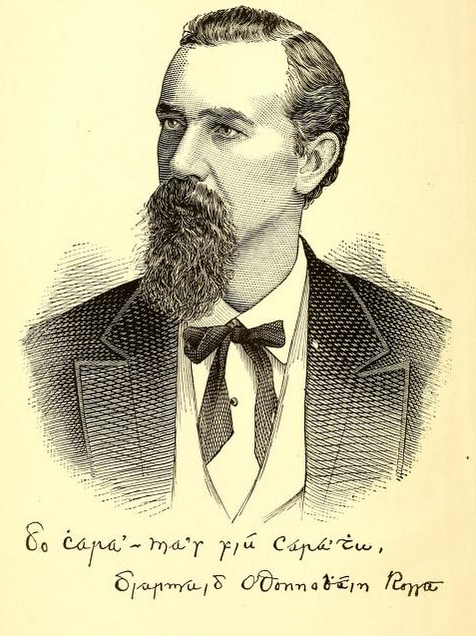
O'Donovan Rossa, taken from his book 'Irish Rebels in English Prisons: A Record of Prison Life.'

O’Donovan Rossa, taken from his book ‘Irish Rebels in English Prisons: A Record of Prison Life.’

Deliberately here we avow ourselves, as he avowed himself in the dock, Irishmen of one allegiance only. We of the Irish Volunteers, and you others who are associated with us in to-day’s task and duty, are bound together and must stand together henceforth in brotherly union for the achievement of the freedom of Ireland. And we know only one definition of freedom: it is Tone’s definition, it is Mitchel’s definition, it is Rossa’s definition. Let no man blaspheme the cause that the dead generations of Ireland served by giving it any other name and definition than their name and their definition.

The above words are taken from the oration delivered by Patrick Pearse a century ago at the graveside of veteran Fenian Jeremiah O’Donovan Rossa in Glasnevin Cemetery. Architect of the Fenian dynamite campaign, which brought havoc to the streets of London in the 1880s, O’Donovan Rossa was a fiercely controversial figure in his lifetime, and embodied of the physical force tradition of Fenianism. Indeed, even yesterday the Irish press pondered with the question of whether or not O’Donovan Rossa could be classified as a terrorist.

The death of ‘Dynamite’ O’Donovan Rossa, as he was known to sections of the press at the height of his infamy, created a perfect moment for a nationalist spectacle. Thomas J. Clarke later remarked to his wife that “If Rossa had planned to die at the most opportune time for serving his country, he could not have done better.”

The graveside oration was delivered by the school teacher Pearse, an emerging figure in the radical separatist movement, and following it came a volley of shots. Sean T. O’Kelly,later President of Ireland, remembered feeling an immense pride and that he was part of an historic occasion as the salute was fired:

This must have been one of the first if not the very first occasion on which this military demonstration took place in our lifetime and this too in its way made a deep impression not alone on all who were present but on all who read the report afterwards. The I.R.B. and the Irish Volunteers were very proud of having been able to accomplish this military demonstration despite the orders of the British against the carrying of arms.

In the run-up to the funeral, Dublin Metropolitan Police intelligence commented on the planning of the event, noting in internal correspondence that “delegates from America will be in attendance, and nothing is being left undone to make the affair as impressive as possible. Those concerned are anxious that the greatest harmony will prevail.” The funeral saw the Irish Citizen Army, the armed wing of the labour movement, marching alongside the Irish Volunteers and even members of the National Volunteers,  the name bestowed upon those who had followed the nationalist leader John Redmond in his call for Irishmen to support the British war effort. The GAA, the Gaelic League, Sinn Féin, the Hibernian Rifles and others also joined the long march to the cemetery.

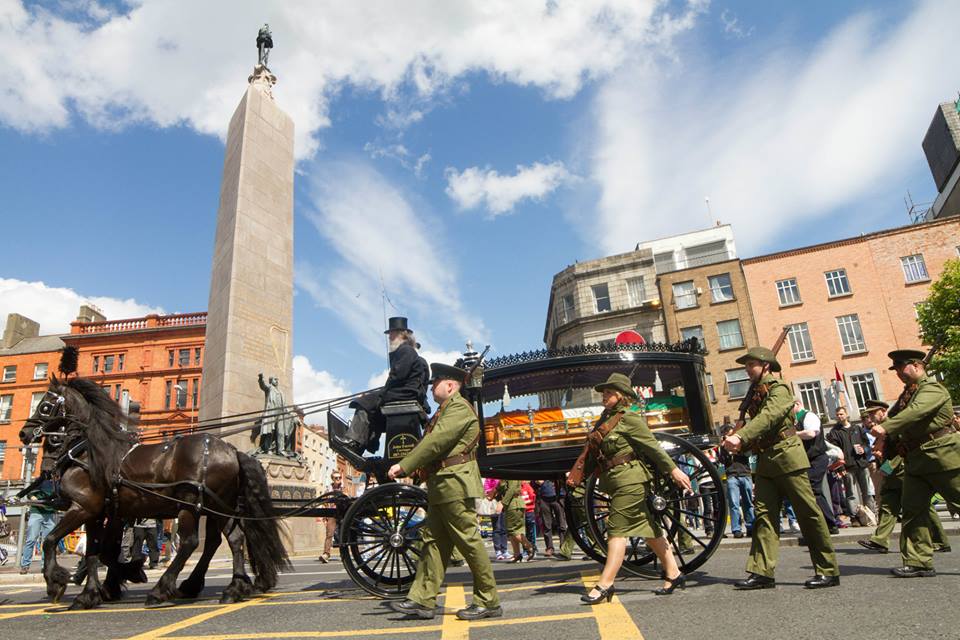
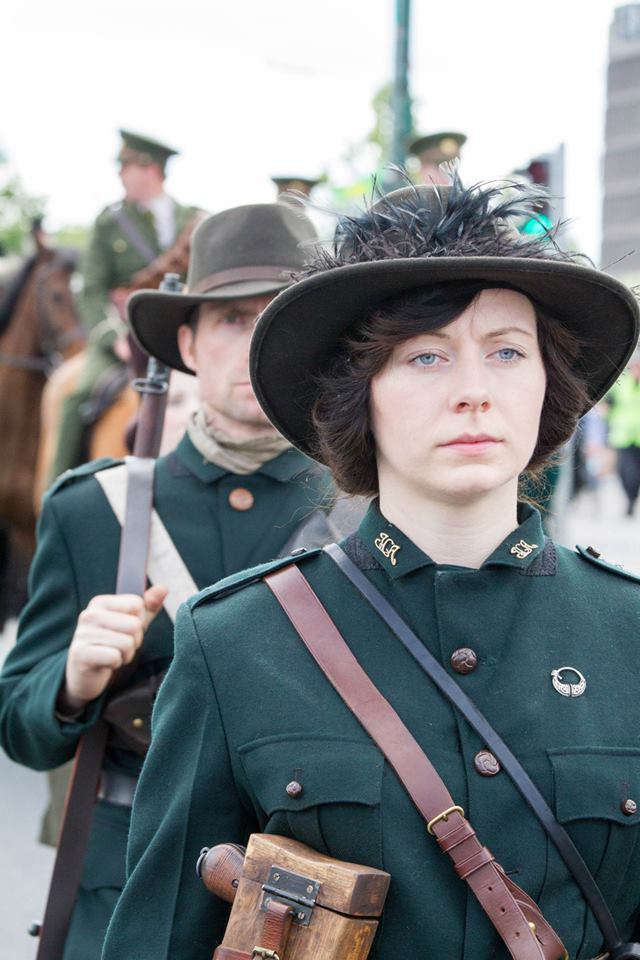
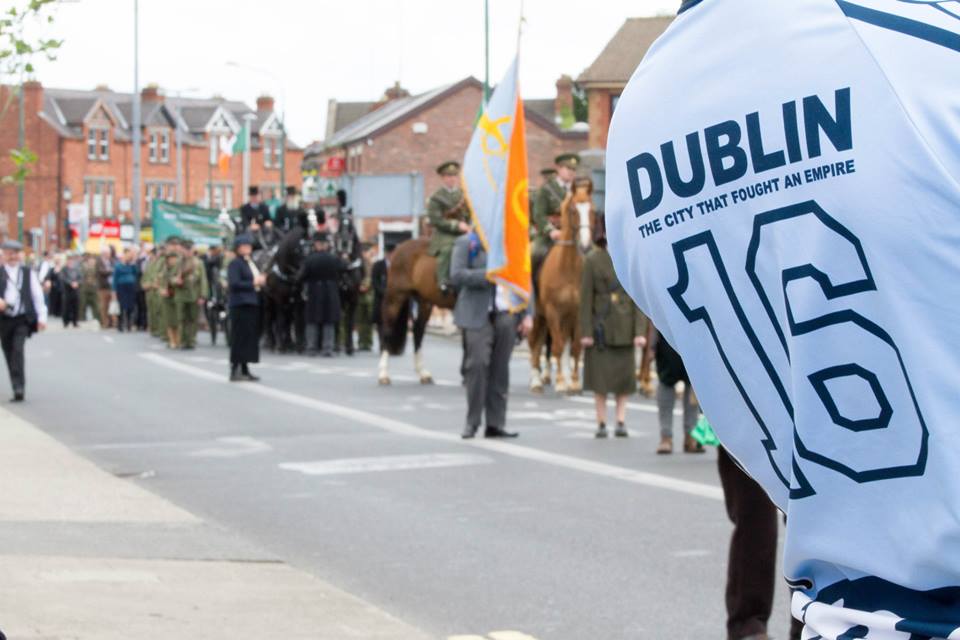
Yesterday, the centenary of the funeral of O’Donovan Rossa was marked by a variety of groups, with a state commemoration held in the morning at Glasnevin Cemetery and the unveiling of new plaques on the O’Donovan Rossa Bridge by the National Graves Association. Without a doubt however the highlight of the day was the large-scale reenactment of the funeral itself, organised by Sinn Féin and with the support of O’Donovan Rossa’s family. Thousands took to the streets, marching from City Hall to Glasnevin, but particular credit is due to those who got properly into the spirit (unlike this writer who showed up in a Patagonia raincoat) and dressed in the style of 1915.

The following images were taken by our friend Paul Reynolds of Rabble, and we thank him for permission to publish them here.

Image: Paul Reynolds.

Image: Paul Reynolds.

Image: Paul Reynolds.

Image: Paul Reynolds.

Image: Paul Reynolds.

Image: Paul Reynolds.

Continue Reading »

Following up on Sam’s post drawing attention to the fact a huge archive of rare archival video footage has just been uploaded onto YouTube, I was particularly struck by the wonderful madness of one clip in particular, entitled ‘Publicans Take To Water’.

The clip shows huge crowds gathering along the Liffey to watch the ‘Pub Tub Derby’, a curious event in the city in the 1960s which aimed to raise funds for the construction of new swimming pools in the city.

As Cyril J Smyth has noted:

The sponsors of the race comprised eleven well-known Dublin publicans. The tubs used for the event were formerly Guinness stout barrels and bore the names of the respective pubs on them. The course was between Capel Street Bridge (Grattan Bridge) and O’Connell Bridge. The winning pub received the Guinness Perpetual Trophy, presented by Arthur Guinness & Sons (Dublin) Ltd. Individual prizes were awarded to the ‘pilots’ of the first four tubs past the finish line.

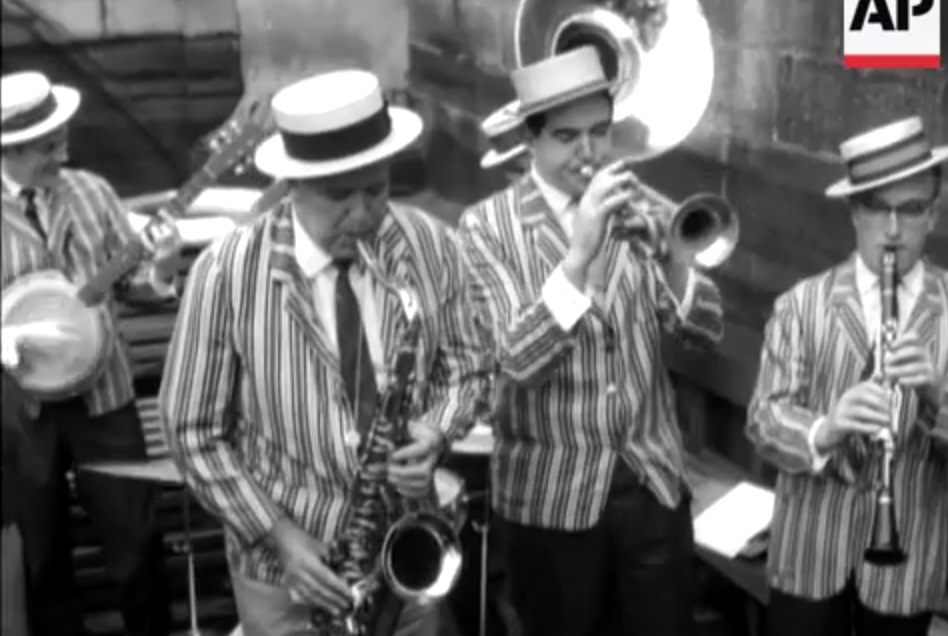
Music on the liffey:  A screenshot from the clip.

Music on the liffey: A screenshot from the clip.

While many of the pubs who participated in the Pub Tub Derby on the years it ran are no longer with us, Madigans of Earl Street and the Lord Edward are still going strong today. A great comment about the event on YouTube from Liam Tuohy is worth sharing too. Posted below a video of Sean Dunphy’s ‘If I Could Choose’ (one of Ireland’s best ever Eurovision entries, even if defeated by Sandie Shaw!), he noted:

Years ago I had the great pleasure of sharing the bill with Sean for “The Pub Tub Derby” while we both stood rocking in a small boat on the Liffey under Dublin’s O’Connell Bridge. It was then, and still is, one of my most enjoyable and funniest memories while working as DJ Lee all thanks to Sean and his enormous personality

News coverage of the Pub Tub Derby, 1966.

News coverage of the Pub Tub Derby, 1966.

While jumping into the Liffey remains popular today, especially among the kids who gather at the docks, swimming up it in discarded Guinness barrels has been relegated to history. These kind of little tidbit videos make a great addition to YouTube.

One million minutes of historical video dating back to 1895 have been uploaded onto YouTube by Associated Press and British Movietone. The digitised archival footage, made up of 550,000 video stories over two YouTube channels, includes coverage of political milestones and historical moments in sport, fashion, science and entertainment.

Searching for ‘Dublin’ yields some fascinating results.

Drive down Mespil Road and Baggot Street:

Mr and Mrs Walt Disney 1946 visit Ireland where they meet President O’Kelly and Eamon de Valera:


SF/PIRA march through Dublin, 1976:

IRA men arrested during radio station siege at the GPO, 1973:

Hundreds more videos via British Movietone here and AP Archive here.


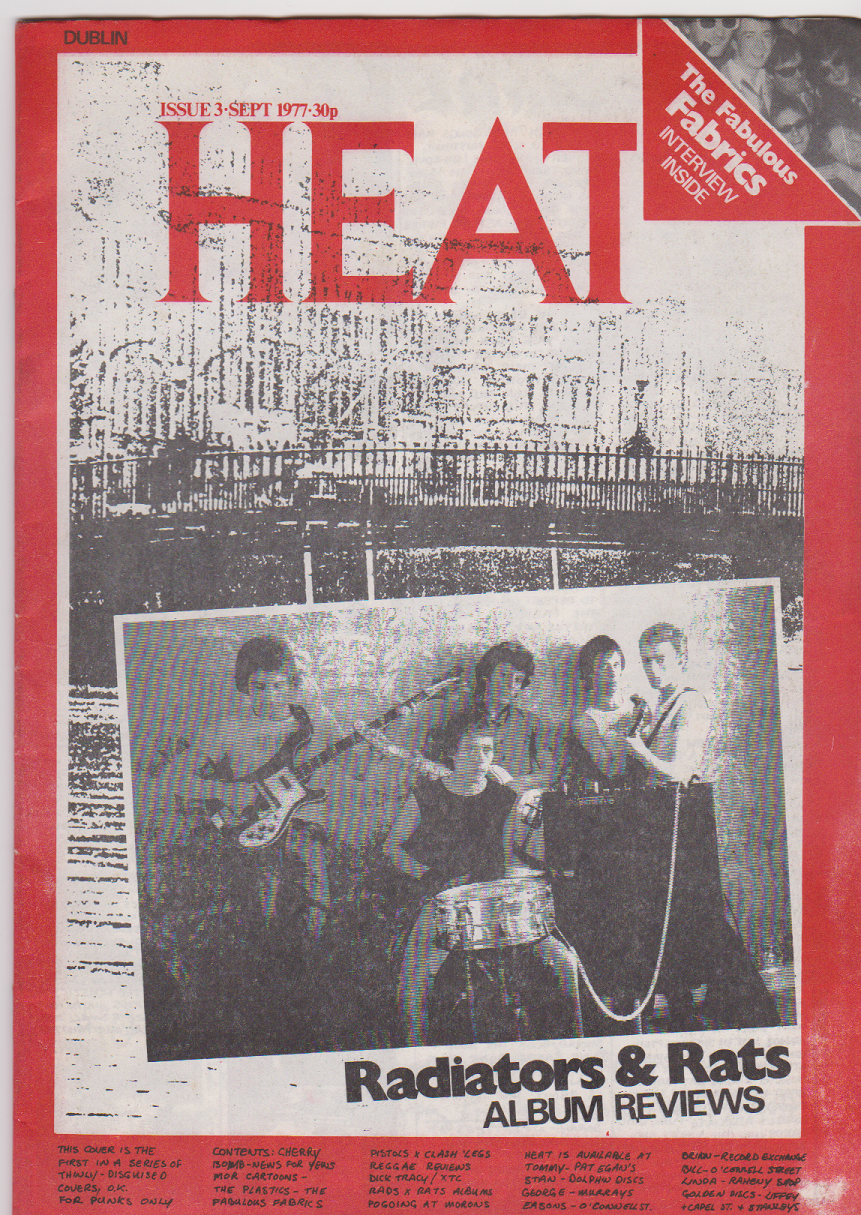
Heat fanzine ran for nine issues from May 1977, providing coverage to a new emerging Irish rock and punk scene of musicians. One feature of the fanzine, which Brand New Retro have correctly highlighted, is the brilliant front covers. A brief history of the magazine, from the Loserdom fanzine:

The subject matter covered new wave/punk band interviews, articles, reviews and later comic strips and films…by Heat Vol.2 Issue 2 the magazine was gathering momentum, but a published article “McGuinness is good for U2” led to the end of the road. The article alleged that U2 manager Paul McGuinness had succeeded in getting a band [Modern Heirs] pulled from a support slot at a gig for U2 instead. McGuinness threatened to sue Heat unless the article was pulled but a batch had already gone to Easons.

Heat (Sept. 1977)

Heat (Sept. 1977)

The September 1977 issue of Heat ran with a Time magazine style frontpage, telling readers that “the cover is the first in a series of thinly-disguised covers, ok? For punks only!” Among the papers distributors, Golden Discs, Dolphin Discs and Easons are listed. In the fanzines editorial, the absence of any sizable punk scene in Ireland is lamented, but it did insist that “the bands we have now are musically and song-wise much tighter and a lot better than a lot of their English contemporaries. Rock N’ Roll is alive and well and Dublin. The future depends on the upcoming young bands.”

In particular, Heat championed The Radiators. who had released TV Tube Heart in the year the publication had come into being, and who could boast of being the first punk band to see chart success with their single Television Screen. (Check out Come Here To Me’s interview with Phil Chevron of the band here) There was also plenty of coverage of the Boomtown Rats in this issue. A rather unkind review of Thin Lizzy at Dalymount Park, which described the band as having “as much stage presence as two rubber plants” captures the irreverent attitude of the fanzine in places!

Advertisement for Record and Tape Exchance, 16 St. Richmond St

Advertisement for Record and Tape Exchance, 16 St. Richmond St

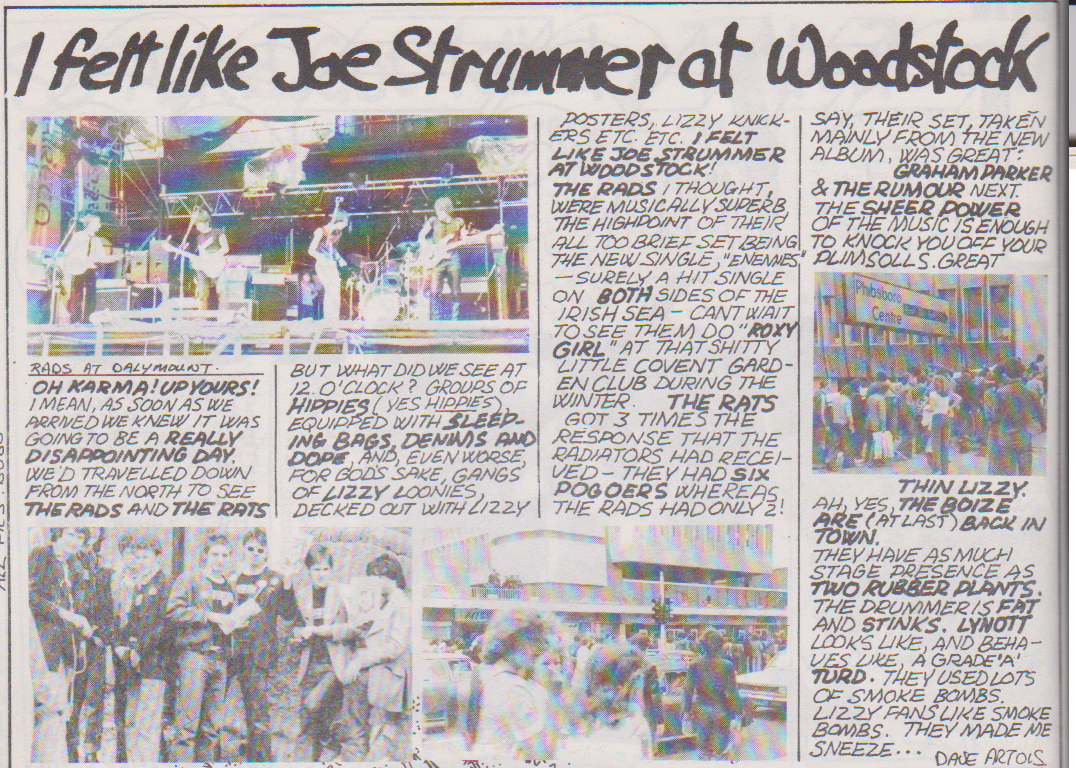
The following review of a festival in Dalymount Park complains that having arrived to see “The Rads and The Rats”, the writer was confronted by “groups of hippies” and “lizzy loonies”. The Rats “got three times the response that The Radiators had received – they had six pogoers whereas The Rads had only two!”

Review of Dalymount Festival.

Review of Dalymount Festival.

Continue Reading »

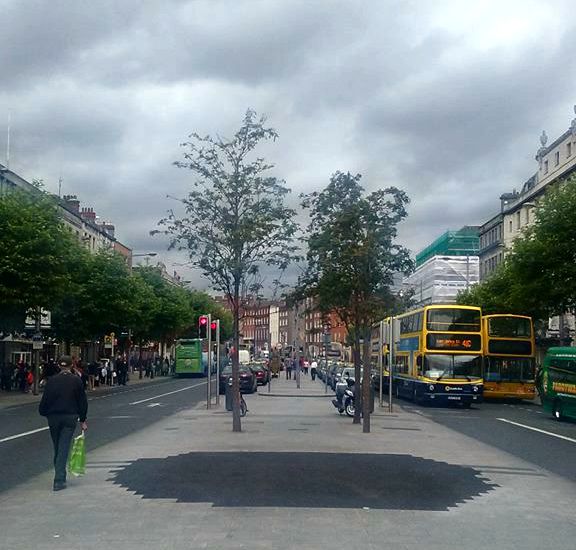
O'Connell Street today.

O’Connell Street today.

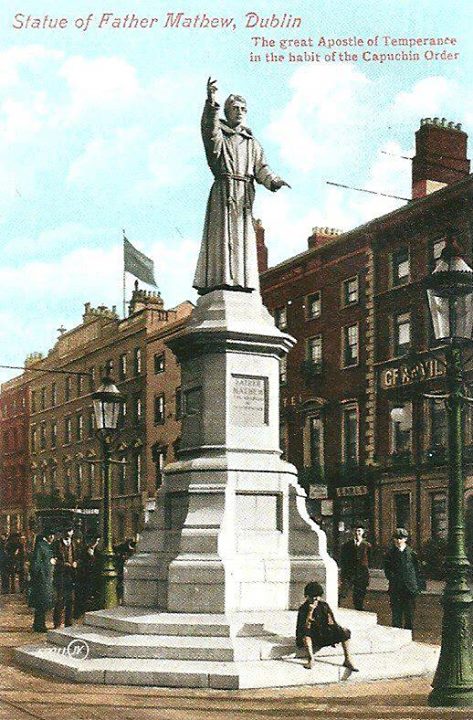
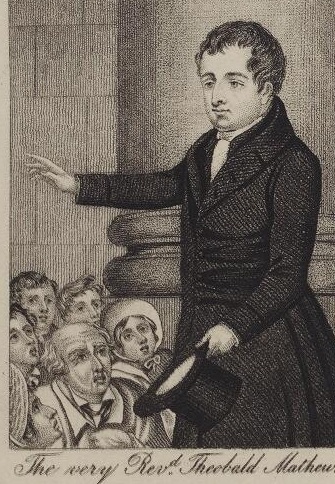
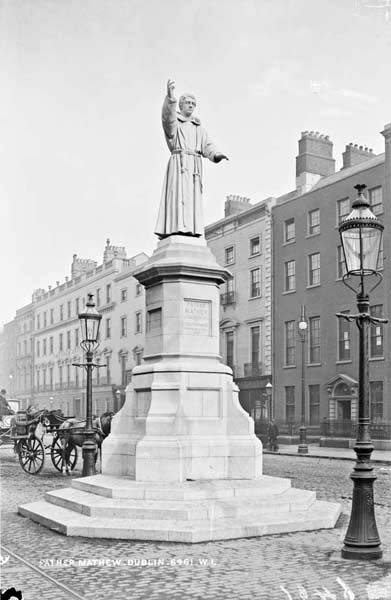
In what one friend has jokingly described as “a victory for secularist alcoholics”, the Luas Cross City project eventually caught up with the statue of Father Theobald Mathew. Sculpted by Mary Redmond, the statue serves to remember the “apostle of temperance”, and it was unveiled before a huge crowd in 1893. One contemporary magazine described it as “a distinguished addition to artistic Dublin.” In the years immediately before Ireland was ravaged by the starvation of the 1840s, Matthew succeeded in enrolling some three million people into the temperance movement, pledging to abandon alcohol. It was said that over a period of only five days in Dublin, seventy thousand people enlisted. Speaking in 1889, the parliamentary leader John Redmond complained of the lack of a monument  to Father Mathew in Dublin, with one newspaper reporting that:

It was nothing short of a scandal that in the city of Dublin, where they had monuments in honour of patriots and heroes, poets and scholars, they had no statue in memory of the one man whom he regarded as the most perfect type of an Irish patriot of the present day.

A historic postcard showing the monument.

A historic postcard showing the monument.

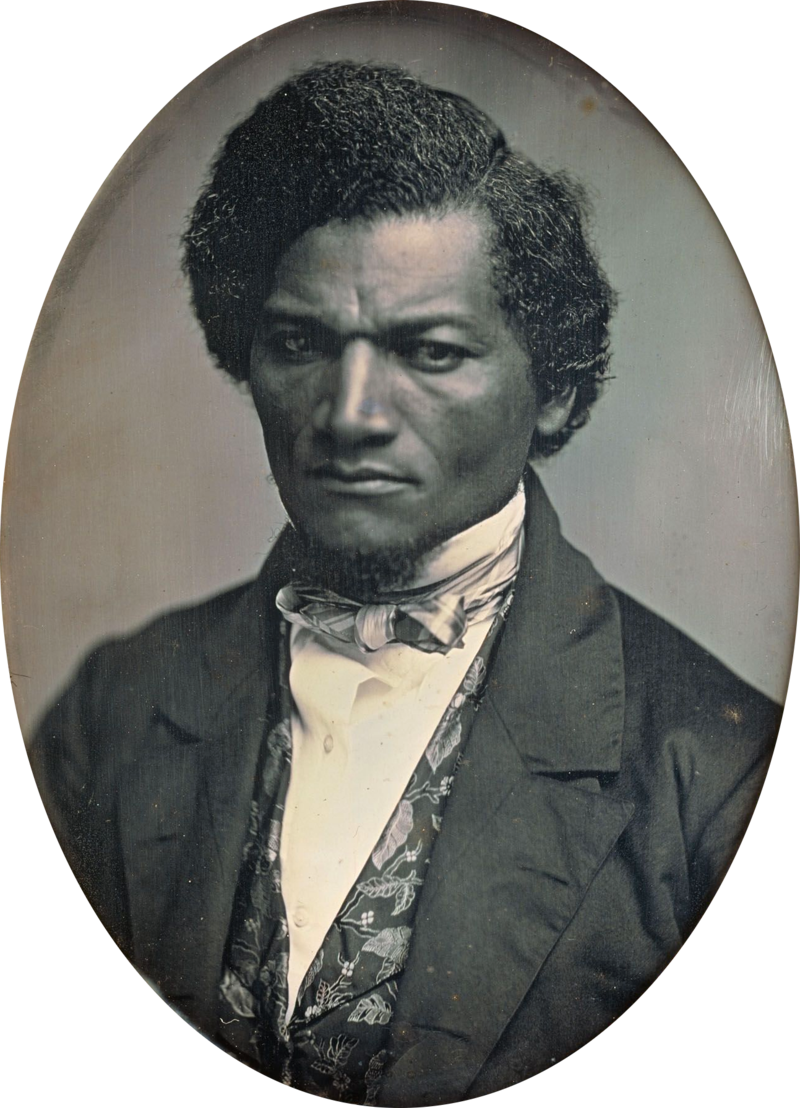
One of those who took ‘the pledge’ from Matthew was Frederick Douglass, the escaped slave and celebrated American abolitionist who would spend several months in Ireland in 1845, even sharing a platform with Daniel O’Connell. Of Matthew, Douglass would remember that “His whole soul appeared to be wrapped up in the temperance cause … His time, strength and money are all freely given to the cause; and his success is truly wonderful.” Douglass would later come to denounce Father Mathew, as the later did not issue an outright condemnation of slavery during a visit to the United States in 1849. Douglass “wondered how being a Catholic priest should inhibit him from denouncing the sin of slavery as much as the sin of intemperance.”

A young Frederick Douglass, who took the famous pledge from Father Mathew while in Ireland in 1845.

A young Frederick Douglass, who took the famous pledge from Father Mathew while in Ireland in 1845.

In recent months, the media and others have discussed possible new locations for the statue. One fitting location could be Church Street, where the Capuchin Order, to which Father Mathew belonged, maintain the Father Mathew Hall. In an interview with Joyce Fegan of the Irish Independent late last year, Father Bryan Shortall stated that “I’d certainly be interested in sitting down with Dublin City Council and having a conversation about relocating it to maybe Fr Mathew Square, which is just opposite our church on Church Street”. Shortall also stated that Fr Mathew was an “amazing character,” and that if he was around today he would bring the drinks industry “to its knees.”

Administering the pledge (NLI)

Administering the pledge (NLI)

A Mathew Testimonial Committee had been established in Dublin in 1843, with the aim of honouring the work of the Capuchin priest. Interestingly, it was led by a wealthy Protestant businessman, Peter Purcell. It included the Duke of Leinster and Daniel O’Connell in its ranks.

The relationship between Mathew and the brewers and distillers of the Ireland of his time would, you may imagine, have been a very strained one. Yet according to one nineteenth century biography on Mathew, one influential Dublin distiller had a few words of praise:

‘No man’, said George Roe, ‘has done me more injury than you have Father Mathew; but I forget all in the great good you have done my country.’ And he presented his proud and delighted applicant with a handsome donation.

Praise also came from Colonel Beamish, head of the Beamish and Crawford brewery, when Corkonians met in 1857 to plan a commemorative statue there.

A historic image of the Father Matthew monument, O’Connell Street. (Image Credit: National Library of Ireland)

A historic image of the Father Matthew monument, O’Connell Street. (Image Credit: National Library of Ireland)

In his lifetime, Mathew toured Ireland and further afield, speaking with passion of his cause and enlisting millions behind him. He is a hugely significant and often overlooked figure in Irish social history, and while brewers and distillers may have heaped praise on him in the nineteenth century, there were no doubt others glad to see the decline of his movement in subsequent decades!

What filled our goals and bridewells? The effects of intoxication. What crowded the very lunatic asylums? Drunkenness and its effects. What fed the very gibbets? Drunkenness. I never will give up until we are freed, with the blessing and the assistance of God, from all these deplorable evils; and if I encounter during my career the sneers of some, and the contumelies of others, I must expect it….Let them show me anyone brought to misery or ruin by total abstinence. Show me anyone sent to the lunatic asylum by total abstinence. Oh no! Not a single one.

Dublin Mean Time.

'Injustice To Ireland'

‘Injustice To Ireland’

I had to pick up this postcard recently. The stereotypical Oirishman is shown infuriated by the display of two clocks in the window of a business premises, one of which displays the time in ‘Dublin Time’ while the other shows ‘London Time’. Underneath, it reads:

Is it there yez are, ye two-faced lyin’ blaguard wid yer mane blarney about the Sun; no Sun ivir riz anywhere, afore it did in Ould Ireland! England afore Ireland! nivir!! Hurroo!!

We’ve previously looked at Dublin Mean Time (DMT) on the blog, noting that:

DMT meant that for many years we in Ireland were in fact 25 minutes and 21 seconds behind of ‘them across the water’, a situation that remained in place until October 1 1916, when the Time (Ireland) Act brought Ireland into line with Great Britain.

Incredibly, prior to October 1916, there had been some hostility to the idea of synchronizing our watches with Britain. In August 1916, a letter appeared in the Irish Independent arguing against it on nationalist grounds! The writer noted that “the question is whether we should give up this mark of our national identity to suit the convenience of shipping companies and a few travellers”.

The Time Act became a political football in Ireland, an Ireland changed (changed utterly you could say) by the events of Easter week. Edward Carson, The Irish Times of August 12 noted, failed to understand the controversy of it all. “All he could say was that if certain hon. members stopped this bill he would see that the Dublin Reconstruction Bill, or other bills, would also be treated as controversial and not allowed to proceed”

The latest issue of football magazine Póg Mo Goal is out now, and available to pick up in a few places around the city. Beautifully designed, it features everything from League of Ireland football to features on fan culture across the world. I’ve contributed an article to it looking at some of the most unusual games to have taken place in the historic setting of Dalymount Park, fitting given that the stadium has recently had some rare good news with Dublin City Council taking ownership of the threatened site.

yugoslavs

One game I didn’t feature in the piece was the brilliantly chaotic visit of Scotland to Dalymount in March 1913. The game was attended by the Lord Lieutenant of Ireland, but the clash is perhaps best remembered for the frosty reception he received and for the rioting that followed the game.

A month prior to the encounter, Ireland had defeated England in Belfast, in a footballing victory that attracted significant media attention, but going into the Scotland game the sides had met 29 times previously – with Scotland winning on 25 occasions. While the majority of the players lining up for Ireland played with English clubs, there were also representatives from Glentoran, Shelbourne and Bohemians in their midst.

About 10,000 people gathered in Dalymount Park for the encounter, but things began badly when the Ireland’s Own Brass Band, on duty to provide entertainment to the crowd, refused to play the British national anthem. Lord Aberdeen, one contemporary account noted, was “received with but a moderate degree of enthusiasm” by the crowd. Neal Garnham has written that the decision of Ireland’s Own not to play God Save The King led to a panic, and that “only the hurried arrival of a military band from the nearby Marlborough Barracks saved the occasion.” Only a month before the game in Dalymount, the presence of the Ireland’s Own band at an Ancient Order of Hibernians event at the Mansion House in Dublin was reported in the press, indicating that there was strong nationalist sentiment in the band. They might not have been the best choice for the occasion.

The Lord Lieutenant of the day, snubbed by Ireland's Own. (Image Credit: Century Ireland, http://www.rte.ie/centuryireland/articles/irelands-lord-lieutenant-a-fount-of-all-that-slimy-in-our-national-life)

The Lord Lieutenant of the day, snubbed by Ireland’s Own. (Image Credit: Century Ireland, http://www.rte.ie/centuryireland/articles/irelands-lord-lieutenant-a-fount-of-all-that-slimy-in-our-national-life)

With the crowd more focused on events on the pitch than any pomp and ceremony off it, it appears they got good value for money with three goals, if not the result they wanted. Despite a Scottish win, the Sunday Independent noted that:

While Scotland won by 1 odd goal in three, they were distinctly lucky to have done so, as Ireland had by far the most of the play, and it was only weak finishing in front of the goal that prevented them following up their victory over England by a success today.

Yet, the clash between Scotland and Ireland wasn’t destined to be remembered for the three goals scored that day. Rather, the events which followed the match saw it make its way into the papers. As Andrew Ward notes in his history of the Scottish international football side:

Arthur Adams blew his whistle to end the game in Dublin and the stage was set for some of the most unruly scenes in the history of international football. Plaqyers fought to keep the ball as a souvenir. Scotland’s George Robertson reached it first, but a spectator, Patrick Gartland, knocked the ball out of Robertson’s hands and Ireland’s Andrews grabbed it. In the struggle which followed, Gartland was knocked over and feared badly injured. Rumours that Robertson had broken the spectators leg spread through the Irish crowd who were already incensed by Scotland-s second goal – there were universal pleas for offside when Alex Bennett scored – and frustrated by Ireland’s failure to save the game after dominating the second half.

For an hour, the Scottish team found themselves largely confined to their dressing room as windows were smashed by angry Irish fans, and Ward has noted that “the Irish mob pursued the Scottish players to their hotel where full-back John Walker was attacked outside.”

Some of the best descriptions of the game come from Ian Paterson’s book Wings of Steel: My Great Uncle, George Clarke Robertson – A Left Winger in the Steel Towns. There, he reprints a contemporary account from a visiting journalist who recalled:

In the midst of a jostling and irresponsible crowd, I watched the melee, and was not sorry, I may tell you, to get out of it. I heard the pavilion windows being crashed in; OI heard the infuriated Dubliners shouting for Robertson to be brought out that they may deal with him; I listened to an excited clergyman in one breath denounce what he called the ‘Dastardly action’ and, in the next, appeal to the sportsmanship of the Dubliners. Can you imagine how relieved I was when I reached the outskirts of that crowd?

Scenes from the match, including the Lord Lieutenant of Ireland presenting a medal. (Source: http://nifootball.blogspot.co.uk/2010/11/095-15-march-1913.html)

Scenes from the match, including the Lord Lieutenant of Ireland presenting a medal. (Source: http://nifootball.blogspot.co.uk/2010/11/095-15-march-1913.html)

The Scottish Football Association minute books of the time note that “Irish FA to be asked what steps they are taking to deal with the leaders of the disturbance at the finish of the International match at Dublin on 15 March 1913, particularly with regard to the clergyman who fomented the regrettable scene and the individual who broke the window of the referee’s room and assaulted J. Walker at the door of the hotel.” In the end however, it appears nothing came of the riotous scenes.

It wouldn’t take long for similar scenes to emerge at a football match in Dublin again. Only a few short months later, during the 1913 Lockout, the ‘Riot in Ringsend’ was the end product of Jim Larkin denouncing Bohemians and Shelbourne for having scabs in their ranks of players. From Ireland’s Own Brass Brand to Larkin’s ITGWU, it seems football and politics certainly mixed in the Dublin of 1913.

Wings of Steel: My Great Uncle, George Clarke Robertson is available to purchase from Amazon.

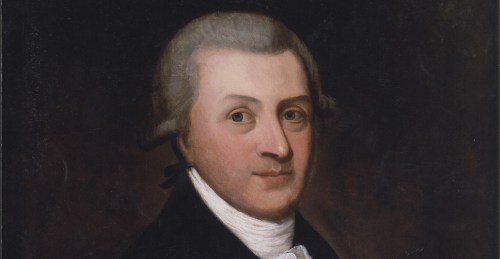
Arthur Guinness, founder of the Guinness brewery.

Arthur Guinness, founder of the Guinness brewery.

There are many layers to the story of the relationship between Dublin and her most successful brewery. The story of Guinness is a story of, naturally enough, brewing stout.  Yet it is also a story of philanthropy, and a story of politics. At different points in the history of the company, it has been confronted by diverse opponents, including the powerful O’Connell family, with Daniel O’Connell’s son briefly going head to head with the company as a brewer himself. The founder of the company, Arthur Guinness, was undoubtedly a pioneer in his field, beginning as a small-town brewer in Leixlip before becoming one of the leading figures in a city of dozens of breweries. This brief post will look at a protracted dispute he found himself entangled in regarding the supply of water to his brewery, and the manner in which he resorted to most unusual methods (of eh….swinging a pickaxe at unwanted visitors to the brewery) to protect his supply.

While dozens of breweries may sound like a dream come true to some readers today, it should be noted that just because the city was awash with breweries does not mean the beer was any good. One eighteenth century ballad joked that:

The beer is sour – thin, musty,thick and stale

and worse than anything except the ale!
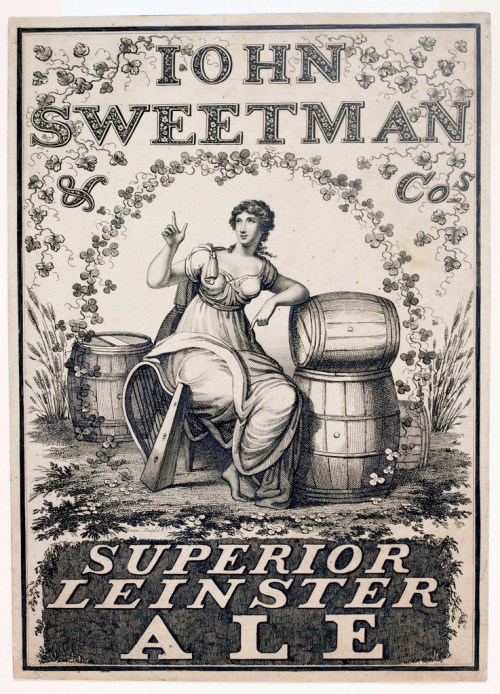
Very few of the commercial opponents of Guinness are remembered today. Sweetman's, another eighteenth century brewery,  survived right until the end of the nineteenth century. (Image: National Library of Ireland)

Very few of the commercial opponents of Guinness are remembered today. Sweetman’s, another eighteenth century brewery, survived right until the end of the nineteenth century. (Image: National Library of Ireland)

Yet, Arthur Guinness succeeded by producing a quality product of a higher calibre than most of his opponents. As David Dickson has noted, his success even preceded the move of the brewery towards porter:

Porter, cornerstone of the brewery’s later fame, was not brewed in the early years, and may indeed have only been introduced in the 1780s, in imitation of a similar black ale pioneered in London. But it seems that, long before its introduction, ale from Arthur Guinness’s establishment was of a more predictable and more agreeable standard than that sold by most of his rivals. In an age of economic turbulence and short-lived partnerships, his success lay in building up the core business, in consolidating its profitability and assets over the forty years that he was involved, and in training up a competent and willing heir to take over the reins – his second son, Arthur (1768–1855). These achievements were what set him apart from all but a very few of his commercial contemporaries.

The story of the humble origins of the brewery is well known. Arthur, at the grand old age of 34, signed a nine-thousand year lease on a disused brewery at St. James’s Gate in 1759, committing to paying an annual rent of £45, a relatively high figure at the time. Guinness acquired the brewery from Mark Rainsford, who is today commemorated via Rainsford Street in the vicinity of the brewery.

Having assumed control of the premises, Arthur found himself entangled in a dispute regarding the supply of water to his brewery. As Joe Joyce has noted in his history of the family, water was critical to the growing city of the eighteenth city, and while the River Liffey “provided no drinking water or water for brewing”, businesses largely depended upon the River Poddle to provide them. Arthur Guinness got his water supply from the city main, as did many of the businesses in the area of the city in which he operated, but crucially he believed that the lease he had signed entitled him to full water rights, without becoming a tenant to the city main supply of which he was a user.

As the Guinness brewery continued to expand its output, the Corporation complained that he rejected “all reasonable methods” which were made to induce him to pay for this supply. There were further tensions in 1772 when a sub-committee found that Arthur was utilising two illegal pipes, larger than permitted, to supply his brewery with its required water supply. In Guinness’s Brewery in the Irish Economy 1759-1876, it is noted that the committee observed that the waterworks beside the Guinness brewery had been described  as belonging to the city, and they believed that neither Guinness nor Rainsford, from whom he leased the brewery, had any claim to the ground in question.

In an 1947 edition of the Dublin Historical Record, the story of the attempt to bring Arthur into line with City policy is well told:

On 16th May 1775, the Committee, with the Sheriff and a number of workmen, went to the Back Course for the purpose of filling in the section between the Limerick property [neighbouring land] and St. James’s Gate. Mr. Arthur Guinness appeared on the scene and strenuously opposed the Committee. He told them that if they filled in the stream he would at once open it again; he seized a pick axe from a labourer and, placing himself in front of the workman, resisted and protested to such good purpose that the Committee, although supported by the Sheriff, whom they had brought to enforce the law, withdrew without accomplishing their design.

Arthur, the report of the Committee noted, told the men that “the water was his, and he would defend it by force of arms.” He told the men that “if they filled it up from end to end, he would immediately open it”, and his use of “very much improper language” was also commented upon.

The dispute dragged on and on,  but on 24 May 1784, Arthur agreed to sign a 8,795-year lease for the use of the water (the remainder of his original 9,000 year lease), that required him to pay £10 annually for the privilege. Ultimately, it was a compromise between the two sides.  To his credit, Arthur did have some interest in conflict resolution in his lifetime. He was a member of the wonderfully named  Friendly Brothers of Saint Patrick, described as a fraternal organisation “that opposed duelling and aimed to promote social harmony.”   While he evidently detested pistol duelling, it appears that waving pickaxes was another matter entirely!

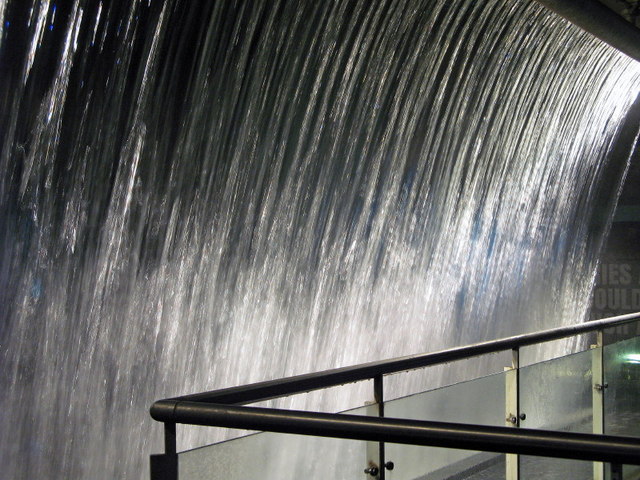
The impressive waterfall inside the Guinness Storehouse tourist attraction today.

The impressive waterfall inside the Guinness Storehouse tourist attraction today.
Not so long ago, we looked at the chains of the Lord Mayor of Dublin on the website. Readers of the blog might have been surprised to learn that King William of Orange is depicted upon the ceremonial chains,and it was hoped that “in everlasting memory of the great services of William III to the Protestant inhabitants and as a mark of his royal grace and favour” he would bestow the chains upon the city.

But if King Billy is out of place in Dublin, so too is the city motto: Obedientia Civium Urbis Felicitas. Translated, it essentially proclaims that the happiness of the city depends upon the obedience of its people. It has been argued that the flames depicted within the city coat of arms represent “the zeal of the citizens to defend Dublin”, though looking at the course of Irish history the zealof the citizens to destroy Dublin may seem more fitting!

CoatOfArms-Dublin-City-2000px-Coat-of-arms-of-Dublin

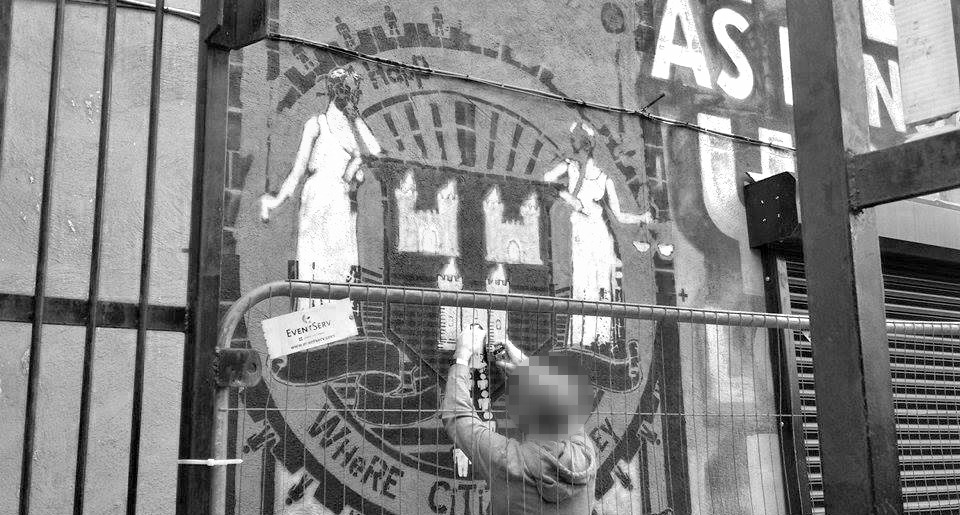
Recently, Dublin street artist ADW had a bit of fun with the city coat of arms as part of the  All City Tivoli Jam, which sees the walls at the Tivoli Theatre carpark redecorated on an annual basis. ADW’s art may be familiar to some readers of this blog, for example his redecoration of a dull city centre powerbox. ADW has taken the coat of arms and placed the people of the city within a turning cog of a machine. Justice and Law still feature!

Image Credit: ADW Art.

Image Credit: ADW Art.

As a work in progress.

As a work in progress.

Variations of the city coat of arms are to be found all over Dublin today, on street lamps and above buildings. You’ll find a beautiful mosaic tile in City Hall which is well worth taking the time to visit. While you’re there, check out the murals around it.

CityHallMosaic

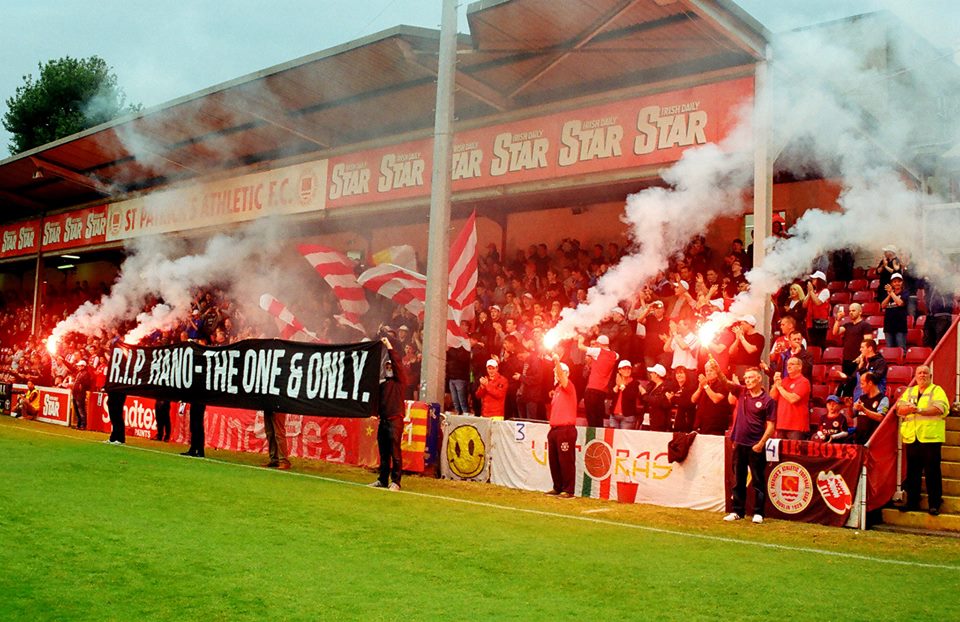
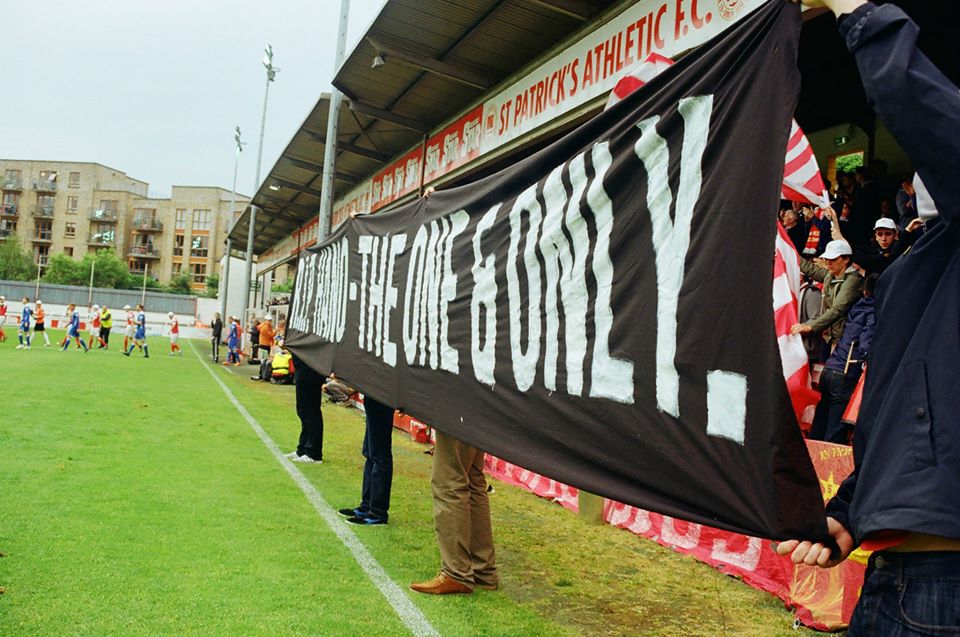
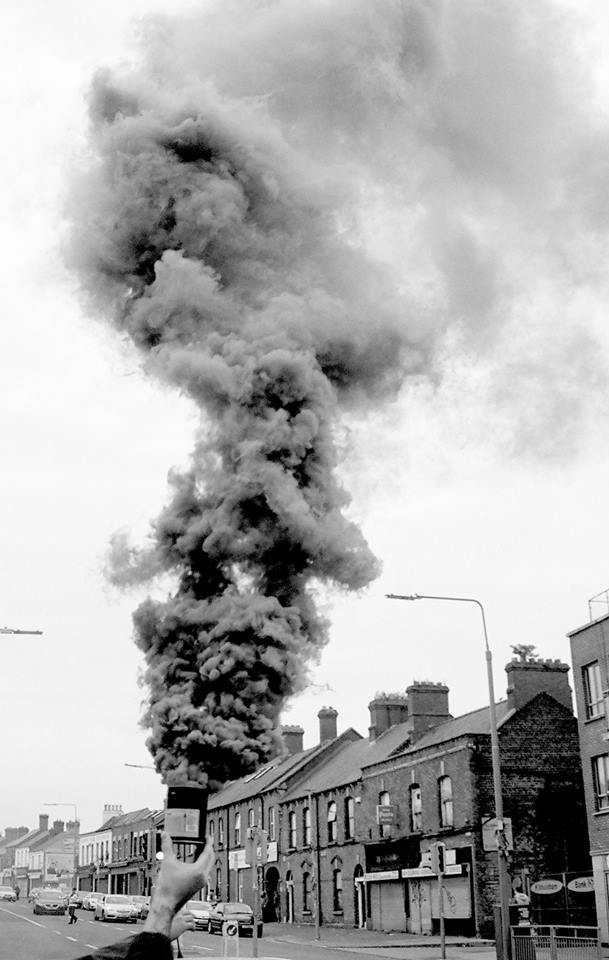
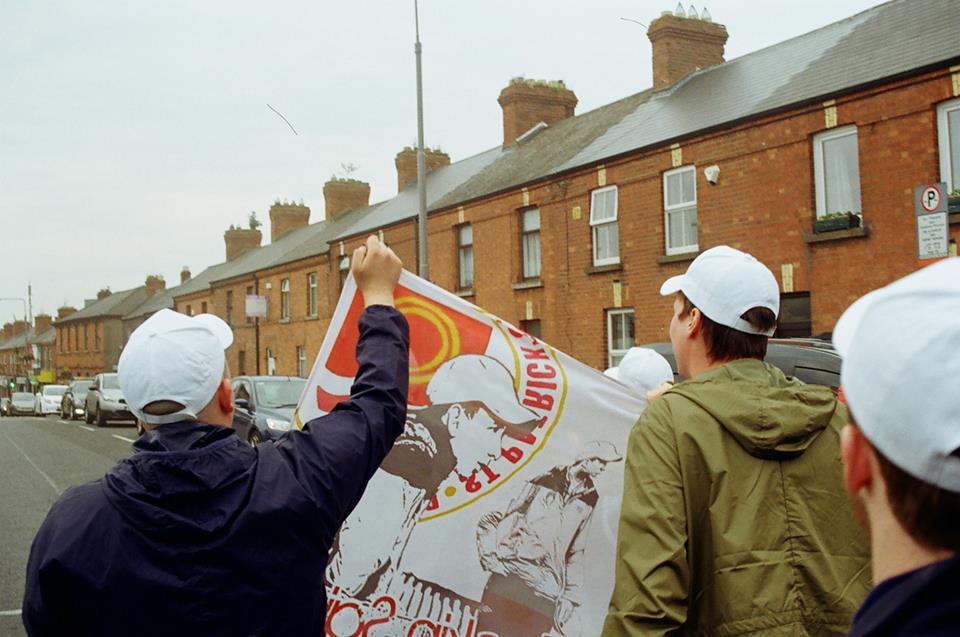
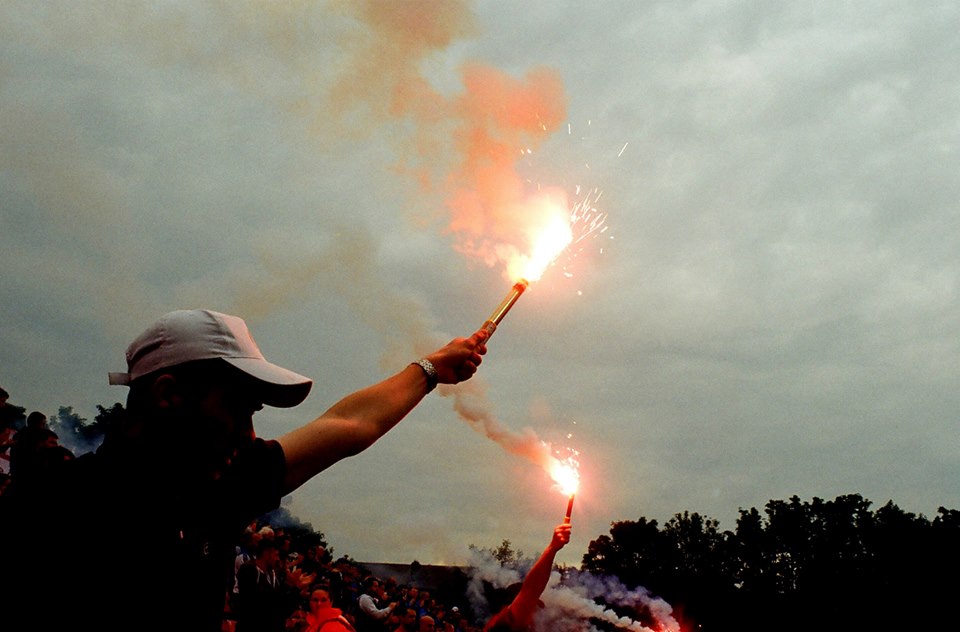
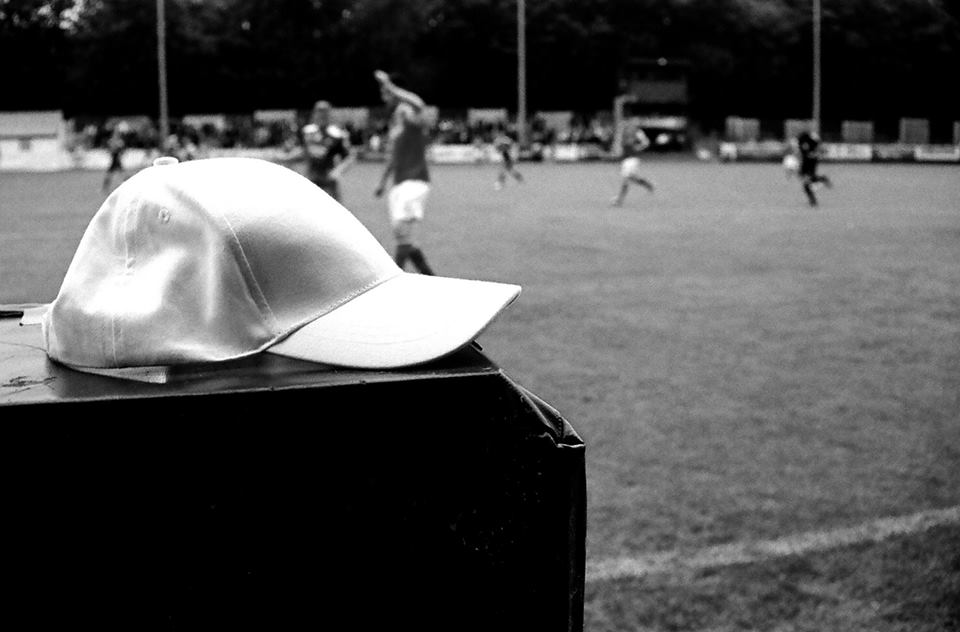
Niall ‘Hano’ Hannigan was a well-known figure not only at Saint Patrick’s Athletic but right across the League of Ireland community. A committed volunteer at the club he loved so much, he gave much of his time to the youth sides at the club and to issues which involved supporters, such as organising away buses. His sudden death last week was a heartbreaking moment for so many at Saint Pat’s, and his trademark white cap will be missed in Richmond Park. Luke Fallon captured these photographs on Friday as Saint Pat’s fans remembered one of their own. As ever with Luke’s images on this site, they were captured on film.

RIP Hano.

Hano1

Hano2

Hano3

Hano4

Hano5

Hano6

We’re very pleased to announce that Barry Gleeson has joined the bill for our Pieta House fundraiser next Thursday in The Sugar Club.

The blog celebrates Dublin’s very rich musical heritage, which has involved everything from compiling (and often uploading!) a timeline of Dublin punk and new wave 7″s to providing a spotlight to new and emerging acts, across a range of fields. It has also involved looking at Dublin talents like Frank Harte and the wonderful Liam Weldon, traditional singers who knew how to carry stories through the medium of songs. Liam Weldon was once described as being “as Dublin as the Easter Rising, and as Irish as the Love Songs of Connacht or the Limerick Soviet that got clobbered.”

The line-up we have assembled for Thursday is varied, spanning all from street artist Maser to young hip hop artist Costello, and reflecting the broadest possible range of Dubliners. Tradition is hugely important to us however, and nowhere is it more evidently found in Dublin than in institutions like the Góilín Singers’ Club. Barry Gleeson is a fine Dublin singer, and a voice that may be familiar to readers of Come Here To Me having shared the stage with our favourite “folk miscreants” Lynched in the past. From Artane in Dublin, his song subjects range from the brilliantly humorous (hear his ode to nightclub Tomango’s!) to songs which examine Irish political and social history.

Remembering the early days of the Góilín Club in The Thomas House, Gleeson recalled “There’d often be only about seven of us on Thursday nights in Thomas House. I really enjoyed it. Our names would be called out at the end of the night – fame at last!” Clubs like the Góilín, and institutions like the Irish Traditional Music Archive, have proven invaluable in preserving a most important oral tradition. Gleeson is a joy to listen to, and we hope you’ll join us on Thursday to enjoy it.

DublinSongs