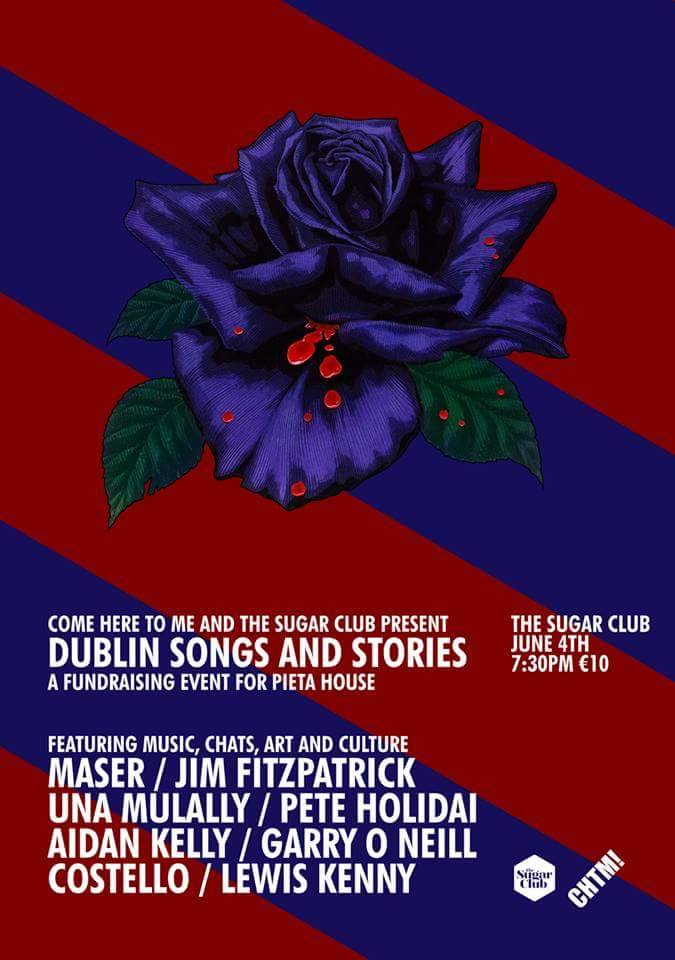
We’re delighted with the poster for next weeks event in The Sugar Club, which draws inspiration from the work of both MASER and Jim Fitzpatrick:
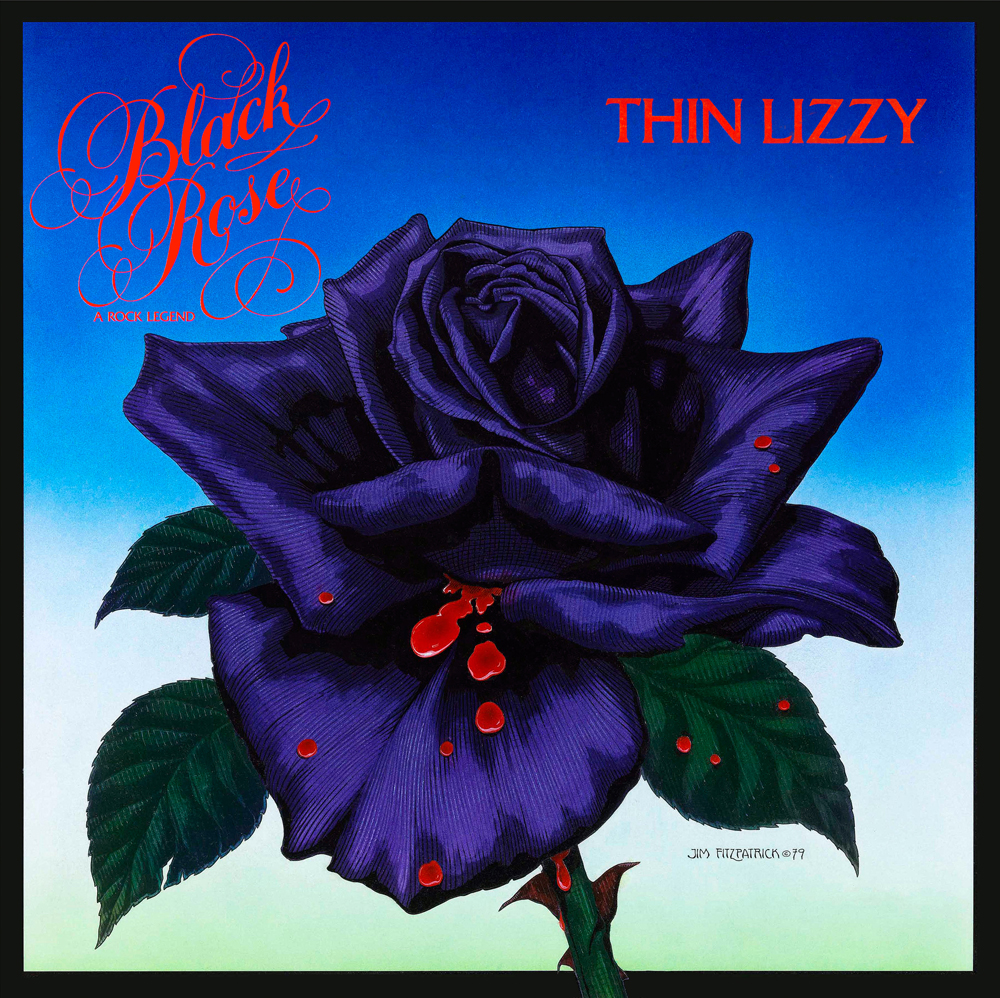
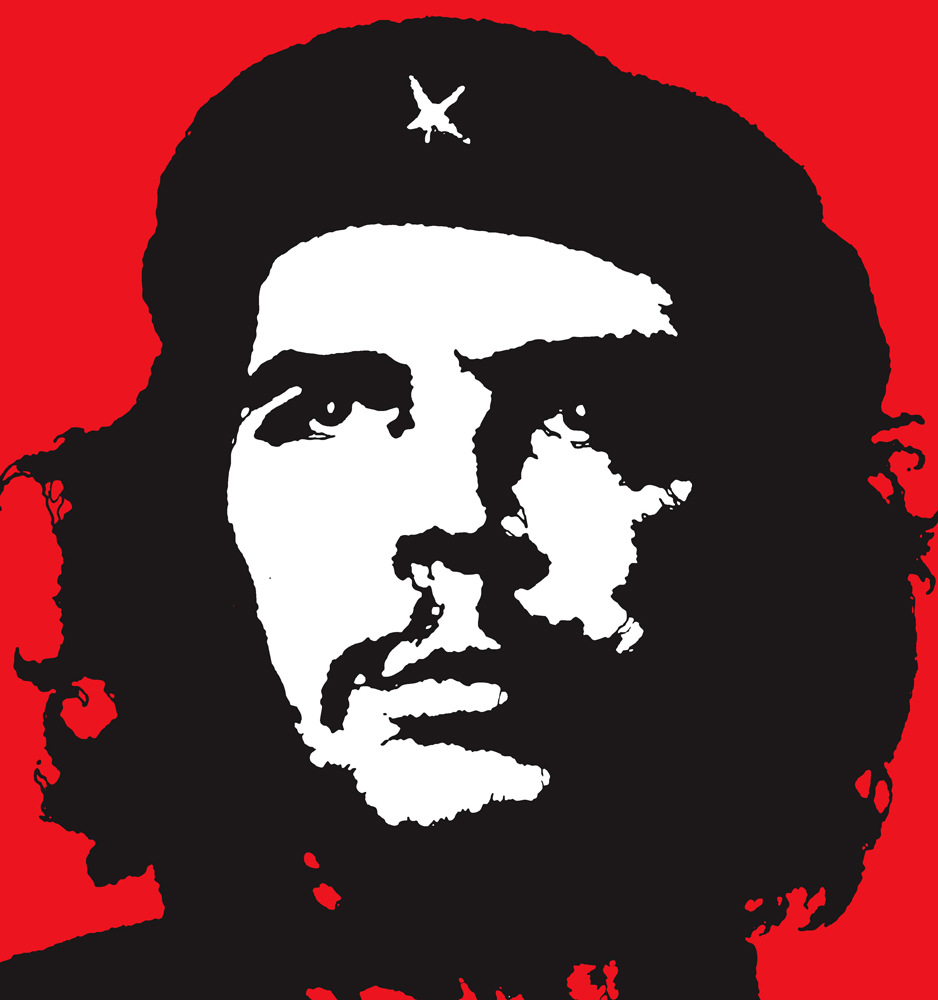
The central inspiration for the piece is Thin Lizzy’s iconic Black Rose LP cover, which was designed by Fitzpatrick. We’re great admirers of Fitzpatrick’s work, from his political posters of figures such as Che Guevara and Joe McCann to his Celtic influenced designs. Jim comes from fine stock too, being the grandson of Thomas Fitzpatrick of The Lepracaun, who also contributed cartoons to the Weekly Freeman.
168 steps were all that kept Dubliners from the viewing platform of the Nelson Pillar, or Nelson’s Pillar as it became known locally.
Francis Johnston’s Doric column, topped with Thomas Kirk’s statue of the famous Admiral, was ever-controversial. Everyone from Saint Patrick to John F. Kennedy was proposed as a suitable replacement for the top of the monument over the years by campaigners shocked by the presence of a British naval hero, and not an Irishman, in the centre of O’Connell Street.
Regardless of who was on top of it, the pillar itself became a part of the Dublin streetscape, and buses and trams made their way for ‘Nelson’s Pillar’ for many years. On the eight of March 1966 a bomb destroyed the core of the monument, and the English Admiral was gone, with pieces of the pillar destined to become a mantelpiece staple in Dublin. Some celebrated his demise, others mourned Horatio. The Senator Owen Sheehy-Skeffington went as far as to say that “the man who destroyed the pillar made Dublin look more like Birmingham and less like an ancient city on the River Liffey”.
The Little Museum of Dublin have recently added this great model of the monument to their collection. Meticulous in detail, right down to the gates and the inscriptions detailing Nelson’s victories, it is worth a visit for anyone who climbed the 168 steps – or indeed those who never made it. For an idea of scale, see this tweet.
The entrance to the Nelson Pillar.
Nelson himself (via @dublinmuseum)
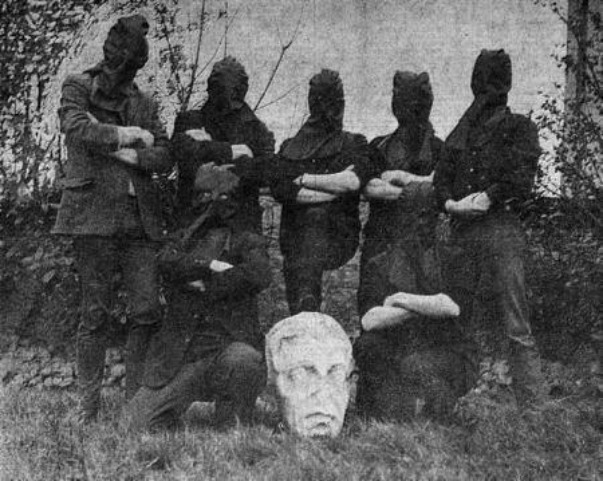
NCAD students with the ‘liberated’ head of Nelson, 1966.
Recently, we were approached by man about town Johnny Moy regarding the possibility of a Come Here To Me themed night in The Sugar Club. While we’ve tried our hand at events before, we felt it necessary to get the venue right, to find a place where we wouldn’t be competing noise wise or otherwise with anything else, and a place where music, spoken word and visuals could all come together in right way.
Pieta House is a charity very close to our hearts, and undoubtedly the same for many of you. We have decided then to throw our weight behind a forthcoming night in The Sugar Club. The line-up we’ve put together between us is eclectic, with a variety of talks and sets followed by boys and girls we know spinning tunes. This night takes place June 4th, ‘Dublin Songs & Stories’, with doors opening from 7.30pm in The Sugar Club. Tickets cost €10, and every cent we take in will go to Pieta House. Please support it and please spread the word.
Dublin and Ireland’s favourite street artist is back in on home turf after a two year working trip around the globe doing exhibitions and large scale installments. His work has taken him all over the planet. Maser started out as a graff artist in the 90’s and quickly rose up the ranks, he now has an international reputation for his ultra large outdoor works, he has also progressed to full scale exhibitions over the last few years. Readers of the blog may remember his ‘They Are Us’ collaboration with Damien Dempsey, which raised huge sums of money for the homeless in Dublin. His recent work can be seen in Hawaii, Sydney, New York, Las Vegas, Berlin, Milan to name a few. Back in Ireland now for a 6 week residency in the prolific Graphic Studios, Dublin. Maser has spoken in the past about his work at Offset and Sweet talk and he will join us on the night to get us up to speed on his international rise and his Dublin roots.
‘Che’ by Jim Fitzpatrick.
JIM FITZPATRICK:
Jim should be no stranger to anyone with a remote interest in the arts, as his most famous piece of work is the iconic VIVA CHE – the internationally famous portrait of Che Guevara. This image went on to become a global symbol of resistance to oppression. Jim never made (nor wanted) to make money from this work as long as people used it respectively and in context. In Sep 2011 after several miss usage (without rights) in crass global marketing campaigns Jim decided enough was enough and took the image rights out of the public domain. That same year he met with El Che’s daughter (Aledia Guevara) and arranged a legal transfer of the image rights himself to her family to benefit the people of Cuba. Jim has also worked extensively with Irish bands and musicians, most notably Thin Lizzy and he was very close to the former singer Phil Lynott, Jim will give a good insight into what Dublin was like back then.
Una Mullally’s study ‘In The Name of Love’
UNA MULLALLY:
Journalist, broadcaster and author, we’re delighted to have the involvement of Una Mullally in this event. In 2014, she published her first book In The Name of Love, an oral history of the movement for marriage equality in Ireland through the ages. One of the busiest people in Dublin it seems, she presents Ceol ar an Imeall (Music on the Edge), an alternative music TV show on TG4, and has also organised the popular Come Rhyme With Me spoken word nights in the city. Given the talk around marriage equality in recent times, we wanted to invite Una to talk about the movement for marriage equality and gay rights in Irish society.
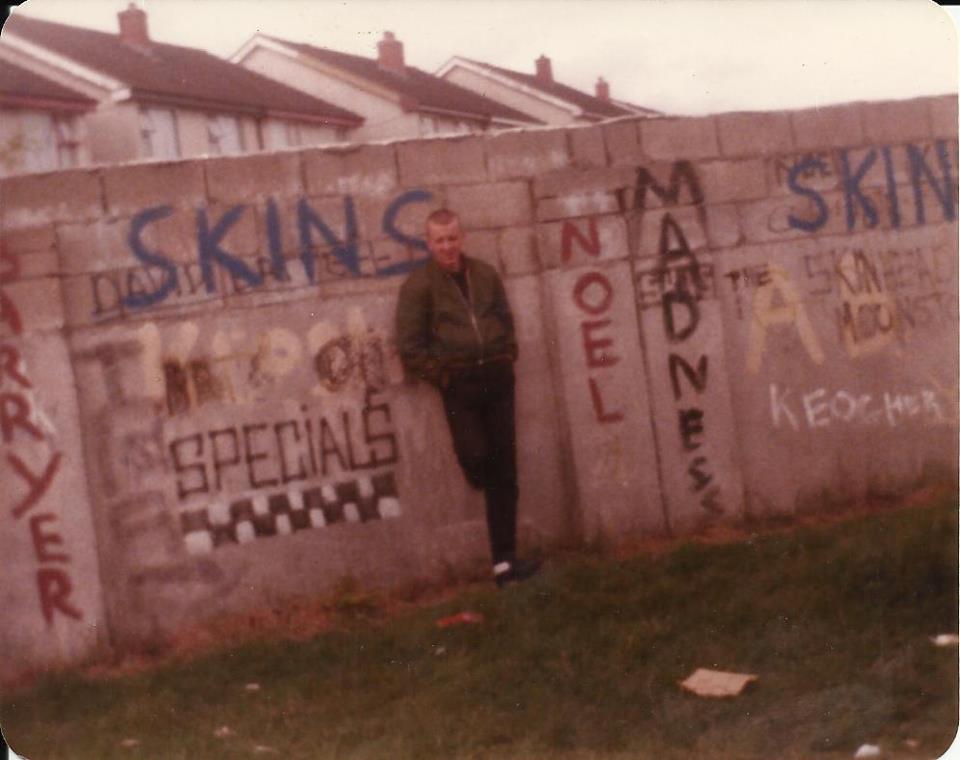
An image from the ‘Where Were You’ Facebook page. “Skins…Specials…Madness” – Kilbarrack – Early 80s. ( Photo Joe Behan.)
GARRY O’NEILL (WHERE WERE YOU):
We’re great fans of Garry O’Neill’s book Where Were You, and the ever-expanding Facebook page that came along with it. The book is a visual social document of young Dublin. A photographic journey through five decades of the city’s youth cultures, street styles and teenage life. All the material was sourced over four years or more of constant advertising to the general public through posters and flyers, and also from photographers, newspapers and books. The book covered the youth subcultures of Dublin’s past, including Punks, Teddy Boys, Skinheads, Hippies, Mods, Rockers, Goths, Bikers etc. Now, Garry is looking at the record shops of Dublin, which are slowly vanishing from the streets of the capital, and we invite him to tell us a little bit more about all of that.
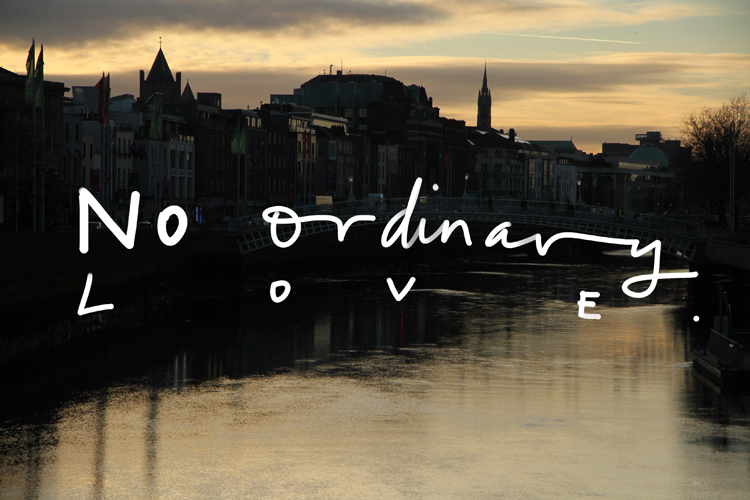
‘No Ordinary Love’ – Aidan Kellly.
AIDAN KELLY:
Dublin born Aidan Kelly has been taking photographs for over 15 years building a solid archive of mainly documentary, fine art and portrait work. He’s worked for clients such as U2, and renowned playwright Martin MacDonagh, while he was also involved with the ‘They Are Us’ Project with Maser and Damien Dempsey. He has collaborated with Dublin street artist DMC in recent times, and his work often draws on the streets of Dublin as a central influence. He is a true Dub with with good knack for a story.
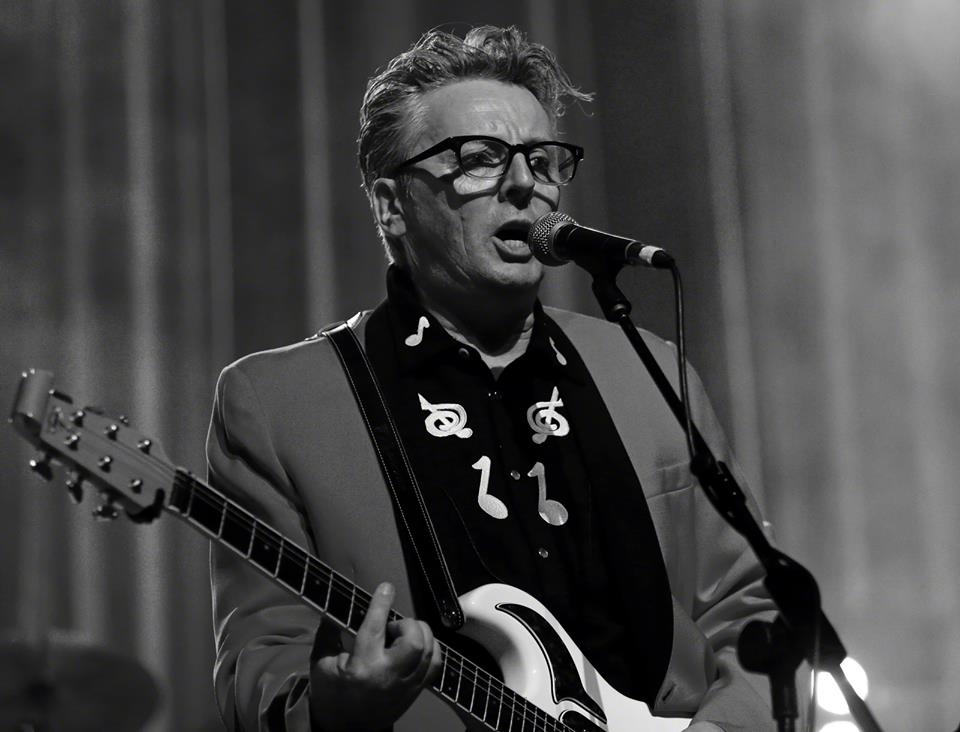
A Radiator From Space, a Trouble Pilgrim, we had to invite Pete Holidai to join us once again. The Radiators From Space produced two classic albums in the 1970s, in the form of TV Tube Heart and Ghosttown. In 2012, 35 years after the release of their classic single ‘Television Screen’, Come Here To Me chatted to Phil Chevron. Today, Pete and Steve Rapid of the original Radiators are back on stage as the Trouble Pilgrims, joined by long term member Johnny Bonnie along with bassist Paddy Goodwin and rhythm guitarist Tony St Ledger. In 2014, they released ‘Animal Gang Blues’, a 7″ record full of the stories and lore of the notorious ‘Animal Gangs’ of 1940s Dublin.
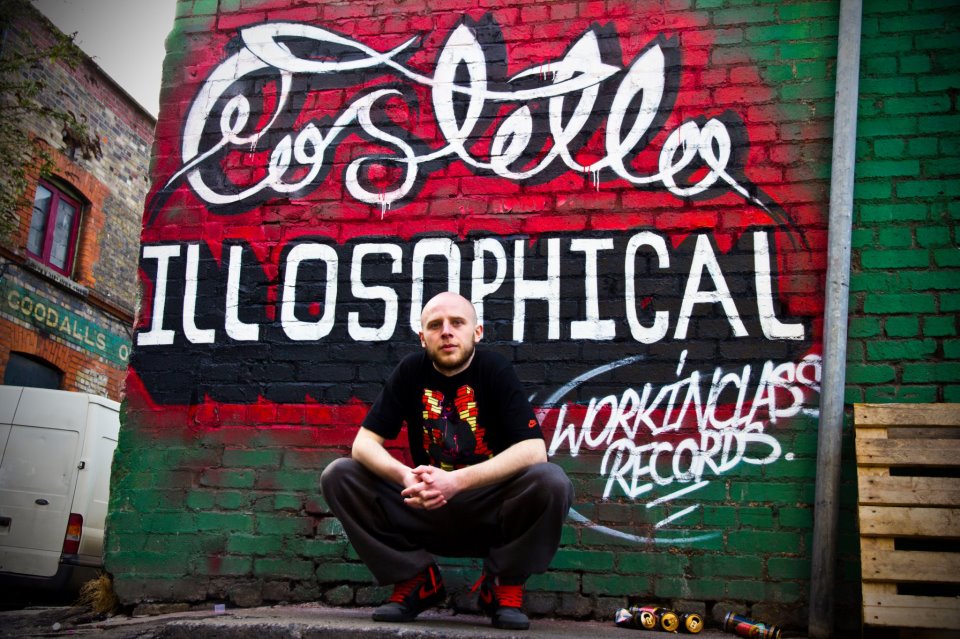
Costello.
COSTELLO:
Working Class Records have released some brilliant slices of Irish hip hop in recent years. The label first came to our attention through the Street Literature album ‘Products of the Environment’, and in recent years performers like Lethal Dialect, GI and Costello have gone from strength to strength in the Irish hip hop scene. In 2013, the documentary Broken Song told the story of just what the lads at Working Class Records have been trying to do, with The Irish Times describing it as “Dublin’s first hip-hop street opera.” Costello’s Illisophical has been one of the most played albums around here in recent times and we’re delighted to invite him to take part.
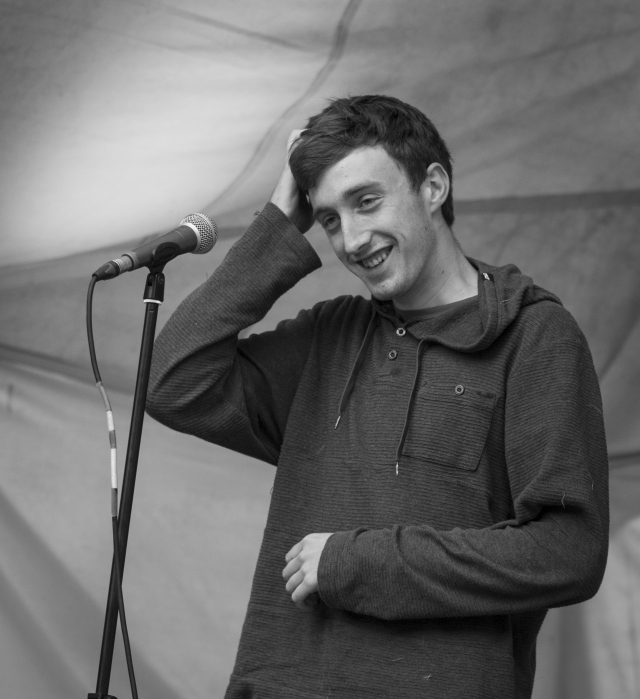
Lewis Kenny
LEWIS KENNY:
Bohs man in the stanza, Cabra native Lewis Kenny has been attracting a lot of attention in recent times, and deservedly so. At the start of the year, Bohemians appointed Kenny as the first ever Poet In Residence at a League of Ireland club, a brave departure! But, there’s much more to Kenny than just The Beautiful Game, and as our friends at Rabble have noted “The work of poet Lewis kenny takes in everything from skagged out MDMA session victims and urban gentrification, right up to the importance of cherishing your ma.”
And then, to play it all out, we’ll be inviting people to take to the decks as we all relax and enjoy some music. We’ve roped in soul music extraordinaire and Anseo regular Shane Walsh, we’ll force Johnny Moy into it too, and we’ve invited other boys and girls from the CHTM circle to give it a go.
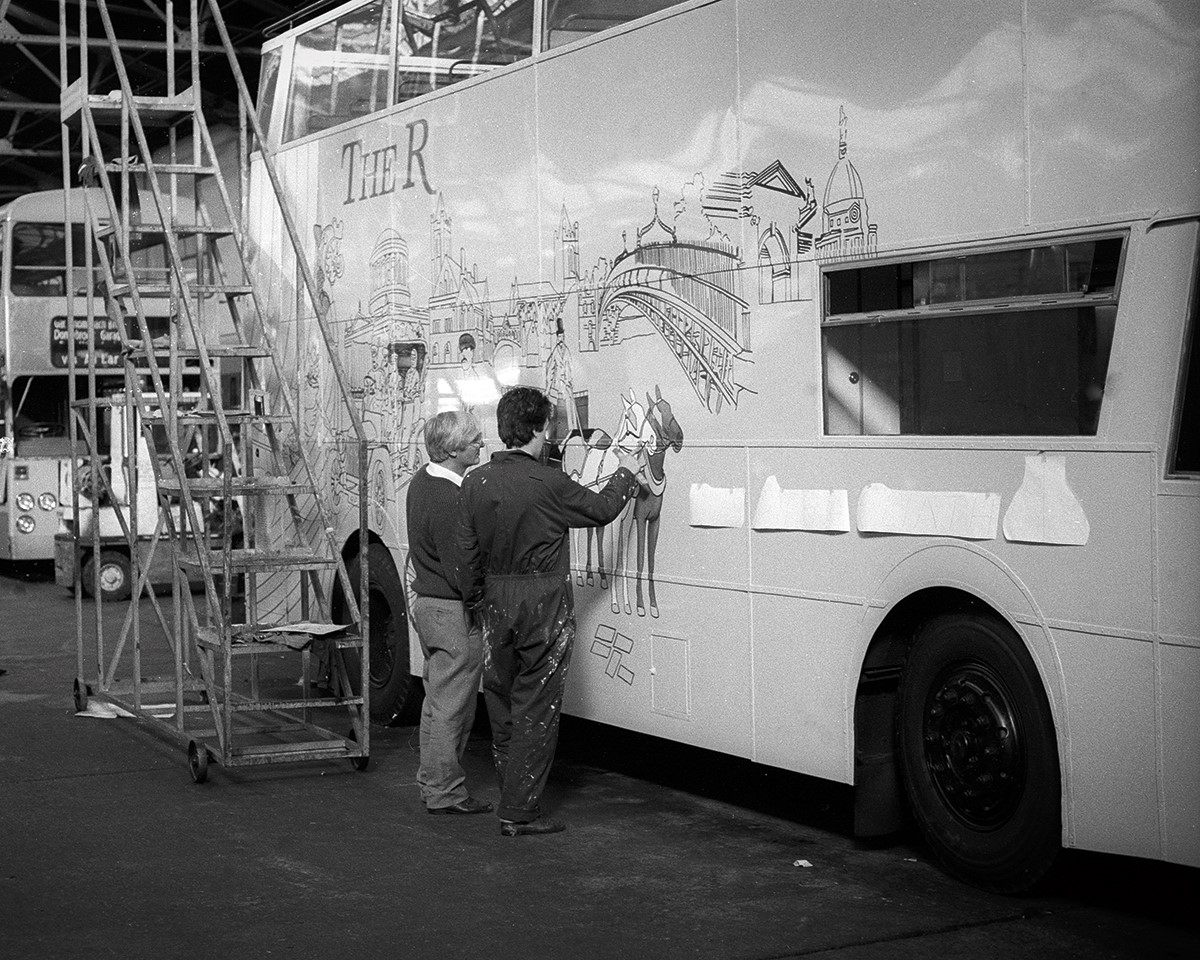
Sign-painting, sadly, is an industry in decline in Dublin. They said that Brendan Behan was the son of one of the finest sign-painters in Dublin, though Stephen Behan was by no means alone in the industry. Brendan himself dabbled in the field, before discovering other talents. Kevin Freeney, born in 1919, painted “at least 700 pubs and shopfronts” in the capital, and was a frequent sight on the streets of Dublin once upon a time, carrying his paint and brushes everywhere. The Freeney story was brilliantly told in the short firm ‘Gentlemen of Letters’, which brought the story right up to the present day through artists like MASER.
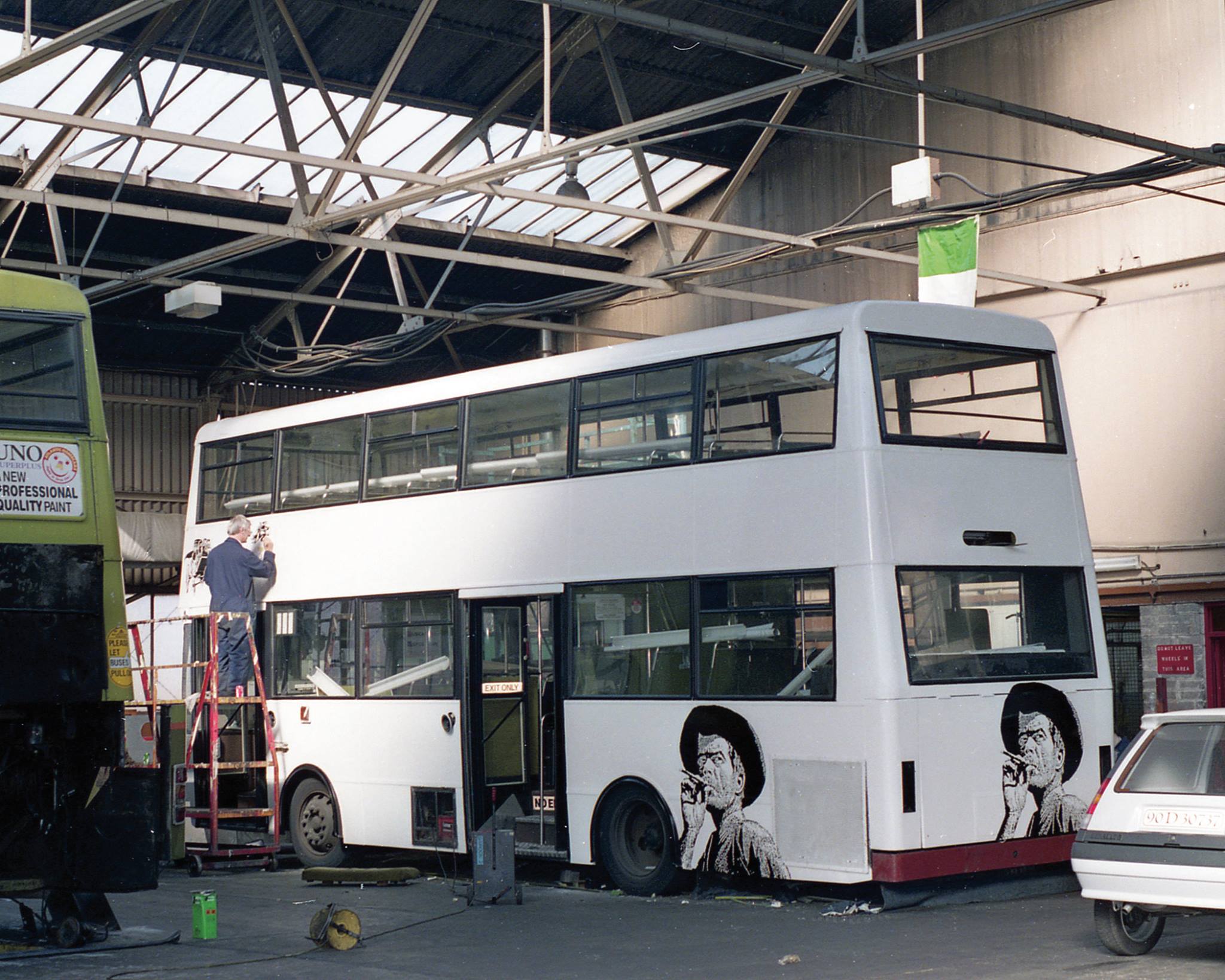
The Freeney family have continued a family tradition for generations now, always maintaining a great pride in their history. An archive of Kevin Freeney’s work, available to view on Flickr, is testament to that. A new book, entitled The Art of Painting Buses, demonstrates that the family continue to make their mark on the city.
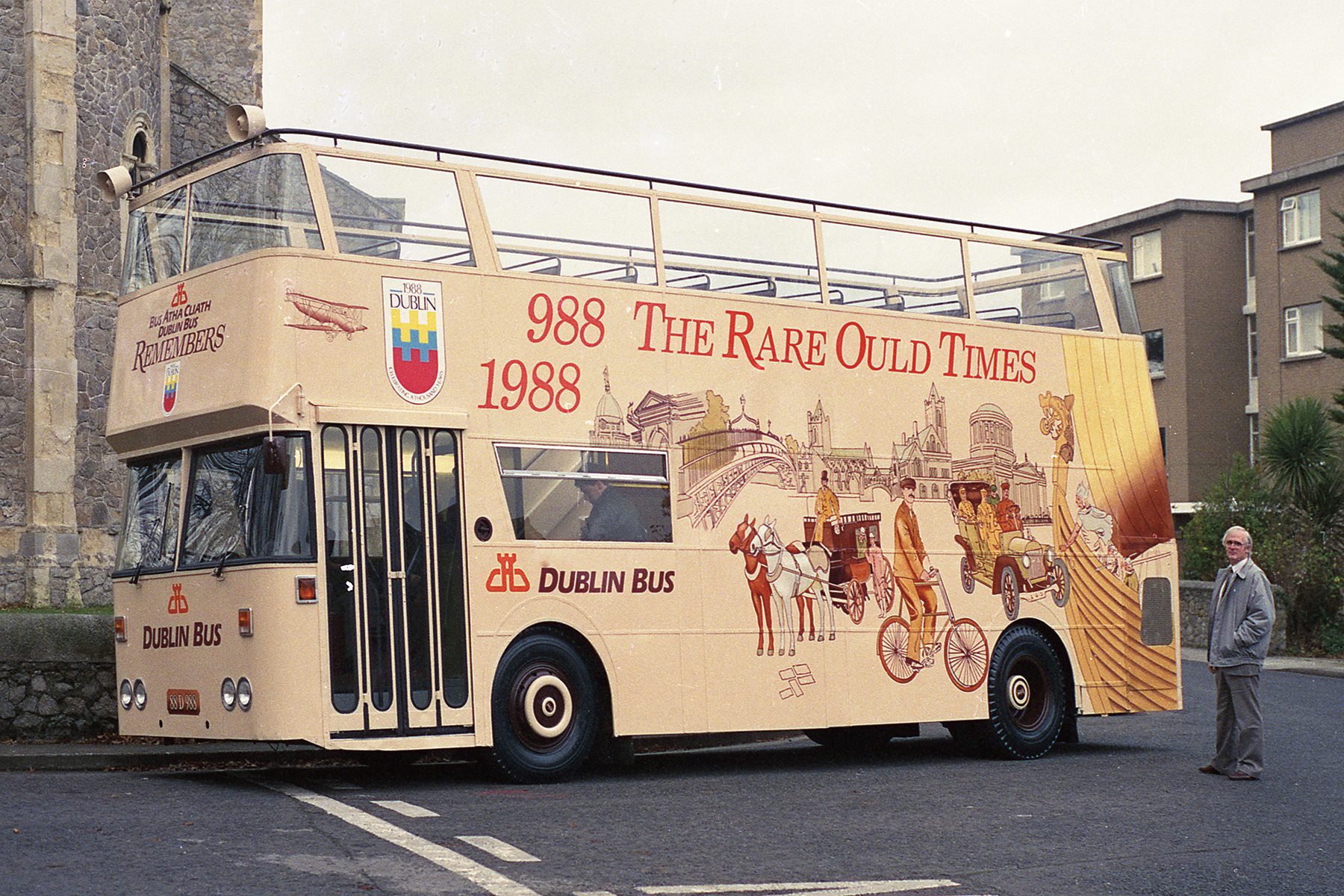
The first bus painted by the Freeney’s. From ‘The Art of Painting Buses.’
1988 was the year of Dublin’s Millennium. Well, it wasn’t actually the Millennium (the Vikings were here long before 988, we’re sorry to tell you), but 1988 is remembered in Dublin today for the festival and celebrations of all things Dublin and old. There are lasting monuments in the city today to 1988, for example the mosaic tiles on the side of St. Stephen’s Green Shopping Centre, the Molly Malone statue and the milk bottles in your attic. There are also plenty of memories, and readers may remember seeing the above bus driving around the city. Painted by the Freeney’s, it marked their first foray into, the art of painting buses. It was not to prove the last.
From ‘The Art of Painting Buses’.
The sheer labour involved in the art was immense, and sometimes the work tedious. In an interview with the Irish Independent, Tom Freeney remembered that “Some buses were tougher than others. In 1993 we had to hand paint 38,652 garden peas onto a Hak Produce bus. It was very hard to motivate yourself knowing you were facing into another day of peas.” For me, some of the most interesting images in this collection are those advertising Dublin businesses no longer with us, while others remain familiar names.
Bad Bobs. From ‘The Art of Painting Buses’.
From ‘The Art of Painting Buses’.
Today, Freeney’s Graphics continue family traditions. With the day that is in it, it’s only right to draw attention to this recent wrap on a Hailo taxi! Few families in Dublin have remained as firmly rooted in a family tradition as the Freeney’s, and The Art of Painting Buses is a fine record of a job well done.
After nearly 130 years of production, the anarchist newspaper Freedom moved its operations online last year. Sadly unable to sustain a regular printed publication in this era, the East London-based Freedom Press now publishes its news and opinions on the web accompanied by a quarterly freesheet and a monthly email digest. From 1886 to 2014, it was the stalwart organ of the English-speaking Anarchist movement and could boast of links with some of the world’s foremost Anarchist thinkers including Peter Kropokin, Marie-Louise Berneri and Colin Ward.
Front cover of Freedom Newspaper (March 1916) – Libcom.com
While reading a copy of Freedom (sub-titled the “Journal of Anarchist Communism”) from March 1916 on the Libcom website, I was pleasantly surprised to discover that along with major cities like London, Manchester, Glasgow and smaller ones such as Plymouth, Yeovil and Falkirk – names and addresses of Freedom newspaper sellers are listed for Dublin and Belfast.
Sellers of Freedom Newspaper (March 1916) – Libcom.com
They were:
“Belfast – W. Robinson, 167 York Street
Dublin – J.C. Kearney, 59 Upper Stephen Street”
Jospeh C. Kearney (c. 1887 to 1946) was a bookseller and stationer who lived above his shop at 59 Upper Stephen Street his whole life. There are a small number of fleeting references to him and his family online. I think it could be assumed that he had some sympathy to socialist or anarchist politics he was happy to both stock Freedom and let the newspaper publicly advertise the fact.
In 1901, Joseph C. Kearney (14) was living at home with his widow mother Lilly Kearney (38) nee Walsh and two younger brothers Thomas (11) and Alfred (10). Lily was a tobacconist and employed an assistant, Mary Callaghan (19) from Cork, in the shop downstairs. Obviously reasonably financially well off, the family also enjoyed the services of a servant Ellen Byrne (16) from Carlow.
On the first anniversary of her death, a notice was put into The Freeman’s Journal (4 December 1891) in memory of a Mrs Anne Walsh of 59 Upper Stephen Street . I suspect this was Lilly’s mother.
Map showing the looping Stephen Street, 1912. Credit – swilson.info
The Kearney family put an advertisement in the Freeman’s Journal (8 March 1902) looking for a “respectable, strong, young country girl” to work as a general servant. They inserted similar notices in 1904 and 1911. The family were decidedly middle-class.
By 1911, Lily (50) had re-married a Royal Dublin Fusiliers Army Pensioner by the name of Vincent Walter (60). Her three sons Joseph (24), Thomas (22) and Alfred (20) all still lived at home with her and listed their profession as “News agent shop men”. Lily’s brother Alfred Walsh (52), an “Engine Fitter”, and a cousin Louie Wilson (16), a “Drapers Shop Assistant” from Liverpool also lived in the house at that time.
In August 1918, Joseph C. Kearney was fined after his wife Louisa Kearney illegally sold matches to a customer. It was the first prosecution, according to the Irish Examiner (28 August 1918), under a new act which “provided that matches must be sold in boxes and not in bundles under any circumstances”.
On 23 February 1922, a notice was put into the Irish Independent by Lily Kearney-Walter who then living in California, San Francisco to mark the 5th anniversary of the death of her brother Alfred. Lily obviously moved back home as she died in Harold’s Cross Hospice on 6 June 1924. The notice in the Irish Independent (9 June 1924) mentioned her late husband V.B. Walter was late of the SMRASC which I think stood for Service Member (?) Royal Army Service Corps.
Kearney had another brush with the law but this time for more interesting reasons than selling matches. In April 1928, Joseph C. Kearney was found guilty and fined a total of £60 for selling two “obscene” publications entitled “Family Limitation” and “The Married Women’s Guide”. It could be concluded from this that Kearney was still politically inclined.
Joseph Kearney arrested. Irish Times, March 06, 1928.
In court, the state prosecutor Carrigan was quoted in the Irish Times (20 April 1928) as saying:
The theories contained in the publications might find support in England or in large communities, but in a comparatively small community, like that in Ireland, he did not think that they would find favour, not that the Irish were superior people, but they, happily, were more old-fashioned than were people elsewhere. The public good in Ireland would not be served by the circulation of these books.
Joseph C. Kearney tragically lost his wife and two children in the 1920s and 1930s.
His wife Louisa Kearney died on 8th October 1923. Emily Lousia, his second daughter, passed away on 10 March 1939 aged 22 and was buried in Glasnevin cemetery. His youngest son Vincent Joseph Kearney died on 24th February 1936 aged 15 after a short illness.
Joseph C Kearney himself died on 29 January 1946 and was buried in Glasnevin with his family.
After his death, the newsagent at 59 Upper Stephen Street was taken over by a P. Smyth. This house and that whole row at the corner of Upper Stephen Street and South Great George’s Street was demolished and replaced by a modern office block (Dunnes Stores head office) in 2007.
This footage aired on ABC Australia in 1996, a year which witnessed a significant re-emergence of anti-drugs activity in working class Dublin suburbs, leading The Irish Times to write in December of that year that “for all the talk of government action against ‘drug barons’, 1996 was the year when the people forced change.”
André Lyder was penned a definitive account of the anti-drugs movement in Dublin historically, entitled Pushers Out: The Inside Story of Dublin’s Anti-Drugs Movement. In it, he describes the atmosphere of 1996, writing that, “You could be at a march of three thousand people in Crumlin on Monday night, at a packed meeting in the Cabra Bingo Hall on Tuesday, in East Wall or Pearse Street on Wednesday, at a meeting of thousands in the Macushla Hall in the north inner-city on Thursday, out in Tallaght or Clondalkin on Friday.”
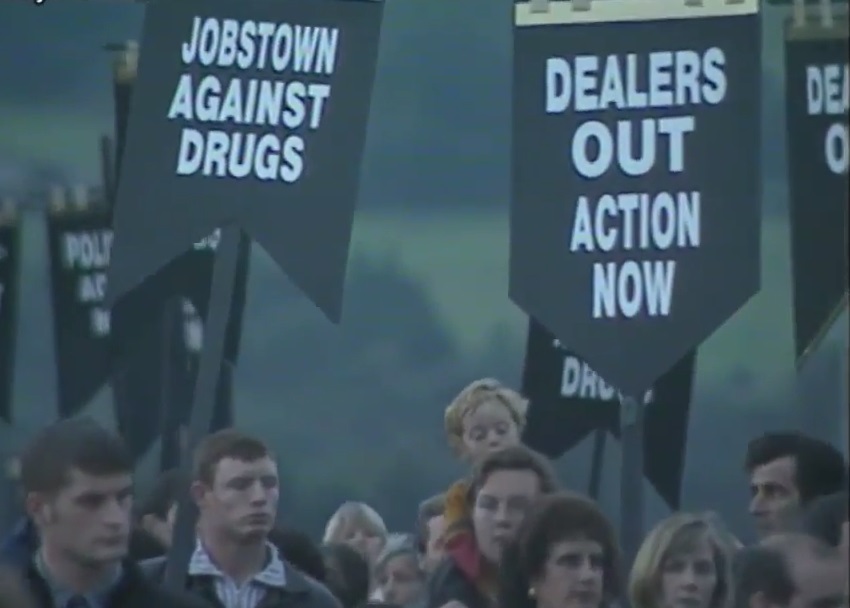
In September 1996, thousands marched through the streets of Dublin with the Coalition of Communities Against Drugs, with Tony Gregory informing the crowd that “if the Gardaí did not take effective action, communities would.” A ten year old boy from Ballyfermot carried a baby coffin shoulder high through the streets, “with the solemn face of a chief mourner”, while the Irish Independent reported that “Dublin’s addicts are getting younger by the day, it seems. The marchers didn’t look the slightest bit shocked when Cecil Johnston from Killinarden told the protesters of a 10 year old who had been on the treatment books for the past eight months.”
One feature of the anti-drugs movement, in both the 1980s (the time of ‘Concerned Parents Against Drugs’) and the 1990s was the tactic of marching communities onto the homes of known drug pushers. One such march is shown in the above footage. The marches were often controversial, denounced by politicians, Gardaí and in the press. Yet a survey commissioned by Cabra Communities Against Drugs in the late 1990s found that ninety-eight per cent of residents asked were in favour of anti-drugs patrols in the area, while ninety per cent supported marching onto the homes of known dealers. The campaign stated that:
Time and time again we hear people such as journalists and professional social workers describe activities such as marching on drug pushers and anti-drugs patrols in the area as ‘vigilantism’, and the people involved as ‘thugs’ etc. The support of over ninety percent of those surveyed for both these tactics show that the Cabra community recognises the necessity of this aspect of our campaign. As usual those who do not have to live in the areas affected by drugs are only to willing to denigrate those in the community who are striving to make the area a better place to live for all.
While it may feel like only yesterday, it is important to remember that this is now important Dublin social history, and such news reports at this one serve an important function for those researching street politics in Dublin or broader issues around addiction or vigilantism.
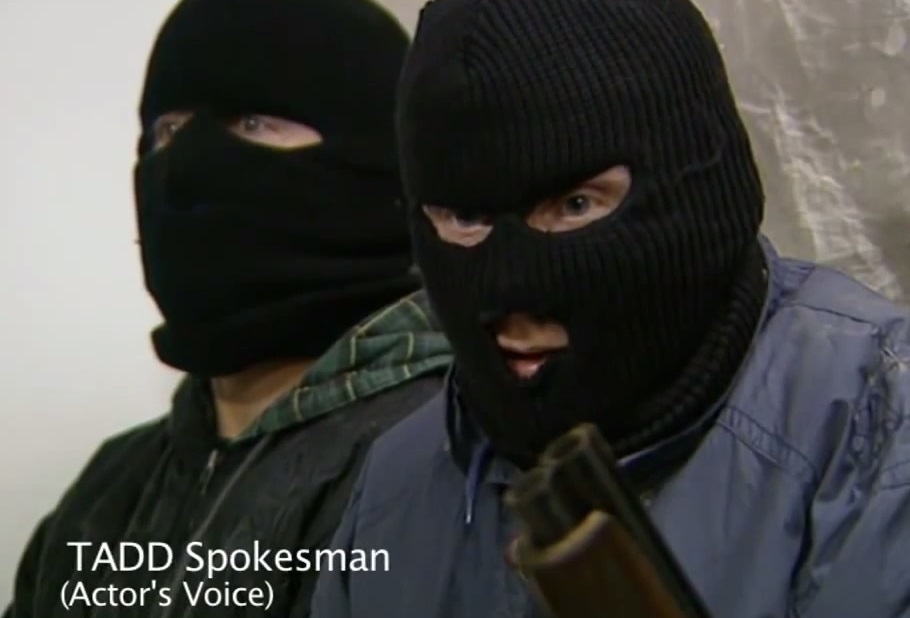
Still from news report, showing an interview with ‘Tallaght Against Drug Dealers’.
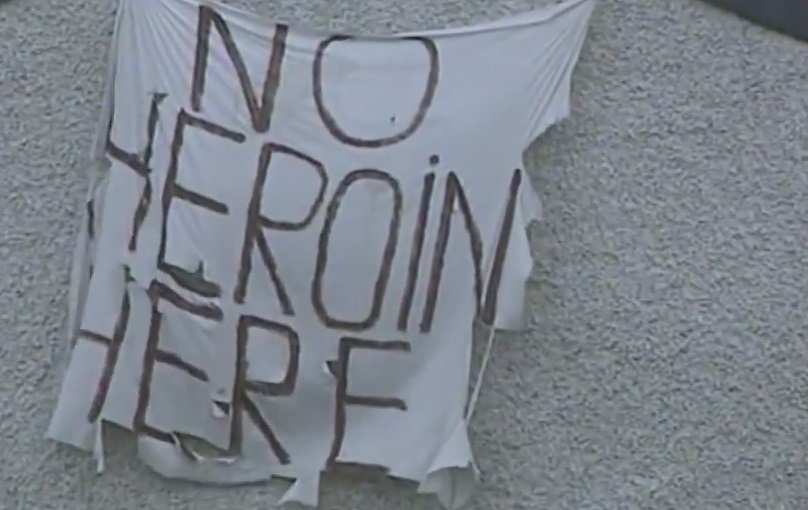
Still from news report, showing a banner in Tallaght proclaiming ‘No Heroin Here’
Still from news report showing an anti-drugs march in Tallaght.
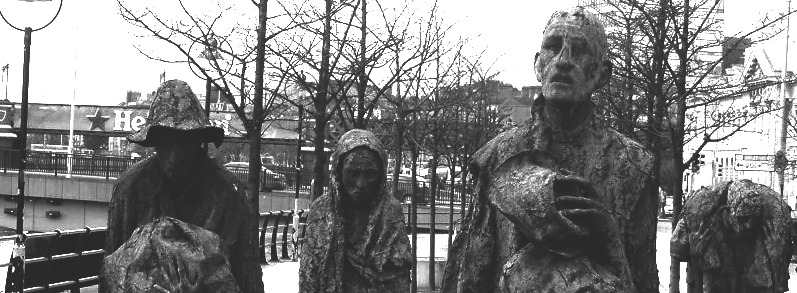
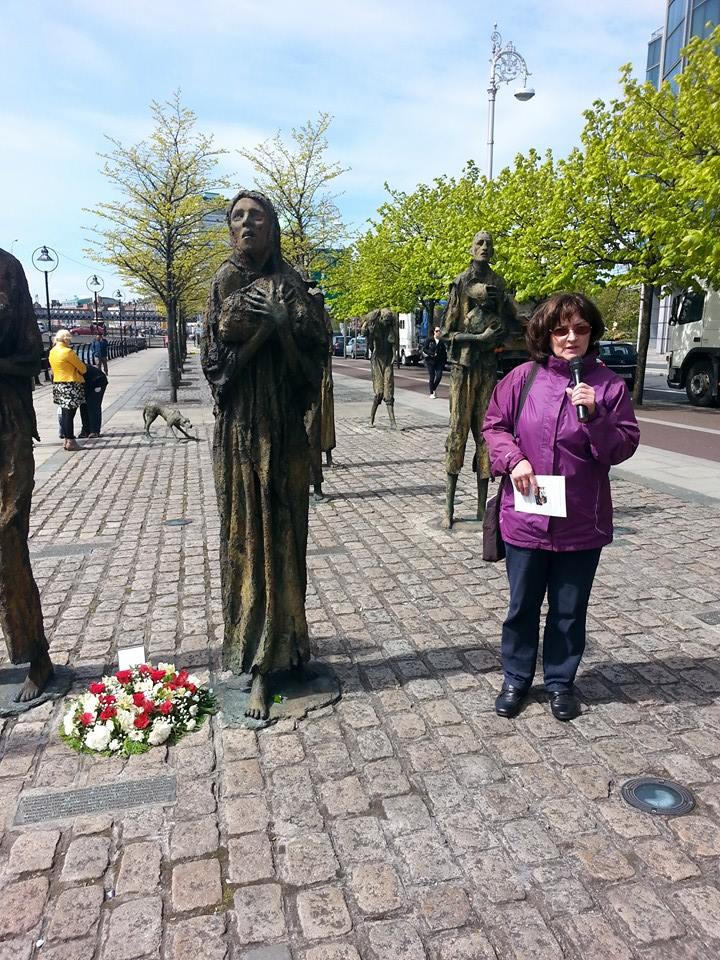
I’ve always had a great love for the famine memorial at Custom House Quay, even managing to shut out the surrounding IFSC setting in my mind when I stop there. Like many people, I was horrified by the stories in recent weeks of people losing their lives in the Mediterranean, fleeing from war and starvation in search of better lives in Europe. According to the UN and the International Organisation for Migration, 1,776 people are dead or missing so far this year already, a staggering figure when compared to 56 for the same period last year.
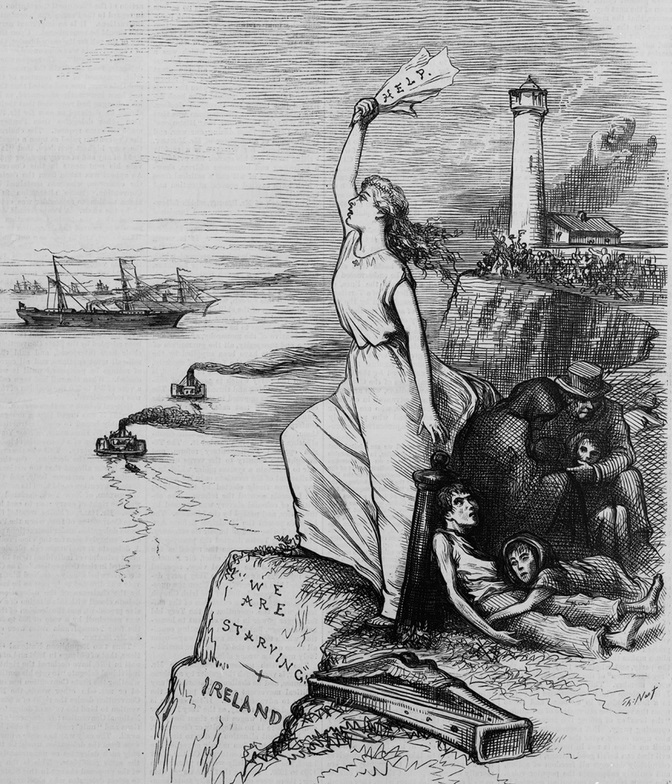
Between 1845 and 1849, the population of this tiny little island decreased by about 25%, as a million people starved and a million fled in coffin ships. On some of these ships, the mortality rate rose above 30%, while one brig, the Hannah actually sunk in 1849 with the loss of dozens of lives. A brief history of the Hannah‘s tragic sailing can be found here.
The brig Hannah failed to skirt the pack ice on the harsh gulf. Its hull was crushed by an iceberg. Passengers, jolted from their sleep, were bruised and cut in the scramble off the ship. Others perished in the chilling waters, unable to gain the ice, or were lost in rescue attempts.
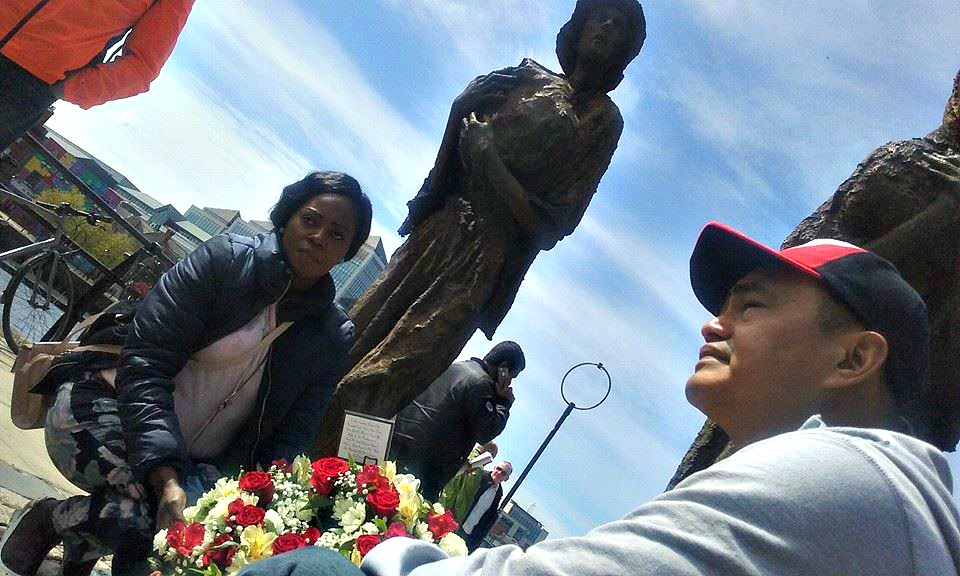
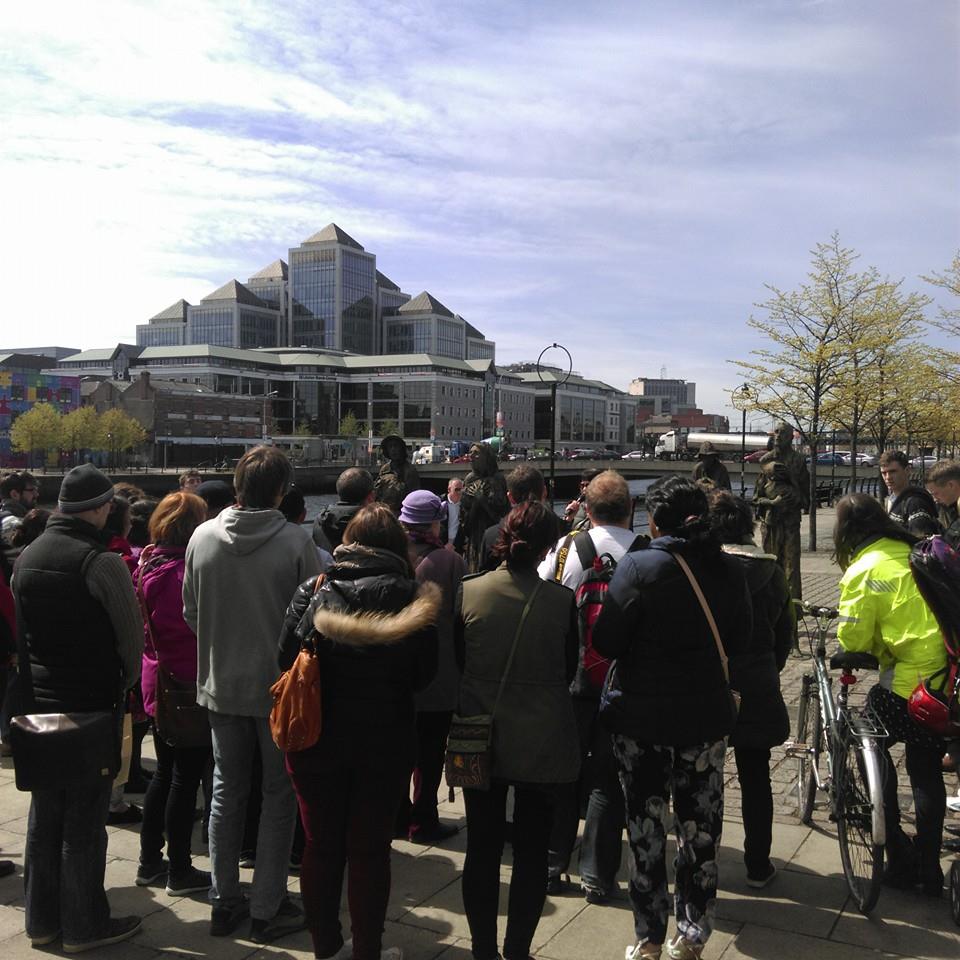
As historians, and with our blog, we have always believed that the past isn’t just a serious of quirky anecdotes, but that there are important stories and lessons in history too. Approaching friends who work with migrants in Ireland today, through the European Network Against Racism, we decided that on Friday at 1pm we would lay a wreath at the Famine memorial for those who have died in recent months, making the connection with the history of this city and country, while also highlighting the difficulties migrants face today. It will be a very short little event, with ourselves and the European Network Against Racism, while we hope to have a singer on hand to sing a fitting song before we disperse. You’re more than welcome to come along.
‘We are starving’ – Illustration from Library of Congress online.
UPDATE: Thank you to the dozens of people who attended what was a very moving event. In particular, thank you to the speakers from various migrant rights groups and campaigns.
Apologies for the absence of posts on the blog of late, it is a hectic time! Things are slowly returning to normal.
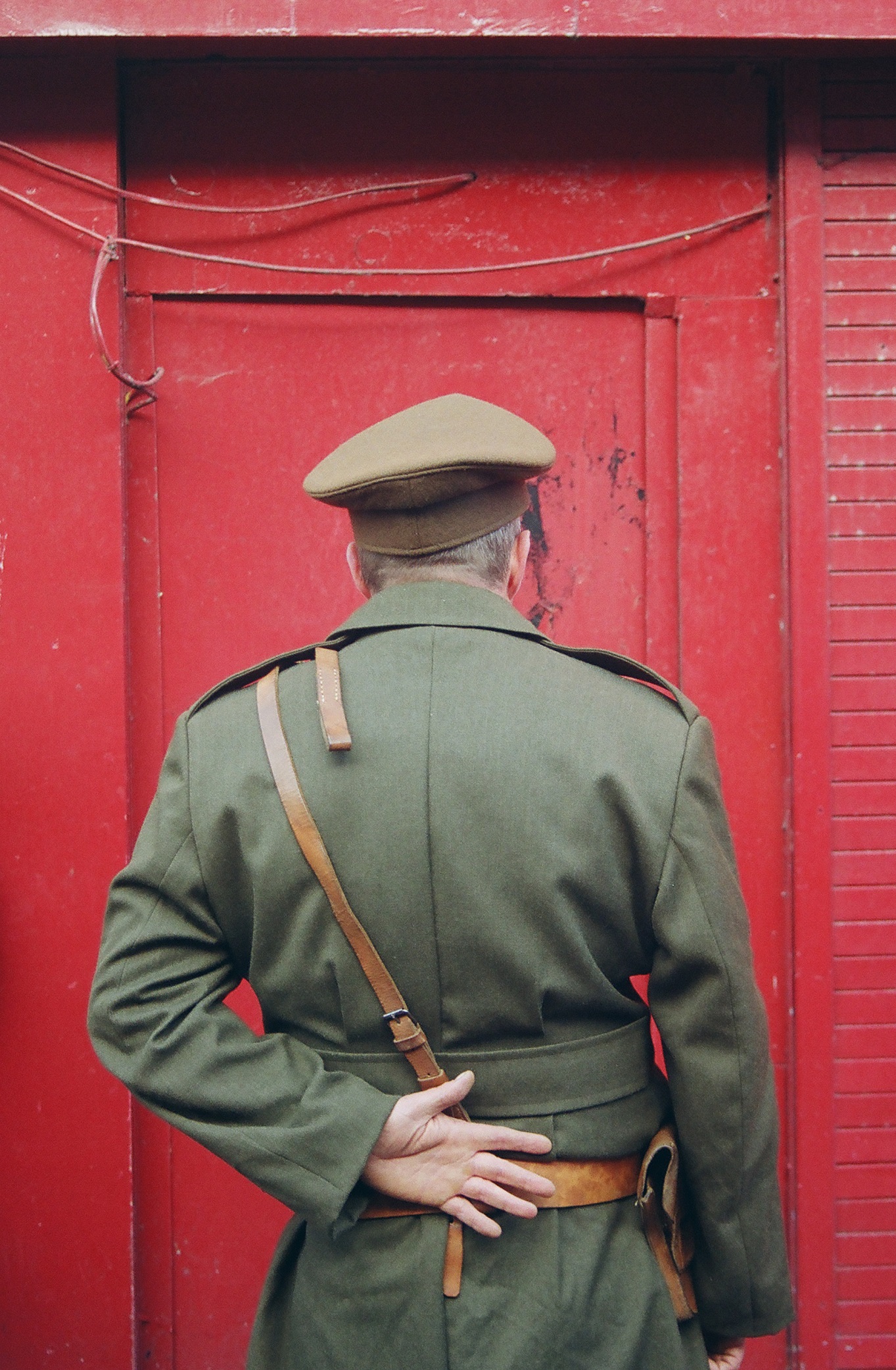
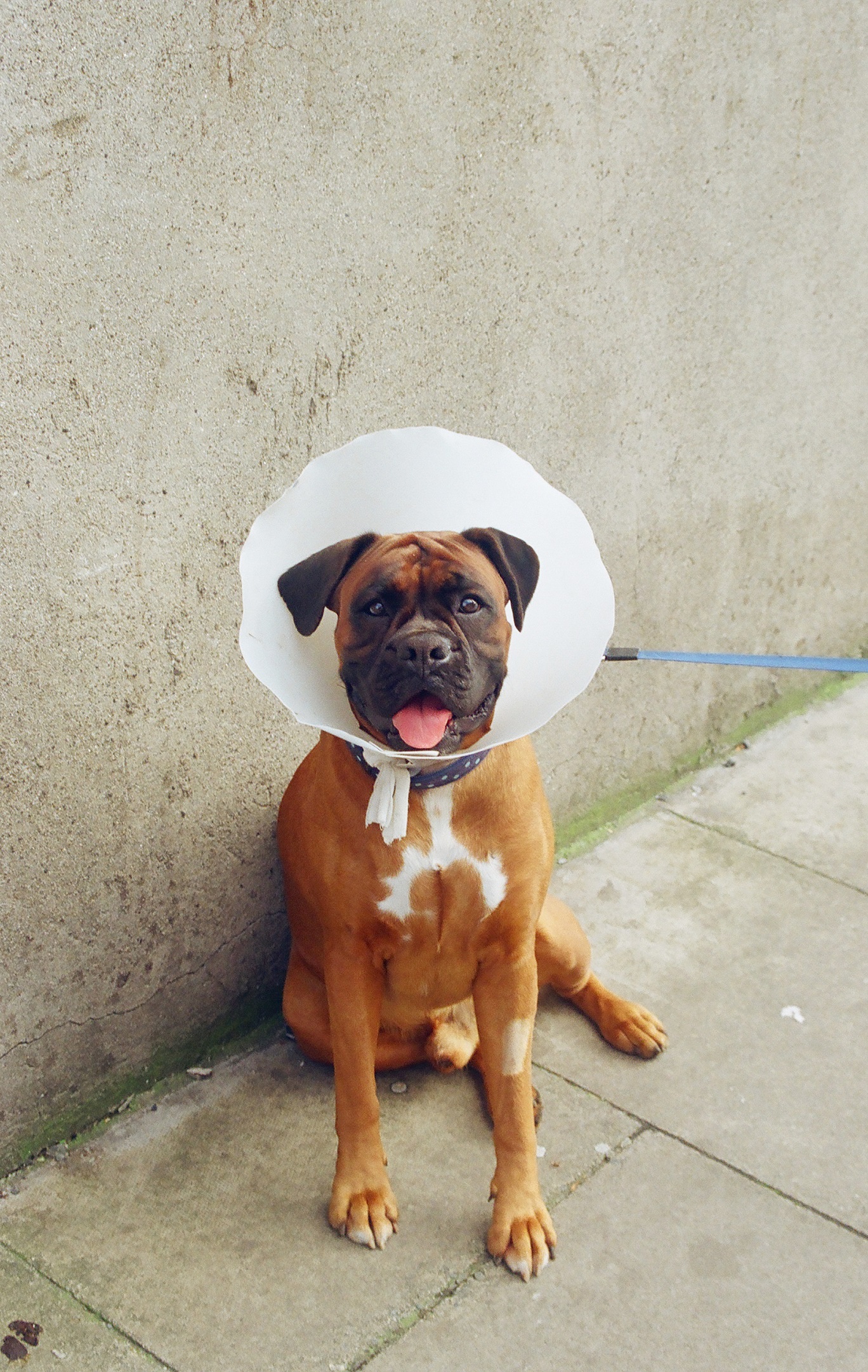
This is something of an on-going series on the blog, with our full thanks to Luke Fallon. You can see the first post in the series here, and the second here. Luke was the illustrator responsible for our book cover in 2012, and his images of the city on film capture the city in all its glory. My thanks to Luke for continuing to contribute this more unusual dimension to the blog.
Easter, 2015.
George Salmon, Provost of Trinity College Dublin remembered for his opposition to female admissions.
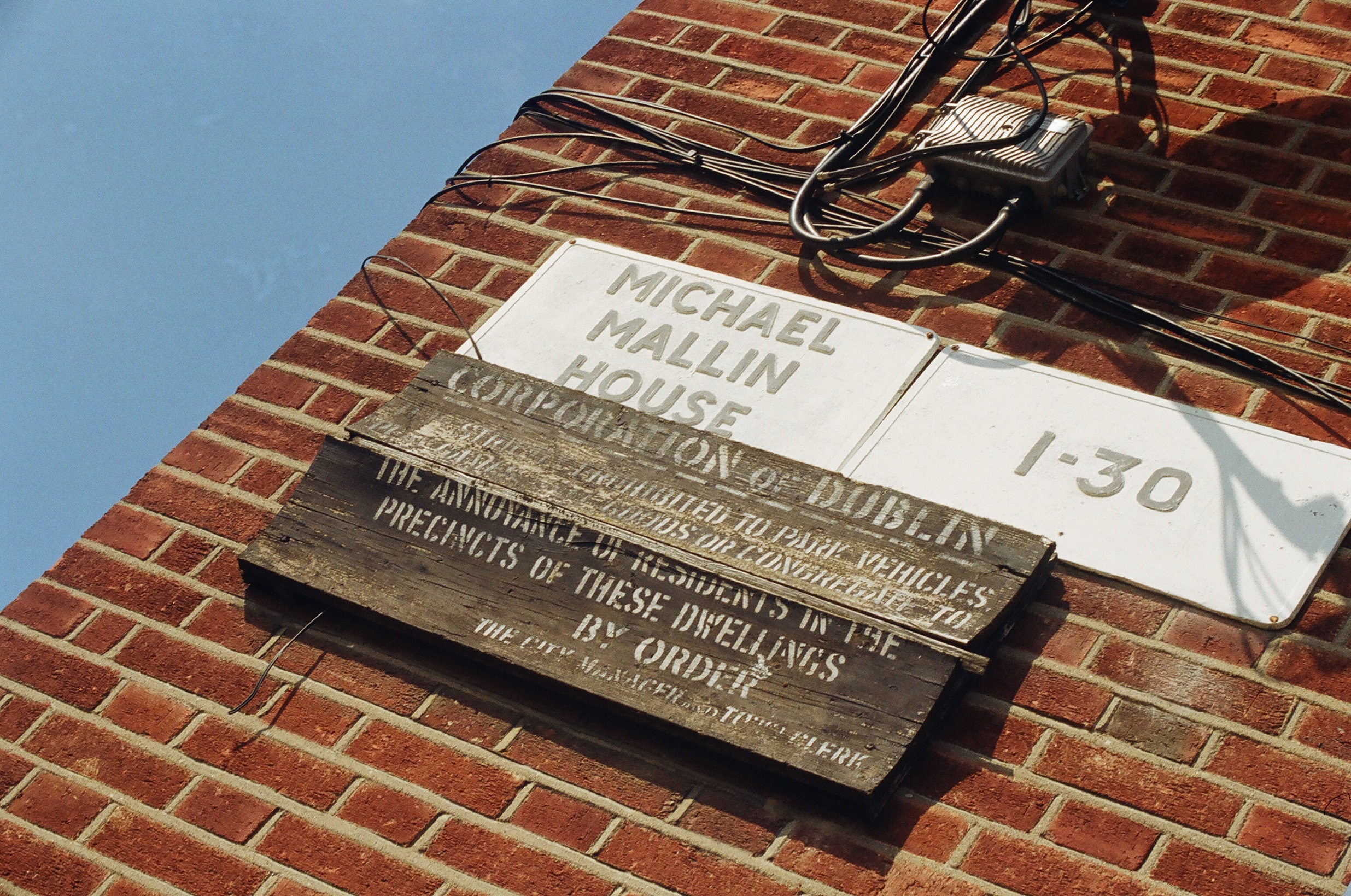
Michael Mallin House, named after executed Irish Citizen Army leader.
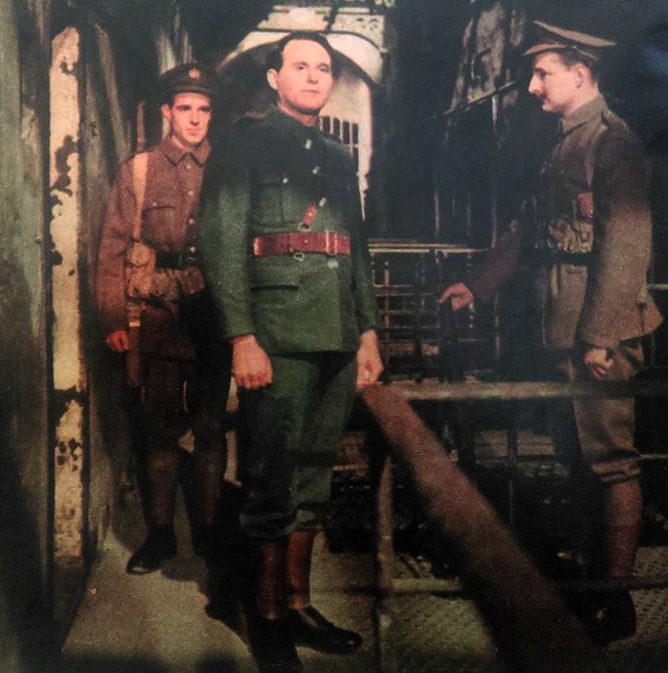
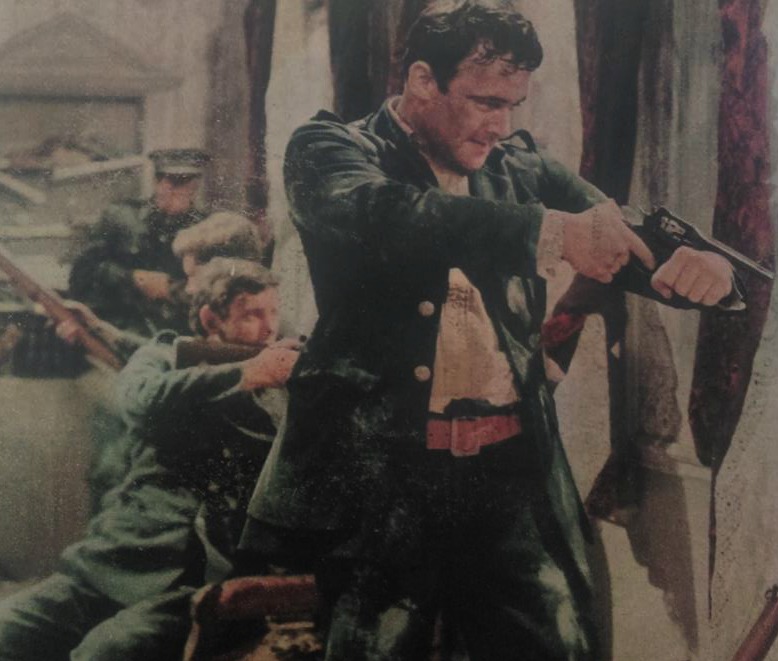
A scene from ‘Insurrection’, broadcast in 1966, showing Patrick Pearse (played by Eoin O Súilleabháin)
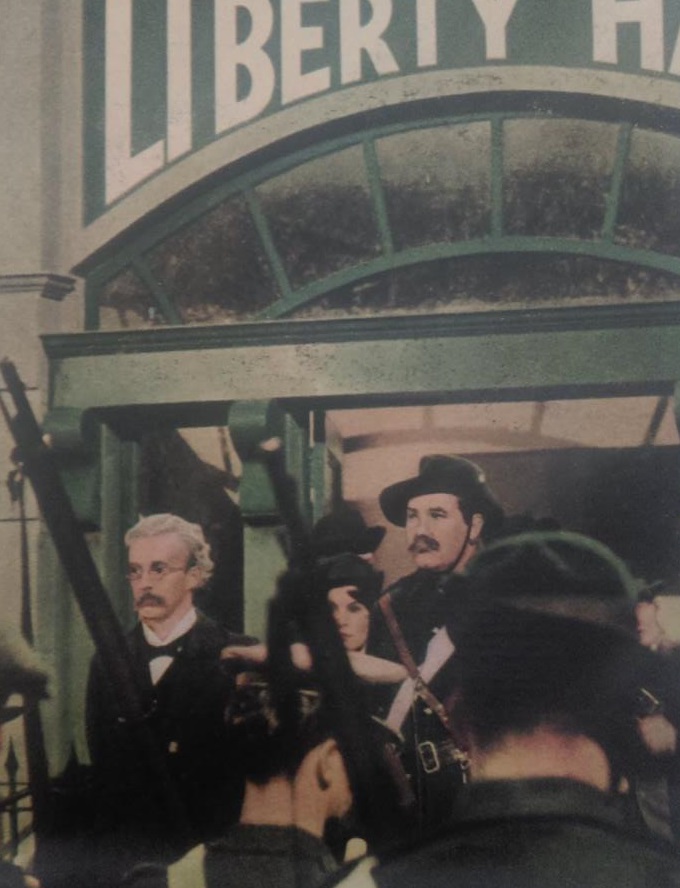
Next Monday sees RTE’s huge ‘Road to the Rising’ event on O’Connell Street, with vintage carousels, restored trams and historical walking tours among other attractions. The aim is to transform the street into Dublin 1915, when the city was on the eve of rebellion and many of its men were fighting in the trenches of Europe. There’s a very varied line up of talks too, but for me the highlight of the event will be the screenings of ‘Insurrection’, an eight part television series from 1966, which was commissioned for the 50th anniversary of the Rising and which left a lasting impression on many who saw it. It will be shown in eight separate parts in Liberty Hall as part of the event. The blurb notes:
On the 50th anniversary of the Easter Rising, Telefís Éireann produced a range of programmes about the events of 1916. Among these was ‘Insurrection’, an ambitious and groundbreaking television drama that has been stored in the RTÉ Archives for the past 50 years.
This eight-part series, broadcast nightly in 1966, told the story of the Rising as it might have unfolded had television existed in 1916. As part of RTÉ Road to the Rising, a charity screening of the restored series of ‘Insurrection’ will be shown at Liberty Hall Theatre over a single day.
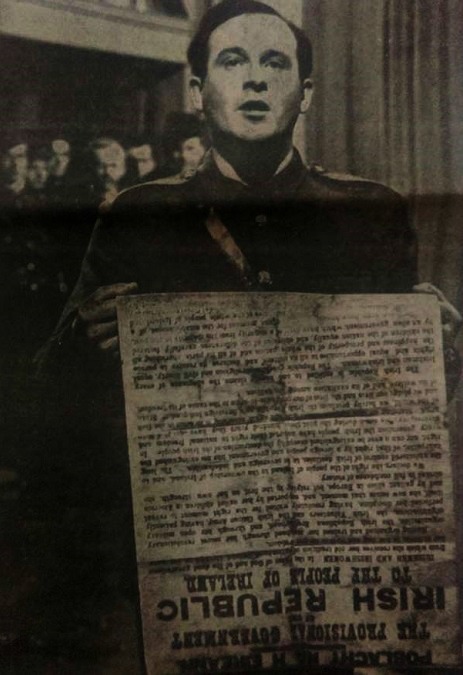
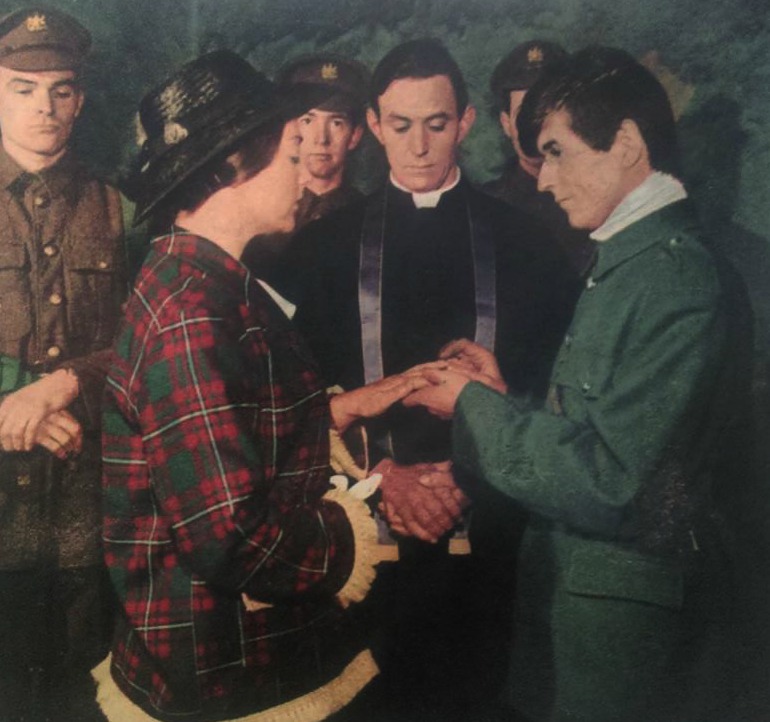
Information on the screenings can be obtained from the links above, and there is no need to book in advance. The images in this blog post are taken from the 1966 RTE guide, and my thanks to Martin Thompson of the Fire Service Trust for providing CHTM with the publication, which is much appreciated.
Thomas Clarke and James Connolly on the steps of Liberty Hall.
Hugh Leonard, who wrote the script for Insurrection, would recall that:
From the point of view of a dramatist, my favourite character turned out to be James Connolly – bow legged, fiery, an unquenchable optimist; cheering his men on with ‘Courage boys, we are winning!’ while the GPO roof blazed overhead; or lying wounded, a cigarette in one hand and a detective novel in the other, announcing with sybaritic satisfaction that this was ‘revolution de luxe.’
Patrick Pearse reading the 1916 Proclamation.
The production was certainly lavish, involving 200 extras and 300 members of the defence forces, and historian Diarmaid Ferriter has noted that ‘Insurrection was broadcast twice in 1966 and never since, not, it has been maintained, due to the Troubles or political correctness, but because of the cost of repeat fees, an explanation that appears far-fetched.’ Journalist Fintan O’Toole would contend that Insurrection had ‘huge’ influence on Sinn Féin’s revival in the north of Ireland, while Harvey O’Brien has written in his study on the evolution of Ireland in documentary and film that ‘though it saluted the bravery of the Irish, it was unusually evenhanded in its portrayal of the British armed forces. It depicted, for example, a growing respect between a British medic trapped in the GPO and wounded rebel commander James Connolly.’
The wedding of Grace Gifford and Joseph Mary Plunkett in Kilmainham Gaol.
Along with the key figures of the insurrection who were well known to the general public, the series looked also as events like the bloody and brutal Battle of Mount Street Bridge, where a small band of Irish Volunteers inflicted huge casualties on the Sherwood Foresters, who were among the very first British regiments to arrive in the city to suppress the uprising.
Fighting at Clanwilliam House/ Mount Street Bridge.
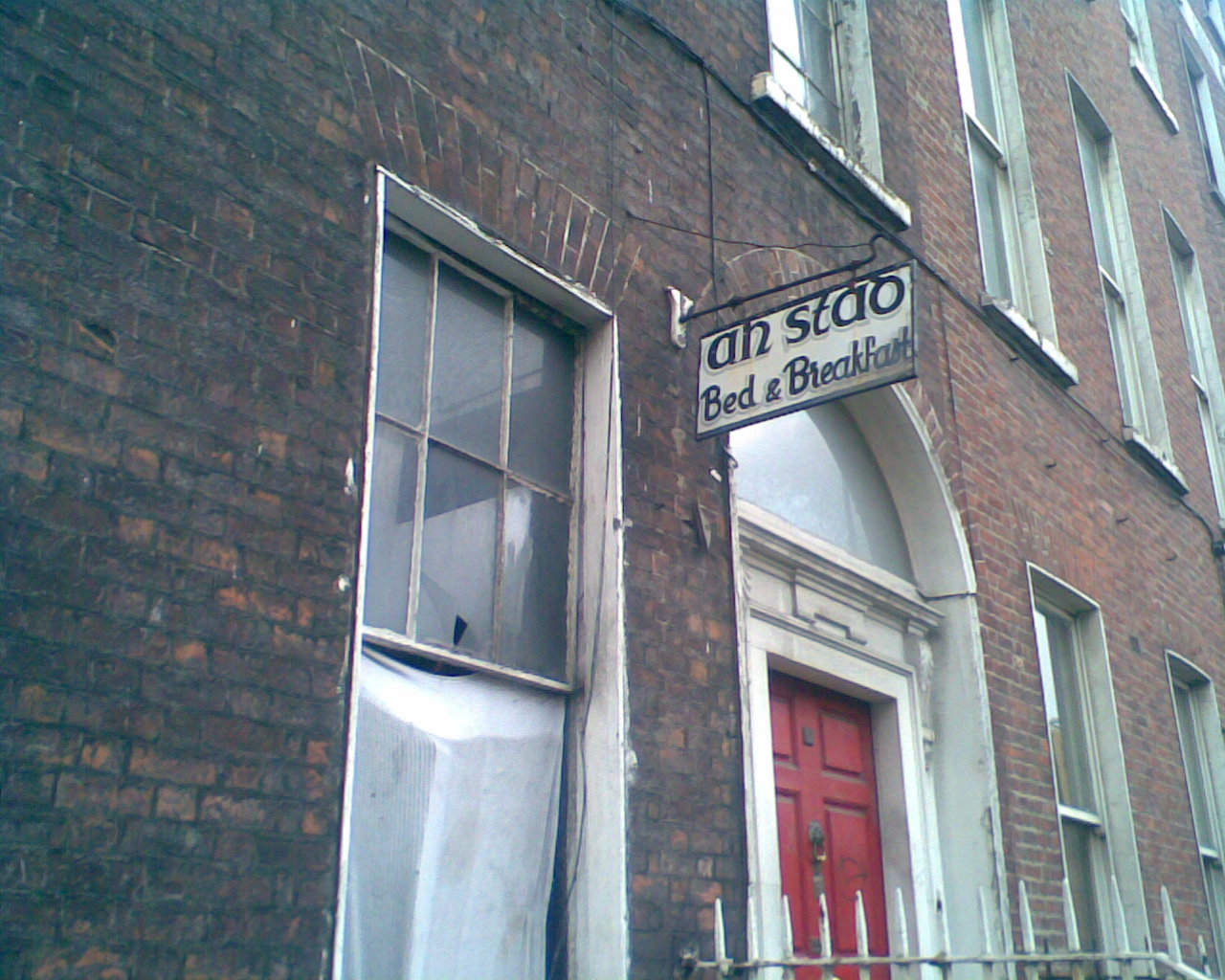
McGarvey’s tobacco shop, popularly known as ‘An Stad’, was a guesthouse and meeting place at 30 North Frederick Street. It was a popular meeting place for the Irish nationalist and cultural movements in the late nineteenth and early twentieth centuries, and was described in the press in 1903 as “the centre of Dublin Gaeldom.”
Amongst others, it was frequented by James Joyce, Major John MacBride, Oliver St. John Gogary and GAA founder Michael Cusack. Harry C. Phibbs, who was a member of the Celtic Literary Society, remembered that “McGarvey’s place was truly a stopping place for anyone interested in the Irish Revival Movement to drop in, meet some other people, know what was going on. It was conveniently located to Rutland Square where many of the societies and branches of the Gaelic League had meeting places.” Cathal McGarvey, who founded the business, was a well-known humourist and song writer, indeed he penned the words to ‘The Star of the County Down.’ Oliver St. John Gogarty, who lived conveniently close to An Stad, recalled of him and his establishment:
There was a great atmosphere of nationality gathered about the Stad. It was a good place to slip out to at night, for one who lived about fifteen doors away, and to talk about the revival of Gaelic. Even if few people talked to me there was always Cathal, who was too civil and too much of a business man not to talk to anyone while waiting for a revival of the nation.
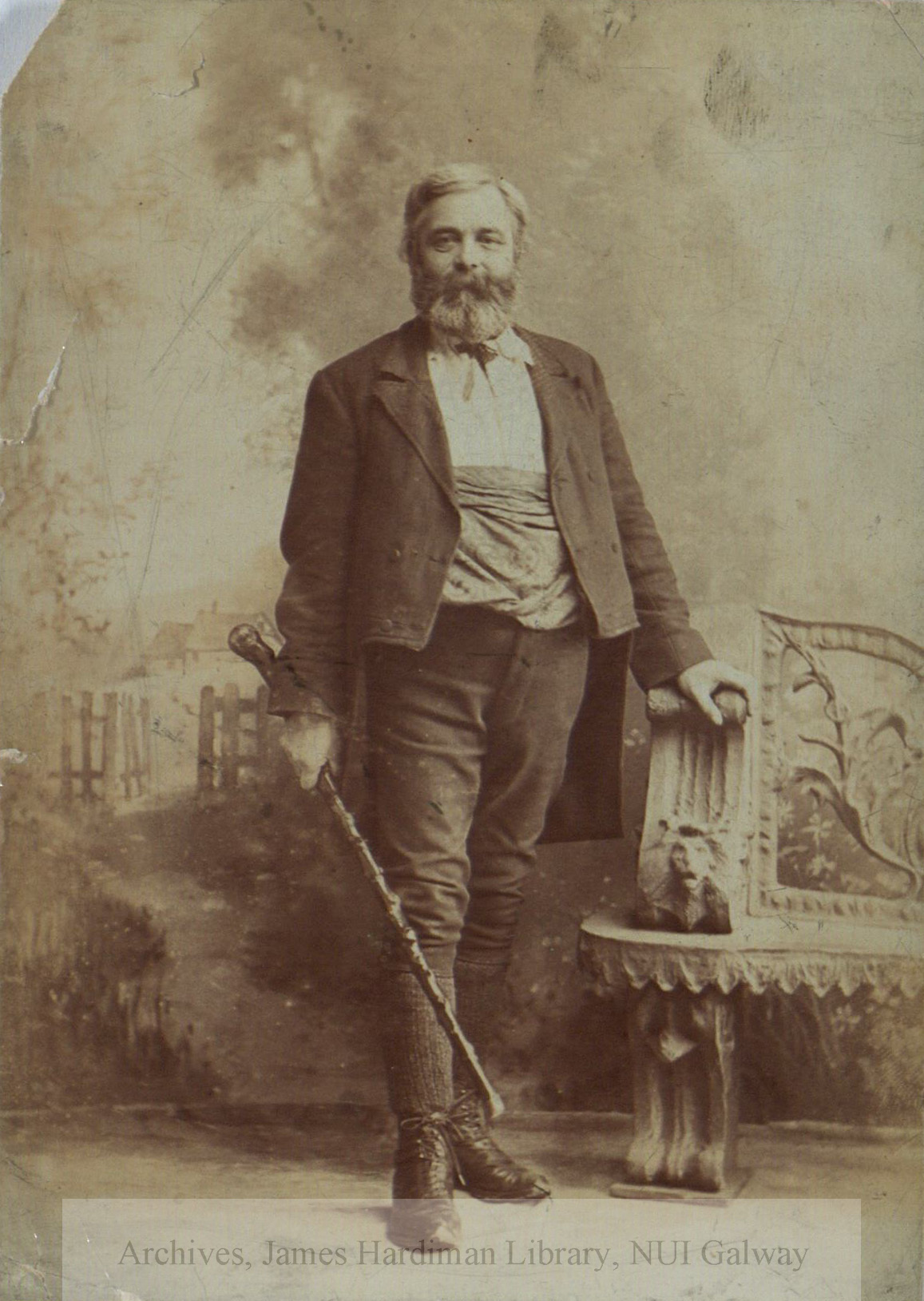
Phibbs remembered years later that Michael Cusack cut something of an unusual shape in the establishment, and that “one of the people who would occasionally wander in was ‘old man Cusack’, a bearded old stalwart who called himself ‘Citizen Cusack’. He always carried a green muffler around his neck and wielded a heavy blackthorn stick.”
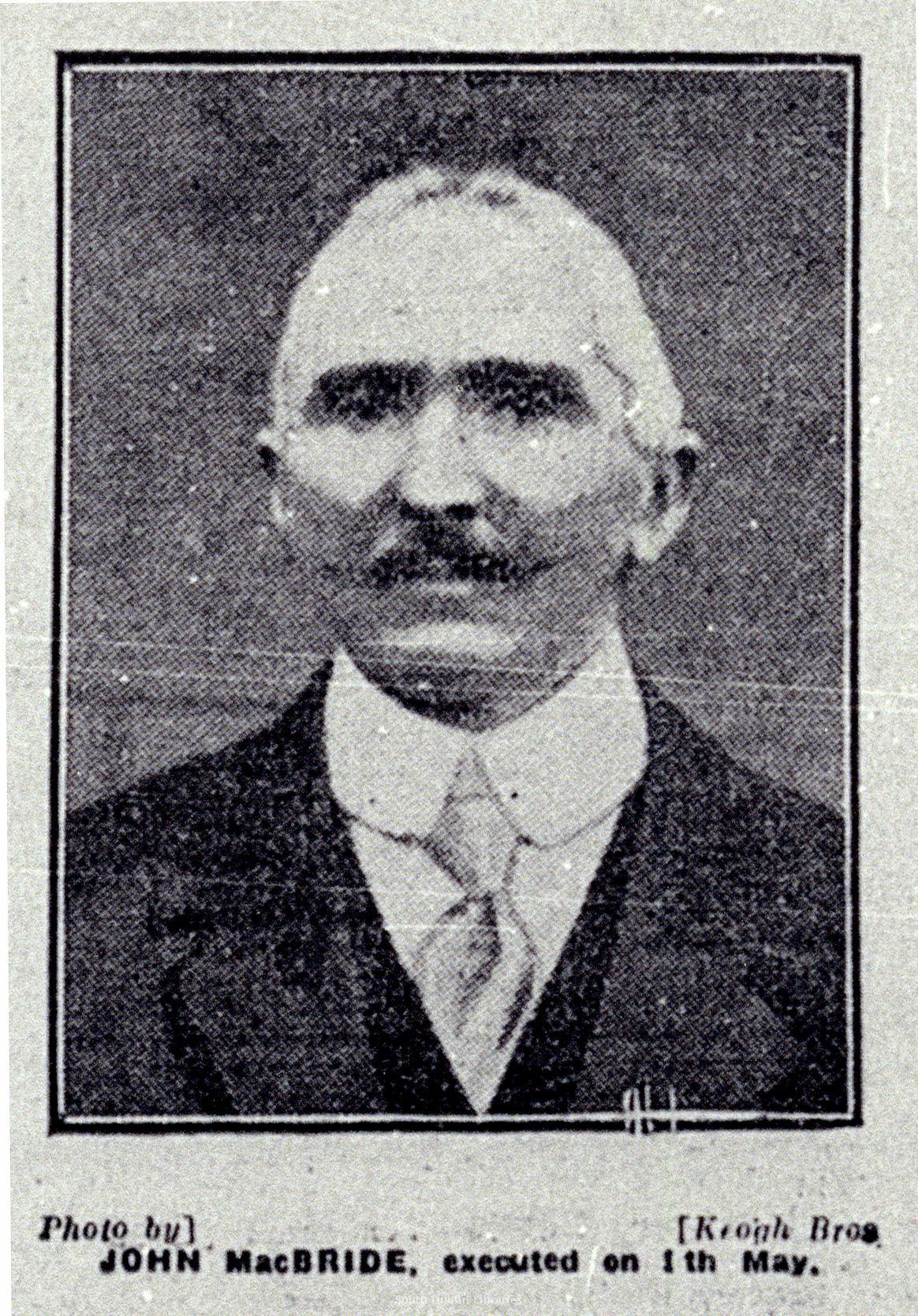
Major John MacBride, whose presence in An Stad was noted by intelligence police (Image Credit: South Dublin County Council Libraries)
Police intelligence files from the early twentieth century reveal that McGarvey’s was closely monitored by intelligence. When Major John MacBride returned to Ireland from Paris, having fought in the Second Boer War with the ‘Irish Brigade’, it was noted by police intelligence that he frequented McGarvey’s, in the company of known ‘Secret Society’ men, a reference to the Irish Republican Brotherhood. MacBride was a well-known figure in Irish society for his exploits in South Africa, and had lectured in America to enthusiastic audiences on his fight against the British there, telling the media in New York that “‘Winston Churchill may say what he likes about the war in South Africa being over, but I tell you the war is not over. The Boers will fight just as long as there is a man, woman or child alive.” Following his U.S speaking tour, he had married Maud Gonne in Paris, but the marriage was a brief and unhappy one, leading him back to Dublin. Among the men spotted with MacBride at An Stad were Arthur Griffith (founder of the Sinn Féin party) and veteran Fenian John O’Leary.
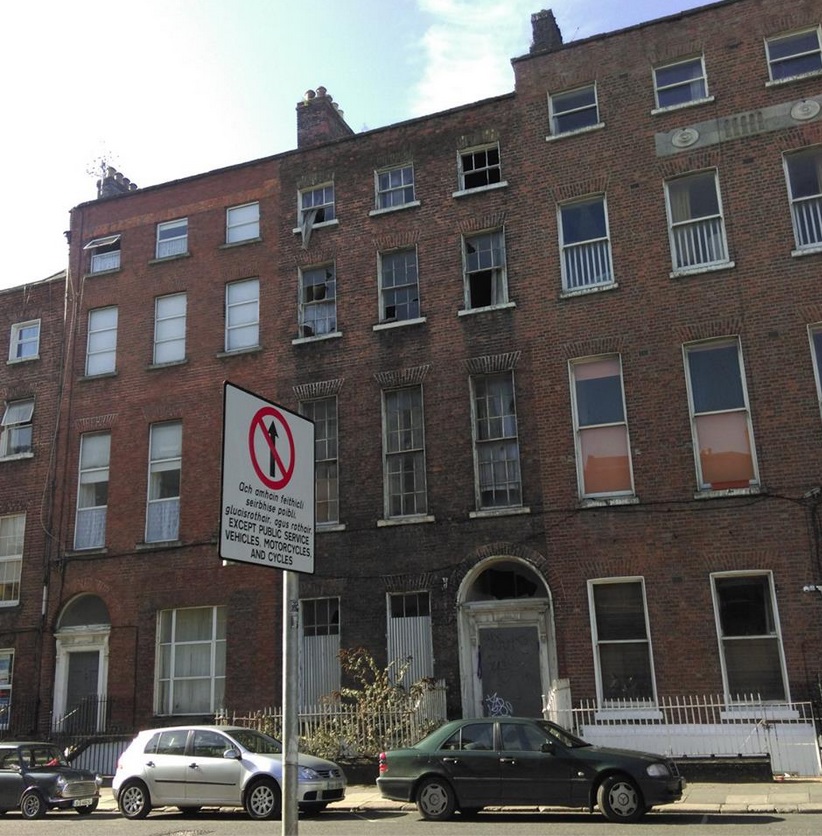
At the time of Cathal McGarvey’s passing, it was noted in the press that the visitor books would surely become a hugely important historic resource. Having begun in 1900, and continued until about 1905, the books “contain entries of interest by every Irish-Irelander of note who lived in Dublin between those dates.” 30 North Frederick Street today is the building shown below, though a building further down the street at 43 operated under the name ‘An Stad’ in more recent times.
In the years that followed independence, it remained a popular meeting place with republicans. It was managed for some time by Maire Gleeson, an active participant in the War of Independence who was a member of Cumann na mBán, as well as being active in the intelligence network of Michael Collins. With the coming to power of the Fianna Fáil government in 1932, republican prisoners were released from Arbour Hill, Portlaoise Prison and Mountjoy, with Frank Ryan among the twenty IRA men released by the new government. The Irish Press reported that many of the prisoners made by the well known meeting place, and that “An Stad Restaurant in North Frederick Street having been reached, the prisoners found the streets literally black with people to clasp them by the hand. Cinema apparatus was installed in front of the restaurant, and Mr. Frank Ryan was persuaded to address the microphone.” Five years later, in 1937, it was again the location for a celebration in honour of released republican prisoners, which included Moss Twomey, who had been IRA Chief of Staff prior to his arrest.
In 1938, there was an abortive attempt by some members of the IRA to attack the Nelson Pillar on O’Connell Street. Tim Pat Coogan has noted that the plan lacked the sanction of IRA Chief of Staff Sean Russell, but that the plan had been “to set the explosives, withdraw and notify the police, giving them time to cordon off the area.” Coogan interviewed an IRA member of the time who told him that men had actually walked down O’Connell Street with wads of gelignite on their person, before the mission was abandoned. The men had set off, naturally enough, from An Stad!
An Stad itself was raised by the authorities on several occasions in this period, who clearly regarded it as an institution affiliated to the republican movement. While it remained an active guesthouse in the decades that followed the 1930s, its affiliations with the advanced nationalist movement seem to have weakened. It seems a real shame that such an important meeting place of the early twentieth century is unmarked by any plaque.
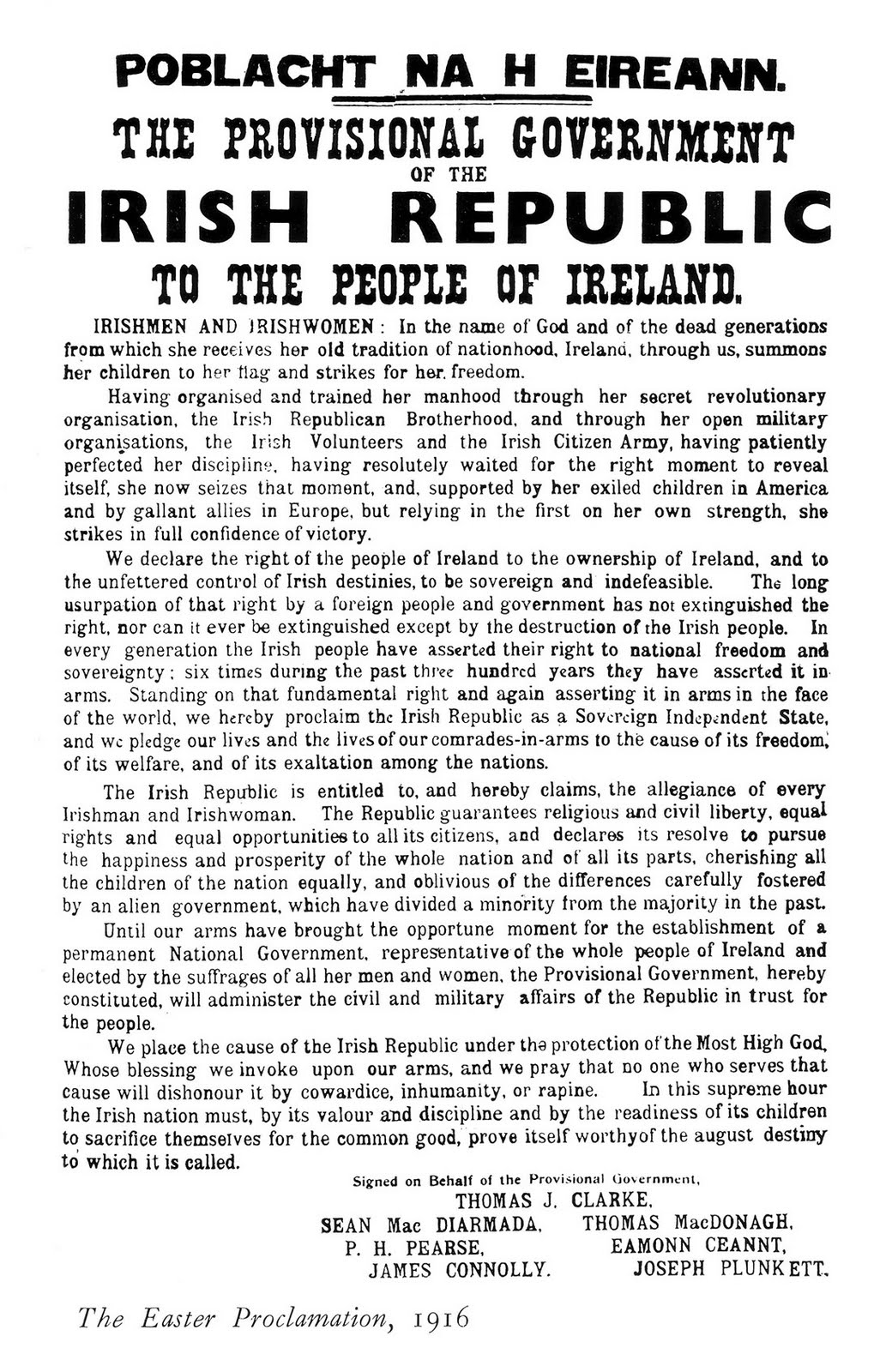
The Proclamation first read aloud by Pearse on the steps of the GPO on Easter Monday is a document synonymous with Easter Week and the birth of the modern Irish State. Widely accepted to have been composed by Pearse himself, there remain very few physical copies in existence.
Though it was intended for 2, 500 copies of the Proclamation to be printed in Liberty Hall and distributed around the country, it is likely that fewer that 1, 000 actually were, and these were entrusted to Helena Moloney for transport to the GPO. Seán T. O’Kelly, the second President of Ireland would from here take these and billpost them around the north and south inner city. The paper upon which they were printed was of poor quality, so very few remain. Fewer still exist of a facsimile of the Proclamation issued by the Irish Citizen Army for the first anniversary of the Rising in 1917 of which there is believed to be a sole surviving copy.
The Proclamation in full, from typefoundry.blogspot.ie
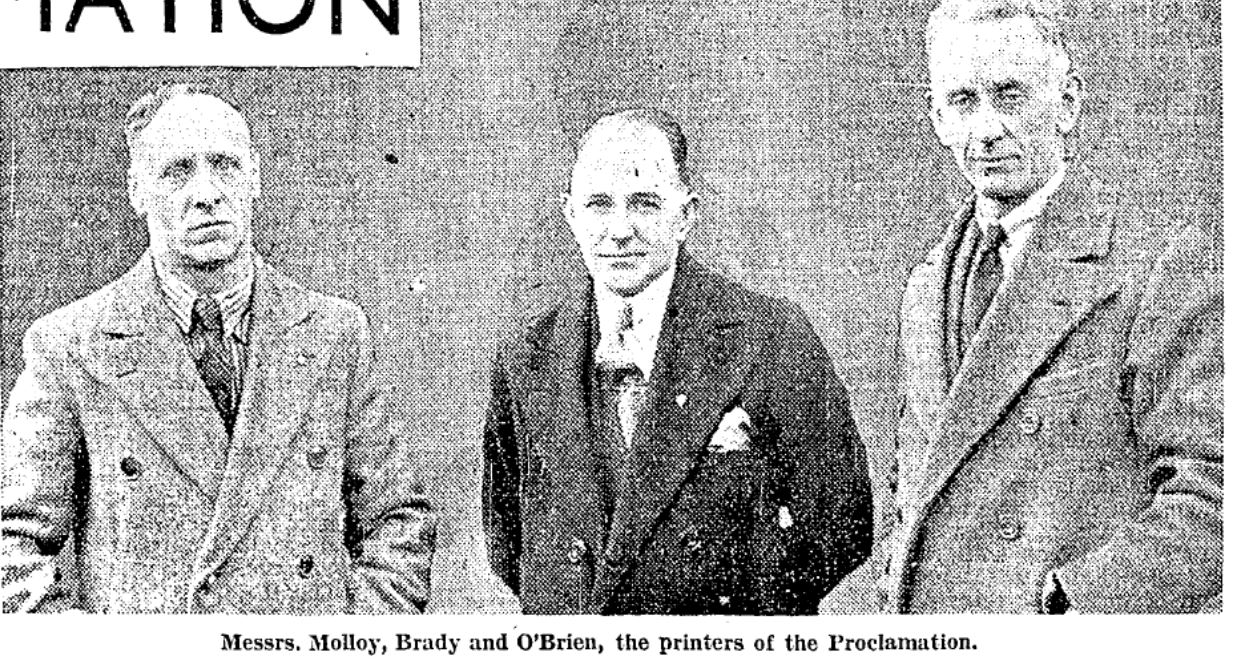
The responsibility for printing the document lay with Michael Molloy and Liam O’Brien, two Volunteers, and Christopher Brady who had until now overseen the printing of ITGWU Weekly, “The Worker’s Republic.” Compositor’s and printers by trade, these men were approached by James Connolly in the run up to Easter week and asked to forego the planned parading of Volunteers in St. Anne’s Park on Easter Sunday morning and to instead meet him in Liberty Hall for a task he had prepared for them. Upon arrival, Connolly and Thomas MacDonagh, also present, handed them a sheet of paper with the words of the Proclamation inscribed upon it and remarked “Do if you wish to, and if not we won’t be the worse friends.” All three accepted the job.
As the men launched into their work, it became obvious that they would not have enough print to finish the job. The machine upon which they were to perform their task, an old Wharfdale Double- Crown machine upon which the Irish Worker was printed was wholly inadequate for the task at hand, the paper of an inferior quality, and print for the machine severely lacking. Different fonts had to be used, (the wrong font for the letter ‘e’ is used in over twenty instances,) many letters had to be fashioned out of others (in several cases, a capital ‘E’ was made from fashioning the type out of a capital ‘F’ and adding wax,) and eventually the men realised they would not have enough type and would simply have to borrow some more.
Irish Press, Tuesday April 24th, 1934.
The type was borrowed from an Englishman named William Henry West, a printer whose premises were located on Stafford Street. Following the tradition of Wolf Tone, the protestant revolutionary who Stafford Street would eventually be named after, West appears to have been sympathetic towards the cause for Irish Freedom. Census returns for 1911 list West as 41 years of age, with an address at Brigid’s Road Upper, Drumcondra. His job title is “Letterpress Printer” and his religion is given as “Cooneyite.” Cooneyism was an offshoot of a home based church movement known as the “two by twos” which gained some traction in Ireland in the late 19th and early 20th Century in Ireland. It was known as an “itinerant” religion and its lay people called “tramp preachers” due to the homeless and destitute nature of their calling.
West was printer of choice for the ITGWU and appeared twice in the courts alongside Jim Larkin. In January 1913, he appeared as a co-defendant with Larkin in a case in which Mr. William Richardson was claiming a sum of £500 after allegedly having been libeled in the Irish Worker. In September of that year, he appeared in a bankruptcy case involving himself, with the creditor bringing the case again him the same Mr. William Richardson, still looking to eek out punishment for his alleged libeling. In examination of his firms accounts, William Henry West had listed the ITGWU’s debt as a “bad debt,” or one which he deemed unrecoverable. West’s examination by the prosecution is below:
Mr. Larkin owes you £227 for the printing The Worker- isn’t Mr. Larkin the proprietor of The Worker?
He is, and he owes me £227.
Have you put that down as a bad debt?
Yes, because it is a bad debt.
Why?
Because I cannot get it.
Can you not recover it from Mr. Larkin?
I wish you could show me how. (laughter)
Has Mr. Larkin refused to pay the amount?
Well, he cannot pay.
He refused to pay?
No.
Did you ask him for it?
Of course, often. But he can’t pay what he hasn’t got.
You know that Mr. Larkin is Secretary of the ITGWU?
Yes, I have heard so.
And can you not recover this amount by suing him for it?
Do you think I would do that, when he’s my best customer? (laughter)
The case also makes reference to debt owed by other organisations, including the Labour Party and a drama class at Liberty Hall, and asked whether he could not sue for payment, to which he replied “I don’t believe in suing, I’ve never sued anybody in my life,” again to laughter.
The Witness Statement of Commandant Liam O’Brien states that on Easter Sunday, upon realising their shortage of type, Michael Molloy was ordered by Connolly to West’s printers along with a messenger and Citizen Army man employed by the Worker’s Republic who was known to him by the name ‘Dazzler.’ West provided the type, under the auspices that it was to be returned to him intact or compensated if lost- it was his livlihood after all. Of course, this wasn’t to be as Liberty Hall was first, pounded by shells from the Helga, and gutted by fire. When entered by British soldiers after the fighting had died down, they found the second half of the type still on the machine.
What happened to West after Easter Week, I can find no reference. But his is another story of the many from the Rising. The English protestant printer who supplied the type for the Irish Proclamation.
Thanks to Darragh Doyle and others, we now know more about the rumoured closing earlier this week of two landmark Dublin 8 pubs – The Lord Edward and Fallon’s.
Both floors of The Lord Edward pub will remain open but the upstairs seafood restaurant is closing its doors after 47 years in business. Fallon’s has recently been sold and may shut temporarily for refurbishment but they’re definitely not closing.
It’s as good a time as any to briefly look at the history of these two pubs.
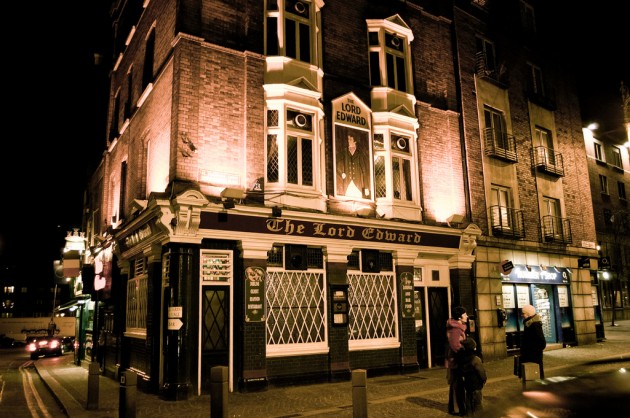
Perched on the corner of Christchurch Place and Werburgh Street, the Lord Edward is a five-storey over-basement building, once part of a substantial terrace. Built in 1875, the former dwelling house was refurbished and reopened as a public house in the late 1890s by the Cunniam family from Co Wicklow. However, it is said that there has been a licenced premises on the site since the late 1600s.
The Lord Edward, August 1979. Credit – sergios56.
The ground floor lounge bar features gas lighting, a “confession box” snug, a mahogany and granite bar and a selection of antique bar fittings. The first floor cocktail lounge has a traditional beam ceiling and extensive stained glass. It was formerly the Cunniam’s dining room while the rooms above were bedrooms.
We can see from the 1901 census that 1 Werburgh Street was occupied by Thomas Cunniam (40), a “Licensed Grocer”, from Co. Wicklow, his wife Margaret (31) from Dublin and her mother Elizabeth Kenny (60), a “Green Grocer” from Wicklow. They had two children – Hugh (4) and Elizabeth (3) – and employed two Grocer Assistants, a cook and a nurse.
In the 1911 census, it would appear that the same Cunniam family are living in the house but there are some discrepancies in ages and names. Thomas Cunniam (47), a “Licensed Grocer”, from Co. Wicklow is listed along with his wife (now named) Anastasia (38) from Co. Wicklow. They have four sons and two daughters including Hugh (15) and Elizabeth (14) which match. The family employed two Vintners Assistants, a cook and a general servant.
The Lord Edward, nd. Credit – Fintan Tandy (Old Dublin Pubs FB group)
When the famous Red Bank restaurant on D’Olier Street closed in April 1969, the smart-thinking Tom Cunniam poached a lot of the now-jobless staff for his new Lord Edward seafood restaurant which opened in September of that year. Some of the staff that made the switch include chef Eamonn Ingram who trained in the old Russell Hotel and waiter Tom Smith who were both still working in The Lord Edward until 10 years ago at least.
The Lord Edward, c. 2014. Credit – Flickr user ‘fhwrdh’ via dailyedge.ie
In 1989, the Cunniam family sold the pub to Dublin-born businessman David Lyster and his wife Maureen who still own it today.
So while it’s sad to see the restaurant closing, we’re more pleased that the pub is unaffected.
Fallon’s, otherwise known as The Capstan Bar, has recently changed hands. As a result, the vast majority of the wonderful memorabilia (relating to football, local history etc.) has been removed from the now-bare walls. Staff expect the pub may shut temporarily for refurbishment (hopefully they’ll redo the toilets and little else) but they’re definitely not closing.
On a side note, we believe the Capstan in question refers to the British brand of cigarettes and not the nautical rotating machine.




















 Click on the book for more.
 Click on the book for more.
 Donal
Donal Ciarán
 Sam
Sam


 Come Here To Me!