Feeds:
Posts
Comments

Banned like Clockwork.

A few nights ago, a friend had the brilliant idea of screening the classic film Life of Brian in his back garden, an excuse to have a few beers and make the most of the incredible Dublin summer. The film of course was difficult to view in Dublin at the time of its release, falling victim to the heavy censorship of the time. There is an article on the controversies around the film at the time of its release in the current issue of Village magazine. It all made me think of some other films which fell victim to the hand of censorship, including my own personal favourite film, in the form of Stanley Kubrick’s celebrated A Clockwork Orange. The film was only removed from the banned list here in December 1999, with a letter writer to The Irish Times noting his opinion then that:

As one who was stopped from seeing this film during my earlier years and who did not appreciate the censor’s power
at the time or his role in protecting the common good of society, it now seems to me that the original banning was
both wise and courageous, in contrast to the more recent sad decision.
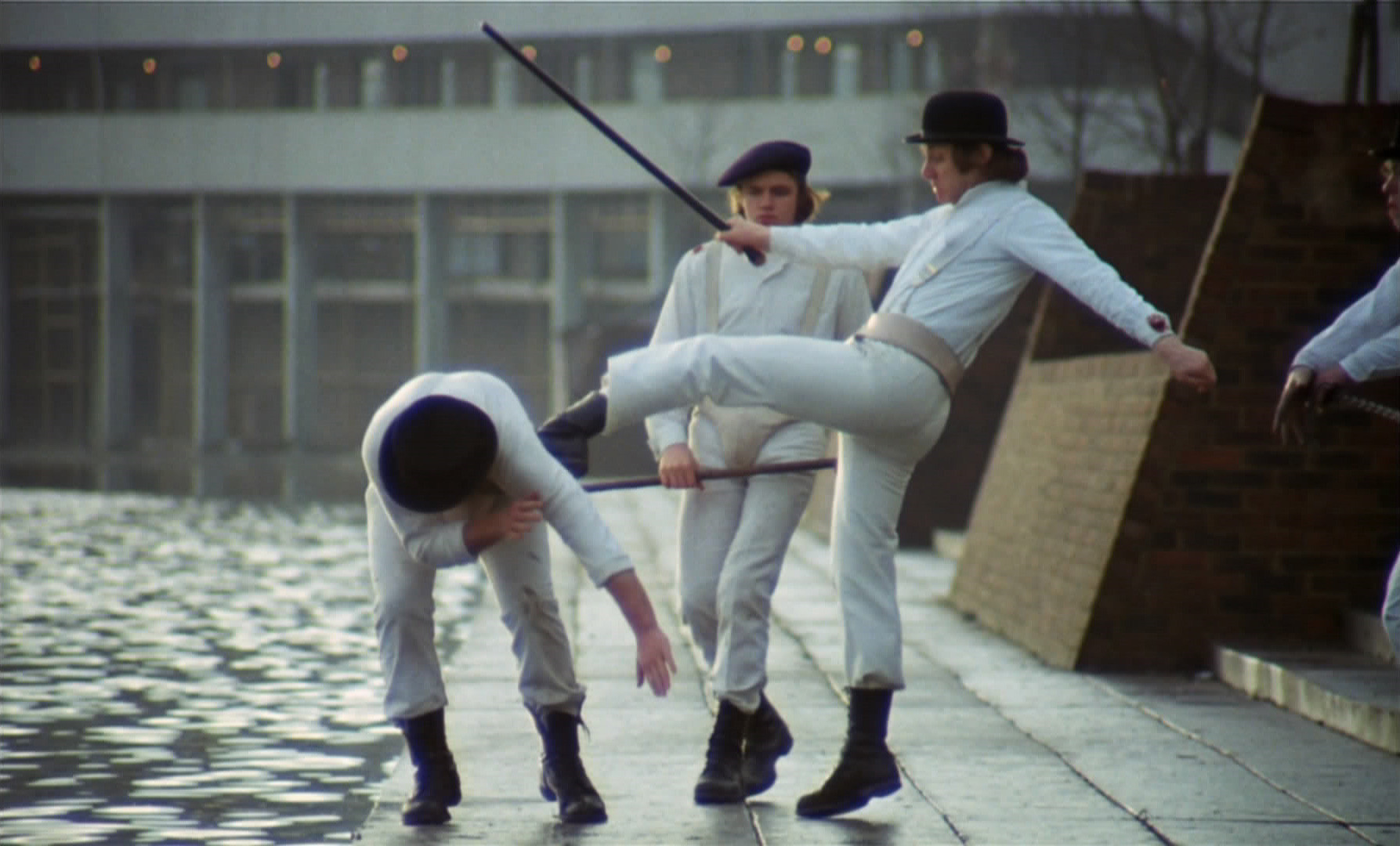
A scene from A Clockwork Orange.

A scene from A Clockwork Orange.

The film A Clockwork Orange was based on the brilliant novel of the same title by Anthony Burgess, published in 1962. The novel, much like the film, felt the wrath of Irish censorship, although seemingly long after publication. A 1976 Irish Times report on the banning of the publication Gay News noted that among other titles banned was A Clockwork Orange.

The film opened in London in 1971, though was not submitted to the Irish censor until two years later. At the time of its unbanning in 1999, Micheal Dwyer noted that “The censor viewed the film on April 10th 1973, and rejected it. Giving the furore surrounding it by then, Warner Bros. did not see any point in submitting it to the Film Appeals Board.” While films could be resubmitted to the censor after seven years, Kubrick had made the decision to remove the film from the UK market himself by then, owing to threats against him from those who believed the film was leading to copycat violence. With Britain and Ireland in the same film distribution zone, this ban on the work extended to Ireland.

In February 1972, The Irish Independent ran a picture of a scene from the film, asking “can screening this be justified?” and asking readers “is violence the real pornography?”
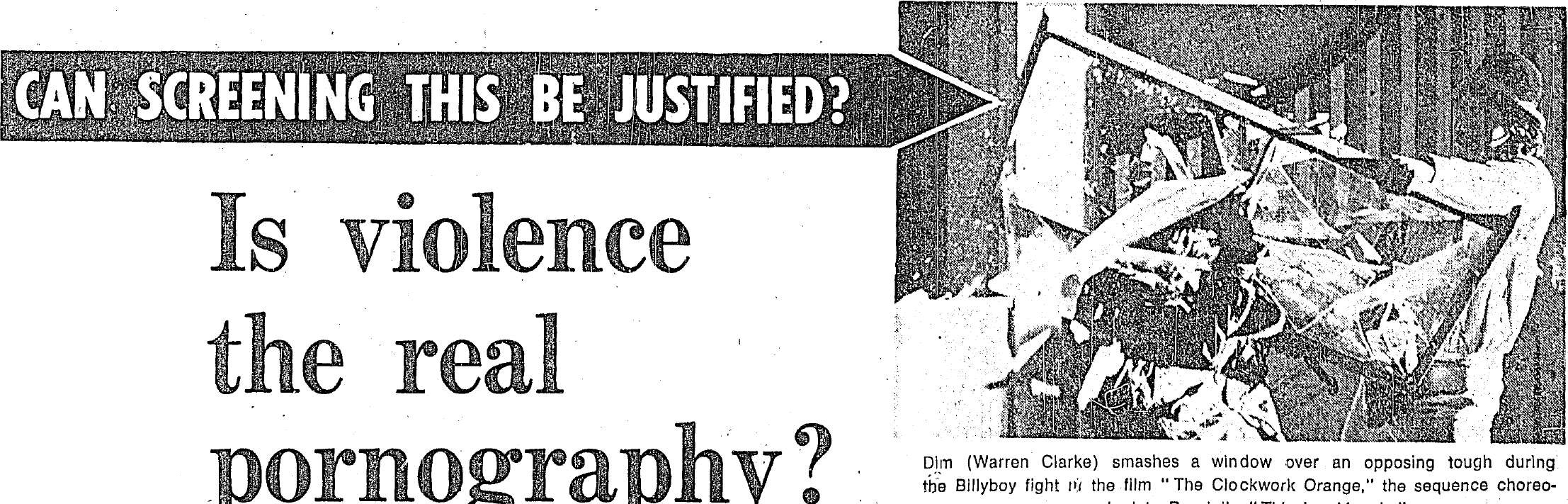
The Irish Independent asks if screening the film can be justified.

The Irish Independent asks if screening the film can be justified.

The banning of the film irked many journalists, with Ciaran Carty complaining in the Sunday Independent that picking the top films of the year for “a cinematic backwash like Ireland is like seeding a Wimbledon tournament from which most of the leading professionals have withdrawn.” In another article for the paper, Carty noted that “not only do we not make any movies of our own, but we are not able to see the work of many of the world’s most original and stimulating directors.”

Stephen Murney, from Coleraine, was serving as the Secretary of the British Board of Film Censors at the time of the films release, noting in an interview that films like A Clockwork Orange and Straw Dogs both got through the censorship process in Britain, and that “I recognise that violence is part of our life today…and so it is valid, when the film is not merely exploiting it for its own titillation sake.”

Dave Fanning writes about going to see the film in his autobiography, noting it was just before starting his student days in UCD. Fanning described spending five days in England just before embarking on student life, noting that “I took advantage of the trip by going to see a few films such as Straw Dogs and A Clockwork Orange that were banned in Ireland back then. It’s easy to forget what a strange priest-riddled society we were – and in some ways still are.”

Opposition to the film was to be found in England too, and the Irish Sunday Independent interviewed Mary Whitehouse, founder of the Clean-Up TV campaign in Britain, who campaigned against the film in the UK. She also claimed that Dr.Who was inducing nightmares in children, and the article noted that she and her husband “begin each day early with joint Bible readings in bed and a cup of tea.”

‘Crusader or Crank?’ asks the Sindo.

In November 1973, an attempt to get-around the censorship of films in Irish society came in the form of the Dublin Film Institute. Hugh Leonard, Robert Bolt and others were involved in establishing the Institute, which it was reported would confine itself to private membership and which the journalist Ciaran Carty, such a vocal critic of film censorship in Ireland, hoped would “enable people to see films they could not see in the past. Many were not shown because cinema managers were too conservative. Invariably, there will be films that have been banned.”

Stanley Kubrick found himself in Ireland not long after the controversy around what is perhaps his most celebrated film. Shooting much of Barry Lyndon here in 1973, he filmed some scenes for the work in the Irish capital. Arthur Flynn recounts the story of Kubrick’s time in Ireland brilliantly in his book The Story of Irish Film, noting that:

On the day when Dublin was hit by a spate of bomb hoaxes the unit was lining up a shot in the Phoenix Park. Kubrick heard the news and immediately left the set and returned to his house in Leixlip and refused to leave. It was late afternoon before his associates could persuade him to return to a new location in Dublin Castle but not until he got a Garda escort and an assurance that civil war had not broken out. He had constant fears of the IRA and wanted armed guards on the set.

It is worth noting that the film A Clockwork Orange itself actually contains a little bit of a Dublin reference, with an early scene showing an Irish tramp attacked by the gang central to the film, as he sings Molly Malone. This scene was filmed in Wandsworth in London:

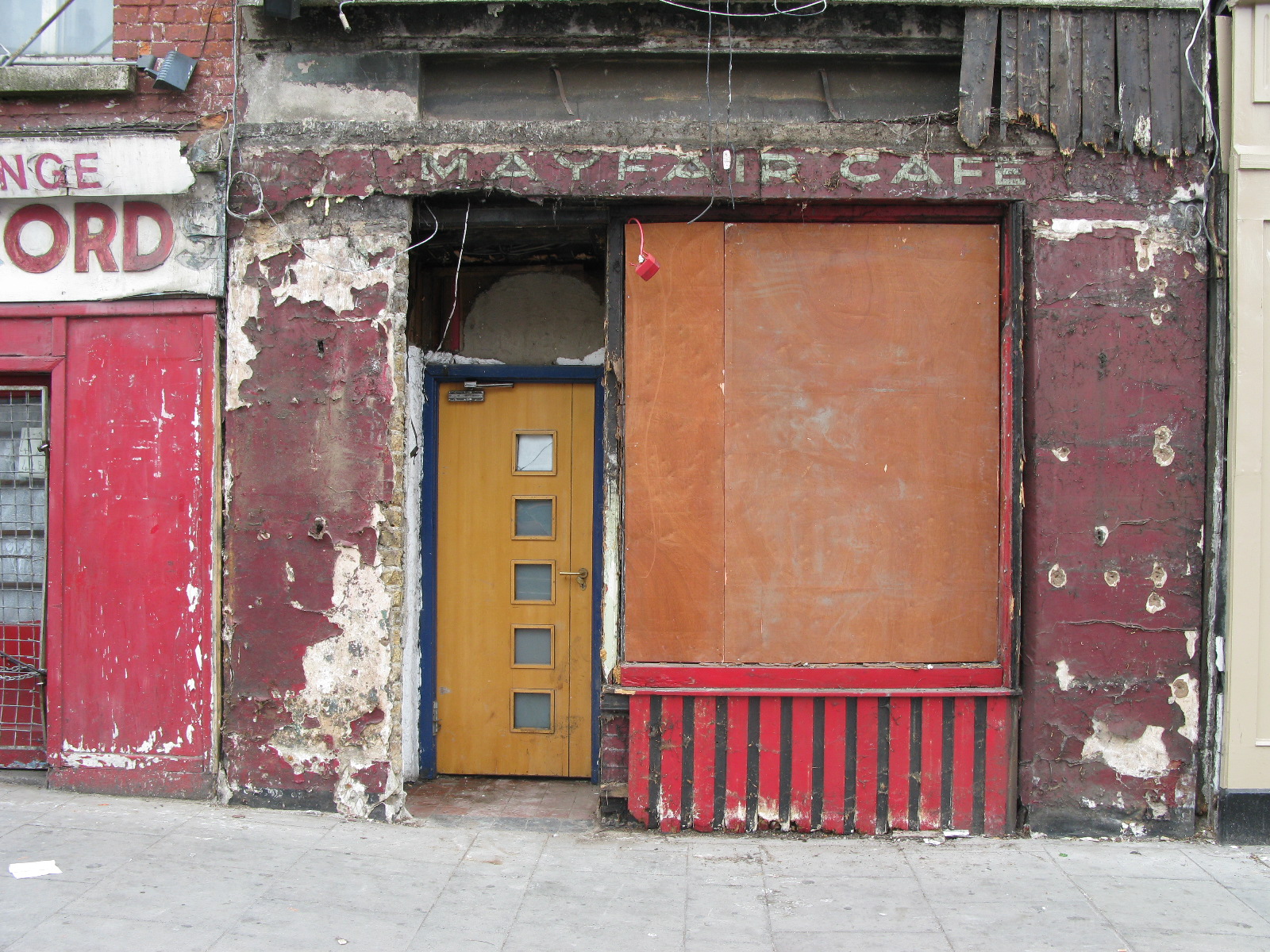
Sometimes we are lucky on CHTM! to get mails from people who share the same love we do for history. So after posting about the Mayfair Café shop frontage on Richmond Street South the other day, to get this mail in our inbox this morning was an absolute pleasure. I was going to edit it, but its worth posting in full; a huge thanks to Graham Stone for getting in touch, the words below are his!

Can’t help out a lot with Molly Tansey (the electoral register for 1962-63 lists her as Mary and I have spoken to one old-timer – grocery wholesaler George Cooke, born in 1924 down the road at No 46 and died a year or so back, his father ran The Delta Café at No 40 South Richmond Street 1939-44 –  who claimed to recall the Mayfair as “proper sort of place, neat and clean and well-turned out, like eating at home, good plain food and no pretensions”) but as for the location …

2 - 1869 Irish Times ad for J P Sweny

Before Portobello House opened in 1807 as the Portobello Hotel there were no buildings on the west side of Richmond Street, the land north of Portobello House used for storage by the Grand Canal Company. In 1840 (by which time there were three buildings at what today would be Nos. 38, 42b & 44), the stretch of land between the rear of Portobello House and Lennox Street was leased to builder James Henderson who used some to store his own building materials and sub-let portions to other merchants.  Around 1850 this area is described as “Portobello Market” which suggests itinerant trading.

059

After Henderson (who continued to reduce his own holding bit by bit until, in 1869, he disposed of the last piece of land, at the corner of Lennox Street, today home to the Aprile Café and the Bretzel bakery), members of the Sweny family – furniture dealers, hauliers, undertakers and fuel merchants, see attachments 1 and 2 from the Irish Times – occupied the site until at least 1880 after which the building housed a plumber, a greengrocer/fruiterer, a grocer, a hairdresser and a wholesaler before Mary Tansey set up her Mayfair Café in 1956.

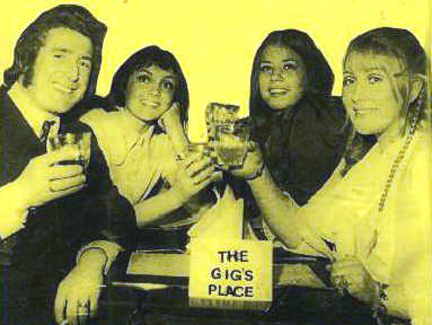
6 - Sonny Knowles with Maxi, Dick & Twink at The Gig's opening in 1970

In 1970, musician Brian Carr (guitarist with the Royal Blues Show Band) saw an opening for a late-night dive where musicians could convivially gather after gigs and turned the Mayfair into one of Dublin’s earliest celebrity hotspots which he called The Gig’s Place. It attracted the likes of Sonny Knowles, chanteuses Maxi, Dick and Twink and bad boy of pop Dickie “Spit on Me” Rock,  and later Bono, Vinnie Jones and Ken Doherty. Over the next four decades, as late-night bars and eateries proliferated, business gradually declined (it had become the haunt of sleepless taxi drivers rather than the rendezvous of glamorous celebrities) and Carr sold up in 2005. It struggled on under new ownership for a further seven years before closing.

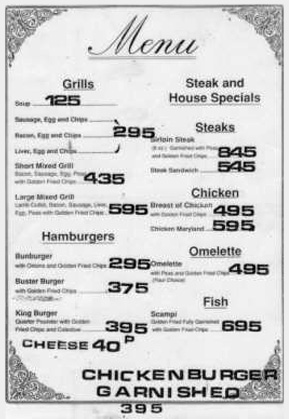
4 - The Gig's 1970s menu page 2

Number 43:

1840-49 – an undeveloped site, part of James Henderson’s builders’ yard

1850s – first building on site, date uncertain

1858-1860 – William S Sweny, “job carriage, furniture van, coal factor and funeral establishment”

1860-1880 – John P Sweny (William’s son?) “job carriage, furniture van, coal factor and funeral establishment”

1881-1903 – Patrick Byrne, plumber and gasfitter

1904-25 – Miss Walsh, greengrocer

1926-29 – Ed Brean, fruiterer

1930-36 – P O’Flanagan, fruiterer (also ran a dairy next door at No 44)

1937 – James Moore, grocer

1938-42 – Paul Kane, hairdresser

1943-45 – vacant

1946-55 – Patrick O’Connor & Co , wholesale provision merchants

1956-69 – Mary “Molly” Tansey’s Mayfair Café

1970-2012 – The Gig’s Place (1970-2005 proprietor Brian Carr)

2012-13 – closed and derelict

—-

All images apart from the photograph of the Mayfair storefront came from Graham. Again, a huge thanks.

Tickets (€30) are now on sale for Philip Chevron’s (The Radiators from Space & The Pogues) Testimonial Concert.

Philip revealed last month that the cancer he has battled since 2007 has become incurable and terminal. A life-long football fan, he has decided to hold his own ‘Testimonial’.

Artists confirmed so far for include Horslips, Luka Bloom, Declan O’Rourke, Brush Shiels, Shane MacGowan, Patrick McCabe, Gavin Friday, Duke Special with Fiona Shaw, Paul Brady, Joseph O’Connor, Mary Coughlan, Paul Cleary, Aidan Gillen, Fiachna Ó Braonáin & Liam Ó Maonlaí, Roddy Doyle, The Radiators from Space, Michael O’Connor and family, Terry Woods and Camille O’Sullivan.

A feature of the show will be that performers will offer their own work along with selections from Chevron’s own songbook, including some items never heard before in public.

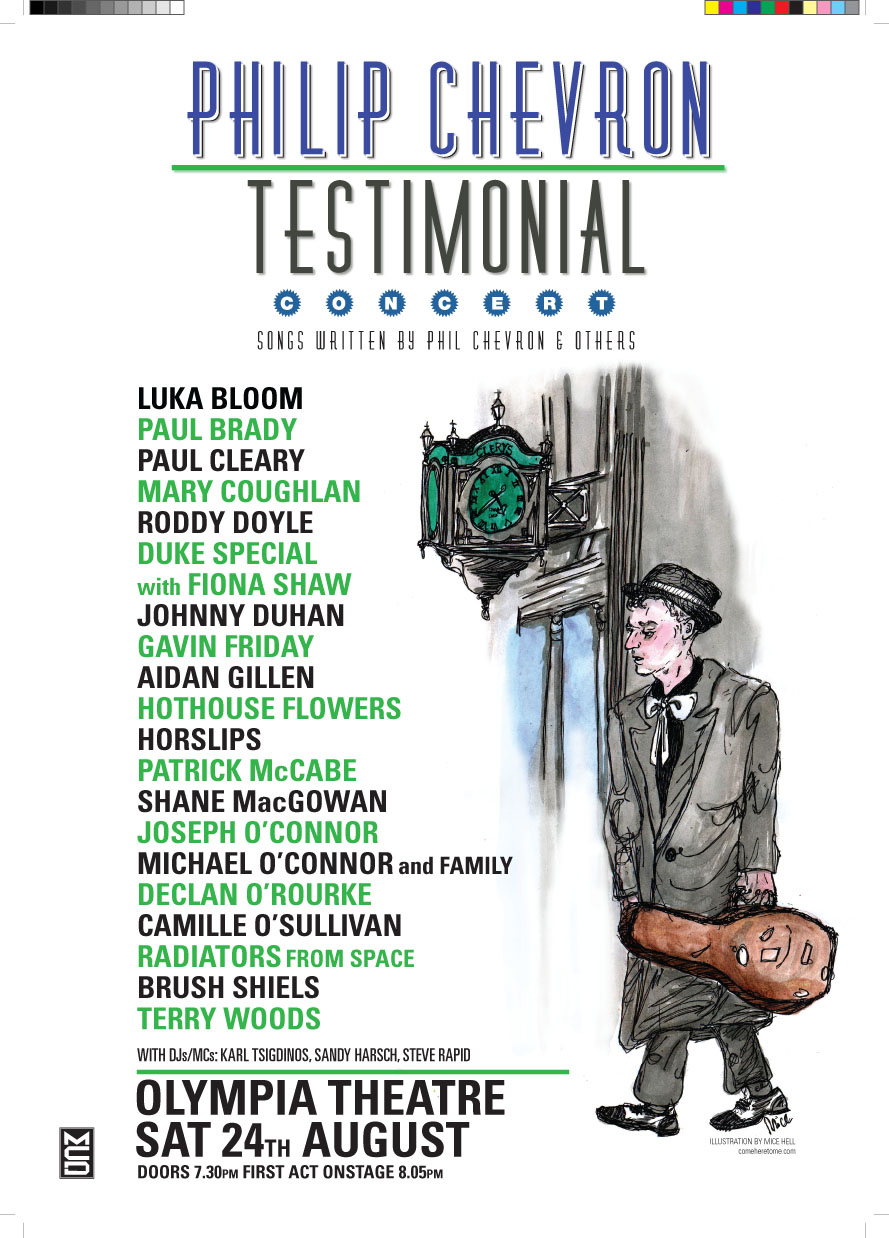
All at CHTM! were chuffed to see that Steve Averill (aka Steve Rapid) from The Radiators from Space and designer of U2’s album covers decided to use Mice Hell’s illustration of Philip Chevron which was first published in the CHTM! book last Christmas.

P. Chevron concert. Design - Steve Rapid

P. Chevron concert. Design – Steve Rapid

In April 2012, I sat down with Philip in Brooks Hotel and spoke for over three hours about his life, music and opinions on everything from Dr. Feelgood to the punk’s reaction to the Troubles. You can read that interview here.

Ah… the hidden layers of a city. The Gigs Place, the late night eatery on Richmond Street South closed down to some dismay recently. A contender for one of Dublin’s longest running restaurants it was 42 years young when it closed, having opened in 1970. But before the Gigs Place sat Molly Tansey’s “Mayfair Café” which occupied the spot from 1956 -1969. The building work being done on the building has led to the facade to be recently stripped back, revealing a shopfront from a different era.

058copy

I’ve searched and searched online but can find very little about the place, only that it was run by a lady called Molly Tansey from 1956- 1969. Newspaper archives are throwing up nothing and I’ve Googled it to death. Any of our readers remember the place?

1895

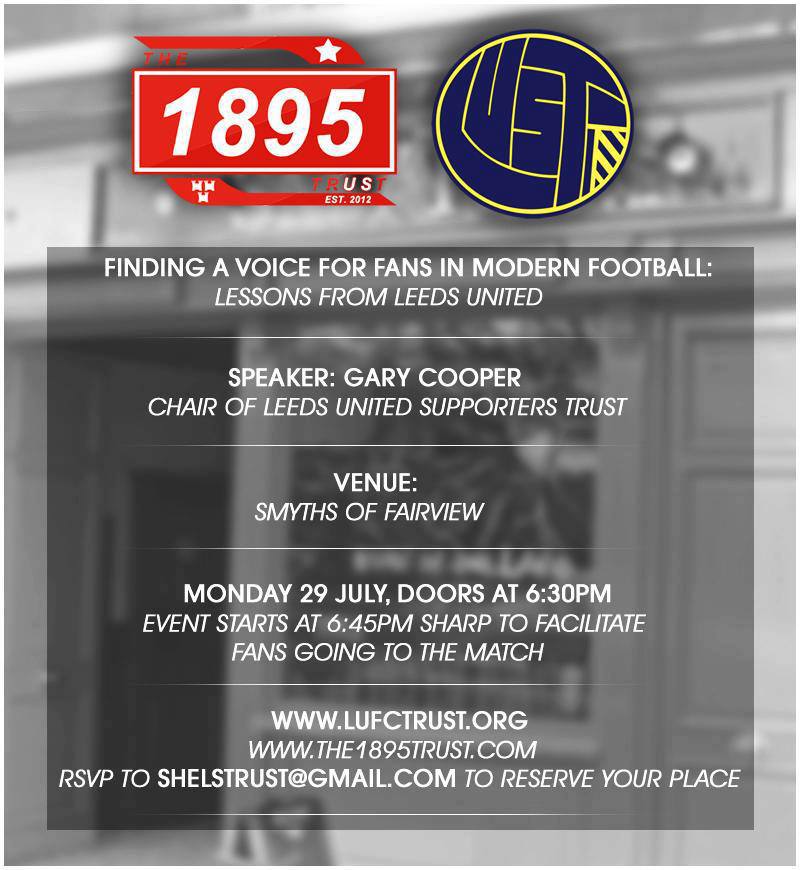
This upcoming event from the 1895 Trust is deserving of a plug. The trust is a relatively new fans iniativie at Shelbourne F.C, which serves in its own words as a “democratic, not-for profit organisation working to strengthen the influence of Shelbourne FC fans.” The event is a product of the brilliant and unique links the Supporters Direct organisation are facilitating between different Supporters Trusts in Ireland, the UK and Europe. The event page is here.

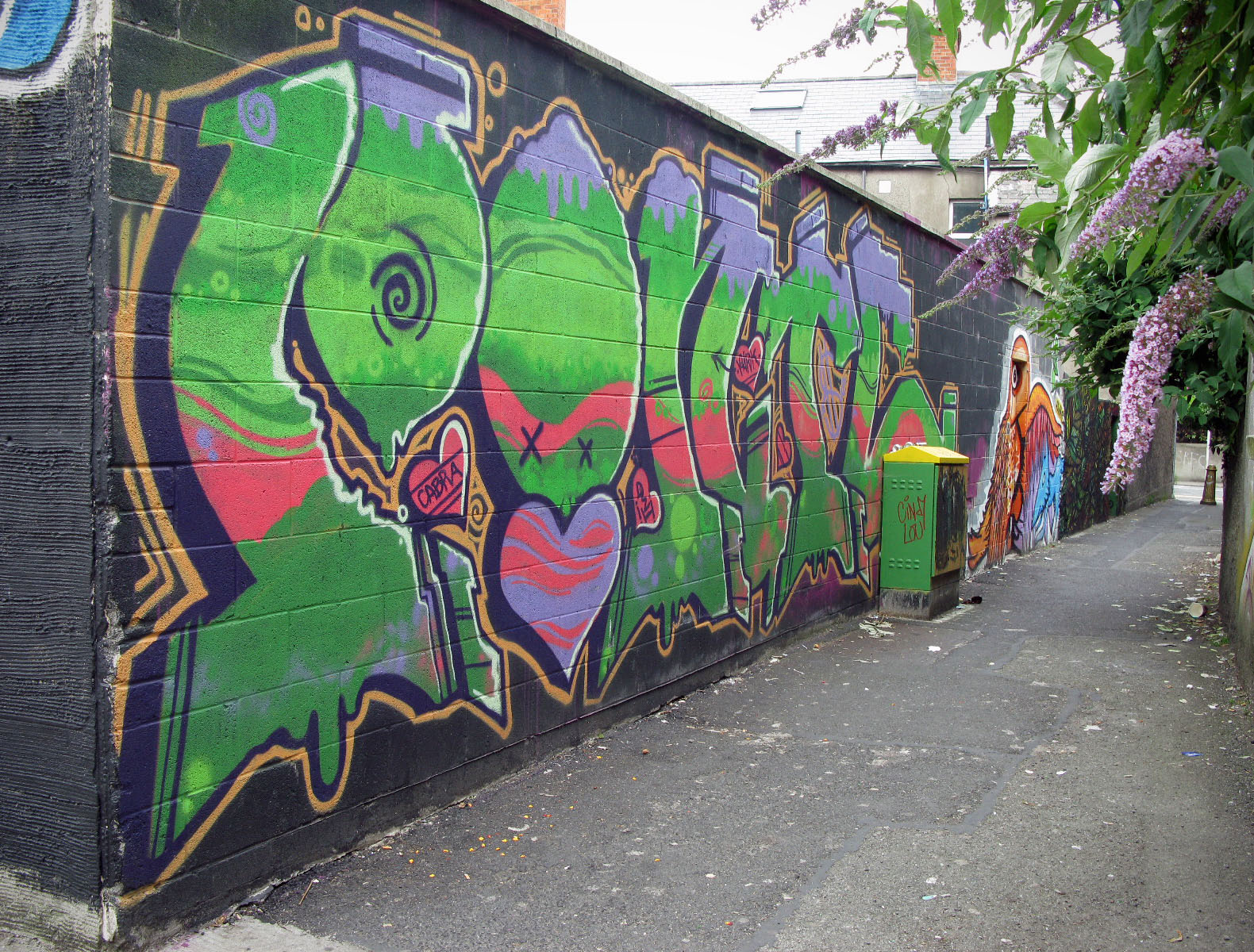
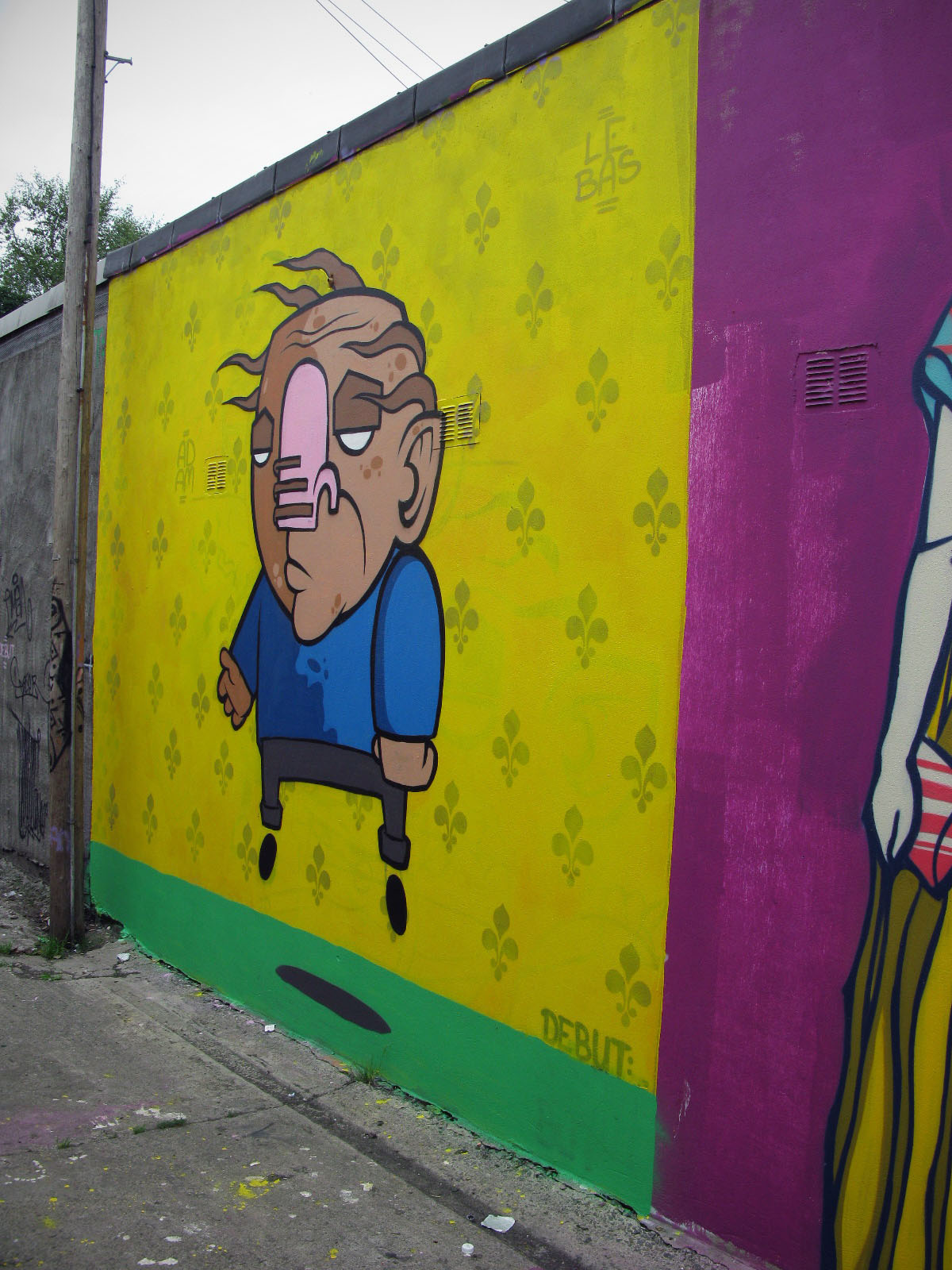
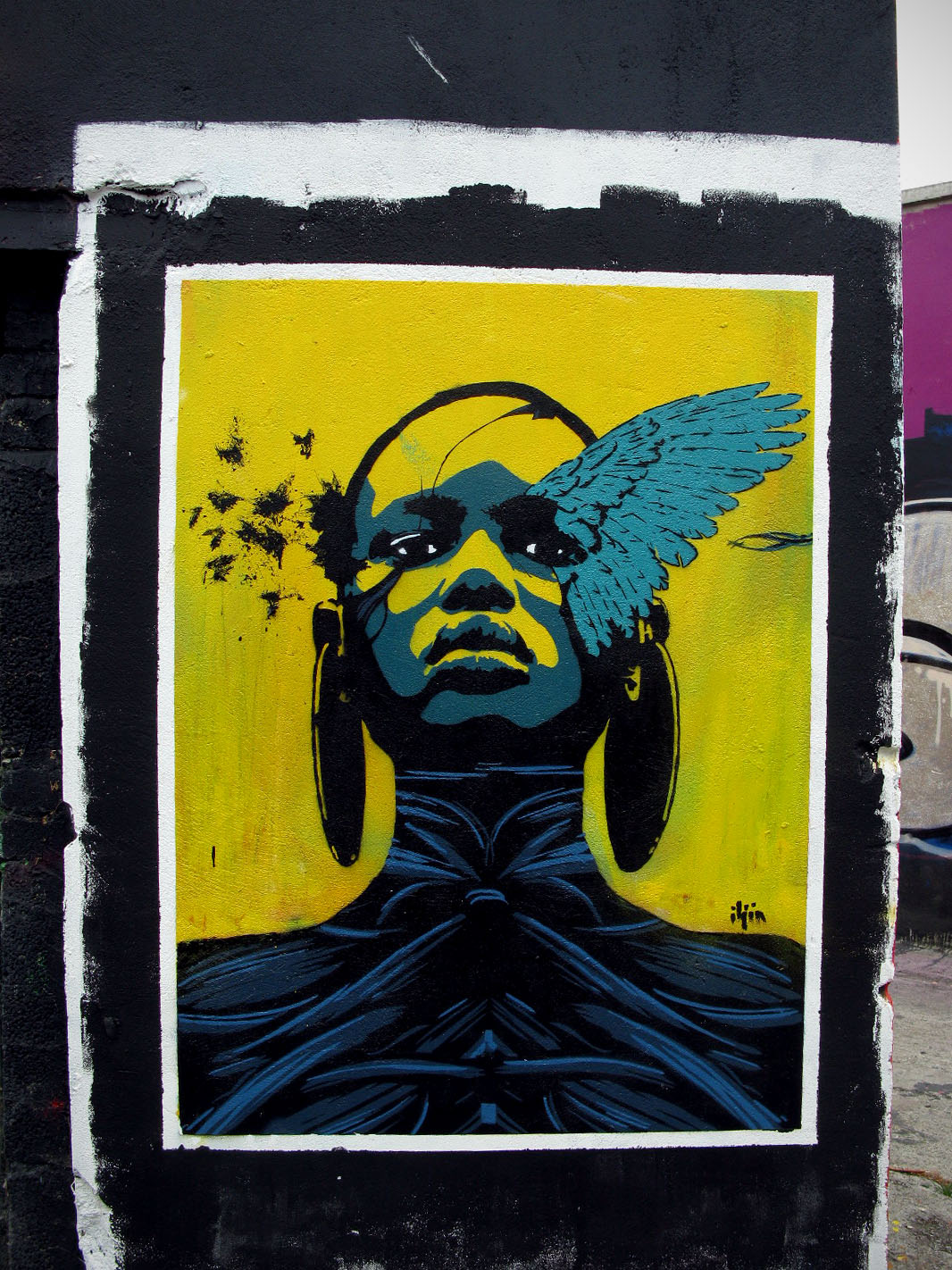
As small as Dublin is, and as much of it as I’ve covered traipsing around on my bike, the city never ceases to throw up surprises. Heading off on the bus to Dundalk from Dalymount on Friday evening (a beautiful evening on a hijacked double decker bus, ending in a rubbish defeat and getting home at silly o’clock on Saturday morning,) I spotted some graffiti at the entrance to the lane-way linking St. Peter’s Road with Cabra Park. Heading up for a look this evening, I wasn’t let down, with another trove of street art from some of Dublin’s finest. Sorry for the angles on some of the shots, the alley is so narrow as to make a head on shot impossible! 

3cabra

031

039

041 Continue Reading »

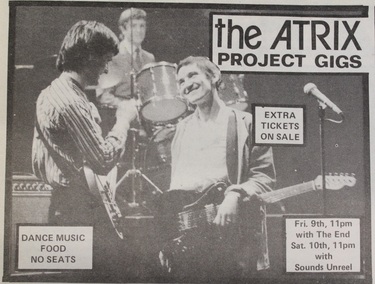
The Atrix (Top Hat, 1982)

Hot Press advert for a series of Atrix gigs in the Project Arts Centre in 1980. Credit - u2theearlydayz.com

Hot Press advert for a series of Atrix gigs in the Project Arts Centre in 1980. Credit – u2theearlydayz.com

Irish Times journalist John Fleming has recently uploaded a 30mins broadcast from Dublin New Wave legends The Atrix. Recorded on 14 February 1983 at the Top Hat in Dun Laoghaire, the footage was first broadcast on RTE’s ‘Campus Rock’ on 29 February 1983.

The Atrix was John Borrowman (guitar/vocals), Dick Conroy (bass), Chris Green (keyboards) and Hugh Friel (drums).

Set List:

1. The Life I Lead
2. It’s Taboo
3. Sweet Memory
4. The 11th Hour
5. Treasure On The Wasteland
6. I Wonder Why
7. The Moon Is Puce
8. Procession

Most of the songs (bar The 11th Hour, Treasure On The Wasteland & The Moon Is Puce) come from the band’s album ‘Procession’ which was released on Scoff Records in November 1981.

On 17 February 2013, poet Pat Boran looked at The Atrix on RTE Radio show ‘Sunday Miscellany‘. You can listen to the episode on the excellent ‘Fanning Sessions’ blog here.

In response, an individual called Tony left a comment on the blog:

I was a very close friend of Johns. In fact i was by his side when he died, 15 years ago, here in Copenhagen.
I have copies of his two short movies and his solo album- “Stoned Circle”- which should be in the public domain.
Reply please- I need assistance putting these things out. Permission has been granted by family.

On 12 March, the ‘Fanning Sessions’ blog uploaded John’s solo album ‘Stoned Circle’ which was recorded in Copenhagen in the late 1980s. John passed away in the city in January 1998. You can listen to the album here.

I set up a Facebook page for the band a while back, link here.

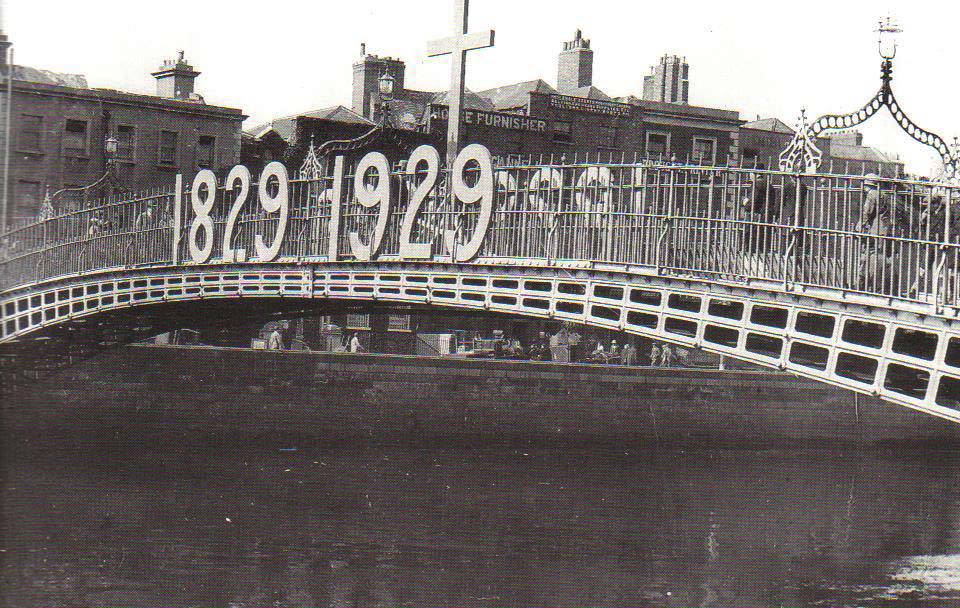
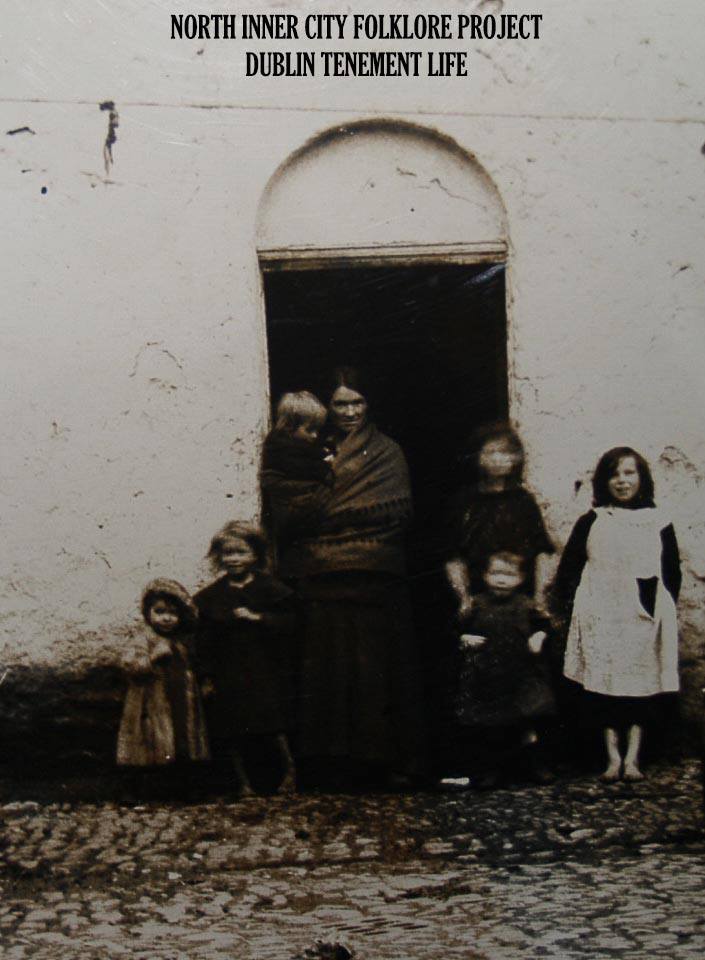
A brilliant new Facebook page has emerged recently, entitled ‘Dublin Tenement LIFE’. It has posted a remarkable collection of photographs, primarily showing working class life in inner-city Dublin in the late nineteenth and early twentieth centuries. Many of the photos have been collected by the North Inner City Folklore Project, and capture important moments in the history of the city.

The Ha'penny Bridge on the centenary of Catholic Emancipation (Posted by Dublin Tenement Life)

The Ha’penny Bridge on the centenary of Catholic Emancipation (Posted by Dublin Tenement LIFE)

Inner-city women and children (Image posted by Dublin Tenement LIFE)

Inner-city women and children (Image posted by Dublin Tenement LIFE)

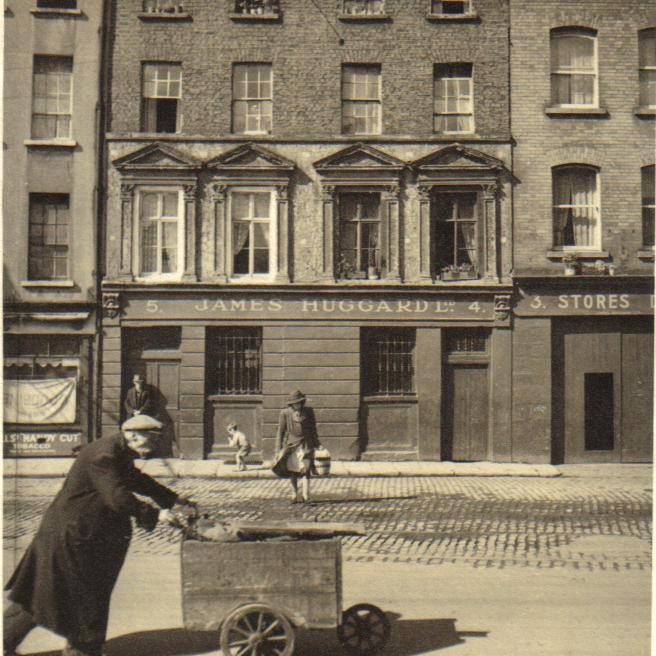
One particular photograph from the 1940s is very interesting for me though, and a bit touching. A relative realised while browsing the pictures that one of them shows the home of my grandmother at Cornmarket, near to the Liberties. I never met my grandmother, but her home can be seen in this image. We know that they had the two front rooms on the left on the first floor. The ones with the painted windows and curtains. Of course, this is all demolished now, but it’s a great image to have.

Cornmarket. (Image posted by 'Dublin Tenement LIFE')

Cornmarket. (Image posted by ‘Dublin Tenement LIFE’

You can find the page here, I recommend liking it for more great photos and stories.

Wrong Way Corrigan.

This month marks the 75th anniversary of a very peculiar moment in the history of Baldonnel Aerodrome here in Dublin.

On 18 July 1938, an American aviator by the name of Douglas Corrigan landed in the aerodrome, after a 28 hour flight. This was all particularly unusual as Corrigan had flown off from Brooklyn in New York, supposedly destined for Long Beach, California! Corrigan returned to the United States to massive fanfare in New York City and California, and was honoured with a brilliant New York Post front page, reproduced below.He was only the eleventh person to fly across the Atlantic, and the parade that welcomed him home even surpassed that of Charles Lindbergh.

New York Post coverage of parade in NYC.

New York Post coverage of parade in NYC.

Douglas Corrigan was born at Galveston in Texas in 1907, the son of a Construction Engineer. In his younger years, he himself worked as a mechanic of the famed Spirit of St.Louis, the plane that his hero Charles Lindbergh would use to make the first non-stop flight between New York and Paris in May 1927. At the time, Corrigan was working at the Ryan Airlines aircraft manufacturing plant in San Diego. Lindbergh’s success and fame had a huge impact on the young Corrigan.

The plane Corrigan used for his incredible flight across the Atlantic in July 1938 was a nine-year-old Curtiss Robin, well below the standard required to fly across the Atlantic. Corrigan had repeatedly sought permission to fly across the Atlantic, but been refused on the grounds that his plane was considered incapable of such a flight. Indeed, Corrigan’s plane was in such a condition that authorities were even reluctant to allow him to fly back to California in it. As Mary Maher noted in an article on the fiftieth anniversary of the flight, it was said at the time that “the pilot had no radio, no parachute, and had overloaded his nine-year-old plane by half a ton. He’d wired himself into the cockpit with a few boxes of chocolate and fig bars, and when he discovered the knob had fallen off the cabin door, he closed it with some more wire hooked around a nail.”

The fact he had requested permission to fly across the Atlantic of course made his story of ‘accidentally’ ending up in Dublin a little suspect. Corrigan claimed that he misread his compass by watching the wrong end of the needle, and therefore headed east instead of west.

Newspaper coverage of Corrigan’s arrival noted that the nine-year-old plane Corrigan arrived in was “tied up with wire” and that “Mr. Corrigan stepped smiling from his machine at Baldonnel and was surrounded by a group of Army air officials, who were entirely mystified by his appearance. He explained what had happened and was taken to the officers’ mess, where he had a meal.”

Wrong Way Corrigan and the plane that brought him to Dublin from New York.

Wrong Way Corrigan and the plane that brought him to Dublin from New York.

It was reported that after being questioned by Customs and Army officials at Baldonnel, Corrigan was taken to meet John Cudahy, then the U.S Minister to Ireland. Thanks to Cudahy, Corrigan was also introduced to Eamonn De Valera, then Taoiseach, as well as his two aviation experts John Leyden and John Walsh. Corrigan became something of a celebrity in Dublin, mobbed by autograph hunters in Dublin city centre, and even received by President Hyde at the Áras. This presidential reception attracted huge international media attention, with one American newspaper noting that:

Ireland’s new president honoured America’s new aviation hero by receiving him in Dublin’s imposing presidential palace.

Spick and span in new clothes, Douglas C. Corrigan drove from the United States Legation to the palace. There, the 78-year-old President Douglas Hyde and the young Californian animatedly discussed the latter’s amazing flight from New York to Dublin.

Irish Times image of the plane.

Irish Times image of the plane.

Following his flight to Ireland, the United States Bureau of Commerce suspended the experimental airport certificate of Corrigan’s plane, with the intention of keeping him out of the air. It was noted in newspaper reports that Corrigan had joked his next plan was to fly around the Eiffel Tower in Paris, but in the end Corrigan and his plane returned to the U.S by ship. He certainly capitalised on his fame, with an autobiography published within months, as well as endorsing a rather useless watch that ran backwards! Sadly, he became something of a recluse from 1972 onwards when one of his sons perished in a plane clash, but he did publicly mark the fiftieth anniversary of the flight on both sides of the Atlantic.

Returning to Dublin in 1988, he met with some of the army officials who he had encountered at Baldonnel, spoke at Trinity College Dublin and even returned to Clery’s department shop, where he had gone fifty years earlier. Once again, he captivated Dubliners with his story, though many felt not even he believed it!

In 1988, Corrigan talked about his incredible journey on an American news channel:

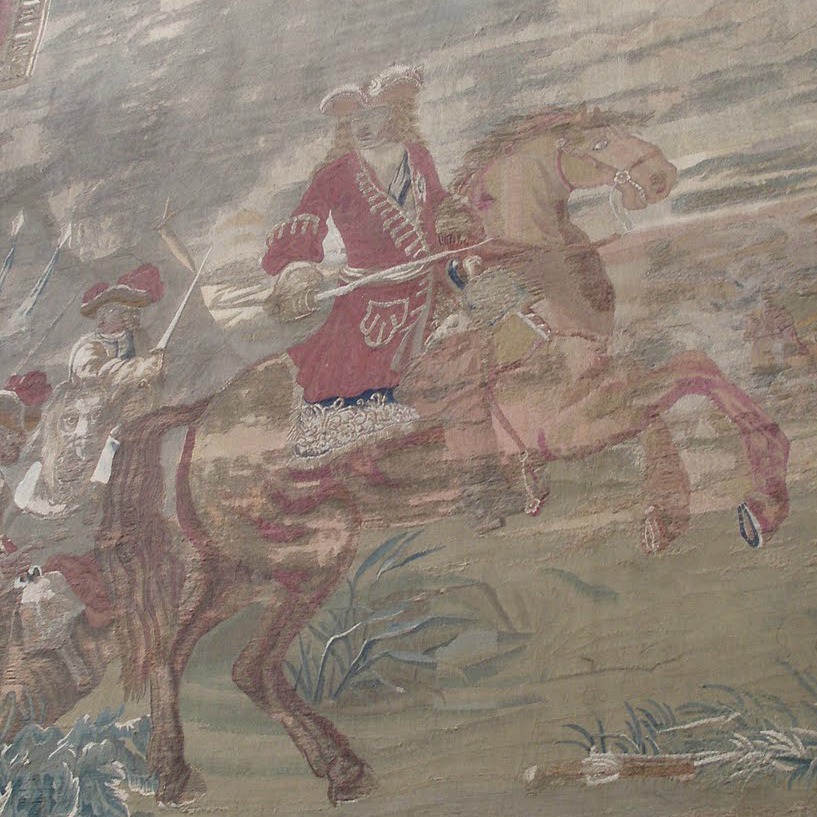
William of Orange depicted inside the Bank of Ireland, College Green.

William of Orange depicted inside the Bank of Ireland, College Green.

The week ahead of us sees the twelfth of July upon us once more, with marches across the north of Ireland in honour of King William of Orange and his victory at the Battle of the Boyne in 1690. Many Dubliners may be surprised to hear of the huge tapestry commemorating this event that sits in the centre of our city to this day, inside the Bank of Ireland on College Green.

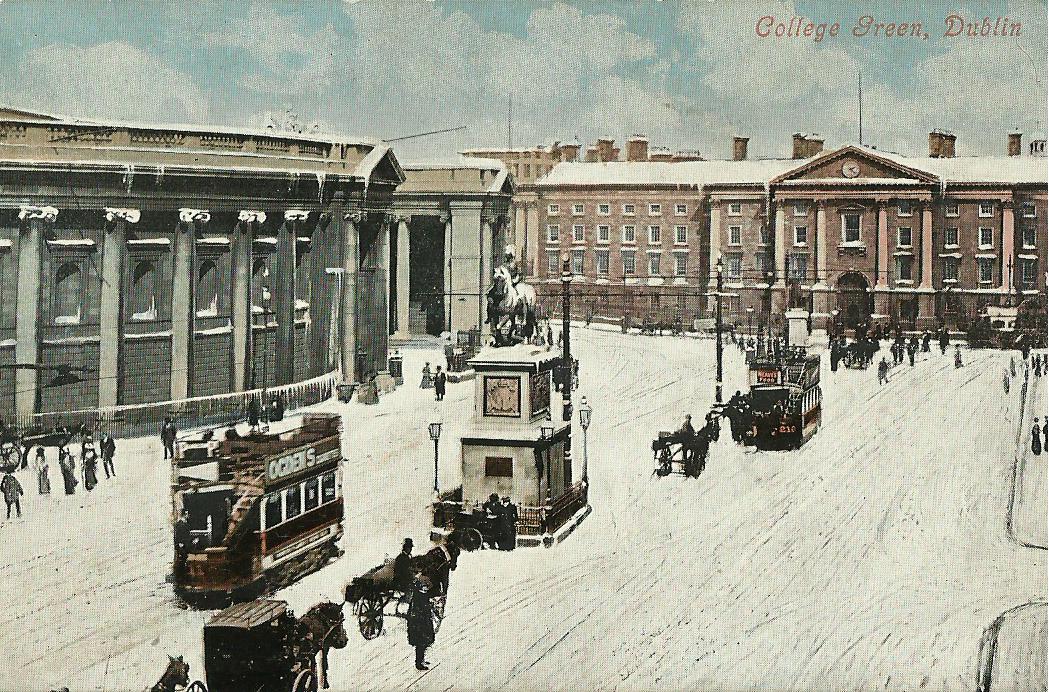
A postcard showing the old Irish Parliament building and the monument to King William of Orange.

A postcard showing the old Irish Parliament building and the monument to King William of Orange.

The old Irish Parliament building on College Green remains one of the finest bits of architecture in Dublin, and its place in architectural history is well and truly secured, serving as an influence for the British Museum and U.S Capitol Building among with other buildings internationally. While many know of the doomed statue of King William of Orange that sat outside of this parliament from the early eighteenth century until it was bombed by republicans in 1929, few wander inside of the building to see the old House of Lords, and a large-scale tapestry depicting William’s victory in 1690. The tapestry is joined by another which commemorates the Siege of Derry in 1689, and was originally intended to be one of a series of six tapestries.

The tapestry today.

The tapestry today.

In his groundbreaking history of Dublin, first published in 1861, the great Dublin historian J.T Gilbert wrote that:

The tapestry in the House of Lords was manufactured by Robert Baille, of Dublin, at the rate of three pounds per ell, inclusive of the expense of the designs. When set up in the House of Lords in September 1733, this tapestry was considered equal to that made at Brussels to commemorate Marlborough’s victories….

Baille, an upholsterer, was actually tasked with producing six tapestries, they being:

1: The Defence of Derry in 1689.
2: The landing of King William and his army at Carrickfergus.
3: The Battle of the Boyne.
4: The entry of King William into Dublin.
5: The Battle of Aughrim.
6: The attacking of Cork and Kinsale.

Ultimately, only the first and third of this list were commissioned for the House of Lords.

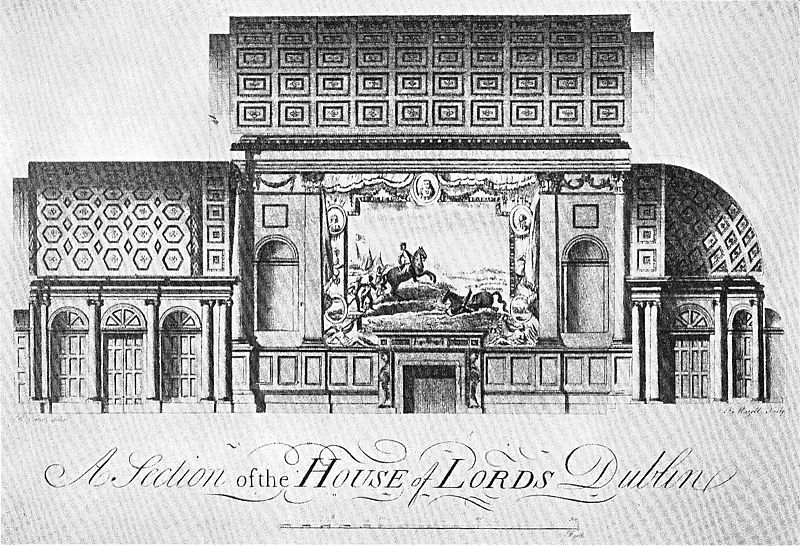
"Sectional engraving of the Irish House of Lords by Peter Mazell based on the drawing by Rowland Omer, 1767." (Wiki)

“Sectional engraving of the Irish House of Lords by Peter Mazell based on the drawing by Rowland Omer, 1767.” (Wiki)

While the correspondence quoted by Gilbert and others talks only of Baille, the work of others proved central to the task, with the tapestries being designed by Dutch landscape painter William Van der Hagen, and woven by John Van Beaver. It is noted in A Dictionary of Irish Artists (1913) that:

In 1728 Vander Hagen was employed by Robert Baillie to take “prospects” of the places to be represented in the tapestries which Baillie was commissioned to make for the House of Lords.* He appears to have been living in Dublin at that time, as the parish registers of St. Andrew’s record the baptism on the 22nd May, 1730, of “John and Thomas sons of John Vanderhagen.”

According to a 1913 letter to The Irish Times from W.F De Vismes Kane, John Van Beaver resided on Great Britain Street, and he noted that “Van Beaver was probably of a Dutch Protestant refugee family, who brought to Dublin during the reign of King William III the knowledge of their craft.” The writer claimed that by examining the leases of homes in the area Van Beaver lived, there was a clear Huguenot presence in the area, with names like Du Val and Le Sac in the immediate area.

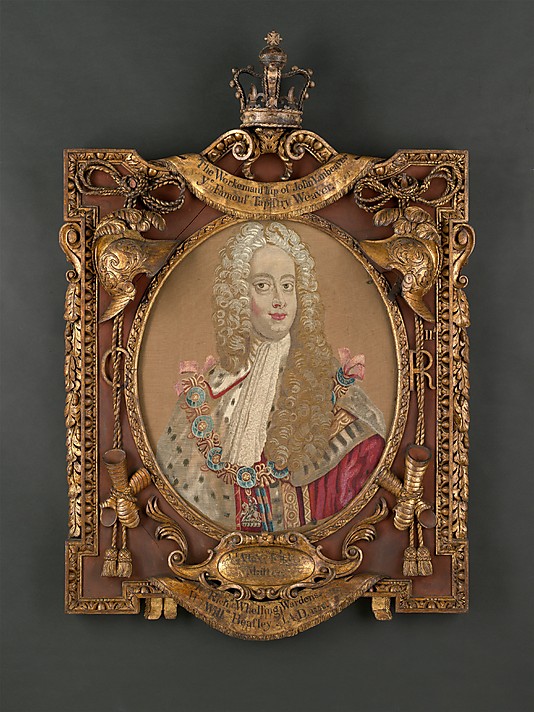
Not alone did Van Beaver produce the tapestries within the House of Lords, he also provided a tapestry of King George II for the Weavers’ Hall constructed in the Lower Coombe in 1745. It is noted on the excellent history page of the Irish Guild of Weavers, Spinners and Dyers that:

The Weavers’ Hall was demolished in 1965. Indeed, the only original guildhall still standing is the Tailors’ Hall in Back Lane. The tapestry of George II woven by John van Beaver, which hung in the Weavers’ Hall, is now in the Metropolitan Museum of New York.

Portrait of George II. Originally in the Old Coombe, it can today be viewed at the Metropolitan Museum of Art. (Image Credit:http://www.metmuseum.org/)

Portrait of George II. Originally in the Old Coombe, it can today be viewed at the Metropolitan Museum of Art. (Image Credit:http://www.metmuseum.org/)

After the Act of Union in 1800, the tapestries in the House of Lords were taken down from the walls, with the aim of their being sent to England. The Irish Independent claimed in a 1931 article on the tapestries that “the representatives of Francis Johnston…induced the Bank directors to retain them.” Francis Johnston was the architect tasked with converting the building for the use of the bank following the shameful act of self-abolition in 1800. Johnston remains one of the most important architects in the history of the city, as he was responsible for the General Post Office on O’Connell Street, the Chapel Royal of Dublin Castle and several other great Dublin buildings.

Anyone can walk in off the street and have a look at the tapestries for free during regular banking hours. It’s a hidden Dublin gem worth a few minutes of your time if you haven’t. The staff who look after the building are always more than willing to have a chat about the House of Lords from our experiences.

DL1

The image above is one of my favourite Dublin images, capturing a mix of famous faces at a rather unusual ceremony, which took place at the Trinity College Boat Club at Islandbridge in 1924. W.B Yeats, William Cosgrave and Oliver St.John Gogarty are all visible, as Gogarty ‘gifts’ two swans to the River Liffey. If the image is interesting, the story behind it is equally so….

Oliver St.John Gogarty is a remarkable figure in Dublin history. A one-time Bohemian F.C player, he was a doctor, author, well-known raconteur and an Irish nationalist, not to mention a vocal anti-Semite on occasion and even the inspiration for the Buck Mulligan character in Ulysses. Born in Rutland Square (now Parnell Square) in 1878, Gogarty was shaped by the city he lived and wrote in, and counted Arthur Griffith and William Butler Yeats among personal friends, with Yeats describing him as ‘one of the great lyric poets of the age.’ Gogarty was active in the Sinn Féin movement from its very inception, indeed he even spoke at the inaugural meeting of the organisation, and in his Dictionary of Irish Biography profile it is noted that “Gogarty took the Sinn Féin headquarters’ files into his house when the party was banned in 1919, and sheltered men on the run”, including a certain Michael Collins.

Following the Anglo-Irish Treaty, Gogarty sided with the emerging state, and became a Senator to the Free State. This brought him into conflict with the Anti-Treaty IRA, who singled out Free State senators for attacks and intimidation. In February 1923 alone, the IRA attacked 37 properties belonging to Free State senators, and others were targeted for kidnapping and attempted assassination. On January 1923, armed republicans came to the home of Oliver St.John Gogarty to kidnap him. The story of this incident is told well in Ulick O’Connor’s biography of Gogarty, where he notes that

Gogarty was having a bath in his house after his day’s work, when he felt a revolver pressed into his ribs. Using a woman as a decoy, by pretending that she was a patient, armed men had gained entry into the house. They demanded that he should accompany them. As he was dressing, he glanced towards the chest of drawers where a revolver lay concealed, but calculated that the chances of getting it out in time before his captors shot him were negligible…..AS he got into the car, the revolver was pressed hard into his back. ‘Isn’t it a good thing to die in a flash, Senator?’ one of the gunmen said, as they sped out along the Chapelizod Road.

Gogarty was taken to a safe house on the banks of the Liffey, near to the Salmon Weir, and convinced his captors that, in O’Connor’s words, “his bowels were loosening with fright”. Gogarty was said to use this opportunity outside to throw his coat over the head of a captor and jump into the freezing Liffey, swimming to safety, before stumbling shocked into the police barracks of the nearby Phoenix Park. This account is somewhat at odds with one given by Gogarty himself, when he claimed (see the comment below, which is what I’m quoting) “to have asked before they shot him if he could say some prayers and they agreed. He knelt at the side of the river apparently praying and then suddenly dived into the river, swam under the water and reached the other side.”

Gogarty, according to his biographer, made a vow “while immersed in the swirling torrent, that he would present two swans to the Goddess of the River, in thanksgiving, if he reached the bank in safety.” Gogarty relocated himself to London for a period following this kidnapping and further intimidation against him by the IRA, but in 1924 he fulfilled his promise to the Liffey.

Oliver St. John Gogarty and W.B Yeats photgraphed after releasing the swans, 1924.© RTÉ Stills Library 0511/008

Oliver St. John Gogarty and W.B Yeats photographed after releasing the swans, 1924.© RTÉ Stills Library 0511/008

What of the men who kidnapped Gogarty? One of the men has been covered before on the site here, Thomas O’Leary of Harolds Cross. He was later to die at the hands of Free State soldiers, and a small memorial on the Upper Rathmines Road at the gates of the Tranquilla Convent marks the location where his body was found. Gogarty was said to remark of his passing that “The fellow who had led the raid on me was found riddled with bullets outside the Tranquilla Convent in Rathmines; at appropriate place for a quietus.”

Back to the image, don’t the swans appear a little unusual?

DL1

An excerpt from Ireland of the Welcomes (1988) posted here gives an idea of why:

Apparently the swans didn’t come willingly out of their container, and when they were finally persuaded to do so with a good kick to the box, they took off at top speed up river. The tranquil swans in the background of the photo are pretty obviously introduced by an artist’s hand.

A fantastic twenty-seven minute documentary from RTÉ on Cork-born Michael O’Riordan. He is described by presenter Patrick Gallagher as a “respectable middle-aged leader of our respectable middle-aged Communist Party”.

Thanks to Michael’s grandson Luke for passing this on. He uploaded it onto Youtube yesterday:

Highlights include a family history of Cork (3:30), reasoning for joining the International Brigades (07:00), talk of his election campaigns (11:00), footage of CPI meeting (12:00), discussion of CPI’s branch structure (14:00), denial of Moscow funding (17:00), discussion of recent events in the six counties (20:00), footage of anti-Internment rally and clash in Dublin (23:00) and the closing images of him on a rowing boat with the Internationale played in the background.

Michael O'Riordan, Morry Levitas and Peter O'Connor. Credit - O'Riordan family

Michael O’Riordan, Morry Levitas and Peter O’Connor. Credit – O’Riordan family

Incidentally, I have only just realised that my own grandfather Kevin grew up (in Sarsfield Terrace) just down the road from Michael (on Pope’s Quay) in Cork City. There was only four years between them so they might have been in the same school together.