Feeds:
Posts
Comments

Archive for 2012

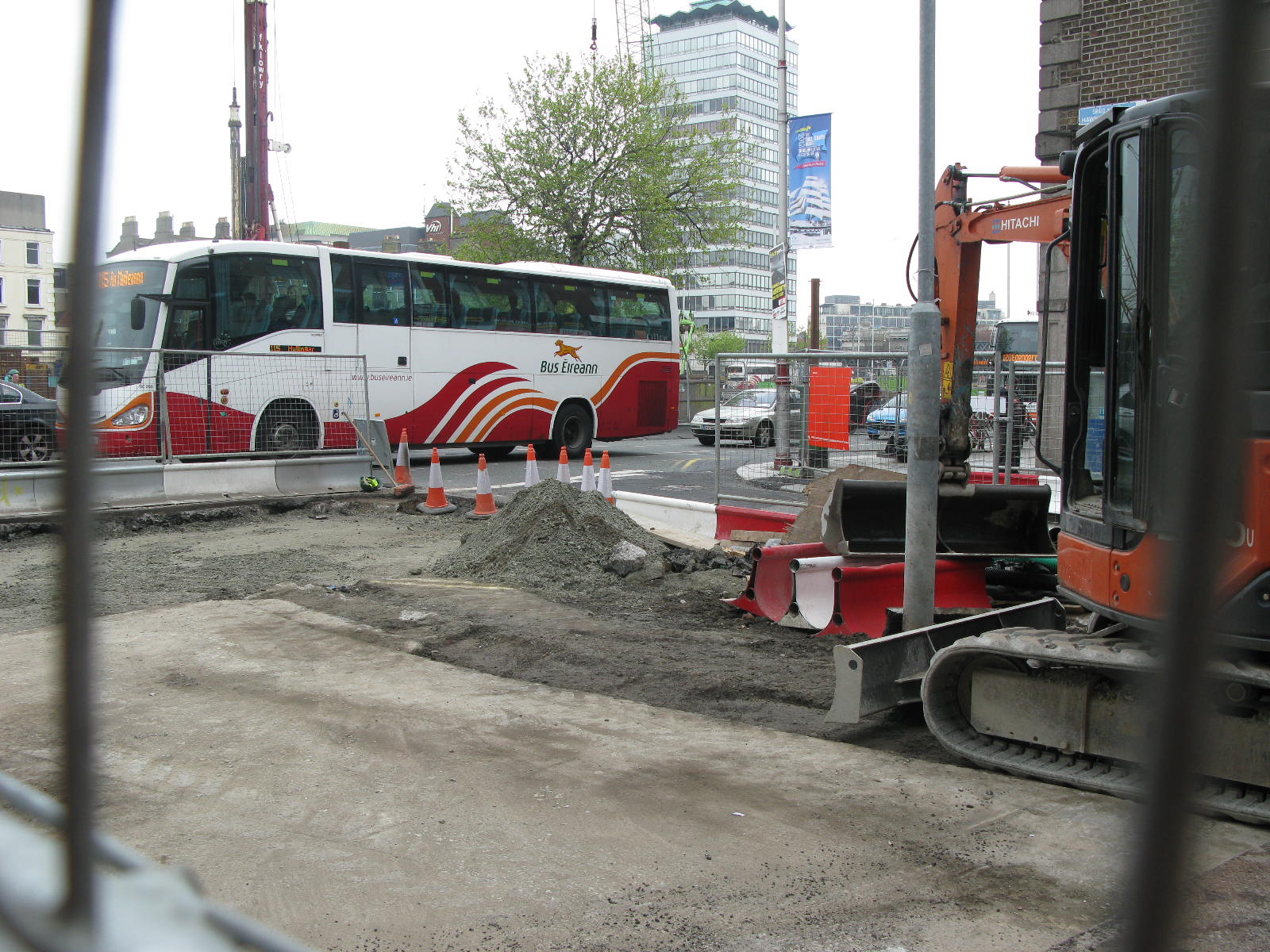
Walking down Hawkin’s Street today taking pictures for another project and had to double take when I got to the Junction with Burgh Quay- The Sheehan monument has vanished! No doubt removed to make way for what seems to be Dublin’s least required bridge connecting Marlborough Street and Hawkin’s Street, does anyone have any idea where they’re putting it?!

Above is the memorial as it was. It’s going to be redundant anywhere else, given that it is a memorial to Patrick Sheehan, a member of the DMP who entered an open sewer in 1905 to rescue a workman named John Flemming who was overcome by fumes. He succumbed himself and both men died. Listed as helping are Tom Rochford, Clerk Of Works and Kevin Fitzpatrick, a Hackney driver. Below is the scene today:

So… Does anyone know the memorial’s fate?

Read Full Post »

I collect old postcards of Dublin, in particular postcards of the monuments and statues of the city. It’s a cheap and cheerful hobby really, and I’ve accumulated a nice enough collection more for the love of it than anything. They go well with some posts on here, such as the ‘Statues of Dublin’ series, and they’re generally nice to look at. The city has changed in many ways of course and that is always evident. In some cases, they come with scrawled writing on the back and an indication of a former romance or the like.

Below are a few favourites from my own collection.

The O’Connell Statue.

The O’Connell Statue is surely one of the most iconic Dublin images. We featured it rather unusually on the site, by looking at the time it was bombed by Northern Irish loyalists.

Nelson’s Pillar

When Nelson’s Pillar was blown up in 1966,its head was stolen from storage by a group of students from the NCAD. It ended up in a London antique shop, under the ownership of Mr. Benny Gray. At one stage it had appeared on stage with The Dubliners at the Gate Theatre.

In September of 1966 Gray arrived in Dublin on O’Connell Street atop a lorry, with the much sought after head alongside him. He was also joined, for the hell of it, by The Dubliners folk band. The Dubliners launched into ‘Nelsons Return’, a rewritten version of their popular smash hit ‘Nelsons Farewell’, composed at the time of the explosion. He inquired to a bemused crowd through a megaphone if anyone among them was a trustee of the pillar who could accept the head, a Corporation official came forward. Mr.Gray said it was “lots of fun” having the head in his shop, but the Corporation failed to see the funny side. A spokesperson made it clear the head was not to do anymore travelling.

I recently heard Nelson jokingly referred to as Admiral Blownapart.

Gough Monument, Phoenix Park.

The unfortunate Gough monument has featured on Come Here To Me before. It was infamously bombed in 1957, leading to the emergence of a great poem, something we talk about in the post I’ve linked to:

There are strange things done from twelve to one
In the hollow at Phaynix Park,
There’s maidens mobbed and gentlemen robbed
In the bushes after dark;
But the strangest of all within human recall
Concerns the statue of Gough,
’Twas a terrible fact, and a most wicked act,
For his bollix they tried to blow off!

(more…)

Read Full Post »

Brendan Behan in Time Magazine (1959). Hulton Archive / Getty Images.

An absolutely hilarious court proceeding involving Brendan Behan that has to produced in full.

It reads like a carefully worded, polished courthouse comedy-drama.

The Irish Times, March 7 1959

Read Full Post »

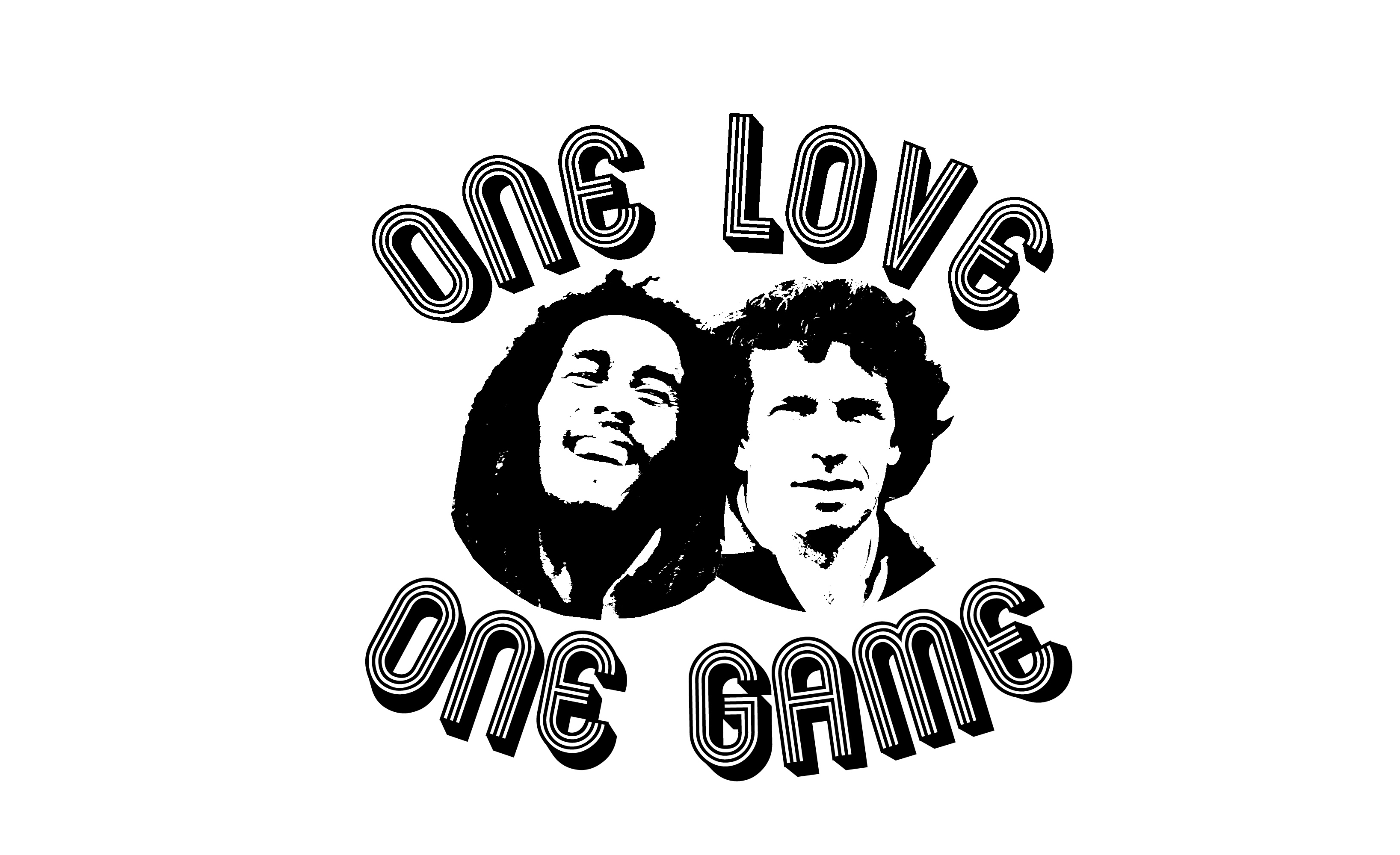
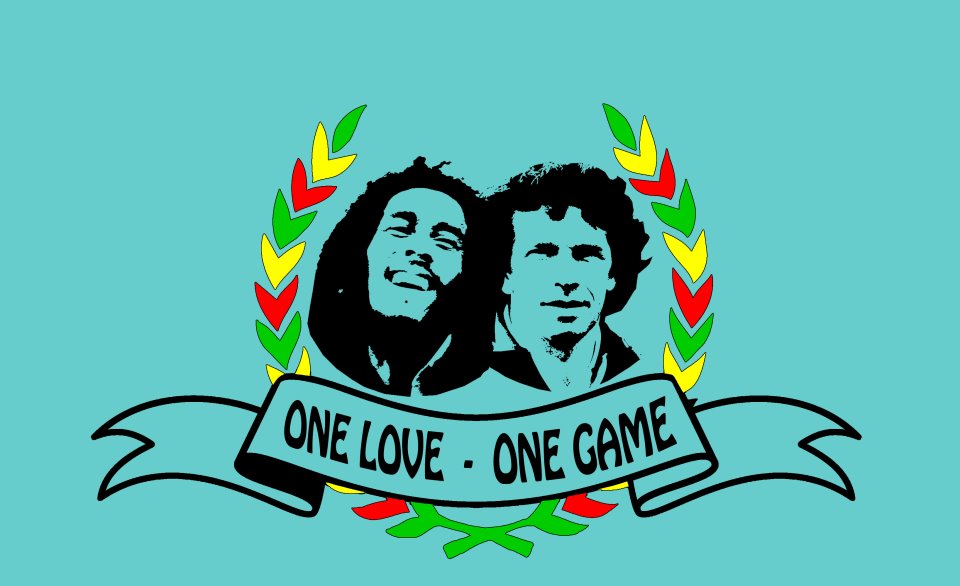
Our friend Kevin has designed some cool images in response to last week’s story about Johnny Giles and Bob Marley. A story that should be taken with a (large) pinch of salt! 🙂

Design – Kevin Squires

Design – Kevin Squires

Read Full Post »

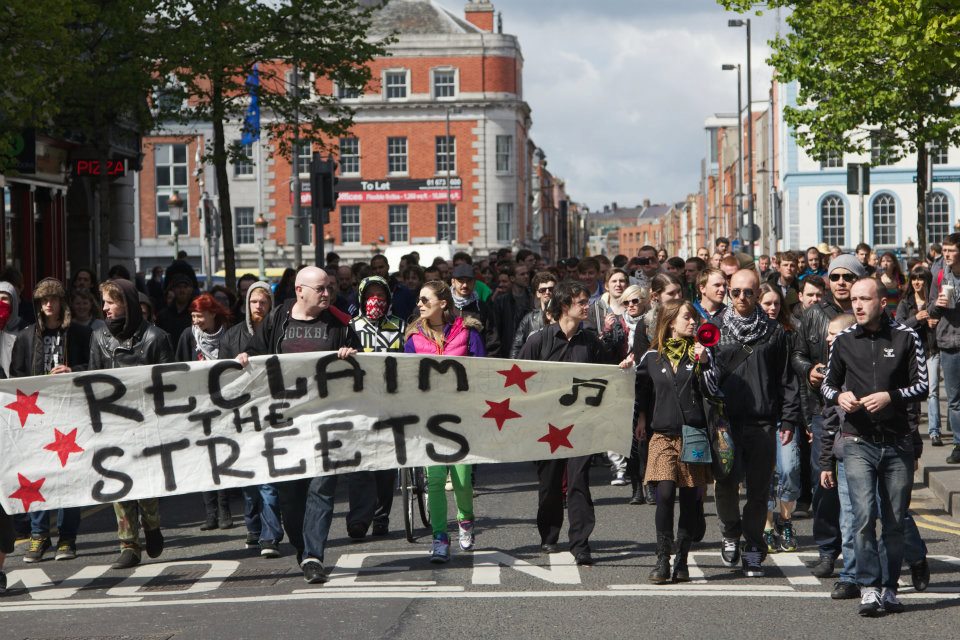
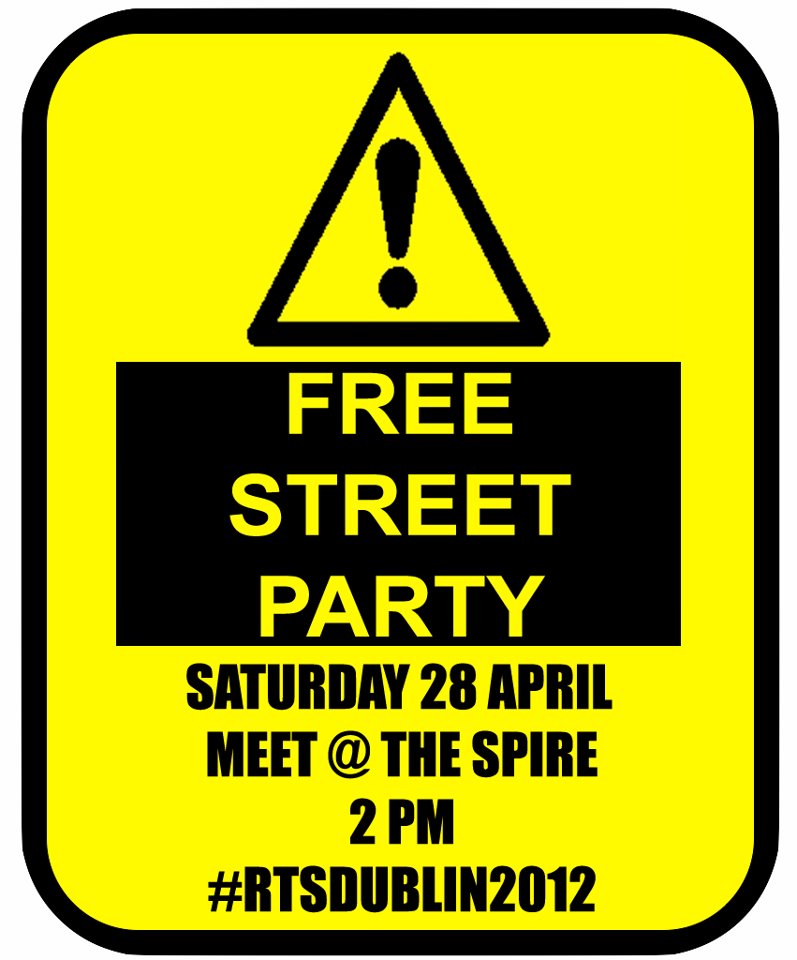
Up to five hundred people on Saturday took over, the once grassy mound, beside City Hall on Dame Street for a 3.5 hour street party.

The event was organised by Reclaim the Streets to mark the 10th anniversary of when police attacked partygoers at a similar event on Dame Street in 2002.

Here are some pictures and videos from the day:

Crowd making their way down Parliament Street. They had met originally at 2pm at the spire.

(c) Workers Solidarity Movement

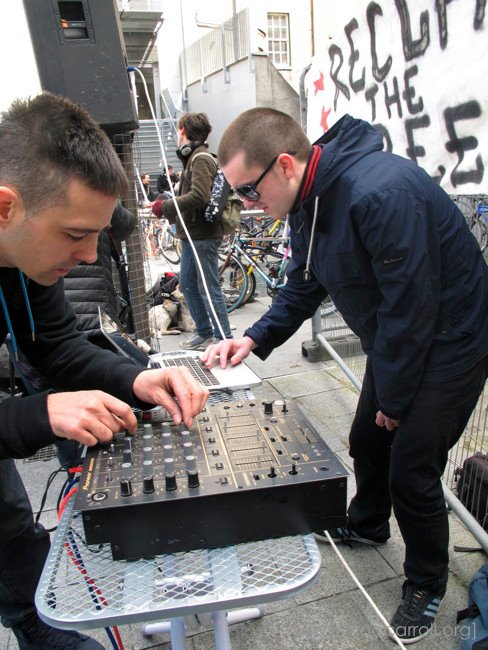
A number of DJs played throughout the day:

(c) Workers Solidarity Movement

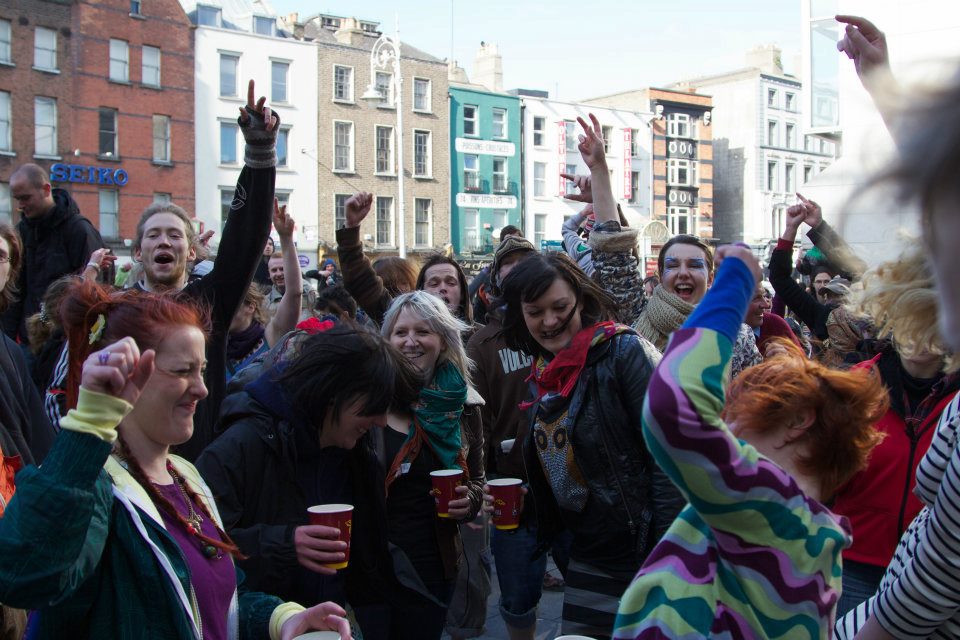
Section of the crowd:

(c) Workers Solidarity Movement

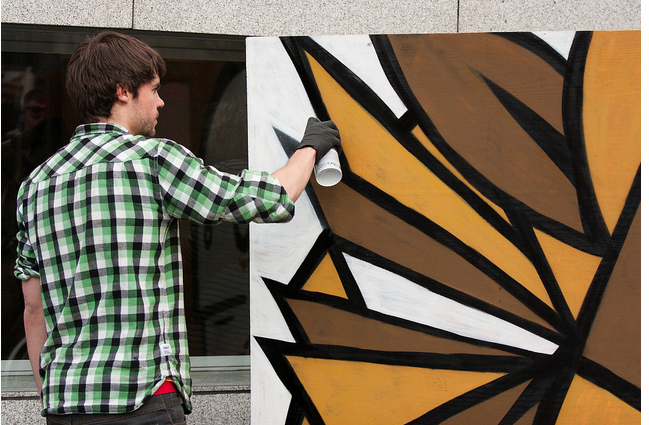
Boards were erected for people to graffiti:

(c) Paul C Reynolds

(more…)

Read Full Post »

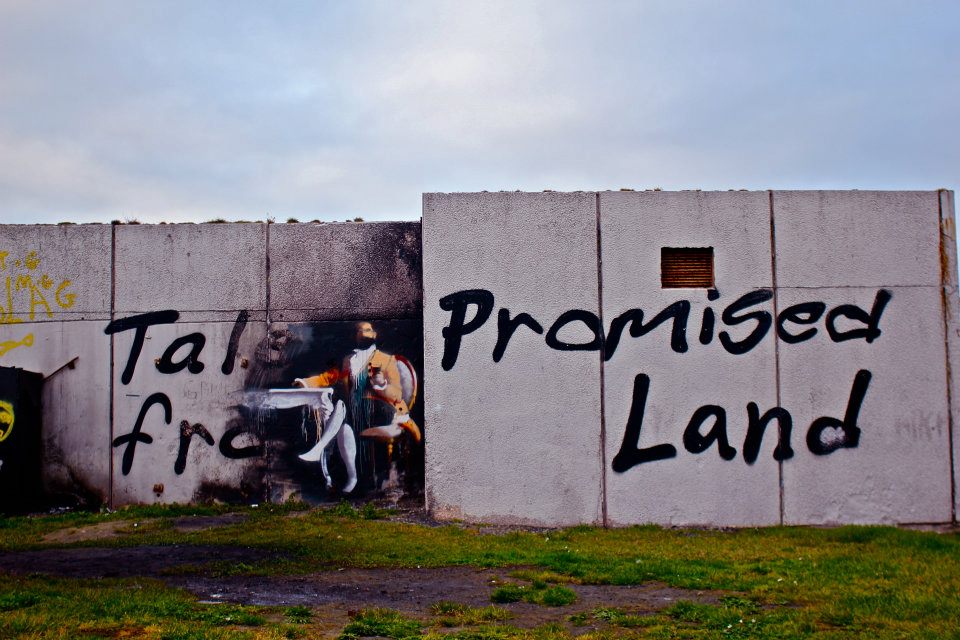
Via 'A Visual Feast'

(A Visual Feast Facebook)

It’s fantastic to see an artist like Conor Harrington, who has brought so much colour to the walls of the city centre, move out a bit and into new territory in the capital. This piece in Inchicore is fantastic, all the moreso due to being out on its own in ways.

‘Black Herds of the Rain’, a short film documenting some work Conor did in Summer 2011, is essential viewing if you haven’t seen it.

Read Full Post »

Giles & Marley: One Love

(Note: Not all of the below may be 100% accurate)

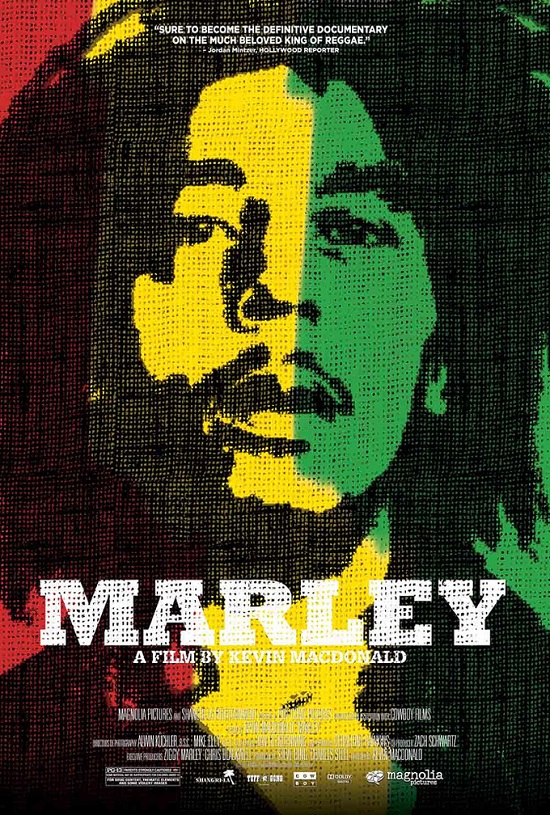
Marley, 2012.

With the recent much-anticipated release of the documentary Marley, I thought there would be no better time to look at a little known anecdote that links the legendary Jamaican reggae singer with one of Ireland’s most beloved football players.

It may come as a surprise to you, it certainly did to me, to learn that Johnny Giles and Bob Marley were close friends right from the time they first met in London in August 1972 to the time of Marley’s untimely death in May 1981.

While some may know Marley as a football fan, most may not know that Johnny Giles was (and remains) a huge lover of both reggae music and Jamacian culture. He is affectionately known as ‘Dub Rudie Giles’ amongst the Afro-Caribbean community of Harbourne, Birmingham where he lives today. He has been the chairpeson of the Irish-Jamacian Fraternal Society of Harborne for the last eight years.

Bizarrely, Giles’ love of reggae is all down to George Best.

While Best just missed playing with Giles at Manchester United (he joined the year Giles left for Leeds), the two Irishman started up a long-lasting friendship around this time. The two clubs faced each other in the championship in 1965 with Manchester United coming out top. Dejected after this and Leeds’ defeat to Liverpool in the FA Cup, Best invited Giles to accompany him on a trip home to Belfast to help him take his mind of things. No one could have forcast how life-changing this weekend away would be for Giles.

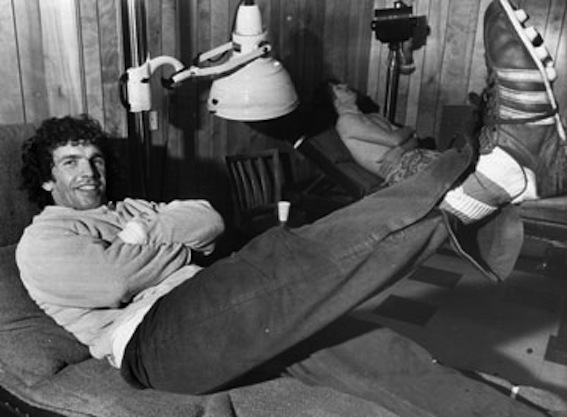
Johnny Giles (Pictured in 1976)

(more…)

Read Full Post »

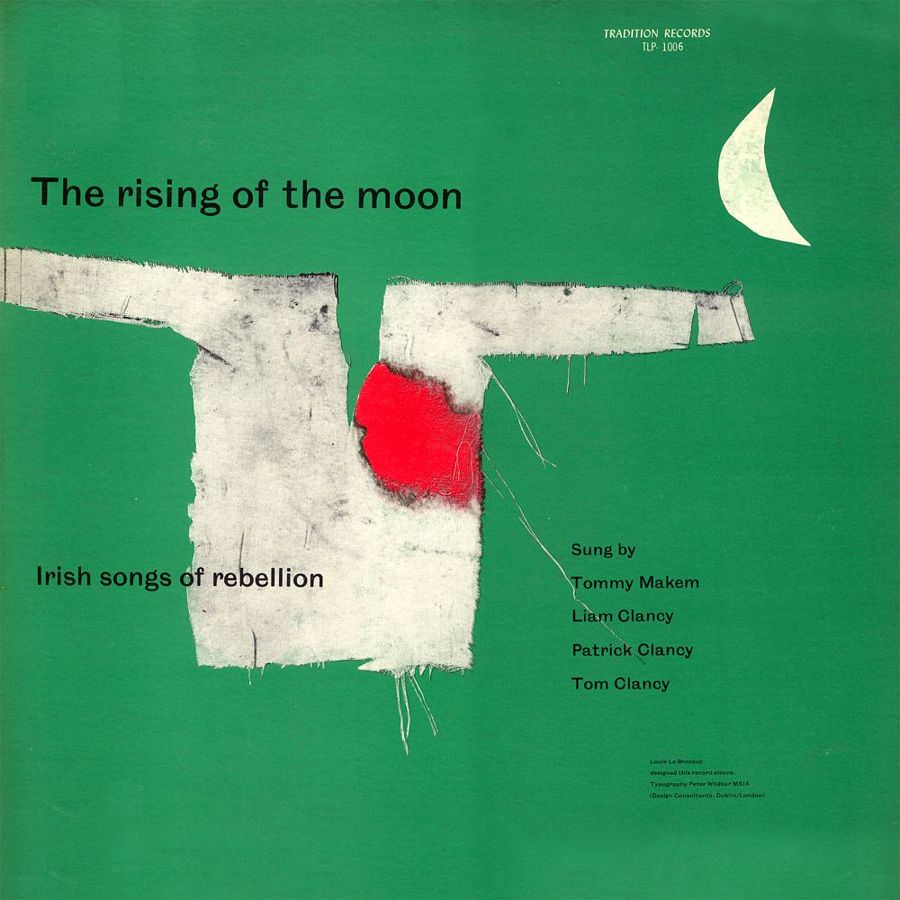
'The Rising Of The Moon' LP cover (Clancy Brothers) by Louis Le Brocquy.

Saddened to hear of the passing of the great Louis le Brocquy today. Born in Dublin in1916, LE Brocquy is undoubtedly best known for his portrait heads of figures like Beckett and Heaney. Louis le Brocquy became the first living artist to have a work acquired for the National Gallery of Ireland’s permanent collection, when they paid €2.75m for his painting ‘A Family’.

Undoubtedly, ‘A Family’ and his series of portraits will be discussed at length in the media in the days ahead, but I thought I’d share a more unusual le Brocquy piece with you, in the form of his fantastic cover for the Clancy Brothers ‘Rising of the Moon’ LP. The cover, to my eye, depicts the bloodied undershirt of James Connolly, executed on May 12th 1916. Today the shirt features in the ‘Soldiers and Chiefs’ exhibition at Collins Barracks.

A fantastic 2000 interview with le Brocquy is available to read at the RTE site.

Read Full Post »

The People’s Garden in the Phoenix Park is home to a magnificent statue of Sean Heuston, one of the sixteen men executed for their role in leading the 1916 uprising.

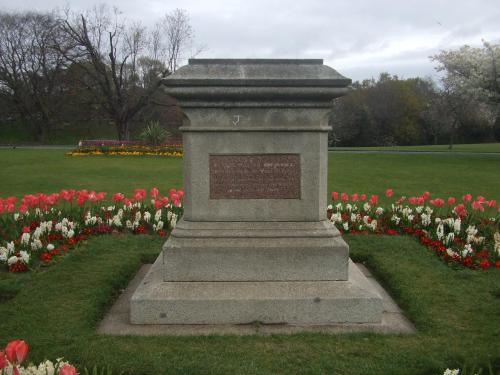
Only a short walk from Heuston, one comes to the the remnants of a memorial to the old order in the form of the plinth belonging to the statue of George William Frederick Howard, the 7th Earl of Carlisle. Born in Westminster in April 1802, Howard had served as Lord Lieutenant of Ireland on two separate occasions in the 1850s and 60s. It was one of several statues targeted by militant Irish republicans in the decades following independence, bombed in July of 1958. Lord Gough, who also stood in the Phoenix Park, was badly damaged by an explosion the following year.
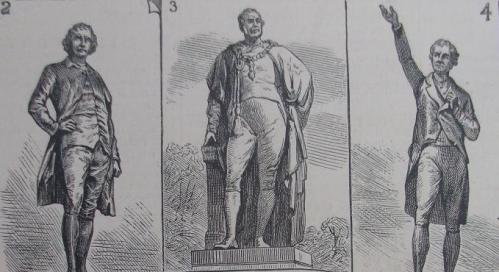
The statue (number 3) as shown in ‘The Graphic’, August 17th 1878 ( Fallon collection)

The statue was unveiled by Earl Spencer, the Lord Lieutenant of Ireland, on May 2nd 1870. Paid for by public subscription, newspaper reports give an account of a rather unusual ceremony. It was noted for example in The Irish Times that:

There was no formal ceremonial, and no display of oratory. It was rightly felt that to touch upon all the merits of Lord Carlisle would be impossible, and that it was better not to speak imperfectly of his character and deeds.

John Henry Foley was the sculptor. The location of the statue, inside the People’s Garden, was chosen as the Earl had contributed towards the People’s Garden as a place for “the recreation and instruction of the poor of Dublin.” The statue showed the Earl of Carlisle in the robes of the Grand Master of the Order of Saint Patrick, and The Irish Times noted that the statue, as a work of art, “is not unworthy of the known fame of the artist.”

The statue sat upon a granite pedestal, still with us today. Within this pedestal was a marble slab, which read:

George Wm. Frederick, seventh Earl of Carlisle, K.G
Chief Secretary for Ireland, 1835 to 1841;
Lord Lieutenant of Ireland, 1855-1858 and 1859 to 1864
Born 1802. Died 1864.

Image of Carlisle monument from the Lawrence Collection (NLI)

On July 28th 1958 an explosion would cause serious damage to Foley’s work. It was reported the following day that the statue was embedded two feet in the soil next to its pedestal, giving some idea of the power of the blast. The Irish Republican Publicity Bureau came forward immediately to distance itself from the explosion.
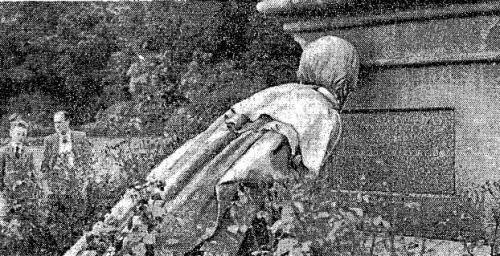
Pedestal intact, great damage was down to the statue of the Earl by the explosion (The Irish Times)

Within a month of the Carlisle statue being bombed, a monument in Stephen’s Green to the 13th Earl of Winton was also targeted by republicans. Unlike explosions prior to it against symbols of British rule in Ireland, the explosion in Stephen’s Green almost resulted in a loss of life, with a civilian and two Gardaí lucky to come away with their lives. The Irish Times noted after it that “the great Tsars were guilty of real tyranny; yet the peasants and the workers of the Soviet Union have allowed their monuments to stand in peace.”

Read Full Post »

Walking down Thomas Street, I couldn’t help but notice Foley’s Pharmacy’s have given over their windows to all sorts of interesting local history, including some great old newspaper reports on Bang Bang among other things. I don’t know if its only temporary or if they’ve always featured local history in their shop display window, but fair play and I certainly encourage it.

Read Full Post »

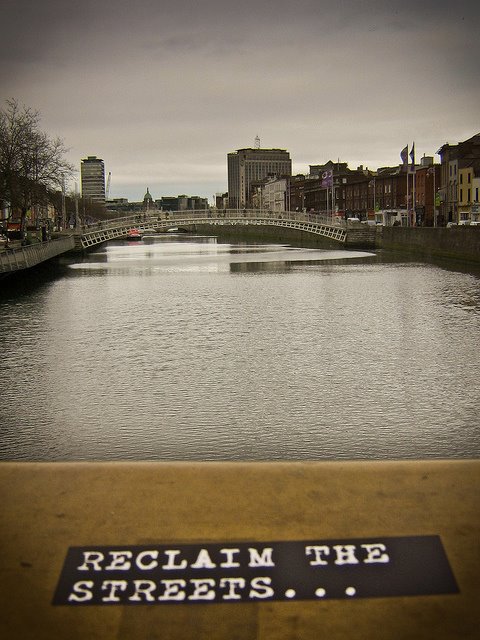
Reclaim the Streets sticker

Seventeen years since the first Reclaim the Streets in London, seven years since the last RTS in Dublin, and, most importantly, ten years since the RTS in our city that was attacked by police on Dame Street – Dublin is set to see one again.

Reclaim the Streets, which came about when the British anti-Motorway and anti-Criminal Justice Bill rave scenes hooked up together, is about reclaiming public space temporarily for a street party.

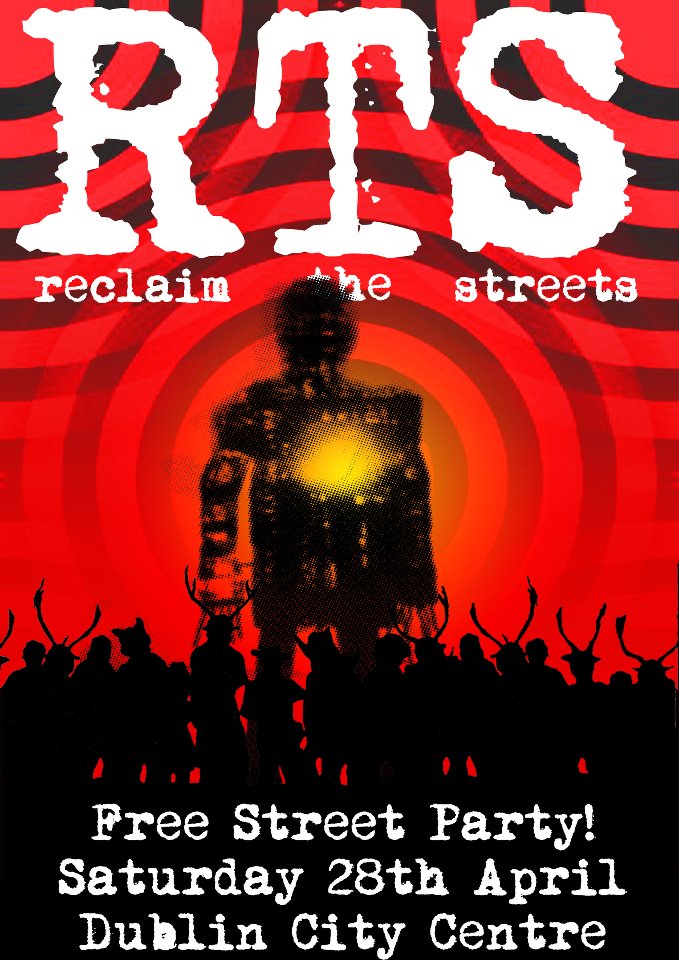
Reclaim the Streets poster (1)

I reckon I might wander down on Saturday for a look.

For more info check out the FB event or the FB page.

Reclaim the Streets poster (2)

Read Full Post »
A tasty little trailer from what will undoubtedly be one of the cultural highlights of the year once it’s released. ‘As An Talamh: Notes On Rave In Dublin’ is an ambitious project focusing on both Dublin’s rich rave history and today’s scene, talking to the promoters, bedroom producers, DJs, DIY record labels and radio shows who keep the flame alive.

Keep up to date on Tumblr and Facebook.

We’ve previously touched on Dublin’s rave history here while also taking a more contemporary look at the underground scene.

Read Full Post »

« Newer Posts - Older Posts »