Feeds:
Posts
Comments

Archive for the ‘Social History’ Category

Image taken from the British Pathé site.

I’ve recently been introduced to a great site that I’m sure will be of interest to some CHTM followers. British Pathé have archived over 3,500 hours of footage filmed from 1910 onwards on their site;  The historian in me loves the old newsreels, the football fan in me goes directly for the likes of this video, a rare clip from 1936 of a team representing Nazi Germany playing, and losing, 5-2, to an Irish team at my beloved Dalymount Park, true home of Irish football…

Another highlight is this clip of “Glasgow Celtic Vs. The Irish Free State” filmed in 1924, again in Dalymount Park. Notice the fans on the roof of the stand; If only people were as eager to get into League of Ireland grounds these days…

The freeview videos aren’t of any great length, they generally weigh in close to two minutes long but some of the scenes are just fantastic.

Read Full Post »

A ghost sign is a term for old hand painted advertising or signage that has been preserved on a building for an extended period of time, whether by actively keeping it or choosing not to destroy it.

Here are a few of my favourites from a recent Boards.ie thread.

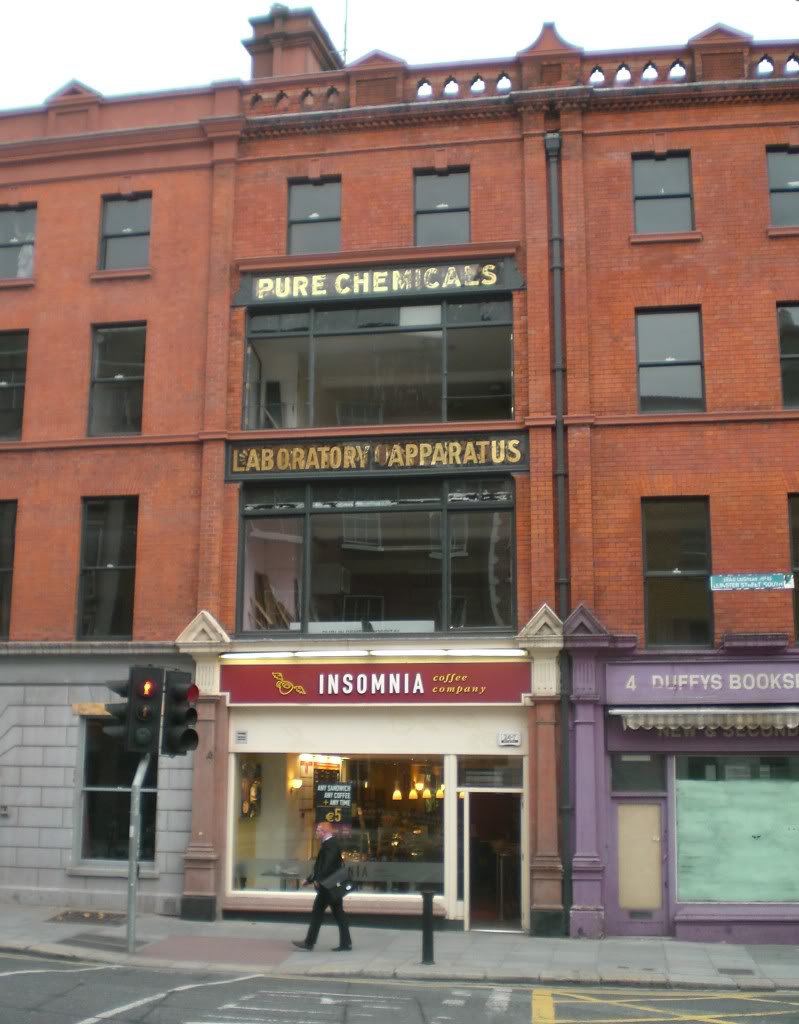
The old Lennox Chemicals HQ on Leinster Street South.

“Lennox Chemicals was founded in 1923. The company came to bear the name of Robert Lennox who served as Managing Director from 1923 until this death in 1936. Originally located at Great Strand Street, Lennox moved to South Leinster Street in 1937 and on to John F. Kennedy Estate just off the Naas Road in 1983”

Photo Credit - 'Wishbone Ash'

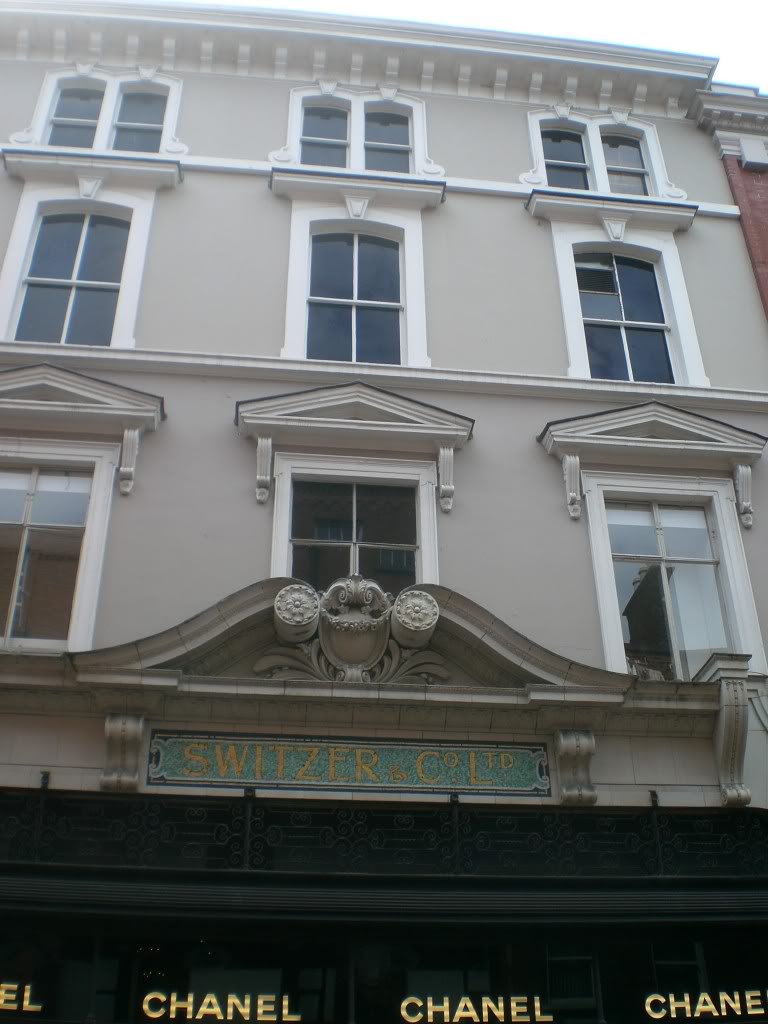
An old sign for Switzers Department Store (1834 – 1993) above the Brown Thomas Wicklow Street entrance.

Photo Credit - "Wishbone Ash"

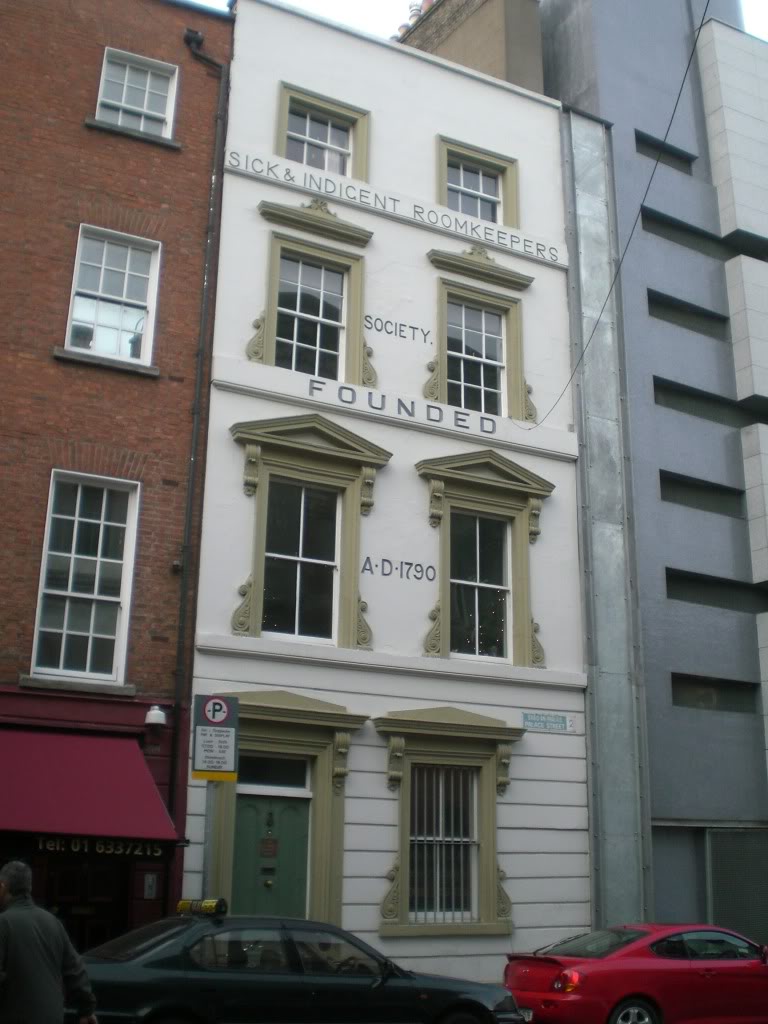
The old Sick and Indigent Roomkeepers Society building on Palace Street, around the corner from Dublin Castle. Apparently it is Dublin’s shortest street with only two addresses.

Photo Credit - "Wishbone Ash"

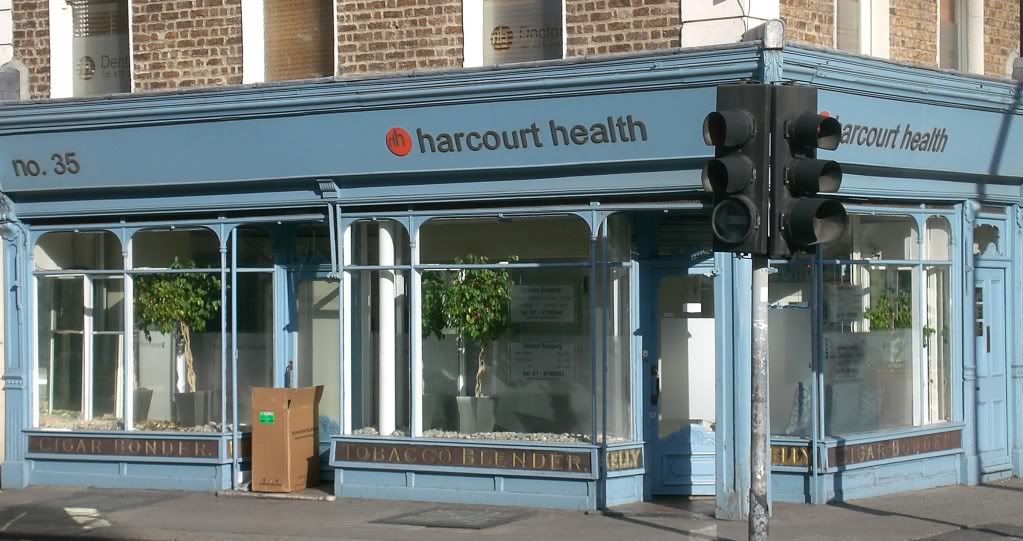
Along the bottom of this building on the corner of Upper Camden Street and Harrington Street you can see the old sign for Kelly’s Cigar Bounder – Tobacco Blender. Though the shop has well since closed, the area is still commonly known as Kelly’s Corner. The building was raided and destroyed (using hand grenades) by Captain J.C. Bowen-Colthurst of the British Army during the Easter Rising in 1916.

Photo Credit - "Wishbone Ash"

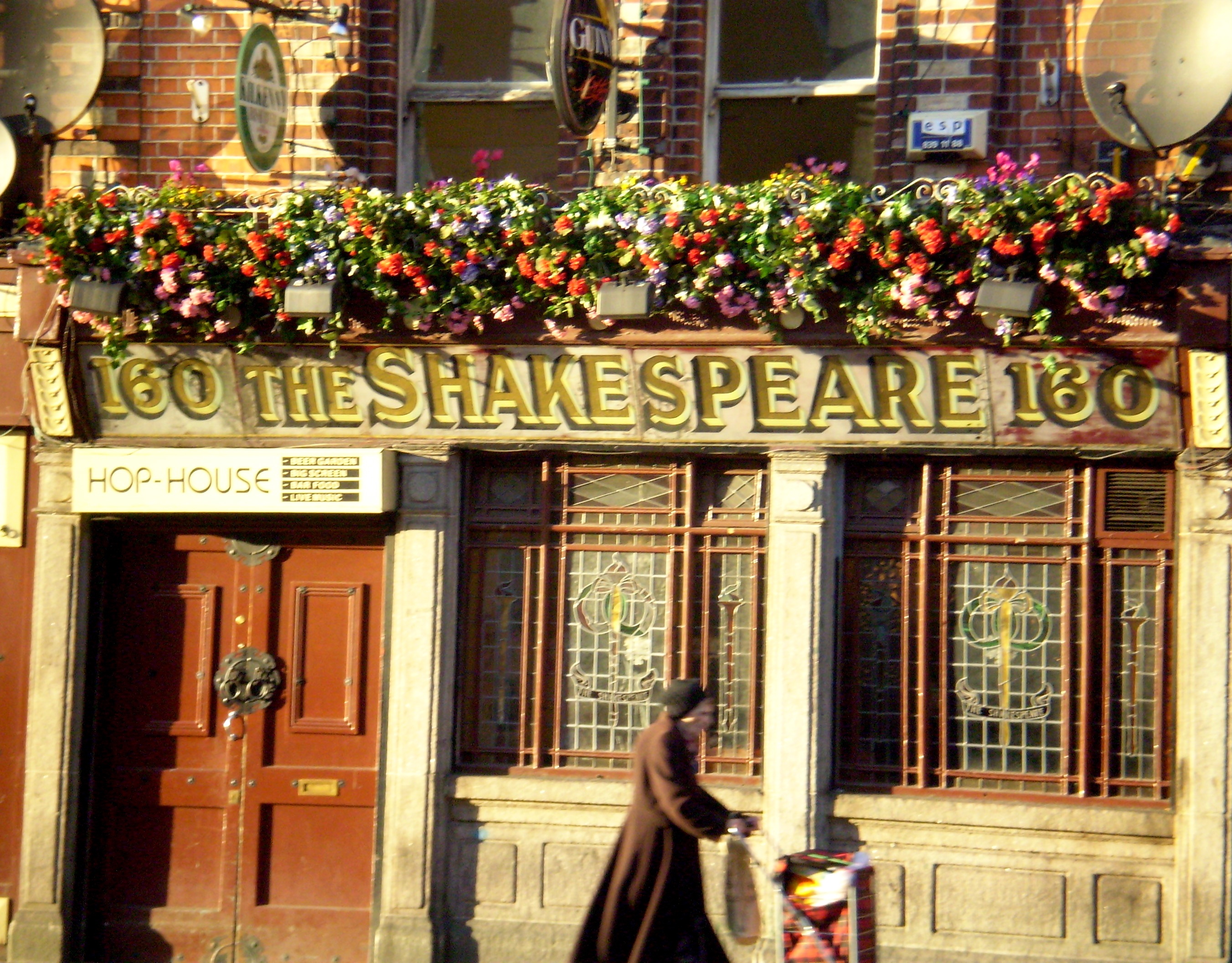
The old sign for The Shakespeare above the Korean restaurant and pub The Hop House where the CHTM team frequent most weekends. My dad used to drink here when he went to Colaiste Mhuire in Parnell Square around the corner.

Photo Credit - "Jay Carax"

Read Full Post »

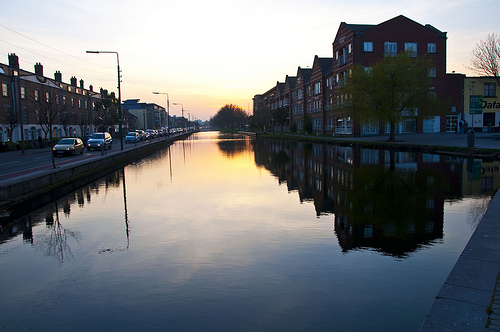
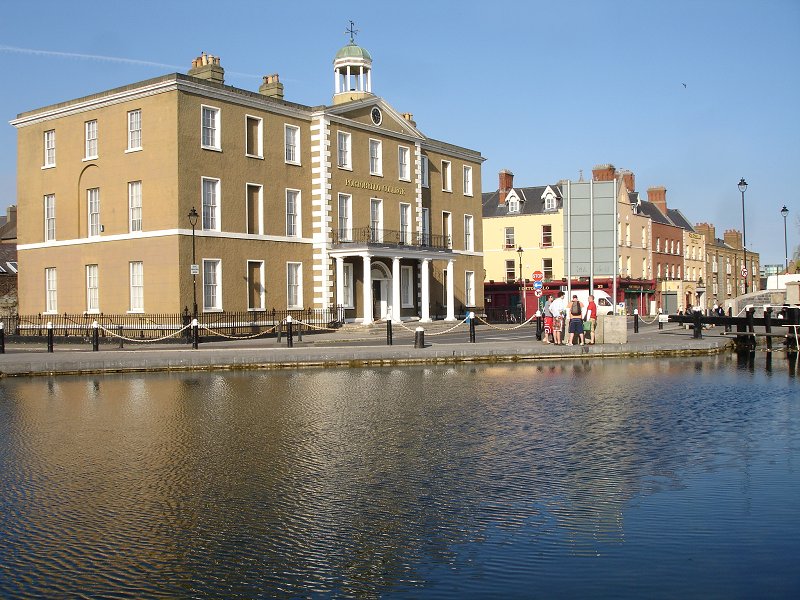
Walking down the Grand Canal from Portobello Bridge (La Touche Bridge) to Leeson Street Bridge on Thursday got me thinking about an amusing prank from October 1968 that I heard some years ago. Here’s the original Irish Times article published in full.

AN ‘ICEBERG’ FLOATED DOWN THE CANAL
The Irish Times. October 4 1968.

Unknown pranksters turned over a mile of the Grand Canal in Dublin into a bubble bath yesterday. The sequence of events was described Dragnet style by Jimmy Parsons, lock keeper of Lock Cottage, Portobello Bridge. “At 2:30am, a night nurse in Portobello nursing home looked out the window and saw white foam rising 30 feet out of the lock and overflowing on to the bridge and roadways. At 5am the police arrived. All they could do was watch. At 7:30am the fire brigade came. They said it looked lovely but that they couldn’t help”.

By then, Dubliners were on their way to work. The wall of foam hampered traffic at the bridges at Porotobello, Charlemont street and Leeson Street. Hundreds of curious people jammed the canal-side.
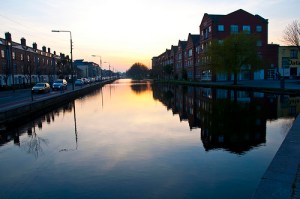
Portobello Today. Flickr user Miroslav Čuljat.

“It’s really like a fairyland” a schoolbound youngster breathed. “I’m going to be late for work” said a typist who had jumped off her bus “But it’s worth it – I’ll never see a sight like this again”.

Hours later some of the original watchers were still there, still spellbound, gazing at the foam writhing upwards in a Disneyland ballet.

The high wind scooped great gobbets of froth from the lock gates and flung them into the sky. Other pieces, too big to fly, rolled over the roadway like huge snowballs. “Lookit – it’s snowing” two messenger boys bellowed in chorus, beside themselves with excitement.
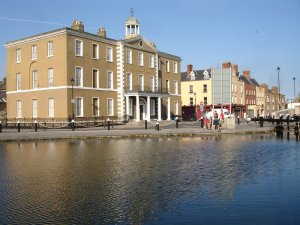
Portobello Bridge today

“All we want now is Brigit Bardot in that bubble bath”, observed a man with a ballroom sheikh hair-do.

Jimmy Parsons arrived, with a weed-rake on the end of a 10-foot pole. Poling about on the bottom of Portobello lock, he said over his shoulder, “This must have been caused by jokers dumping detergent or soap – powder into the locks. The way the foam keeps coming up, the stuff is still down there. It’s an expensive joke. They must have thrown hundredweights of it to whip up this froth”

Giving up on the search, he sat on a lock-gate and said “You should have seen it at dawn. Like icebergs it was. Icebergs floating down the Grand Canal”.

Angrily aloof on the canal – bank nearby, two swans looked on. After a while, they took like seaplanes in search of pure water. But the foam stayed and so did the crowds…

Read Full Post »

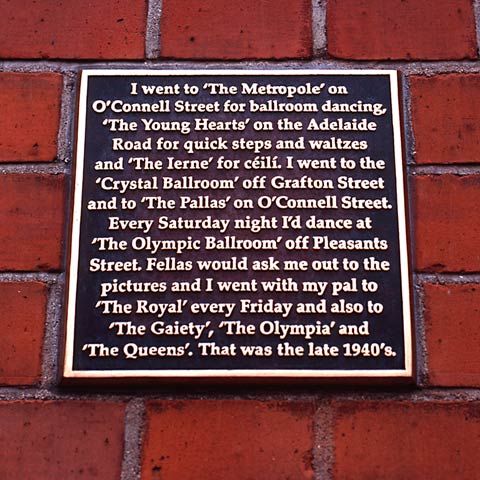
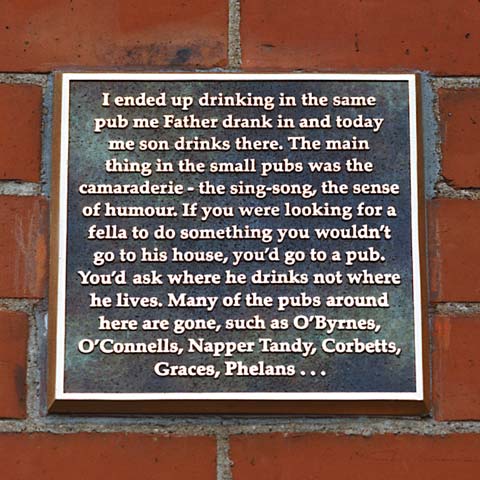
Myself and dfallon spotted a number of these plaques around the Dublin 8 and Liberties area last weekend. Here’s the story behind them…

Artist Chris Reid set out to create a micro history about Nicholas Street, Ross Road, Bride Street and Bride Road. This history would be centered on audio recordings of conversations Chris had with residents and people associated with the area. This research took place between 2004 and 2008. These oral narratives formed the basis of a subjective local history and heritage that would be placed back into the area. This subjective local history would be for local, resident, and tourist alike.

This history would privilege the human reality of a given situation rather than any factual account.  The oral narratives recorded on minidisks were turned into a series of 220 short texts and a series of 100 longer anecdotes and stories. Each contributor participated alongside chris in the selection of a final 20 short texts for use on the plaques. These were typeset and individually cast on bronze in the form of commemorative plaques and installed on the walls of the aforementioned streets between 7 and 8 foot from the ground.

To view all the plaques and a map showing where they are, log onto http://www.chrisreidartist.com/projects.html. Let’s hope we see more of this in Dublin in the near future.

Read Full Post »

« Newer Posts