Feeds:
Posts
Comments

Archive for the ‘Social History’ Category

“The delights a stroll around Dublin can bring you. I’ve always carried my camera around with me, but have only recently started to take it out and not give a shite that I look like a tourist.”

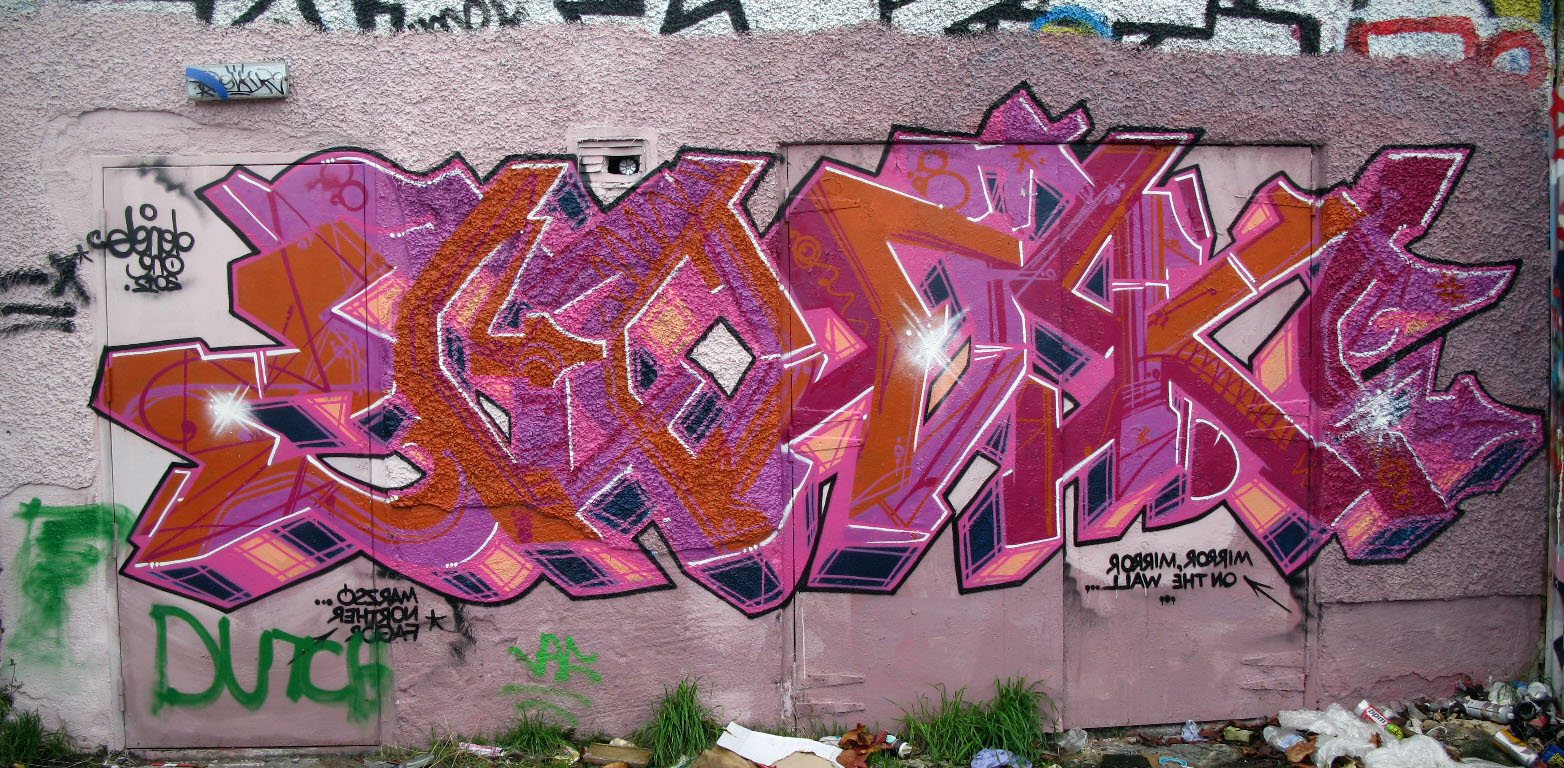
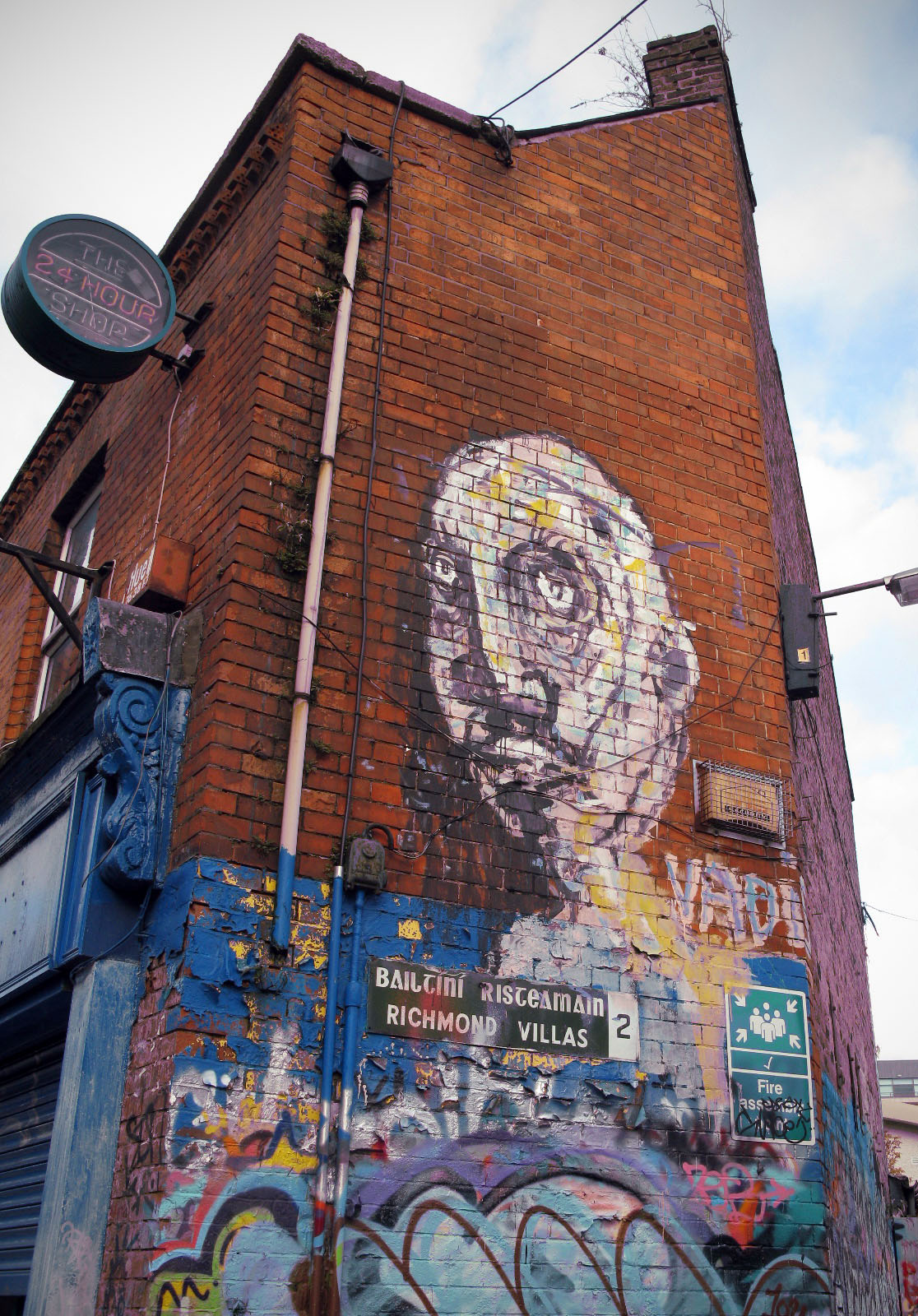
If you like graffiti, and well, taking pictures of graffiti like us, there are some hidden gems around Dublin. The Tivoli Carpark is one that we generally return to, as the annual Jam there always provides… Below is another, the lane behind the Bernard Shaw, Richmond Street. I’ve only put up nine snaps, I could have taken a hell of a lot more but this post would have been very long if I did… I’ll have another photo piece in a couple of days from another spot just around the corner that’s worth checking out. Click “continue reading” to see the full post…

(more…)

Read Full Post »

Whereas today, the words Donnybrook Fair elicit visions of Ross O’Carroll Kelly characters buying tiger prawns, Perrier and “gourmet goods” in a store whose business surely boomed during the Celtic Tiger years, look up the word Donnybrook in the dictionary and you’ll see something like this:

don·ny·brook [don-ee-brook] noun (often initial capital letter) an inordinately wild fight or contentious dispute; brawl; free-for-all.

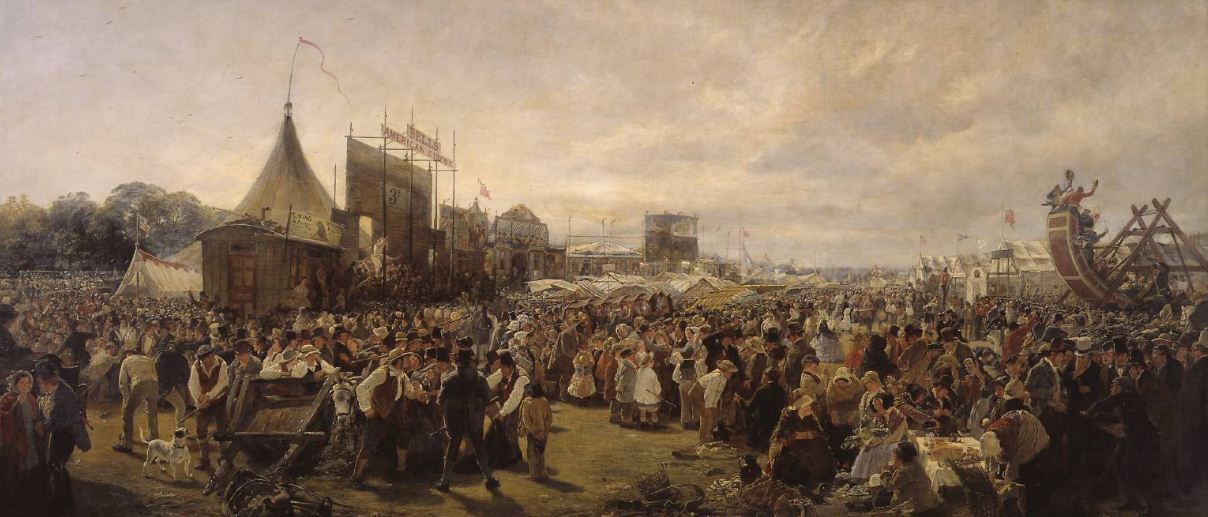
For the original Donnybrook Fair was not the food store that services D4 residents, but a Fair established by the Royal Charter of 1204 “to compensate Dubliners for the expense of building walls and defences around the city.” It  lasted fifteen days from the latter end of August until mid-September, was held annually for over six hundred years, and by the mid 19th Century would become the most important fair on the island.
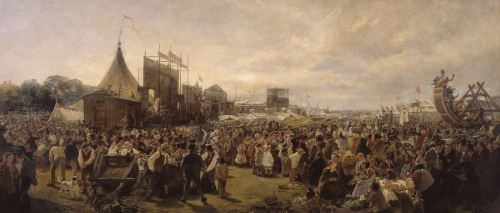
Erkine Nichol, “Donnybrook Fair,” 1859

Originally billed as a horse fair, the run up to the event would see traders of everything from exotic fruits to horse manure set up their stalls on Donnybrook Green. Calling it a horse fair was slightly misleading, as horses were rarely on show, and those that were, were said to be fit for little but the glue factory. As sparse as the display of horses was, the actual buying and selling of wares was a cover for what was, in essence, a fortnight long drinking session.

By the time it was dissolved by Dublin Corporation in 1855, it had become a cacophonous event famed for music, heavy drinking, cock-fighting and shillelagh swinging. Walter Bagehot in his book The English Constitution of 1867, references the Fair by saying “The only principle recognised … was akin to that recommended to the traditionary Irishman on his visit to Donnybrook Fair, ‘Wherever you see a head, hit it’.” Another quote that gives some idea of the pandemonium appeared in the Freeman’s Journal on 31st August, 1778:

“How irksome it was to friends of the industry and well-being of Society to hear that upwards of 50,000 persons visited the fair on the previous Sunday, and returned to the city like intoxicated savages.”

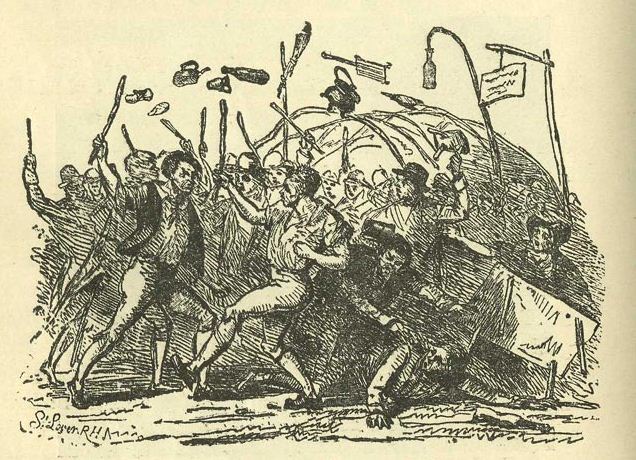
Traffic to and from the Fair was said to have caused a continuous dust cloud the whole way from town for the two weeks of its duration. Alongside references to open displays of drunkenness, promiscuity (Charles William Grant wrote that “Dancing and flirting took place all round, and love making took place publicly”) and a general lack of respect for authority, historically, Donnybrook Fair is largely remembered for its’ fights and its contribution to the English language dictates this. The daily madness often subsided to nightly slumber, and when stallholders shut up shop at around midnight, participants, too drunk to make their way home would simply sleep on site and the party would just continue where it left off the next morning. A favourite past-time of younger Fair go-ers was to buy cheap treacle tarts known as “treacle tillies” and walk around sticking them to the backs of unsuspecting revelers.
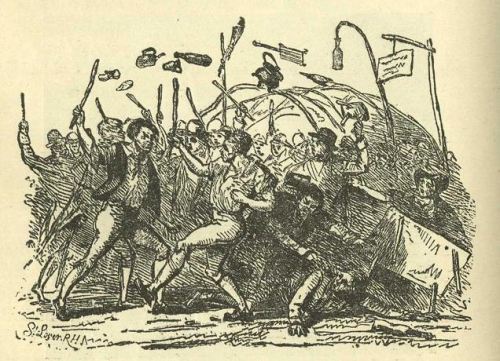
A ‘Fair Fight.’ Samuel Lover, from “The Neighbourhood of Dublin,” by John Joyce.

By the second half of the 19th Century, the establishment had enough of the annual bout of debauchery in Dublin’s suburbs, and a committee, imaginatively called “The Committee for the Abolition of Donnybrook Fair” was established with the aim of raising the £3, 000 required to purchase the license for the fair from it’s holder. One of the members of the committee was the then Lord Mayor of Dublin, Joseph Boyce. The rest, as they say, is history.

—–

Further Reading:

http://www.grantonline.com/grant-family-individuals/grant-charles-1881/CW-Grant.htm

Blacker, Henry Beaver: Brief Sketches Of The Parishes Of Booterstown And Donnybrook. Dublin, 1860

Sweeney, Clair L.: The Rivers  of Dublin. Dublin, 1991.

Read Full Post »
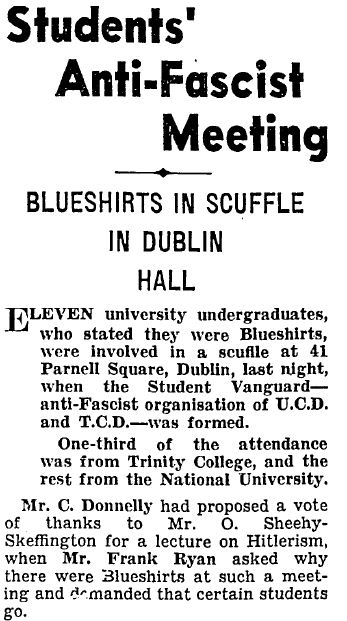
Given that this week has seen the unveiling of a mural and the erection of a plaque in memory of the Irish anti-fascists that went to fight in the Spanish Civil War 1936-39, it was great to come across the clipping below when doing research for a completely different article. Reading like a veritable who’s who of revolutionary politics, Charlie Donnelly, Frank Ryan, and the sons of Thomas McDonagh and Francis and Hannah Sheehy Skeffington all appear in an article dated May 12th 1934.

The article focuses on the foundation of a society called Student Vanguard at a meeting in a room in 41 Parnell Square. The society, a joint effort between UCD and Trinity students, unveiled its manifesto at the meeting, stating:

The Student Vanguard sees in Fascism in Ireland the bludgeon of the reactionary elements against the struggle for the national and social liberation of the Irish people.

The meeting did not go entirely to plan though, and eleven Blueshirts made their presence known at the back of the room causing a scuffle to break out and the meeting to be interrupted. Bizarrely enough, it looks very much like the Blueshirts were present, somewhat under the blessing of Charlie Donnelly, who would later fight and die in Spain, on the Republican side. A Mr. K. Patton from UCD, who declared himself a Blueshirt stated at one stage “We promised Mr. Donnelly we wouldn’t cause any trouble here tonight.”

From the Irish Press, Saturday, May 12, 1934

Frank Ryan later apologized in the meeting stating that if it was the case that the Blueshirts present were indeed there under invite, then he retracted his demand for them to leave. At the meeting, it was also stated that “Fascism (means) political, economic and cultural repression; distortion and restriction of education; the crushing of all progressive movements; perpetuation by force of ‘the present economic anarchy,’ unemployment and distress.”

Despite what seemed to pass off as a rift between two groups of students, settled by a polite handshake and an apology, a couple of years later, men from both sides would be making their way to Spain to fight on either side of the Civil War. The Blueshirts left with a fanfare, and came back without a loss in combat and with their tails between their legs. Some on the Republican side, like Michael O’Riordan and Bob Doyle would come back alive, others, like Charlie Donnelly would not.

Read Full Post »

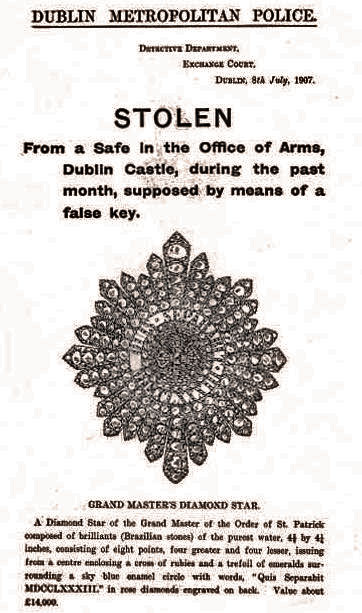
The theft of the Irish Crown Jewels is a mystery that goes back over a century, and remains unsolved. The Jewels were not the equivalent of the English Crown Jewels, rather the insignia of the Order of St. Patrick, the British Order of Chivalry associated with Ireland and disappeared in June 1907.

Supposed to have been assembled from diamonds belonging to Queen Charlotte, they were presented to the Order by King William IV in 1831.The Order itself technically still exists, although there has not been a granting of Knighthood since 1936. The Queen remains the Sovereign of the Order, and the Ulster King of Arms, the position of the person entrusted with the safe keeping of the regalia, still exists today.

Taken from the National Archives, NAI CSORP/1913/18119

The Jewels, valued at $250, 000 in the clipping from the New York Times below, were stolen from a safe located in the Office of the Ulster King of Arms, in the shadow of the then Detective Headquarters in Dublin Castle. The theft occurred in 1907; they were last seen in the safe in which they were stored on June 11th of that year, with the theft not discovered until the third of July, three weeks later. King Edward VII and Queen Alexandra were due to arrive in Dublin for the International Exhibition and plans were afoot to knight Lord Castletown during their visit. The process would have required the regalia of the Order and was postponed as a result. Although the King is said to have been angered by the theft, the visit went ahead.

(more…)

Read Full Post »

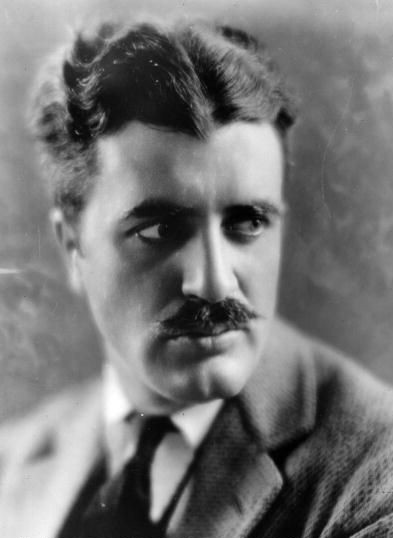
Long before Colin Farrell, Colm Meaney and Jonathan Reese Myers, Dublin had irrevocable links to Hollywood, right back to its formative years. Its pretty much common knowledge now that the roaring lion in the clip at the start of MGM films, Cairbre, was born and reared in Dublin zoo. Less well known is the fact that the man responsible for his presence, Cedric Gibbons, was a Dubliner.

Cedric Gibbons

Disputed the fact may be, as little is known of his early life, but most reports say Gibbons was born in Dublin on March 23, 1893 into a wealthy family, with an architect father and a housewife mother. Conflicting reports say that he was born in Boston, but nonetheless, both sides of the story state that his parents were Dubliners. Gibbons was an architect and artist before joining the Edison Studios in 1915 as an art director. By 1918, he had moved on to working for producer, Sam Goldwyn, the “G” in “MGM” motion-picture studio, which formed in 1924.

His talent saw him work on approximately 150 films throughout his career, but arguably the most interesting thing about him is that he is credited with designing the first “Oscar” statuette in 1928. one of the original 36 founding members of The Academy of Motion Picture, Arts and Sciences, the model for the the original statuette was his future wife, actress Dolores Del Rio. He went on to win eleven Oscars himself, notably for his work on “Pride and Prejudice” (1940), “Little Women” (1949), and “An American in Paris” (1951.) In total throughout his career, he was nominated for thirty nine of the awards.

I’ve searched the 1901 and 1911 census’ for an architect Gibbon’s in Dublin but couldn’t find any reference. An elusive character he may be, the presence of Cairbre in the MGM logo gives at least some credence to the story that one of Tinseltown’s most decorated art directors was a jackeen.


Read Full Post »
We’ve a long running series on Come Here To Me looking at the statues of Dublin, ranging from the controversial (Sean Russell comes to mind) to the removed (Victoria for example), and even looking at unusual moments like the bombing of the Daniel O’Connell statue by loyalists in 1969.

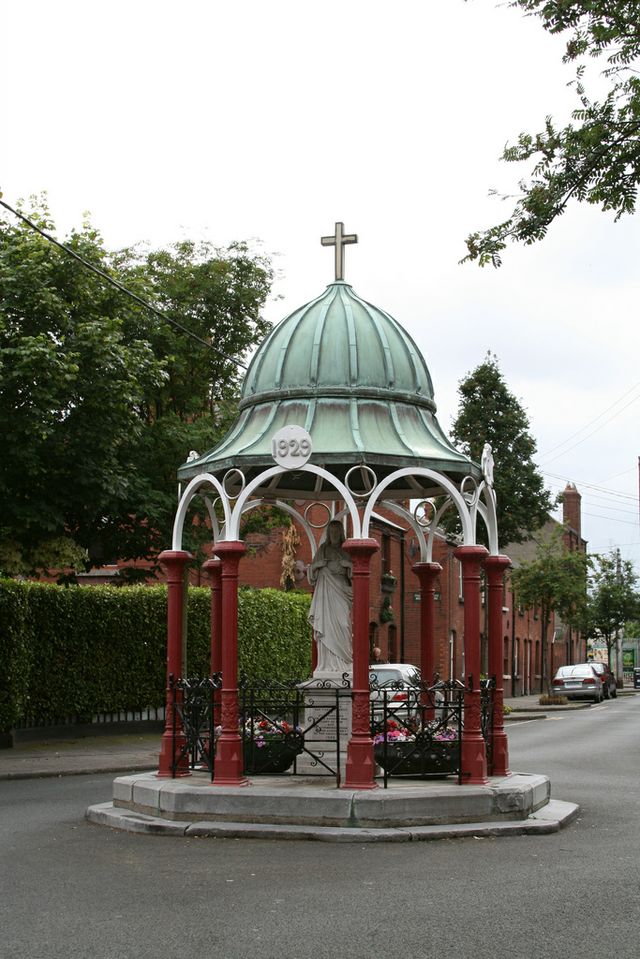
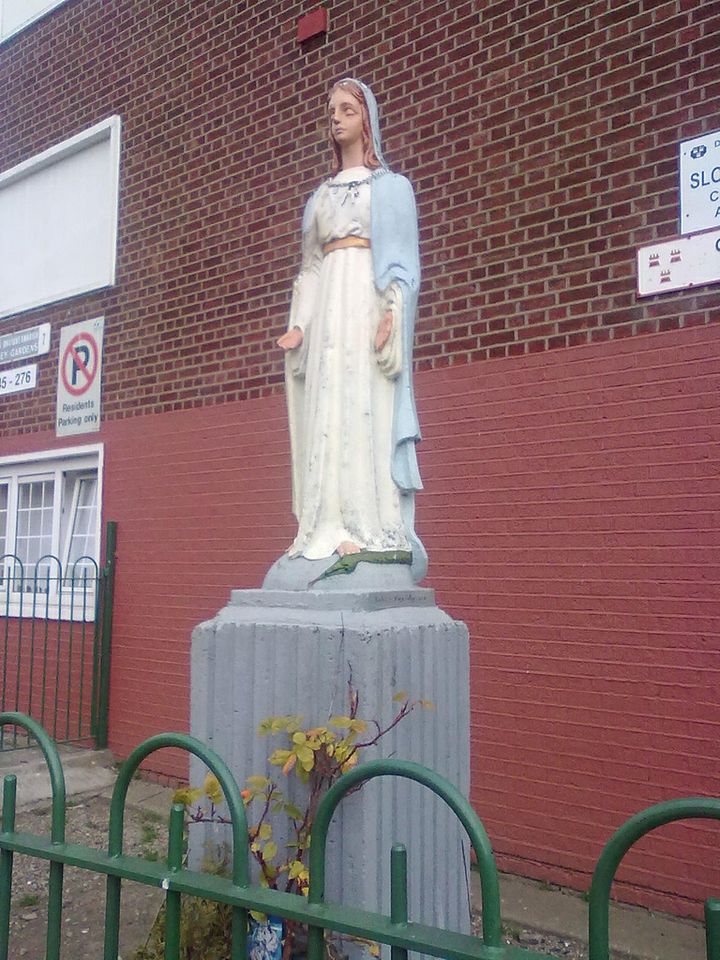
One fascinating series of statues in Dublin we didn’t get around to however are the Marian statues that dot the city. All over Dublin, and especially working class pockets of the city and suburbs, statues to the Virgin Mary are to be found. Eoin O’Mahony in NUI Maynooth has been working on a thesis on the subject of Dublin’s Marian statues and it seemed right up our street for an interview. As Eoin states in the interview, “their significance comes from the fact that they are neither within churches or within people’s homes but on nominally public land.” It’s an interesting read, looking at what these statues mean today and if their place in the minds of Dubliners has been altered given the reports of child abuse in the church in recent years. If you’re like me, you’ll find that after reading this you’ll begin noticing these statues left, right and centre!

Reginald St. (Eoin O’Mahony)


Eoin, what brought you to study Dublin’s Marian statues in the first place?

At the moment, I am researching public and private Catholicism in Ireland because I’m trying to understand what we mean by secularisation. A lot of formal social science research tends to put secularisation on the basis of a decline in religious influence. I think my own research tends towards placing religion in some spaces and not in others. That these spaces have meaning for fewer people is a lot more complex than saying religion is simply disappearing. And so I am looking at the maintenance and public discussion about these statues, about 28 of them across the city. Part of this is trying to understand why they are placed on green space near housing. Another part is trying to make sense about why they survive as places of significance for some. An entry question for me is, if Ireland is or has become more secular, why has no one taken a lump hammer to these stautes?

Marian statue in O Devaney Gardens. (Eoin O’Mahony)

You said that you’re looking at 28 Marian statues in Dublin. I’ve seen some of them but are there really that many?

There are more than 28 for sure and they’re not all statues of Mary. A handful of them are Sacred Heart statues but that’s another story. I’ve noticed that most of them are in and near housing areas, most of them public housing areas built in and around the Marian Year of 1954. People might have noticed the large canopy on the junction of Gray and Reginald streets in Dublin 8. If you walk along Meath Street and look up to the right past the bookies you cannot miss it. It is a large canopied structure originally built as a water fountain until the top was knocked off during the War of Independence. The local residents created a Sacred Heart shrine of it after this time and it was rededicated for the Papal visit in 1979. Beyond that however, I would like to know how this maintains its meaning for people in that area and how it did it retain a status of not being an impediment to traffic for example. How something in the landscape that gets defined as an impediment goes to the heart of the re-creation that occurs in town planning. Now there’s nothing in the Corporation’s minutes about this or any other structure being erected or retained. I would like to figure out why not?

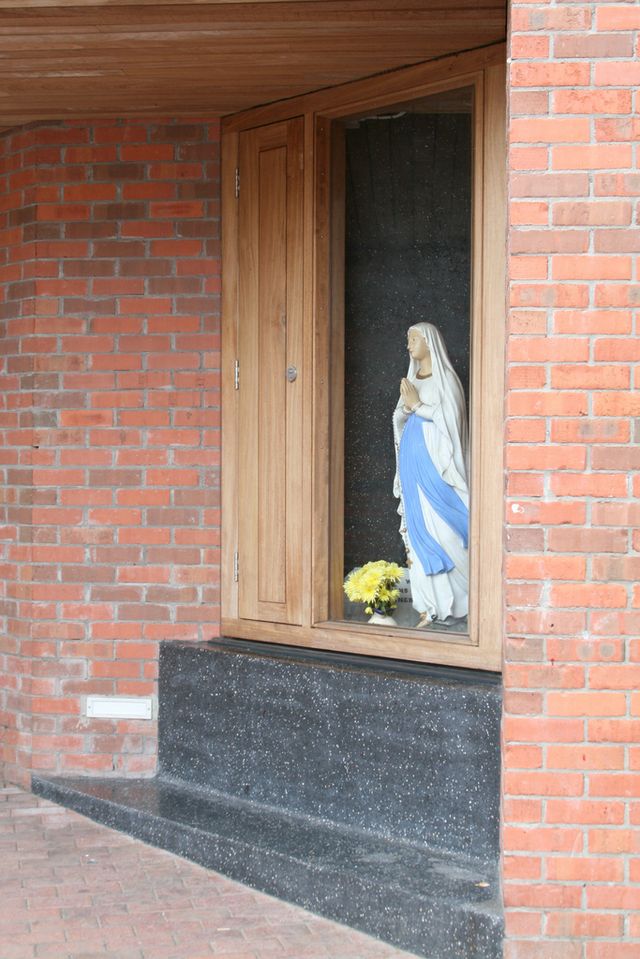
There’s a statue nearby in a new housing complex called the Timberyard, it’s on the corner of Weaver’s and Cork streets. If you look at the apex of the building there’s a small statue of Mary built into the building itself and has a kneeling step. The thing to note about this statue is that it re-places a statue that sat on that derelict site for over ten years. The old timber yard that used to lie here has been replaced by an apartment block called The Timberyard and the same statue sits on the site. In fact, the principal architect for this building told me that there was a specific request at planning stage for the statue to be placed on the site somewhere. The story goes that the original shrine was put in the skip when site clearance took place. One of the builders however took it back out and gave it to a local resident while the construction took place. The architect told me that a specific space was created for Our Lady of the Liberties in the new building because it meant something to those who were to move in there. In my own research I noted that it stands at a significant point of access although few enough people cross themselves when passing as may have been the case in the past.

The Timberyard statue discussed above (Eoin O’Mahony)

(more…)

Read Full Post »

There was a time when transport by tram around Dublin wasn’t restricted to two bizarrely unconnected routes, when tramlines extended miles in every direction, spreading from O’Connell Street outwards like arteries from a heart to Dublin’s rapidly expanding suburbs.

Three companies operated the trams initially, the Dublin Tramways Company, the North Dublin Street Tramways Company,  and Dublin Central Tramways. These companies united in 1880, forming the Dublin United Tramways Company, with 137 trams running routes which totaled over 32 miles. The last horse tram ran in January 1901,  by which time Dublin had completely electrified it’s system, now with 66 miles of track, of which nearly 50 were owned by the DUTC.

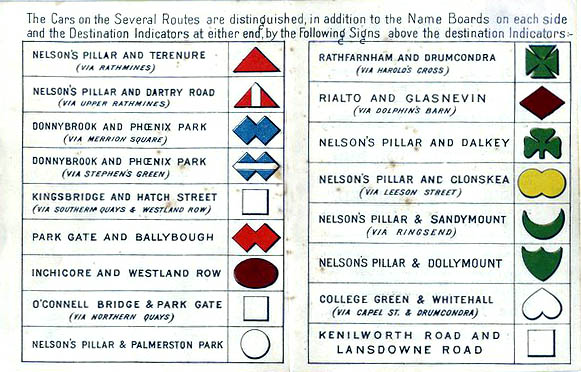
As well as numbers, the trams also had colourful route indicators. Uploaded by JadedIsle

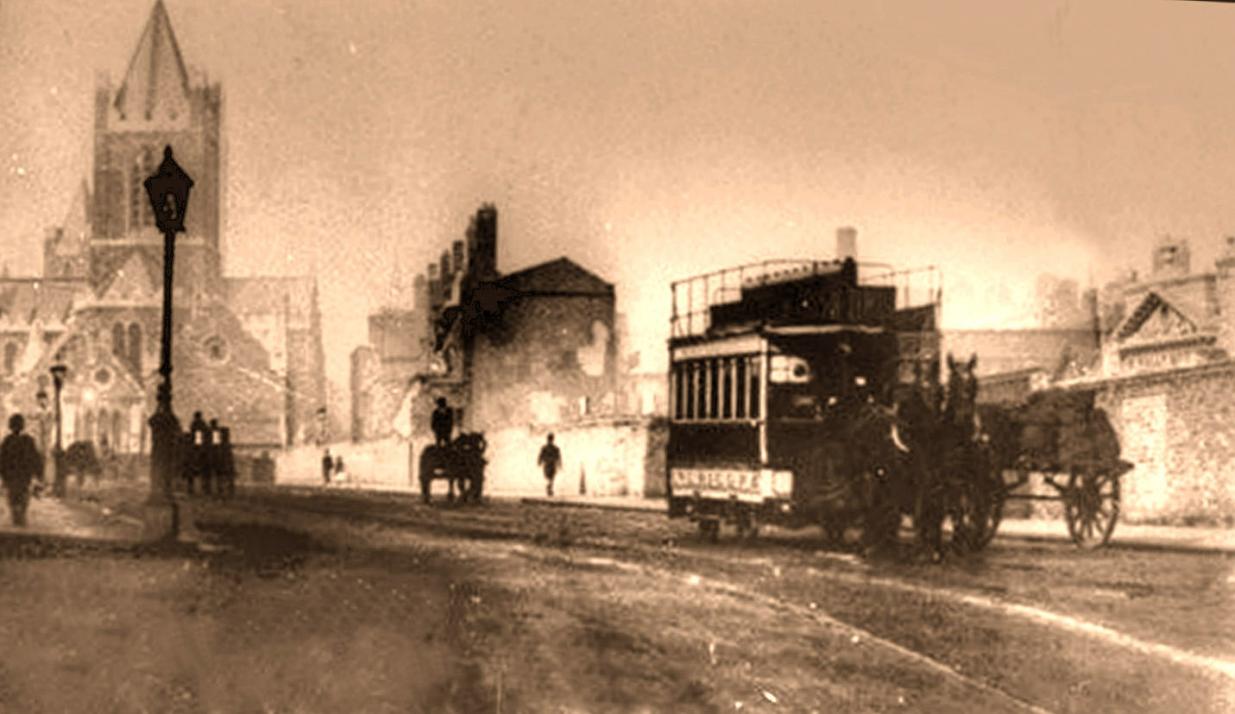
The first tram came into service in February 1872, and ran from College Green to Rathgar. The trams generally operated within the City Centre or stretching to the more affluent South Dublin suburbs. Traveling on the trams, in the early days at least, was a luxury only Dublin’s white collar workers could afford. The majority of trams started at, or stopped nearby Nelson’s Pillar, and their terminus’  stretched to the likes of Sandymount, Blackrock, Dun Laoghaire, Dalkey and Terenure, as can be seen on the route identifier above. As well as featuring in a high percentage of photo’s of Dublin streets at the turn of the last century, they played parts in the Easter Rising, being toppled and bombed and their wreckage used for barricades, and feature in Joyce’s Ulysses.

Uploaded by Cracker on dublin.ie

What must have been the 21 tram to Inchicore

For over twenty years after the introduction of electric trams here, Dublin was a pioneer in tram building, the works in Inchicore churning out carriages whose design would be copied worldwide. But the introduction of the car to Irish roads, the growth in their use in the twenties,  and the newly designed four wheeled “bogey,” or basically a precursor to the bus saw the abandonment of many trams. The last tram in Dublin City ran on on 9th July 1949,  with the Howth Head line lasting another ten years before it too succumbed to progress. Some of their lines can still be found around the city, relics of a time past.

Removing the tracks at Lord Edward Street

A copy of the Dublin United Tramways Company from 2010 has been uploaded by the National Archives of Ireland and can be found here. The image of workers removing the tracks from Cork Street is from the Dublin City Council’s Photographic Collection.

Read Full Post »

(c) Workers Solidarity Movement

It’s fantastic to see the annual Dublin Pride Parade increase in number year after year. Approximately twenty years ago two hundred people attended the parade, last Saturday saw a staggering 30,000 turnout.

I’m not sure if it’s just me but I couldn’t seem to find mainstream reports on the Parade from the mid to late 1990s period. Can anyone help with numbers?

Here’s a incomplete timeline with attendance figures:

1992 – 200 people  (IT 06/07/92 )

1993 – 500 people (IT 28/06/93)

1994 – “Several hundred” (IT 27/06/94)

1995 –

1996 –

1997 –

1998 –

1999 –

2000

2001 – 3,000 (IT 02/07/01)

2002 – 6,000 (IT 29/06/02)

2003 – “Several thousand (IT 07/07/03)

2004 -5,000 (Indymedia 06/07/04)

2005 – 10,000 (IT 27/06/05)

2006 -“thousands” (IT 26/06/06)

2007 -“thousands” (II 23/06/07)

2008 – 5,000 (Indymedia 27/06/08)

2009 – 10,000 (IT 02/07/12)

2010 – 22,000 (IT 02/07/12)

2011 – 26,000 (IT 02/07/12)

2012 – 30,000 (IT 02/07/12)

Read Full Post »

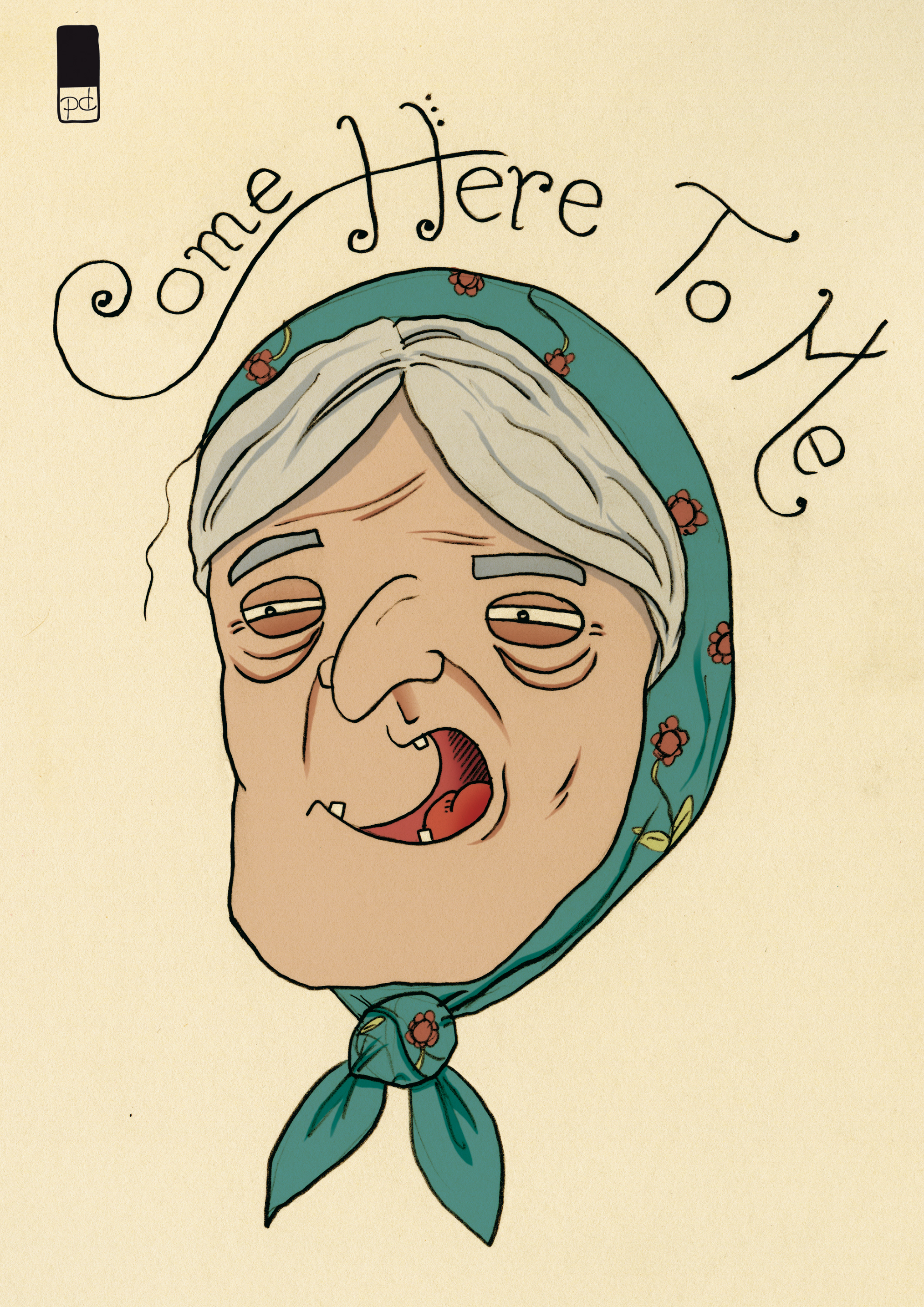
Hopefully the first of many this, from the very excellent Paul Duffy, one of the illustrators who is helping us out with the CHTM! book.  All this as well as being the drummer for Dublin hardcore band 20 Bulls Each. You can find more of his artwork at Duffy’s Dastardly Doodles. What a man.

Read Full Post »

1865 Advertisement for the Northumberland Hotel. (Falconer’s railway, coach, car and steam navigation guide for Ireland)

The above advertisement from 1865 notes that the Northumberland Hotel was “the most central in the City, being within a few minutes walk of all the Public Buildings”. The Northumberland Hotel went on to become Liberty Hall following its purchase by Jim Larkin of behalf of the trade union movement.

The prosperous Classon family in Dublin had been responsible for the construction of the hotel, and historian J.L McCracken noted in his brilliant study New Light at the Cape of Good Hope: William Porter, the Father of Cape Liberalism that John Classon, who managed the firm Classon and Duggan:

built on Eden Quay the Northumberland Buildings which housed stalls for the sale of fruits and other goods, offices, a weighbridge, a bath-house and a chophouse. He also built the Northumberland Hotel in Beresford Place.

McCracken’s study includes this illustration of the hotel:

From ‘New Light at the Cape of Good Hope: William Porter, the Father of Cape Liberalism’

At the time the 1865 advertisement above was taken out, the proprietor was listed as J.C Joseph. We can compare and contrast prices for the hotel with other Dublin hotels of the time through the listings below. Note that this list provides information on the cost of breakfast, dinner, tea, bed, private rooms and attendance costs in the hotels of the Dublin of the time.

Dublin hotel listings 1865

(more…)

Read Full Post »

The Dublin Dockworkers Preservation Society exhibition will be in Liberty Hall later in the month for anyone who hasn’t had a chance to see the collection yet. It is always worth taking the time to see these photos where they belong, hung up and on display.

You can explore the fantastic archive online here, and they’re a fantastic insight into an important aspect of Dublin’s working class history.

From Dublin Dockworkers Preservation Society online collection.

From Dublin Dockworkers Preservation Society online collection.

Read Full Post »

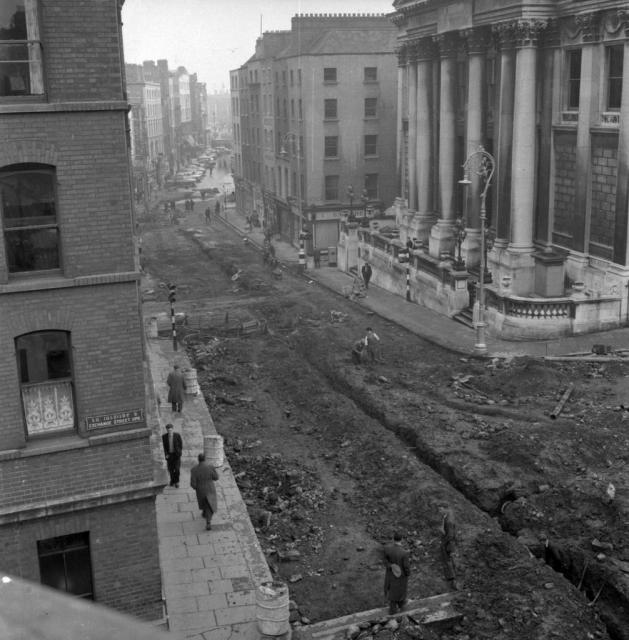
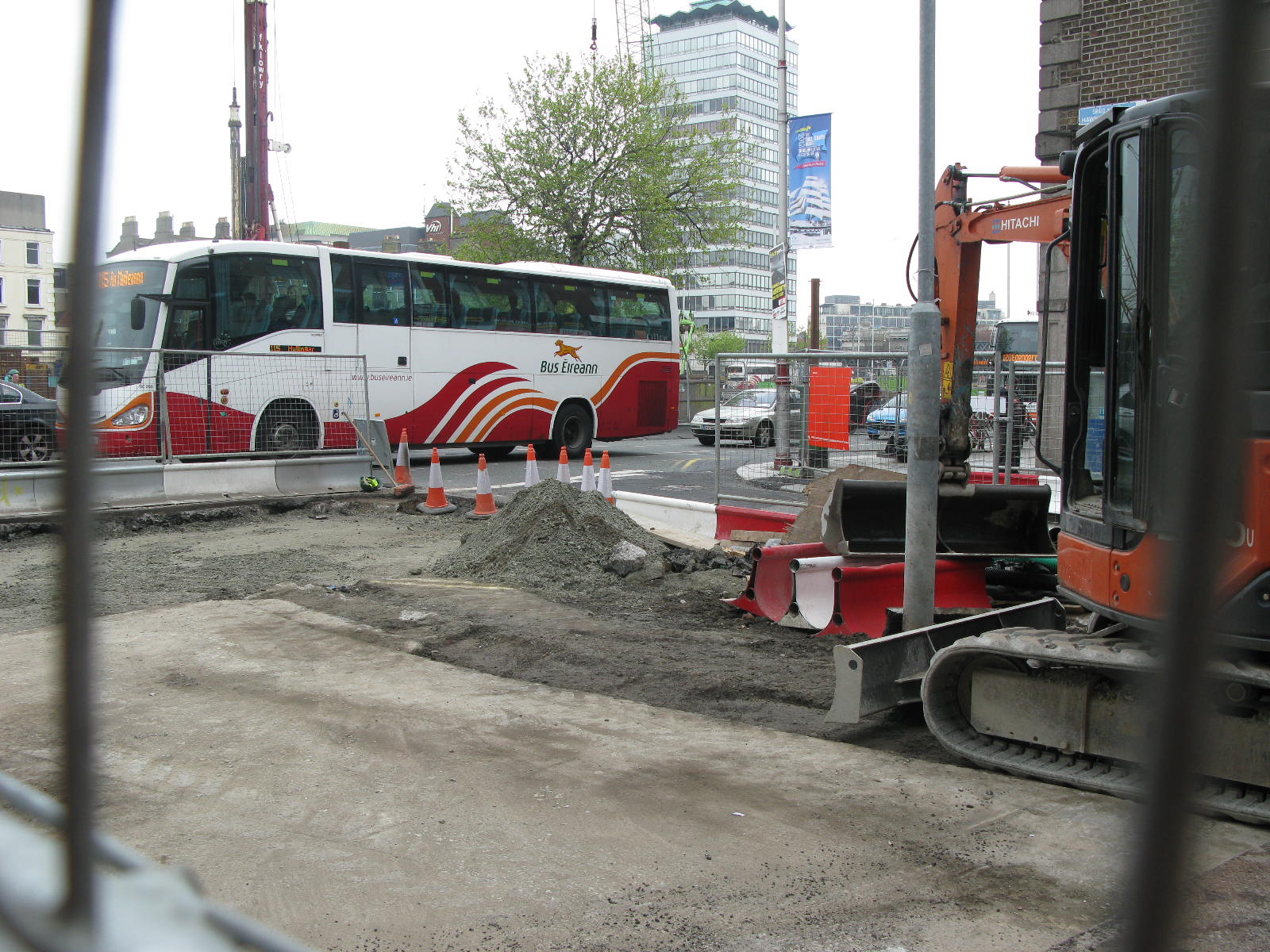
Walking down Hawkin’s Street today taking pictures for another project and had to double take when I got to the Junction with Burgh Quay- The Sheehan monument has vanished! No doubt removed to make way for what seems to be Dublin’s least required bridge connecting Marlborough Street and Hawkin’s Street, does anyone have any idea where they’re putting it?!

Above is the memorial as it was. It’s going to be redundant anywhere else, given that it is a memorial to Patrick Sheehan, a member of the DMP who entered an open sewer in 1905 to rescue a workman named John Flemming who was overcome by fumes. He succumbed himself and both men died. Listed as helping are Tom Rochford, Clerk Of Works and Kevin Fitzpatrick, a Hackney driver. Below is the scene today:

So… Does anyone know the memorial’s fate?

Read Full Post »
« Newer Posts - Older Posts »