Feeds:
Posts
Comments

“When Na Fianna were playing ‘Isles in the semi-finals, I came on as a substitute in the second half after playing earlier in the day for Rovers against Derry in the League”

The above is taken from a Jason Sherlock interview with the Irish Independent in October 1998.

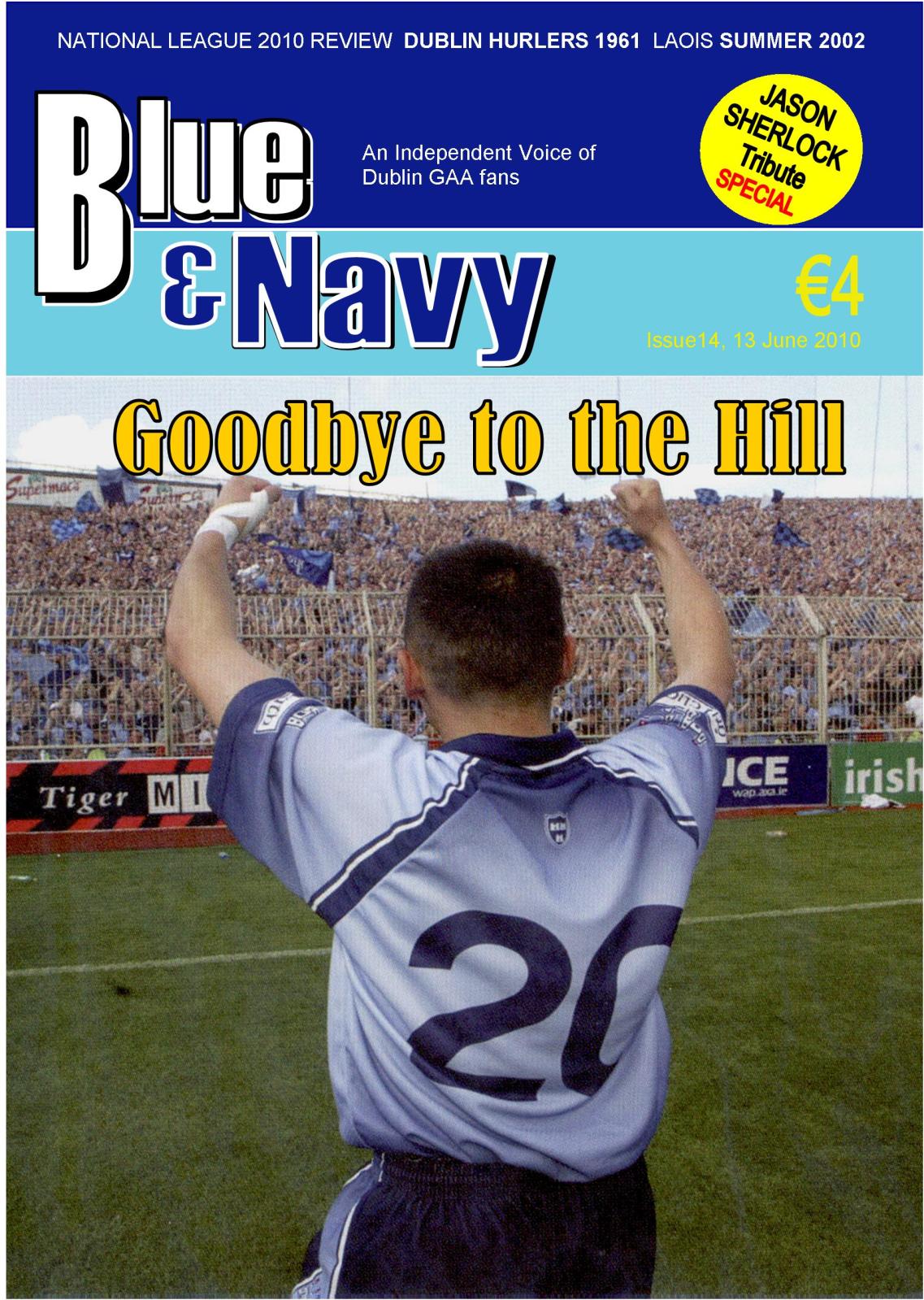
Come Here To Me has friends in all circles, and this should appeal to some of our readers. The latest issue of Blue And Navy, the Dublin GAA fanzine, is available now. You’ll find it in Easons and from a newspaper vender or two on O’ Connell Street (the better option of course)

While the issue has a special focus on Jason Sherlock and his Dublin career, it also includes the usual commentary and great focus on Dublin GAA history and broader Dublin life.

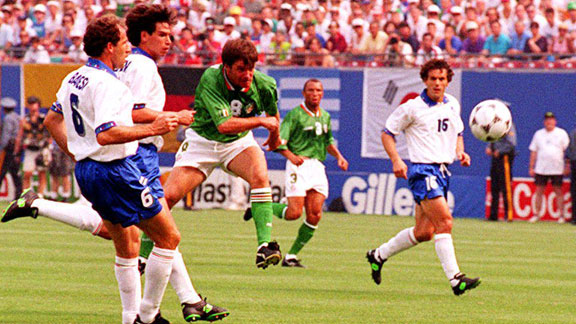
If you’re one of our League of Ireland regulars, you may be wondering who this Jason Sherlock fella is. Well, it’s the same Jason Sherlock who did time in our League. Sherlock played for UCD AFC (spot those photos in the student bar) and then signed for Shamrock Rovers in August 1998. To most Dubs, outside the Friday Night Club, he is known mainly as the last link to that Dublin team of 1995.

It’s cheaper than a pint, and will last you longer. Pick one up, and support the fanzine. We need more independent publications like this across the board.

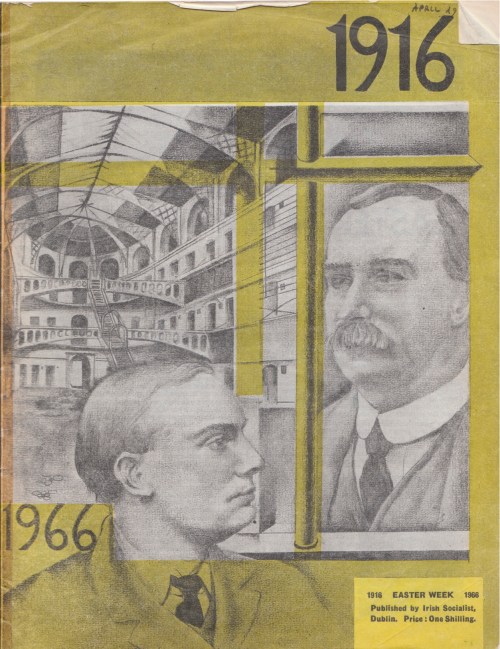
A 24 page commemorative magazine published on the 50th anniversary of the 1916 Easter Rising, kindly passed down to me by my uncle Donal.

1916 Easter Week 1966.
This publication is issued by “Irish Socialist” on the occasion of the Golden Jubilee Anniversary of the 1916 Easter Uprising. It has been assembled and edited by Sean Nolan, at 37 Pembroke Lane, Dublin 4, Ireland. 4/66.
Price: One Shilling.

Articles:

Easter Week 1916 – Sean Murray
1916 Re-Examined – A. Raferty
1913 – 1916: Similar Battle Lines – Joseph Deasy
With James Connolly In America – Elizabeth Gurley – Flynn
Some Recollections of James Connolly – Hanna Sheey-Skeffington
1916 Proved Britain Not Invincible – H. Moore & A. Barr
The Connolly Road should lead to… Labour Republican Unity – A.J. Coughlan
I Appointed Myself… ‘War News’ Courier – Donal O’Reilly
Connolly In Belfast – Betty Sinclair
Citizen Army Vetran’s Memories of 1913-1916 and Connolly – John O’Keefe
Scots Socialist on Connolly – Tom Bell
Connolly – Liam MacGabhan
Lenin Supported The Men Of Easter Week – Michael O’Riordan
1916 And Education – A Secondary Teacher
Women and Easter Week – Marion Jeffares

*CLICK ON THE FRONT COVER BELOW TO READ THE FULL MAGAZINE*

1916 - 1966. (Click to read full magazine)

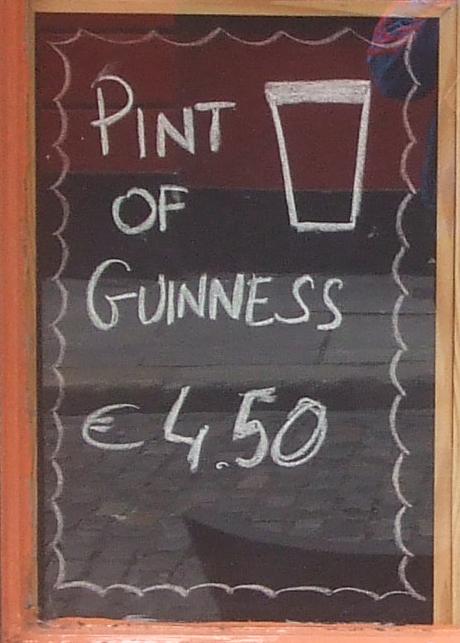
Spotted in the window of The Alamo, Temple Bar.

Bargain.

A pity really, as The Alamo is home to the deep friend ice-cream special. No, really. Apparently it’s lovely too.

This sign got me thinking about the average cost of a pint around the city. The Hop House, at €4, is probably the most reasonable you can expect in a Dublin city centre pub. I think we’ve only beaten that once or twice on pub crawls, with Neds coming to mind as being a bit cheaper. It’s also an early house. One nil.

Advertising a pint that’s dearer than the average pint in the city seems bizarre to me. This isn’t any worse a price than many other pubs, but it’s unusual to see it stuck in the window. The last pub I remember sticking the cost of a pint in the window was a J.D Wetherspoon in Derry, and they nearly pay you to drink.

So, drop in for the ice-cream, but stick to the tap water.

Some information on a wonderful walking tour of the Liberties this Monday, as part of the Liberties Festival 2010.

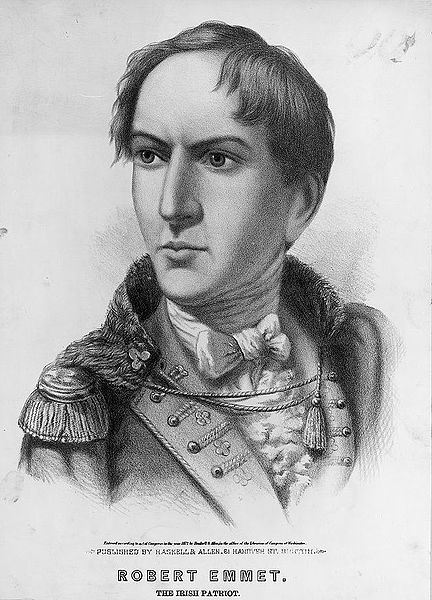
The area known to Dubliners as the Liberties is one with no shortage of history. It holds a special place in the hearts of the Dublin working class, being home to the Guinness Brewery which has provided employment to so many families in this city over the course of generations. The Liberties is also the spot where Robert Emmet was executed in 1803, yet it was to play a role in the rebellion of 1798 before that. The importance of the area in the history of insurrectionary Dublin does not stop with those early rebellions either.

The community has developed on the doorstep of the Guinness Brewery, a Dublin institution.

This area of Dublin is of interest to those of us particularly keen on the history of the 1916 Rising for example, with fierce fighting taking place at outposts like the South Dublin Union and the Mendicity Institute during the Rising. Like many parts of Dublin, this area is home to many plaques, and should be home to many more. It is the history of great events and great characters, but also a history of the mass body of community,for example in the street trading of the area. I, like many Dubliners, have family connections to the area through its Brewery and the Cornmarket Area.

This Monday, as part of the Liberties festival, historian Liz Gillis will be providing a Walking Tour of this fascinating area of Dublin.

The tour departs from Saint Catherine’s Church on Meath Street at 11AM.

It promises to be a most enjoyable tour, some of you may have encountered the host if you’ve visited Kilmainham Jail in recent times, where she works as a guide. Like Kilmainham, this area is central to our understanding of Dublin history. Liz is also an acknowledged expert in the period of Irish history we cover most on this site, the revolutionary years of the early twentieth century.

Here’s a brief scene from the wonderful ‘The Liberties’, available to view on Youtube from Areaman Productions. I always smile watching this.

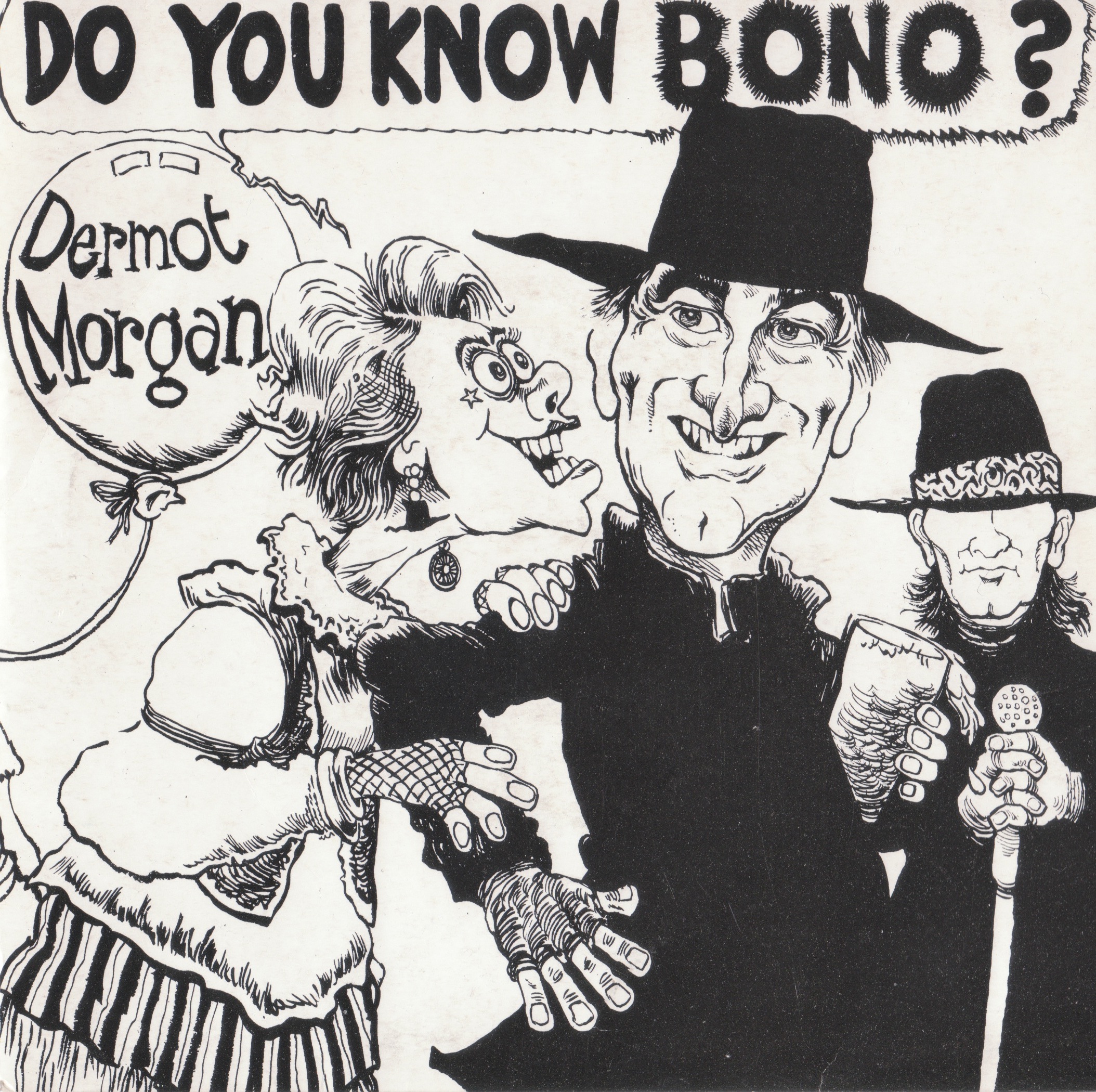
Do you know Bono?

Classic 1986 comedy record from Dermot Morgan, one of Dublin’s most beloved stand up comedians. The song was arranged by Stepaside’s guitarist Mark Costigan and produced by Horslips’ Barry Devlin.

Unfortunately I wasn’t able to digitalize the b-side Alsation Once Again, a brilliant tongue-in-cheek take on The Wolfe Tones barstool republican scene. If anyone has better luck, please send it on.

Front Cover

Back Cover

Dermot Morgan – Do you know Bono? by matchgrams

Brazil are in dire need of the support of a West Dublin pub.

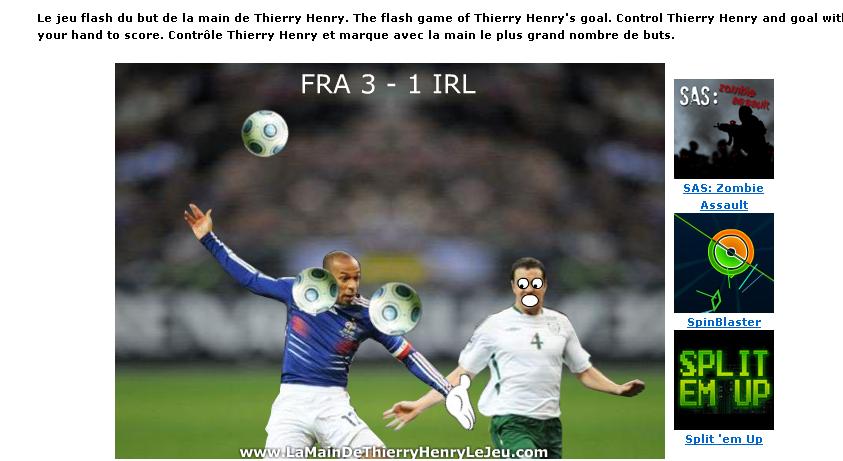
Ever since that French player did that thing over in Paris against ourselves, a lot of people have actually been dreading the start of the great summer kick-about. The League of Ireland is on a three week hiatus too, so even us purists have nothing to be at, and will likely tune in to watch the likes of Algeria, North Korea and the United States of America do their thing in front of a global audience. Football isn’t coming home, it’s gone home. We’re barred from the house.

In a way, this presented an opportunity. One of the ‘big teams’ basically robbed ‘the little people’. Against the backdrop of repossessed houses, Brian Cowen’s face, cuts to our wages and more besides, this was supposed to be our national uplifting moment. Kathleen ni Houlihan in her Italia ’90 jersey telling us to keep it together. The underdog was kicked, and the underdog wasn’t looking the best on its legs before the big boys put the boot in either.

Gits.

So, shouldn’t we be out in force behind another underdog? It’s no doubt fair to say FIFA and companies investing in the World Cup would have prefered to see the French make it through to the tournament itself of course. Still, even with us out of the question, a number of small nations are in with a shout. Instead, a bizarre situation has emerged where Dublin pubs are flying the flags of Spain, Brazil, Italy and the sort.

‘THIS PUB SUPPORTS ___________’ can be seen in the windows of many Dublin pubs, and it’s not just in the city centre, where this can be passed off as an attempt to lure in tourists. In my own small West Dublin suburb, home to two pubs, both are ‘supporting’ Spain. Why Spain? Spain winning the thing is likely enough I suppose.

In 1966, North Korea beat Italy one nil. In fact, they made the quarter finals. I remember seeing Scotland equalise against Brazil in 1998 from the penalty spot and thinking “It’s on now, boys”. That’s what football is all about, realistically we all know it will come down to a taxi load of teams in the end, but why not follow a team on the way for the thrill of it, and see how far they get?

Go underdogs, go!

Uruguay, Chile, Denmark, even them lads in North Korea (because somebody has to watch the matches live and unedited) – come on Dublin publicans, if your pub hasn’t got a team yet, surprise me. After failing to get through the seeded play-offs, the last thing I want is to be have a pub decorated in the flags of nations that have lifted the Cup already, like Brazil. We could at least have all settled on a team in green!

As someone who remembers the painted kerbs of Ballyfermot for previous World Cups, and coming from a nation long overdue a World Cup run out, I want to see an underdog bite at this World Cup. Who knows, they might even take a hand off 😉

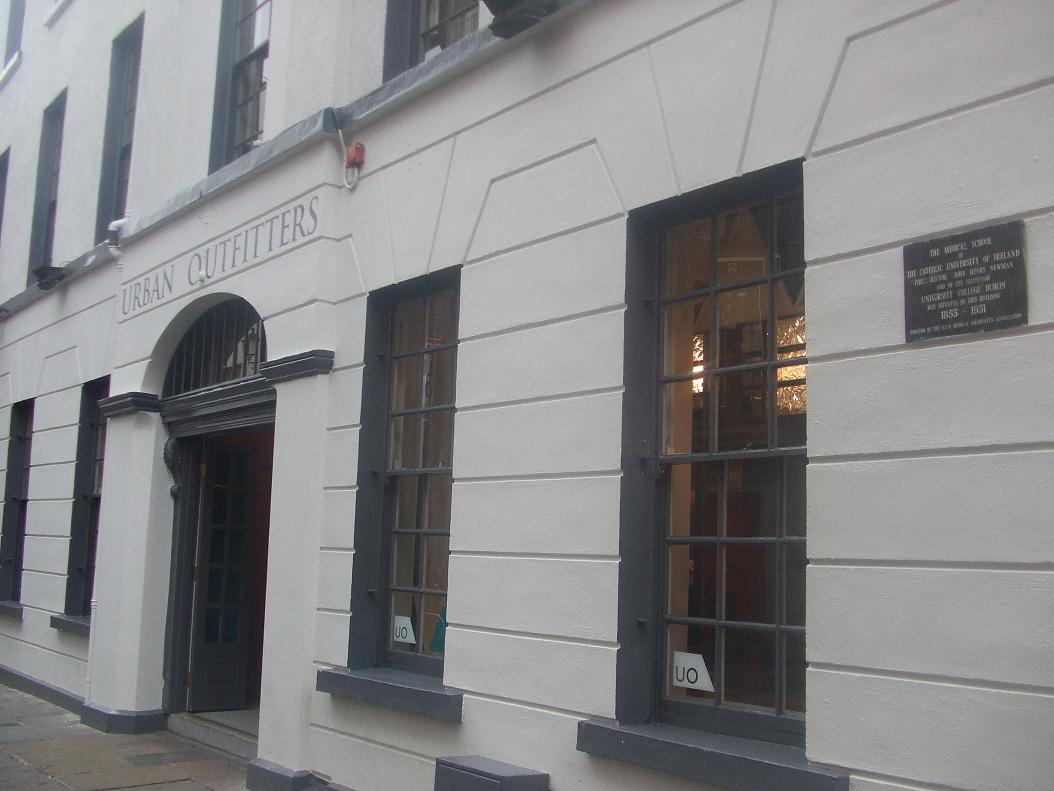
Urban Outfitters.

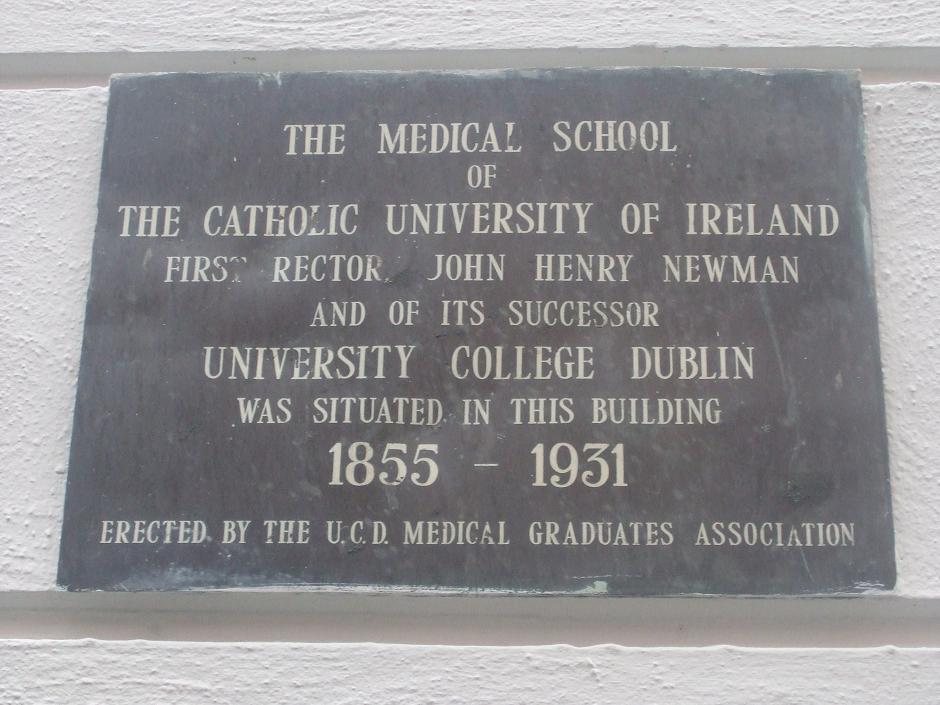
This plaque, marking the old home of the Medical School of ‘The Catholic University of Ireland’, illustrates perfectly to me the fact one can literally walk past history every day and not notice. The plaque is located at the side entrance to Urban Outfitters on Cecilia Street, Temple Bar.

The Irish Times of May 30 1930 noted that

The building was originally a theatre, in fact, the principal one in Dublin during the mid-eighteenth century, and, curiously enough, was once used in 1754 for an exhibition of anatomical waxworks, now preserved in Trinity College

Catholic University of Ireland

So, there you go. Always look up, and always look closely.

I reckon I should open this piece with a bit of an apology.

Up until this point, whether on pub crawls or Random Drop Inns,  we’ve stuck with pints of plain. We have, article by article, gone some way towards drinking a pint of it in every pub in the city. But we just could not touch a drop of the stuff the day of the crawl, which turned out to be the hottest day of the year in Dublin City Centre; what else could make that day any better only an ice cold pint of cider and a nice perch outside.

This turned out to be the deciding factor in us hitting eight rather than the regular five pubs- not that any of us minded of course, it turned out to be a great day, with a couple of minor irks rather than anything majorly wrong with any of the places we visited. It does leave us with the problem though; How can you judge how good or bad a pint of cider is? Is it cold? Check. Wet? Check. Taste like apples? Check. Every pint is a winner.

The Bull and Castle. By Nathan A, from Flickr

So… Waiting for an exam-laden DFallon to turn up at Christchurch, we ventured into The Bull & Castle on Lord Edward Street. I’ve often passed this place by in favour of its lesser frequented neighbour, The Lord Edward as I’d assumed this Gastro-Pub effort would scorn on people like ourselves looking only for a cold drink and solace from the sun. Thankfully not as the barman dispensed with ciders and beers without a qualm. I’ll be honest and say I was a bit dazzled at first- the pub is quite dark inside, and with a cloudless sky outside, it made it difficult to work out what was what behind the bar. They have a wide range of beers, only to be matched by the Porterhouse I reckon, but none of us was brave enough to venture a try. Nice pub inside, a bit of an olde-worldy feel to it. Very clean also, a must obviously with the place doing a fine trade in grub. But the best thing about the place was the bench outside. I’ve remarked a couple of times this week, and I don’t think I’m off the mark. Dublin in the sun has to be one of the best places on the planet. So perched on a bench, not far away from where the vikings made their mark on this city, with a pint of (relatively expensive at €4.80) cider in hand and the world passing by, I’d have happily stayed there for the evening.

The Legal Eagle. By Infomatique, from Flickr.

But with the arrival of DFallon, we reluctantly gave up our spot and headed across the Liffey to The Legal Eagle, on Chancery Place. Now this pub was a pleasure for a reason- Half Price Sundays! From when doors open at 12:30 on Sunday morning to when they close at an unusual 10pm, everything in the pub sells at half price. This meant an unbeatable €2.20 for a pint, and should we have wanted it, a carvery dinner for €5.50. DFallon tried the Guinness here and said it wasn’t to be faulted but would be following suit in joining us on beer or cider at the next stop such was the heat. The bar was busy enough, I reckon the cheap booze the draw for many. For while it was a nice place, it didn’t set the heart racing and you couldn’t imagine getting comfortable on the hard benches and seats, provided for a quick turnover of diners rather than a slow swell of drinkers- problematic of a lot of pubs selling lunches.

O'Sheas Merchant. By Gianluca 61, from Flickr.

So with that, we upped and out the door, we had miles to go before we slept tonight. Back across the Liffey and into O’Sheas Merchant, on Lower Bridge Street. Cracking pub this. DFallon had been here on a session before, said the doors were closed pretty early and getting out them was prohibited unless you sang a song. Now thats the kind of place I like. It’s a bit of a schizophrenic pub, falling somewhere in between an “old man” spot and a tourist joint. Pint bottles here rather than pints, and a reeling out of the “and its still a pint” line. Images of one of dFallons heroes, Seamus Ennis, adorned the wall, and a member of an Garda Siochana propped up the bar. Off duty of course. A nice pub indeed, one to think about if we’re down this neck of the woods again. We didn’t stick around long here, for while it was nice, the formica tables and blaring telly with the Simpsons on didn’t exactly add to the charisma of the place. Maybe they turn the telly off for the sing- song at seven o’clock or something…

Pifko, from their official site.

So with a few nudges and giggles we made our way to the next spot, Pifko on Ushers’ Quay. This is an odd one. We’ve never been in a pub in Dublin where we were the only Irish people in the place but this was the case with PiFko. Primarily a Czech bar, the place was full of Slovakians watching the Ice Hockey World Cup. We weren’t mad on their “all tables must be reserved” rule; even though there were a number of empty tables, we were forced to stand under the telly. I actually liked the place apart from that, it was a bit of a laugh cheering when Slovakia scored, the whole place went mad. Nice cold pints of Paulaner, cheap at €4. Lovely. Funny looks from everyone else in the pub when we started singing Olé Olé Olé, not so. Was mad to try out the “Beaked Pork Lion” on the menu though. Being made stand while tables sat empty did nothing to entice us to stay so we made our way up to The Liberties and into a pub I’ve passed a million times, The Clock, Thomas Street.

The Clock. By dmckenna, from Flickr.

Not imposing looking from the outside, the place is pretty huge when you walk in, nicely decorated and well laid out. The punters were glued to the box, with “Reeling in the Years” on. As we reached the bar, Packie Bonners save against Romania in Italia 90 (Brilliantly portrayed in this clip from the Van) was on. myself and DFallon were only too delighted, I’ll never get sick of seeing it; The nerves, the save, and those stupid jumps he does afterwards. Pity about his Fianna Fáil connections, he used to be a hero to me! Anyways, we headed out the back to the most unusual smoking area I’ve ever been in. Well it wasn’t the smoking area itself, rather than what inhabited the smoking area- a huge cage containing around fifty twittering and cheeping birds of all shapes and sizes- canaries, budgies, cockateels, even a guinea fowl legging it around in the bottom. Mad stuff. Nice boozer, €4.60 a pint, not to be faulted.

1850's (?) Thomas Street. From Archiseek.

Nows around where it starts to get hazy. Lucky we didn’t have far to go,  only to Bakers of Thomas Street, just across the road. The three pubs we hit around the Liberties all came across as being very much locals spots. It doesn’t help that when we come to these places, more often than not, its only for one or two pints and because of that, its hard to get a proper feel, and a proper welcome from the locals. I liked this place, though Britains Got Talent made it feel less authentic than it might. Again, €4.60 a pint (cold, wet- check) what more could you ask for. A nice pub inside, with low seating, and aging memorabilia adorning the walls. Whilst most of it had seen better times, it kept us interested and deep in discussion.  Onwards drunken soldiers.

Tom Kennedys. Again from the excellent Archiseek.

Tom Kennedys of Thomas Street, right across the road from the Thomas House. What can you say about this place only it was truly terrifying. The walk to the jacks was a scary one, not because the punters were in any way threatening but because Sunday night in Kennedys is Karaoke night. And the MC took a liking to one of our crew, and kept demanding that she come up and sing! Not tonight mate… Again, a locals joint in every sense of the word, the woman behind the bar had the pints on before the locals got to the bar, that sort of place.  The place you might get looks of beleagured astonishment for sitting in “Shielas seat.” Lucky enough, we were well mannered, drank our fill and headed off. I think the pints were €4.50 here, I really need to write them down as I’m doing them. This was JFloods pubcrawl though, so I wasn’t expecting to be doing the write up!

My home away from home... Brogans Bar. By Ester Moliné, from Flickr.

The night could have ended here, but no- We had one more stop to make; Brogans on Dame Street. I really don’t want to write too much about this place because for personal reasons, its my favourite pub in Dublin. Its as close to a local as I’ll get, and is oft frequented by a large crew of my mates. Theres no particular reason its my favourite pub in Dublin, apart from some stories I could tell that you wouldn’t believe. One of the only pubs I can walk into on my own, sit at the bar on my own, order a pint and not feel like a loner/ escaped mental patient/ alcoholic/ all three combined on my own. It really is a scrap between here and Mulligans for the best pint in Dublin, and when I’m drinking it, the Guinness rings in at €4.30. I can’t describe it, just go for a drink here on a sunny afternoon and you’ll see its allure. I’ll stop now!

Right. The hardest write up I’ve ever done, what with a million things coming up between the event itself and me getting a chance to write it up. But it was a great day, amongst the best of the pub crawls we’ve done. Major kudos goes to JFlood for the choices, and to Hammy and Bookie for coming along. Next pints are on me, Sunday fortnight. Give us a shout!
Lansdowne Road Stadium, February 15 1995

Republic of Ireland versus England, February 15 1995.

The disgraceful behavior at last night’s football international in Dublin must throw into grave doubt England’s role as hosts of next year’s European Championship. It was appalling enough that the pond life who purport to follow England should riot at all. But in Ireland of all places, at such a politically sensitive time, defies belief.

Today Newspaper Editorial, on the day following the riots.

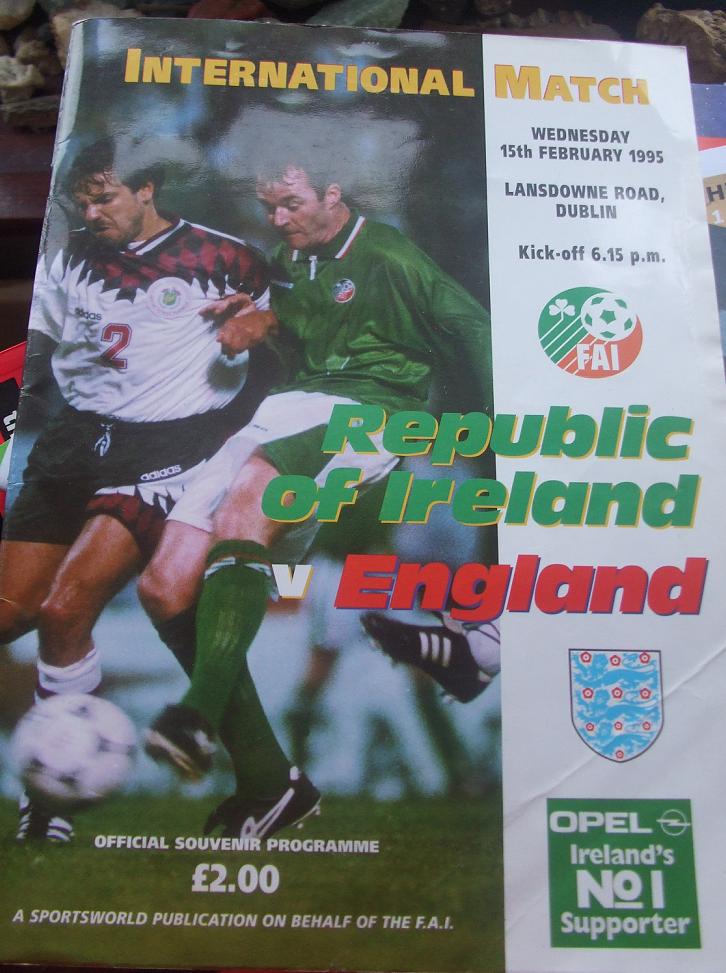
I dug this match Programme out recently, and thought it would be of interest to some of our readers. Page 3, the notes from the manager, is signed. Sadly, it is addressed to Donal, and not eBay.

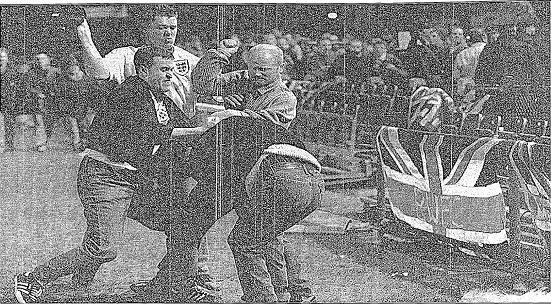
In all seriousness however, this encounter between the Republic of Ireland and England on February 15 1995 marked one of the worst moments for soccer in this country. Largely believed to be as a protest against the peace process in Ulster, and centering around a few fringe groups from London clubs, a small band of fascist supporters within the English away support brought the match to a halt amid scenes of flying chairs and wood. Ireland were 1 nil up in the encounter, before it was called off. Both National Anthems had been greeted poorly at the beginning of the match, and near constant chants of ‘Never surrender to the IRA’ can be heard in footage of the encounter. The damage done to the image of the game in Ireland was quite bad, and the UK tabloids seized the day too to make quite sweeping statements about English football supporters.

Many of the trouble makers had, almost laughably, purchased their tickets from Dublin. The Football Association of Ireland made a haims of the affair, and English fans were located in an area of the stadium one can only describe as madly short sighted in retrospect, with little to no screening of their support. Searchlight magazine told The Irish Times that its “spotters” had noticed a huge number of hooligans from right wing firms and political groupings in the North among the away support. The video footage from the moments following the calling off of the game is incredible, showing a clearly raging Jack Charlton, a man who won a World Cup medal with England in 1966.

There was little evidence of orchestration but many signs of the disturbing presence of the right-wing thugs who have attached themselves to club around the south east of London. Forearms bearing Union Jack tattoos jerked skywards in Nazi salutes. Several skinheads carried the legend “Made in the UK” in blue ink above their ears. There was some excited talk about “doing like the paras” and getting the “Fenian scum”, but for the most part the trouble was caused by dull young men looking for the rush that violence can provide

Tom Humphries writing in The Irish Times , February 18 1995

Interestingly, in 2008, John Delaney remarked to The Guardian that

At some stage, I would like to see England play in Lansdowne Road because there is a game owed. (…)Bringing them to the old Lansdowne Road would have been difficult, and bringing them to Croke Park wouldn’t have been correct given the history.

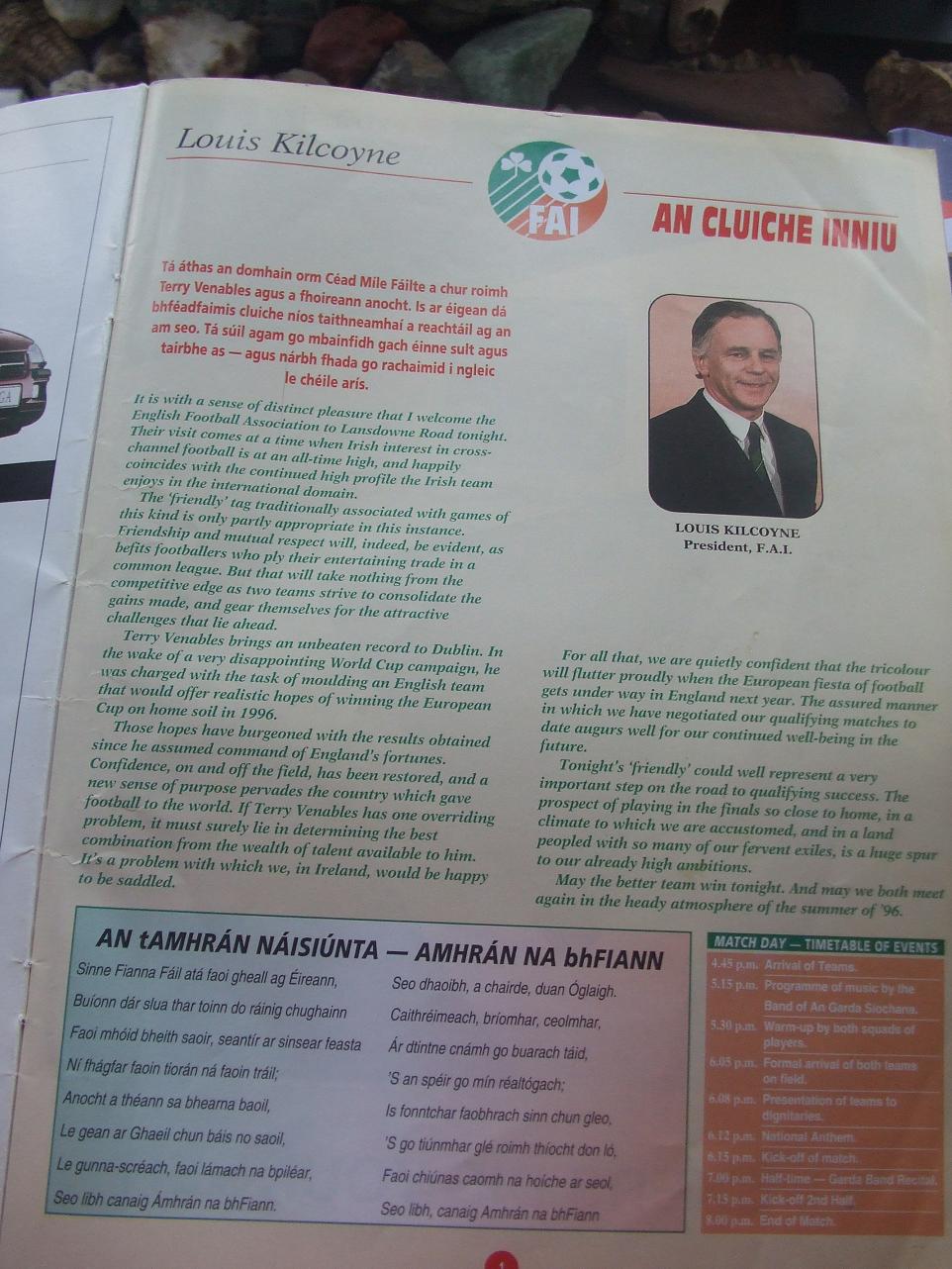
So, here is a selection of content from the match programme. Enjoy. League of Ireland fans should note the fantastic article on the first English visit to Dublin, an encounter at Dalymount Park.

FAI Welcome

Continue Reading »

Last Thursday I took part in the excellent ‘Blogging The Humanities’ symposium organised by Pue’s Occurrences, the Irish history blog. The event took place in the beautiful and historic TRIAC (Trinity Irish Art Research Centre) building at Trinity College Dublin, on a day one can only describe as the stuff of Bord Fáilte advertisements.

A wide range of blogs and speakers participated, and I’d recommend having a quick glance over any of these sites which are unfamiliar to you.

Pue’s Occurences (A group history blog)
Ireland After NAMA (A blog established after a symposium in NUI Maynooth, which provides fascinating analysis of the crisis)
Some Blind Alleys (A literary blog with emphasis on creative writing)
Irish Left Archive (It’s likely you’re familiar with the Irish Left Archive if you’re a regular reader of our own site. A website I’ve lost hours of my life too, and most worthy of your time)
Sligo Model Weblog (The online presence of an art gallery in Sligo. I was very impressed by the use of audio-visual material when it comes to the gallery online)
History Compass Exchange( “This is the companion community site to Wiley-Blackwell’s online review journal, History Compass.” Surprised I’d missed this one. )
UCD Academic Blogging (A site which aims to introduce more academics to the idea of blogging, highlighting the merits of the format and providing information on academic blogging)

Two recaps on the day worthy of note are those of Pue’s themselves and an excellent and well rounded summary of the day at Ireland After NAMA. The later in particular deals at considerable length with several of the issues which emerged on the day, such as the relationship between blogs and their readers, editorial policy, archiving and academic credibility.

Still the medium of choice for some!

Personally, I used my speaking time to not alone detail the background of our own blog but also to put emphasis on the importance of traditional means of communication to advance the medium of blogging in Ireland. My first introduction to Pue’s Occurrences for example was the result of a well placed A4 page in the National Archives. I’ve found that on Come Here To Me, between the comments received here on the blog itself and the engagement with the Facebook page, that our readership is not quite as varied as I would like. This seems to apply across the board in the blogging community, and we have to ask how we get older generations online for example. For blogs like ourselves, with an emphasis on social history, this is something we have to look at now, as we don’t have the time to sit back. With greater engagement and broader participation, we can move blogging in this country further in the right direction.

My sincere thanks to Pue’s for inviting Come Here To Me to partake in the day, and also for taking on the workload involved in organising such an event. On a personal level, it’s great to meet the people behind a few of my favourite blogs in the flesh, away from the protection of our computer screens. It is worth noting many of our other favourite blogs are listed in our collective links on the right of this website.

I was very intrigued to read in Paul Clerkin’s Dublin Street Names (2001) that Liberty Lane off Lower Kevin Street used to once extend all the way to the canal at Portobello. Clerkin suggests that “this route can still be traced, although a warehouse now disrupts it and various sections have been assigned new names”.

Using Google Maps, I’ve tried to trace this line.

What do you think?

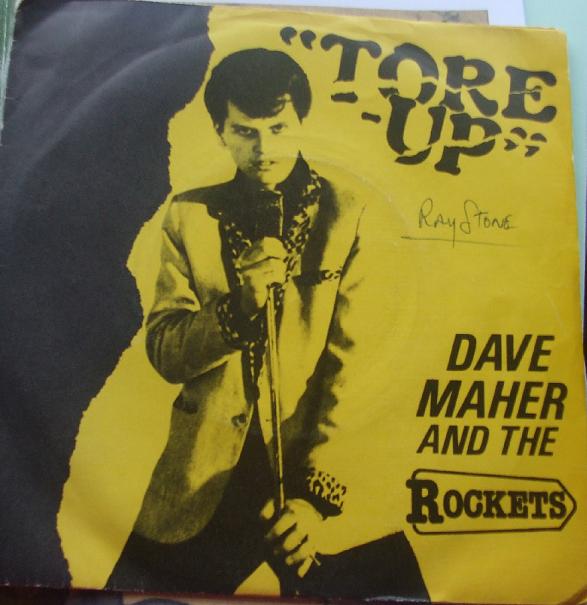
Tore Up (A Side) – Dave Maher And The Rockets (Bus Records/1984)

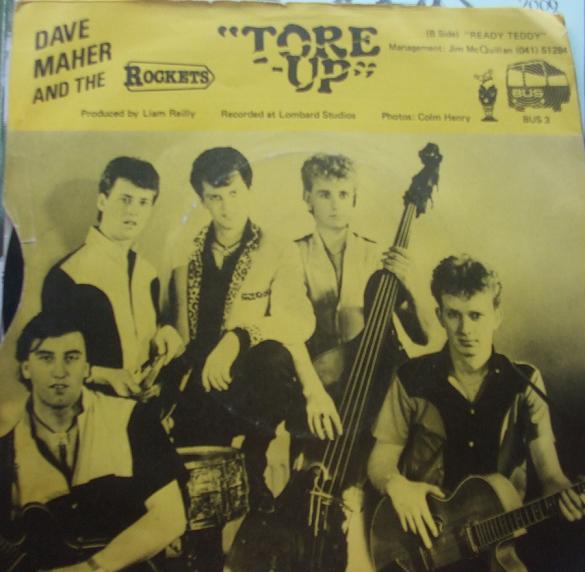
An interesting rockabilly record purchased recently at the Harolds Cross car boot sale. The cover swung the deal, but a quick look at the back revealed it to be a Bus Records release, a label I hard previously spotted listed on the excellent Irish Punk and New Wave Discography irishrock.org From there, I established that the label was based in Inchicore, West Dublin.

The A Side is a catchy number, Tore Up of course being a bit of a Rockbilly staple. The video below is just one example of many available online.

Here is the B-Side, Ready Teddy. Another good rockabilly number. The back of the record includes an image of the band, does anyone know anymore? This kind of thing is right up jaycarax’s street, so we’ll see if he can shed any more light.