Feeds:
Posts
Comments

It’s just three days shy of the 75th anniversary of the birth of one of the best musicians and characters this country has ever seen; Ciarán Bourke of The Dubliners, and I’m reminded of this video, filmed not a year before he died, having suffered a number of strokes. If this clip of Bourke reciting “The Lament for Brendan Behan” doesn’t send a shiver up your spine, you’re made of stronger stuff than me…

Anyways, here’s to a man sorely missed by many.

Citizen Army men and women gathered at Liberty Hall on Easter Sunday for the final mobilisation before the Rising. Here Connolly gave each a last opportunity of drawing back. No one availed themselves of this chance. ‘I never doubted ye!’ Connolly told them, his face shining

R.M Fox- From ‘Dublins Fighting Story’

This may well be of interest to many of our readers.

I inherited the 1916 bug from my father, without a doubt. Even today, only hours before writing this, I was standing on Northumberland Road like a Japanese tourist only moments in Times Square. I’m still amazed that for such a short historical event, there seems to be an endless amount of research and new finds related to Easter Week 1916.

The week is one of personalities. Like Winifred Carney, the suffragette and secretary to James Connolly, who would find her place in Irish history as the ‘Typist with a Webley’. Returning to Northumberland Road, perhaps no man on the republican side was to leave such a deadly mark on the week as Michael Malone, hiding out with a small group of men (and a moveable store dummy too!) in 25 Northumberland Road. Ultimately he and one other man, James Grace, would hold the spot. Who could forget to mention Sean Connolly of the Irish Citizen Army? An Abbey actor of great reknown, who had taken the lead role only a week previously in ‘Under Which Flag?’,a play penned by none other than James Connolly. Siblings of Sean, both male and female, would join him in the insurrection.

Michael Malone, killed in action at 25 Northumberland Road

The week is also one of great tragedy. There is the heartbreaking story of one of the Sherwood Foresters being taken aback to see his own family in Dublin, having fled Britain for fear of Zeppelin raids. He would never make it past 25 Northumberland Road.

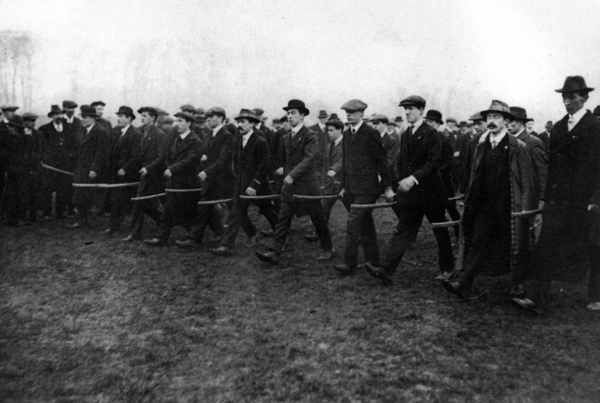
Members of the Irish Citizen Army drill.

One must really see the sites to appreciate them. Even today, I learned this to be most true. When you look from Clanwilliam House down the street towards number 25, you get a clear sense of the Volunteers line of fire. Likewise, I can remember as a young lad being taken to see the Royal College of Surgeons and being amazed by the bulletholes still littering the front of the building.

This tour is one I’ve been told often enough to get myself along to. Carried out by the authors of one of my favourite studies of the week, for €12 you’re promised about two hours worth of a wander around some of the keysites of the 1916 Rising.

Of coure, one can not take everything in in two hours, for instance some of the Sackville Street lancers who fell under fire are buried at Grangegorman cemetry. The Rising has left us with historical sites all over Dublin worthy of visiting.

As a city centre tour however, the reputation of this one is one that, to me, renders Saturday morning worthy of an alarm clock.

….if you know me at all, that’s a huge achievement.

Saturday 20th February 2010
Meeting at 10 am at the International Bar, 23 Wicklow Street.
€12

Facebook page for the 1916 Walking Tours

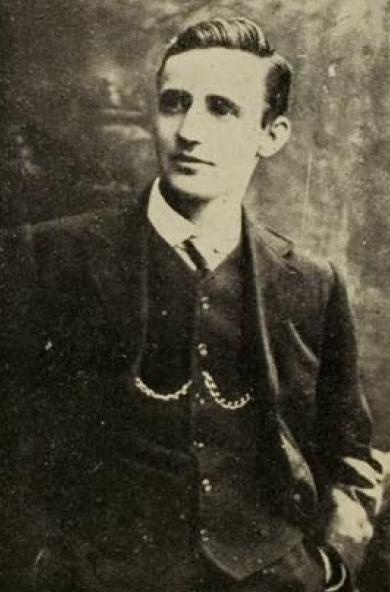
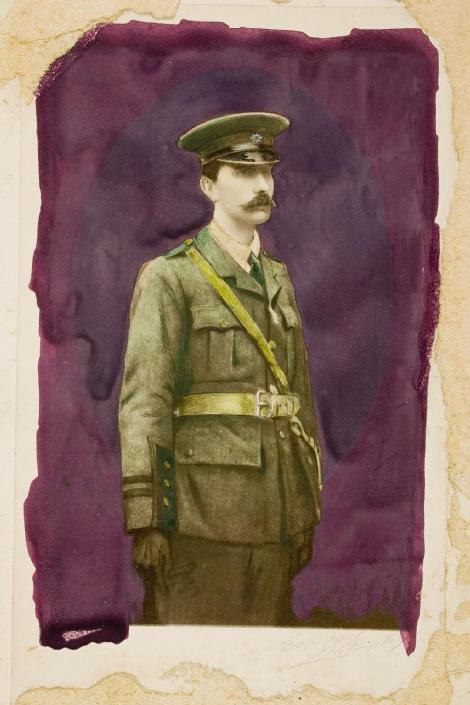
Eamon Ceannt, Commandant of the 4th Battalion of the Irish Volunteers at the South Dublin Union, 1916

The Patriots Inn- photo taken from alfredandmarie.com/Dublin%20Trip/Dublin.html

The Patriots Inn
760 South Circular Road Kilmainham Dublin 8.

The wise ones, we park at Kilmainham Jail. Match day. I remember a time you’d want to be arriving almost an hour before kick off to park your car before heading to see Saint Pats, ‘Dolan-mania’ it was. Those days are well and truly over. I’ve grown up, but I suppose the younger brother has always made post match pints impossible, as tempting as this pub does look.

Post booklaunch is a great time for a pint. Sure, you’ve a free glass of wine or three in you, but wine? When you’re standing there gazing up at the cells in Kilmainham Jail, and those names jump back at you, it’s a pint you want. Instantly. It’s so much to take in. Remarkably beautiful, one has to remember that that prison was allowed to fall into complete disarray, with people raiding the place for metal and anything not nailed to the ground, as trees grew out of the ground in a place once home to everyone from Wolfe Tone to Peadar O’ Donnell.

How very Irish really. We built massive “‘mon the lads!'”monuments at Kilmichael, Crossbarry and anywhere else we gave them ‘a good go’, but the most important historical site of the revolutionary years (and we’re starting the revolutionary years with 1798 here, not 1916) was allowed rot away. Volunteers (of a different kind) brought this place back to life. It is a much more fitting monument to the men and women of Irish history than any roadside piece of concrete.

The reader: The pub, you’re reviewing a pub here?

I’m getting to the pub.

It’s really handy to name a pub something like this when history kindly leaves something on your doorstep. There are pubs in this country named after everyone and anything. Wolfe Tones Pub And Bistro (and I bet there’s one somewhere), for example, might look nice from outside, but inside- it could be any pub anywhere, with no further mention of the Oirish name that got you in the door.

The first thing you see however, when you set foot in the Lounge door here, are beautiful rare photos of the jail across the road. A group of men and women standing by the cross marking the spot where almost all of the 1916 executed men fell in the early 1930s, republicans being taken to the jail by British forces, amazing photos. They go around the corner too, with more on the far side. It’s a wonderful touch. They’re not milking or ignoring what’s on their doorstep here, they’re engaging with local history perfectly.

Two highstools are spotted, and quickly taken. The people? Friendly staff, I spot two females working between the lounge and the bar. The pints clock in at €8.20 (For two, relax) and are unfaultable. I’m playing with fire here, having 15 minutes to spare before I have to get on a bus to Maynooth (have to, as students we have to go out in the town at least once a week)

Another one? Time says no, but eh…go on sure.

Two more arrive at the bar. The older Fallon spots a poster in the corner of the bar, promoting events. Unusually, the pub hosts Film Nights. This is most welcome in my own opinion. I firmly believe pubs can be a hub for a lot more than high-stool chat, and this is a perfect example.

The bar seems very much a locals bar, but this pub has a genuine warm feeling to it. Older Fallon departs for The Oak, a pub he frequented as a young(er) man and feels deserves a return trip. This one, it is agreed, also warrants a future return trip. Word on the street is that the food here is topclass too, and a quick glance over the menu reveals a very fair price-list, and food more in the Panini category than ‘terrible pub ham and cheese offerings’

Younger Fallon takes off for Maynooth, content with two fine pints, and a good fifteen minutes behind schedule.

The 66 journey is long, and alas- toiletless. Let this Random Drop Inn be the one that inspires me to include a brief summary of the toilet facilities from here on. Alas, we learn from experience.

A Man Young and Old

Hxci’s fantastic post on things to do in Dublin other than sitting on a highstool getting wrecked is one of our most popular pieces, and people tend to stumble across it through a variety of humorous google searches, things in the same category as “I’m not drinking for a week in Dublin and don’t know what to do with myself at all” basically.

While he gave the National Library of Ireland a mention, it was only recently when knocking about it for college reasons I realised just how fantastic the exhibition on the life, times and work of W.B Yeats is. I remember visiting it a good two years back as it was initially intended to be a temporary exhibition. The decision to leave it in place was, for this city, an unusually wise one.

If you have broadband, and a half decent flash player (and we’re all Dubs here remember, no way any of you are living in one of those floodable, broadbandless North Kildare housing estates) you can check out the exhibiton from home.

Granted, it’s free in real life, and beautiful to walk around, but after visiting it I knew there were odds and ends I wanted another look at. The audio-visual aspects of the exhibition are there to view too.

A fantastic effort from the National Library, and unusual in this country. So much of the historical material and archives in the possesion of the state would do well to find an online home like this.

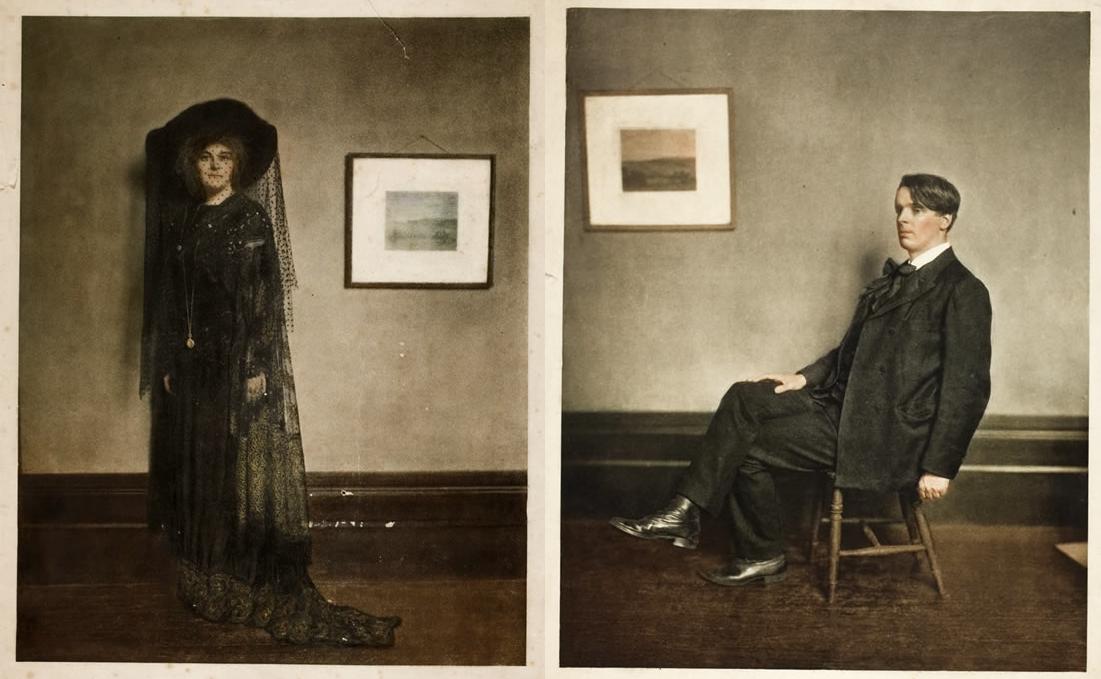
From the National Library of Ireland online, portraits of W.B Yeats and Maud Gonne circa 1900

Stompin’ George and The Magnet

‘Stompin’ George’ Verschoyle (62) from Artane in North Dublin, has been a dominant figure in the Irish rockabilly scene for over four decades. For the first time ever, he has agreed to be interviewed about his life and the Dublin rock ‘n’ roll scene of the 1970s and 1980s in which he played such a pivotal role.

George was born into a musical family; his mother was a graduate of the National School of Music and George and his younger sister were sent to piano lessons when they were younger – but he soon got bored. “The teacher was into light classical, I wanted to be the next Jerry Lee Lewis”, he recalls.

At the age of nine, George began listening to Jimmy Saville’s The Teen and Twenty Disc Club and Jack Jacksons’ Jukebox Show on Radio Luxembourg. Though he usually was put to bed at around 8pm, he convinced his mother to wake him up at 10.55pm on Sundays so he could listen to Barry Aldis’ Top Twenty till midnight. In the early 1960s, the BBC presented a radio documentary on the history of rock ‘n roll which George taped on a reel to reel (he still has the tapes). George pinpoints this series and its opening track, Tongue Tied Jill by Charlie Feathers, as introducing him to what was to become an essential part of his life – rockabilly.

Every Saturday night, George and a mixed group of around twenty friends would go down to the local hop in Chanel College in Coolock. One night the DJs (Don and Gerry) failed to turn up and so George, at the age of 14, offered to step in. This was his first stint at DJing. The year was 1962. After that first night, George began standing in for Don and Gerry on a regular basis.

After gaining in experience and confidence, he was offered the role of resident DJ in The Flamingo Club on O’Connell Street which opened in September 1966. He stayed there for two years playing a mix of 1950s rock ‘n’ roll and ‘60s sounds.

George took a break from spinning records for a couple of years until he bumped into a fellow rockabilly fan called ‘Rockin’ Kevin’ in his local, The Bachelor Inn. The pair hit it off and they soon began organizing “record hops” in the upstairs function room.

The nights were a success and they soon outgrew The Bachelor and moved to The Regent Hotel on D’Olier Street. It was at this time that several of the local biker groups began attending the nights including the Road Rockers MC and the Vikings MC.

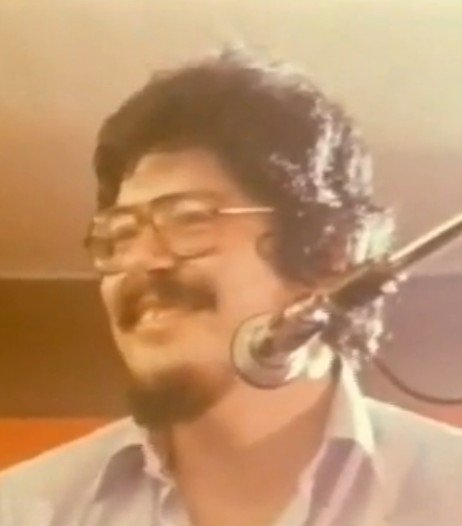
Stompin’ George

A fire that destroyed the hotel a couple of years later meant the venue had to change and The Mondello Club was suggested by biker, Tony Kelly. George used to organize a bus from The Bachelor pub to The Mondello and back every Sunday.

Around 1977, they moved again; this time to Goulding’s Social Club on Townsend Street. A year later, George joined Capitol Radio which was based a few doors down from The Bachelor where he presented a show playing the “best in rock ‘n’ roll and rockabilly”. He remembers that a lot of listeners “used to phone and write in asking why there weren’t any rockabilly hops in town.”

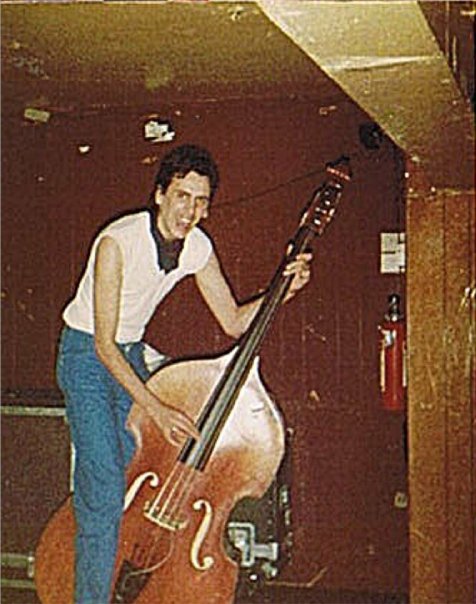
John Fisher on Double Bass at The Magnet

At the time, the only places you could find rockabilly was Sunday nights in Toners where Rocky De Valera & The Grave Diggers played Dr. Feelgood-inspired rock ‘n’ roll or Friday nights in The Magnet Bar on Pearse Street where Hurricane Johnny & The Jets played rock ‘n’ roll covers.

George went to see The Jets in The Magnet a couple of times and decided that the venue would be perfect for a record hop. He spoke to Liam Lynch, The Magnet’s owner, about taking over Monday nights and the rest, as they say, “is history“.

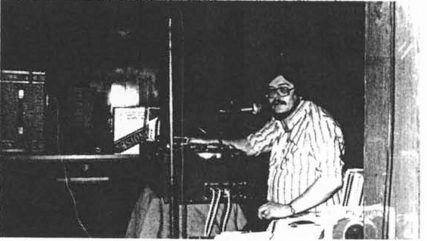
George at The Magnet. From Vox Zine, Issue 2 1980.

The Magnet on Monday nights which started in September 1978 and ended in March 1983 has since gone down in Dublin rock ‘n’ roll history – with many regarding it as the glory days of the Irish revival rockabilly scene.

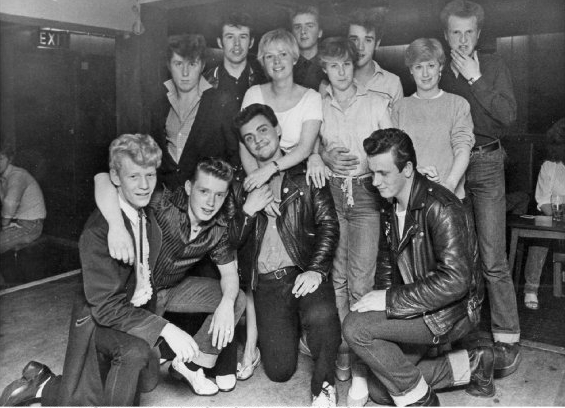
The Magnet, 1979. (Thanks to Paddy De Quiff for most of the pictures)

It “was an old type workingman’s pub” whose upstairs venue could hold 200 people. George explains that the night attracted a “mix of people including bikers, teds, mods, rockers and the odd punk”. In their four and a half years there, there was never any major trouble. He explains this was because people “policed themselves” because they didn’t want to risk losing the venue as there was “no where else to go for a good night’s music”.

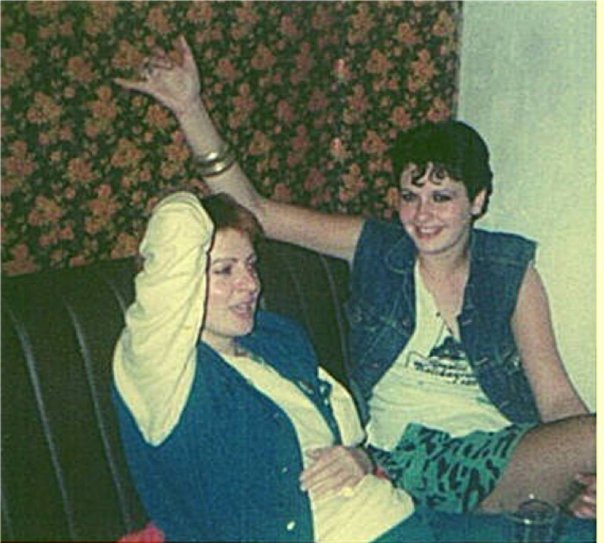
Carolyn Fisher and Billie Webster at The Magnet.

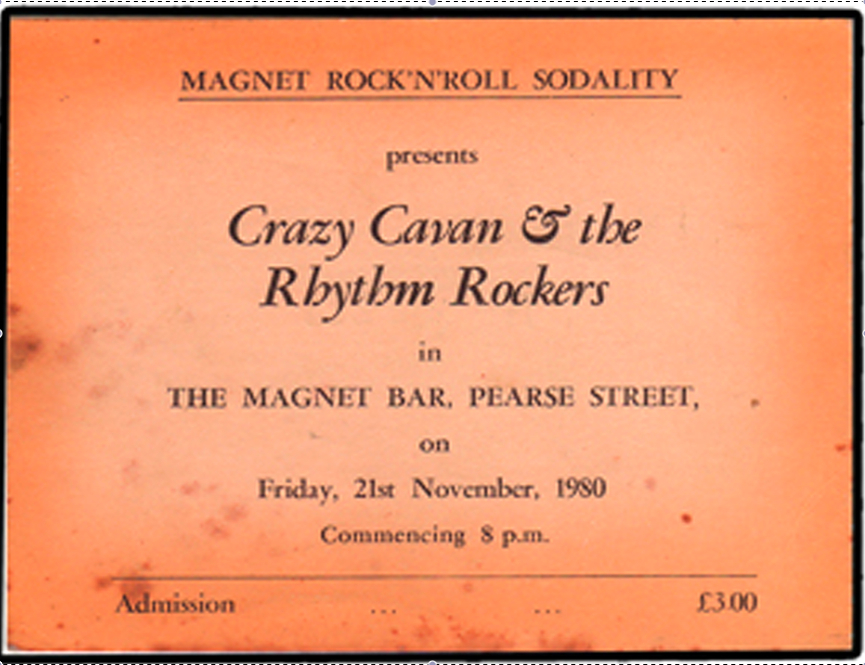
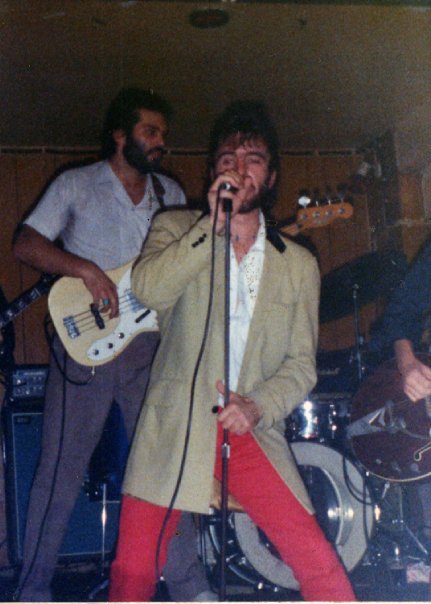
The 1980s saw a huge rockabilly revival in the U.K. with young bands like The Sunsets, Crazy Cavan and The Rhythm Rockers, The Polecats, The Shakin’ Pyramids and the American-born band The Stray Cats breaking the charts. Unlike some other original rockabilly fans who viewed this new generation of rockers as “too punchy” or “too commercial”, George thought for the most part “they were helping to bring the music to a much wider audience”. However, he makes it clear that he “didn’t like or agree with the likes of Showaddywaddy or Mud, who did nothing for rockabilly.”

Crazy Cavan. Ticket stub, November 1980.

Crazy Cavan, The Magnet.

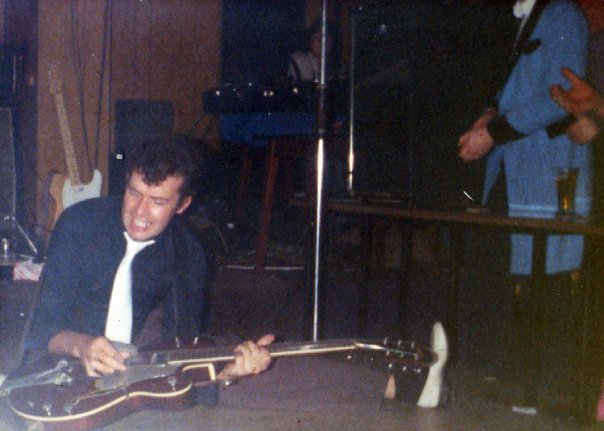
Crazy Cavan’s guitarist.

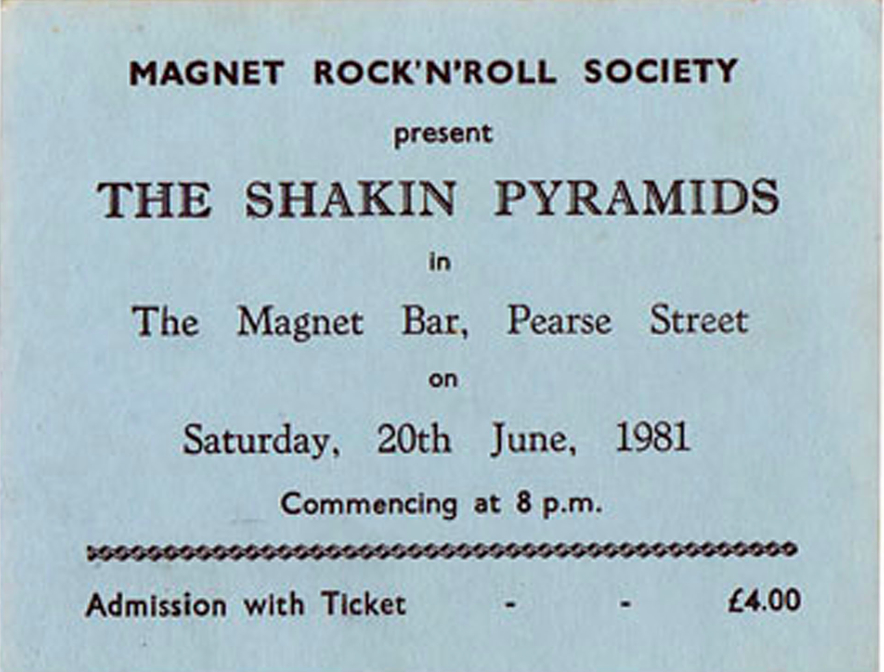
The two visits of the Scottish group The Shakin’ Pyramids were definitely the “high point of our years in the Magnet” George says. “I know of people who say they were there on the night and who still reckon it was one of the best gigs seen in Dublin. I have seen many bands and artists over the years including The Beatles, but I was never at a gig like the Pyramids, it was electric.”

The Shakin’ Pyramids. Ticket Stub, June 1981.

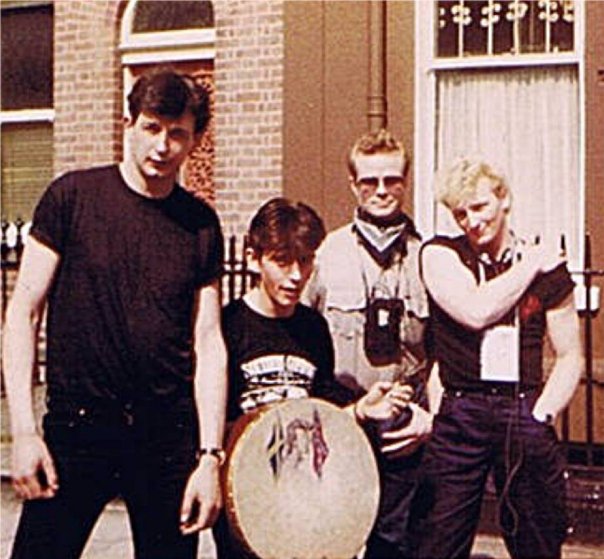
The Shakin’ Pyramids on Harcourt Street.

When The Magnet closed, George felt that their rock ‘n’ roll nights had “had more or less run its course already and it was the right time to leave”. Most felt it was time to take a break anyway. “A lot of the regulars had moved on with their lives, got married, went abroad to work” or had “taken up golf”. George got married to Fran in 1981 and his first daughter was born in September 1981. It was time to take a break from music.

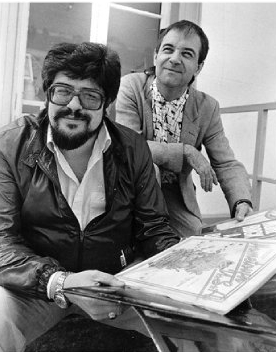
Johhny, Stompin’ George, John Fisher and Boppin’ Billy.

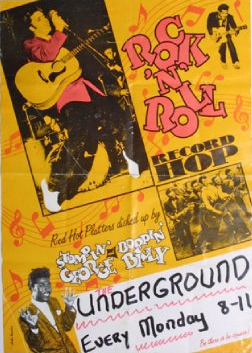
It didn’t last long however and in the mid 1980s, George teamed up with another friend “Boppin’ Billy” and started a residency in The Underground in Dame street which ran for 18 months. After that, they had a several month stint in The St. Laurence Hotel in Howth followed by a pub on Camden Street and finally a little wine bar/restaurant called Blazes on Essex Street.

Poster for the Rock ‘n’ Roll Record Hop at The Underground on Dame Street.

By this stage, George and his crew were making a name for themselves in the city. They were invited to play at a 30th birthday for the Guinness family in Leixlip and six wrap up gigs for various film shoots. At one of the ‘wraps’ held in a stately house outside Bray when the place was rockin’ at 5am and no one wanted to go home, George recalls that “a famous RTÉ DJ of the time came over to us and said he had never in all his years heard such amazing music – this sort of sums up what rockabilly music is!”

Stompin’ George & Boppin’ Billy

Their final gig together was in The Hard Rock Café but “it was doomed from the start as they would only give us Sunday nights starting at 11pm”. However, they did mange to get an invite to support The Pogues at the National Stadium. “That was really interesting as there were about 2,000 people at the gig and they would break out into spontaneous applause after a piece of rare rockabilly” George reckons it was “possibly the first time most of them had ever heard of Charlie Feathers or Herbie Duncan!”

Stompin’ George is still DJing and boppin’ after 48 years. An inspiration to us all, there’s plans in the woodwork for a Magnet reunion gig in the not so distant future and that’s something we can all look forward to, even if we weren’t there the first time around…

Revelations (Of 45s)

(A few days ago, my Dad passed down his collection of 7inch 45 singles to me. The hoard, which comprises of least 1,500 pieces, is made up of his and his two brother’s accumulations. To say the least, the collection is absolutely amazing. Myself and DFallon spent two hours going through it on Sunday and found an eclectic mix of early 1960s American rock n roll, British invasion, Motown/Stax/Atlantic soul and Irish punk.)

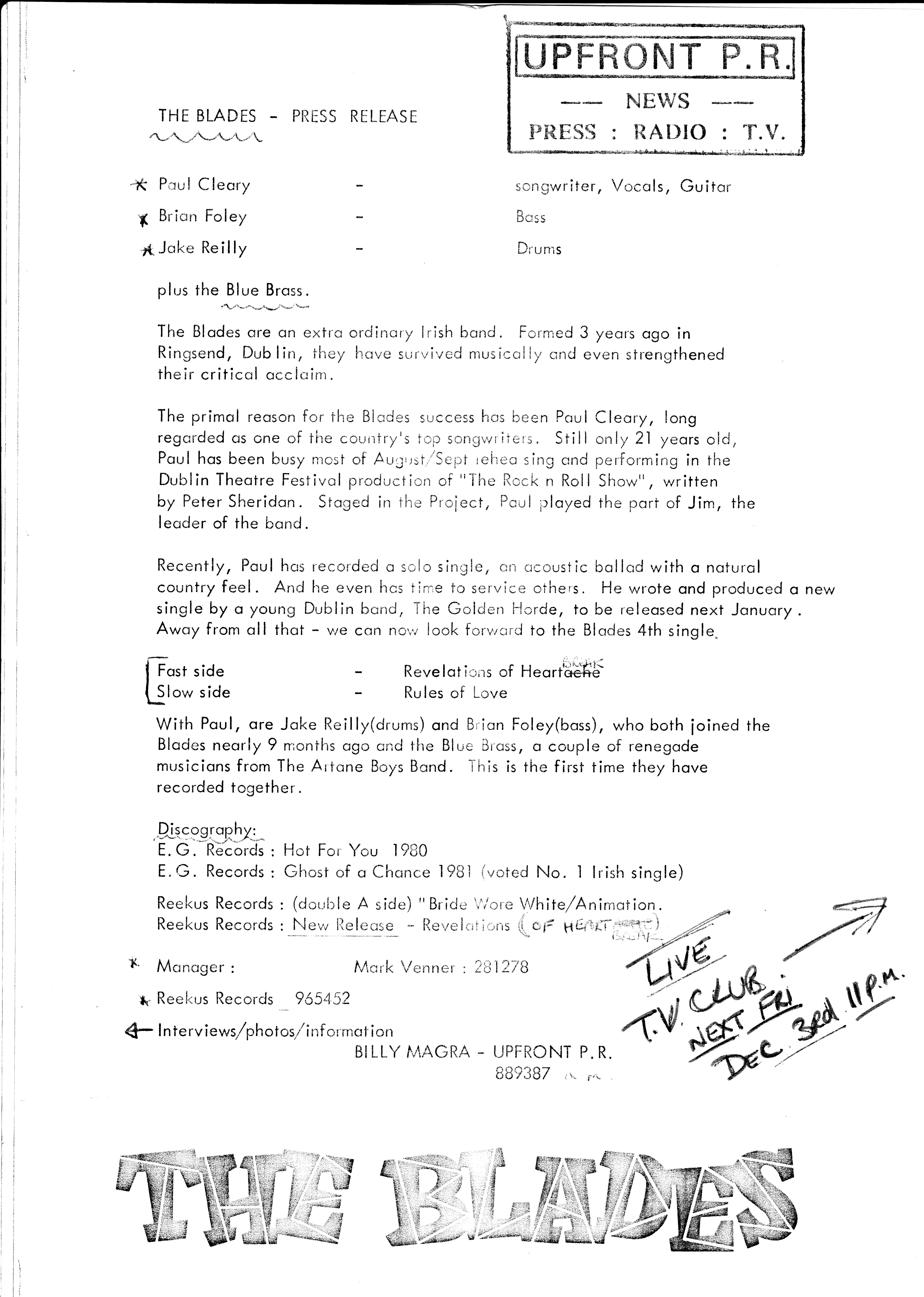
Included in the stacks of records was a pristine copy of The Blades’ Revelations (Of Heartbreak), their 4th single. While I was taking out the 7 inch to see if it was scratched, out popped an old A4 press release that had been nestled comfortably in the record sleeve (probably untouched since 1982) with an added hand written note (my dad’s scrawl) advertising their next gig.

The Blades Press Release. Decemember 1982.

The A side, Revelations (Of Heartbreak), is a power pop, soul influenced dance classic. It was the first single that The Blades recorded with the Blue Brass (Frank Duff and Paul Grimes), “a couple of renegade musicians from The Artane Boys Band”. The song was produced by Bazza at Windmill Lane Studios.

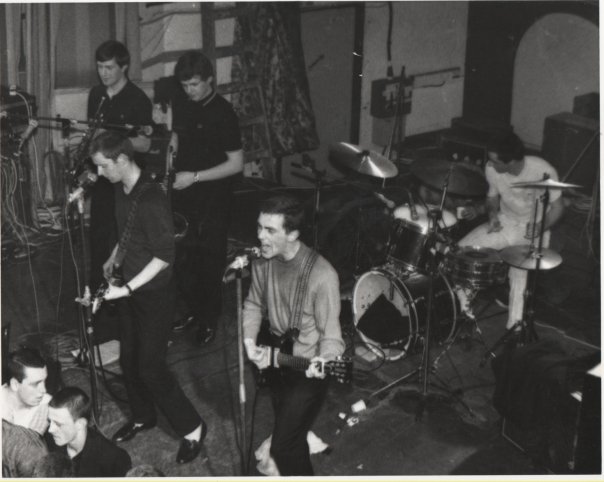
The Blades in action.

The B side, Rules Of Love, is a slowed down pop ballad loaded with brass vitality. The song was mixed by Kevin Moloney in Windmill Lane Studios.

Note: You can buy The Blades boxset here.

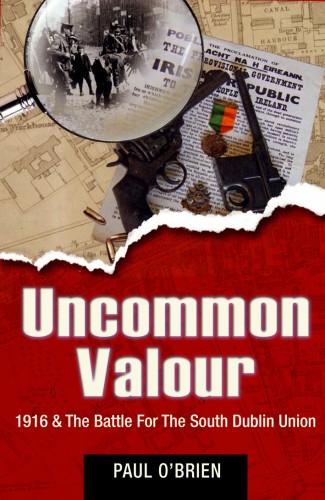
The Cover Of Paul O' Brien's latest work, Uncommon Valour

I’m currently looking forward to the launch of the latest 1916 work from Paul O’ Brien this Thursday at Kilmainham Jail, not least having flicked through the book today in the NUI Maynooth bookshop.

For a one week insurrection, I am constantly amazed at the amount of material published on the 1916 Rising. Hitting fever-pitch in 2006, things have continued at a steady pace since. Much more than ‘broad sweep’ accounts however, it is the particular and specific studies that are of interest to me.

Blood On The Streets became one of my favourite 1916 studies. The battle of Mount Street Bridge was, to say the least, bloody brutal. Wednesday the 26th of April was one of the most eventful days of the insurrection, with the shelling of Liberty Hall (completely empty bar one cleaner)commencing that morning. The rebels were holding up reasonably well across the city, despite a severe disadvantage with regards numbers. Sean Heuston’s efforts at the Mendicity Institute on Ushers Quay being a perfect example of a small band of rebels keeping large government forces at bay. That day however will be remembered as the day when four battalions of the Sherwood Foresters (Many of whom believed themselves to be on French soil at first) would encounter hell by Mount Street Bridge, not least from the (initial) 4 volunteers at home in 25 Northumberland Road. A far superior number of Sherwood Foresters, attempting to advance towards Trinity College, were ultimately stalled for days by a tiny band of rebels.

General Sir John Maxwell himself noted that:

“Four officers were killed and fourteen wounded and of the other ranks, 216 were killed and wounded”

Paul O’ Brien’s account of the battle is a comprehensive and long overdue one, where the reader feels they themselves are there in Clanwilliam House, or 25 Northumberland Road. Such is the effect of somebody focusing on such a key event in itself, rather than giving it a passing role in a broader study.

Eamonn Ceannt, from the National Library of Ireland online.

Hopefully, this account of the South Dublin Union garrison will be more of the same. One of the most interesting sites from during the week, not just in terms of the action that occured there- but the characters involved. Commandant Eamonn Ceannt was in charge of the 4th Batallion on the day, with Cathal Brugha and W.T Cosgrave next in line. It’s miraculous Cathal Brugha emerged from the battle here at all in truth, and it was here that Nurse Margaretta Keogh was to become the first female casualty of the week

The priceless 1916 Rebellion Handbook observed that

“The rebels took up suitable sniping positions at Dolphin’s Barn, Marrowbone lane, Watling street, Kingsbridge, Kilmainham, Rialto and Inchicore, while a party which seized Messrs Roe’s malting stores near Mount Brown also gave trouble”

The account of the assembly of the 4th Batallion, as noted in Dublins Fighting Story, provides fascinating insight into the chaos and disorganised nature of the rebellion at first. The Batallion had a roll call of about 1,000 Volunteers before the Rising. Where were they on the day?

There is an amazing tale of when Cathal Brugha -boasting twenty five wounds (Of which five were after cutting through arteries) and feared dead by many of his comrades- burst into song. Ceannt rushed to see the sight of Brugha slouched against a wall with his pistol to his shoulder still.

“The two heroes laid aside their weapons. The commandant came on bended knee the moment he saw the dreadful condition of his comrade- lying in a pool of his own blood four square feet in extent- embraced him, pressed him to his heart in a very passion of affection and tenderness. They exchanged greetings, very briefly, and the fond eyes of the commandant were flooded with tears”

In the end, the British would focus their attention on the General Post Office and the Four Courts, and the South Dublin Union garrison would ultimately not hear of the surrender until Sunday. Two miles west of the headquarters of the Provisional Government, Ceannt and his men – severely outnumbered by government forces from the nearby Richmond Barracks- would hold out for the length of the insurrection.

An individual study of such a key flashpoint of the 1916 Rising is most welcome. I look forward to obtaining my copy! If you’re there on Thursday say hello.

Now; it was in my head beforehand that this months pub crawl was going to be a rare treat; We were all to be taking our pints in five pubs we hadn’t set foot in before, a rare occurrence when you consider we once tried naming every pub we’ve drank in Dublin before, and ended up giving ourselves migraines. And I wasn’t to be disappointed. This Sunday, our territory had been marked out in advance by fellow pub-crawler JFlood; we were out of the town centre, away from our comfort zone and up into his neck of the woods- this week, CHTM would hit Rathmines.

Rathmines, last week.

Now it’s odd, I’ve been in Dublin for nine years now, and have been drinking for the majority of those, but I’ve never crossed either of the canals for a pint; unless you count the student bar in UCD that is, or of course Croke Park, the odd time my home county made it there. So there’s a wealth of pubs that I’ve yet to experience, many roads to walk and chippers to drunkenly stumble into afterwards… So, still feeling the after-effects of a bit of a mad one on Saturday night, but looking forward to more-of-the-same, I met with the usual heads at Portobello plaza, and we were joined by another connoisseur in Soundtracksforthem veteran DMcHugh. Crossing the bridge into flatland, we were given a heads up on a bit of local history from jaycarax, who told a tale of the first bridge to cross the canal at Portobello, and a horse drawn carriage that plunged into the lock from it, taking the lives of its six inhabitants. This led to a tradition which was followed for many years of superstitious people disembarking from their transport at the Rathmines side of the bridge and walking across, only to take it up again on the far side.

Toast, by Turgidson, from Flickr

So, enlightened by that gem, we made our way to our first port-of-call, Toast, on Lower Rathmines Road. According to John, this is the bar that the yuppies and monied classes of Rathmines drink in; A self-styled Café Bar, it’s the sort of place you’d have your “hummus pannini and skinny latté” types alongside seasoned Guinness drinkers. Deceiving from the outside, the bar stretches well back more than its exterior would suggest, and seating is a mix of high stools around tables and comfy looking sofas around low tables. Unfortunately the latter were all occupied so we had to make do with the former. Nice looking on the inside too, this place, recently redecorated by the looks of it. At €4.35,  it wasn’t a bad pint, but not a great one either; Something I noticed on this pub crawl was that, while we didn’t get any terrible pubs for pints, we got two lovely ones, two mediocre ones, and one that just didn’t go down right. And this was one of the mediocre ones to be honest. But still, we were happy enough here, we had plenty of space, and the bar-staff even brought us down our pints. This is one of those pubs in which Diageo is running its “Pour your own pint” initiative; We stayed well clear, though there’s a couple of barmen/ex-barmen in the group, we said we’d leave it to the staff… It is their job after all! I liked this place to be honest; It’s the kind of place you might stop by for a pint and the spuds on a Sunday and a read of the paper.

Slatterys, by Mark Waldron, from Flickr

Having settled in comfortably and taken in as much of the atmosphere as we could in a short time, we upped and headed out. As I said, JFlood picked out the route this week and he didn’t disappoint; Next stop was to be MB Slattery’s, JFlood giving us a nice spiel on the history of Rathmines Town Hall on the way. As soon as we walked into this pub, I knew straight away we were onto a winner. For those of you who have never been before, Slattery’s is one in a line of pubs we are losing in Dublin bit by bit- Think of Mulligan’s crossed with Grogan’s, minus the journos and failed writers and you’ve got something close. Unfortunately the little snug inside the door was occupied so we had to make do with a few stools down the back. No matter, lots of ledges and tables to rest the pints on and plenty of space to make ourselves comfortable in. At €4.30, this was one of the lovely pints- You could tell the difference between a good pint and a mediocre one- that after a round of “Sláintes” and a mouthful taken apiece, a certain satisfaction creeps into us all; just lovely. It’s this kind of boozer we’re running out of in this city, as they get shunted out and replaced by pretentious café bars, and the culture and social history that go along with them find it harder and harder to keep on. Obviously the gaffer is sport mad, the walls are bedecked with Irish flags, while a Munster flag and a couple of sporting wall-planners hang on the wall down the back, it pleased me to see that as soon as the football was over, the telly was turned off. No having to spend your quality pub time spoiled by the annoying drawls of Dunphy, Giles and co. I come to pubs for pints and conversation, not to hear those twats! Nice spot from DFallon, copping that while there was no mirrors in the jacks, there was a St. Pauli sticker on the condom machine- We all had a smile at that one.

Graces, not the night we were there though! By Professor Michael Johson, from Flickr

It was with a heavy heart we left this place, for a number of reasons, and we made our way around the corner to Graces/ The Loft.  Now, while airs and graces weren’t required in Slattery’s, they certainly weren’t required here. This is definitely a locals bar, as the shouts and laughter indicated as we entered- no, they weren’t in our direction, just between regulars whose main topic of conversation was to rip the piss out of each other. I don’t blame the barman for eyeing us somewhat suspiciously but he, along with the regulars soon lightened up and we had a chat about the rugby while waiting for the pints to settle. The cheapest pint of the night here, at €4.10, but I’m sad to say it was one of the mediocre ones; maybe it’s just that the drink in Slattery’s was so good, but the pints here just didn’t go down as well. That said, it’s a nice little boozer, maybe not one you’d take a lady friend to on a first date, I’d pick Toast for that accolade, but alright as a “waiting for me mate so I might as well get a quick one into me” sort of place, it reminded me of the Metro on Parnell Street to be honest, plain and not a whole lot going on, but not the worst place around either. Plenty of space in the place divided into restaurant style booths, but with comfy seats; Not one I’d rush to go back to but I wouldn’t mind ending up there either. Looking for pictures for this piece I see they do music, I’d like to try it on a night like that and I might be more enamoured!

Mother Reillys, by Infomatique, from Flickr

Next up on the list was Mother Reilly’s and lord, was I happy we found this place. As inviting as Slattery’s was, Mother Reilly’s is my kind of place and one I’ll definitely be back to. The place oozes character, with flagstone floors, oak beams, candles and cubby holes; It has the feel of a lovely pub, with two (gas powered) open fires that the friendly bar-staff had no problems with us pulling our stools up around. An absolutely cracking pint to beat all that too, great value at €4.15 (or €3.50 with a student card.) I think we all agreed this was the top pub of the night, for look, character and musically too (piped music at a low volume, but good piped music, and that makes all the difference!) DFallon had a Christie Moore songbook with him for some reason, and it was very tempting to bang out a few of the tunes within; You get the feeling they couldn’t care less in this place if you did- I’m sure the regular that happened on our conversation about Moving Hearts might have even joined in. A large beer garden/ smoking area out the back looked as though it might have served us well, had it been closer to the month of June or July, but the February cold drove us closer to the fire, and all the better for it. We took in a couple more pints, such was the welcome in this place, and a props to jaycarax and H for sticking with the black stuff; Usually by the forth pub they’ve switched to the lager- shocking stuff I know, but I think we’ve finally got them hooked. About time and all. I think this joins a list of maybe three or four pubs out of the 25 we’ve visited so far that I’d have no problem recommending to anyone. I’ll be back for a Random Drop Inn anyways.

Rody Bolands, by Professor Michael Johnson, from Flickr

With the night getting on, we decided a pit-stop for soakage was in order so we took a detour up to Burdocks. Fast becoming a staple with us here, their 2-for-1 deal on Haddock and chips (€4.60 a piece between two, sure you’d spend that on a pint.) It went down a treat anyways, and we didn’t stay long as we were due to hit one more pub before the long trek home. I was skeptical enough about the last pub on our list, as the locals in Graces laughed while telling us most of our number wouldn’t get in what with their Dublin accents… We soon realized what the joke was about when we headed into Rody Bolands and saw that every wall was bedecked in Tipperary garb, pictures, old hurls and the kind of tat you’d see in any Irish pub anywhere in the world. We just couldn’t take to this place at all- Why have a beautiful, old bar like this banging out the worst kind of 80’s pop at such a high volume? Where Mother Reillys was a joy to behold, this place was the opposite, the pint of plain tasted a bit sour here, and the music was a complete turn-off. We were unfortunate in that trad sessions run here on a Sunday nights from six, but JFlood wasn’t informed when he was talking to the barman earlier in the week that they ended at eight. Again, what’s the point in that- Surely people are only getting warmed up at that stage? Maybe if we were all a few years younger, and on the pull for someone from Cork, Clare or Tipperary we’d have enojoyed it but… It just wasn’t for us; another night, maybe it would have been fine but. The pint, as I said, wasn’t the may west, and as far as I recall, came to €4.30. Service was prompt, and there were plenty of floor staff around, collecting glasses and cleaning tables. That, I liked, as well as the old shop counter up at the back, which I thought was a nice touch.

So that was that, with a long walk back into town, we all went our separate ways, happy out after a good evening on the tear. Two great finds in Slattery’s and Mother Reilly’s, two grand pubs in Graces and Toast, and an alright one in Rody Bolands. It has to be said, great work from JFlood, it’s only a pity he wasn’t able to do the write-up too. Next months pubs are on me, and we’re back into town for this one!

February’s five pubs were:
1. Toast, Lower Rathmines Road.
2. MB Slattery’s, Lower Rathmines Road.
3. Graces, Rathgar Road.
4. Mother Reillys, Upper Rathmines Road .
5. Rody Bolands, Upper Rathmines Road.

A recent post on the Guinness Fire Brigade was, as far as I am aware, the only study on the Brigade online. Bar a passing reference on the Irish Times 1916 special website, there seems to be a complete shortage of information when it comes to the ‘Arthur Guinness and Sons’ fire service.

So, what were the odds of this:

Picked up at the Blackrock Market, for an unbeatable €10.

A nice welcome addition in the search for information, pictures and more on the Guinness Brewery Fire Service.

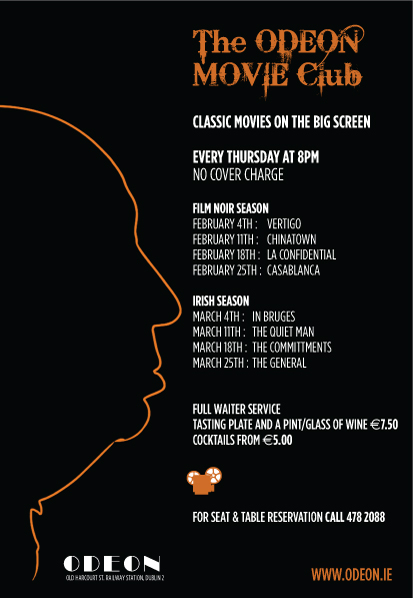
Odeon Cinema Club

Thursdays at 8pm. Starts February 4th 2010. No Cover Charge.

Odeon Film Club

What’s in a name?

Do you want to see a video of six middle aged Swedish dentists known as the ‘Dublin Bombers’ playing Irish folk songs at a concert on the island of Öland in the summer of 2008? Thought so.

The Leprechaun, February 1910 (Page 185)

During the recent snow in the city the streets were neglected for days. We venture to offer the above suggestion.

Discovered this one recently hiding in a collection of old cartoons, nice to spot the Lord Mayor and his £3,600 sweeping brush in the Dole line. Before John Gormley, they were still Gormless.