Feeds:
Posts
Comments

The Notorious Boo Boys, the independent fan group of Bohemian F.C., are organising a very special fundraiser tomorrow night.

Facebook event here.

NBB Poster. Design - Kev Squires

NBB Poster. Design – Kev Squires

Headlining is the one and only Liam Dollard, the ‘Godfather of Dublin House Music’. Liam has been rocking raves and clubs for over 20 years.

Liam with raised hands at The Shamen gig , UCD Rag Ball in March 1991 - Photo Paul O'Sullivan. via Where Were You?

Liam with raised hands at The Shamen gig , UCD Rag Ball in March 1991 – Photo Paul O’Sullivan. via Where Were You?

His first serious gig in Dublin was a warehouse party near Thomas Street on a Friday night in the Summer of 1990. That night the infamous SIDES club was empty with Dublin’s small party faithful going up to check out was going on at the Thomas St. all-nighter. The following week Liam was asked to become SIDES Friday night resident, a role he played for the next four years.

Check out this amazing live mix from 1993.

In 1994 he released alongside Vintin a remix of Mad Sound Disease’s ‘Moonboon’ which became a Dublin House classic.

Liam followed with residencies in the Ormond Multi-Media Centre, Temple of Sound, PoD and the Kitchen. In the late 1990s, his last major residency was downstairs in The Temple Theatre. In March 1999, he teamed up with Billy Scurry and played San Francisco, Los Angelas and Hawaii all in the same week. Liam subsequently went into semi-retirement but these days comes out every now and again to rock out special gigs.

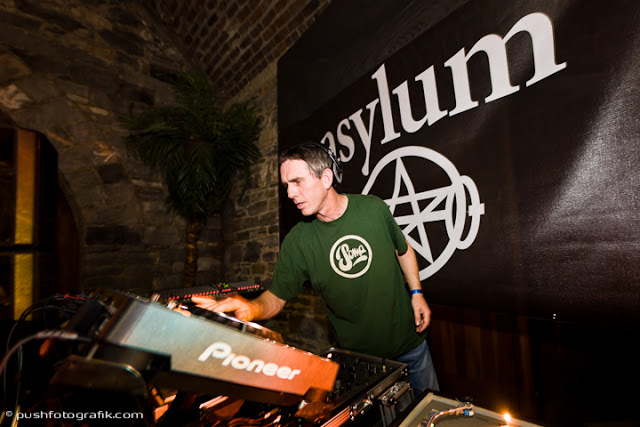
Liam Dollard in action. Picture - bushphotografik.com

Liam Dollard in action. Picture – bushphotografik.com

Heavy support comes from…

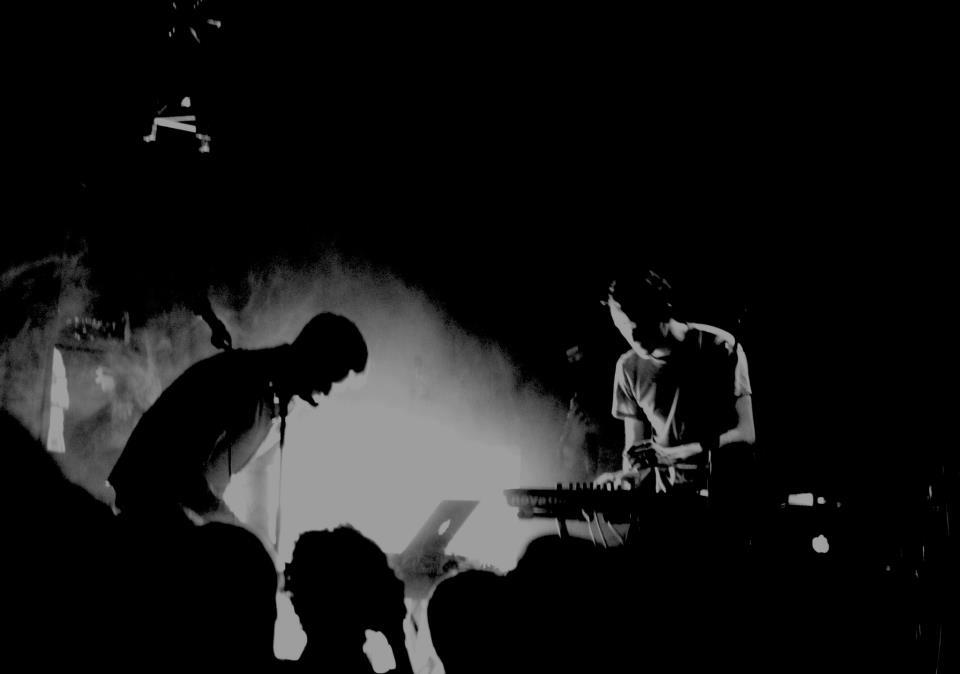
White Collar Boy who with a monthly residence at Pygmalion and recent support slots with Com Truise, Factory Floor, Creep, Not Squares, Keep Shelly, Soul Clap have taken the scene by storm. Described by leading Irish music critic Nialler9 as making songs that “emphasise hypnotic atmospheric arrangements and wistful lyrics with a persistent but gentle rhythm”, the duo released their debut 12″ ‘Kinsale’ in May 2012 to widespread acclaim.

White Collar Boy

White Collar Boy

  Continue Reading »

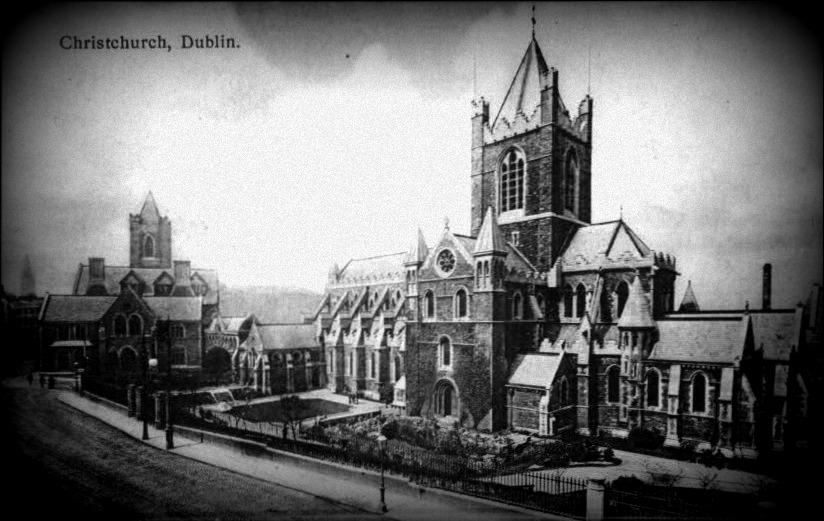
An historic postcard of the magnificent Christchurch Cathedral.

An historic postcard of the magnificent Christchurch Cathedral.

‘Hell’ was a rather infamous part of Dublin in the eighteenth century,renowned for its drinking culture and taverns, as well as a strange wooden statue of the devil. I first came across ‘Hell’ in the pages of the classic Me Jewel And Darlin’ Dublin, in which it was noted by Éamonn Mac Thomáis that:

‘Hell’ was the site just beyond Christ Church Yard near St. Michael’s Hill. It was a small area of taverns and bed-and-breakfast establishments in the Monto style. Robert Burns, the poet, wrote a few verses about Dublin’s Hell.

He also claimed that the reputation of the area was so bad that “The Provost of Trinity College Dublin told the students on more than one ocasion that ‘Dublin’s Hell’ was out-of-bounds and that he would expel anyone found there at night-time.”

Frank Hopkins writes of the area in his Hidden Dublin, noting that:

In order to gain entry to the old For Courts, one had literally to go through ‘Hell’. Christchurch was at one time surrounded by a warren of narrow lanes and alleyways.One of these passages to the west of the cathedral known as Hell is said to have taken its name from an underground cellar known by the same name. A large wooden statue of the devil adorned the arched entrance to the alley.

Robert Burns alludes to this corner of Dublin in his story of “Death and Doctor Hornbook,” when he wrote –

“But this that I am gaun to tell,
Which lately on a night befell,
Is just as true as the deil’s in hell,
Or Dublin city.”

Scotland's national poet, Robert Burns.

Scotland’s national poet, Robert Burns.

I recently stumbled across a very interesting account of the area, completely by accident, which was featured in the Dublin Penny Journal dated October 27, 1832. This account was later used by J.T Gilbert in his classic history of Dublin, published first in 1861, which was a groundbreaking study of the city. The 1832 article seems to have been written by someone reflecting back on a former Dublin, and the writer notes about ‘Hell’ that:

This was certainly a very profane and unseemly soubriquet, to give to a place that adjoined a cathedral whose name was Christ Church; and my young mind, when I first entered there, was struck with its unseemliness. Yes; and more especially, when over the arched entrance there was pointed out to me the very image of the devil, carved in oak, and not unlike one of those hideous black figures that are still in Thomas-street, hung over Tobacconists’ doors. This locale of hell, and this representation of his satanic majesty, were famous in those days even beyond the walls of Dublin; I remember well, on returning to my native town after my first visit to Dublin, being asked by all my playfellows, had I been in hell, and had I seen the devil.

He later writes that “As hell has not now any local habitation in our city, neither has the devil – but I can assure you, reader, that there are relics preserved of this very statue to this day; some of it was made into much esteemed snuff-boxes – and I am told there is one antiquarian in our city, who possesses the head and horns, and who prizes the relic as the most valuable in his museum.”

The account can be read in full here, on the brilliant Library Ireland website.

Big Bill Haywood, American trade unionist.

Big Bill Haywood, American trade unionist.

Big Bill Haywood is a hugely important trade unionist in American history. A founding member of the radical Industrial Workers of the World (IWW), Haywood believed in building ‘one big union’ which could represent American workers across all industries, and could ultimately change the very nature of society. A controversial figure who advocated very radical tactics, when he died half of his ashes were buried in the Kremlin wall, while an urn containing the other half of his ashes were sent to Chicago.

Haywood visited Dublin during the 1913 Lockout, and documented this visit in his autobiography Bill Haywood’s Book: The Autobiography of Big Bill Haywood. It’s an interesting read. He talks not only about his time in Dublin, but also sharing a platform in Britain with Jim Larkin, describing him as a “big bony man with a shock of iron grey hair and marked features such as are appreciated by the sculptor or cartoonist.” When in Dublin, Haywood addressed a demonstration at Liberty Hall, and even inspected the Irish Citizen Army in the company of James Connolly.

The below is the personal account of Big Bill Haywood of the Dublin Lockout of 1913:

——–

I had been I Paris not more than a week when I got a telegram from the Daily Herald in London asking me to come and speak on behalf of Jim Larkin, who was then in Mountjoy Prison. I went to see the officials of the Confederation of Labour and told them I was going to England on behalf of Jim Larkin and the Dublin Transport Workers’ strike, and that I would like a testimonial from France to the Dublin strikers- something that the strikers could use. They gave me a check for a thousand francs, a large contribution considering the condition of the workers in France at that time.

When I arrived in London a meeting was arranged at Albert Hall. Larkin was released in prison in time to speak at what proved to be a wonderful meeting. Twenty-five or thirty thousand people, more than could get in the hall, had gathered. Some students attempted to disrupt the meeting but the stewards or ushers were well organised and ejected the noisy bunch in quick order. A son of George Lansbury came over the railing of the first balcony and dropped into a struggling group which was fighting to get into the aisle.
Continue Reading »

Stein Opticians (Update)

In March of last year, we covered the epic 1983 tale of Stein Opticians on Harcourt Road who fought bitterly to save their beautiful shop from the developer’s bulldozer.

Recently Amelia, an award-winning photographer who still runs the family optician business today from 4 Camden Market, Grantham Street, sent me along a number of old press cuttings.

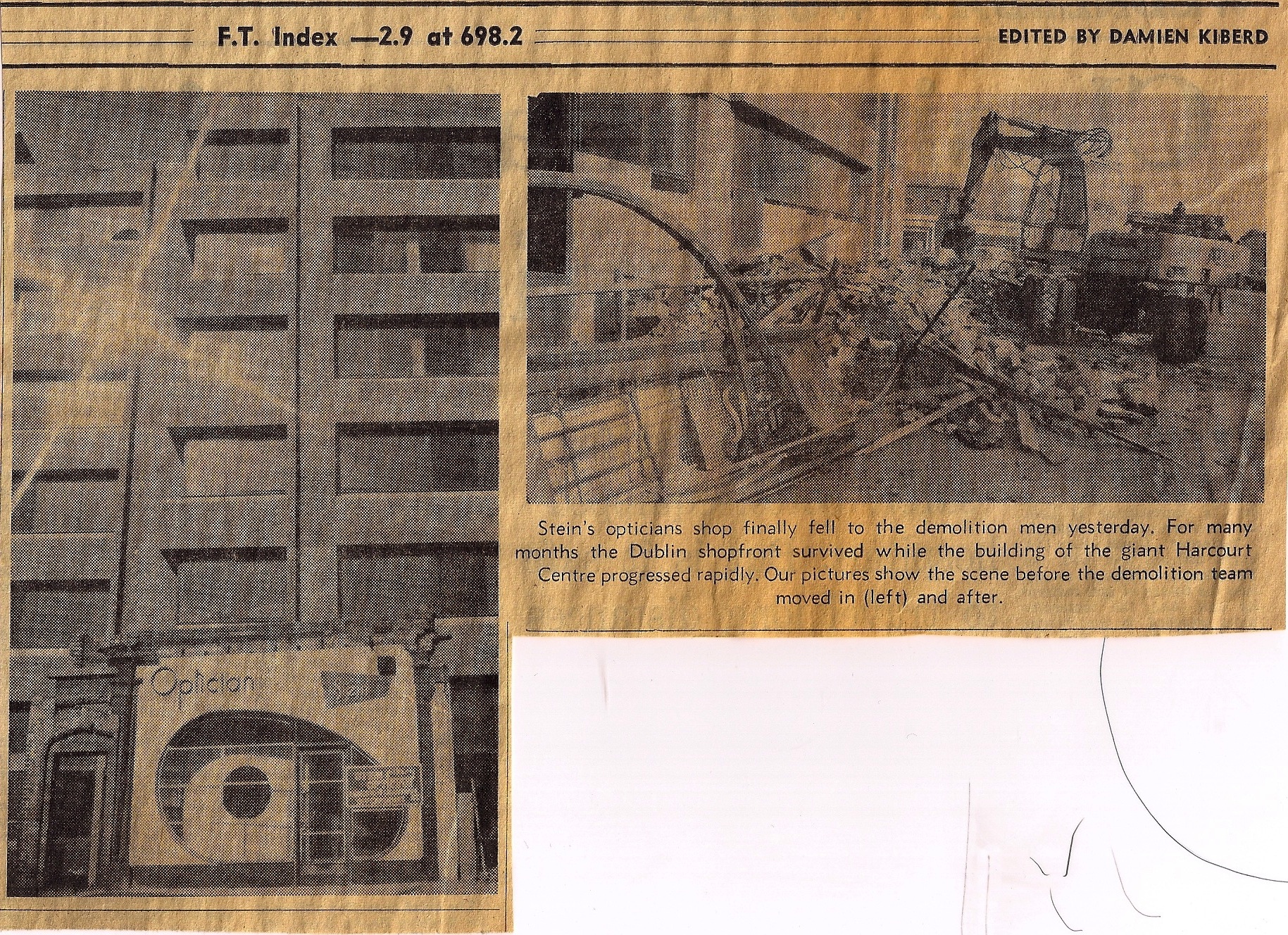
Here’s a before and after picture:

The Irish Press, 12 October 1983

The Irish Press, 12 October 1983

An article from the Evening Herald on the controversial move:

Evening Herald, 30 May 1983

Evening Herald, 30 May 1983

A fantastic image showing how the shop remained intact after everything else around it was demolished:

In Dublin, 13 May 1983

In Dublin, 13 May 1983

Finally, a rare original architect’s drawing of the new shop that that they agreed to move to:

GranthamSt

Grantham St premises design

Nothing excites the media like rag (Raise and Give) week. Be it rural students making a show of themselves in a Galway Supermacs, or heavy drinking in the capital, you can always count on annual student rag weeks making their way into the newspapers for all the wrong reasons. Some colleges, including NUI Maynooth, have altered the name of rag week in the past in an attempt to change the connotations around it. Often, the debauchery/drinking/occasional violence is spoken of in terms of ‘Celtic Tiger Cubs’, or a new generation who know no better.

There is nothing new about rag week ‘carry on’ however. In 1933, the behaviour of Trinity College students at their annual rag day was enough to lead to condemnation in the pages of the Garda in-house magazine Garda Review, and national media attention.

Irish Press, 13 June 1933

Irish Press, 13 June 1933

On 12 June 1933, there were clashes in Dublin which began when Trinity students attempted to steal the cap of a Garda. The Irish Press wrote that:

Some of the more boisterous members of the motley-attired processionists who marched through Dawson Street and Grafton Street came into conflict with the Gardaí following upon an attempt to seize a Garda’s cap. The incident took place near the top of Grafton Street, and when the Garda held on to his cap some of the students still persisted in their efforts to secure a grip of it.

Back at Trinity, it was reported that Gardaí were pelted with rotten eggs and tomatoes, and that two students required stitches after a baton charge. “Caps were pulled down over the Gardaí’s faces, and in some instances were knocked off. Eventually the Gardaí drew their batons to clear the thoroughfare…”

The students retreated back into their campus, but their attempts at robbing a Garda hat were only a minor prank, with newspapers noting that afterwards they “divided themselves into groups, mounted tramcars, pulled the trolleys from the wires, and so temporarily held up the city’s service.” One newpaper reported that “fireworks were laid by the students on the tram-rails, they exploded when trams moved over them.”

The Irish Times reported that a sizable gang of students went to the Shelbourne Hotel in search of fun, but on finding its doors locked to them instead made their way in through a window. Fifty or so students entered the hotel, before leaving as they had entered! In another instance, it was reported that a stolen tram sign was flung into the grounds of the home of the Trinity Provost by a student fleeing from Gardaí.

Back on campus, it was reported that students acted out several scenes in various costumes as part of their charity event, and that “they presented scenes representing a mock wedding, Gandhi and a goat, Spanish visitors at the senate and Mussolini on a donkey. Several were dressed to represent Herr Hitler’s followers.” They later “made a call to the Mansion House”, where they were addressed by Lord Mayor Alfie Byrne.

Young Trinity students dressed like followers of Hitler (Irish Independent)

Young Trinity students dressed like followers of Hitler (Irish Independent)

This wasn’t the first time Trinity students had dressed in controversial contemporary outfits for their rag activities. The year previously, as Andrew Moore has noted in his book Francis de Groot: Irish Fascist, Australian Legend, one Trinity student had dressed like the infamous de Groot, and “riding a donkey, dressed in a commissionaire’s uniform and wearing a hotel porter’s cap, cut a red tape across a path on the way to the college’s medical school.” Francis de Groot was a Dubliner by birth, who famously upstaged the 1932 opening of the Sydney Harbour Bridge by taking it upon himself to do the honours, much to the shock of the Australian public!

The Gardaí were unimpressed by media coverage of the event, and their official publication slammed the media who they believed had made light of the events. The Garda Review noted that “Next time students from that college turn out to parade in the streets in accordance with an ancient custom let them not abuse what is merely a privilege and not a right, but show a proper and decent respect for authority.” The magazine condemned the youths as “hooligans”, and noted that they lacked “moral and physical courage”.

1933 was not the only year when RAG day spilled out of the Trinity campus onto the streets of the capital, but it was certainly one of the more dramatic years. It’s certainly not every day you see Hitler and Gandhi attacking a Dublin tram.

Dublin in 1956 (Home Video)

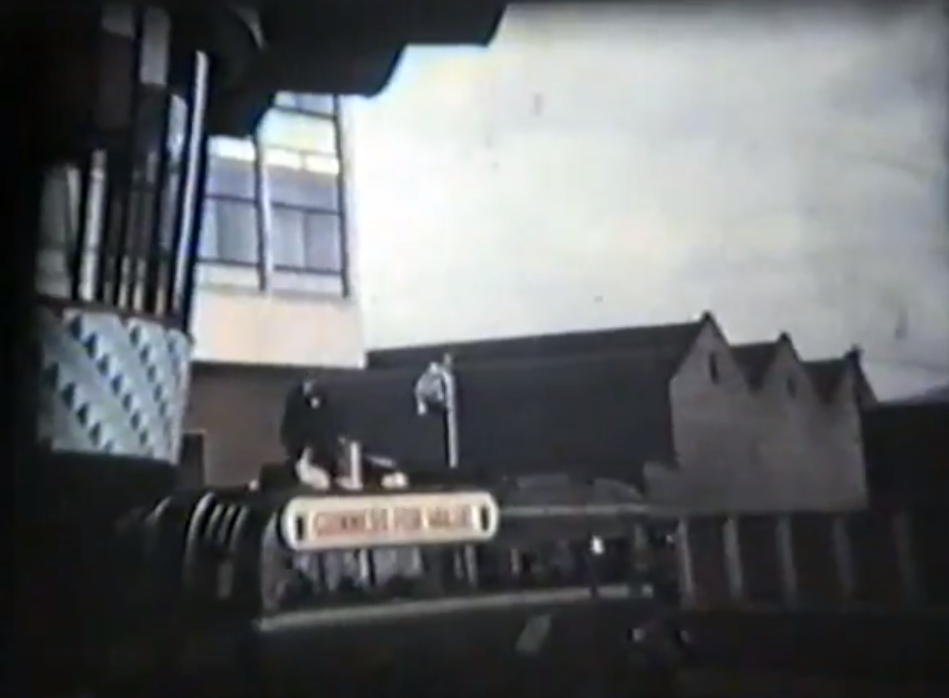
Here’s some screen grabs from a home video made by two Jewish brothers of their trip to Dublin City in 1956. It’s just over ten minutes long and has only received 16 views (at the time of writing) since January.

Introduction to the video.

Intro

Intro

The view looking up O’Connell Street.

O'Connell St (1956)

O’Connell St (1956)

A glimpse of the Busáras bus station, opened only the year before.

Busáras (1956)

(1956)

Teaser for the night time escapades.

Blurb

Blurb

The two brothers on O’Connell Street, about to climb Nelson’s Pillar.

O'Connell St looking up to the Pillar (1956)

O’Connell St looking up to the Pillar (1956)

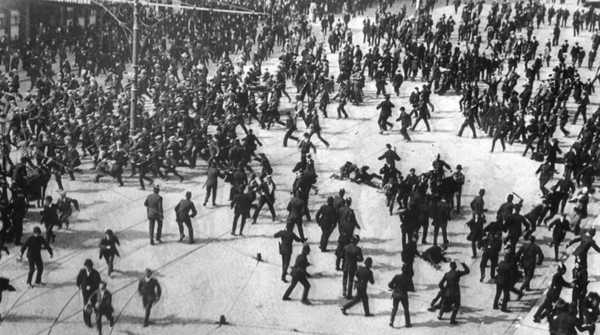
Bloody Sunday, 1913.

Bloody Sunday, 1913.

The above image is one of the most recognisable in the history of the capital, showing the infamous police riot on O’Connell Street, when police officers rushed a huge gathering on O’Connell Street on 31 August 1913, who had gathered to hear Jim Larkin speak upon the outbreak of the Lockout. John Dorney has written about this event on The Irish Story, noting that it is one of four Bloody Sunday’s in twentieth-century Irish history, and writing that:

Most of those injured were not in fact trade unionists, who were at a rally elsewhere in the city, but mere bystanders –showing how indiscriminate the police action was.

Several hundred people were injured and there was ferocious rioting all over working class districts of Dublin that night and over the following days between trade unionists and the police. In the labour tradition, this is “their own” Bloody Sunday.

The violence was not restricted to this one incident however, and there were reports of serious brutality on the Friday and Saturday before the planned Sunday demonstration.

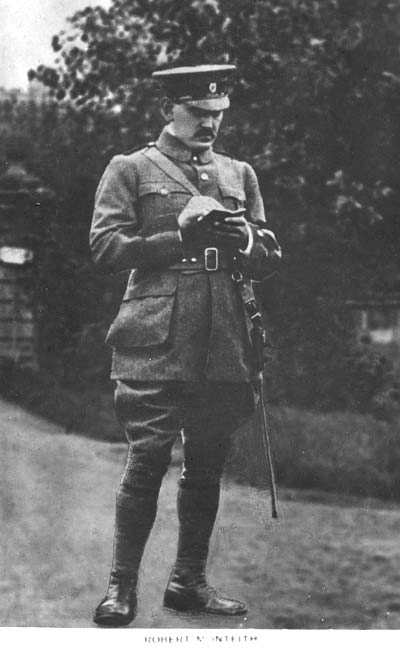
Some eyewitness accounts of this violence exist, and make for fascinating reading. Below are a selection of accounts. Two of these are sworn statements, and another comes from Robert Monteith, a fascinating character who would later land with Roger Casement at Banna Strand in 1916. These eyewitness accounts all deal with the murder of James Nolan, who died as a result of violence inflicted upon him on the Saturday night. Nolan died as a result of a police attack on a crowd gathered around Liberty Hall and Eden Quay. A few days later John Byrne would also die as a result of his injuries.

Captain Robert Monteith (Image from  the excellent http://www.irishbrigade.eu/recruits/monteith.html)

Captain Robert Monteith (Image from the excellent http://www.irishbrigade.eu/recruits/monteith.html)


Captain Robert Monteith: Writing in ‘Casement’s Last Adventure’.

I witnessed the murder of Nolan.

He was walking quietly down Eden Quay when he was met by a mixed patrol of Dublin Metropolitan Police and the Royal Irish Constabulary The strength of the patrol was about thirty-five, all more or less drunk. One of the constabulary walked from the centre of the road on to the sidewalk and without the slightest provocation felled the poor man with a blow from his staff.

The horrible crunching sound of the blow was clearly audible about fifty yards away. This drunken scoundrel was ably seconded by two of the Metropolitan police, who, as the unfortunate man attempted to rise, beat him about the head until his skull was smashed in, in several places. They then rejoined their patrol, leaving him in his blood. For saying “You damn cowards” I was instantly struck by two policemen and fell to the ground, where I had sense enough to lie until the patrol had passed.

Continue Reading »

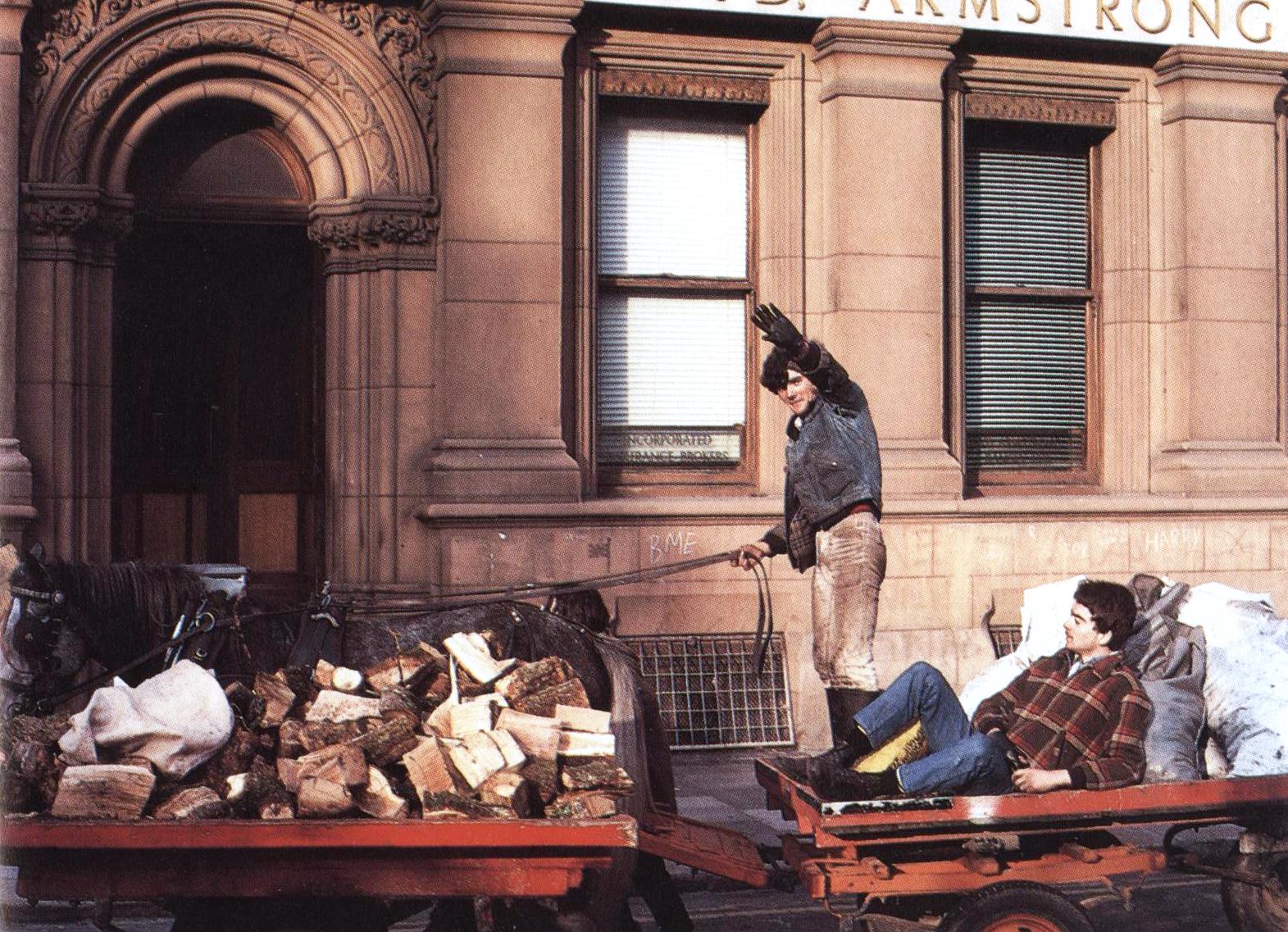
1989 doesn’t seem so long ago. But reading the Dublin Insight Guide first published that year gives an Insight into a whole different city, pre-boom, pre-bust. With segments on “Local Heroes,” “Street Characters” and “Games People Play,” it sculpts a city very different to the one we live in today. The guide places a lot of  emphasis on the twee side of Dublin, with pictures of old men in pubs, (anyone guess the one featured on the cover? Mulligans maybe?) horse drawn carts and street life. I’ve scanned and uploaded some of the better images, unfortunately the book spread a lot over two pages that wouldn’t scan correctly.

(c) George WrightA great snap below, taking in the city from the South East. Long  before the Marlborough Street Bridge was even thought of, notice the Odeon Cinema on Eden Quay and the lack of the Sean O’Casey pedestrian bridge.

(c) Thomas Kelly

The below snap comes from a section in the book called “Street Credibility” and looks like a game of handball although it just locates it as “a central Dublin Street.” It looks like the corner of Temple Bar at the back of Central Bank… again, Any ideas? Alongside the picture is a piece dealing matter-of-factually with Dublin beggars, saying “a slightly dilapidated third world capital, almost Asian in its colour, clutter and confusion, and unfortunately poverty. Many tourists are shocked to find Dublin is a city of beggars, many of them are members of Ireland’s traveling community- tinkers, itinerants or travelers as they are known, who number about 16, 000 in all.”

(c) Guglielmo Gavin

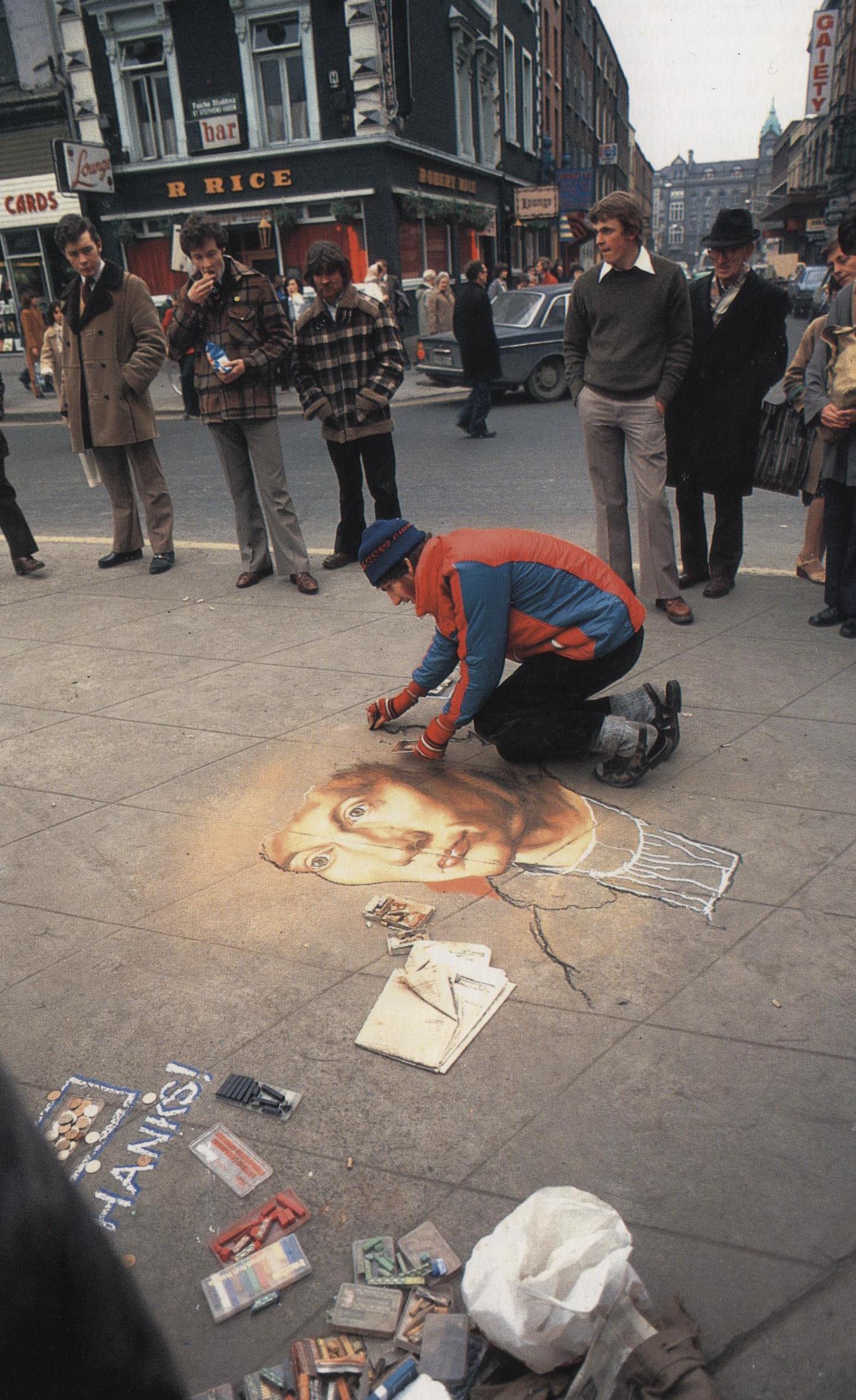
The top of Grafton Street below, with Robert Rice’s on the left and the Gaiety on the right. A stalwart of the Gaiety gets a mention in actor Micháel Mac Liammóir, quoting a time when, in full costume, he was sitting having a pint in Neary’s on Chatham Street. In full wig and make- up, and chatting to the barman, a disgruntled Dubliner bawled across at them “ah why don’t the two of ye get a divorce?” To which Mac Liammór replied “we can’t dear, we’re Catholics.”

(c) Thomas KellyHorses also get plenty of mention, both racing and workhorses, claiming “an interest, sometimes an obsession with horses has long been shared by members of all classes of Dublin society.”

(c) Thomas Kelly

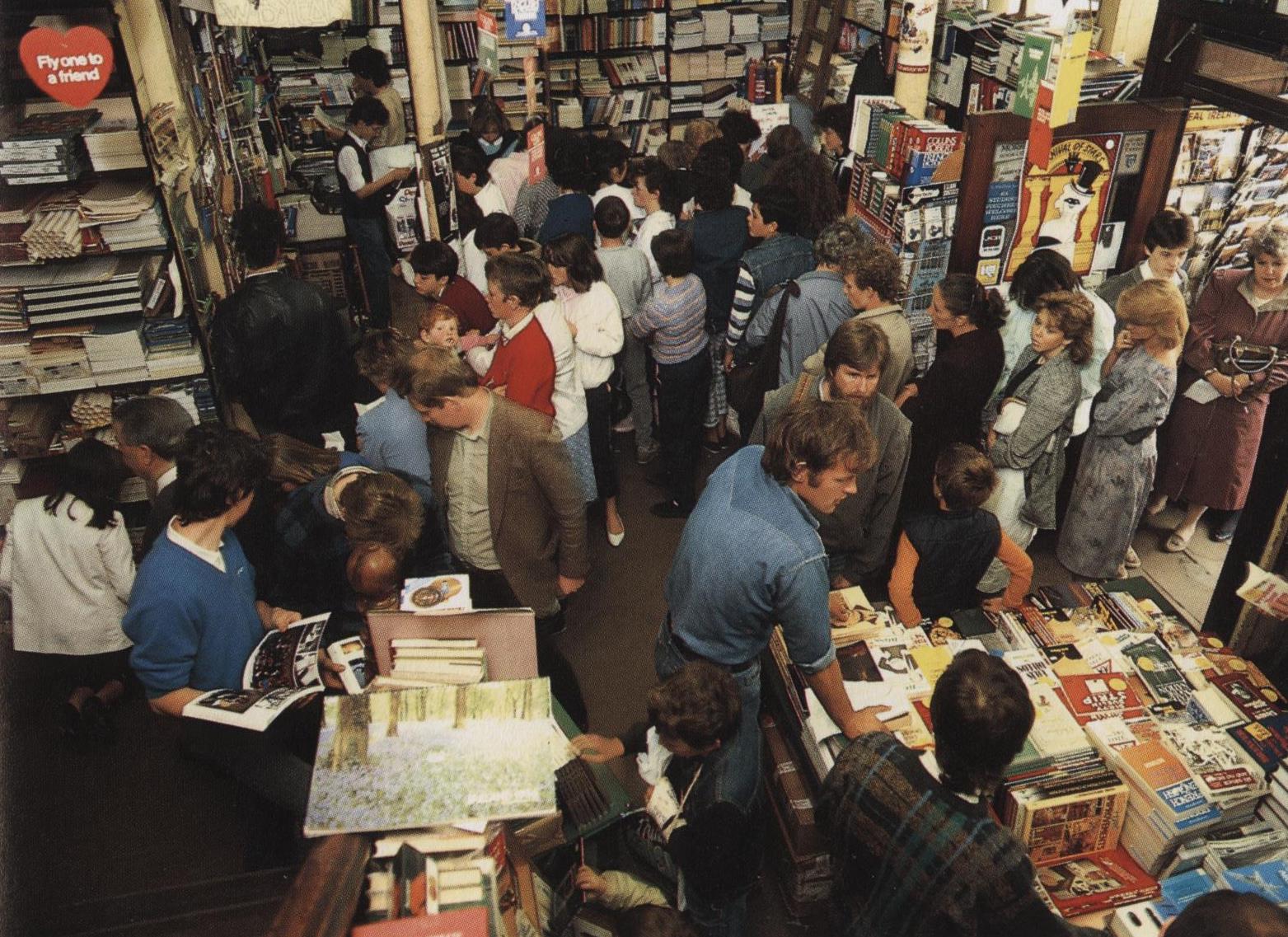
In a two page article on Dublin’s bookshops, the below is captioned “Queuing for school texts in Greene’s.” Other stores of note that they mention to have disappeared are The Alchemists Head, (East Essex Street, “dealing with the supernatural, the occult and science fiction,”) and Zee Books (Duke Street, “a quiet basement place strong on second hand, arty and left-wing works.”)

(c) Guglielmo Gavin

“The state of the Irish economy is desperate, but doesn’t always seem serious… the summer festivals in every town, dedicated to various unlikely subjects, produce prodigious feats of drinking and dissipation.”

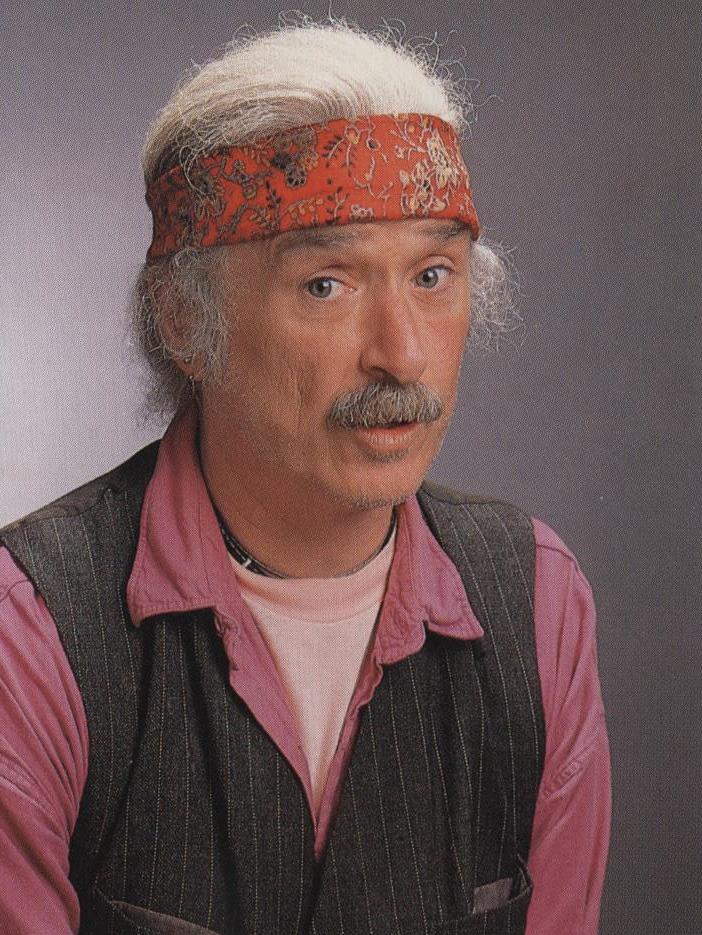
(c) Guglielmo GavinThe book goes into great detail about Dublin’s street characters. Bang Bang, the Yupper and Brien O’Brien, as does the famous author and character, Pat Ingoldsby below. Apparently the red bandana was a part of an outfit “”sixties-in-aspic, denim flowered and beaded.” A little bit different to now then.

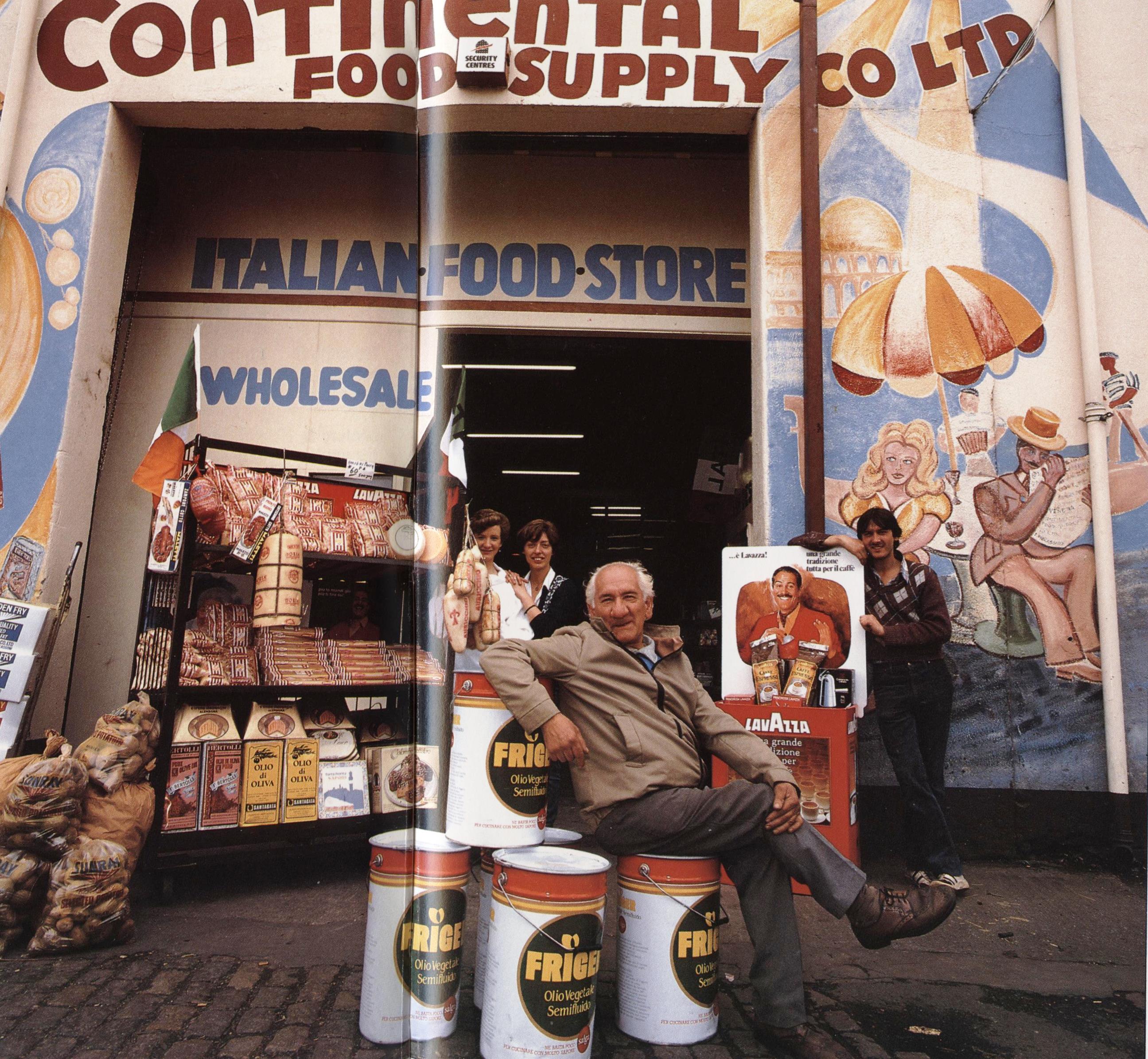
(RTÉ)“Shopkeeper from Dublin’s closely knit Italian Community,” the below looks like it could be somewhere down around Smithfield. The book gives over quite a bit to market traders, hawking everything from fish to wrapping paper, and describes “the Dublin saunter” where people would “go to town on a Saturday afternoon with nothing more definite in mind that to stroll around, window shop and to share a drink or coffee with one of those friends you meet by chance on the street.”

(c) Guglielmo Gavin

The “travel tips” section at the back has some gems too, covering aspects of daily life in the city, giving food recommendations “under £8 -over £18,” and hotel recommendations “under £10 – over £100.” Some of the names have survived, many have not.

Thanks to Rose Murray for the book!

Irish Women  Workers' Union, photographed on the steps of Liberty Hall(NLI)

Irish Women Workers’ Union, photographed on the steps of Liberty Hall(NLI)

Today sees the unveiling of a new plaque in Dublin in honour of the Irish Womens Workers’ Union, of which Delia Larkin (sister of Big Jim) was a founding member and leading activist. The plaque is the end product of a long campaign by the IWWU Commemorative Committee, who have worked greatly to have these women recognised in the context of this ‘decade of centenaries’. Not alone is 2013 the centenary of the greatest labour dispute in Irish history, but today marks the international day of women, making it a fitting occasion to unveil this plaque.

The committee themselves note that:

In 1911, the IWWU was set up and, within weeks, swiftly involved in a pay battle for their members against Jacobs factory. At the inaugural meeting Delia Larkin was appointed secretary with support from Countess Markieviez, and her brother Jim Larkin. Later the well-known actor Helena Moloney with Markieviez began the organisation of funding and distribution of food with the soup kitchens while long-time agitator and organiser Rosie Hackett was enrolled to help mobilise the members for the struggles they were to face.

The refusal of the Jacobs workers to remove their union badges was taken up in solidarity by the dockers of Dublin who refused to handle Jacob’s goods.

The plaque will be unveiled by feminist historian Margaret MacCurtain and the union’s last serving General Secretary Padraigin Ni Mhurchu along with IWWU member Kay Marron at Liberty Hall tonight at 5.30. We wish them every success with this important event.

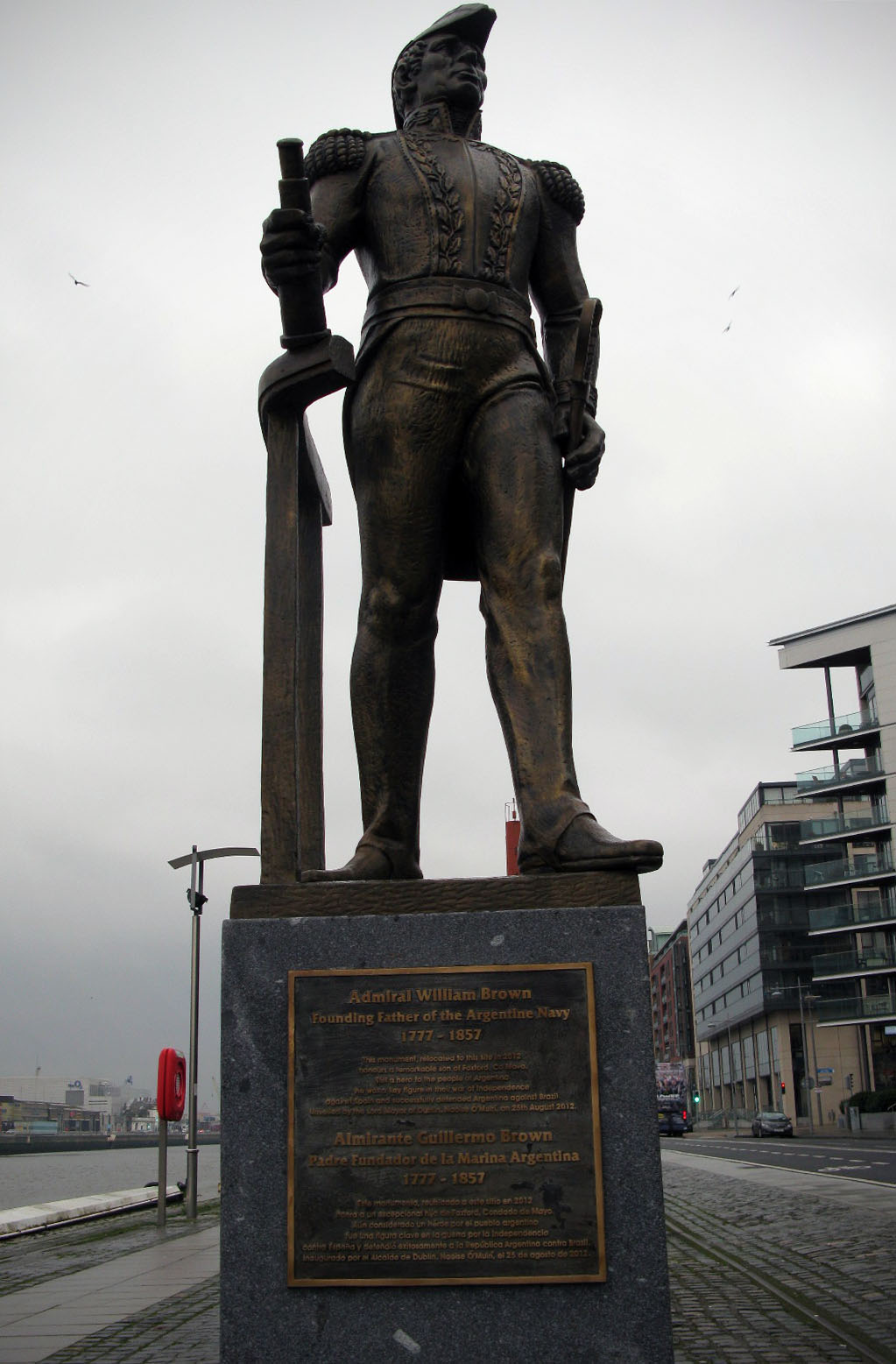
Admiral William Brown

On Sir John Rogerson’s  Quay on the Southside of the Liffey stands a statue of Irish born Admiral William Brown. It was unveiled nearby in September 2006 by the Teflon Taoiseach Bertie Ahern, but was relocated here, with an added plinth and plaque in August 2012. The statue was lucky to have made it to these shores at all. Two bronze statues were commissioned to be cast in Beunos Aires, and then transported here for unveiling in Foxford, where the Admiral was born, and on Sir John Rogerson’s Quay, where the below photograph was taken.

The statues were a gift from the Argentinian Navy to the people of Dublin and Foxford and was donated as part of the anniversary celebrations of their foundation. However, a mix up regarding who would pay for the transport of the statues meant that they almost didn’t arrive in time for their official unveiling. Given that in Argentina over a thousand streets, several hundred schools, a couple of towns and a football club bear his name, it would be a shame were he not celebrated here in the country of his birth.
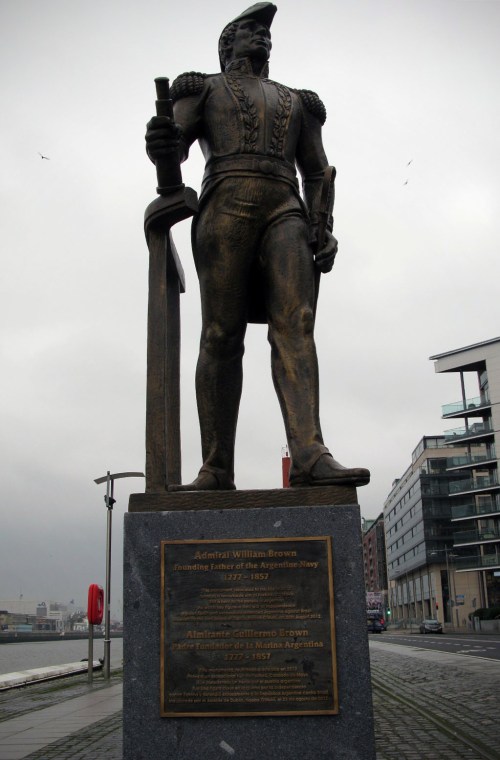
Admiral William (Guillermo) Brown

Admiral William (Guillermo) Brown

Born in Foxford, Co. Mayo June 22nd, 1777, William Brown was brought to Philadelphia at the age of nine. Irish was his first language, with his first education having come from his Uncle, the parish priest in the village of his birth. Three years after arriving in Philadelphia, in an area already heavily populated by Irish immigrants, he began work as a cabin boy. Within ten years of this, his status had risen to Captain of a US Merchant Navy vessel. He was press-ganged into the British Navy, and fought several battles against the Spanish. Respect for his skill at sea grew, and in his mid-twenties, he was already the master of a large schooner.

Shortly before the Battle of Trafalgar, his ship was captured by the French and Brown was imprisoned. He was first placed in a prison in Verdun, where he contrived to escape having charmed the governor’s wife into handing over a warders uniform. He was re-captured within hours and was transferred to Metz, where he managed to burn a hole in the roof of his cell using a hot poker, and escape using a rope of knotted bedsheets and made his way to England via Germany. He was heralded a hero on his return, fell in love with the daughter of a wealthy family and married.

But the his adventures at sea were only beginning. Brown and his family relocated to Argentina at a time when the South American colonies were in revolt, with Argentina no different. Brown made his base in the town of Ensenada, not far from the captial Beunos Aires. He established several trade routes, but was constantly harassed by the Spanish navy.  This provoked Brown to take a hand in the revolt, and the Spanish quickly learned they had made a bad enemy. After several raids, with his ship was finally impounded by the Spanish, Brown made his way to shore where he procured two small fishing vessels. He rounded up as many English speaking sailors he could; Irish, Scottish and English and with a dozen or so men in each boat, he sailed out into the Estuary where a well armed Spanish Cruiser was anchored. The men boarded the unsuspecting vessel, overpowered the men aboard and captured her.

Statue of “Admirante Brown” in Argentina

His exploits earned him praise from the highest levels, and Brown was asked to take control of a small band of ships to lead the naval resistance against the Spanish. To say he succeeded in his role would be an understatement. Several times in the face of adversity with a small ragtag bunch of ships, he stood up to Spanish warships and was victorious, capturing many, burning others. Once, having taken control over a narrow estuary, he cut a new deck into one of his largest ships, lined the new deck with canon, ran her aground on a sandbank, and simply blasted an oncoming naval flotilla to smithereens.

Another occasion, on Patrick’s Day 1817, along with the assistance of another Irishman, James Kenny, forced the retreat of Commodore Romerate, one of the Spanish Navy’s prized officers. But it was not only on the sea that Brown helped the fight for independence. Any spoils he earned were sold via a businessman and friend by the name William White, and the proceeds for these bought guns and ammunition for ground assaults. And while his battles are too numerous to mention, the ones that earned him most plaudits were at Martin Garcia and Montevideo. After the declaration of Argentine independence, he went on to help the Uruguayan cause sailing against the Brazilian navy in his merchant vessels.

William Brown died on May 3rd 1857. His funeral oration, delivered by later Argentine president Bartolomé Mitré read: “Admiral Brown bears with him the admiration of all patriots, and the love of all good men; and the Argentine Navy remains orphaned of the old father who watched over it’s birth in the bosom of the River Plate, the Pacific, the Atlantic, the Plate and the Paraguay will be forever the immortal pages on which will be read his greatest deeds. And while one sloop floats on these waters, or one Argentine pennant flies above them, the name of William Brown will be invoked by every sailor as the guardian genius of the seas.”

'No Strength Without Unity' - Paul Reynolds.

‘No Strength Without Unity’ – Paul Reynolds.

Tomorrow marks the return of the beautiful game in Dublin, and we would encourage you to support your local football club and invest in football in this country. Bohemians and Pats are at home, with Shels only down the road in Bray.

Below are the first set of fixtures in the Premier Division, all kick off at 7.45.

Prices from €5 for kids and €10-€15 for adults
Bohemians v UCD
Bray Wanderers v Shelbourne
Derry City v Sligo Rovers
Dundalk v Shamrock Rovers
St. Patrick’s Athletic v Drogheda United

Our friends at Rabble sum it all up as “Pyro, flags and the last of the mars bars.” There’s more to it than that though. Most grounds have a chipper van as well.

Boardwalk Bloc (Shamrock Rovers supporters)

Boardwalk Bloc (Shamrock Rovers supporters)

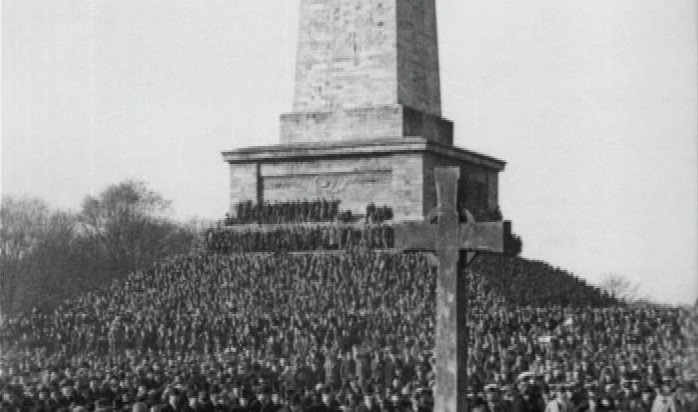
A screengrab from the British Pathe footage, showing thousands at the Wellington monument in 1926.

A screengrab from the British Pathe footage, showing thousands at the Wellington monument in 1926.

In the years following Irish independence, one issue of contention that existed was the issue of political commemoration, and just what ‘war dead’ could and should be remembered in the city. While the state was constructing the narrative of the revolution it claimed had brought about its establishment, thousands of Irish citizens still identified with, and partook in, events like Armistice Day. The poppy was openly sold in Dublin and other Irish cities and towns, and thousands would march in honour of Ireland’s war dead on an annual basis. This brief post looks at the Armistice Day celebrations in 1926, when an impressive 40,000 people attended the ceremony in the Phoenix Park, at the Wellington obelisk. Similar demonstrations occurred in the years before and after 1926, but this post uses it as a sort of case study.

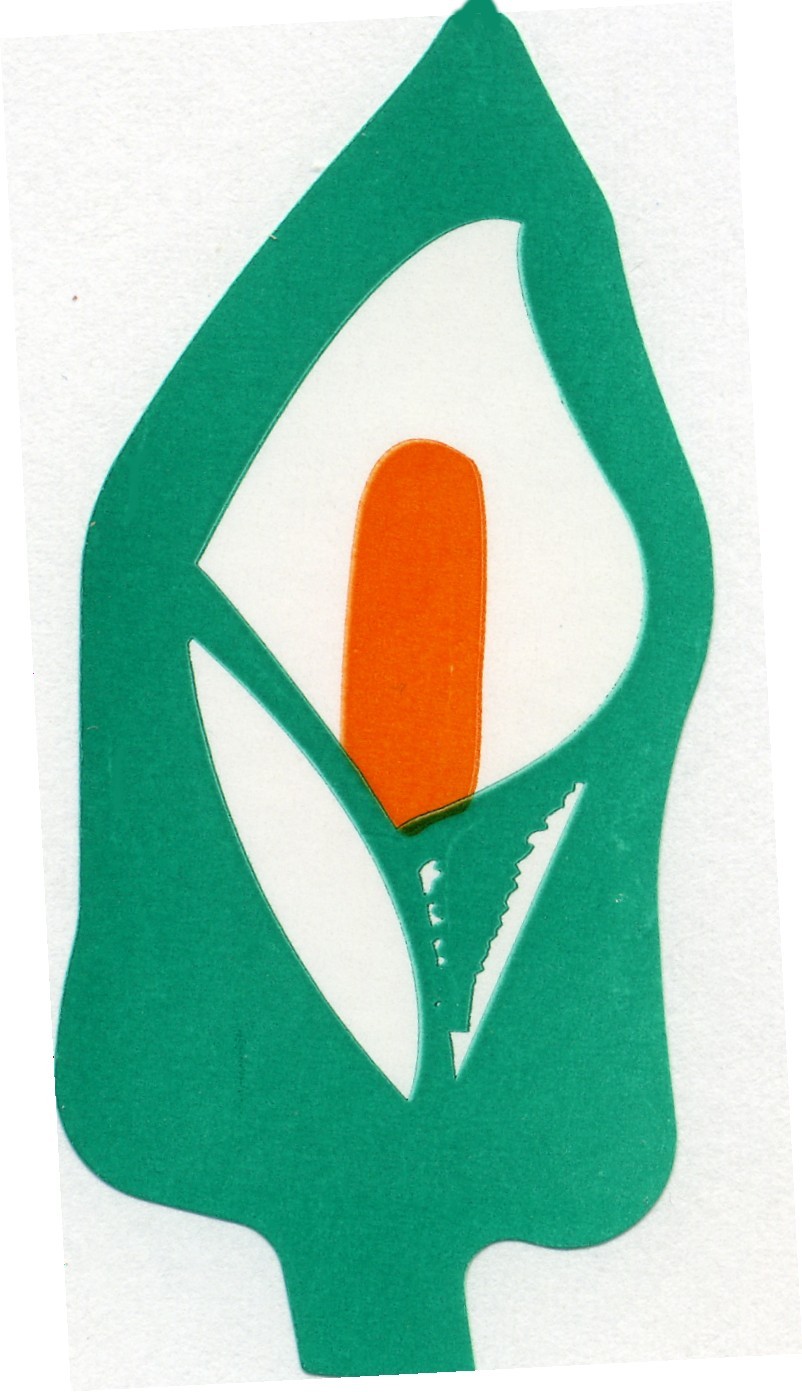
The popularity of Armistice Day, or ‘Poppy Day’, is evident from sales of the remembrance poppy in Dublin in the 1920s. In his history of the IRA from 1926 to 1936, Brian Hanley notes that “Poppy Day was observed by thousands of people, particularly in Dublin during the 1920s.” It was claimed by the British Legion that over 500,000 poppies were sold in the Dublin area in 1924. This was at a time before the British Legion had even opened an office in Dublin, which they did in 1925. It was late October of 1925 when the poppy was formally launched in Ireland, something which led republican women to the creation of the Easter lily in 1926, as an ‘alternative’ symbol, and Ann Matthews has looked at this symbol in great detail during the course of her research on the role of women in the republican movement. The popularity of the Easter Lily never even approached that of the Poppy. In the inaugural year of the symbol, we know from Cumann na mBan’s (The women’s republican movement) own Annual Reports that only £34 was raised from sales of the lily, pittance when contrasted with the £7,430 evident from the “Annual Report of the Southern Ireland Area of the British Legion”, documenting poppy sales.

A modern variation of the Easter Lily, a symbol first displayed by republicans in 1926.

A modern variation of the Easter Lily, a symbol first displayed by republicans in 1926.

Armistice Day in 1926 witnessed a huge procession through the streets of the capital, destined for the Phoenix Park. The Irish Times wrote after the event that “Dublin was astir early for the ceremonies, and at 8am the great march to the Phoenix Park began.” Crowds assembled in the park, and were joined by ex-servicemen who marked from Beresford Place, ironically the home of Liberty Hall, and where the immortal words ‘We Serve Neither King Nor Kaiser- But Ireland’ had hung on a banner just over a decade previously in an act of anti-war defiance. On the command being given by A.P Connolly, President of the British Legion in the Free State, about twenty different contingents of ex-servicemen began the march to the Wellington monument in the Phoenix Park.

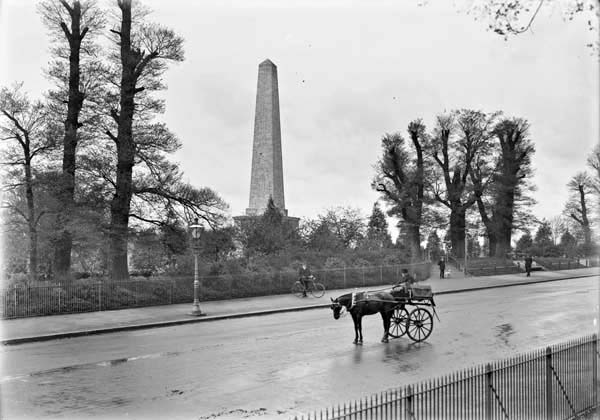
The Wellington Obelisk (NLI)

The Wellington Obelisk (NLI)

The Irish Times wrote of this gathering of the park that:

It would be hard, indeed, to estimate the size of the gathering. It did not, however, number less than forty thousand. From an early hour people began to arrive by every kind of vehicle and on foot, and an hour before the ceremony began the wide open space in the Phoenix Park surrounding the Wellington Monument was densely crowded.

The Wellington monument, completed in 1861, commemorates Arthur Wellesley, who secured British victory over Napoleon at Waterloo in 1815. As Prime Minister of Britain, Wellesley oversaw Catholic Emancipation in 1829, and his statue in the Phoenix Park is one of the grandest monuments on the island. Footage of the huge assembly at Wellington’s memorial in 1926 is available on the British Pathe website, and can be viewed here.

Continue Reading »