Feeds:
Posts
Comments

Posts Tagged ‘dublin’

“He is a man of lofty character and of high ideals, and evokes in men of the most diverse opinion a common admiration of his chivalry and honour”
Irish Literature-Volume 7 (1904), taken from the entry on John O’ Leary

Recently, we posted a series of images and audio recordings from the launch of a plaque to the memory of the Connolly siblings of the Irish Citizen Army. That plaque was put in place by the excellent North Inner City Folklore Project.

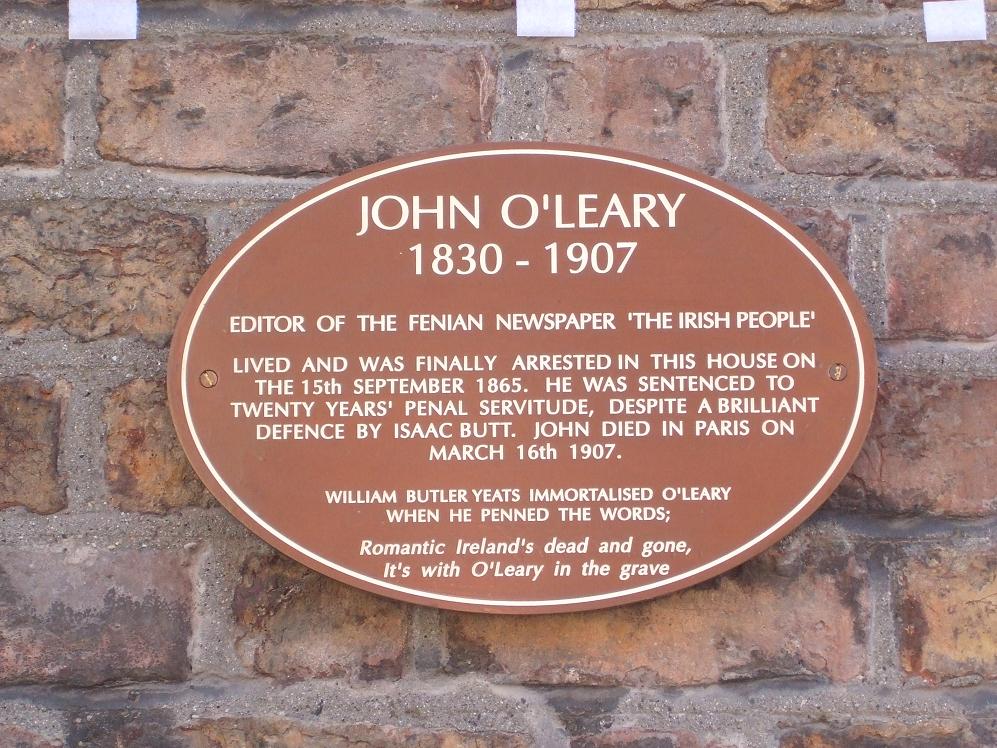
Yesterday, another most welcome plaque was unveiled north of the Liffey, this time in Palmerston Place. The plaque marks the home of Tipperary born Fenian leader John O’ Leary, and acknowledges his role as editor of The Irish People newspaper.

“…O Donovan Rossa, O’ Leary, Luby and others long associated with separatism and republicanism were regularly to be found in or around the Irish People office. And the paper always made the most of the fact that the Fenian Brotherhood in the United States was not a secret organisation…”
– Taken from The Green Flag by Robert Kee

(more…)

Read Full Post »

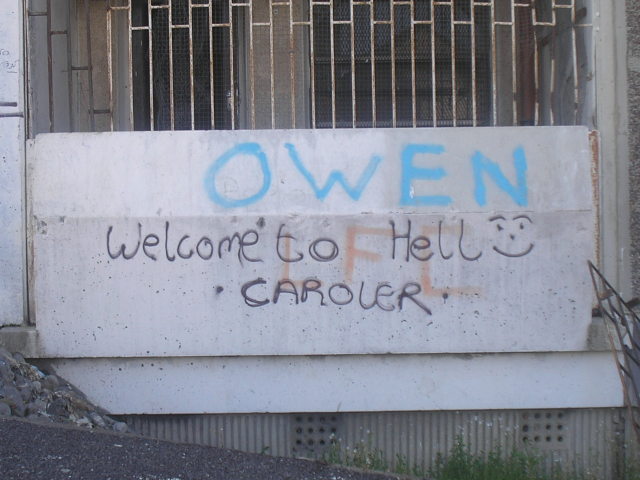
An incredible post from Circumliminia most worthy of your time, showing just how the “regeneration project” is going over in Ballymun.

At every level of interaction with the state, Ballymunners have come to realise that their options are to keep their heads down and suffer, or resist and suffer more

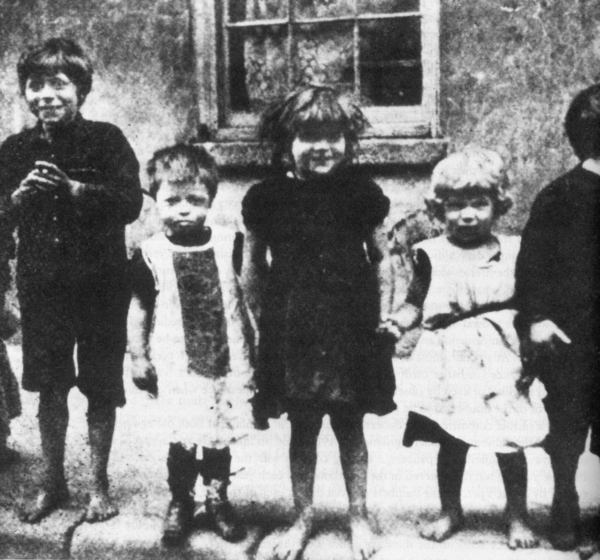
“It shall be the first duty of the Government of the Republic to make provision for the physical, mental and spiritual well-being of the children, to secure that no child shall suffer hunger or cold from lack of food, clothing, or shelter….”

Democratic Programme of the First Dáil, 1919.

Read Full Post »

I’m a huge supporter of community events. Street parties, town festivals and the like are essential aspects of life in any community in my own opinion, and I’m often horrified by responses when I ask people how much they know about their own neighbours.


“Joe Bloggs next door? Asked me to turn down the music once, never really spoken to him since.”

Both Palmerstown (where I currently walk the dog) and Ballyfermot have a strong sense of community, and I never took that for granted growing up. It is the basis of any community, and transcends age, nationality or any other factor. The community that gets on is a happy community.

Word of community events is something I love to receive here at Come Here To Me, and Palmerston Place across the Liffey gave me great hope recently when I heard they’re approaching their 12th annual street party. Wonderful. The event takes place this Saturday, and Met Éireann looks positive.

The whole thing kicks off in a style that should appeal to Come Here To Me types, with the launch of a plaque at 16 Palmerston Place to mark the spot where Fenian John O’ Leary edited ‘The Irish People’, before being arrested in 1865. The plaque will be unveiled at 7pm, by the Lord Mayor of Dublin, Emer Costello. I spend about half my free time giving out to people about the lack of plaques outside the city centre, so this is something I’m excited about and hope to attend.

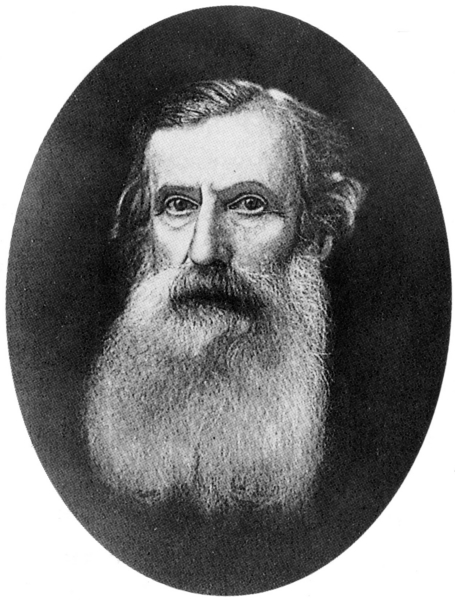
The Fenian leader John O' Leary

The event also includes music from a band made up of local children, all 13 years of age, The Un4seen who will be followed on stage by Seven Days, a band lined up to play Oxegen.

It’s BYOB (Bring Your Own Burgers), and a glance over the comments and stats here reveals plenty of Northsiders to be among our readers, not least the Bohs faithful. If it’s your corner of the world, drop down.

More of this in Dublin, please. Enough talk of the Rare Oul’ Times, let us get back to basics. I might even cross the Liffey myself.

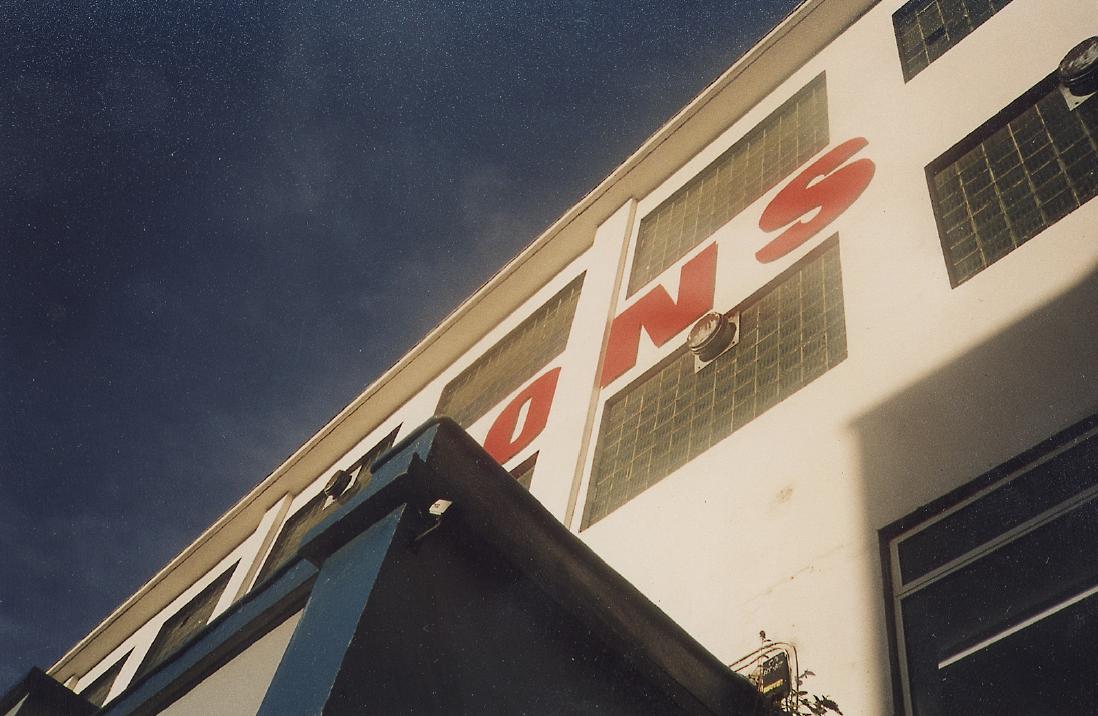
The Hendrons site in the area, which was due to become the home of a massive 'Celtic Tiger' development defeated due to local pressure.

Read Full Post »

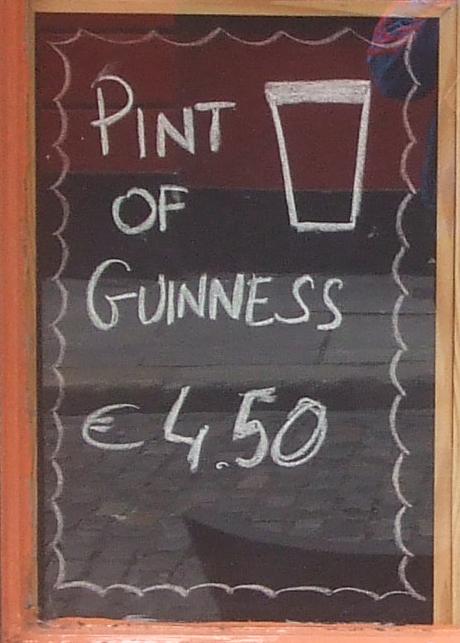
Spotted in the window of The Alamo, Temple Bar.

Bargain.

A pity really, as The Alamo is home to the deep friend ice-cream special. No, really. Apparently it’s lovely too.

This sign got me thinking about the average cost of a pint around the city. The Hop House, at €4, is probably the most reasonable you can expect in a Dublin city centre pub. I think we’ve only beaten that once or twice on pub crawls, with Neds coming to mind as being a bit cheaper. It’s also an early house. One nil.

Advertising a pint that’s dearer than the average pint in the city seems bizarre to me. This isn’t any worse a price than many other pubs, but it’s unusual to see it stuck in the window. The last pub I remember sticking the cost of a pint in the window was a J.D Wetherspoon in Derry, and they nearly pay you to drink.

So, drop in for the ice-cream, but stick to the tap water.

Read Full Post »

I was very intrigued to read in Paul Clerkin’s Dublin Street Names (2001) that Liberty Lane off Lower Kevin Street used to once extend all the way to the canal at Portobello. Clerkin suggests that “this route can still be traced, although a warehouse now disrupts it and various sections have been assigned new names”.

Using Google Maps, I’ve tried to trace this line.

What do you think?

Read Full Post »

Jumping into the River Liffey has been a dangerous pastime for Dubliners for centuries. Some do it for kicks, others for bets and others just to cool down during hot summer days. A quick scan of The Irish Times archive showcases the long running (and often deadly) activity.

An Irish Times article from March 1890 relates the story of a Miss Marie Finny, “a professional swimmer” who was arrested just before she attempted to jump into the river off O’Connell Bridge. [1]

In 1909, a hotel porter called Hugh Bernard McGrath was rescued from the Liffey after he got into difficulty swimming after jumping from the eastern parapet of O’Connell Bridge. [2]

A “strange affair” was reported in 1932 which concerned an “unknown man” who was seen swimming in the liffey late one Monday evening. It was reported did not “take any notice” of two life buoys that were thrown towards him or a boat that passed. He soon got into difficulty and drowned. [3]

In 1939, a soldier named James Donlan (25) “disappeared” while swimming in the Liffey. It took a extensive search operation to find his body. [4]

The body of Michael Kinsella, 35, a labourer in the Guinness brewery was found in the Liffey in 1954. It was believed that he entered the river “to settle a wager”. [5]

There were also cases of young men drowning in the Liffey in August 1968, January 1977 and December 1986.

In 1994, a Scottish tourist drowned after trying to swim across the Liffey in the early hours of Saturday morning. [6]

As you can see from the youtube clips below, jumping into the Liffey is as popular as ever. (Come Here To Me! does not reccomend it.)

1. Anon, Attempt to jump from O’Connell Bridge into the Liffey, The Irish Times Saturday, March 29, 1890
2. Anon, Rescue from the Liffey, The Irish Times, Saturday, July 10, 1909
3. Anon, Man Drowned In The Liffey, The Irish Times, Tuesday, January 19, 1932
4. Anon, Soldier Drowned In The Liffey, The Irish Times, Friday, August 18, 1939
5. Anon, Swimmers Body Taken From Liffey, The Irish Times, Monday, November 15, 1954
6. Anon, Tourist Dies Trying To Swim Liffey, The Irish Times, Monday, May 30, 1994

Read Full Post »

Another Sunny Day

Lane behind 16 Moore Street

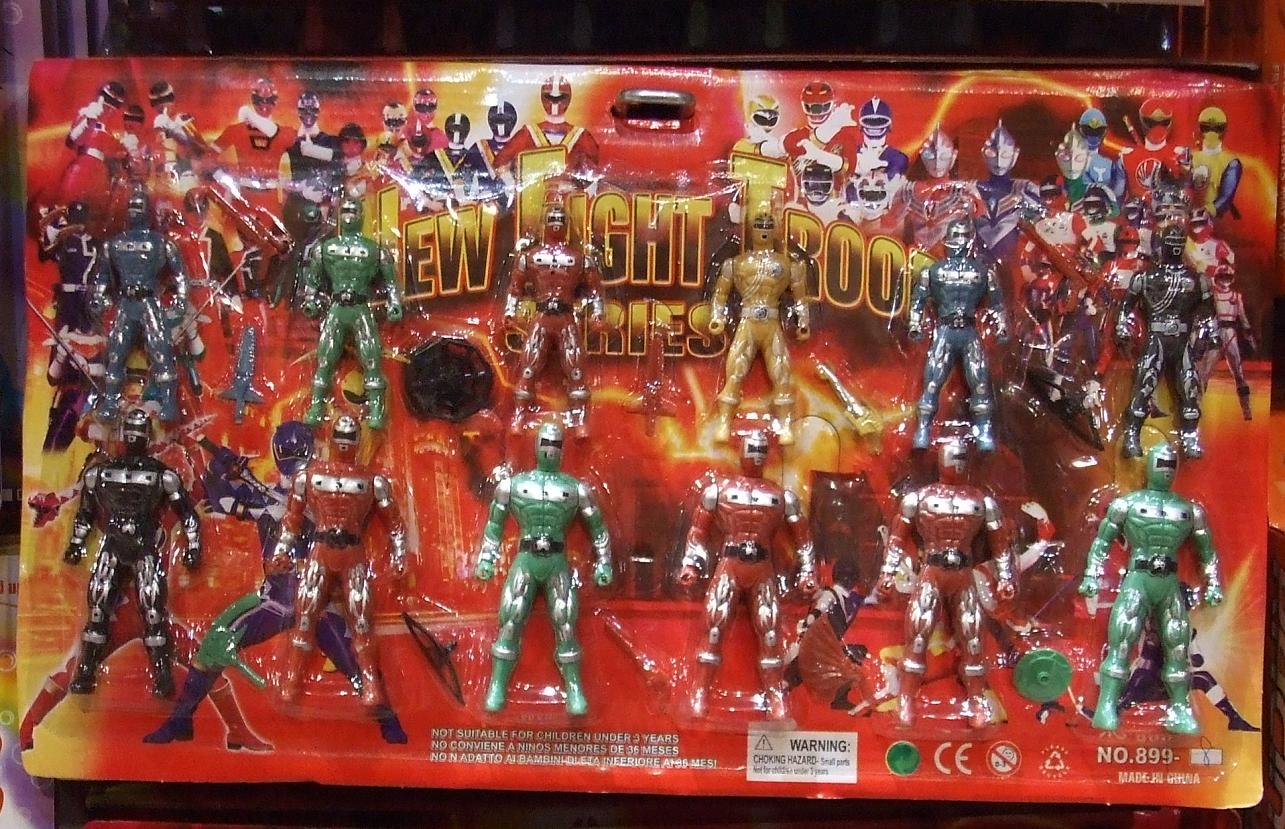
Pound Shop Power Rangers

Read Full Post »

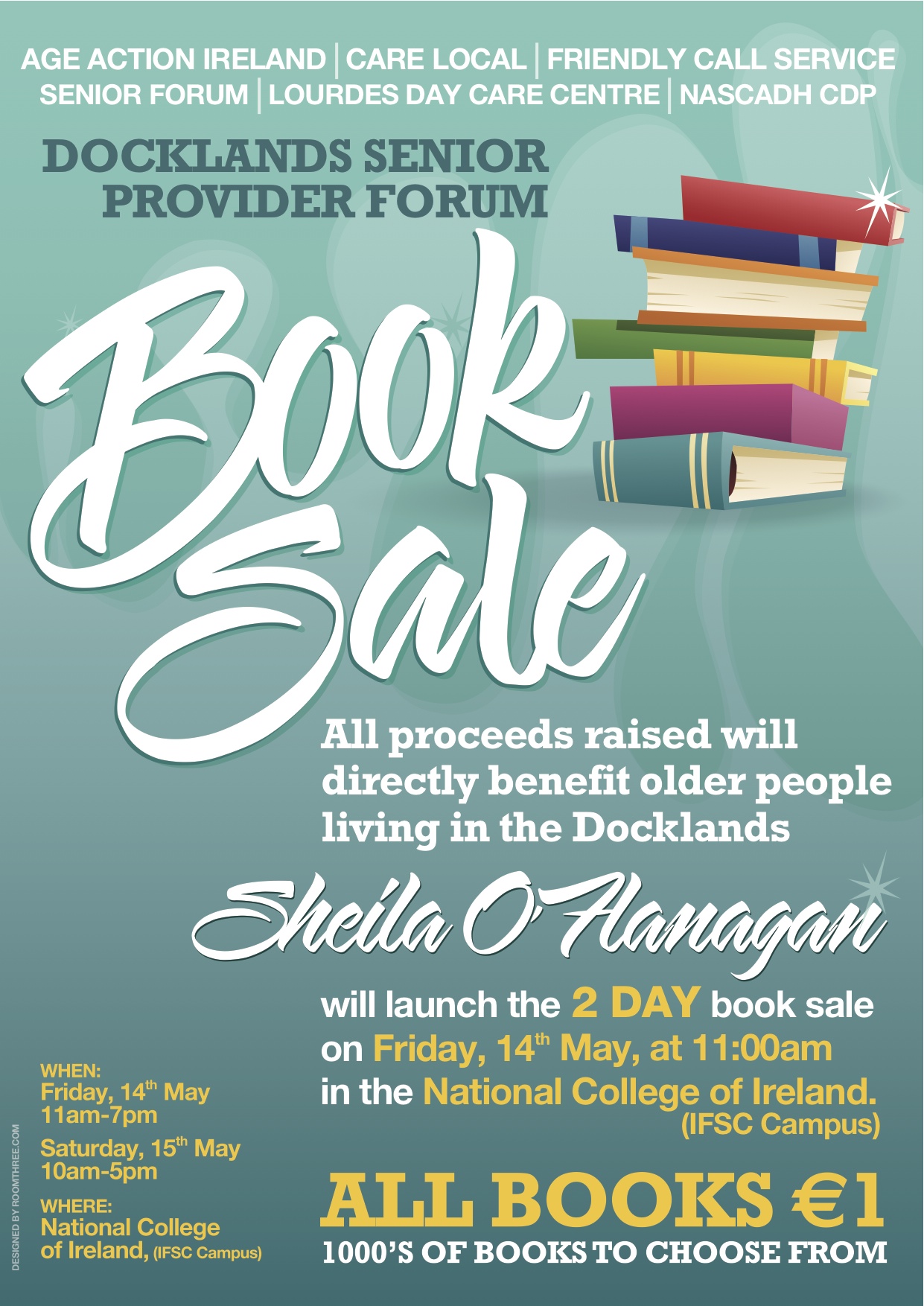
Apparently there’s 40,000+ books up for grabs at this two day book sale in aid of a number of good causes including Age Action Ireland, Care Local and the Docklands Seniors Provider Forum. I’d love to check it out but I have exams today (one in a few hours!) and tomorrow.

Friday 14th May 11am – 7pm
Saturday 15th 10am – 5pm

National College of Ireland,
Mayor Square, (IFSC Campus),
Dublin 1.

Books!

Read Full Post »

As you probably know by now, every month this blog organises a pub-crawl. In rotation, a different person chooses the five pubs in advance, picks a meeting point in the city and makes sure not to let any details slip to the rest of the group about what pubs are to be visited.

April was my turn and I chose the area of Portobello.

I set the meeting point for the corner of Harcourt Street and Stephens Green. This was once the site of Little’s Pub, now the Stephens Green Hotel, which was taken over by members of the Irish Citizen Army (ICA) during Easter Week 1916.

This location was also chosen to confuse people on the route we were going to be taking that day. We could of easily headed off towards the direction of Wexford St, Leeson St. or back towards Grafton St. One of the joys of these pub-crawls, in my mind, is having no idea where your ‘tour guide’ for the day is going to bring you.

Dfallon and Hxci were on time as usual, with CHTM! crawl regular JFlood only a couple of minutes late.

I led them up Harcourt St., stopping briefly to point out Edward Carson’s birthplace, and through Camden Place where we spotted this little letterbox. I crossed the road at Camden Street in order to point out the (mostly) hidden plaque at No. 34 where Na Fianna Éireann were founded in 1909. The plaque can be only been if you face the building from the opposite side of the road.

Our first stop was Cassidy’s. I was surprised to see the place so busy on a sunny Sunday afternoon. There were a number of families and punters dotted around the long, narrow bar. It is hard to talk about Cassidy’s without mentioning that it was a stopping point of Bill Clinton in December 1995 where he was photographed enjoying a pint of Murphy’s Irish Stout. Apparently, the Cassidy’s are ‘distant cousins’ to the Clintons. We were able to get the best seats in the house, by the window immediately on the left when you enter. The pints, were as far as I can remember, perfectly fine. In truth, we didn’t explore the pub or stay long enough to get a real feel out of the place. But I liked what I saw. Especially the prime spot, where we sat at the window, perfect for people watching.

Not an amazing bar but a lovely one none on the less. Definitely one to pop into if your ever going to try The Camden Crawl.
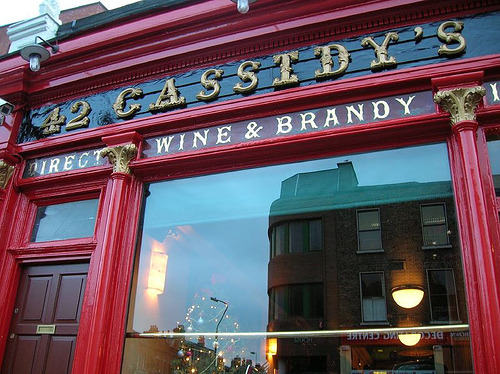
Cassidy's on Camden St. Not to be confused with the pub of the same name on Westmoreland St.

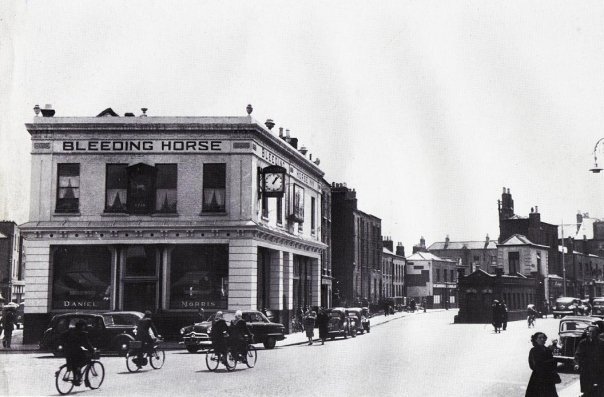
We only had to cross the road for our next stop. The historic, imposing Bleeding Horse. When we walked in, the place was blaring from the sound of the premiership. Far too loud to warrant the little amount of people in the bar. Usually thronged with after work types on the weekday, the immense pub seemed ghostly empty at this time on a Sunday. We were able to find two lovely sets of tables at the very back of the bar by the window. (For me, this pub-crawl was characterised by the great seats we got in every pub). The pints were lovely and it was nice to have our numbers boosted as we were joined by recent CHTM! pub crawl enthusiast Angela and veteran Hamada.
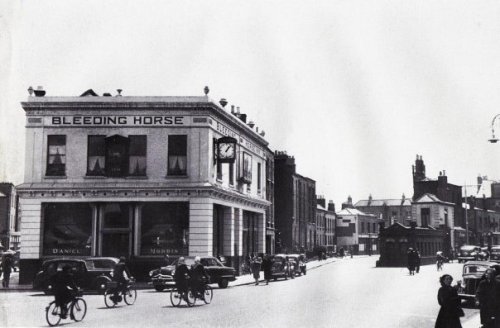
The Bleeding Horse, 1950s.

The Bleeding Horse dates back to 1649 and claims to be the second oldest pub in Dublin. There are many stories on how the tavern got its name. The most frequent one told is that during The Battle of Rathmines (1649), Cromwellian forces brought their wounded horses to the thatched, timber inn that stood here.
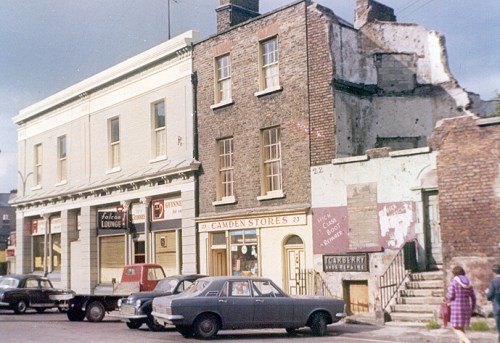
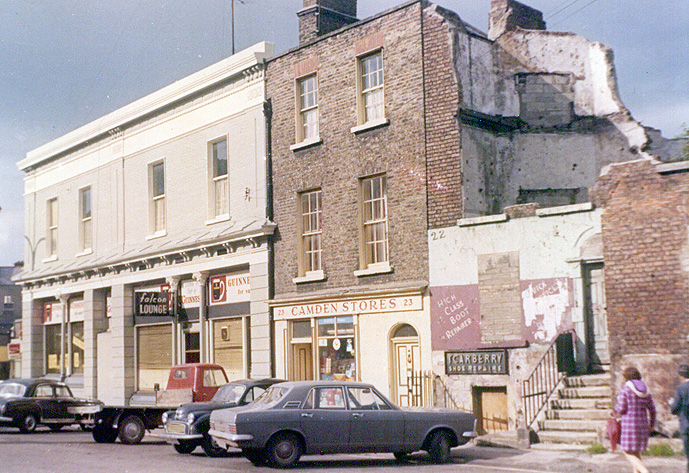
The Bleeding Horse, 1972. (It renamed 'The Falcon Lounge' for a time in the 1970s) Photo credit - Hohenloh

The Irish Times, surprisingly, does not wield many interesting stories relating to the pub. The only one that stood out was that Countess Markievicz presided over a Republican meeting in the premises in September 1923 at which Madeleine Ffrench-Mullen and Helena Maloney spoke.
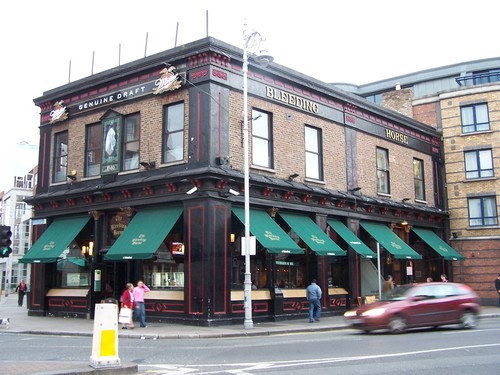
The Bleeding Horse as it looks today. Photo credit - Ingawh

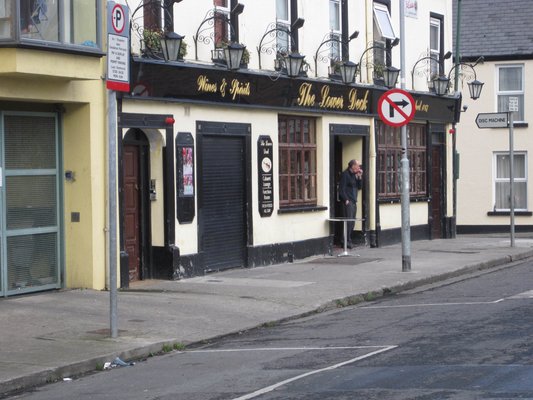
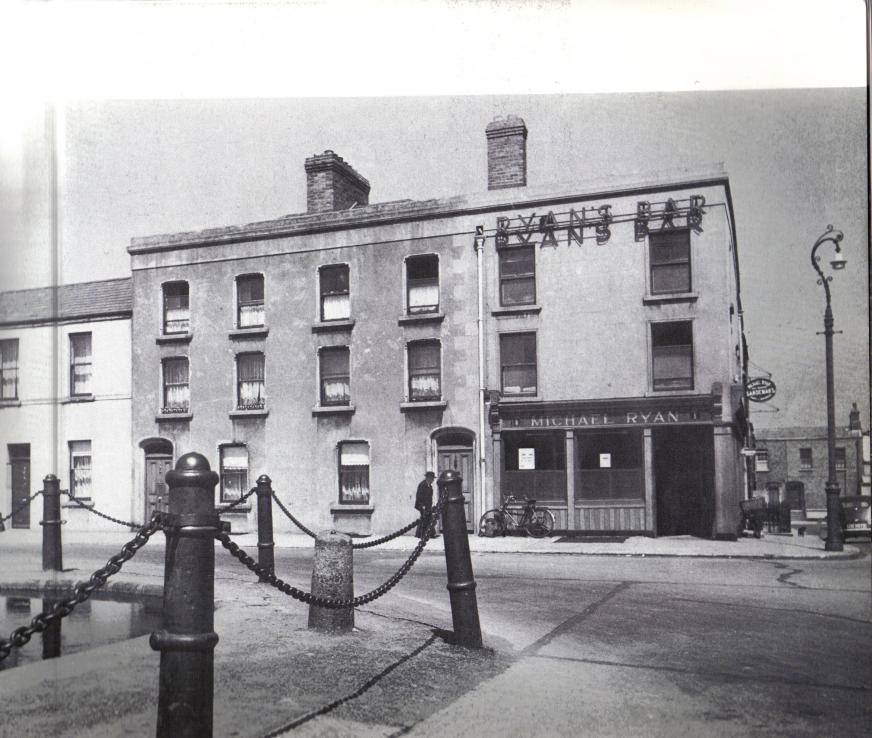
Across Kelly’s Corner, we swung by the renowned Bretzel Bakery and up to The Lower Deck, known locally as “Ryan’s of The Harbour”. There’s been a tavern on this site since the 1830s. Though I’ve spent many evenings down in the basement at various gigs during 2007-8, I don’t think I’d ever properly been upstairs. We managed (again) to get great seats by the window beneath the array of GAA merchandise.
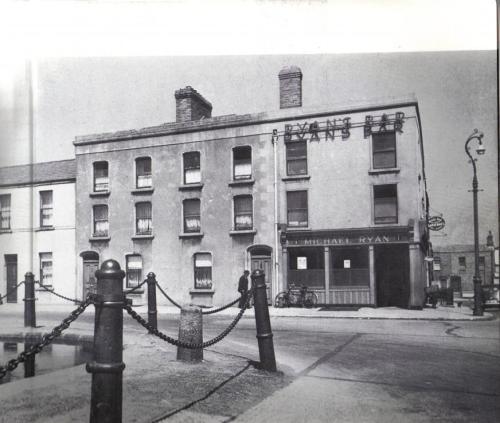
The Lower Deck, 1960s (?) then called 'Ryan's Bar'.

The pints were grand and the barman friendly. My only complaint was the eager, acoustic cover singer who was playing far too loud at such an early time of the evening in the middle of the bar. We finished our pints up quicker than usual because we could barely hear ourselves chat.
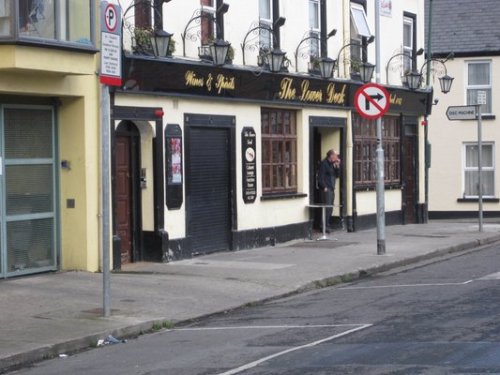
The Lower Deck as it looks today. Photo credit - Kelly T.

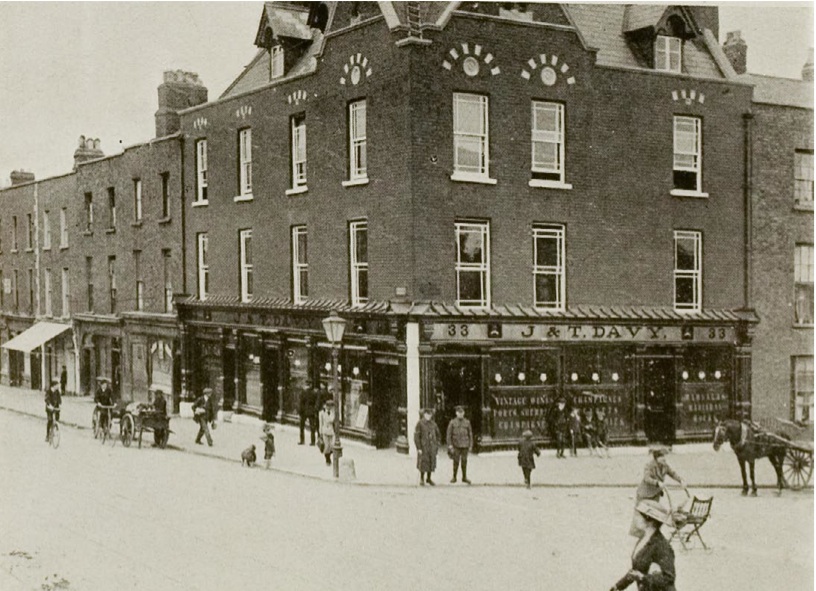
Moving on, we crossed the road and into The Portobello. I had thought that this pub had completely gone down the tacky tourist route but I was pleasantly surprised by the lovely, wooden interior and lack of ‘paddy tourist’ vibes in the place. (The bartender said that the first half of the pub has barely been altered since the Easter 1916 Rising when the ICA occupied the premises then called Davy’s).
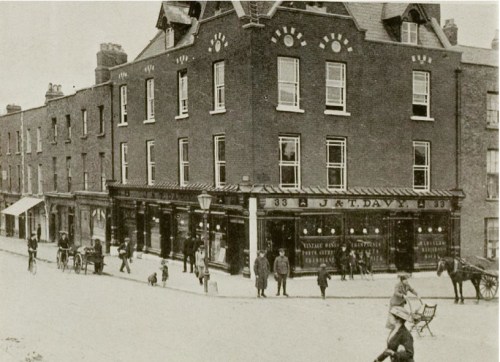
Davy's, early 1900s (?). It is now a bar and hotel called The Portobello.

We took seats in the middle of the premises beside an unusually placed vending machine. On the other side of us, a large trad session had begun involving up to a dozen people. The pints were again grand (I should of really taken notes during the night). A nice pub, full of history, but I’m not sure if I’d feel the need to come back anytime soon. The fact that there’s an over 30s disco called Rain attached to the pub isn’t a real selling point for me personally.
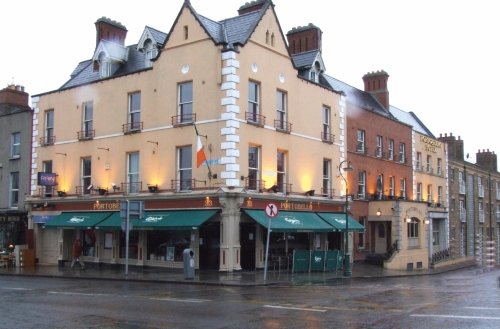
The Portobello as it looks today. As you can see, there's been little structural change to the front of the pub.

Stomachs were grumbling at this stage so we dropped into the quality Aprile (Est. 1969) chipper on the corner opposite The George Bernard Shaw. A feed of chips by the canal hit the spot nicely. Here, we were joined by our red-haired Italian friend Julian, in a jolly mood due to a Roma win, who had missed the last few pub crawls.

Next up was O’Connell’s on Richmond Street. This was my ‘pièce de résistance’. I for one had never set foot in the place before and I was pleased to hear that no one else besides DFallon had. This is what makes our pub crawls. Being brought into areas of the city and pubs that you’d never usually venture into. Definitely one of the few bars in the city that you’d have to point out to someone. It’s not loud. No neon lights, flags or banners outside. Deceptively small from the outside, the bar was unusually put together with various seats of different sizes all over. A little corner on your left as you go in, a thin row of seats directly opposite the bar and a whole separate section, slightly raised at the very back. We ordered our pints off the pleasant proprietress and settled in for the night. At €4 for a pint of Guinness, they were definitely the bargain of the evening.
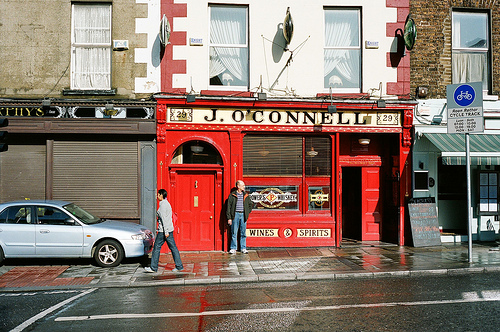
J. O'Connell's on Richmond Street.

All in all, I thought it was a success. Certainly compared to my last effort, which saw three of my five pubs closed.

I might find myself back in Cassidy’s soon with a newspaper in hand, ready for an afternoon of people watching if I see that those seats are empty or The Bleeding Horse to watch ‘the football’ (there’s even a TV in the beer garden!) or indeed O’Connell’s for an (agreeably cheap) Guinness filled session.

Though you might not find me there, if GAA is your interest, check out The Lower Deck and if it’s Trad music, The Portobello might be your place.

Next up is JFlood who will be escorting us around the city at the end of May.

April’s five pubs were:

1. Cassidy’s, 42 Lower Camden Street.
2. The Bleeding Horse, 24 Upper Camden Street.
3. The Lower Deck, 1 Portobello Harbour.
4. The Portobello, 33 South Richmond Street.
5. J. O’Connell’s, 29 South Richmond Street.

Read Full Post »
Arthur Scargill addressing the May Day Rally in Dublin.

Read Full Post »

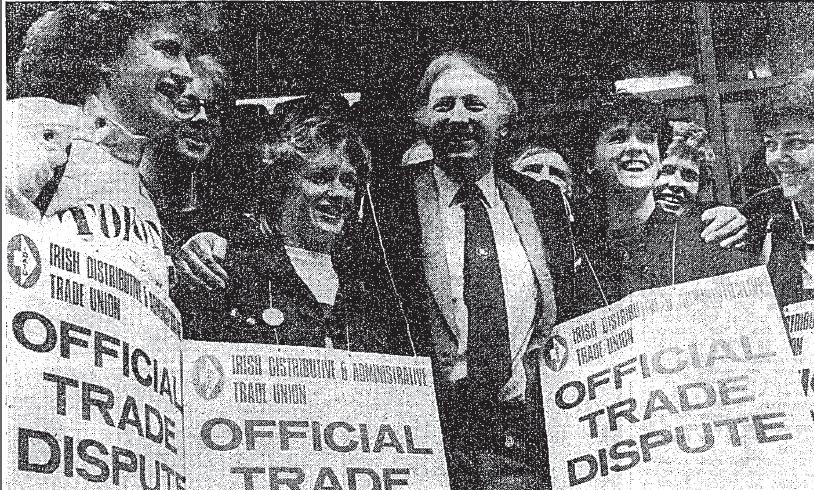
Arthur Scargill at Dunnes Stores, Henry Street with striking workers (Irish Times April 20th 1985)

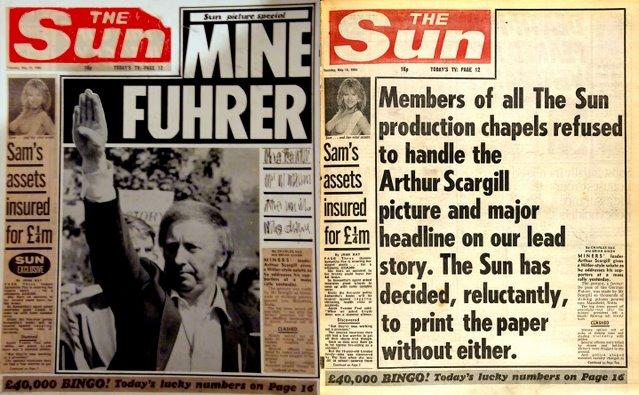
Arthur Scargill, the (in)famous trade union leader of the National Union of Miners, is to address the upcoming May Day rally in Dublin. There is something about seeing Scargill speak that makes you feel almost entitled to a badge yourself, like you’ve ticked something off some imaginary list. He is, afterall, renowned for his ability in the field.

When I saw him last year, at the Unite union hall (which you can view here) I understood where the reputation comes from. Often humourous, sometimes biting and always engaging, he is in a field of his own when microphones are involved (And the same can be said of megaphones)

While aspects of his own politics remain open for debate among the left, and some debate the tactics and even the ideology of the strike Scargill led, it doesn’t change the fact he remains a speaker most worthy of your ears and time. He is a character of some magnitude.

DCTU May Day Rally:
2 pm , Saturday 1st May
Garden of Remembrance,
Parnell Square, Dublin.

March to Liberty Hall

The red-top smear the staff wouldn't print.

Read Full Post »
The Swastika Laundry operated from the Shelbourne Road in Ballsbridge, Dublin 4 for 75 years.

It was founded by John W. Brittain (1872 – 1937) from Manorhamilton, Co. Leitrim who was one of the “pioneers of the laundry business in Ireland” having founded the Metropolitian and White Heather Laundries in 1899. He was also the owner of a famous horse called Swastika Rose which was well known “to frequenters of the Royal Dublin’s Society’s Shows“. (The Irish Times, March 27, 1937)

(c) Life Magazine. David E. Scherman, 1943.

(c) Life Magazine. 1943, David E. Scherman.

An Irish Times advertisement from Thursday, March 15, 1928

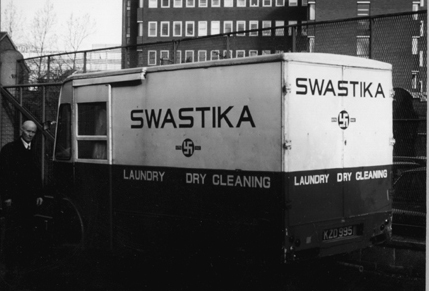
The fact that people still talk about the laundry today is, for the most part, based on the fact that a swastika was used for their logo. As you can see from the title and picture above, the laundry was founded in 1912, eight years before the German Nazi party decided to formally adopt the symbol. (This important detail was promoted by the company at the outbreak of WWII when they changed the company’s name to The Swastika Laundry (1912) to distance themselves from the NSDAP)

Swastika Laundry van. Date unknown.

"A street scene in Dublin during the war". Marshall Cavendish Corporation, History of World War II, 2005, p. 610

In his travel memoir Irisches Tagebuch (Irish Diary) (1957) the future Nobel Laureate, Heinrich Böll had an unpleasant run in with a Swasika Laundry van. He notes that he

was almost run over by a bright-red panel truck whose sole decoration was a big swastika. Had someone sold Völkischer Beobachter delivery trucks here, or did the Völkischer Beobachter still have a branch office here? This one looked exactly like those I remembered; but the driver crossed himself as he smilingly signalled to me to proceed, and on closer inspection I saw what had happened. It was simply the “Swastika Laundry”, which had painted the year of its founding, 1912, clearly beneath the swastika; but the mere possibility that it might have been one of those others was enough to take my breath away.

The vans used by the Swastika Laundry didn’t operate on diesel or petrol, they were electric, quite ahead of their time.

"Observed in Shelbourne Road, Dublin, 1960s" - http://www.photopol.com/signs/swastika.html

The Spring Grove Laundry bought the company out in 1987 and sold the land for redevelopment in the early 2000s. The only reminder of the Swastika Laundry at the site today, now known as The Oval, is the huge chimney, now a protected structure, which was emblazoned with a huge swastika until the late 1980s.

The Oval. Chimney on the right. (The Irish Times, Wednesday, March 28, 2007)

Read Full Post »
« Newer Posts - Older Posts »