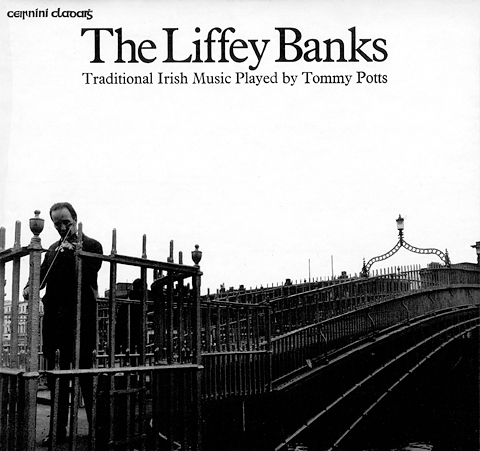
I remember the first time I saw the image above. It was over on Niall McCormacks blog, and the image just grabbed my attention. In truth, I hadn’t heard of Tommy Potts before. The image is striking but, a man completely content and in his element at one of the most iconic spots in Dublin. Bord Fáilte would ruin it if they tried to capture something like that again. It’s completely natural, a moment caught perfectly.
Anyway, it turned out that Tommy was a Dublin firefighter, and I heard mention of him from my father. Based at Tara Street fire-station, he was injured in the Pearse Street fire of October 6th,1936. Three Dublin firefighters died in the fire, including a 1916 veteran named Robert Malone, and two other firemen- Tom Nugent and Peter McArdle. The three men are buried at Glasnevin Cemetery, side by side.
Sibéal Teo, a television production company, deserve massive credit for their ‘Cérbh é….‘ series on Tg4 exploring some of the key personalities of traditional music in Irish history. Among the figures studied in the series was one Tommy Potts. It opened my eyes not just to his own music, but an entire hidden scene in Dublin, centered around the (sadly gone) Lavin’s pub. The show was presented by Paddy Glackin, a fiddle player himself, which no doubt added to the character of the show.
Here, we have two tracks from 1972s ‘The Liffey Banks’. From the voice of Liam Weldon to the pipes of Seamus Ennis, it’s posts like this I most enjoy.
I’ve been in to Saint Patrick’s Institution and Mountjoy Jail over the last few days with Maser (amazing Dublin graffitti artist) and Johnny Moy (legendary dublin DJ), we were sussing out walls that Maser can spraypaint some of my lyrics on in there, some positive lines for the inmates. I saw where Kevin Barry was hanged and got to hit the old triangle……Maser’s doing workshops and paintings in both places and is getting prisoners to help him with these pieces teaching them some of his skills as he goes along and he’ll probably get some lines off the inmates aswell to spraypaint around the place. This is all part of a project that meself and Maser and Johnny are working on called ‘They Are Us’ (details and pictures will be up on the website soon about it)
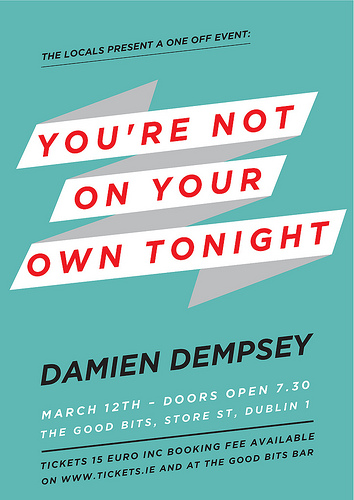
An interesting one this. We still get plenty of hits from people confused about that great Maser piece down by Busaras on The Good Bits (Damien Dempsey gives meHOPE) and if you follow the blog you’ll know I’m a massive fan of Damien, from the days of They Don’t Teach This Shit In School to his current buzz.
I take any and every chance to see Dempsey live – from a pisser of a day in Farmleigh to in his element bringing down the house at the Civic Centre in Tallaght- he has yet to dissapoint me in a live setting. His fan base, mainly young, sing every line back to him with a passion you wouldn’t dare question.
Anyway, the above mentioned project between Maser and Damien sounds fascinating to me. Damien notes on his website that this concert will hopefully “raise money for the materials maser will need for his pieces around the city” so for that alone I think it is worth attending. I still smile everytime I pass that piece on The Good Bits.
Damien actually does give me hope for this city and the youth of it.
Damien Dempsey
March 12th
The Good Bits
7:30PM Tickets: 15e
A classic Dublin new wave single from a band called Spies (1978 – 80) from Howth.
Joey Barry, the lead singer, was later in the Thee Amazing Colossal Men. The guitarist, Gerry Leonard, later went on to become David Bowie’s musical director and lead guitar player.
I’ve recently uploaded the A side ‘Thinking About The Sun’ from their first and only single.
By now, I’m presuming most of you in the world of blogging have stumbled upon the amazing, cringe worthy, “this has to be fake” world of Cork family showband Crystal Swing. If not, have a listen:
Capel Street’s Panti Bar have already uploaded their (drag) cover version.
According to their official website, an appearance on The Late Late Show in the near future is planned. The Crystal Swing for Eurovision Facebook page has already attracted a couple of hundred fans.
(Rumours that dfallon has found Dervla Burke’s personal Facebook page have not been confirmed yet.)
There was a great reaction to Mise An Fear Ceoil, a recent post I did on Seamus Ennis, the great piper of the Naul, North Dublin.
Recently, we stumbled across The World Jukebox website, which collects international folk and traditional music.
Here, from the World Library of Folk and Primitive Music vol.1:Ireland, we hear his voice. Proof Ennis could hold his own on the strength of his vocals, and not just his legendary musicial ability with regards the pipes.
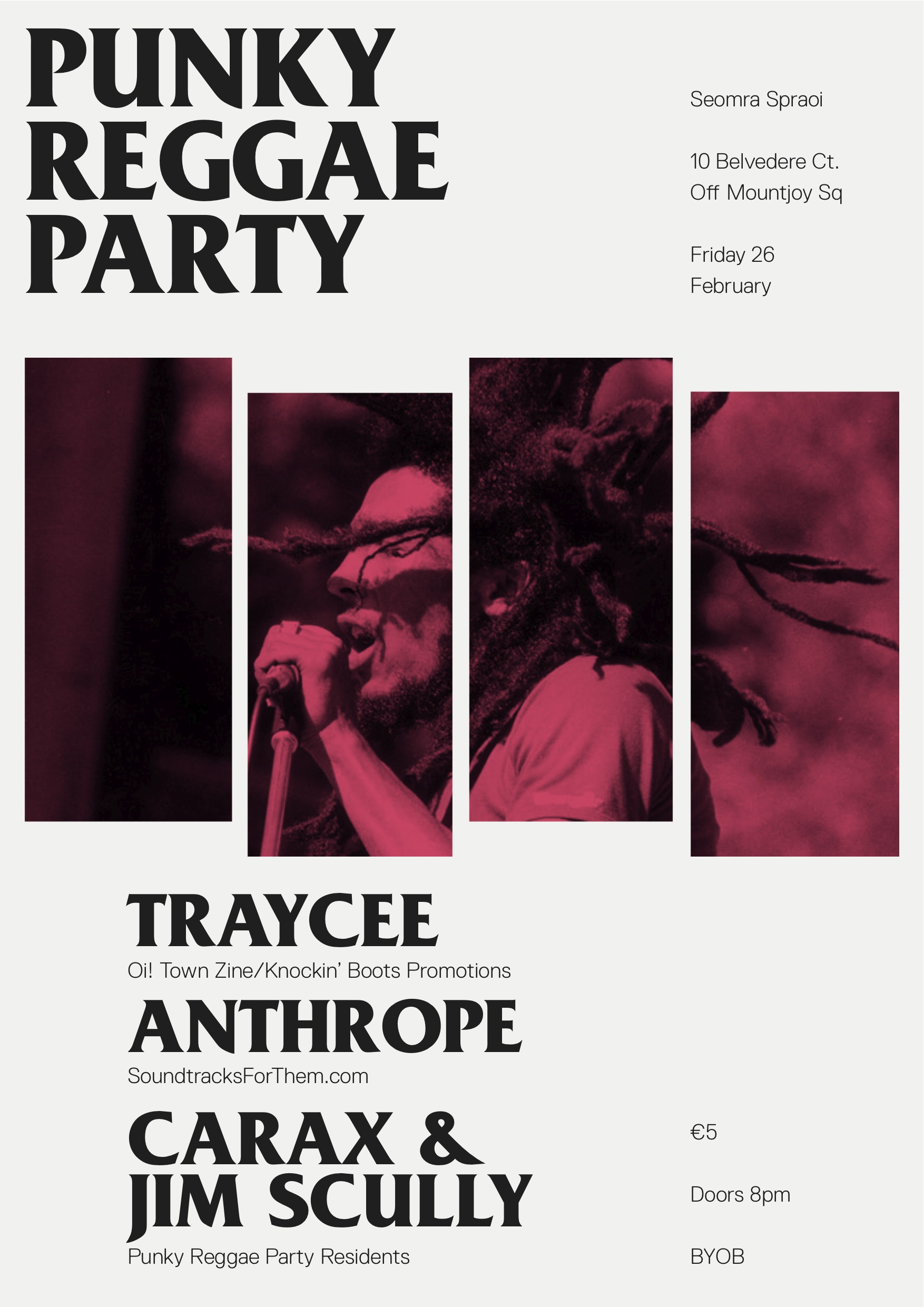
This Friday sees the fifth installment of the Punky Reggae Party. Starting its life in Belfield, the night moved to Seomra Spraoi in December for more room, later opening hours and an enticing BYOB policy. This month sees Traycee up on the decks spinning a classic mix of Jamaican ska and rocksteady and Antrophe selecting his own dancehall reggae favourites. Carax and Jim will be on hand to see that punk, Oi! and mod revival is well represented. Hope to see you there.
Punky Reggae Party Vol. 5.
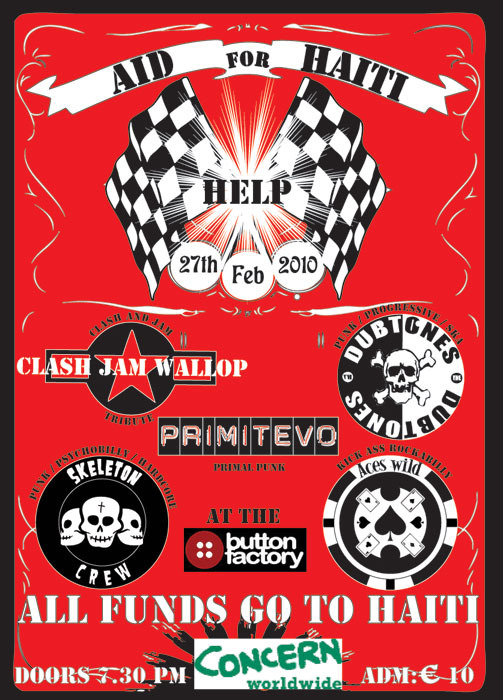
Saturday sees many of Dublin’s best punk, ska and rockabilly bands come together for a Haiti benefit gig in The Button Factory. I’m particularly looking forward to rockabilly legends Aces Wild and The Clash/Jam cover band Clash Jam Wallop.
‘Stompin’ George’ Verschoyle (62) from Artane in North Dublin, has been a dominant figure in the Irish rockabilly scene for over four decades. For the first time ever, he has agreed to be interviewed about his life and the Dublin rock ‘n’ roll scene of the 1970s and 1980s in which he played such a pivotal role.
George was born into a musical family; his mother was a graduate of the National School of Music and George and his younger sister were sent to piano lessons when they were younger – but he soon got bored. “The teacher was into light classical, I wanted to be the next Jerry Lee Lewis”, he recalls.
At the age of nine, George began listening to Jimmy Saville’s The Teen and Twenty Disc Club and Jack Jacksons’ Jukebox Show on Radio Luxembourg. Though he usually was put to bed at around 8pm, he convinced his mother to wake him up at 10.55pm on Sundays so he could listen to Barry Aldis’ Top Twenty till midnight. In the early 1960s, the BBC presented a radio documentary on the history of rock ‘n roll which George taped on a reel to reel (he still has the tapes). George pinpoints this series and its opening track, Tongue Tied Jill by Charlie Feathers, as introducing him to what was to become an essential part of his life – rockabilly.
Every Saturday night, George and a mixed group of around twenty friends would go down to the local hop in Chanel College in Coolock. One night the DJs (Don and Gerry) failed to turn up and so George, at the age of 14, offered to step in. This was his first stint at DJing. The year was 1962. After that first night, George began standing in for Don and Gerry on a regular basis.
After gaining in experience and confidence, he was offered the role of resident DJ in The Flamingo Club on O’Connell Street which opened in September 1966. He stayed there for two years playing a mix of 1950s rock ‘n’ roll and ‘60s sounds.
George took a break from spinning records for a couple of years until he bumped into a fellow rockabilly fan called ‘Rockin’ Kevin’ in his local, The Bachelor Inn. The pair hit it off and they soon began organizing “record hops” in the upstairs function room.
The nights were a success and they soon outgrew The Bachelor and moved to The Regent Hotel on D’Olier Street. It was at this time that several of the local biker groups began attending the nights including the Road Rockers MC and the Vikings MC.
Stompin’ George
A fire that destroyed the hotel a couple of years later meant the venue had to change and The Mondello Club was suggested by biker, Tony Kelly. George used to organize a bus from The Bachelor pub to The Mondello and back every Sunday.
Around 1977, they moved again; this time to Goulding’s Social Club on Townsend Street. A year later, George joined Capitol Radio which was based a few doors down from The Bachelor where he presented a show playing the “best in rock ‘n’ roll and rockabilly”. He remembers that a lot of listeners “used to phone and write in asking why there weren’t any rockabilly hops in town.”
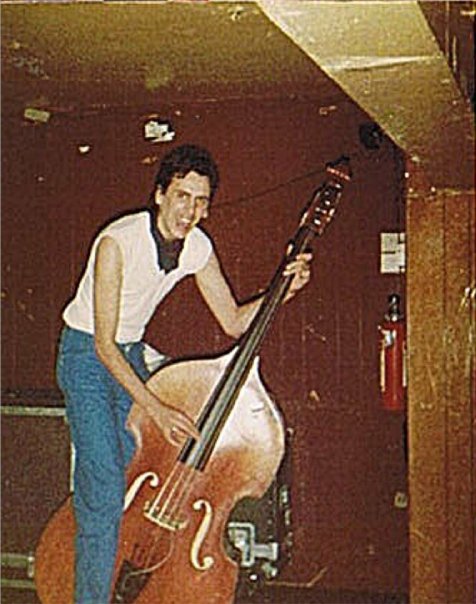
John Fisher on Double Bass at The Magnet
At the time, the only places you could find rockabilly was Sunday nights in Toners where Rocky De Valera & The Grave Diggers played Dr. Feelgood-inspired rock ‘n’ roll or Friday nights in The Magnet Bar on Pearse Street where Hurricane Johnny & The Jets played rock ‘n’ roll covers.
George went to see The Jets in The Magnet a couple of times and decided that the venue would be perfect for a record hop. He spoke to Liam Lynch, The Magnet’s owner, about taking over Monday nights and the rest, as they say, “is history“.
George at The Magnet. From Vox Zine, Issue 2 1980.
The Magnet on Monday nights which started in September 1978 and ended in March 1983 has since gone down in Dublin rock ‘n’ roll history – with many regarding it as the glory days of the Irish revival rockabilly scene.
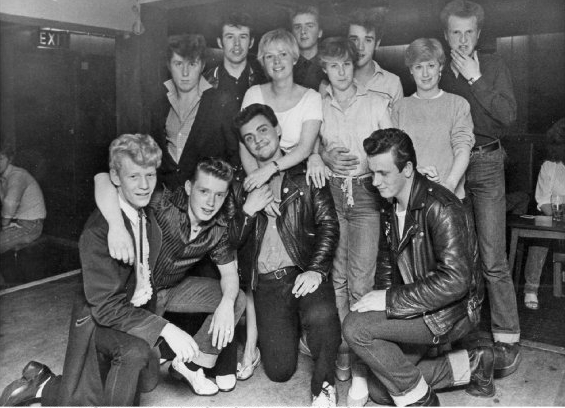
The Magnet, 1979. (Thanks to Paddy De Quiff for most of the pictures)
It “was an old type workingman’s pub” whose upstairs venue could hold 200 people. George explains that the night attracted a “mix of people including bikers, teds, mods, rockers and the odd punk”. In their four and a half years there, there was never any major trouble. He explains this was because people “policed themselves” because they didn’t want to risk losing the venue as there was “no where else to go for a good night’s music”.
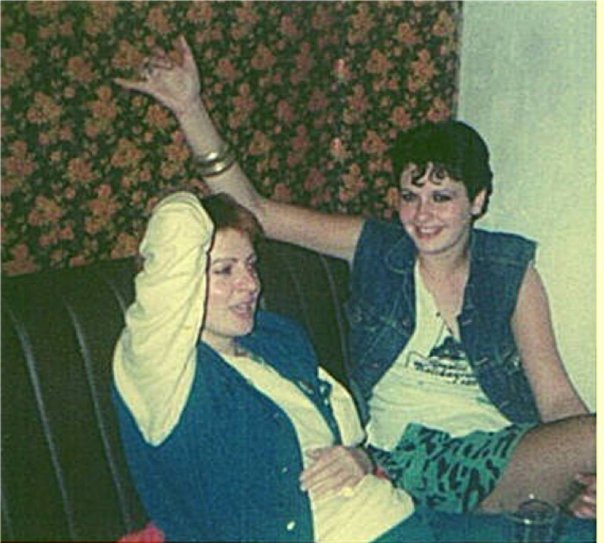
Carolyn Fisher and Billie Webster at The Magnet.
The 1980s saw a huge rockabilly revival in the U.K. with young bands like The Sunsets, Crazy Cavan and The Rhythm Rockers, The Polecats, The Shakin’ Pyramids and the American-born band The Stray Cats breaking the charts. Unlike some other original rockabilly fans who viewed this new generation of rockers as “too punchy” or “too commercial”, George thought for the most part “they were helping to bring the music to a much wider audience”. However, he makes it clear that he “didn’t like or agree with the likes of Showaddywaddy or Mud, who did nothing for rockabilly.”
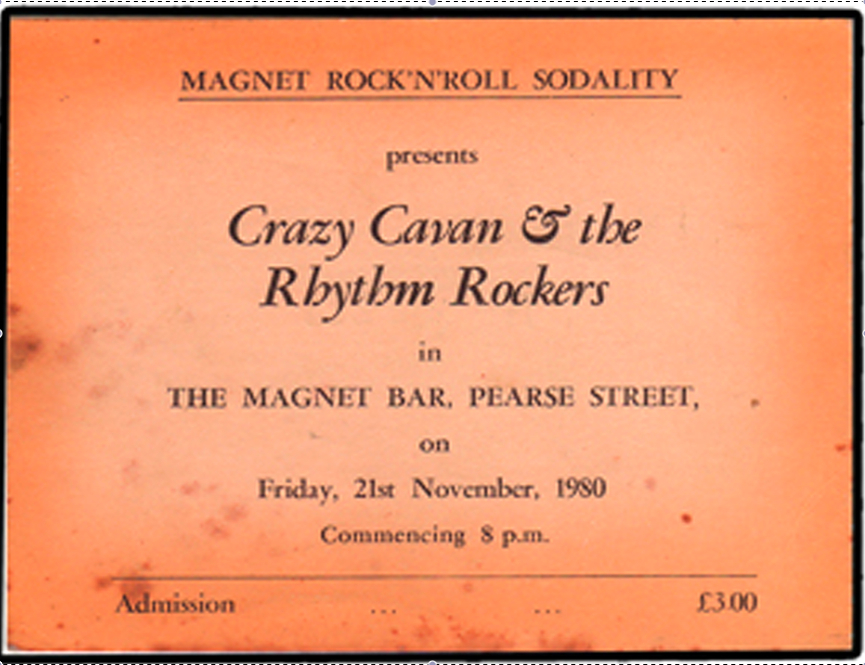
Crazy Cavan. Ticket stub, November 1980.
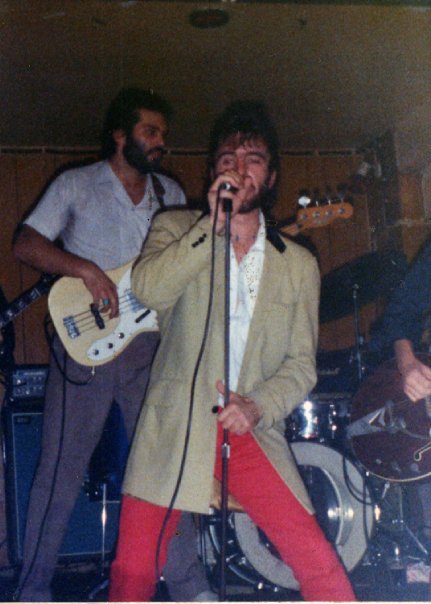
Crazy Cavan, The Magnet.
Crazy Cavan’s guitarist.
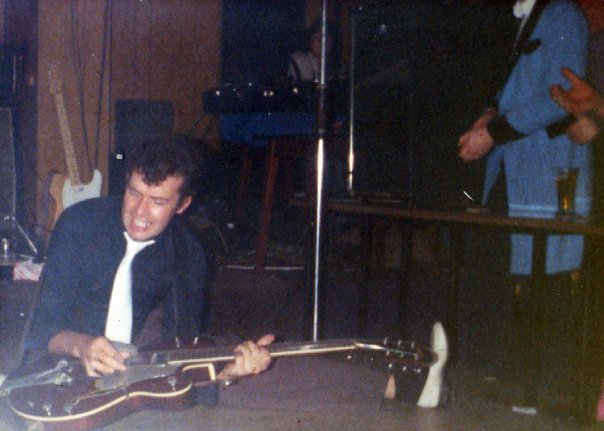
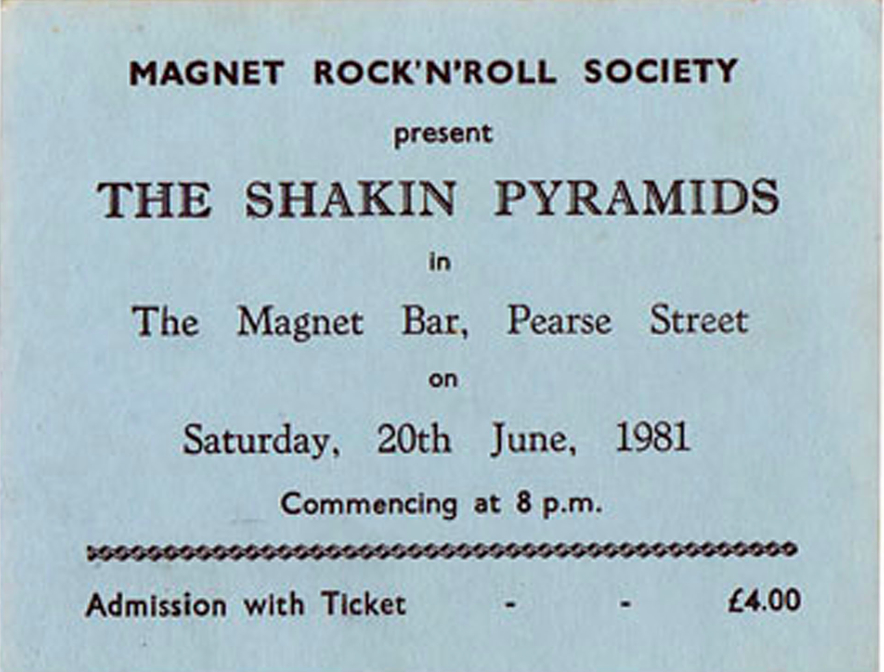
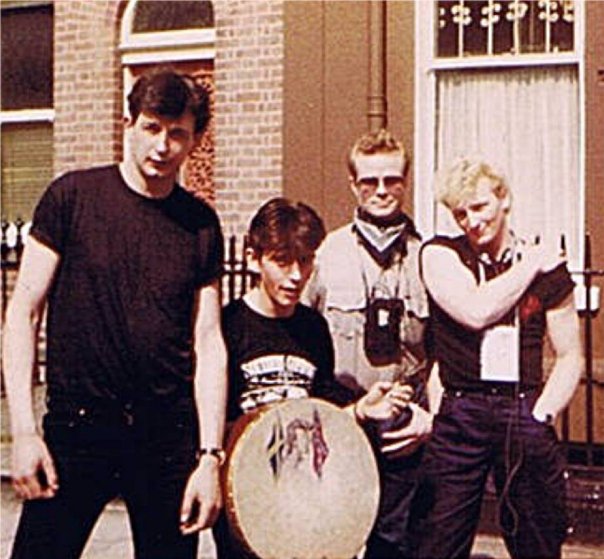
The two visits of the Scottish group The Shakin’ Pyramids were definitely the “high point of our years in the Magnet” George says. “I know of people who say they were there on the night and who still reckon it was one of the best gigs seen in Dublin. I have seen many bands and artists over the years including The Beatles, but I was never at a gig like the Pyramids, it was electric.”
The Shakin’ Pyramids. Ticket Stub, June 1981.
The Shakin’ Pyramids on Harcourt Street.
When The Magnet closed, George felt that their rock ‘n’ roll nights had “had more or less run its course already and it was the right time to leave”. Most felt it was time to take a break anyway. “A lot of the regulars had moved on with their lives, got married, went abroad to work” or had “taken up golf”. George got married to Fran in 1981 and his first daughter was born in September 1981. It was time to take a break from music.
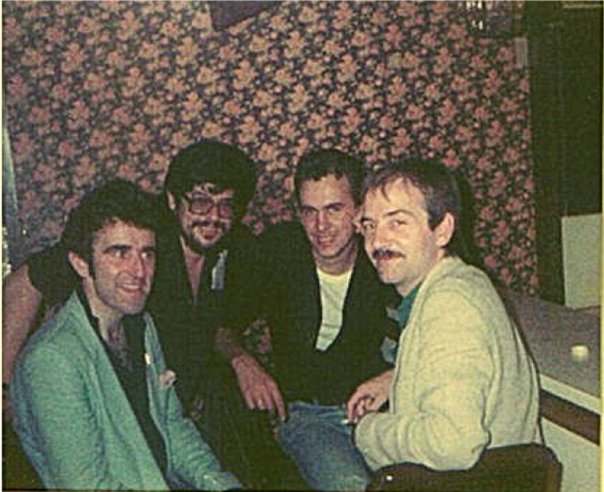
Johhny, Stompin’ George, John Fisher and Boppin’ Billy.
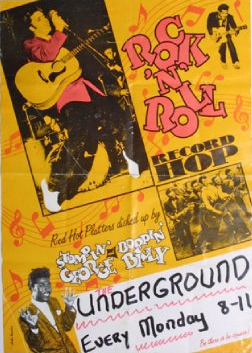
It didn’t last long however and in the mid 1980s, George teamed up with another friend “Boppin’ Billy” and started a residency in The Underground in Dame street which ran for 18 months. After that, they had a several month stint in The St. Laurence Hotel in Howth followed by a pub on Camden Street and finally a little wine bar/restaurant called Blazes on Essex Street.
Poster for the Rock ‘n’ Roll Record Hop at The Underground on Dame Street.
By this stage, George and his crew were making a name for themselves in the city. They were invited to play at a 30th birthday for the Guinness family in Leixlip and six wrap up gigs for various film shoots. At one of the ‘wraps’ held in a stately house outside Bray when the place was rockin’ at 5am and no one wanted to go home, George recalls that “a famous RTÉ DJ of the time came over to us and said he had never in all his years heard such amazing music – this sort of sums up what rockabilly music is!”
Stompin’ George & Boppin’ Billy
Their final gig together was in The Hard Rock Café but “it was doomed from the start as they would only give us Sunday nights starting at 11pm”. However, they did mange to get an invite to support The Pogues at the National Stadium. “That was really interesting as there were about 2,000 people at the gig and they would break out into spontaneous applause after a piece of rare rockabilly” George reckons it was “possibly the first time most of them had ever heard of Charlie Feathers or Herbie Duncan!”
Stompin’ George is still DJing and boppin’ after 48 years. An inspiration to us all, there’s plans in the woodwork for a Magnet reunion gig in the not so distant future and that’s something we can all look forward to, even if we weren’t there the first time around…
(A few days ago, my Dad passed down his collection of 7inch 45 singles to me. The hoard, which comprises of least 1,500 pieces, is made up of his and his two brother’s accumulations. To say the least, the collection is absolutely amazing. Myself and DFallon spent two hours going through it on Sunday and found an eclectic mix of early 1960s American rock n roll, British invasion, Motown/Stax/Atlantic soul and Irish punk.)
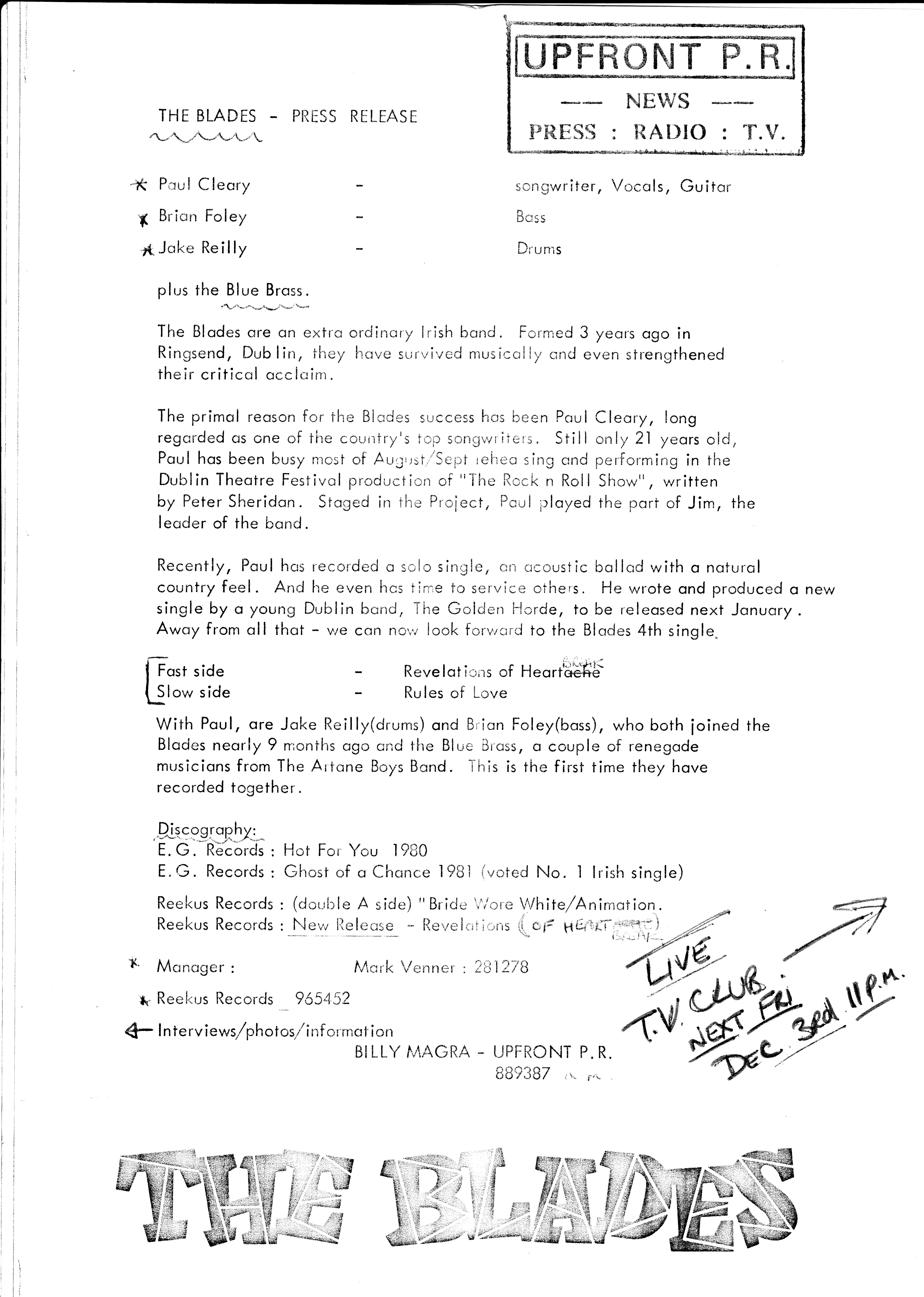
Included in the stacks of records was a pristine copy of The Blades’ Revelations (Of Heartbreak), their 4th single. While I was taking out the 7 inch to see if it was scratched, out popped an old A4 press release that had been nestled comfortably in the record sleeve (probably untouched since 1982) with an added hand written note (my dad’s scrawl) advertising their next gig.
The Blades Press Release. Decemember 1982.
The A side, Revelations (Of Heartbreak), is a power pop, soul influenced dance classic. It was the first single that The Blades recorded with the Blue Brass (Frank Duff and Paul Grimes), “a couple of renegade musicians from The Artane Boys Band”. The song was produced by Bazza at Windmill Lane Studios.
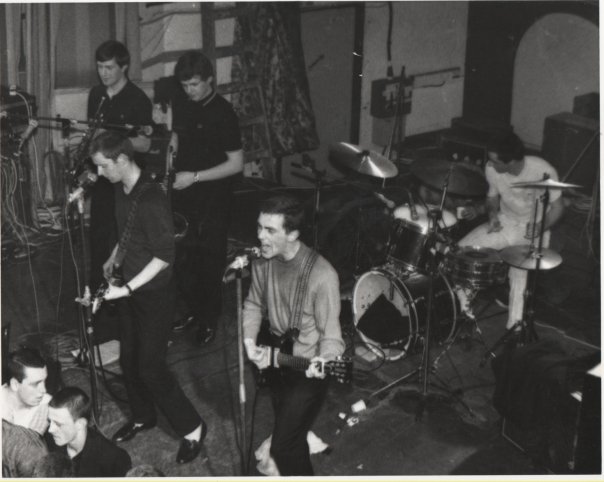
The Blades in action.
The B side, Rules Of Love, is a slowed down pop ballad loaded with brass vitality. The song was mixed by Kevin Moloney in Windmill Lane Studios.
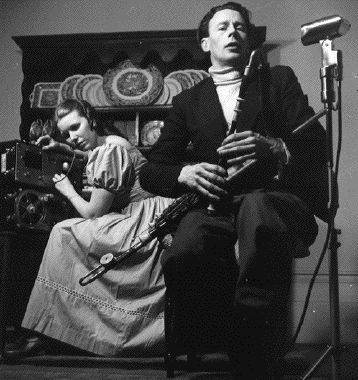
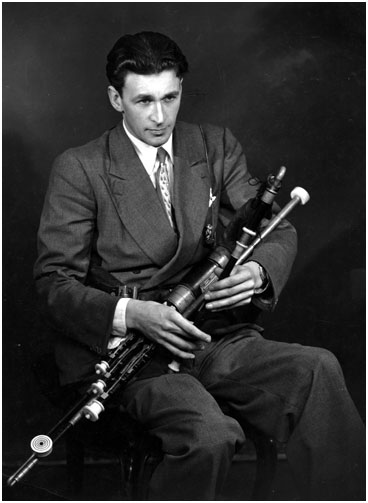
Seamus Ennis (1919-1982) from the Naul, North Dublin.
Just a short post, I’ll let the music talk.
I’ve been returning to Leagues O’ Toole’s fantastic book The Humours Of Planxty, which has opened me up completely to the music of Seamus Ennis. Ennis essentially served as a mentor to Liam Óg O’ Flynn of the legendary band, and also collected countless songs and sheets of music all over Ireland and indeed the UK.
Seamus spent his last years in a mobile home in the Naul, close to the land on which he was raised and where the sound of his fathers pipes would shape his life. Those very pipes, antique pieces in themselves, were to be played by Willie Clancy and Liam Óg later on in Seamus’ company.
He died in that small mobile home.
Those days will be remembered
Beyond out in the Naul
Listening to the master’s notes
As gently they did fall
Christy Moore, Easter Snow.
The Rainy Day/The Merry Blacksmith/The Silver Spear
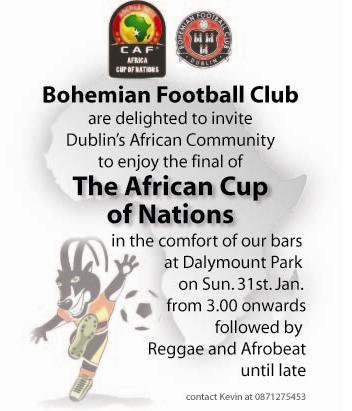
The CHTM team (bar DFallon who’s gallivanting in Belgium) will be enjoying a day full of soccer, music and food as part of the African Nations Cup Final celebrations in Dalymount Park this Sunday.
With free entry, traditional African food to taste and reggae & afrobeat DJs till late – you’ll be mad to miss it.
For more information, check out the Facebook event.
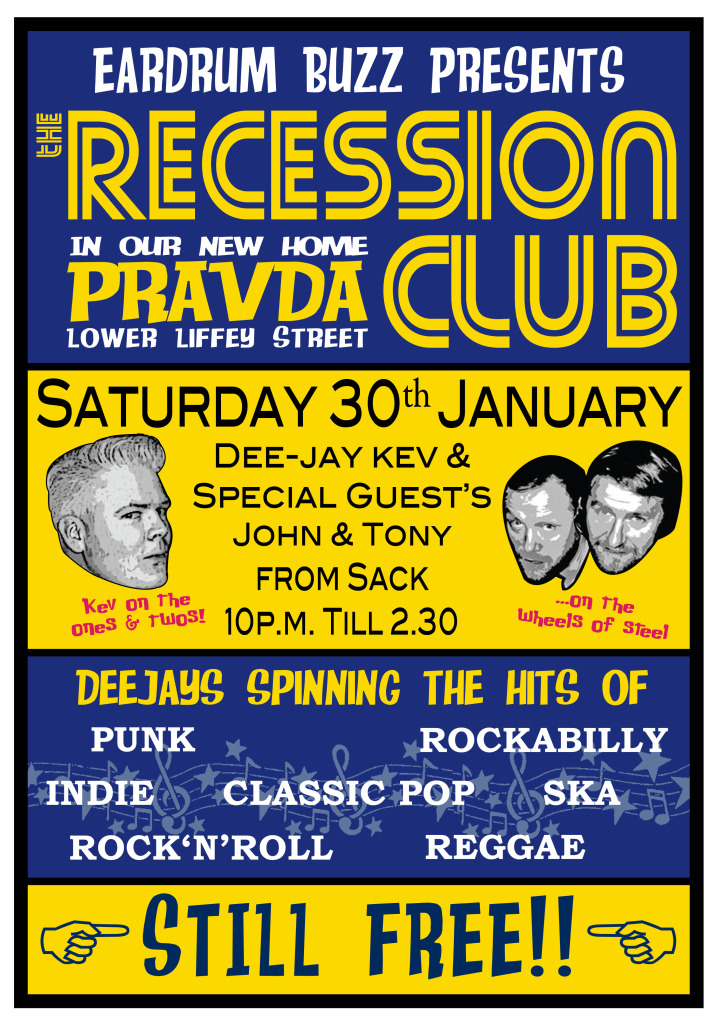
After you’ve recovered from the January Punky Reggae Party, head into town on Saturday for the Recession Club. Moving their operation from Shebeen Chic to Pravda, expect the usual classic sounds of punk, ska and rockabilly.
January Recession Club
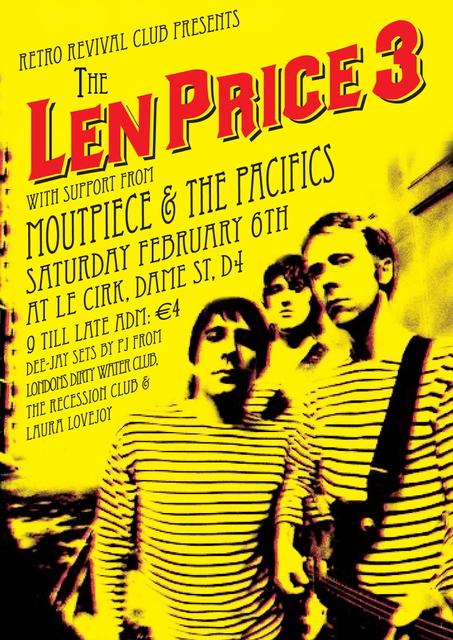
February 6:
Garage rock n roll with the lovely Laura Lovejoy on decks.
February Retro Revival Club
March 13:
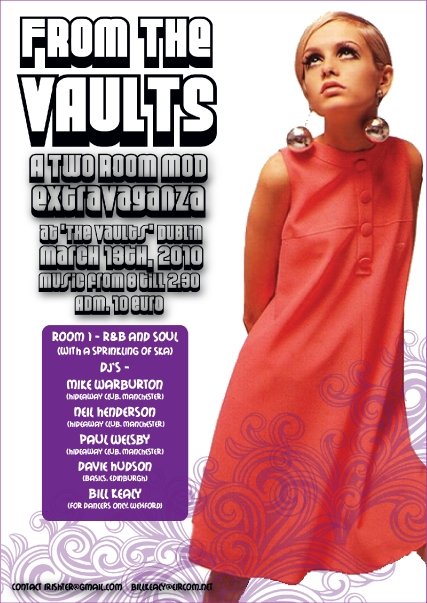
A two room ‘Mod Extravaganza’ featuring the best DJs from Manchester, Edinburgh, Belfast and Wexford.
March 'From The Vaults' Mod & Soul Night
April 10:
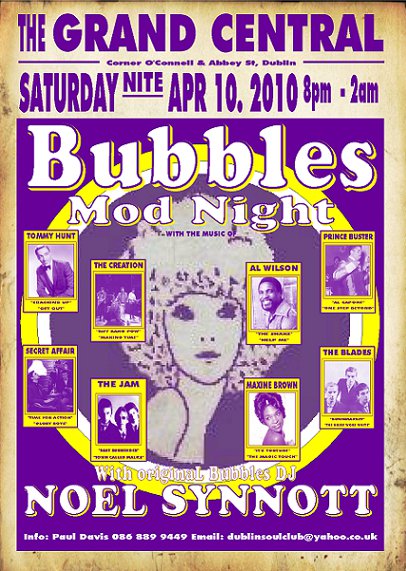
Bubbles, the legendary Dublin 80s Mod night, is back with a vengeance for one night only.
April Bubbles Mod Night.
May 23:
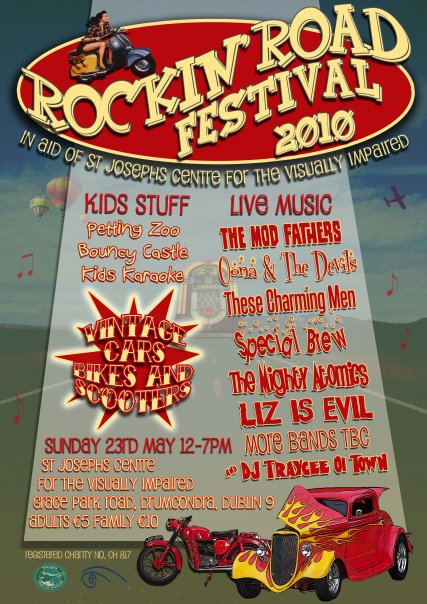
A one day festival featuring the island’s best mod, ska and rockabilly bands. Something for everyone and all for a good cause.
“…in 1966 Eddie and Finbar Furey won the international folk award in Tralee against eighty other groups. For this they got £170 in prize money which they say lasted about three days. ‘It went to charity’ says Eddie. The ‘Guinness charity’ says Finbar”
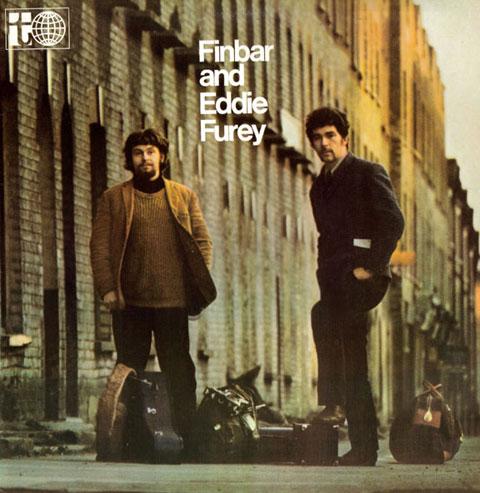
Finbar and Eddie Furey LP
Finbar and Eddie Furey, Transatlantic Records, 1968.
“You’ll meet a tall, dark handsome man….” she told my mother. Mrs. Furey that was, who used to tell fortunes up in Ballyfermot. “Jesus, she got that one wrong!”
I had a great time recently researching the Liam Weldon article, and got a laugh out of the images and memories it brought to mind especially for my mother. German TV cameras in the front garden, Christy Moore on the wall, a whole family at work musically. The Fureys were much the same, on Spidel Road.
Six in the family, the four boys and the parents. A musicial house to say the least. Another cornerstone of what I consider the great forgotten Trad-scene of Ireland, the Downeys acts. For all the romanticism surrounding traditional music in Ireland at the time (1968), you hear very little about Ballyfermot and what was going on there. The Furey Family, The Keenan Family , Paddy Sweeney (who did some time in the Dublin City Ramblers), The Weldon Family, and all the drop-ins you’d get on occasion for The Phoenix Folk Club, with the likes of Andy Irvine, Jim Page, Donal Lunny, Barry Moore (Better known now as Luke Bloom), Mary Black, Ronnie Drew, Mick Hanly and others. Christy Moore did a fundraiser for the folk club too, and things were really going on to say the least. You were no one without an instrument up there, with mam trying out the fiddle briefly and the father opting for the bodhran.
Anyway, the album.
An amazing array of instruments. Whistles, pipes, bodhrans, guitars, whatever you’re having yourself. Finbar and Eddie were sweeping awards from a young age, with several junior championship awards for pipes under both belts, and the Ulster Senior Trio championship taken along with the father, Ted.
The Spanish Cloak Come by the Hills
Sliabh Na Mban
Dainty Davy
Tattered Jack Welch
The Flowers in the Valley
Pigeon on the Gate
Graham’s Flat
Leezy Lindsay
Piper in the Meadow Straying The Curragh of Kildare
Eamonn an Chnuic (Ned of the Hills)
This Town Is Not Your Own
Rocking the Baby
Come By The Hills:
“Eddie’s first song was written by Scottish TV producer Gordon Smith. The words are set to the traditional Irish air Buchal an Eire”
The Curragh of Kildare:
“Sometimes called the The Winter It Is Passed and was said by Dean Christie (Who included it in his collection of traditional ballad airs in 1876) to have been written about a highwayman called Johnson, who was hanged in 1750 for robberies committed on the Curagh, the pen heathland that stretches to the East of Kildare”
Enjoy these two. While currently away in Belgium, nothing makes me long for a Downeys pint like this LP! More on the way friends, more on the way.











 Click on the book for more.
 Click on the book for more.
 Donal
Donal Ciarán
 Sam
Sam


 Come Here To Me!