Our friend Kevin has designed some cool images in response to last week’s story about Johnny Giles and Bob Marley. A story that should be taken with a (large) pinch of salt! 🙂
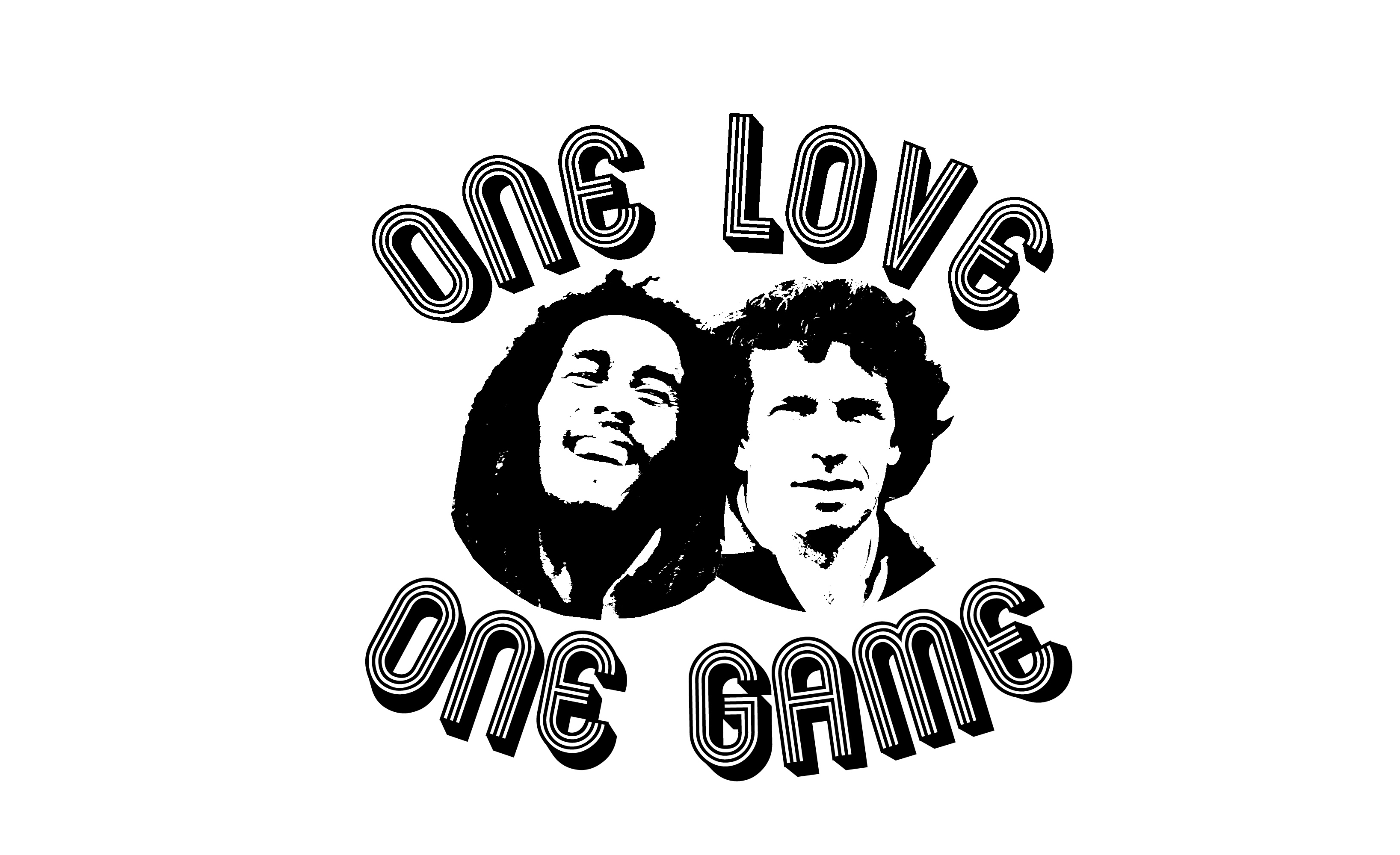
Design – Kevin Squires
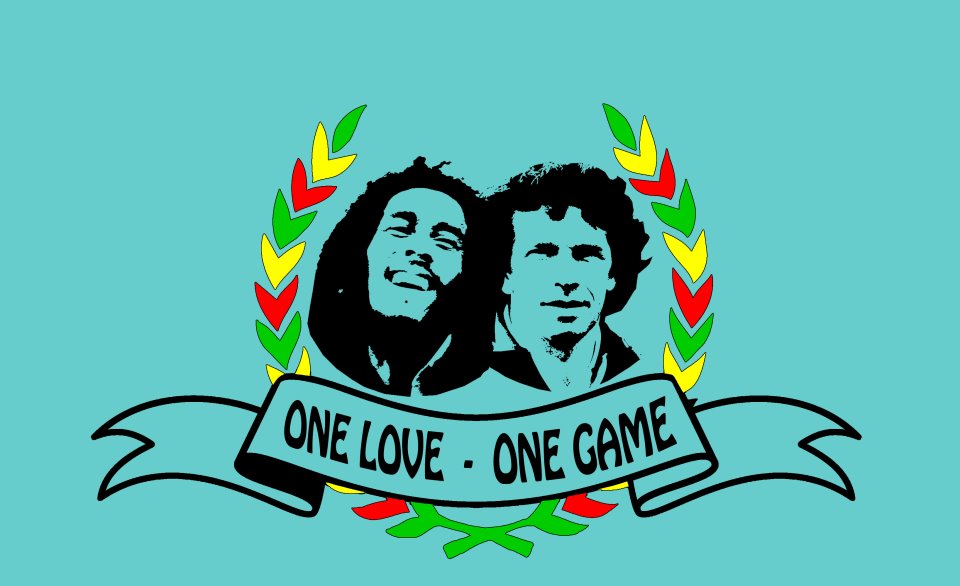
Design – Kevin Squires
Posted in Football Articles, Photography on May 3, 2012| Leave a Comment »
Our friend Kevin has designed some cool images in response to last week’s story about Johnny Giles and Bob Marley. A story that should be taken with a (large) pinch of salt! 🙂
Design – Kevin Squires
Design – Kevin Squires

Posted in Photography, Pub Crawls, Pubs, Uncategorized on April 21, 2012| 9 Comments »
For anyone just stumbling across CHTM!, once a month the three writers behind this blog, joined by a small group of friends, visit five Dublin pubs and then write about our experiences. A different person each month picks the five pubs and make sure not to give away any details beforehand. The reviews are often as varied as the pubs with the three different writing styles giving three very different narratives.
Before I start talking about the pubs, I’ll mention two things. I can’t let the introduction pass without me contradicting it in some way. When I say we are joined by “a small group of friends,” I mean all previous ones we were joined by a “small group of friends.” This pub crawl somehow managed to draw the attention of over twenty extras. Great fun in that conversation was never lacking, but difficult with regards getting the group from one pub to the next. Still, we managed it, with no punches thrown. Secondly, I don’t know what it is with me, is it age or just the sheer quantity of Guinness consumed since the inception of this blog but these pub crawls are getting harder to write, and my apologies for the gap between the crawl and the review.
Disclaimer: Prices may become inaccurate towards the end. Feel free to correct!

The Dice bar, from Rate My Pub on Flickr
The February pub crawl kicked off, quite amazingly, on Sunday 4th March. As we are readily running out of pubs in the City Centre, I decided to head down towards Smithfield and Stoneybatter for a look. The infamous horse market had not long finished as we made our way into the Dice Bar, on the corner of Queen Street and Benburb Street. Not a spot I’d been in too many times before, rather drunkenly over Christmas and before that, who knows… a long time anyways. A really cool little spot this, a cross between Sin É and the Bernard Shaw or something along those lines. Good tunes, and a good selection of Irish and International beers, ales and stouts. It being the pubcrawl though, the majority of us were on the Guinness and at €4.30 a go, it wasn’t to be faulted. I found it odd to see a television on in the place, given that up until that point, I didn’t think they even had a telly. But, it was a 6 Nations weekend, and there were a few heads tuned in to the game. (France 17 – 17 Ireland if you must know, cheers Google.)
The numbers attending this pubcrawl meant that when some people were finishing pints, others weren’t long through theirs, meaning more than one pint was consumed in most pubs, and the Dice Bar was no exception. Before the end, our crowd had spilled out of the area we were occupying, and the sound barman directed us to another area recently cleared down the other end of the bar. Great music, odd & interesting décor, (was that a flying astronaut in the corner over the jacks door?) good pints and sound barstaff. A win all round.

Walsh's, from our friends at http://www.publin.ie
The next spot I had picked was the recently re-opened McGettigans, but a quick look inside the door told us we wouldn’t be venturing in today, the place was packed to the rafters. With that, we made our way up towards Dublin’s Left Bank, Stoneybatter, and into J. Walsh & Co. on Manor Street. Another spot I’ve been in a few times and one I really like. Luckily, there was plenty of space in here as the numbers were ever swelling and we were starting to draw glances. We managed to get ourselves an area down the back of the pub at the end of the bar, walls adorned with old images of GAA teams past and other sporting memorabilia. The last time I was here was with a friend who, at the time was living down the road from it. We went in for that fatal “one pint” and ended up falling out of the place a few hours later, deciding to treat ourselves to “a pint and a half one” each round: fun times. (A pint and a half one for the un-initiated is a pint of Guinness and a single measure of Jameson.) Definitely a spot for that carry on rather than a rambunctious gathering such as this, we decided to leave the good people of Walsh’s in peace after one here. €4.15 a pint, my favourite pub of the day, and definitely one I’ll be back to.

Posted in Dublin History, Photography, Social History on April 19, 2012| 4 Comments »
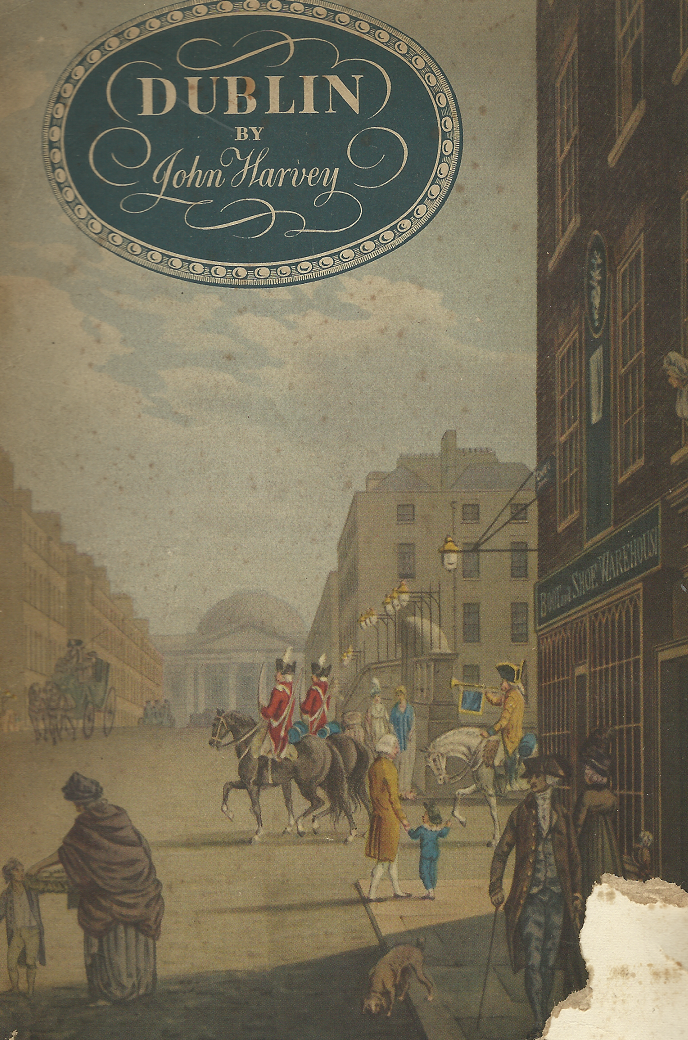
I’m a big fan of books on Dublin from decades gone by, in particular guide books or studies written by ‘outsiders’. John Harvey’s Dublin: A Study In Environment (1949) was begging me to buy it when I spotted it sitting in Chapters second hand section, and I couldn’t resist. The book comes with the endorsement of Bernard Shaw who writes “I wish it had been available when I was a youth in Dublin. To me it is intensely interesting.”
Harvey begins his work by noting that:
“Dublin is still a city almost unknown to English people, and the loss is ours. Between the mountains and the sea, it is one of the most fortunate of European capitals, and it has the enormous advantage of consisting mainly of buildings produced at the peak of its historic culture.”
The book contains many fantastic images of the city, showing Dubliners at work as well as some fantastic buildings of the period, such as The Irish House pub at Wood Quay which is no longer with us.

Bank of Ireland, College Green.
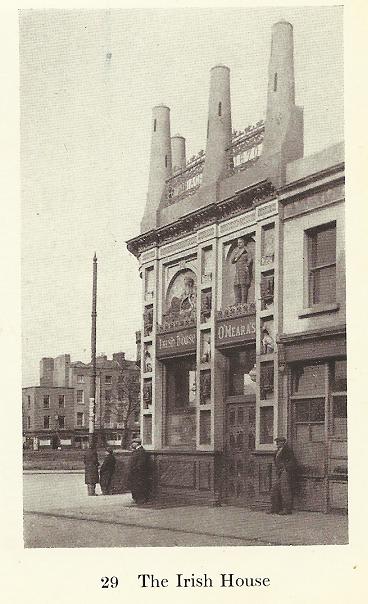
The Irish House.
Harvey doesn’t shy away from sharing opinions among historical facts and information on sites of interest in Dublin. “Nationalism is nonsense; but it can have indirect results which do make sense” he writes, as “so far as Dublin is now both a flourishing and a promising city, it is the outcome of nationalism, building on the remains of an alien aristocratic regime.” Harvey doesn’t shy away from attacking Irish nationalists on occasion, for example taking aim at the “political hooligans” who destroyed John Van Nost’s statue of George II inside St. Stephen’s Green.
Ireland, Harvey noted, suffered from an “extremely thin-skinned moral censorship”, a censorship “so wide that the banning of books and cutting of films reaches a humorously fantastic point.”
Harvey is completely correct in his commentary on Dublin’s ancient cathedrals, noting that they were both “…subjected to the horrors of well-meant ‘restoration’, which as usual destroyed the greater part of their original character and beauty. Both buildings were in a very dilapidated state, and urgently needed repair, but the work actually done was so extensive as to be even more disastrous than contemporary work at English churches.”
Harvey writes of what he sees as the perception of the British people in Ireland, a rather damning indictment that “‘The British’ in many an Irish mouth has implications only equaled by those of les boches in France; it is one of the few sad instances where the Irish sense of humour is lost.”

Mass goers.
Refreshingly for such a study, the tenement poverty of the inner-city features, which Harvey stressing that “except for O’Connell Street and Parnell Street, practically the whole of the northern half of the eighteenth-century city is one enormous slum.”
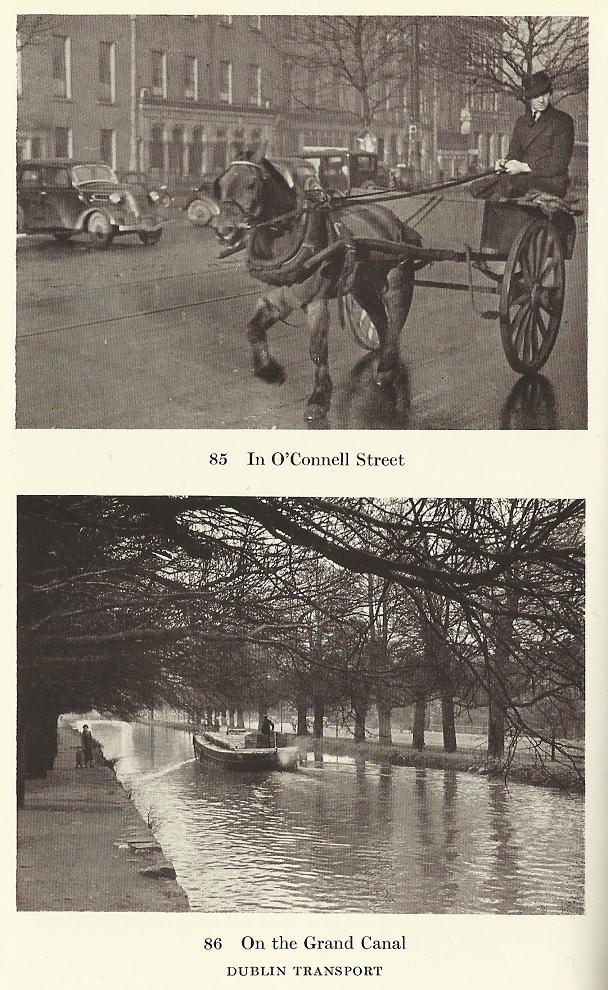
Harvey’s book is an enjoyable read, loaded with opinion on not only Dublin and Dubliners but also the political questions of the day, and the relationship between Ireland and Britain. Batsford, its publishers, produced a series on “British Cities” in the style of Harvey’s effort, and all contained the same style of maps and in excess of 100 images.
“To an Englishman Dublin has the virtues of a foreign capital without the drawbacks: artificial animosities have not annulled the kinship which has grown up through centuries of intermarriage between the people’s of the British Isles. Dublin seems to foreshadow the qualities of a new type of supra-national city; let us have a look at her.”

Posted in Dublin History, Photography on April 16, 2012| 14 Comments »
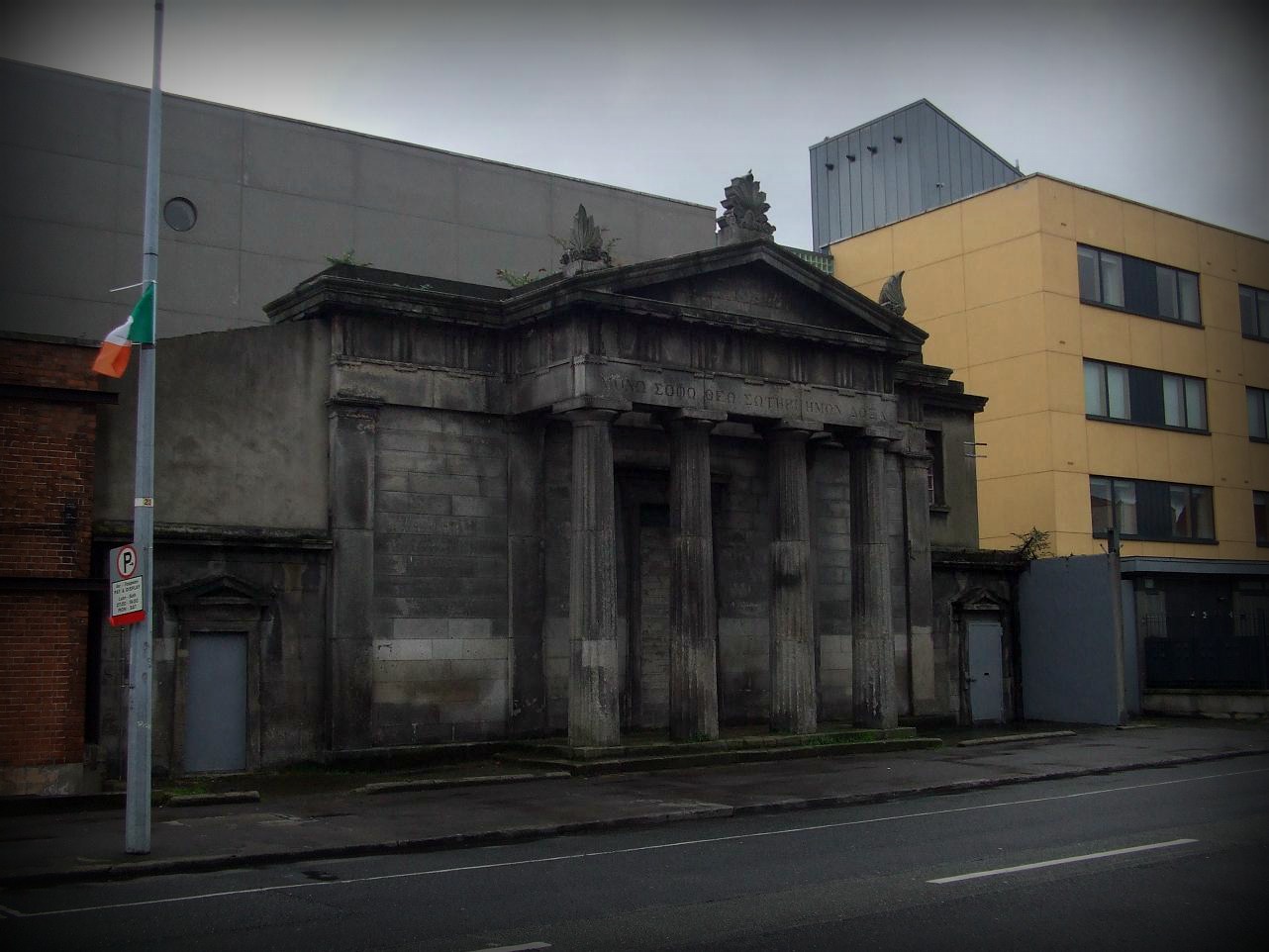
Walking down Sean MacDermott Street recently, I was drawn to this building as I am each time I go down there. It had to be photographed. The contrast between it and all around it is something else, and I had to do some digging to find out more. The natural man to ask was Terry Fagan of the North Inner City Folklore Project, who has written on the history of the area, in particular Monto. An interview we recorded with Terry appeared on the site before.
This was the Scots Presbyterian Church which later relocated to the corner of Howth Road and Clontarf Road, opposite Fairview Park and Clontarf DART station, Terry informed me. While digging around revealed some discussion the architectural merits of the building, Terry gave some interesting social insight on the church:
They helped the ladies of the night in the Monto who wanted out from that life. They ran a school across the road from the church which attracted a lot of poor children who went to get the free soup.
In 1910 the bishop’s built a school on Rutland Street to counter act the work of the free-soupers. There was hand to hand fighting by different groups to prevent the children going to the Presbyterian school as they used to come home with anti-Catholic literature.
This was like a red rag to a bull to the groups who marched on the school “To save the souls of the Children”. The school closed up sometime in the late 1960s.
A poster on broadsheet.ie noted that the church had even appeared on the cover of the single Keep On Chewin’ from Jubilee Allstars! The building featured on broadsheet as one of their frequent posts on unusual locations in the city.


Posted in Dublin History, Photography, Social History, Uncategorized, tagged dublin, Dublin 1916, Easter Rising, The O'Rahilly on April 6, 2012| 5 Comments »
Of all the legends and stories the Easter Rising produced, I’ve always taken an interest in that of The O’Rahilly. Born to a prosperous merchant family in Co. Kerry in 1875, he had a privileged upbringing and received his secondary education in Clongowes Wood College. He began studying medicine in 1893, but was forced to take a hiatus after a year after contracting tuberculosis and quit altogether after his fathers death in 1896, when he moved home to look after the family business. Not long afterwards, he sold the business and moved to the US, where he married in Philadelphia.
His next ten years were spent back and forward between the States and Ireland, and O’Rahilly and his bride, Nancy Brown, traveled Europe and Ireland extensively. They settled in Dublin in 1909 where he took up a job managing the journal An Claidheamh Soluis, later publishing the article by Eoin MacNeill that lead to the foundation of the Irish Volunteers. Despite being a founder member of the Irish Volunteers, he was not privy to the plans for the Rising, but took part in it regardless, arriving at the mobilisation at Liberty Hall and uttering the infamous line, “Well, I’ve helped to wind up the clock — I might as well hear it strike!”

The O'Rahilly around the time of his marriage to Nancy Browne
While most of the above is an ode to The O’Rahilly, and I hope to do another piece on him shortly, the subject of this piece is the plaque in the bar of Wynn’s Hotel on Abbey Street commemorating the founding of the Irish Volunteers there by The O’Rahilly and Bulmer Hobson in 1913. Hobson’s legend is that he never partook in The Rising, and was in fact kidnapped by the IRB before it in case he tried to pull the plug on it. Apologies for the quality of the picture below, Wynn’s obviously take great pride in it, and the sheen off it made it close to impossible to photograph. Inscription below.
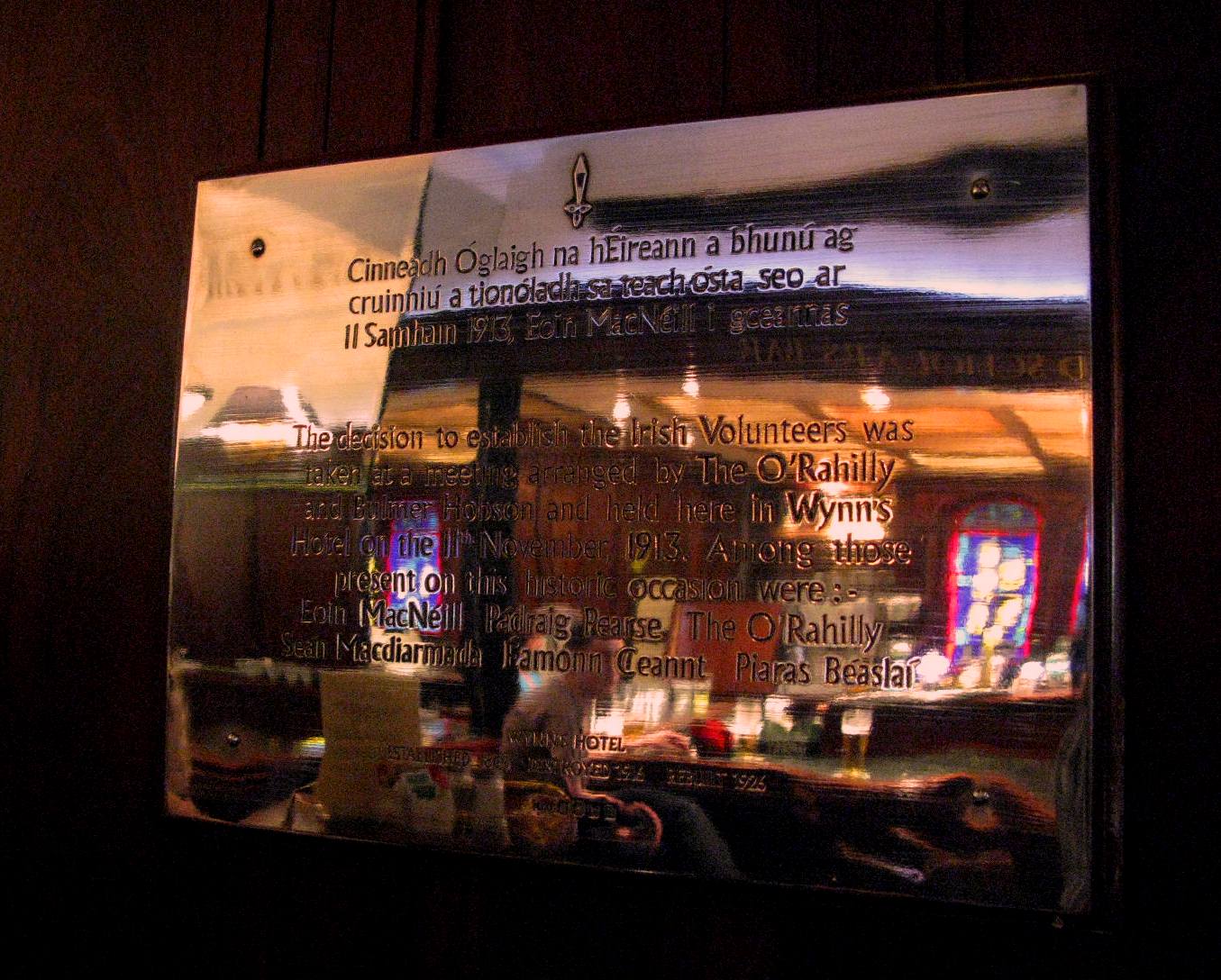
The plaque reads:
Cinneadh Óglaigh na hÉireann a bhunú ag cruinnií a tionóladh sa teach ósta seo ar 11 Samhain 1913, Eoin MacNéill i gceannas.
The decision to establish the Irish Volunteers was taken at a meeting arranged by The O’Rahilly and Bulmer Hobson and held here in Wynn’s Hotel on the 11th November, 1913. Amongst those present on this historic occasion were: Eoin MacNéill, Padraig Pearse, The O’Rahilly, Seán MacDiarmada, Éamonn Ceannt (and) Piaras Béaslaí.
Wynn’s Hotel, Established 1845, Destroyed 1916, rebuilt 1926.
Given the weekend that’s in it, I’ll finish the piece by quoting another O’Rahilly line… When he realised the rising could not be stopped, he reportedly turned to Markievicz and said “It is madness, but it is glorious madness.” Hopeless romantics the lot of them.

Posted in Miscellaneous, Photography, Politics on April 5, 2012| 4 Comments »
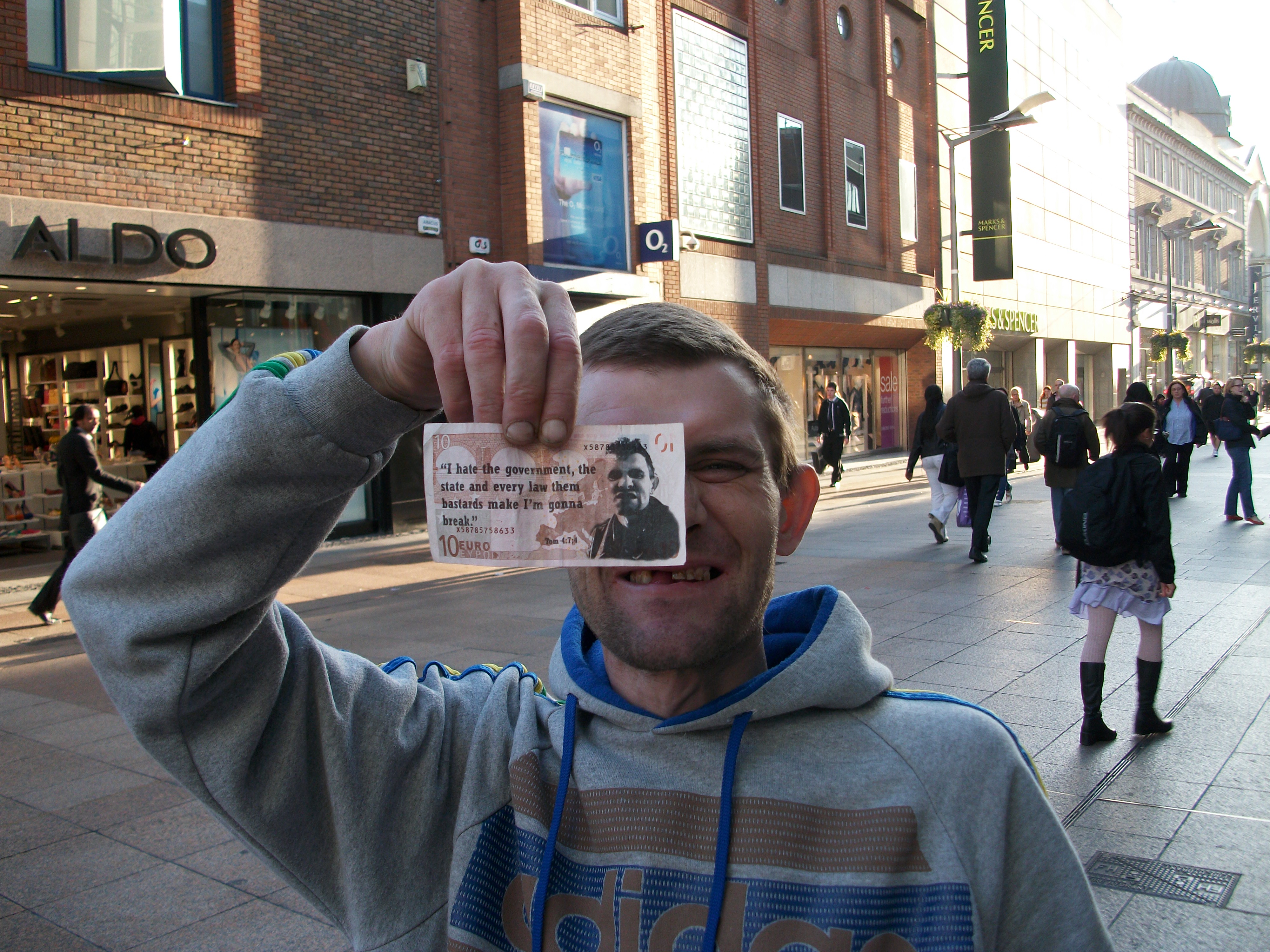
Cool, culture jamming art project called ElephantInTheRoom based out of D7.
One aspect has been stenciling slogans from Emma Goldman, Ned Kelly, Albert Einstein and MC Tomo Kiernan ‘Dublin’s Rapping Busker’ onto currency and recirculating it.
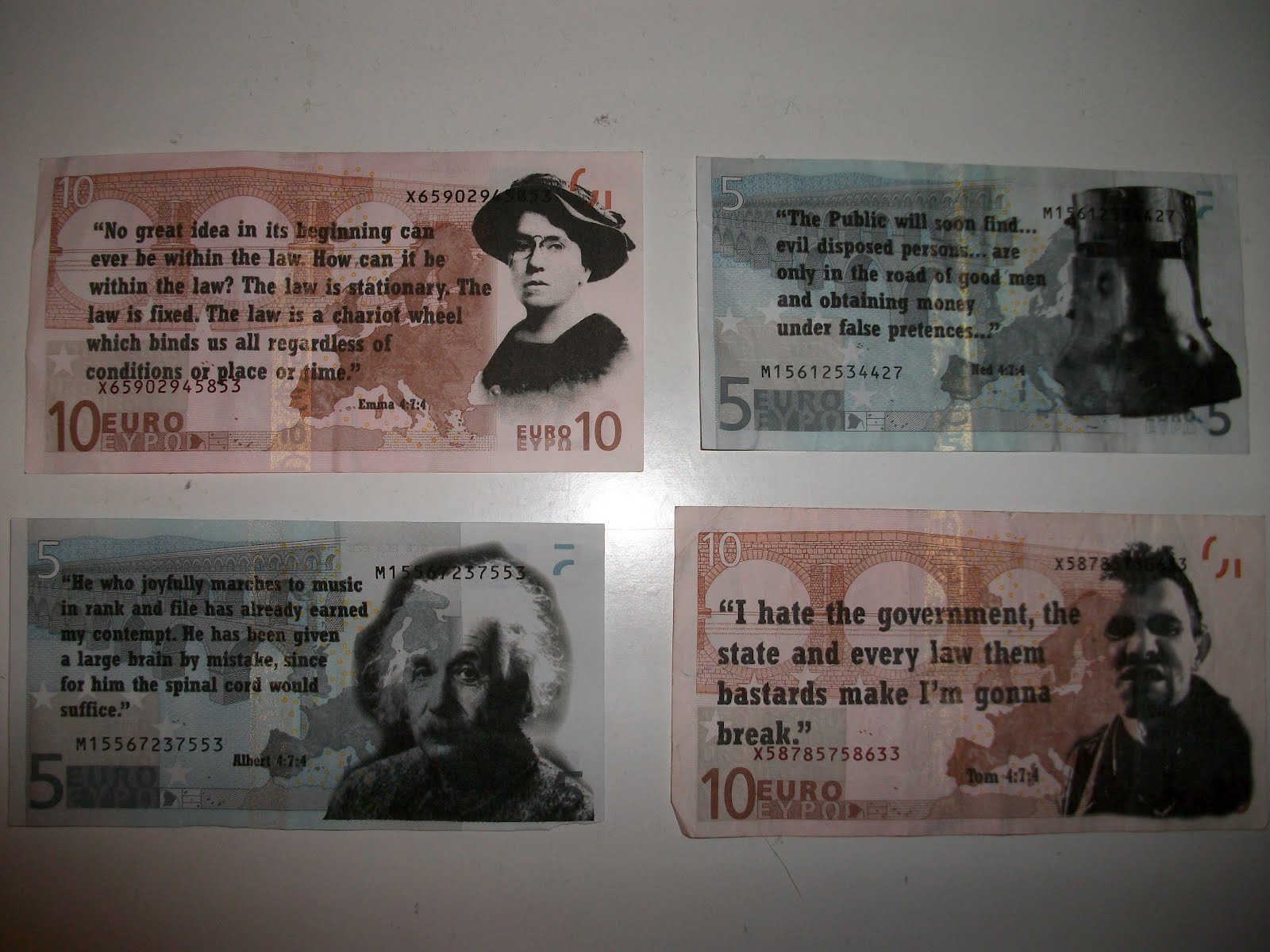
Credit - elephantinroom101.blogspot.com
Tomo seems happy about it anyway!
Credit - elephantinroom101.blogspot.com
They’ve also been behind some ‘adbusting’ on the dart.
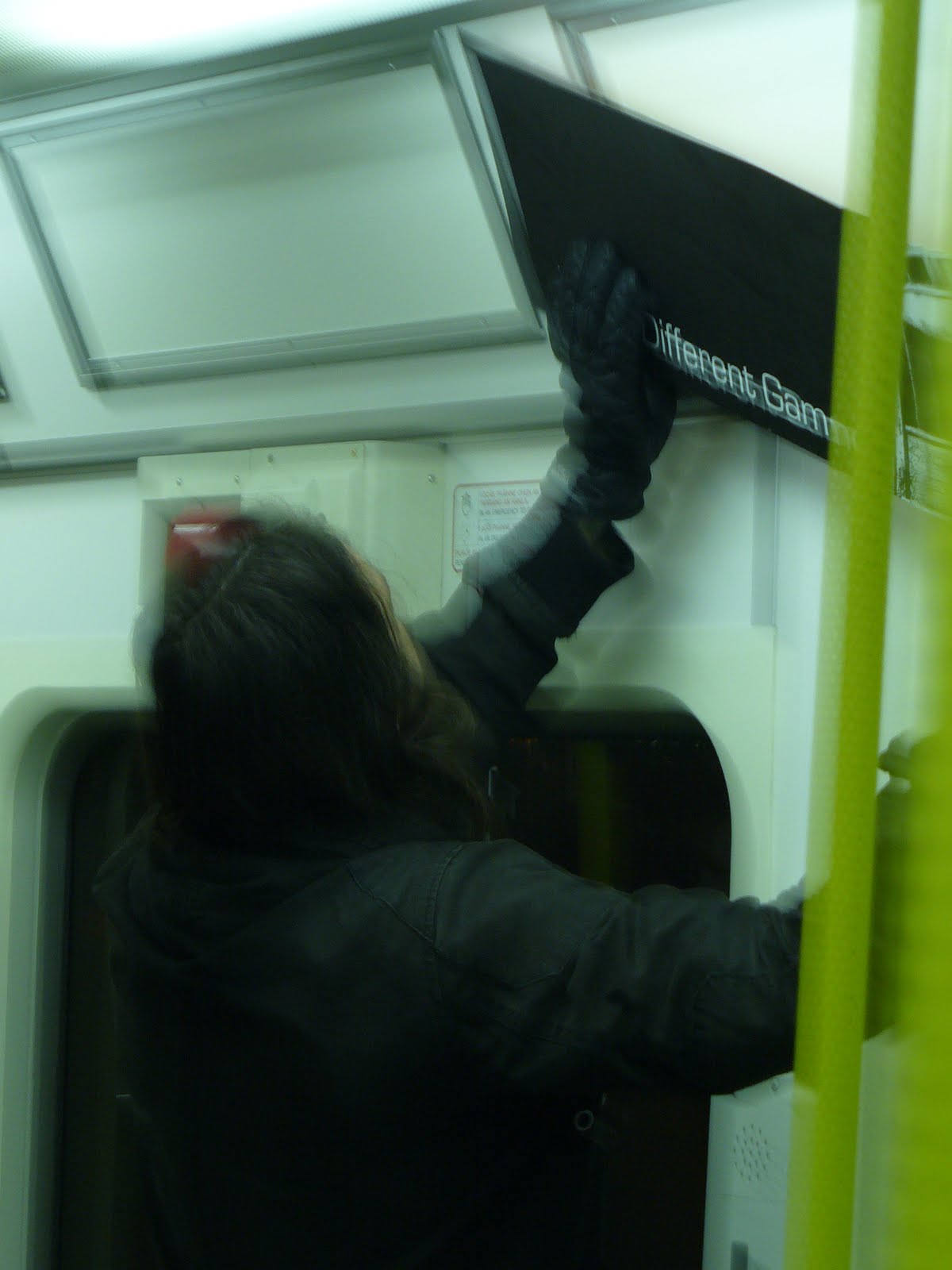
Credit - elephantinroom101.blogspot.com
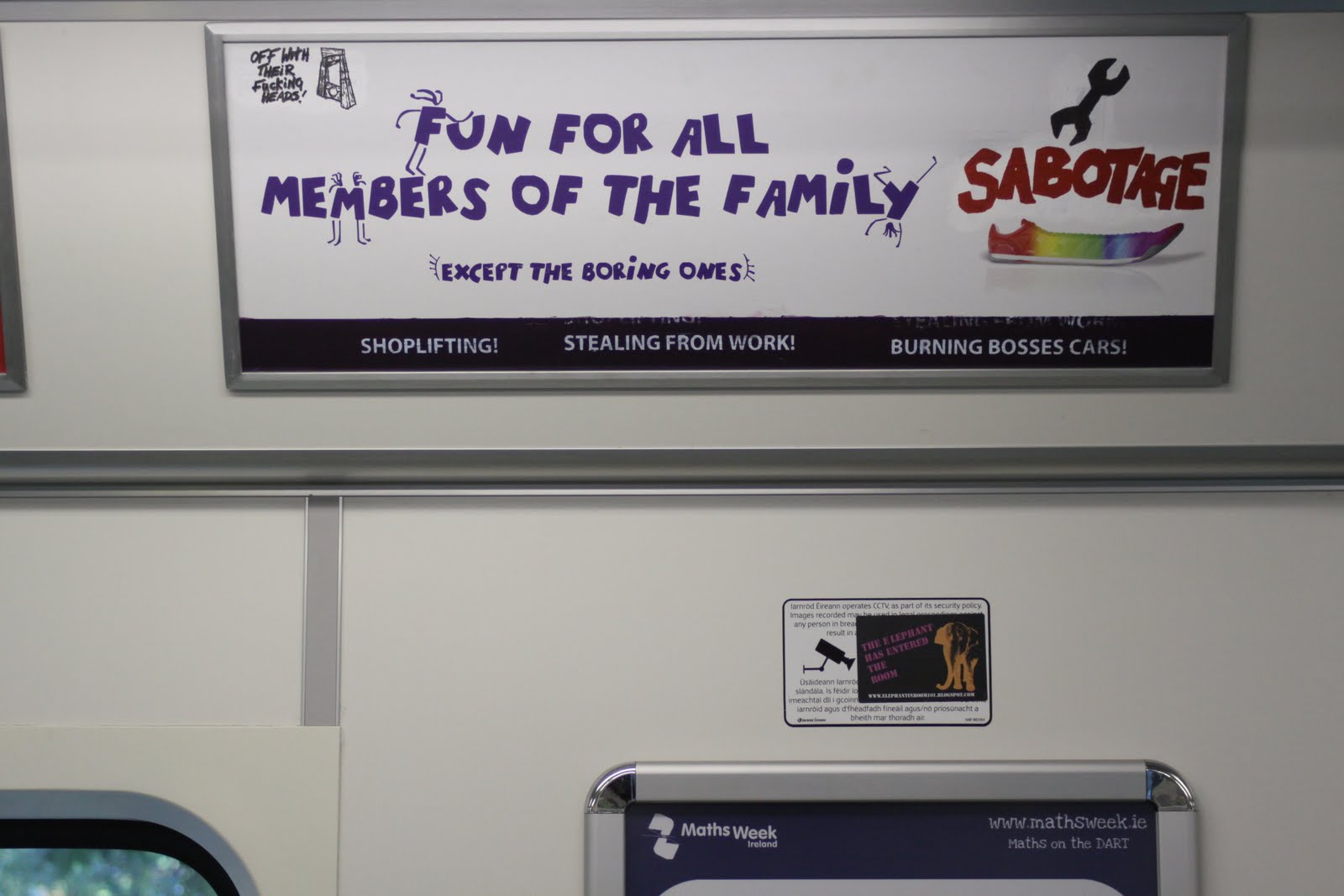
Credit - elephantinroom101.blogspot.com
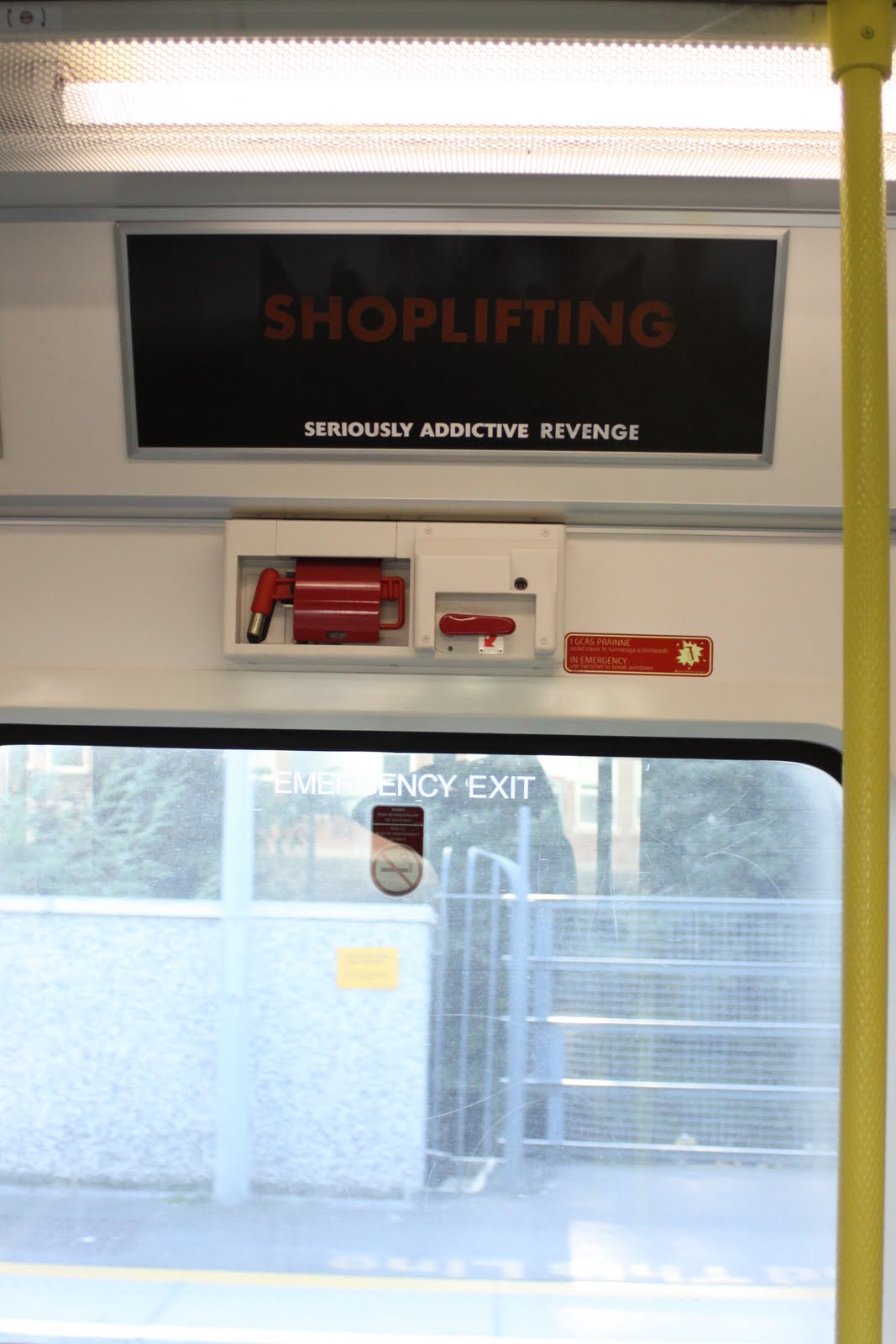
Credit - elephantinroom101.blogspot.com

Posted in Photography on April 4, 2012| 5 Comments »
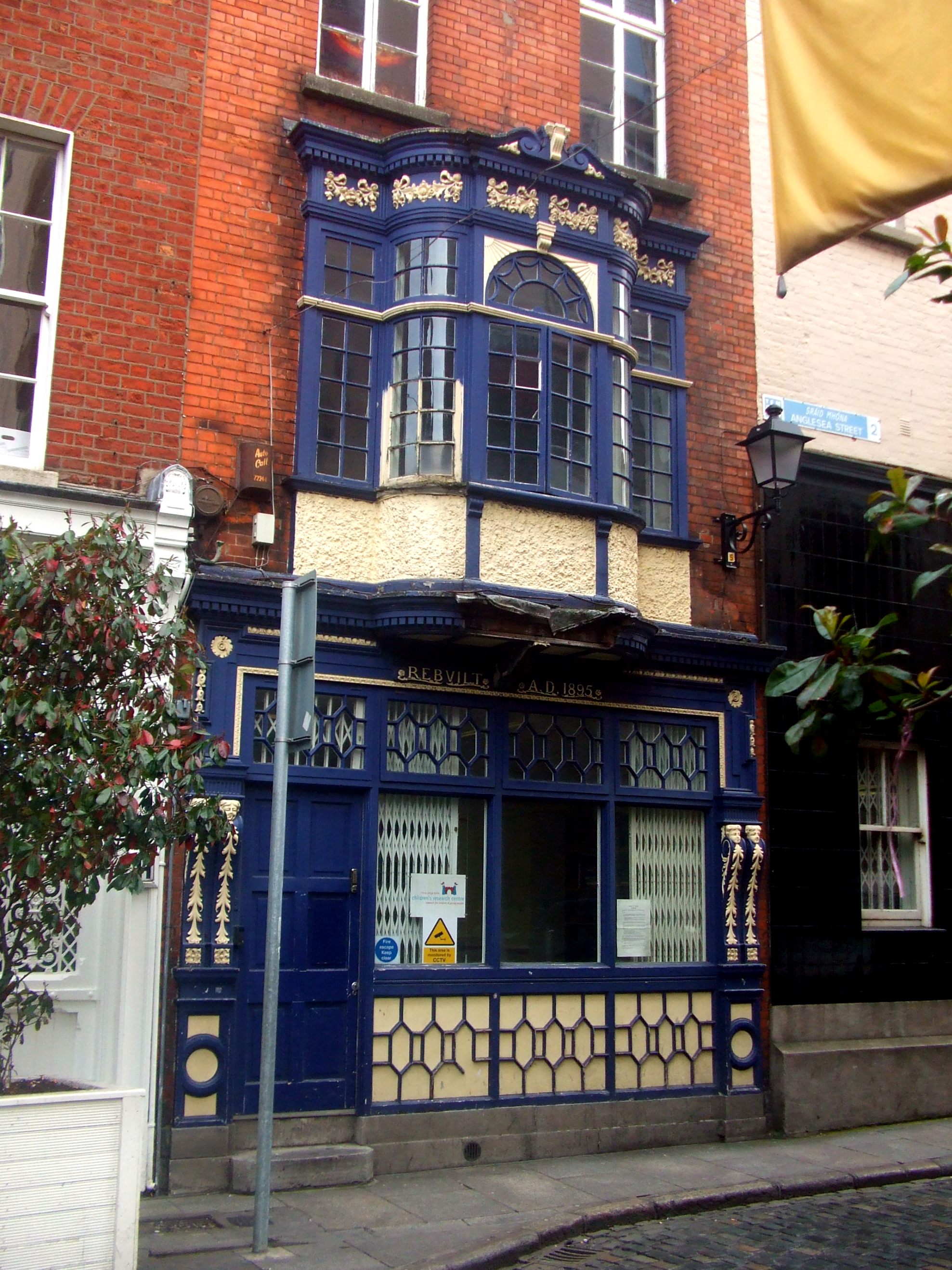
This is a stunning building I’ve passed maybe a hundred times in the last year, but have only now stopped to admire. 30 Anglesea Street is home to the Children’s Research Centre of Trinity College Dublin, and the building is very striking. The front of the building notes that it was rebuilt in the year 1895.
Sean Murphy has written of the origins of the name ‘Anglesea Street’ in his excellent history of the Temple Bar area, noting that:
Anglesea Street commemorates another prominent resident of the area, Arthur Annesley, created Earl of Anglesea in 1661. This Earl was great-grandfather of James Annesley, the principal figure in the famous Anglesea peerage case who died in 1760. Notable residents of Anglesea Street included the architect Thomas Cooley, who died at his house there in 1784, and Richard Edward Mercier, publisher of Anthologia Hibernica and other works. The Irish Stock Exchange has been located in Anglesea Street since 1878.

Posted in Photography, Street Art, Uncategorized, tagged dublin, Dublin Graffiti, dublin street art, Graffiti, Street Art on April 2, 2012| 8 Comments »
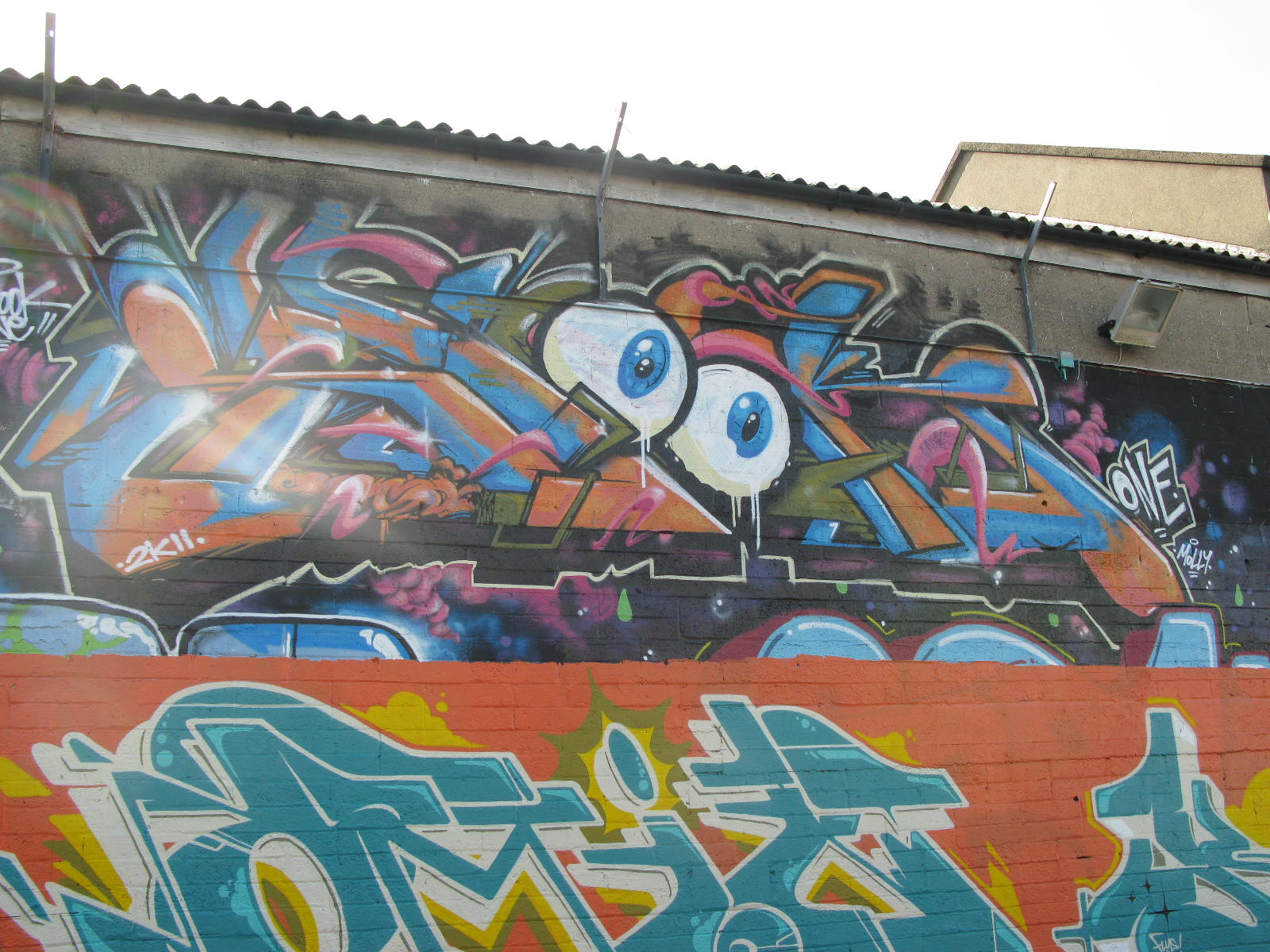
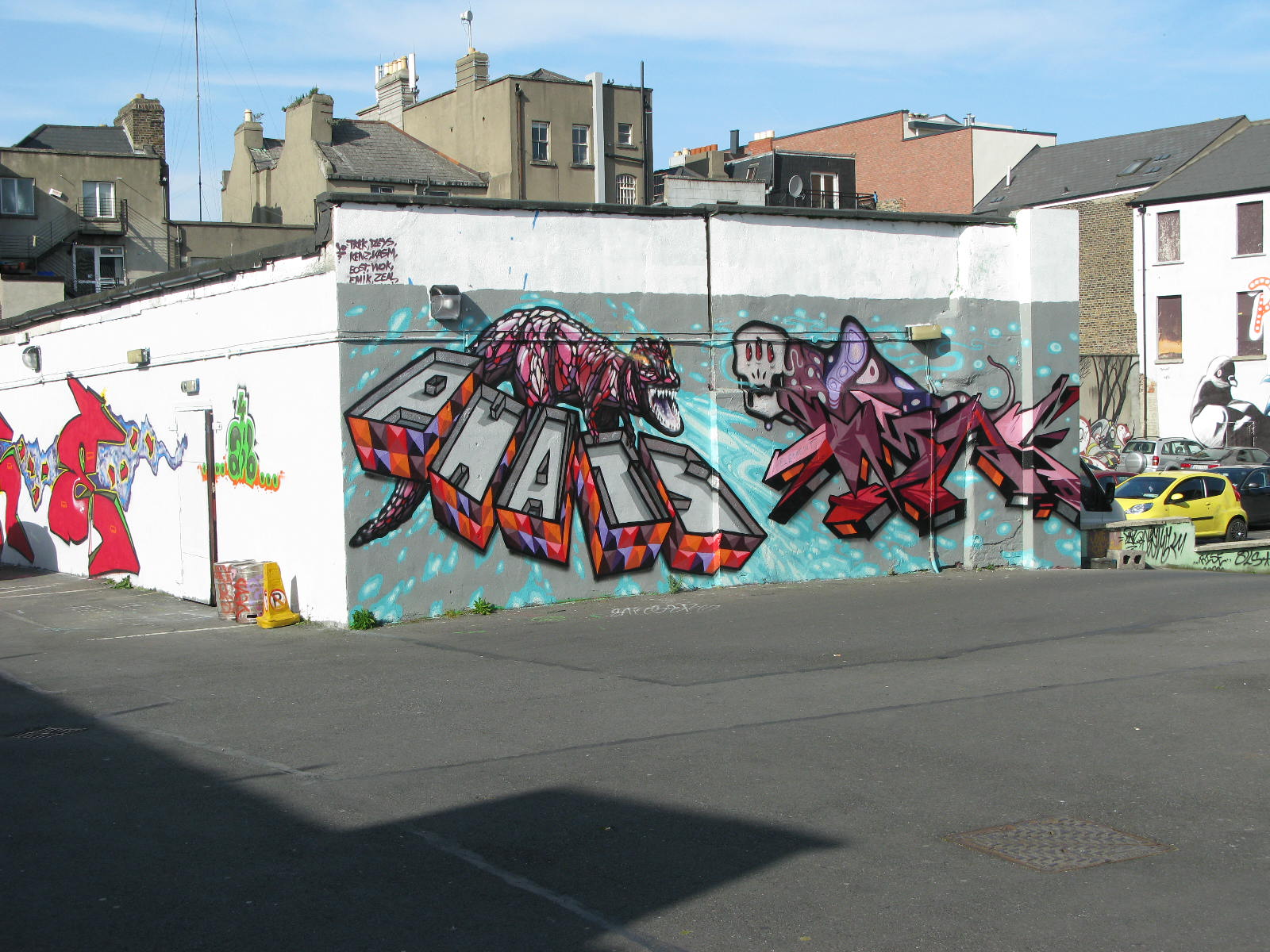
Its a scary thought, but its almost two years since I went down to the Tivoli Theatre carpark to check out the art on display. I ventured down during the week to have another look and wasn’t disappointed. The results of the annual All City Easter Jam, and its coming up to that time of year again. Details of the event can be found here and the Facebook event is here.



Posted in Photography on March 27, 2012| 5 Comments »
Below are some photos taken on a stroll through the city, little things that caught my eye and seemed perfect for Come Here To Me.
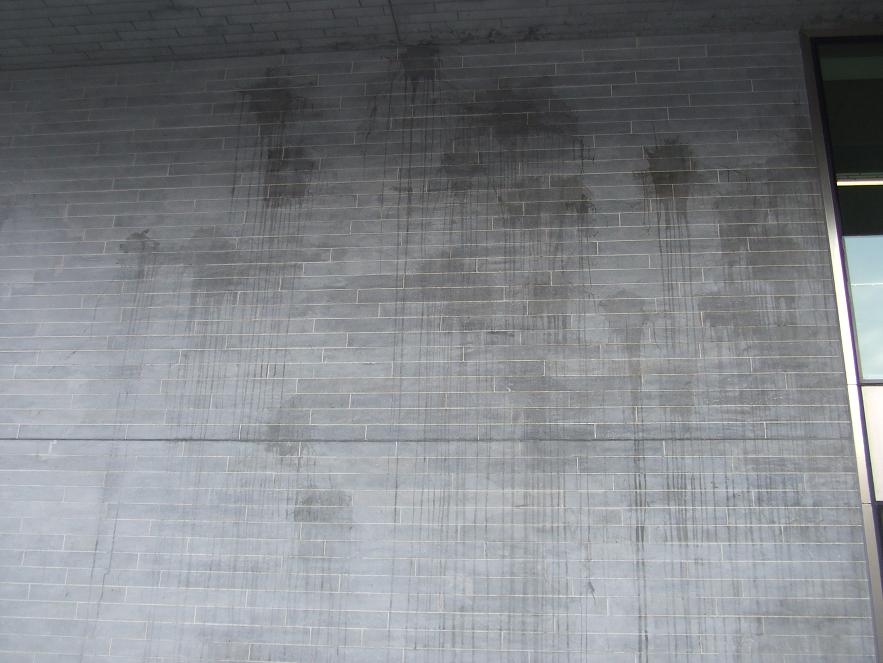
Back in November 2010, a Union of Students in Ireland demo saw students occupy the Department of Finance on Merrion Row, with the building getting pelted with eggs in the process. Passing it yesterday, I noticed that it looks almost like it happened yesterday.
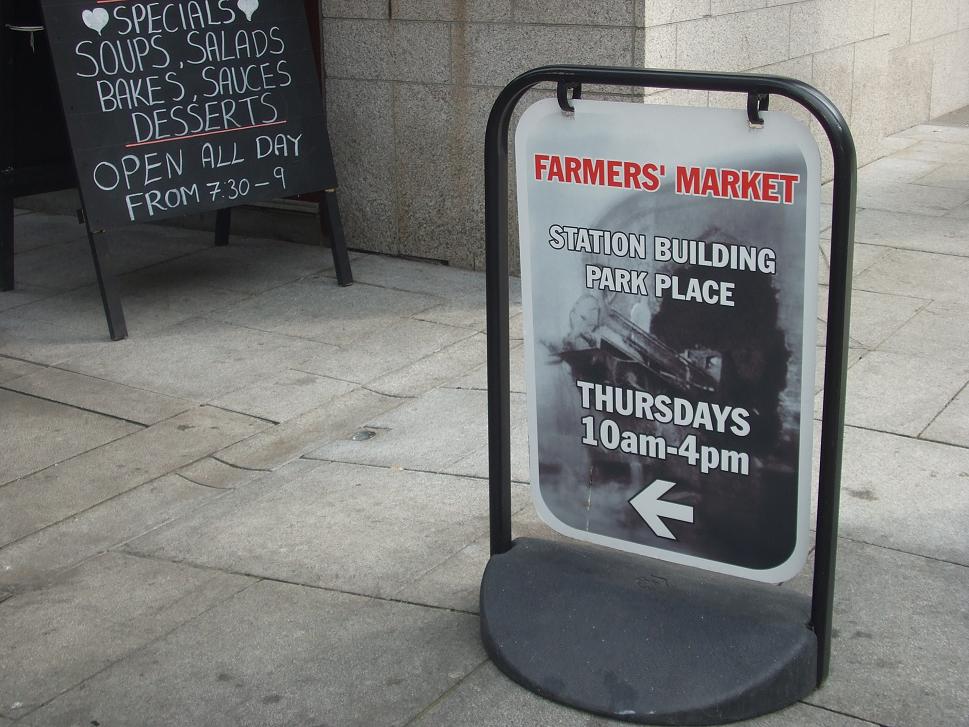
I like little nods to the history of Dublin, like this one on Harcourt Street, advertising a market in the location where in 1900 The Wicklow, which was carrying cattle, ended up suspended over Hatch Street having smashed through the outer train station wall.
The Irish Times reported at the time:
All went well with the train until it was approaching Harcourt Street Station, at half-past four o’clock, when Hyland, it is believed , found he could not get his brakes to act, owing to the slippery nature of the wheels and rails combined with the fact that the train was very heavy. Speed could not be slackened, and the engine with its heavy load dashed through the station to the great alarm of the people on the platform, who saw that an accident of a serious nature must result, nor were they mistaken.
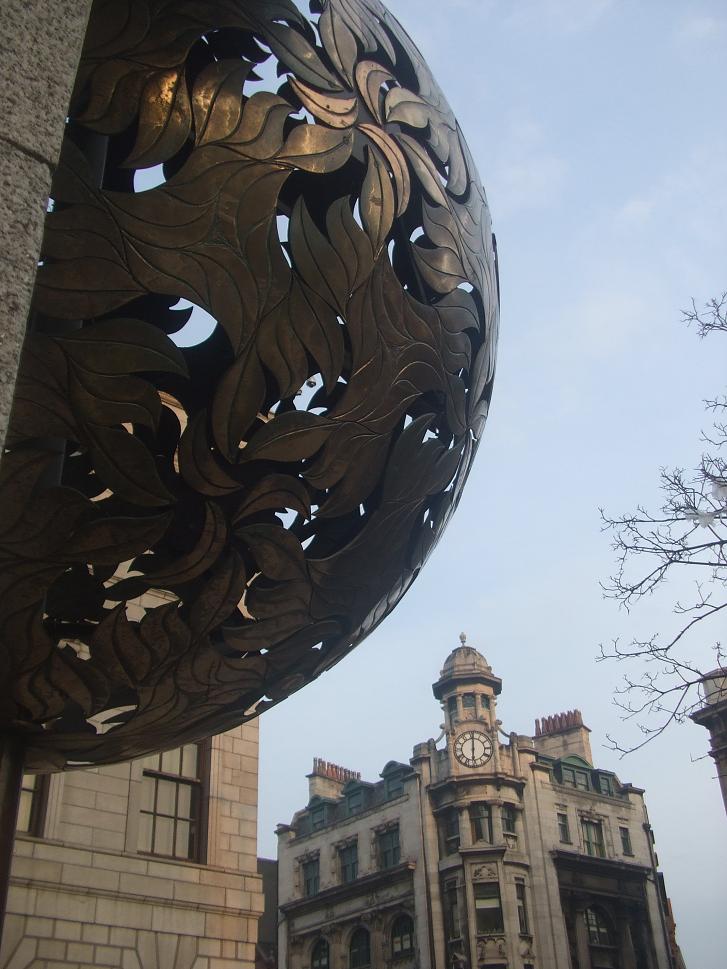
The tents are gone, but I’m starting to think the ‘Tree of Gold’ might be slightly more embarrassing if the worlds media descend on Dame Street. Like the spire symbolising Ireland’s rise to economic prosperity, the Tree of Gold hasn’t aged well.
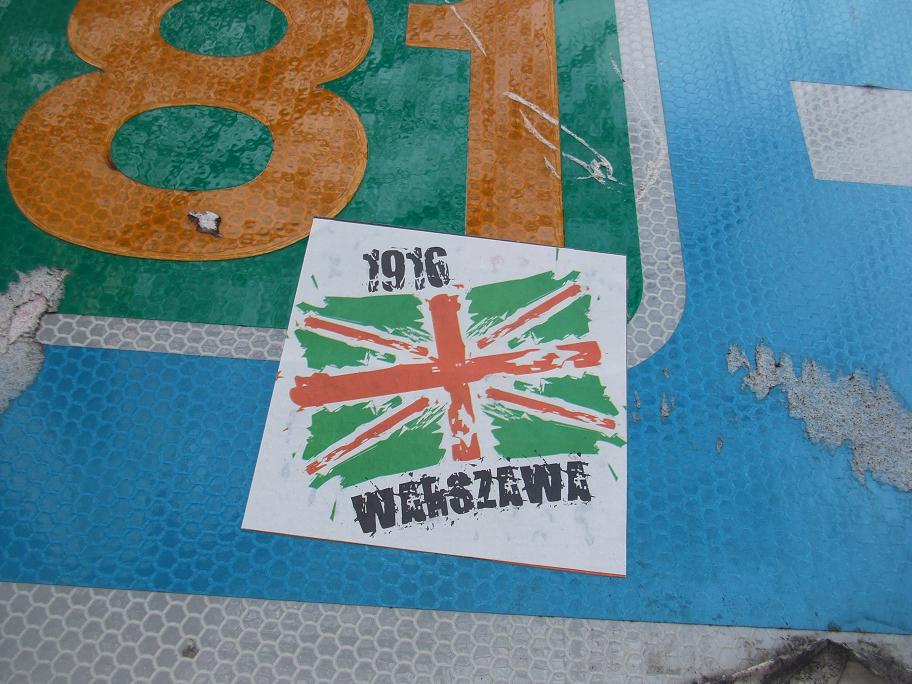
Dublin is still sticker city in my eyes, and for the most part it seems the Council are happy enough to leave them be. This strange Irish Union Jack sticker has me baffled.

Posted in Photography on March 25, 2012| Leave a Comment »
Posted in Dublin History, Photography, Social History on March 23, 2012| 1 Comment »
My brother sent me on a link to these snaps this morning; based in London, someone had shared them with him given the week that’s in it. The full collection can be found here , I’ve only posted the Dublin (and Wicklow) related ones. Courtesy of the Library of Congress, Washington .

The Shelbourne Hotel

St. Patrick's Cathedral

Phoenix Park

Bray Head
Cheers to Richie for the shout out!

Posted in Miscellaneous, Photography, Street Art, Uncategorized, tagged dublin, Dublin Graffiti, Dublin Photography, Photography on March 23, 2012| 1 Comment »
Unceremoniously swiped from the excellent balls.ie this. Someone obviously took inspiration from RTÉ’s recent screening of “Knuckle,” an insight into bare knuckle boxing the Irish travelling community and decided to throw up a dedication to Big Joe Joyce on Leeson Street Bridge.

Update: Apparently it’s been there for months. Ah well, just goes to show you the gems this city is hiding!

 | Mindy on Plaques of Dublin: The Eagle… |
 | Aidan Convery on From McDaid’s to Grogan… |
 | Cormac Figgis on A divided Rathmines |
 | cian reardon on Dublin’s connection to t… |
 | Steven O'Shaughnessy on The Assassination of Kevin O… |


 Click on the book for more.
 Click on the book for more.
 Donal
Donal Ciarán
 Sam
Sam Come Here To Me!