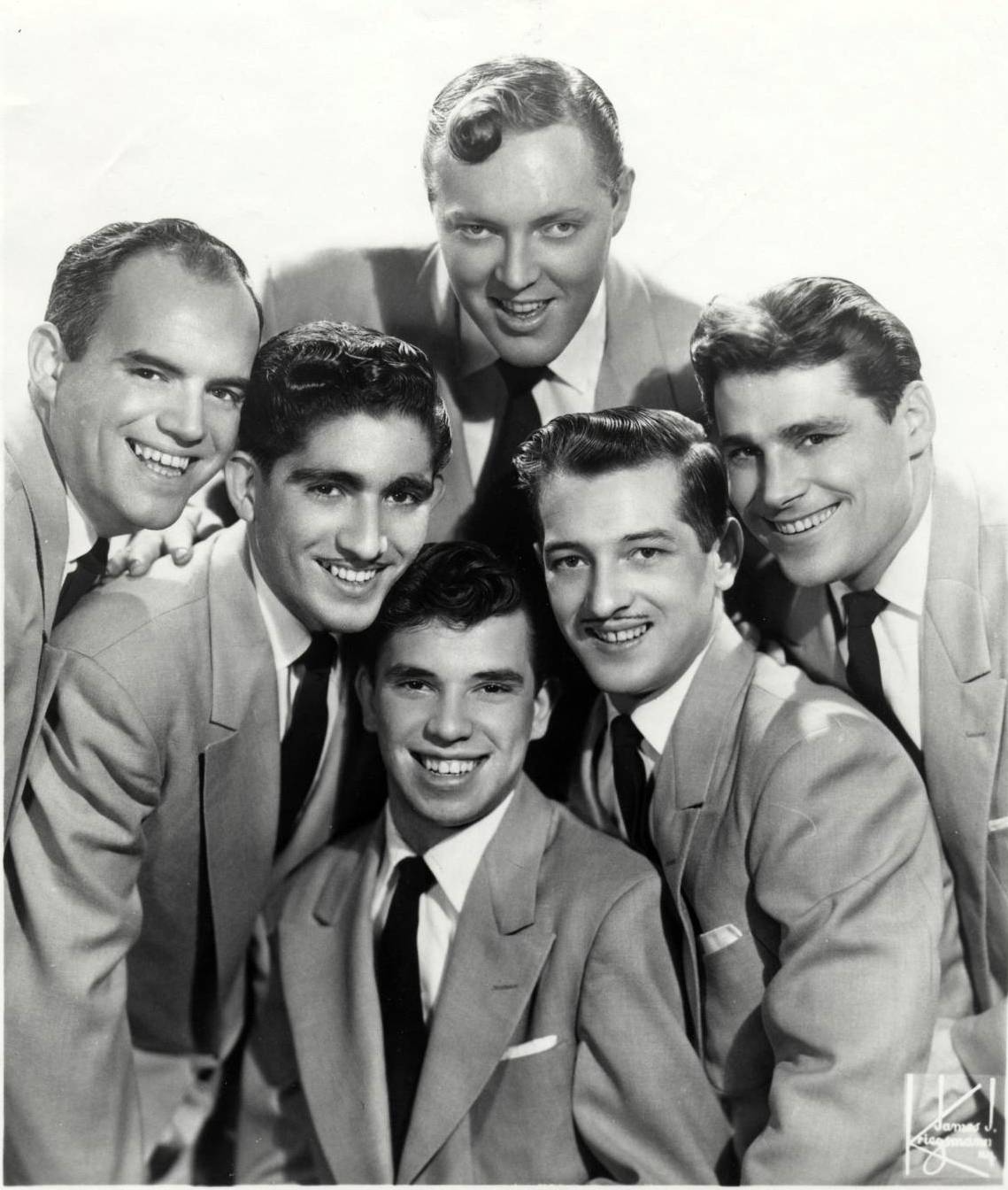
Bill Haley and his Comets, stars of ‘Rock Around the Clock’, discussed below. Via http://www.fanpop.com
When researching Dublin’s ‘Animal Gangs’ of the 1930s and 40s recently, the story and mythology of Garda James ‘Lugs’ Branigan came into play, with Dubliners of a certain age not only considering Lugs the downfall of the ‘Animal Gangs’, but also crediting him with taking the fight to the Teddy Boys of the 1950s. Like so many youth subcultures which would take hold in twentieth century Ireland, the Teddy Boys had originated in Britain, where working class youths took to dressing in a style which had been popular with dandies in the Edwardian period, and taking to rock and roll as their music of choice. Much of the reputation of the Teddy Boys in Dublin came from the hugely popular film screenings of Rock Around the Clock in 1957, a film Branigan would claim to have seen almost sixty times, though not voluntarily!
In Bernard Neary’s biography of the famous Garda, he claims that:
When the film Rock Around the Clock, commenced showing in Dublin cinemas, it hit the headlines and remained there during much of 1957…. not the film itself, but the antics of the Teddy Boys, who flocked, en masse and often, to see their very own movie. The Teddy Boys would riot in the cinemas, ripping up seats with flick knives,throwing bottles and other missiles from the balconies and engaging in fist and sometimes chain fights, causing great consternation.
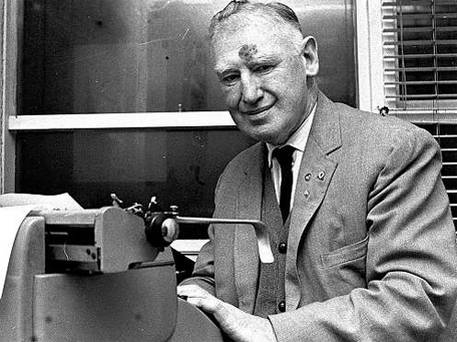
Garda James Branigan. In Dublin folklore, Branigan is said to have battled the Teddy Boys.
The common perception was that these young Irish men were not alone being influenced by British fashion and trends, but were also “returned Irish emigrants from Britain”, according to Gardaí. One Dublin tailor told The Irish Times that “no reputable Irish tailoring establishment would undertake to make an Edwardian costume”, but one suburban Garda brilliantly told the paper that “if I had to be going around investigating all the outlandishly dressed young people in this area to see if they were Teddy Boys when would I ever get time to be a policeman!”
“Eccentrically dressed” youngsters were denounced in the same newspaper for causing a row at a disco in Malahide in 1954, one of the earliest references to the youths in Irish media. Noting that the Dublin youths are “said to be more peaceful than their London counterparts”, the paper still reported that their “extreme” jitterbug dancing and attitude had resulted in local young men in Malahide taking it upon themselves to inform the youths that they were not welcome.
One columnist in The Irish Times blamed the Teddy Boys for spoiling New Years’ Eve leading into 1955, when trouble in the city saw a police baton charge near Christchurch Cathedral. Six people were injured and shop windows broken by Dublin youths, but high spirits and even violence on the night was nothing new in the city. The newspaper columnist defended the Gardaí, and noted that
Knowing the Guards as I do, I don’t believe that either the older ones or the younger ones are baton happy. Having seen some of the Teddy Boys I feel they are just the type that would provoke a riot. The Teddy Boys are all for liberty, their kind of liberty.
Denunciation of the youths was particularly strong in the Dáil, though like today the hysteric language of politicians seemed a million miles removed from the realities of life at the time. P.J Bourke, a longstanding Fianna Fáil TD, rose in July of 1956 to condemn the Teddy Boys, claiming that “lack of parental control is the whole cause of the trouble; parents let these boys out to make a disgrace of themselves.”
I hold that the Department should put 40 or 50 policemen into plain clothes to clean up the city and county of these brats and bring them under control. There is no use in using plámás when dealing with these people. It is a terrible thing that a decent boy and girl cannot go to a dance hall without having a knife or bottle pulled on them by people going around in gangs. These youths are now going into the country because they have been banished from a lot of places in the city. They have a special haircut and a kind of uniform.


















 Click on the book for more.
 Click on the book for more.
 Donal
Donal Ciarán
 Sam
Sam


 Come Here To Me!
