Feeds:
Posts
Comments

The People’s Countess

Via Youth Group – Amnesty International Ireland

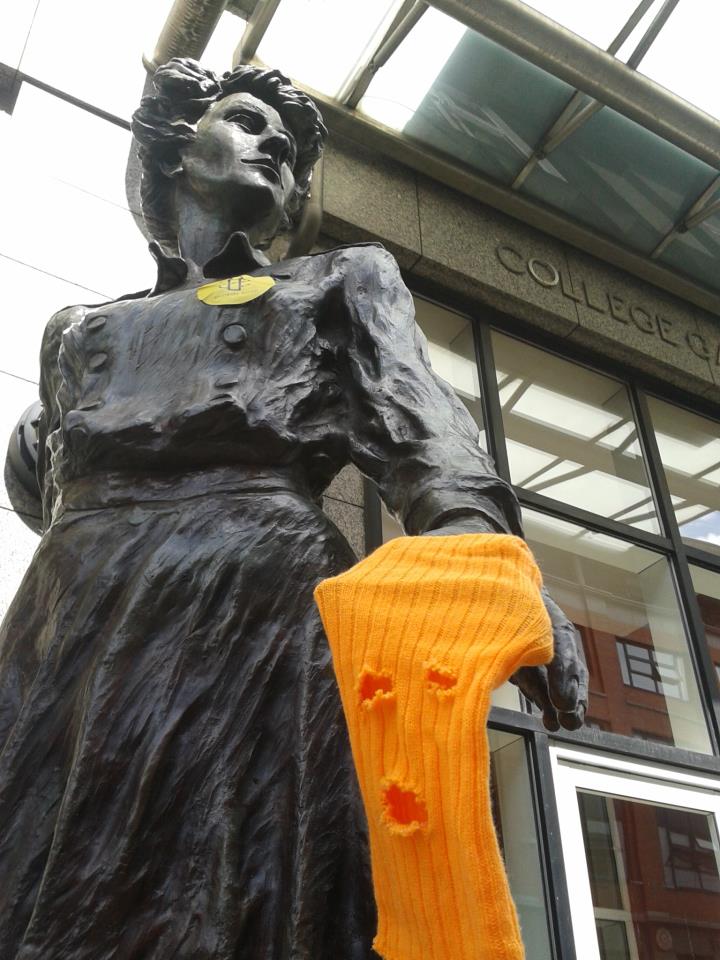
A fantastic and striking image of Countess Markievicz cluctching a balaclava, the symbol of Russian punk act Pussy Riot. Three members of that band have been sentenced to two years imprisonment for performing the song “Mother of God, Put Putin Away” inside the Russian Orthodox Church in Moscow.

Trade Union TV recorded this video at a demonstration in support of the band held recently on O’Connell Street.

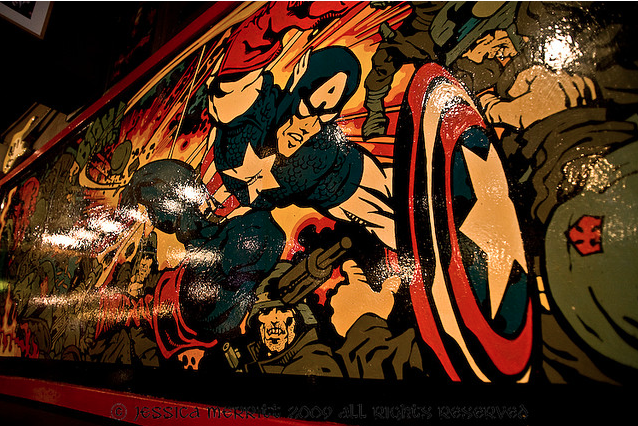
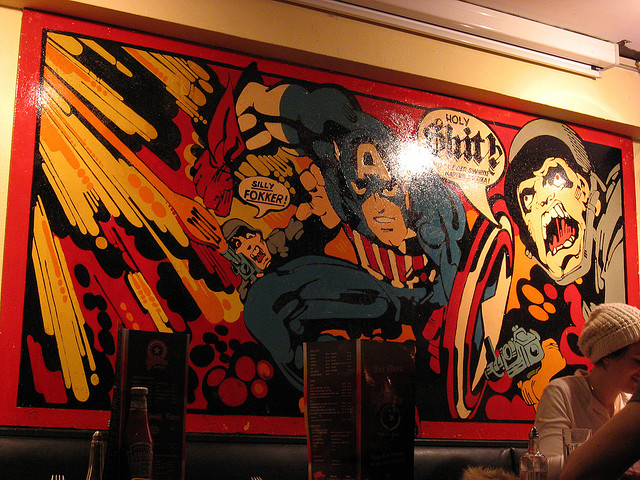
Renowned artist Jim Fitzpatrick has at least two huge pop art murals in Captain Americas burger joint on Grafton Street. The Dublin institution first opened its doors in 1971 and the murals were painted in 1982.

Jim Fitzpatrick mural 1. Photo – Jessica Merritt

Jim Fitzpatrick mural 1. Photo – gwarcita

In the early 1970s, the restaurant became the unofficial headquarters for the band Horslips. Philip Chevron, of the Radiators from Space and The Pogues, interviewed the band there for his school magazine Write Up Your Alley and  recalls:

Captain America’s was at the time about the ONLY remotely hip place in Dublin. This despite the fact that the resident singer/songwriter was Chris Davidson, a friend of Horslips [he supported them at their first ever headlining Stadium show in May 1972, my own first ever gig] who later found fame as Chris De Burgh. The Roy Lichtenstein type graphics on the wall, long since obscured by inferior murals, were by Jim Fitzpatrick, who did most of Thin Lizzy’s best graphic work and who claims to have originated that iconic Che Guevara image…


I’ve fond memories of being brought here when I was kid. Myself and Dfallon recently availed of a Living Social voucher (buy €60 worth of food & drink for €30). It was my first time eating there in years. The food was lovely, service was great but if hadn’t of had a voucher, I don’t really think we’d have considered it as it remains an expensive place.

Paper Quays

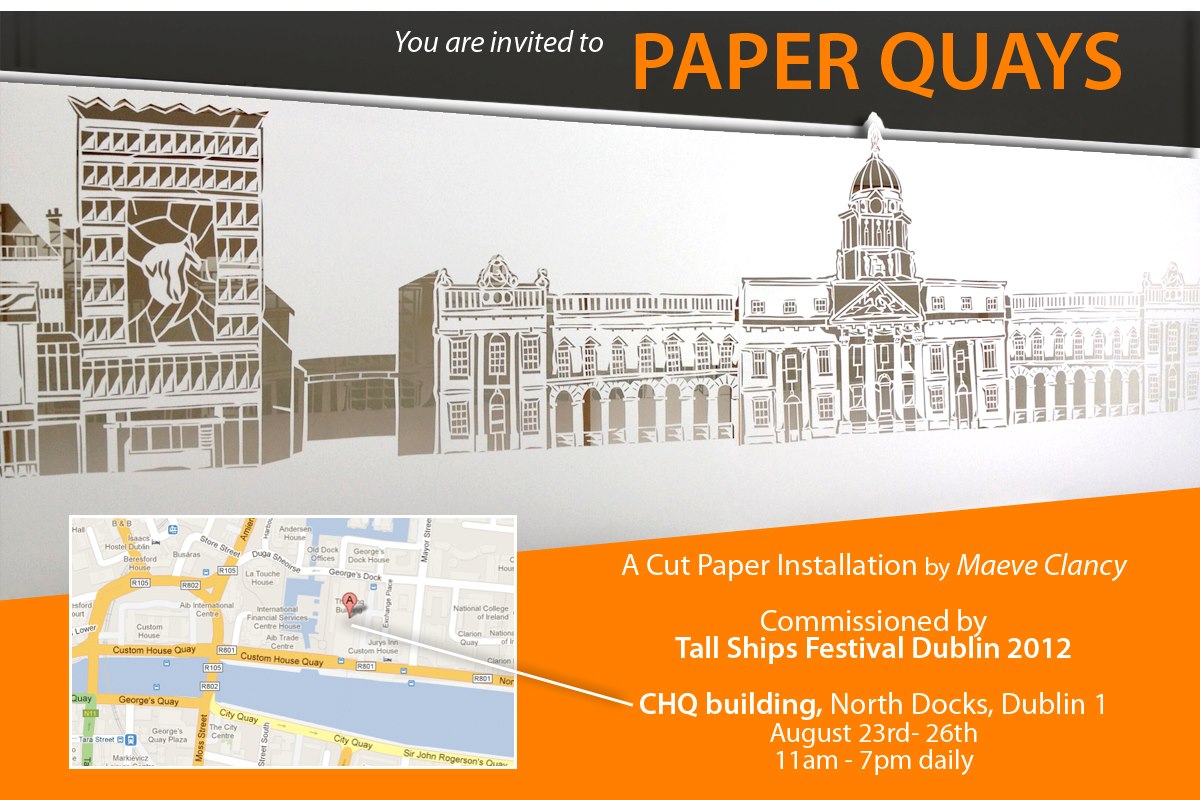
This caught my eye on Facebook and is more than deserving of featuring here. As part of the upcoming Tall Ships Festival, there will be a cut-paper installation depicting Dublin’s quayside from the Four Courts to the Customs House. e 25 metre long installation will be viewable in the CHQ Building on the North Dock, and is the work of Maeve Clancy.

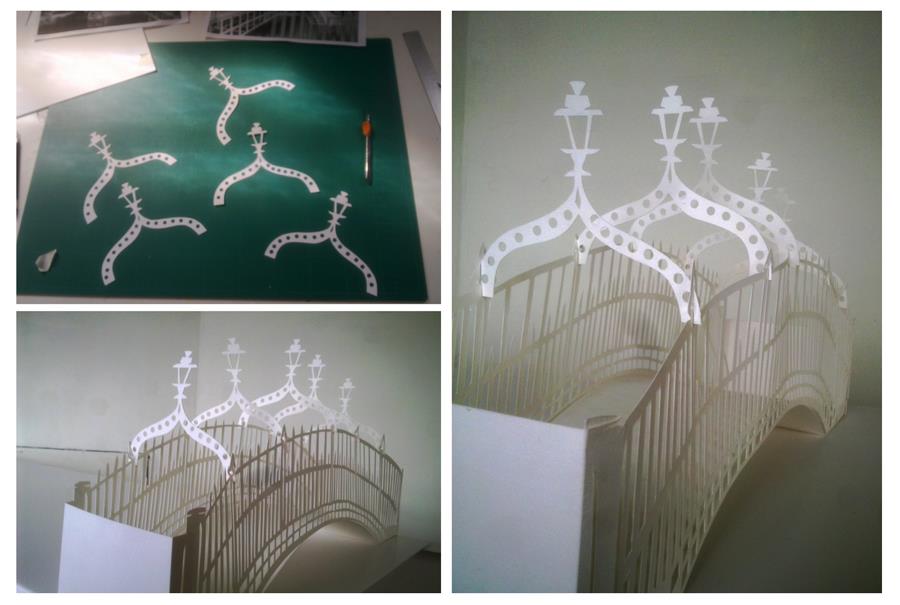
This image of the Ha’penny Bridge being prepared for the exhibition, taken from its event page on Facebook, is excellent and gives a good taster:

(photo credit: Craig Cox @ ShootToKill)

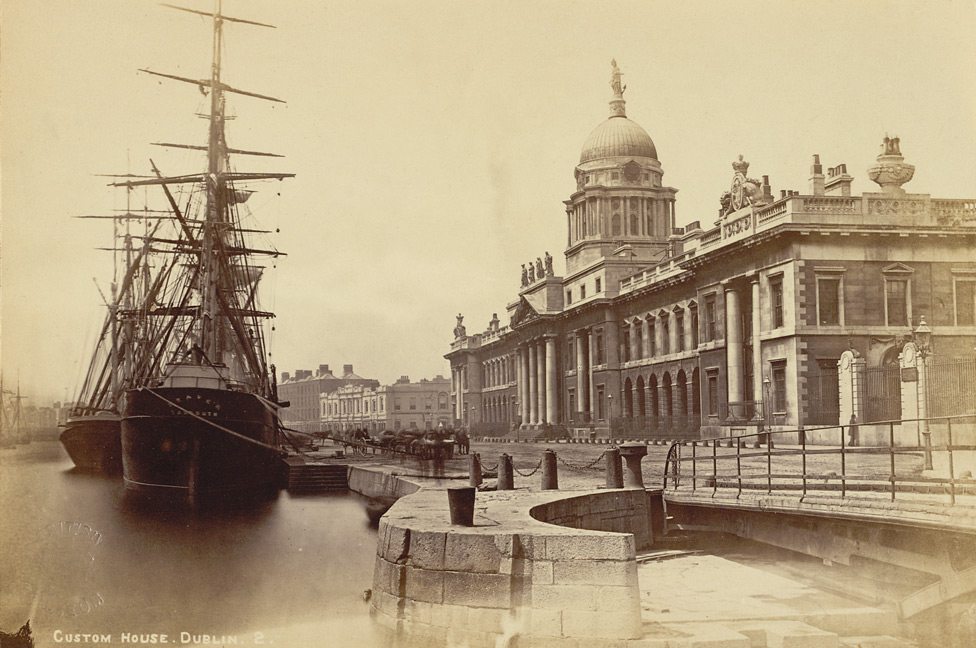
I’m looking forward to seeing how some buildings along the iconic quays are presented. The Four Courts and the Custom House for example, two of our iconic James Gandon buildings, are beautiful architectural achievements with tragic pasts.

Custom House, 1867 (British Library)

Prior to the establishment of a city municipal fire service, citizens who wished for their premises to be secure in the event of fire had to seek protection from insurance companies in Dublin. Buildings which were covered by insurance were marked by a small ‘fire mark’. Recently, we featured a post on one of the few remaining fire marks in Dublin, which is above a fine pub in Kilmainham.

Fire mark above The Patriots Inn, Kilmainham. Thanks to David Power for the excellent image.

In his history of the Cork fire service, For Whom The Bells Tolled, Pat Poland noted that:

The firemark served a number of purposes: it marked the property so it was obvious to all that the building was covered by insurance, it acted as an advertisement for the insurance company, and it let firemen responding to a call in no doubt as to which particular building was insured with their office.

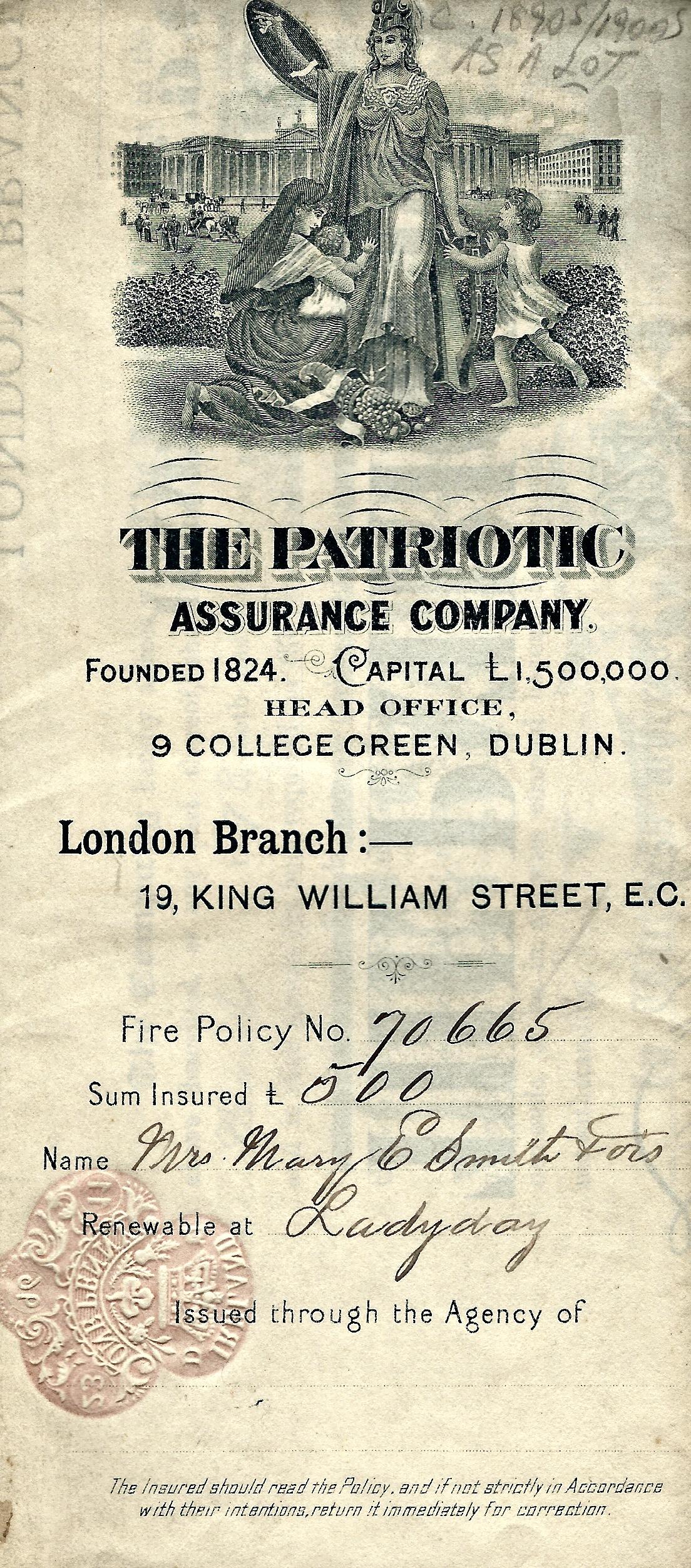
The below is an example of fire policy itself, which would be given to the insured party as proof of payment. I thought it worth scanning up. The illustration is fantastic, with the company ‘The Patriotic Assurance Company’, availing of strong Irish symbolism, for example the harp. Notice the old Irish Parliament building features behind. Of course, this was long in the ownership of the Bank of Ireland by the time this insurance policy form was printed.

‘The Patriotic Assurance Company’ (1897) (L Fallon Collection)

Inside, the same great illustration appears.

Inside the insurance policy

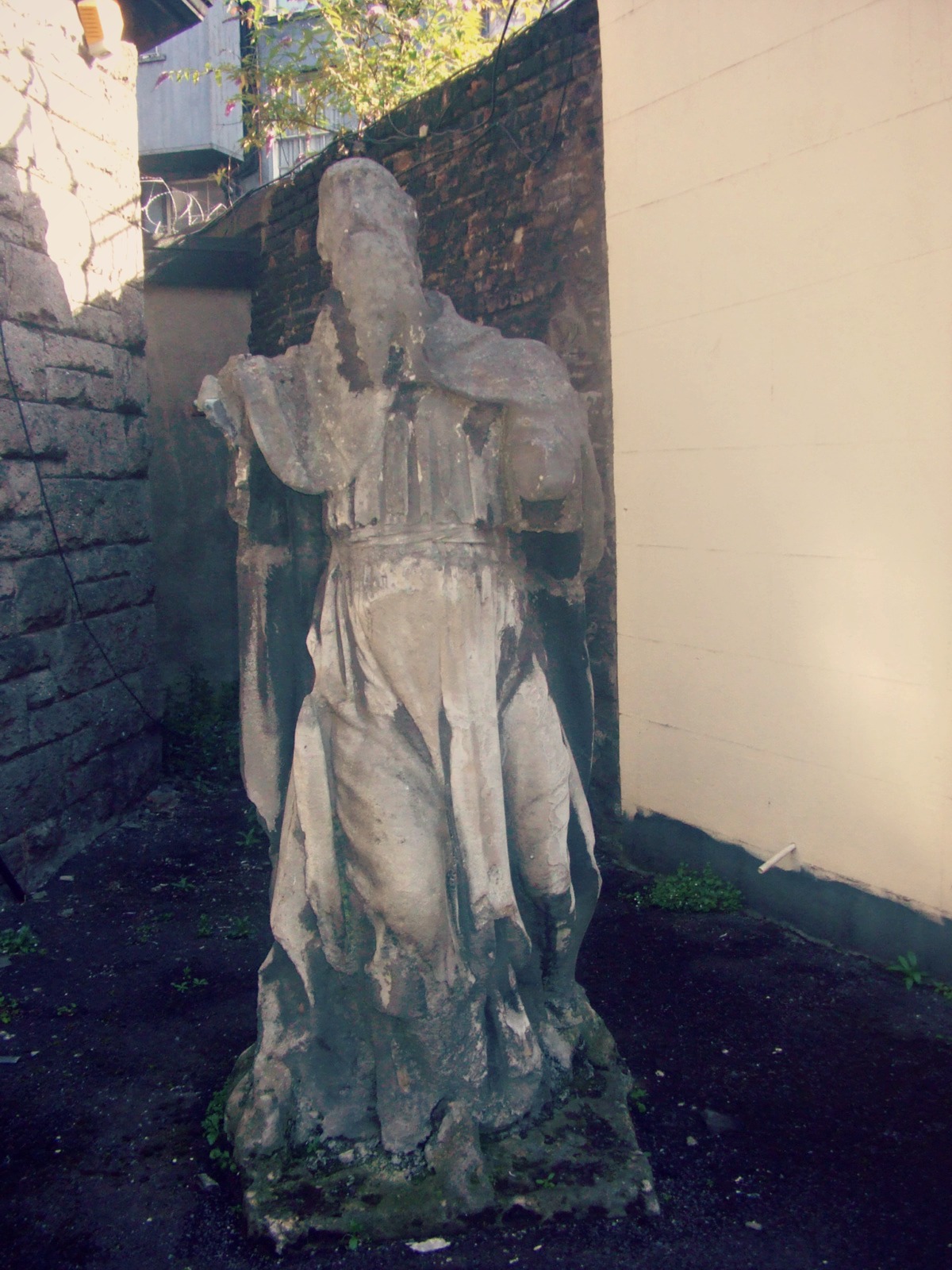
The statue of Saint Andrew, at the back of Saint Andrew’s Church in Dublin city centre

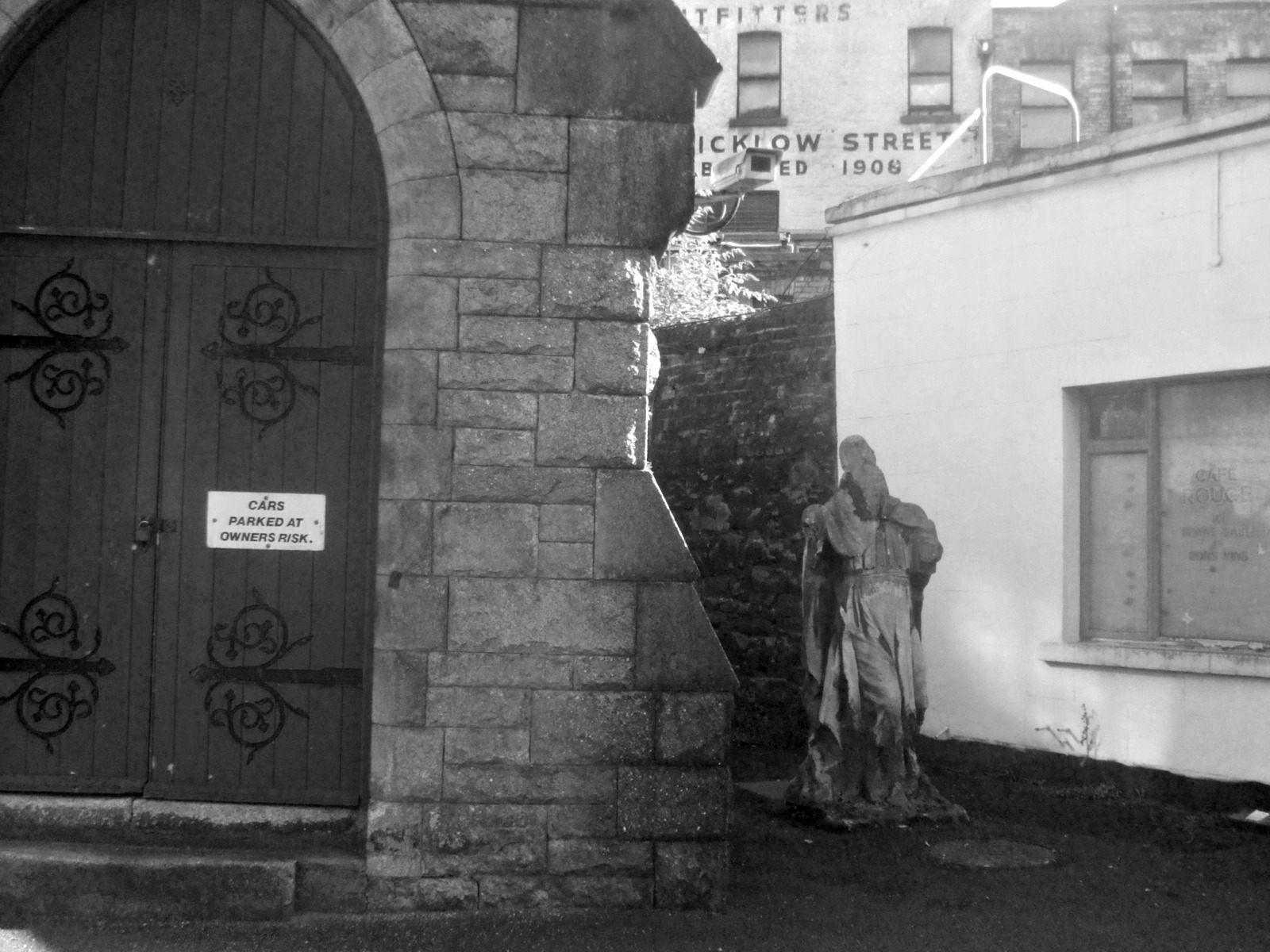
Passing St.Andrew’s Church recently, which today is home to the Dublin Tourism Centre, a statue in the car park grabbed my eye. Going in for a look, a badly weathered statue stood in the very corner of the church car park, forgotten by time. I took a few photographs and decided I’d investigate it at a later date.

The badly weathered statue is of Saint Andrew himself, and is all the remains of an older version of the church. Saint Andrew’s has a long and interesting history, once serving as the parish church for the Irish Parliament, an institution so rotten it succeeded in abolishing itself in very dubious circumstances in 1800. Since 1996, the building has been home to the Dublin Tourism Centre.

Next to the Irish Parliament on College Green, Daly’s Club thrived in the eighteenth century. Daly’s was a private members club with a notorious reputation which had first been housed at numbers 1-3 Dame Street, before making the move to 3 College Green in the 1790s. It was said to be named after Denis Daly, a Galway politician, wealthy landowner and friend of Henry Grattan.

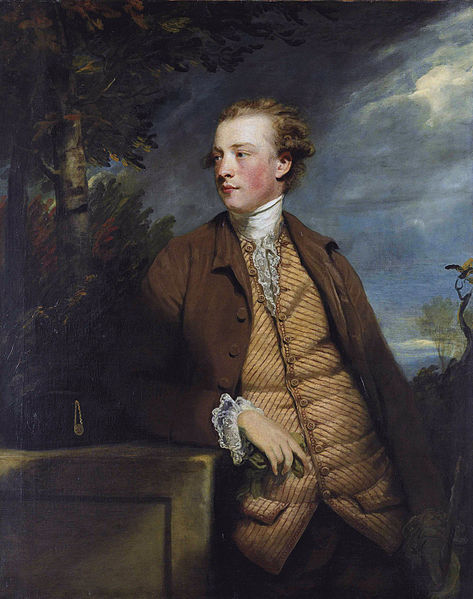
Denis Daly (1748 – 10 October 1791)

An 1815 text, The Travellers New Guide Through Ireland, contains an entry on the club and notes that:

On the northside of College Green stands Daly’s Club House, a very neat building, constructed of hewn mountain stone. It is appropriated for the accommodation and entertainment of noblemen and gentlemen, composing this fashionable and expensive club.

The connection between Daly’s and the neighbouring Parliament was firm. As Christine Casey has noted, it was even reputed that Parliaments division bells would ring in the club house. J.T Gilbert described the club in good detail in his A History of the City of Dublin, noting that:

the new edifice, designed by Francis Johnston, extending from the corner of Anglesey-Street to Foster Place, was opened, for the first time, with a grand dinner, on the 16th of February 1791.The house was furnished in a superb manner, with grand lustres, inlaid tables, and marble chimney-pieces; the chairs and sofas were white and gold, covered by the richest “Aurora silk”.

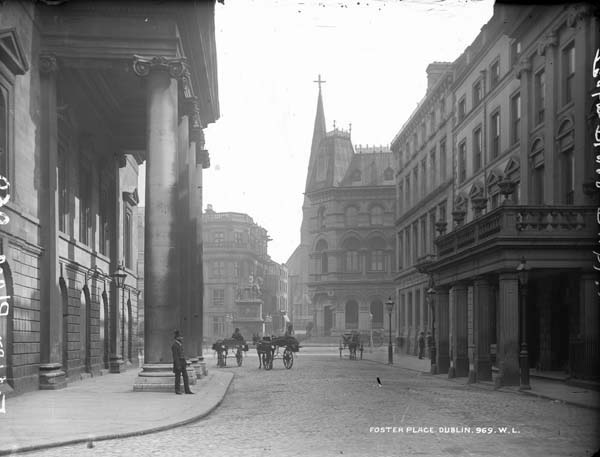
Gilbert went on to note that the club was not alone the “chief resort of the aristocracy and Members of Parliament”, but was indeed connected to Parliament, via a footpath across Foster Place which led from “the Western Portico of the Parliament House to a door, since converted into a window, on the eastern side of the Club-house.”

The proximity of the eastern side of the club at Foster Place to the Irish Parliament is clear from this fantastic image in the National Library of Ireland collection.

Foster Place, Dublin (National Library of Ireland)

So, what connects this one time Buswell’s Hotel (I couldn’t resist!) to the statue of Saint Andrew? A Dublin legend, which could be fact or fiction, has it that the statue was used for target practice by members of the infamous establishment. Frank Hopkins in his classic Hidden Dublin recounts how “there were even tales of club members using the statue of St. Andrew in St. Andrew’s Church for target practice”, while the tourism centre themselves make a similar claim,noting in their history of the church that “now eroded due to the ravages of time, and as a result of its use as a pistol practice target by the members of Daly’s Social Club”.

The statue today.

How much of the legend of Saint Andrew being fired upon by the drinking, gambling politicians of Daly’s Club is fact and how much is fiction? It’s a great Dublin story regardless, and the badly weathered statue on the edge of the car park is something worth taking the time to check out if you’re in that part of town.

Colloquial areas of Dublin

Dublin enjoys dozens of colloquial terms for neighborhoods and areas in the city, many of whom have now been assimilated into everyday language.

I’ve tried to compile a list of ones that I can think of. Others may be more ‘true’ than others. Have I forgotten any?

Colloquial areas:

Perrystown, “a small south Dublin suburb located between Terenure, Greenhills, Templeogue and Crumlin” which was probably named after a former family of landowners in the area, the Perrys. While technically not an “unofficial area”. It would probably be better described as a small suburb within a larger one? Wikipedia says it is known as “The Secret Suburb” by its residents.

Cowtown, an area in Dublin 7 beside Stoneybatter where there was once sprawling cattle markets. Street names like Oxo, Nialler, Murtagh, Beneeder, the Norrier leave a reminder of the area’s past.

Informal group of Bohs supporters who live or grew up in the area.

Maryland, a name for a small area just off Cork St.

Broadstone, an area of the North inner city bounded roughly by Phibsborough Road and Constitution Hill to the West, North Circular Road to the north, and Dorset Street and Bolton Street to the south-east.

Harmonstown, is a small suburban locality straddling the boundary between modern-day Artane and Raheny. The locality is bounded by the railway cutting, the Springdale Road Linear Park and Brookwood Avenue. It also borders Killester and Clontarf.

Summerhill, an area of the North Inner City. Anyone suggest what area actually constitutes Summerhill i.e. what boundries etc.?

Historical areas that have dissapeared or have changed their name:

Hell, a popular term in the 17th century for the area around Christ Church Yard.
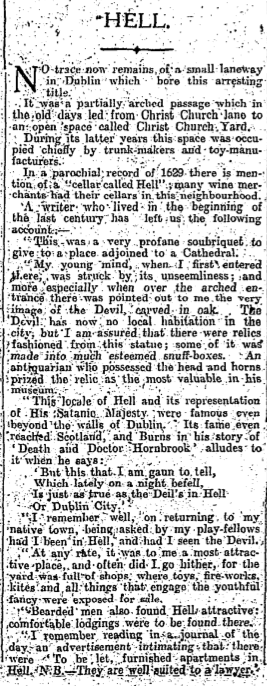
A description of ‘Hell’ from The Irish Times (10 Mar 1923)

The Monto, nickname for a one-time notorious red light district bounded by Talbot Street, Amiens Street, Gardiner Street and Seán McDermott Street (formerly Gloucester Street).

Mud Island/Friend’s Field/French Field, previous names for Ballybough.

Doyle’s Town, previous name for Baldoyle.

Annadale, previous name for Fairview

Ballyboother, previous name for Booterstown.

Scald Hill, previous name for Sandymount

Cullenswood, a previous name for the area around Ranelagh and Rathmines

Nicknames:

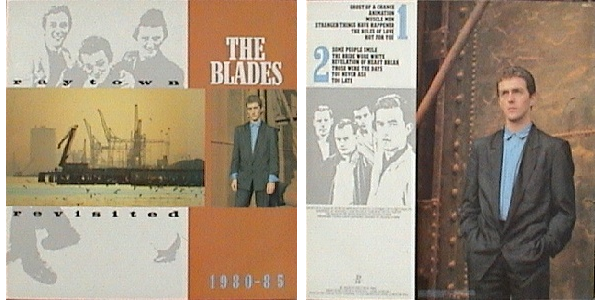
Raytown is a nickname for Ringsend, reflecting its history as a fishing village.
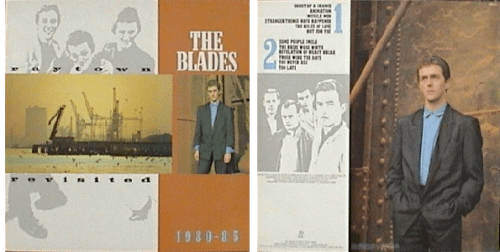
The Blades’ 1985 singles compilation, ‘Raytown Revisted’. The band all grew up in the area.

Nine Arches, previous nick name for the area around Milltown
A few quick snaps

“The delights a stroll around Dublin can bring you. I’ve always carried my camera around with me, but have only recently started to take it out and not give a shite that I look like a tourist.”

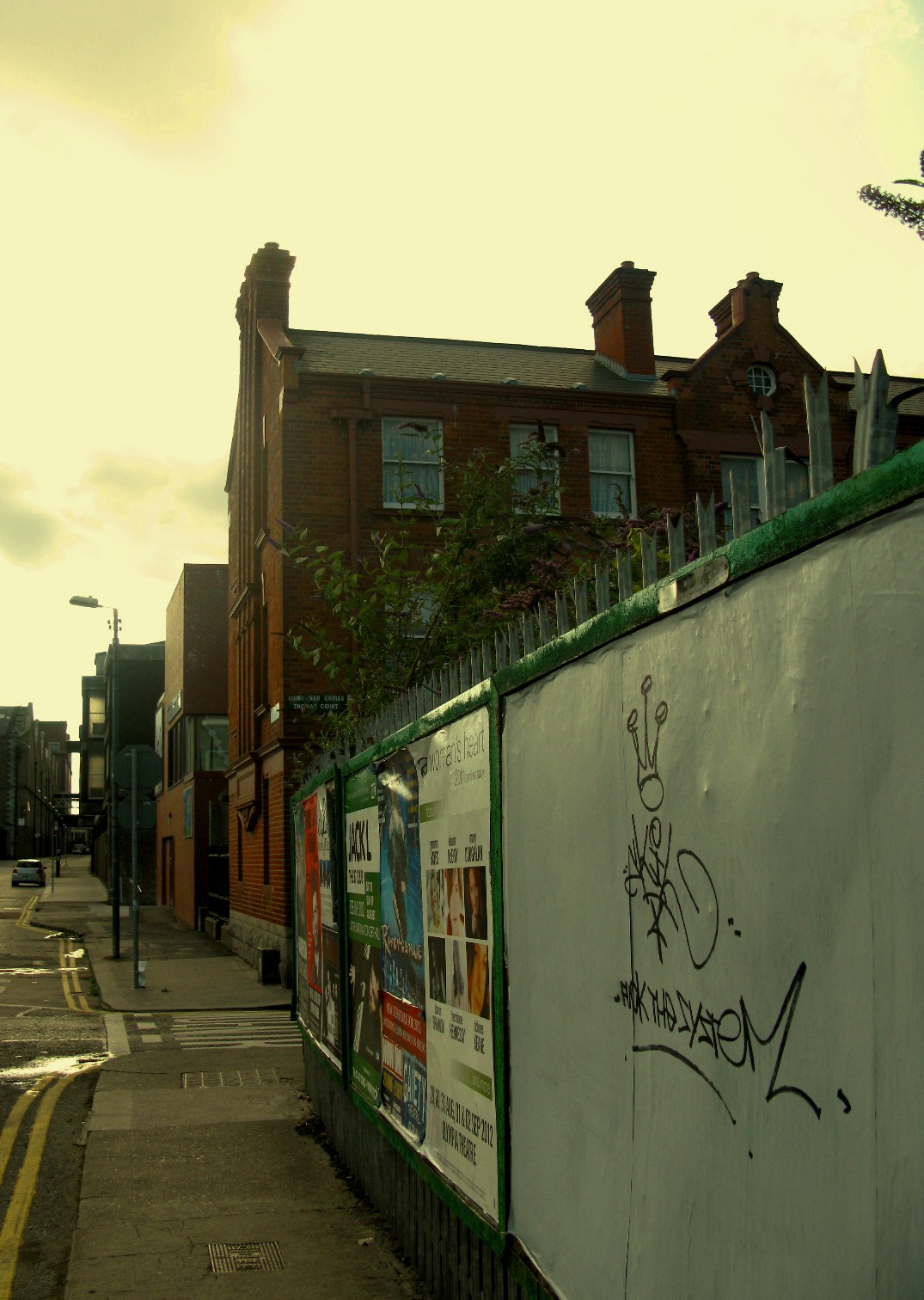
The last couple of months have been busy, and I haven’t gotten out with the camera as much as I would like. Hence, I’m a little rusty. I hope to remedy this though, and over the next while, hope to get one post of pictures up a fortnight… I’ll start off with the below, looking down toward School Street from Earl Street South- “Fuck the System.”

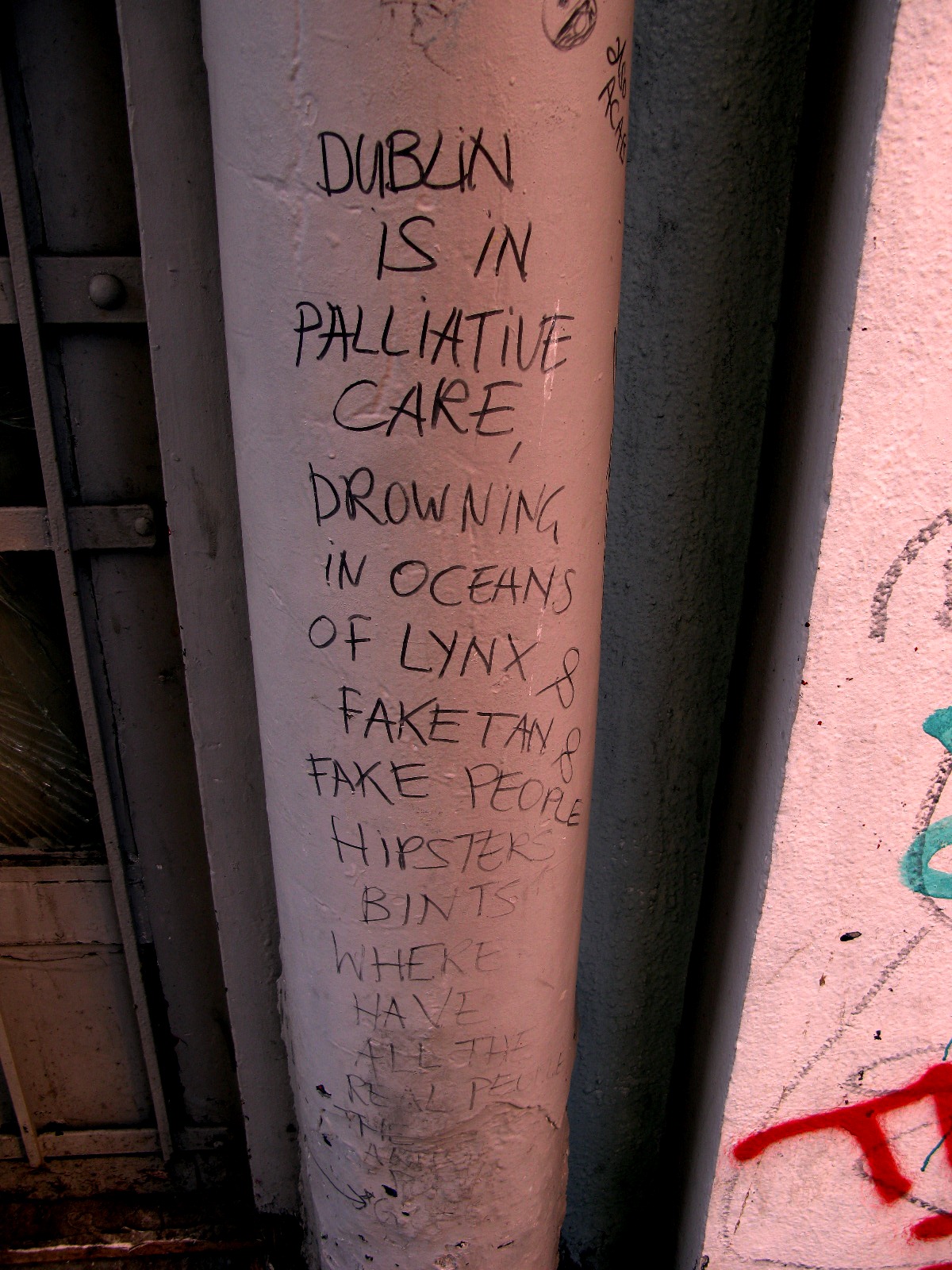
“Dublin is in palliative care, drowning in oceans of Lynx and fake tan and fake people. Hipsters, bints, where have all the real people…” something, something, angry rant, something.

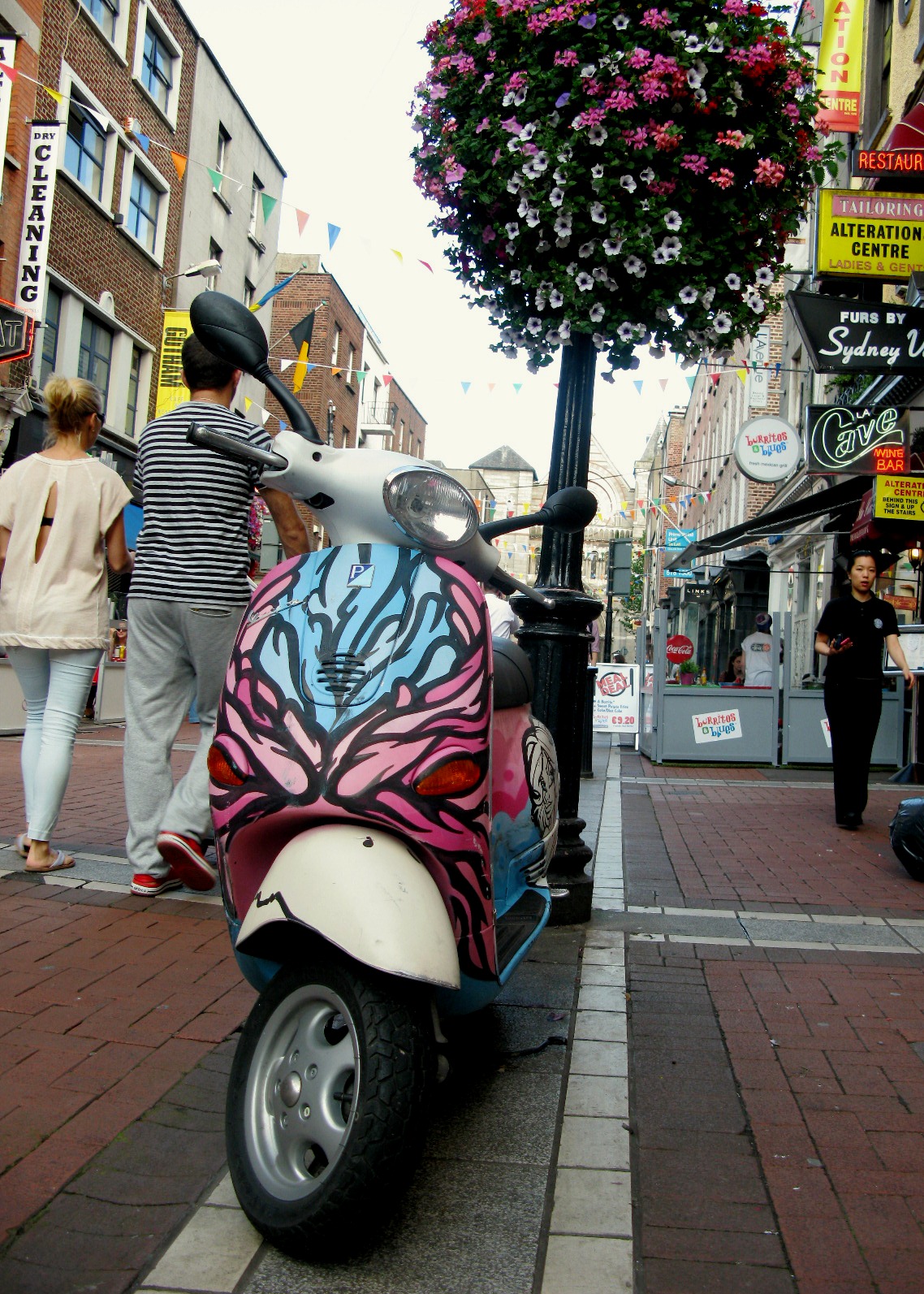
I hoped to have two scooters in this piece, one far more impressive than the one below, but an unfortunate incident of a disappearing memory card means there’s just this one. Just off Grafton Street, a beauty. The blokier version will appear in the next “A few quick snaps” post.

Continue Reading »

The Friday Night Club.

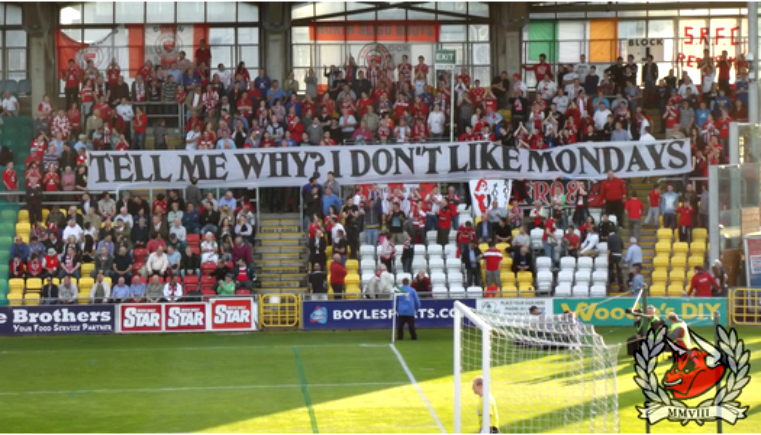
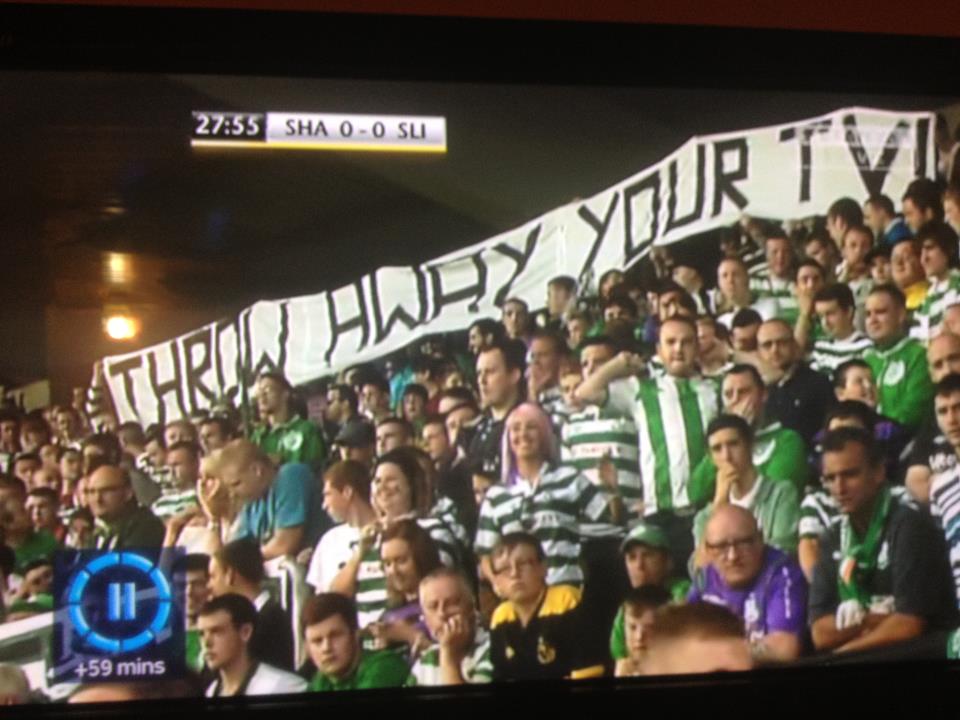
Great protest banners appeared earlier on tonight at the clash of the Rovers when Sligo Rovers and Shamrock Rovers met in Tallaght Stadium. The game was shown live on Setanta Sports, and moved to Monday to facilitate that. The moving of the clash annoyed fans of both clubs enough to make a clear point on the night. Such vocal statements from supporters are becoming more and more common in the league in recent times and in my eyes that can only be a good thing.
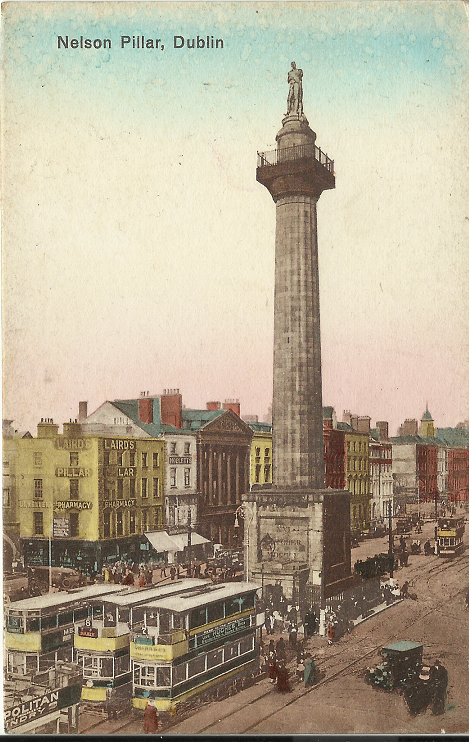
Image via ‘forzarovers.net’

Shamrock Rovers fans protest banner.

Firefighter Frank Brennan saving the pram from Sean O’Casey’s ‘The Plough and the Stars’ following a fire which gutted the Abbey Theatre.

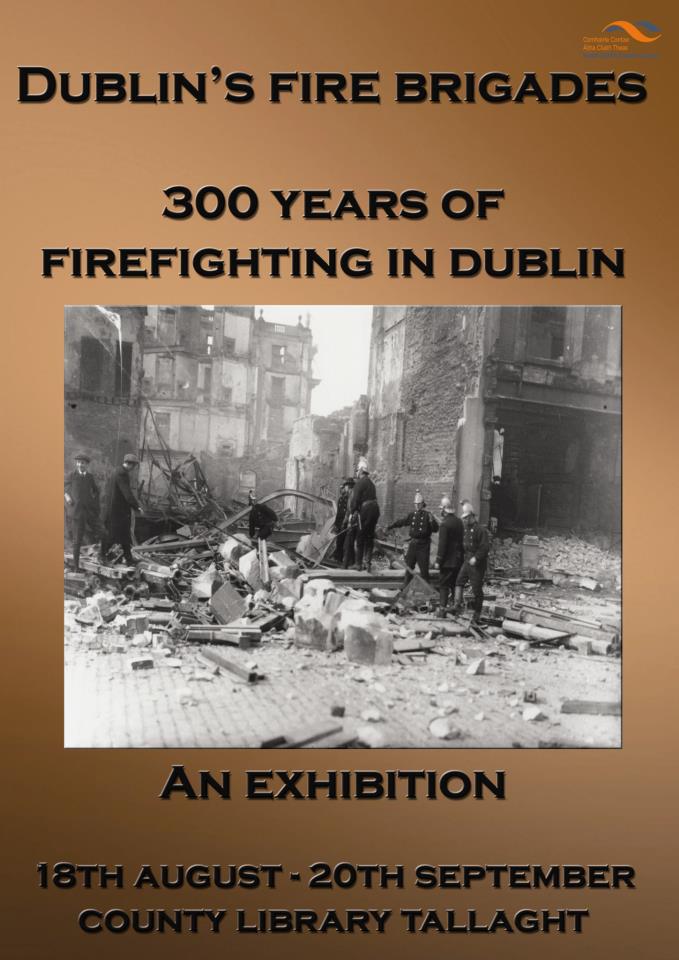
Over the years I’ve dipped into some amazing items in my fathers collection for the blog. A serving firefighter with the Dublin Fire Brigade, he’s built up an impressive collection of items relevant to the history of firefighting in Dublin historically. He has also completed a book which is forthcoming on the Brigade entitled ‘Dublin Fire Brigade and the Irish Revolution.’ It will be launched in early September. The Dublin Fire Brigade were the first unionised fire service in Europe, and interestingly his research has uncovered that many men within the job were active in republican and trade union politics during the Irish revolutionary period, with the Irish Volunteers, the Irish Citizen Army and later the Irish Republican Army.

To coincide with the book, which is published by South Dublin County Council, an exhibition on the history of firefighting in Dublin will be hosted in the County Library in Tallaght. It’s a Heritage Week project with the South Dublin County Council, and in conjunction with the Fire Service Trust.

The exhibition will offer new insight to a lot of people on issues like the early days of firefighting in Dublin. One thing we’ve looked at in the past on the site here for example is the days of the old ‘Parish Pump’, , like when in 1711 the Lord Mayor of Dublin ordered that each Parish within Dublin hold two water fire engines, for the purpose of combating fires which broke out in the city.

In 1862, Dublin got its municipal fire service, with the remarkable Captain James Robert Ingram at its head. Ingram was a veteran of the New York Fire Department, not to mention a Freemason and a man who applied some unusual methods to the job of firefighting. He once dealt with a ship drifting into Dublin Port ablaze by ordering the Royal Navy to open fire on it and sink it into the bay, for example!

Fireman Robert Malone, who died in the Pearse Street blaze of 1936, the worst disaster in the history of the Dublin Fire Brigade. A veteran of the 1916 Rising who had served as a Lieutenant with “D” Company 3rd Battalion at Bolands Mills Garrison, under Eamon de Valera. Malone was awarded full IRA honours at his funeral.

Continue Reading »

LIFE Magazine, a leading U.S magazine of the day, ran an interesting feature on Dublin in their 24 July 1939 edition. The magazine frequently gave coverage to events on the island of Ireland, and the article in this particular edition was titled ‘Ireland: A new flag brings hope to an old and pious land.’

The magazine heaped praise on Eamon de Valera, noting that the ‘long-lipped Spanish-Irishman’ had run the country single-handed since 1932, and noting that ‘he has dealt drastically with the ex-overlords of England.’

Written at a time of conflict in Europe, the magazine felt compelled to note that ‘Ireland is very hospitable to Nazis. Their leader in Ireland is Doctor Adolph Mahr, president of the Éire National Museum whose staff supplies him with complete air views of Ireland’. It goes on to note that newsreels of Hitler were warmly greeted in Dublin picture houses.

Pro-IRA graffiti on Kilmainham Jail (LIFE Magazine, 24 July 1939)

the magazine included this fantastic image of an ‘IRA speaker’ addressing a crowd in Dublin, and noted that the IRA’s bombing campaign in mainland Britain enjoyed a degree of public support from the Irish public.

IRA speaker in Dublin (LIFE Magazine 24 July 1939)

Trinity College is noted to be the cultural heart of the city, but we are told it is still an almost exclusively Protestant institution.

Trinity College Dublin (LIFE Magazine, 24 July 1939)

The article includes a wide variety of images from across the island of Ireland, in terms of Dublin images I think this one is striking, taking during a farmers march in the capital.

Farmers protest in Dublin (LIFE Magazine, 24 July 1939)


The article can be read in its entirety here.

Horatio Nelson, who gazed over Dubliners from 1808 until 1966.

At several times during the course of its existence on O’Connell Street, the removal of Nelson’s Pillar from its location was proposed by different sections of Irish society. Interestingly, in some cases it was argued that the monument should be moved rather than permanently removed from the streets of Dublin. In 1925, it was proposed to move the Pillar to the Hill of Howth, an idea which seemed to enjoy strong support from some of the City Commissioners of the day.

A poem entitled ‘Dublin’s Doggerels’ from 1886 shows that debate on moving the Pillar had long existed prior to 1925. In one verse it was noted that:

Some say the Phoenix Park would do
That won’t go down with me.
There’s one commander there; the two
Perhaps would disagree

A postcard image of the Nelson Pillar (Fallon collection)

By the mid 1920s a wide variety of people and organisations were calling for its removal of the monument with even the Royal Institute of the Architects of Ireland wading in on the debate, noting that in their opinion the monument “though possessing definite architectural merit, is so wrongly placed in its present position that it ought to be removed to a more suitable site.”

The Irish Independent noted in 1925 that:

One wonders why the proposal to remove the Nelson Pillar should be made now. We are told it has no political significance. The cost of taking down the Pillar would be considerable and it would be so much public money wasted at a time when the rates are very high and every penny the Commissioners can spare is urgently needed for constructive work.

Continue Reading »

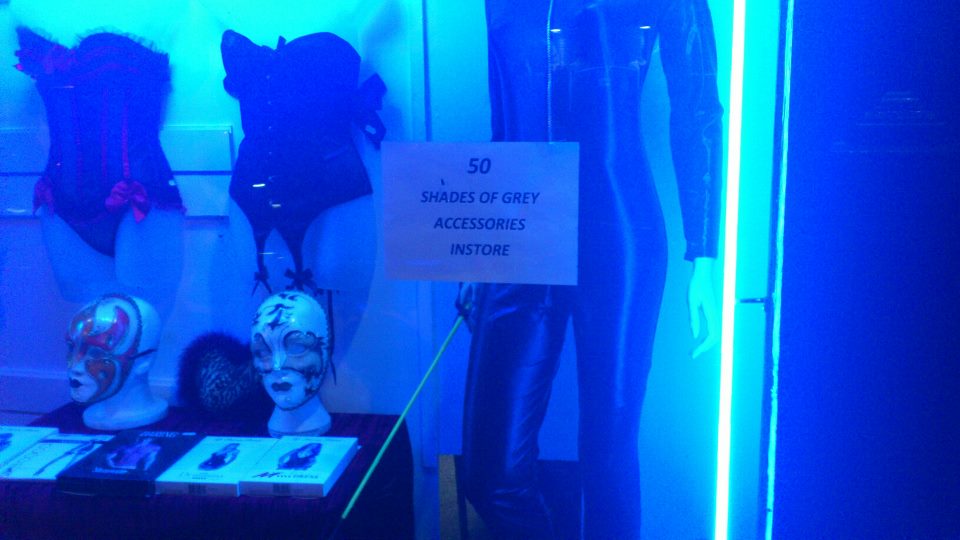
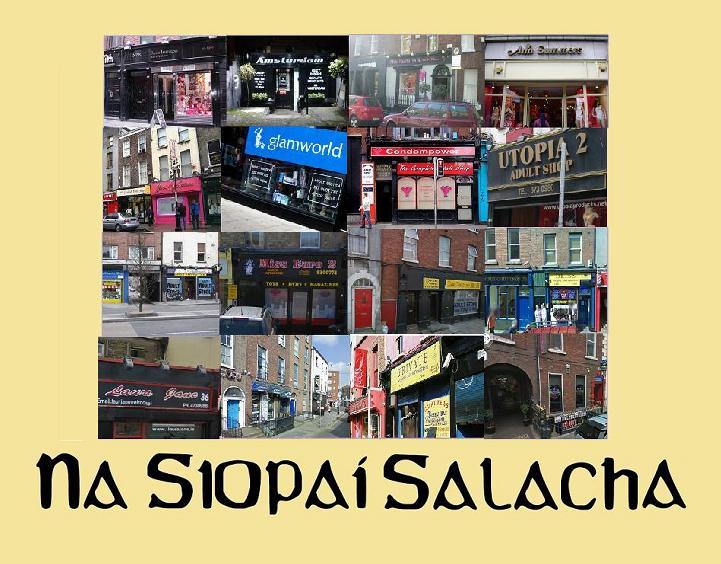
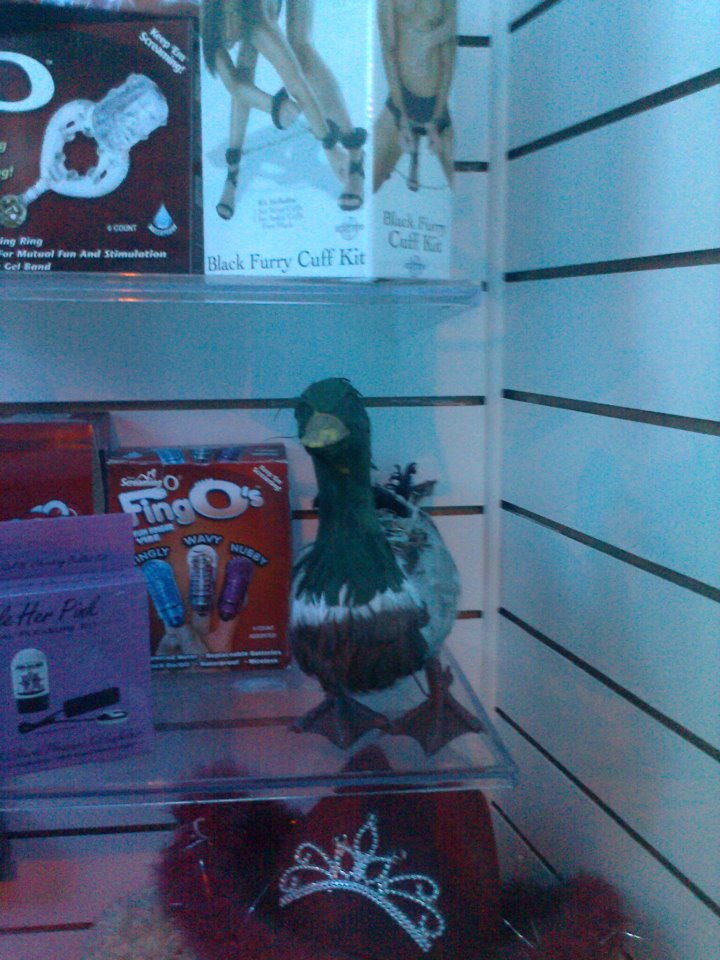
My friend Angela snapped this image of a rather odd sign in the window of a Capel Street adult shop. I forgot to ask if it was the same shop which recently featured this duck in its window display. Back in February, we featured a piece on the history of the adult shops of Dublin.

When Utopia made the short journey into the Irish capital in 1993, it arrived on Capel Street, today home to more sex shops than any other street in Dublin. Utopia however, was about to become Utophia. While the signwriting tradition is sadly dying out in Dublin today, and hand painted shop fronts are few and far between, a painter was given the honour of putting the name above the door of Dubin’s first sex shop. Incredibly, and in the spirit of a good Dublin story, he spelt it wrong and Utophia was born, as it was to remain.

CHTM’s take on the classic ‘Doors of Dublin’/’Pubs of Dublin’/’Cliches of Dublin’ posters.