Feeds:
Posts
Comments

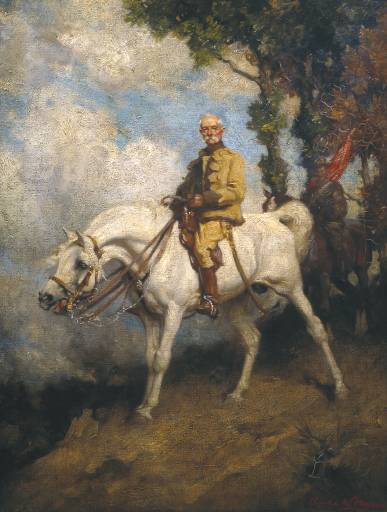
Field-Marshal Earl Roberts on his Charger 'Vonolel', from the Tate Collection.

Many people walking the grounds of the Royal Hospital in Kilmainham will pass a small grave without noticing, and yet this grave is perhaps the most unusual grave in Dublin itself. In the grounds of the Hospital, one finds the final resting place of ‘Vonolel’, twenty-nine years old on passing, but a veteran of conflict.

“When the Queen awarded medals to her officers and men who has taken part in the Afghan campaign and in the expedition to Kandahar, she did not forget Vonolel. Lord Roberts hung round the animals neck the Kabul medal, with four clasps, and the bronze Kandahar star. The gallant horse wore these medals on that day in June when the nation celebrated the Queen’s Diamond Jubilee”

So read The Irish Times of October 21, 1899.

Much more information on the horse can be gathered from an earlier piece however, dating from January of the same year, when Vonolel was still living. In it, it was noted that Vonolel had come to England “having been practically all over the world with his master”. He was described as “..a type of the highest class of Arab charger” and it was noted that “he traces his descent from the best blood of the desert” It was also noted that his medals were only worn on special occasions!
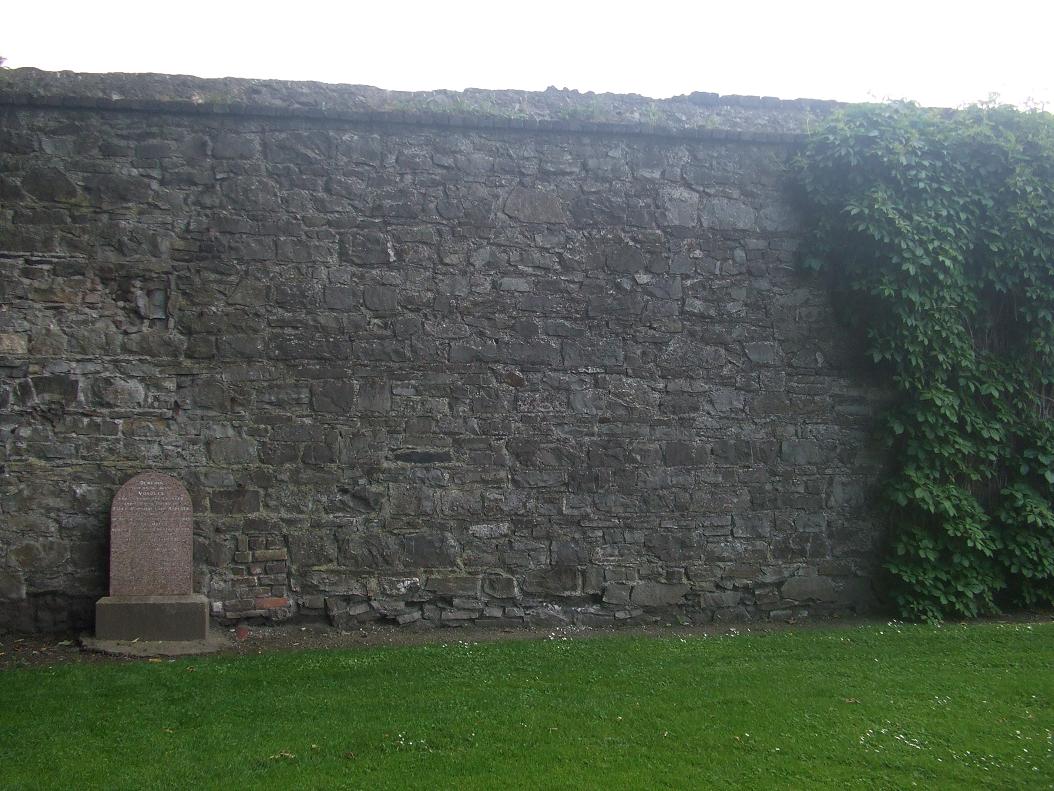
The grave of Vonolel, in the Royal Hospital Kilmainham.

It was 1877 when Vonolel was purchased from a horse dealer in Bombay, at the age of four. He was named after a great Lushai chief. He would become closely associated with Field Marshal Frederick Sleigh Roberts, a man with family links to the city of Waterford. It is perhaps with the Battle of Kandahar, the last serious engagement of the Anglo-Afghan war, that Roberts (and by extension Vonolel) is most closely associated. For victory in the Battle of Kandahar, Roberts received the thanks of Parliament.
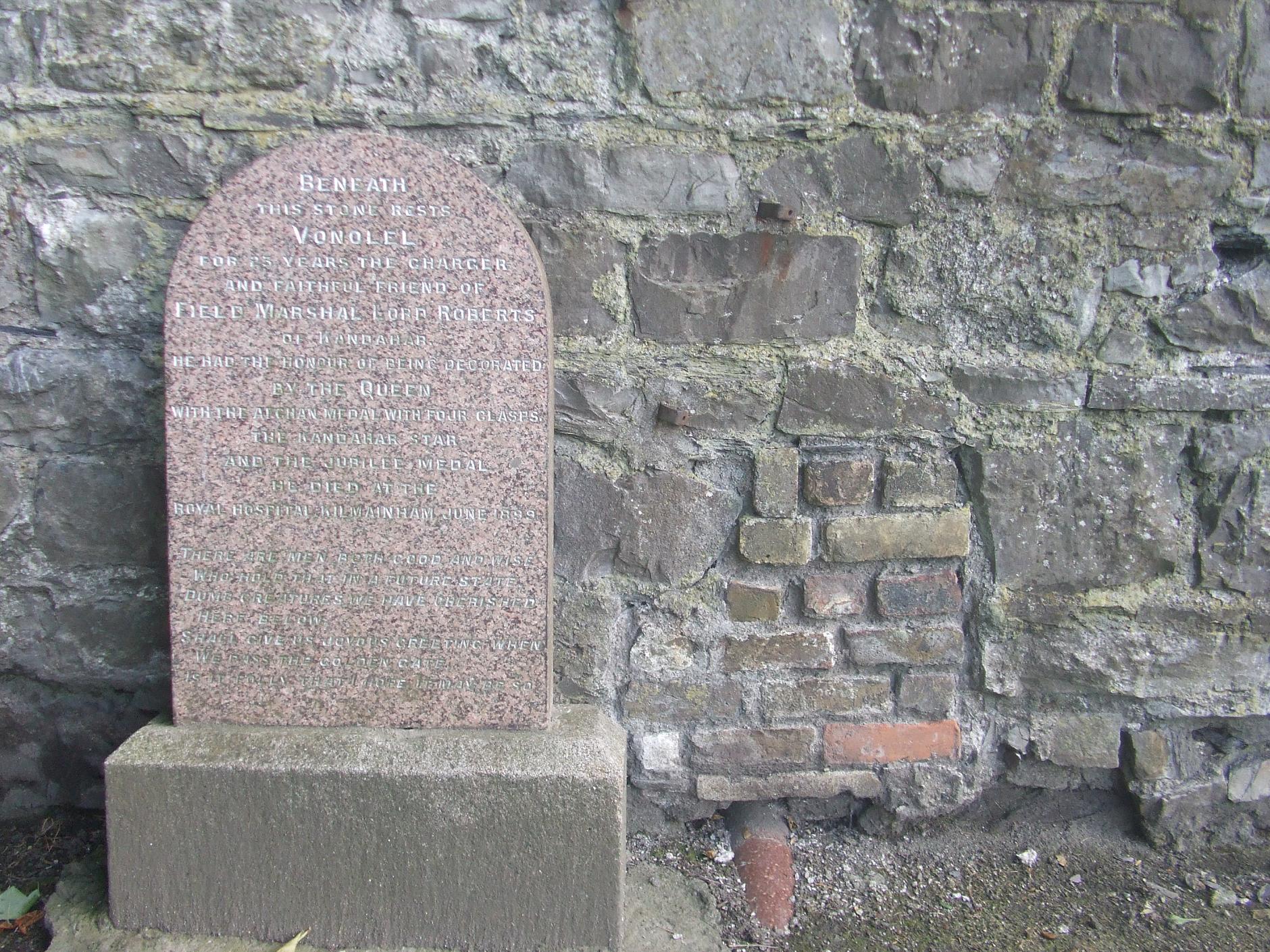
Vonolel was retired to the Curragh in Kildare, and his grave notes that he passed away while at the Royal Hospital in Kilmainham, in June 1899. Roberts was said to be heartbroken, and Vonolel was buried in the rose gardens of the Royal Hospital Kilmainham. His military exploits are acknowledged, as is his character.

Included on the headstone are the lines:

There are men both good and wise
Who hold that in a future state
Dumb creatures we have cherished here below
Shall give us joyous greeting when
We pass the golden gate
Is it folly that I hope it may be so?

Why not stop by the grave of Vonolel the next time you find yourself in Kilmainham, and see for yourself what must surely be one of Dublin’s most unusual graves.

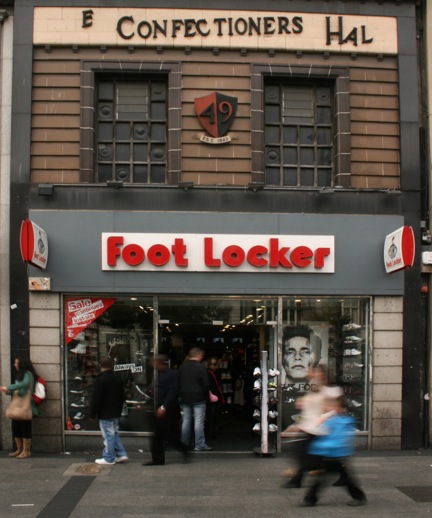
A fruity link.

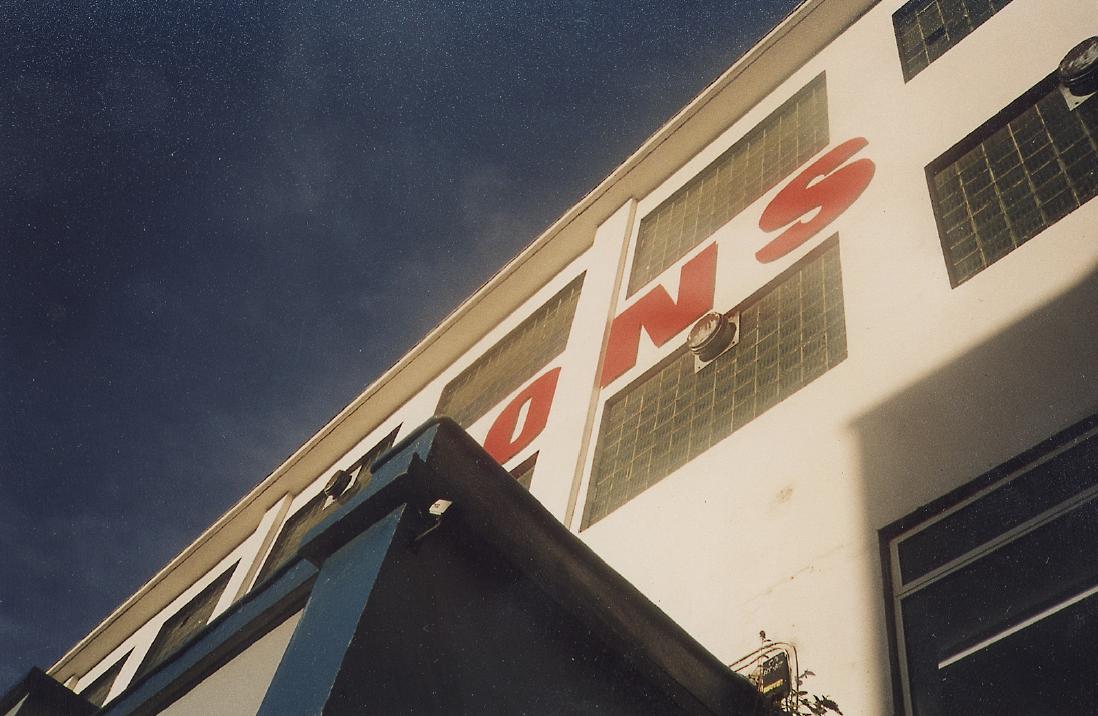
What links this familiar ghost sign and my favourite street name in Dublin?

(Th)e Confectioner’s Hal(l), O'Connell Street. (Picture - Lisa Cassidy)

Lemons.

Or to be more precise, the Lemon family.

They were the proprietors of the above ‘The Confectioner’s Hall’, a beloved sweet shop for generations of Dubliners. Opening on that very spot in 1842, it only closed its doors in 1984. More on this history of the company can be read here, an excellent article on the Irish Architecture Forum blog by Lisa Cassidy.

One of my favourite street name in Dublin is Lemon Street, which is just off Grafton Street. It was named after Graham Lemon and his family who owned property in the area. (It certainly has a better ring to it than its previous name – Little Grafton Street).

So, what’s your favourite street name in Dublin?

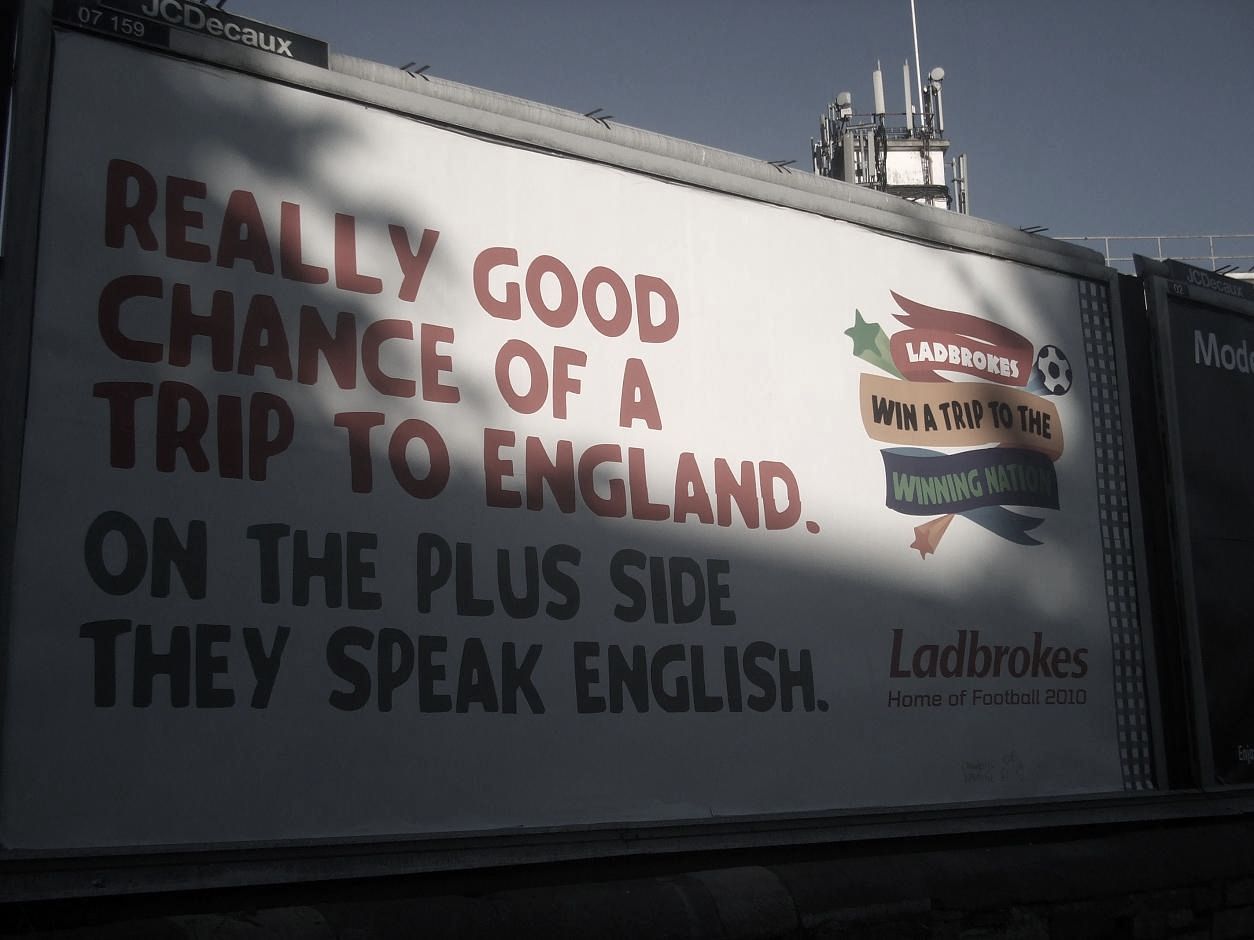
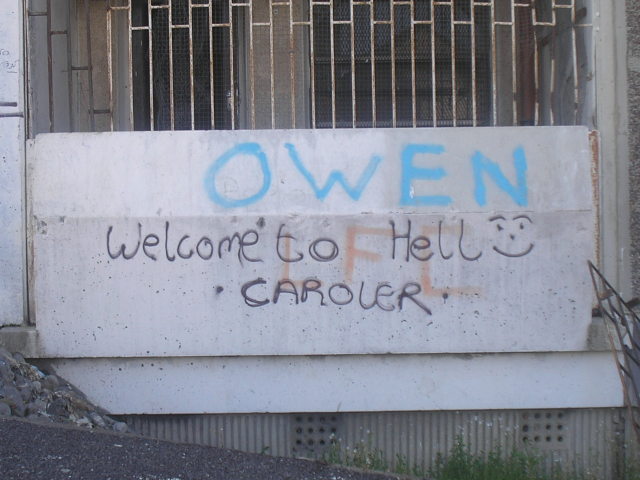
Spotted on the northside, right next to the Hendrons site.

This gem comes from Ladbrokes and their ‘Win a trip to the winning nation’ competition. Almost as bad as The Sun describing the World Cup group as “the best English group since The Beatles”.

Anyway, what are Ladbrokes playing at? North Korea will never let the competition winner in.

“He is a man of lofty character and of high ideals, and evokes in men of the most diverse opinion a common admiration of his chivalry and honour”
Irish Literature-Volume 7 (1904), taken from the entry on John O’ Leary

Recently, we posted a series of images and audio recordings from the launch of a plaque to the memory of the Connolly siblings of the Irish Citizen Army. That plaque was put in place by the excellent North Inner City Folklore Project.

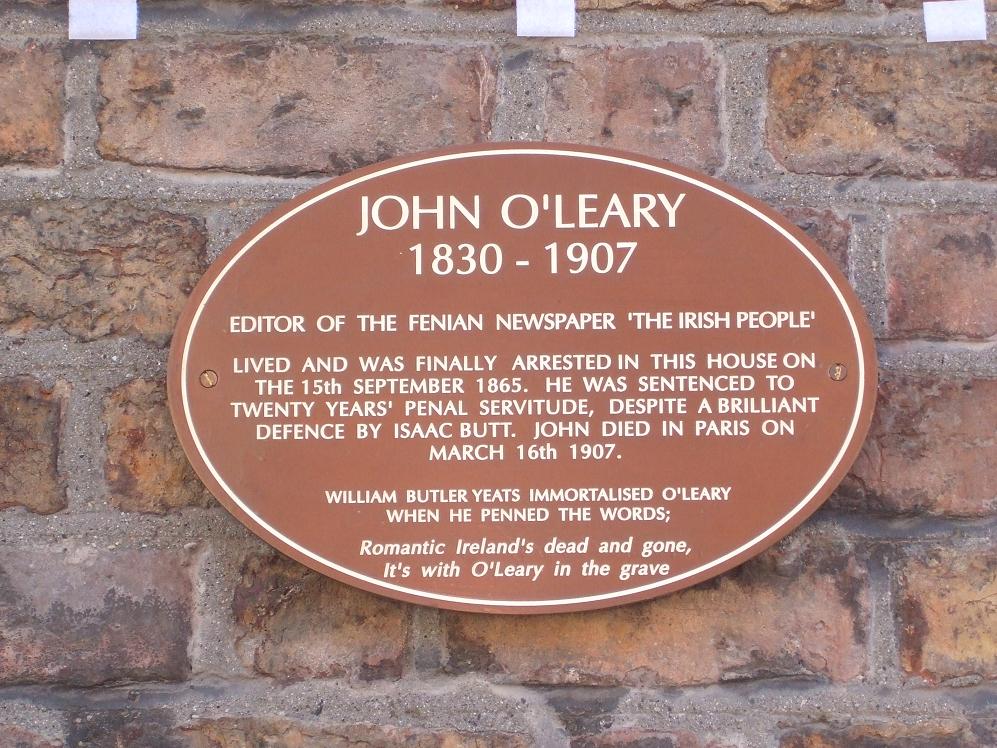
Yesterday, another most welcome plaque was unveiled north of the Liffey, this time in Palmerston Place. The plaque marks the home of Tipperary born Fenian leader John O’ Leary, and acknowledges his role as editor of The Irish People newspaper.

“…O Donovan Rossa, O’ Leary, Luby and others long associated with separatism and republicanism were regularly to be found in or around the Irish People office. And the paper always made the most of the fact that the Fenian Brotherhood in the United States was not a secret organisation…”
– Taken from The Green Flag by Robert Kee

Continue Reading »

This graveyard hides a million secrets.
And the trees know more than they can tell.
The ghosts of the saints and scholars will haunt you
In Heaven and in Hell.

We’re fresh out of the brand new Museum at Glasnevin Cemetery, and much has been learned. It’s great, if you’re wondering.

The history of Glasnevin Cemetery is well known. It is, in popular Irish history, associated with many legends and great figures. Yet there is more to the place than that, there is also the history of ordinary people and communities. In fact, for all the talk of ‘The Liberator’, liberation struggles and more besides, it is perhaps the audio interviews with gravediggers who worked at the cemetery that was most captivating. Suitably enough, the interview was conducted over a pint in the Gravediggers pub next door.

I’d only done the excellent walking tour of the graveyard recently, and not having seen my mate in a while we decided a pint was in order. The timeless, tellyless (Publicans, take note) Gravediggers on the edge of the cemetery is one of my favourite boozers in Dublin, but you can’t ‘Randomly Drop Inn’ twice, now can you?

So, where to?

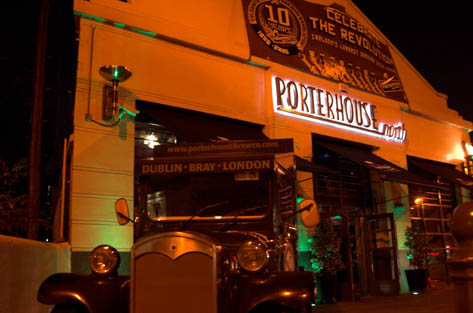
We settle for The Porterhouse. This decision is largely based on the reputation of their Chocolate Stout.

“No Chocolate Stout lads, not doing that anymore”

Hmm, bad start. I opt for the Plain (a pint of Plain, clever that) stout, and the mate goes for Oyster stout. Food is ordered, seats are taken, and we have a look around. The premises is large and spacious, the music not too loud (bit of Smokey Robinson going on…), and the food arrives quick. No food for me, but the reports were good. I’ve heard great things about the Irish Stew, but who am I to spend money when there’s dinner at home. Students, we’re like that.

The pint of Plain? Not quite your only man, but still a damn good light stout and I’m content. I’ve tried the Oyster stout before too and while it takes some getting used to, it’s a grower. As they’re quick and proud to tell you, these are award winners, and unlike in some Dublin pubs with the more famous stout on offer, you can rest assured each pint will be right here.

The smoking area is sizeable, but I’m not one to stand around smoking areas. It’s large, it’s covered and it’s heated. Three boxes ticked if you’re that way inclined. The staff are friendly and talkative, and seem to be engaged with what sound like regulars. My friend picks up on the menu in front of us, which boasts that “Our beer kills fascists”. Not entirely sure what they’re getting at there, but why the hell not.

The place is quiet enough, though it is 4.30 on a Wednesday. A few large screens around the place and the variety of both booze and grub makes me think this wouldn’t be a bad spot to catch a bit of the World Cup.

The Porterhouse, for what it does, isn’t too pricey. It’s worth a venture to any of the Dublin pubs to try something new, but be warned that the two city centre pubs are tourist hubs at the minute. A worthwhile visit, with a ‘we’ll only be 10 minutes’ trip turning into an hour out of nowhere.

On our way out, we pass a Christmas tree of beer bottles.

Bit late for that, or are they just early?

D.C. Nien

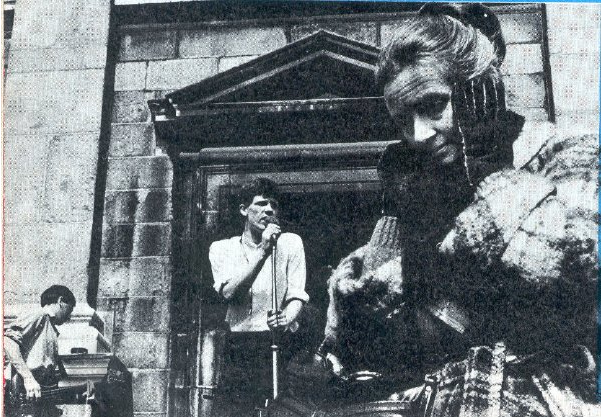
D.C. Nien, who took their name from the postal district Dublin City 9, were one of the biggest bands in the Dublin Punk & New Wave scene in the late 1970s and early 1980s.

D.C. Nien in action at the Central Bank, Temple Bar (?). l-to-r. Brian Seales, Damien Gunn and an elderly fan. (Taken from http://www.irishrock.org/irodb/bands/dc9.html)

Kevin Shields from My Bloody Valentine has remarked that “when (he) was at school there were two bands at the time, U2 and D.C. Nien.  At the time they were equal on a level of popularity”.

The definitive book Irish Rock (1992) had the following to say about the band:

“D.C. Nien combined a truly awesome live sound with a tough skinhead image. Fronted by singer Damien Gunne, the band married danceable sounds with thought-provoking lyrics, and treaded the same boards as U2 in the late 1970s and early 1980s.”

(Both these quotes were taken from Joey Cashman’s website. Cashman played Sax with D.C. Nein and their successor The Tokyo Olympics. He is currently Shane MaGowan’s manager)

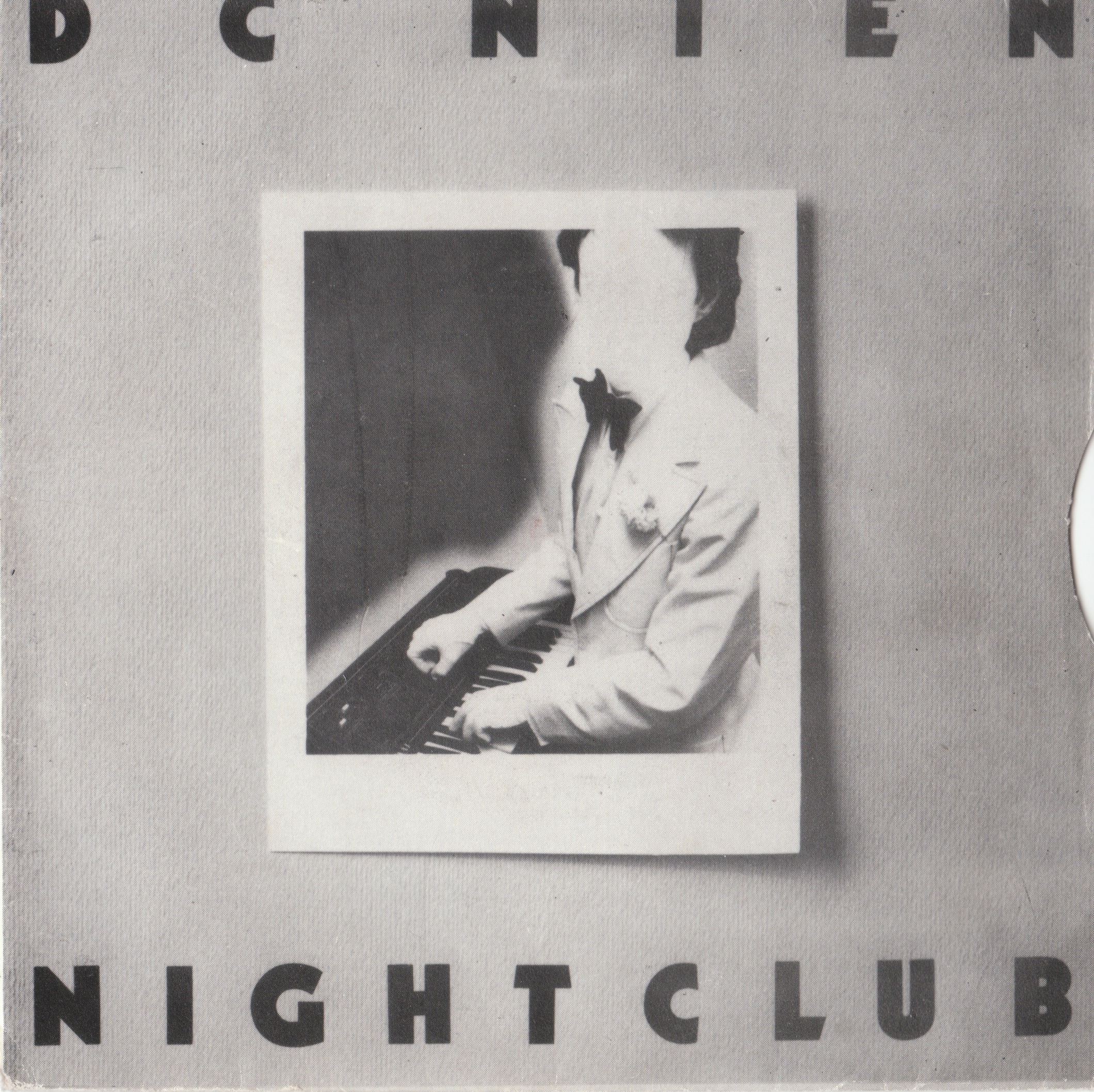
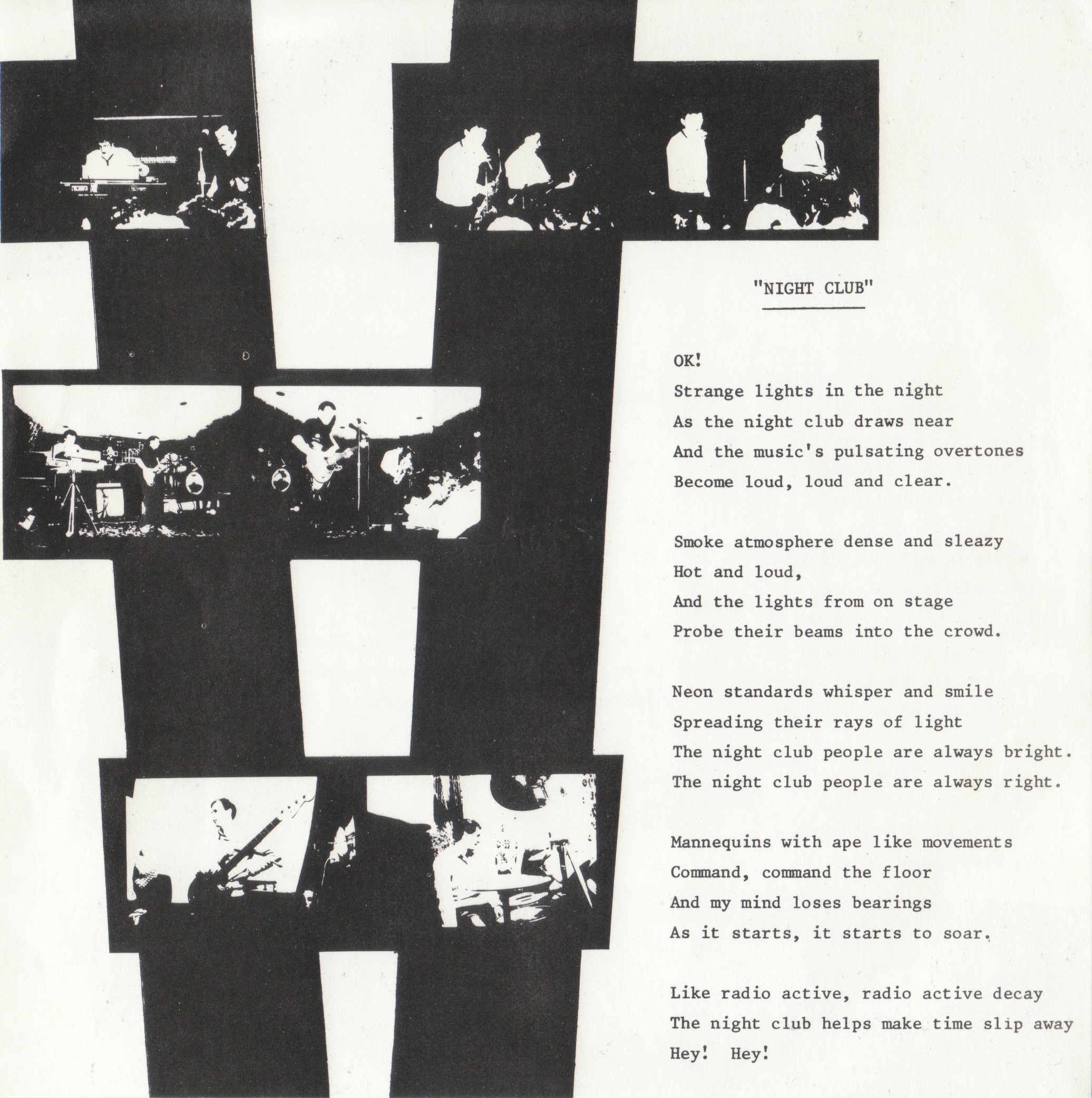
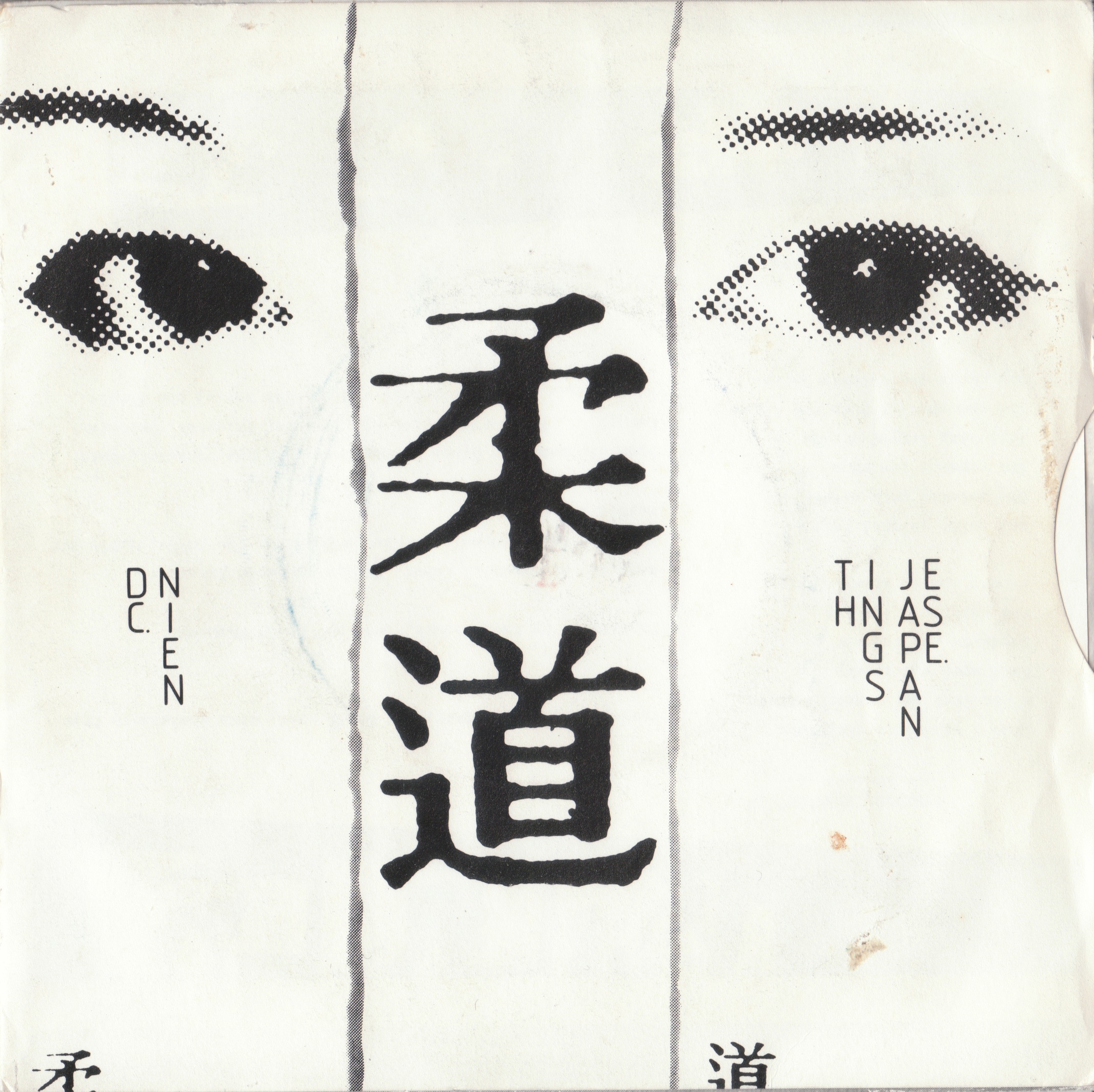
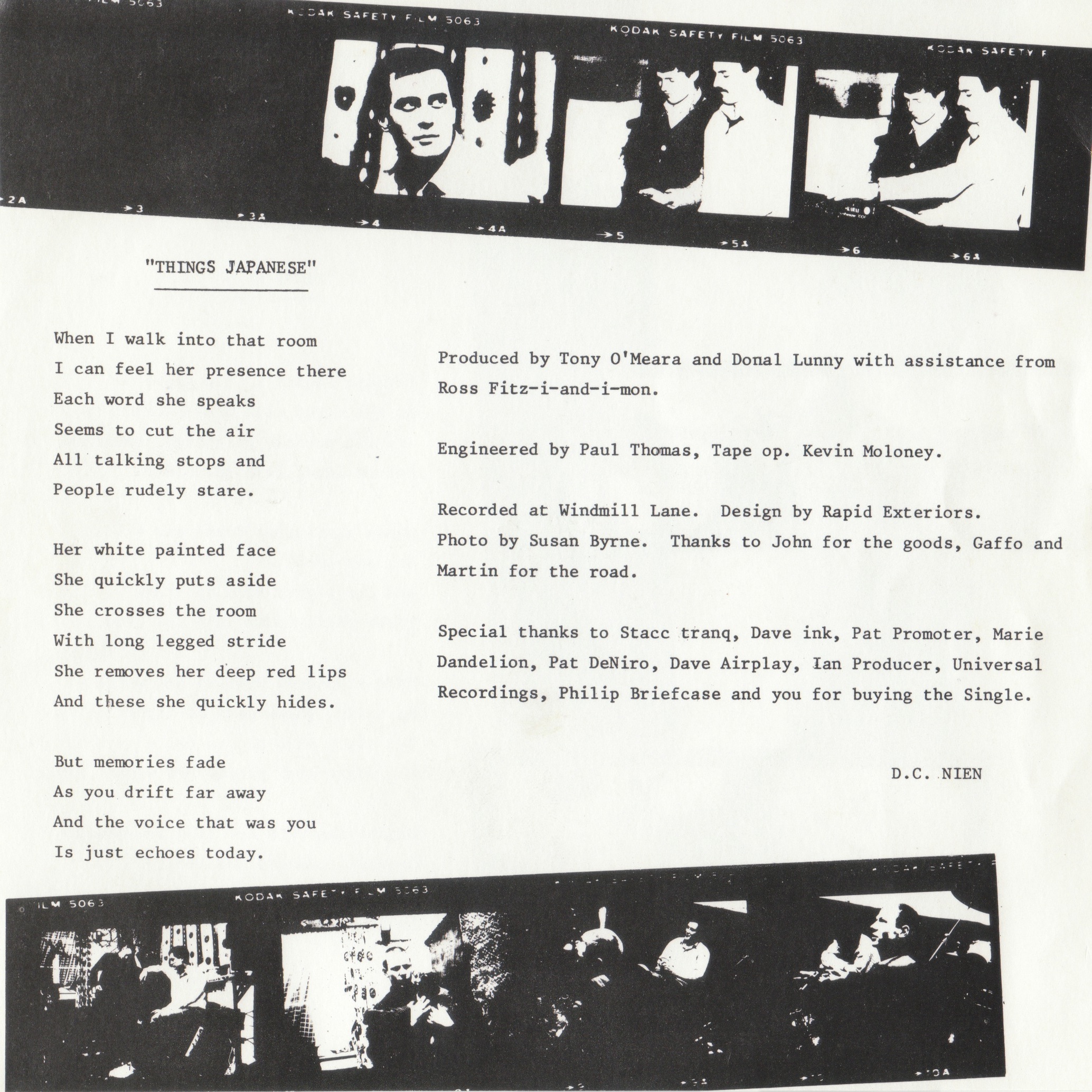
D.C. Nien  recorded and released only one single. For the first time online, here are both the A and B sides.

Cover of 'Nightclub'

Lyrics to 'Night Club'

D.C. Nien – Nightclub (1980)

Cover of 'Things Japanese'

Lyrics to 'Things Japanese' and Sleeve Notes

D.C. Nien  – Things Japanese (1980)

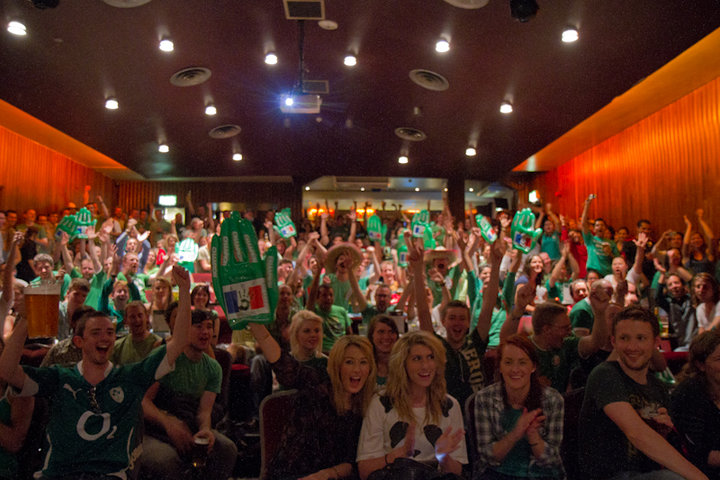
The Sugar Club in Dublin at half time during the France versus Mexico clash.

This gem on YouTube is worth a look.
Oh Mexico! Oh Mexico! Is Wonderful! Is Wonderful!

USA Today have an interesting piece on the match here.

DUBLIN — Ever since Thierry Henry’s unpunished handball helped deny Ireland its place on football’s grandest stage, Ireland has been awaiting its moment of retribution and is cheering every misstep as France stumbles to the brink of World Cup failure

Without me even knowing it for a number of years, Glen E. Friedman had long been one of my favourite photographers. I only came to realise it was one bloke behind so many of my favourite images when I was given a copy of his work on Fugazi, the wonderful Keep Your Eyes Open.

Some of his images made their way to my teenage wall, and others featured inside magazines strewn across a bedroom floor. Images of Public Enemy, RUN DMC, Angelic Upstarts, The Misfits, Beastie Boys and Black Flag among others. Iconic images. Even if one isn’t familiar with the music of the artist featured on occasion, the images are wonderful in their own right.

Most of Friedman’s work covers the subcultures of skateboarding, hip hop and punk. To snap acts as diverse as Minor Threat and RUN DMC, but perfectly capture the rebellious spirit of both, is Friedman’s skill. His anti-war exhibition at New York City, featured in the excellent boingboing video posted above, was a new departure and acclaimed in it’s own right.

The exhibition of Friedman’s work is taking place as part of the Photo Ireland Festival.. It will host more than twenty completely free exhibitions. Excellent.

The other Dublin.

An incredible post from Circumliminia most worthy of your time, showing just how the “regeneration project” is going over in Ballymun.

At every level of interaction with the state, Ballymunners have come to realise that their options are to keep their heads down and suffer, or resist and suffer more

“It shall be the first duty of the Government of the Republic to make provision for the physical, mental and spiritual well-being of the children, to secure that no child shall suffer hunger or cold from lack of food, clothing, or shelter….”

Democratic Programme of the First Dáil, 1919.

I’m a huge supporter of community events. Street parties, town festivals and the like are essential aspects of life in any community in my own opinion, and I’m often horrified by responses when I ask people how much they know about their own neighbours.


“Joe Bloggs next door? Asked me to turn down the music once, never really spoken to him since.”

Both Palmerstown (where I currently walk the dog) and Ballyfermot have a strong sense of community, and I never took that for granted growing up. It is the basis of any community, and transcends age, nationality or any other factor. The community that gets on is a happy community.

Word of community events is something I love to receive here at Come Here To Me, and Palmerston Place across the Liffey gave me great hope recently when I heard they’re approaching their 12th annual street party. Wonderful. The event takes place this Saturday, and Met Éireann looks positive.

The whole thing kicks off in a style that should appeal to Come Here To Me types, with the launch of a plaque at 16 Palmerston Place to mark the spot where Fenian John O’ Leary edited ‘The Irish People’, before being arrested in 1865. The plaque will be unveiled at 7pm, by the Lord Mayor of Dublin, Emer Costello. I spend about half my free time giving out to people about the lack of plaques outside the city centre, so this is something I’m excited about and hope to attend.

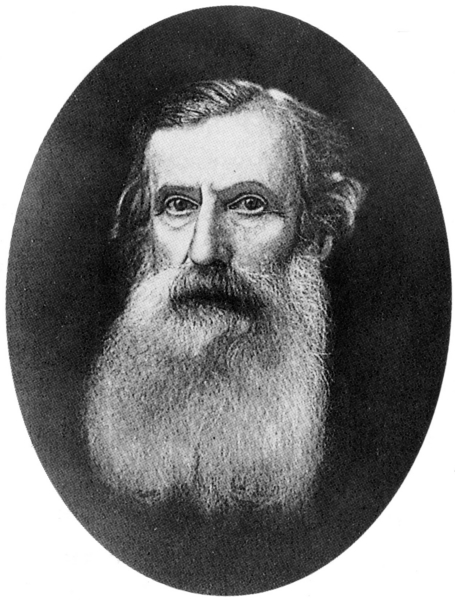
The Fenian leader John O' Leary

The event also includes music from a band made up of local children, all 13 years of age, The Un4seen who will be followed on stage by Seven Days, a band lined up to play Oxegen.

It’s BYOB (Bring Your Own Burgers), and a glance over the comments and stats here reveals plenty of Northsiders to be among our readers, not least the Bohs faithful. If it’s your corner of the world, drop down.

More of this in Dublin, please. Enough talk of the Rare Oul’ Times, let us get back to basics. I might even cross the Liffey myself.

The Hendrons site in the area, which was due to become the home of a massive 'Celtic Tiger' development defeated due to local pressure.

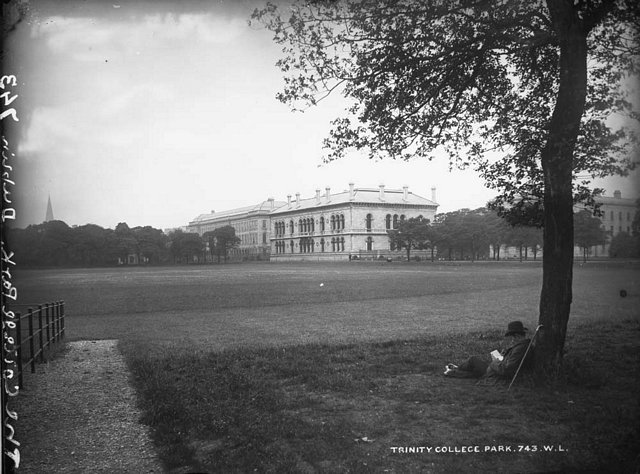
Trinity College Dublin c.1900

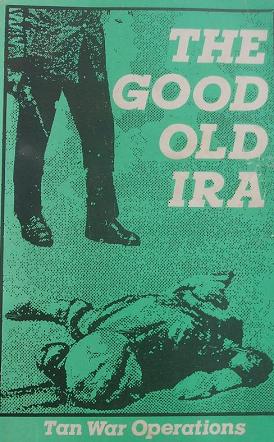
I recently began reading a work titled The Good Old IRA, which was issued by the ‘Sinn Féin Publicity Department’ in November 1985. It lists ‘Tan War operations’ which injured or in some cases killed civilians in an attempt to highlight the hypocrisy of those who honoured the republicans of old while attacking their contemporaries.

The works introduction slates Labour Party leader and “Free State deputy-premier” Dick Spring for example, noting that he was

tongue-tied in attempting to explain the differences between the IRA gun-runner Roger Casement (in whose honour he was unveiling a statue at Ballyheigue, County Kerry) and those IRA gun-runners on the Marita Anne who had been arrested by his government’s forces off the Kerry coast 24 hours previously.

One incident detailed in particular, from 1921, stood out for me. It is listed on page 56 of the work.

Not Cricket

One woman spectator, Miss Kate Wright, a student of Trinity College, was killed and another wounded in an attack by armed civilians on military officers playing in a cricket match at Trinity College Dublin on June 3rd. A man fired shots on to the field of play from the railings at Nassau Street from which the pitch was visible.

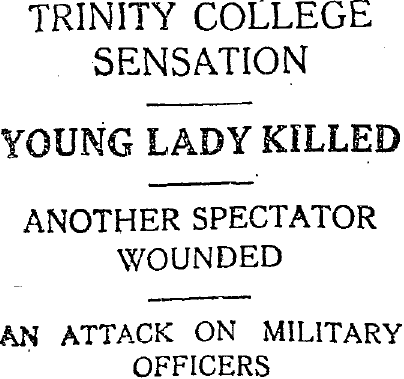
The Irish Times reported on the day following the shooting that

The occasion was one of festivity and enjoyment in the College Park. A cricket match in connection with Warriors’ Day was in progress. The teams were the Gentlemen of Ireland versus the Military of Ireland. The general belief is that the latter were the objects of the murderous attack which resulted so tragically

From the contemporary newspaper reports, we can establish quite a lot about Miss Wright. Aged only 21 (based on an Irish Independent report of the inquiry into her death),Kathleen Alexanderson Wright was engaged to be married to a young man who was also a student at the Dublin university. His name was Mr. Geo Herbert Ardall, and he was a native of Sligo. He was studying Science at the University, and was with Kathleen enjoying the cricket match, on what was said to be a lovely summers day in Dublin.

From the following days Irish Independent.

Kathleen was the daughter of the Rev. E.A Wright of All Saints Clapham Park in London, and the Irish Independent of June 4 1921 noted that he had “before going to England filled curacies in Cahir and Seapatrick”, both in county Down. At the time of the shooting she was living on Pembroke Road in Rathmines, but before hand had lived in digs at Trinity.

The Irish Independent reported how he told the inquiry into his fiance’s death that

When the shots were fired he pulled Miss Wright down on the ground as quickly as he could. She was moaning, but he was not certain she was hit until a few moments afterwards when he saw blood on the front of her blouse. Three doctors attended her, and one told him that the case was absolutely hopeless. He did not hear her make any remark. He accompanied her to hospital, where he was told she was dead

The Irish Times report into the inquiry noted that

Another witness stated that he was in the cricket pavilion, and heard someone remark that shots were being fired outside in the park. He went out immediately, and ran to where a crowd was collecting inside the park railings opposite the Kildare Street Club. A few of his friends told him what had happened and said that the shots came through the railings (…) When witness arrived at where the girl was lying on the ground the crowd who are usually gathered in Nassau Street outside the railings to watch the game had all cleared off.

Perhaps the most surreal details about the shooting come from the statement issued by Dublin Castle in the immediate aftermath of the event. The official reported noted that another female was wounded during the shootings, and provided great insight into the initial reaction of those on the green.

As soon as the shooting began,the players, realising what was happening, threw themselves flat on the field. A regimental band, which was on the field at the time, threw down their instruments and also lay prone. The spectators were not so quick to realise what was happening until a number of shots had been fired and persons were hit.

The attackers made good their escape.

Nobody was ever tried for the shooting of Miss Kathleen Wright, and little was written about her after her body returned home. Her story is just one of many told in The Good Old IRA, with other tragic events unfolding on the streets of Dublin over the course of the War of Independence.

I’ll no doubt think of her and her story next time I wander through Trinity College.

Shakes on Dame Street

You’ll be waiting, but it’s worth it.

The Dime Bar milkshake, what an idea. Straight from the heavens, from the A4 sketch-pad of God himself surely. Delicious and (probably not at all) nutritious, and a steal at €2.99. I’ve bought dodgy pints on Dame Street for more than that in the past, and this is a steal.

At first, I was quite dismissive of the idea of a ‘milkshake bar’ opening up in the centre of town, a novelty at best I thought. It was only when passing early on Monday (1pm is ‘early’ to me) that I ventured in for a look.

Ahead of me, a business man in a suit, or eh…a slick dressing mod. Behind me, an old lady and her Marks and Spencers bags. Behind her, a couple of kids spending a summer roaming around town I imagine. A varied bunch. The staff? As sweet as the milkshakes, and not daunted at all by the workload lining up before them.

Your man in front goes for the Oreo, I go for the Dime Bar, and the lady behind me opts for the Galaxy. A posh one obviously. To kill the time, I grab a leaflet.

After Eight
Aero Mint
Buourbon Biscuit
Jammie Dodger
Skittles (I’m as confused as you)
Jelly Tots
Weetabix

These are just the ones that caught my eye. I won’t be trying the Weetabix offer, granted- but Skittles or Starbursts? Tempting.

At €2.99 for a regular shake, or €3.50 for a large offering, it’s not breaking the bank. There’s a student discount too, which is always nice. The option of Soya milk and ice-cream is there for those of you who are into that lark.

The place is open until 11pm some nights according to their Facebook, meaning you’ve no excuse. I expect to be put on a drip soon.

Shakes Milkshake Bar is open now.