Feeds:
Posts
Comments
  • Click here for PDF File.

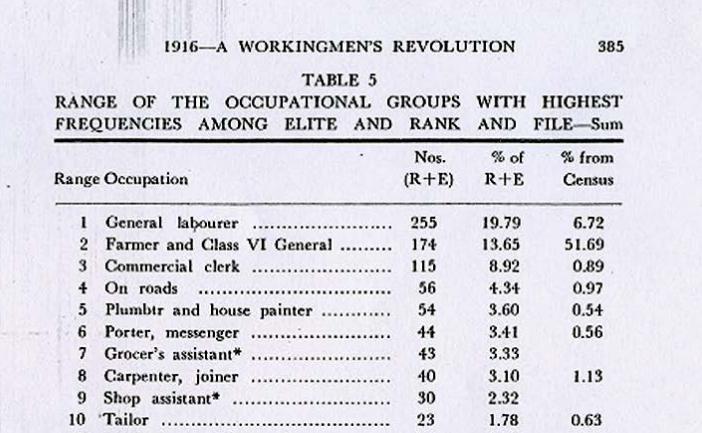
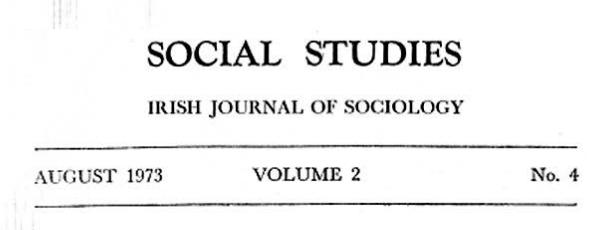
    Here’s a fascinating article from a 1973 edition of Social Studies, the Irish Journal of Sociology, which looks at the economic backgrounds of participants in the 1916 rebellion. “An analysis of those who made the 1916 revolution in Ireland”, it was compiled by Stein Ugelvik Larsen of Bergan University and Oliver Snoddy of the National Museum of Ireland.

    A link to the scanned article was first posted on The Irish Republic, website of Tom Stokes, himself the grandson of a participant in the insurrection. The site aims to spark debate around the idea of the ‘Republic’, and is timely considering the decade of centenaries we are now in!

    Below is a screenshot from the PDF to give you an idea whats inside. If you missed the link it’s at the top of this post.

    Continue Reading »

  • #JamesConnolly!

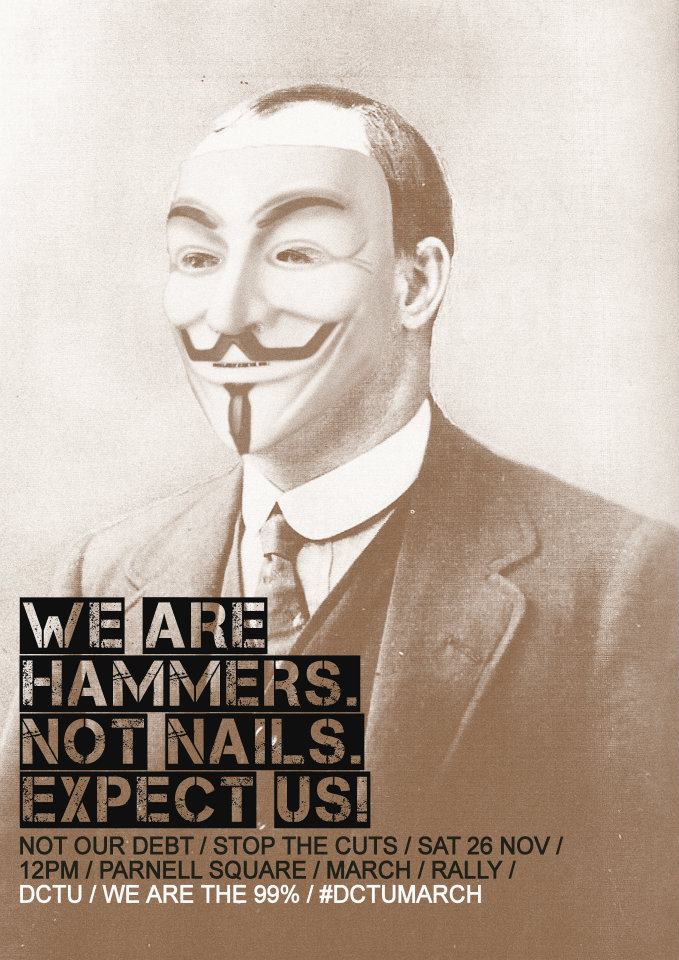
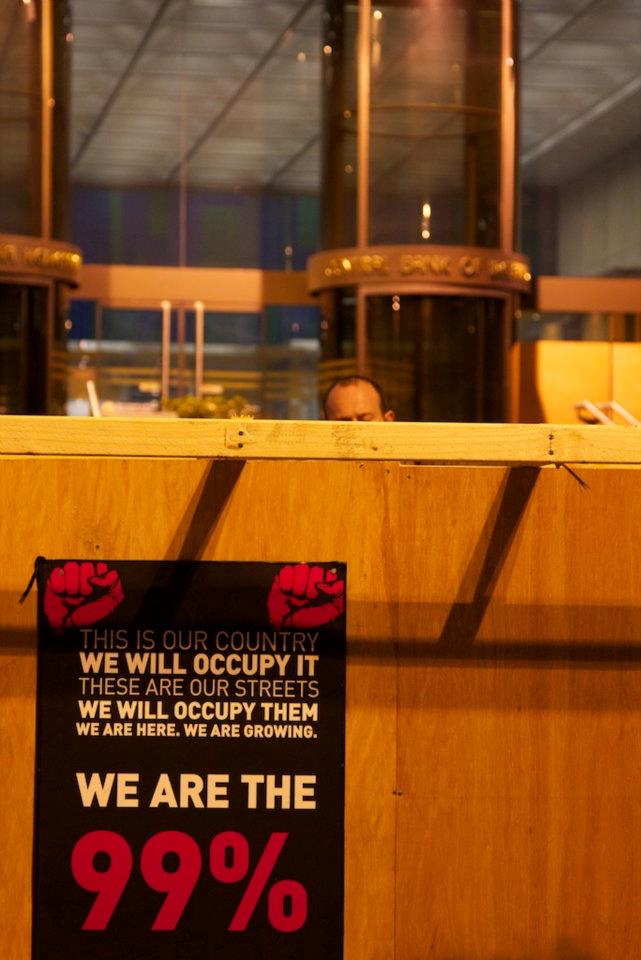
    One of the most popular posts here in recent times was a quick look at the aesthetic and design of the posters being used by the Occupy Dame Street campaign, and it was noted by one of the designers that many of the posters were reworkings of posters from Spain and the United States, where some of the origins of the ‘Occupy’ idea are found.

    This latest effort is worth posting, uniquely Irish of course! A very clever play on an iconic image of James Connolly.

    If you build it…..

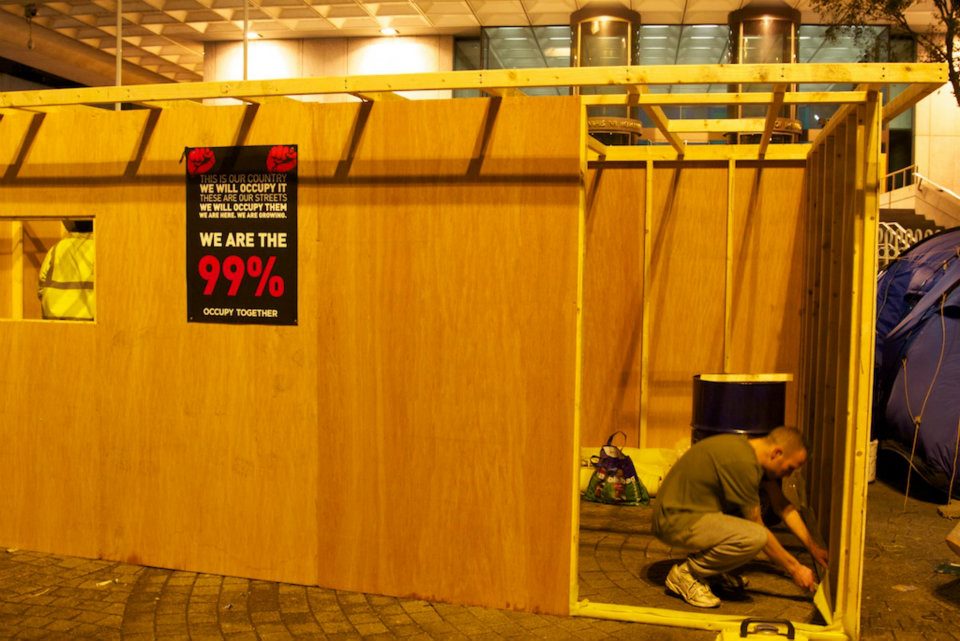
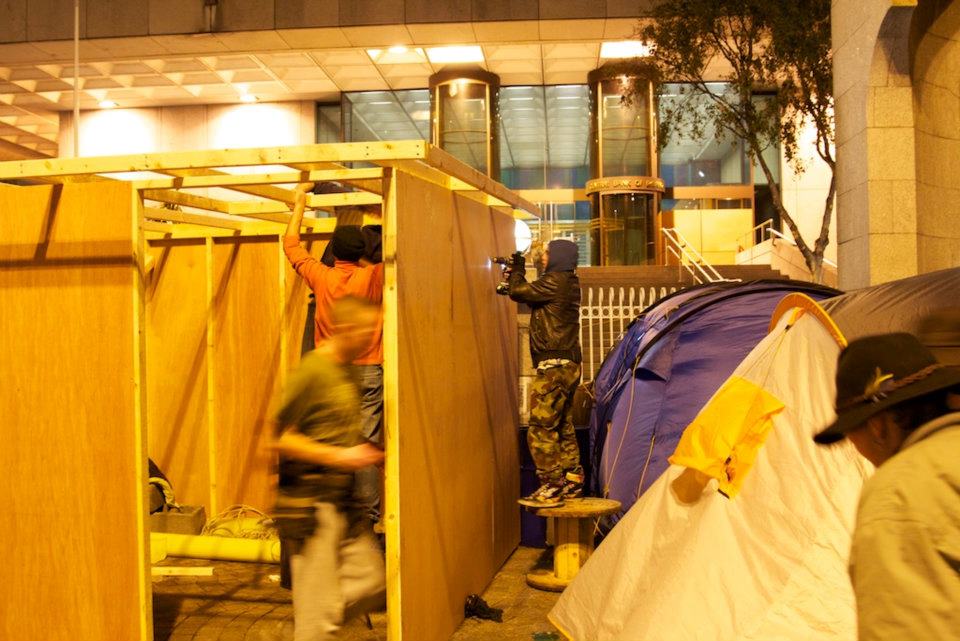
    Great snaps from the Workers Solidarity Movement Facebook page, showing the construction going on at the site of the Dame Street occupation.

    If you’re wondering what you’re looking at, it’s a kitchen!

    I dare say, it looks better than Sam Stephenson’s effort behind it no?

    I’ve been doing a bit of work with the good folks at History Ireland in recent months on their Hedge School programme, designed to get historical debate out into a less academic setting than is the norm! From Electric Picnic to the Phizzfest there’s been a wide variety of locations and subjects. I was a panelist for the ‘Animal Gang’ Hedge School which you’ll find here on the site, and have been doing my bit to record and edit the other Hedge Schools for your listening pleasure.

    The latest Hedge School up online comes from ‘Back To Our Past’ at the RDS and is entitled: Brian Boru and the battle of Clontarf: interpro or international?

    Stick on the kettle and enjoy.

    Two great gigs this Saturday

    While the CHTM!  team will be enjoying a short break in Hamburg this weekend, we suggest you hit these two gigs on Saturday if you can.

    Firstly, a fantastic evening of acoustic punk and folk in The Cobblestone.

    Click for Facebook event

    As far as I know, he last played here in 1979!

    07/09/1979

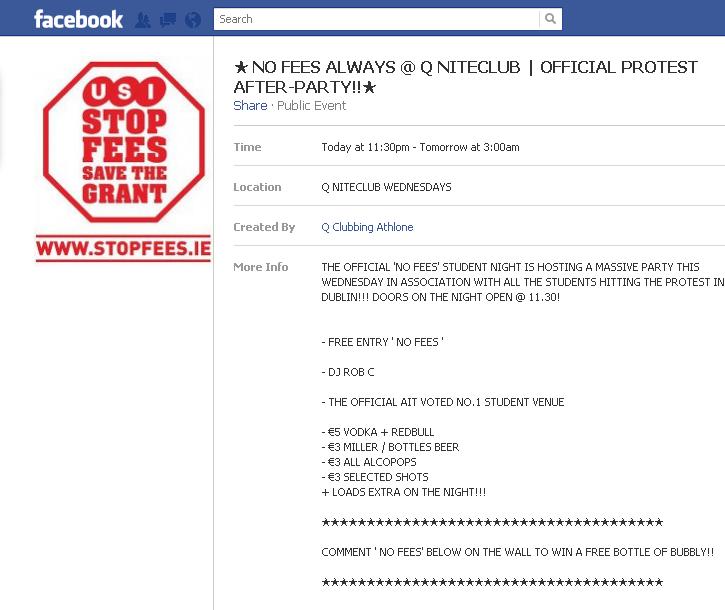
    Followed by a sensational night of electronic music (and punk bands) all for a great cause.

    Click for Facebook event

    We’ve come a long way from the likes of Joe Duffy bravely risking prison for the student movement back in the day. Where are our teeth gone?

    ADW at The Bernard Shaw

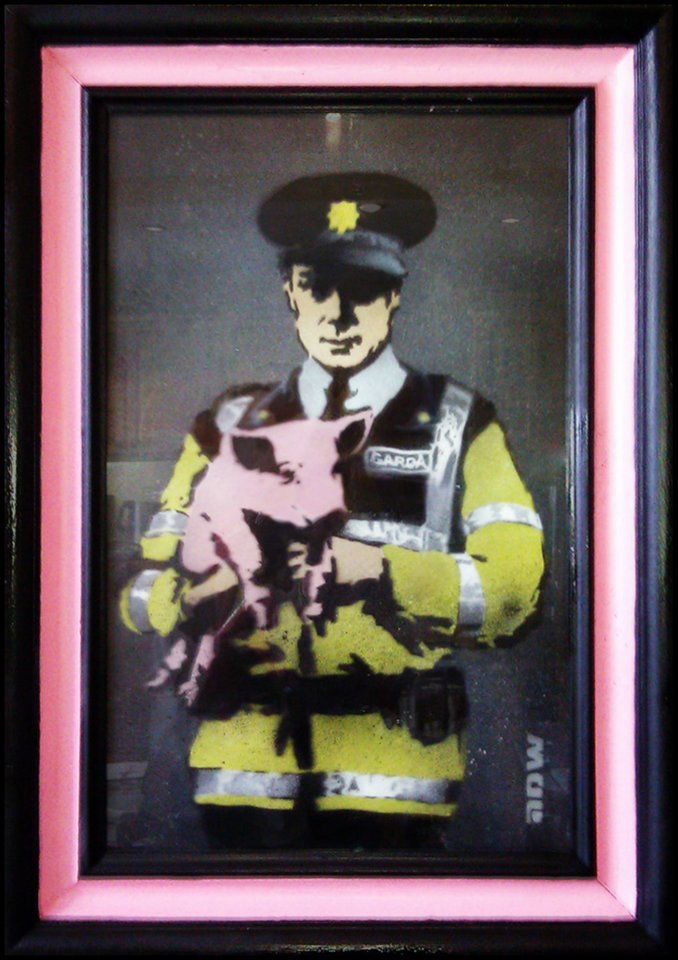
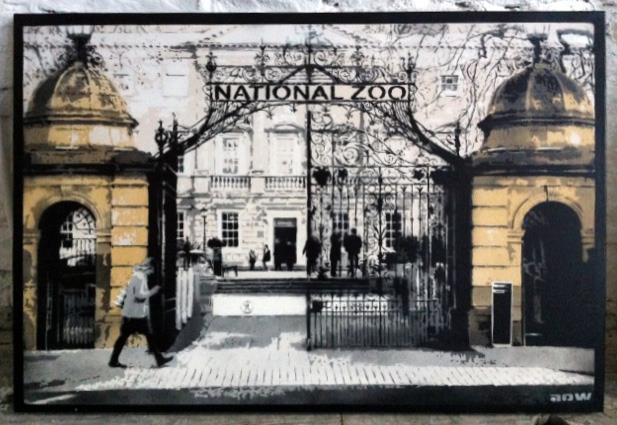
    A lot of you missed ADW’s recent show no doubt, entitled Pricks And Mortar it ran for just a single weekend at South Studios.

    Thankfully, he’s taking his new works to The Bernard Shaw from November 24th until December 4th, meaning anyone who has missed out can see some of the new work. My two favourite pieces from the latest show are below. We’ll be in attendance, you’d spot us a mile off.

    </a

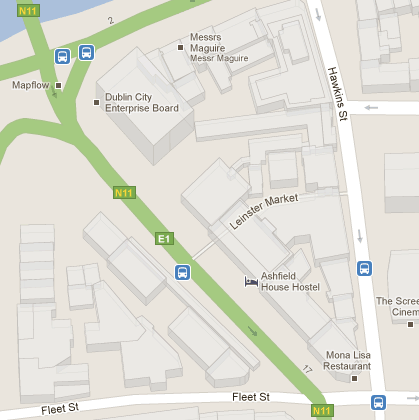
    11. Leinster Market

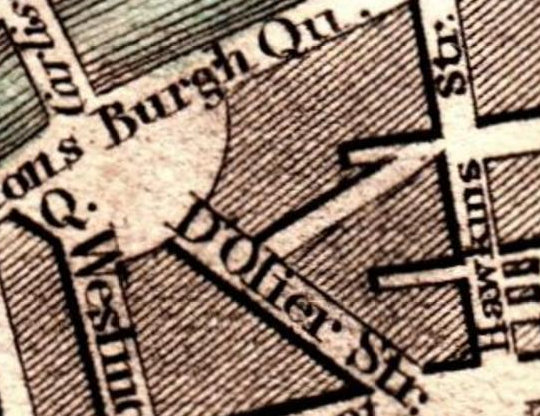
    I’ll be honest though I did know there was a lane beside Centra on D’Olier St, I didn’t know its name or quite how unique it was. Thanks to Pádraig Kelly and hXci for bringing my full attention to it.

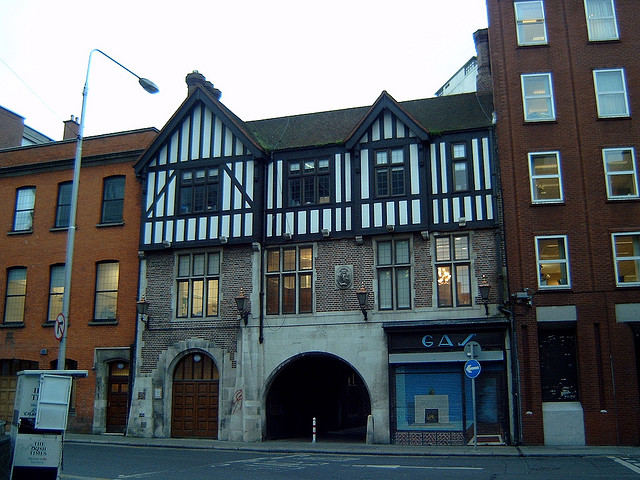
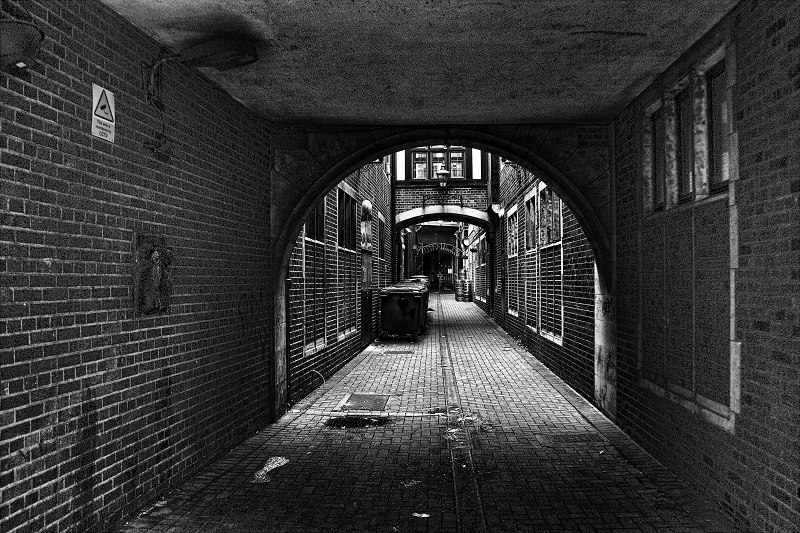
    Leinster Market is a small, covered lane that links D’Olier Street and Hawkins Street. It was described by in J.T. Gilbert in 1861 as a ‘quaint, narrow old passage, which has very little light even in its open parts, and at either end has to burrow under the first floors of houses that lie right across the way’.
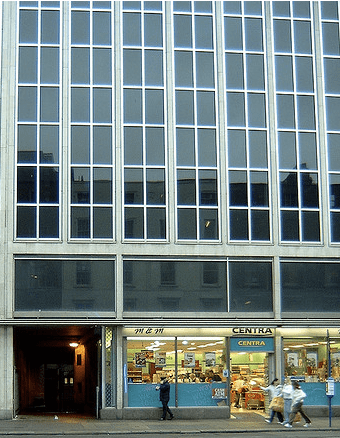
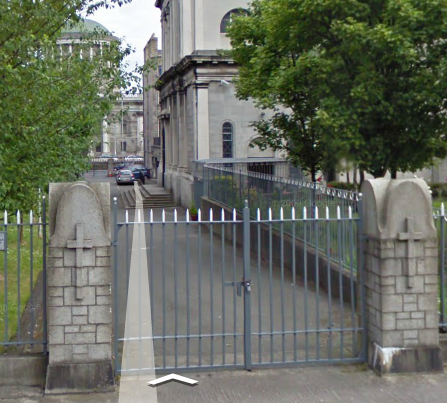
    D'Olier St. entrance to Leinster Market. (Photo credit - Matthew S.)
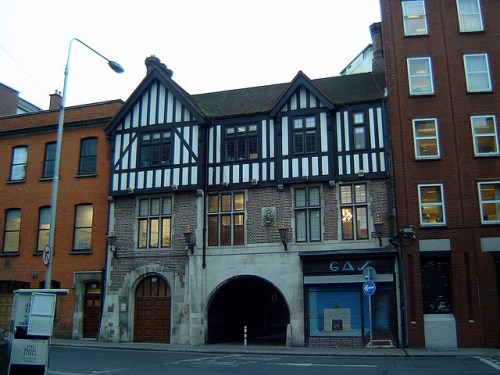
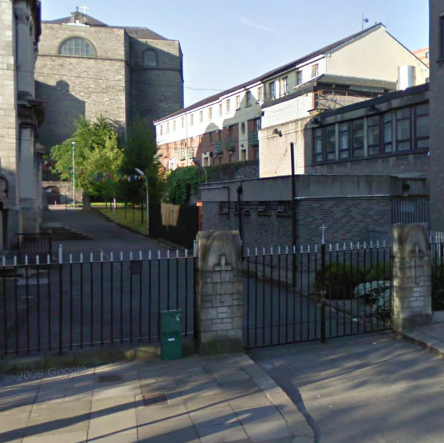
    Hawkins St. entrance to Leinster Market. (Photo credit - Matthew S.)

    Interior:
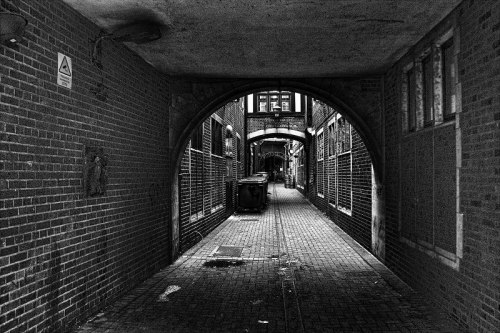
    Inside view (Picture credit - Brian, Pix.ie)

    In the unforgetably named ‘History of the City of Dublin: from the earliest accounts to the present time : containing its annals … to which are added, biographical notices of eminent men … ; in two volumes, illustrated with numerous plates, plans, and maps, Volume 2′ published in 1812:

    Leinster Market has been erected within these few years in the vicinity of Carisle Bridge, and leads from Dolier Street to Hawkins Street, through the new buidlings. It is entered by a handsome iron gates, the passages are flagged, and the whole kept perfectly safe and clean. As yet but five of its stalls are occupied for the sale of meat.

    On June 09 1953 Miss Bridget Greene an assistant at Skeffington’s confectioner shop in Leinster Market was held up by three youths. One of the gang ‘asked for ice cream’ while another ‘grabbed a mineral water bottle’ and struck her over the head with it ‘in an attempt to reach the till’. Though ‘stunned’, Miss Greene managed to set off a ‘special burglar alarm’ and the youths made off in the direction of Hawkins St. It was reported that this was the third occasion in the last three years in which attempts had been made to rob the till during the day.

    On Nov 3 1969, cylinders of gas and drums of diesel oil exploded in a storage building in the alley off Leinster Market. The fire was put out in fifteen minutes.

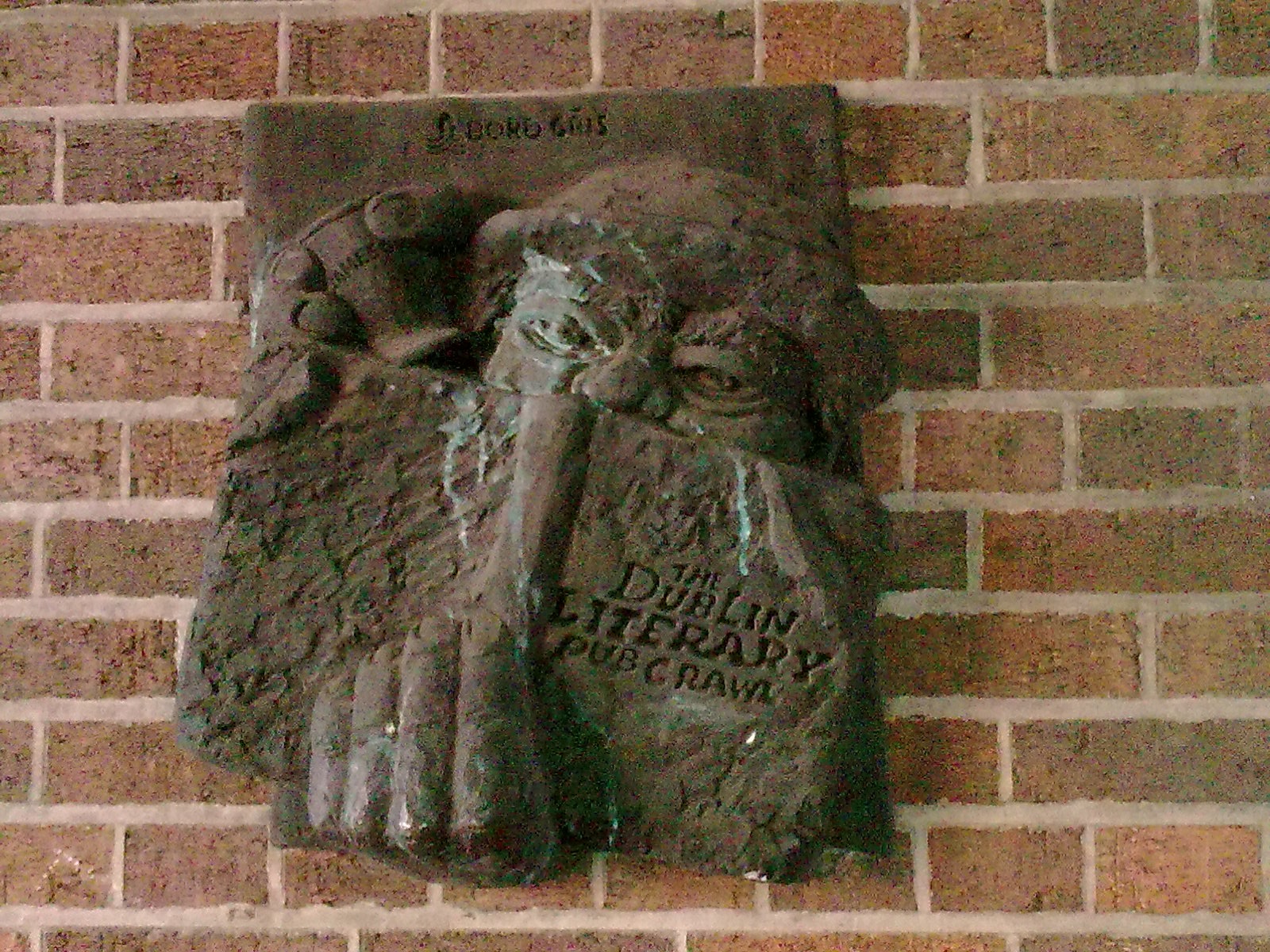
    In 1993, a bronze plaque, of an ‘old guy reading a rumpled up book’, was erected in the lane by the Dublin Literary Pub Crawl to celebrate the characters who use Leinster Market – ‘the gougers, the bus drivers going in for a smoke, and the people walking through’.
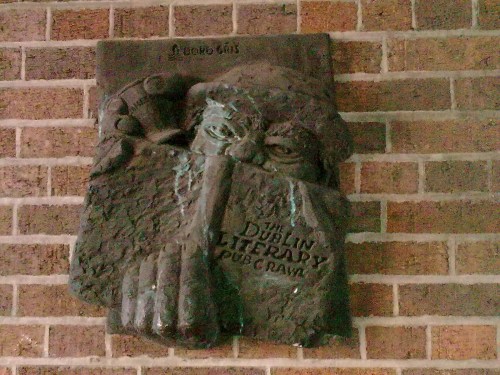
    Plaque, Leinster Market. (c) Jay Carax

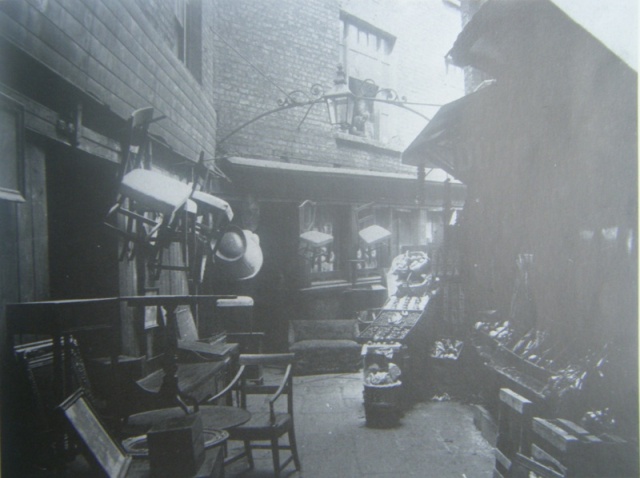
    Leinster Market throughout history:
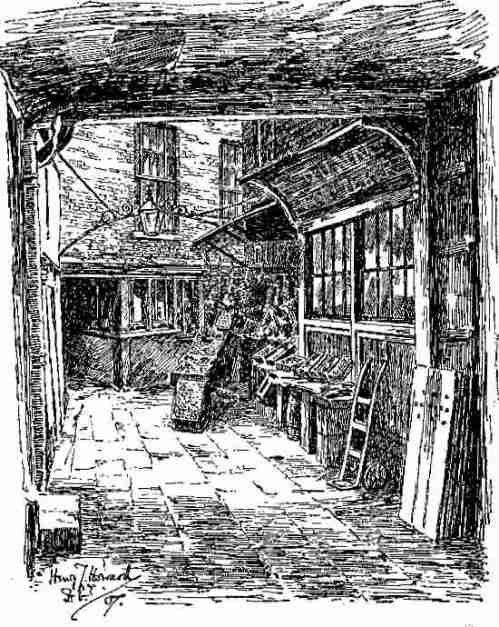
    Leinster Market. Late 19th century?
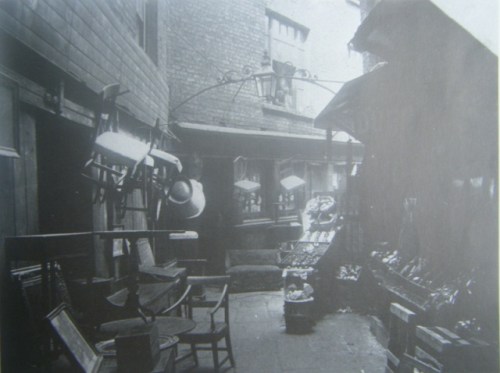
    Leinster Market. Early 20th century?

    Mapping the lane’s history:
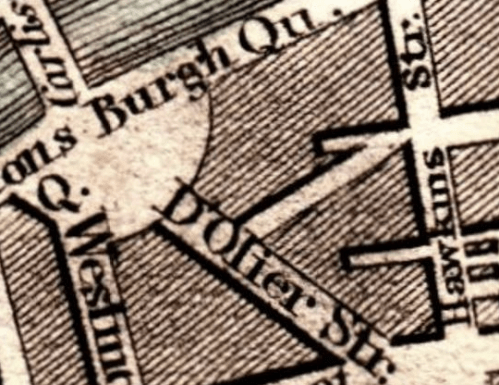
    1836
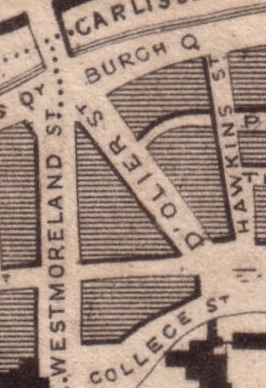
    1848
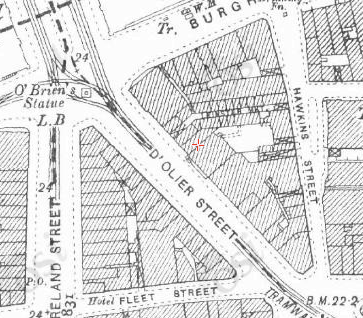
    c1907
    2011
    10. Skippers Alley

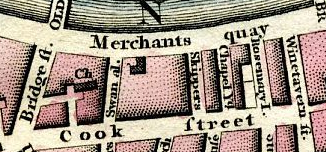
    Between Lower Bridge Street and Winetavern Street, four alleyways used to extend from Merchants Quay to Cook Street,  now only one, Skippers Alley, can be traced today in the modern landscape.

    From 1798:

    Lower Bridge St.

    |Swan Alley| |Skippers Alley| |Chapel Yard| |Rosemary Lane|                 

    Winetavern St.

    1798

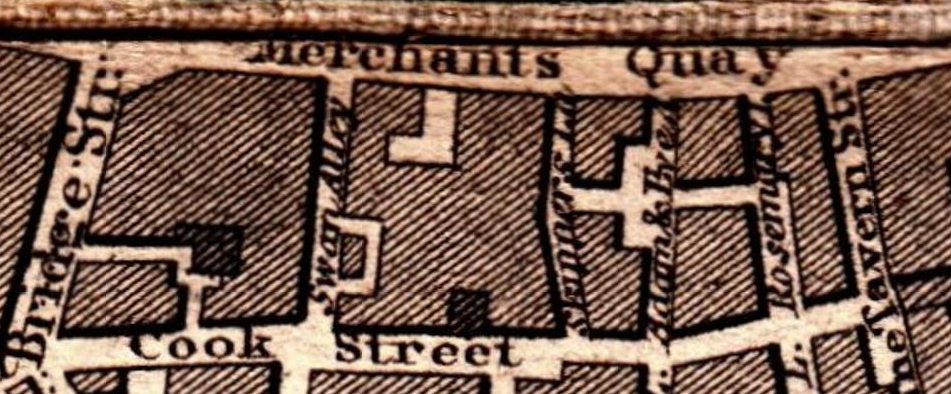
    Things looked the same in the middle of the 19th century, though the Chapel Yard has been renamed Adam & Eve (after the tavern and then church situated there):

    1836

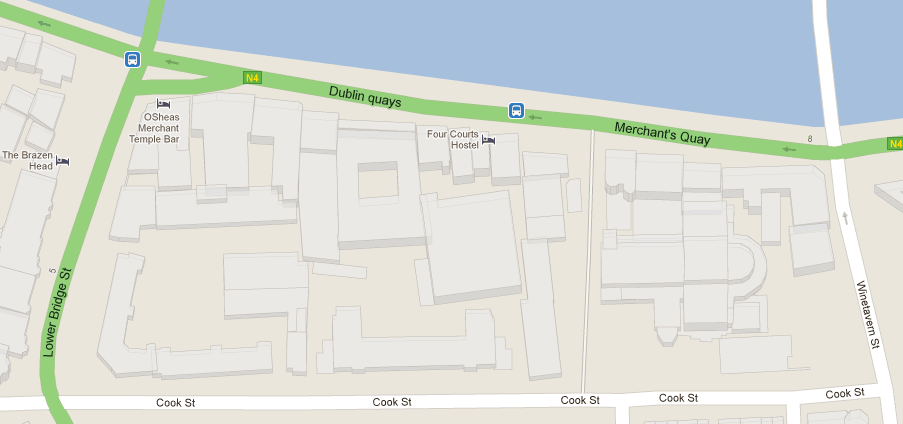
    Today, only one of those four remains – Skippers Alley and it can be seen on Google Maps (just before the ‘M’ in Merchants Quay) It’s quite unusual that Google Maps included such as nondescrript lane, they usually don’t.

    The (locked?) entrance to Skippers Alley from Cook Street:

    The view from the Merchant Quay side. It doesn’t look like much of an alley anymore:

    Rosemary Lane used to be a continuation of St. Michael’s lane. What ever happened to it? I’m not sure. No doubt it was redeveloped at some point. A little bit on its history:

    A passage extending from the north-eastern side of Cook-street to the Merchants’ Quay, is styled in a lease of 1403 “Lovestokes-lane,” a name subsequently changed into “Longstick-lane,” and “Woodstock-lane;” but from the early part of the 17th century this locality has been generally known as “Rosemary-lane.” The “Golden Lion” is noticed in Rosemary-lane in the reigu of James I., and in the middle of the last century there was standing in this lane part of the wall of an old cagework house, over the door of which, cut in timber, were two escutcheons, and between them the date of 1600 (J.T. Gilbert, A History Of The City of Dublin, 1861)

    A few quick snaps…

    Its been a while since I’ve done one of these posts. Normally I take a load of snaps in one afternoon and pick out the seven or eight that stand out the most. I haven’t done so in the last while but I have managed to cobble together a few pictures I’ve taken over the last couple of weeks for a post anyways.

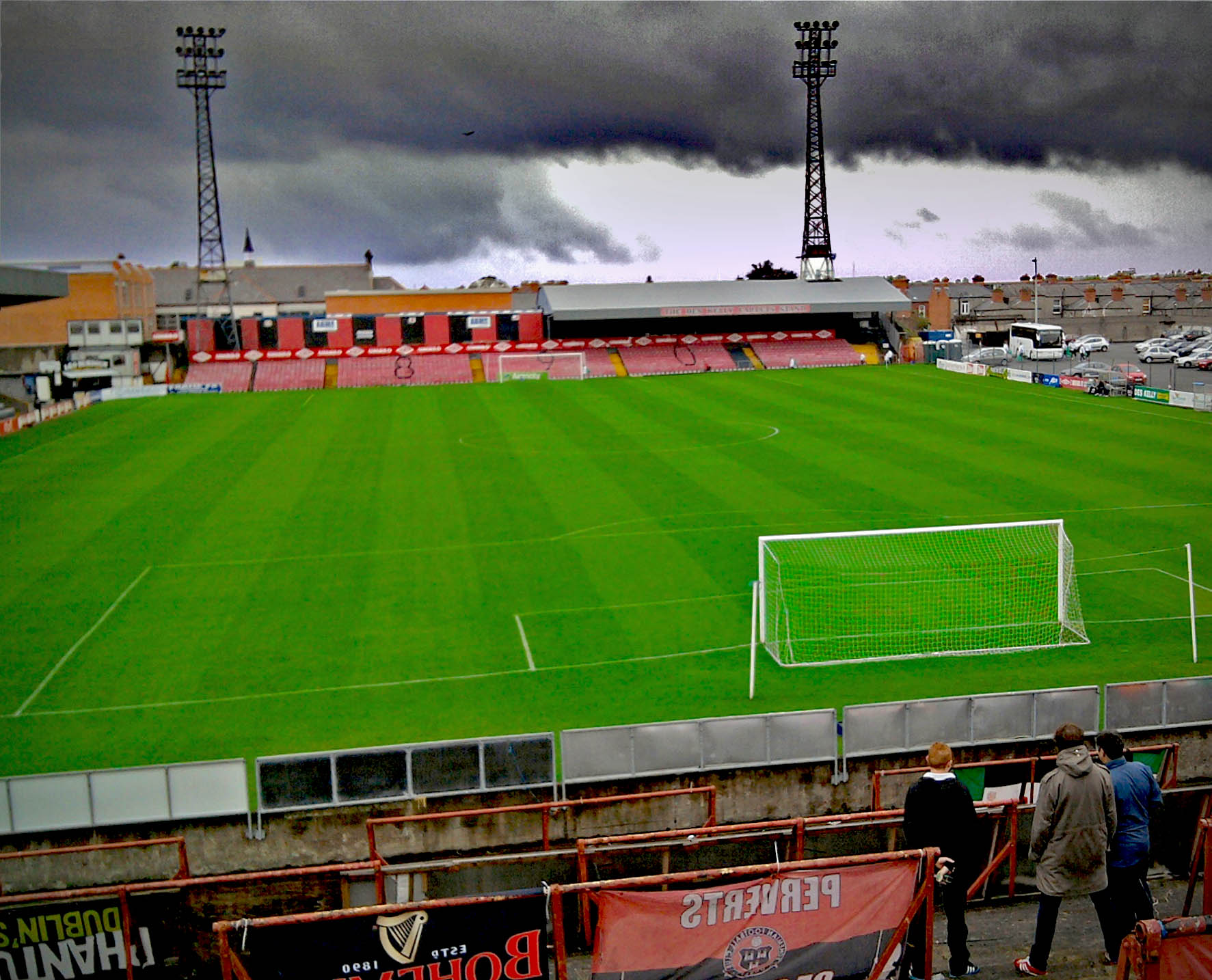
    Below is a picture I took whilst putting up flags pre-game a couple of weeks ago, I think against Sligo. Obviously I’ve photoshopped it ever-so-slightly, but I like the contrast between the pitch and the dark clouds on the horizon. Arty.

    Dark clouds over Dalymount

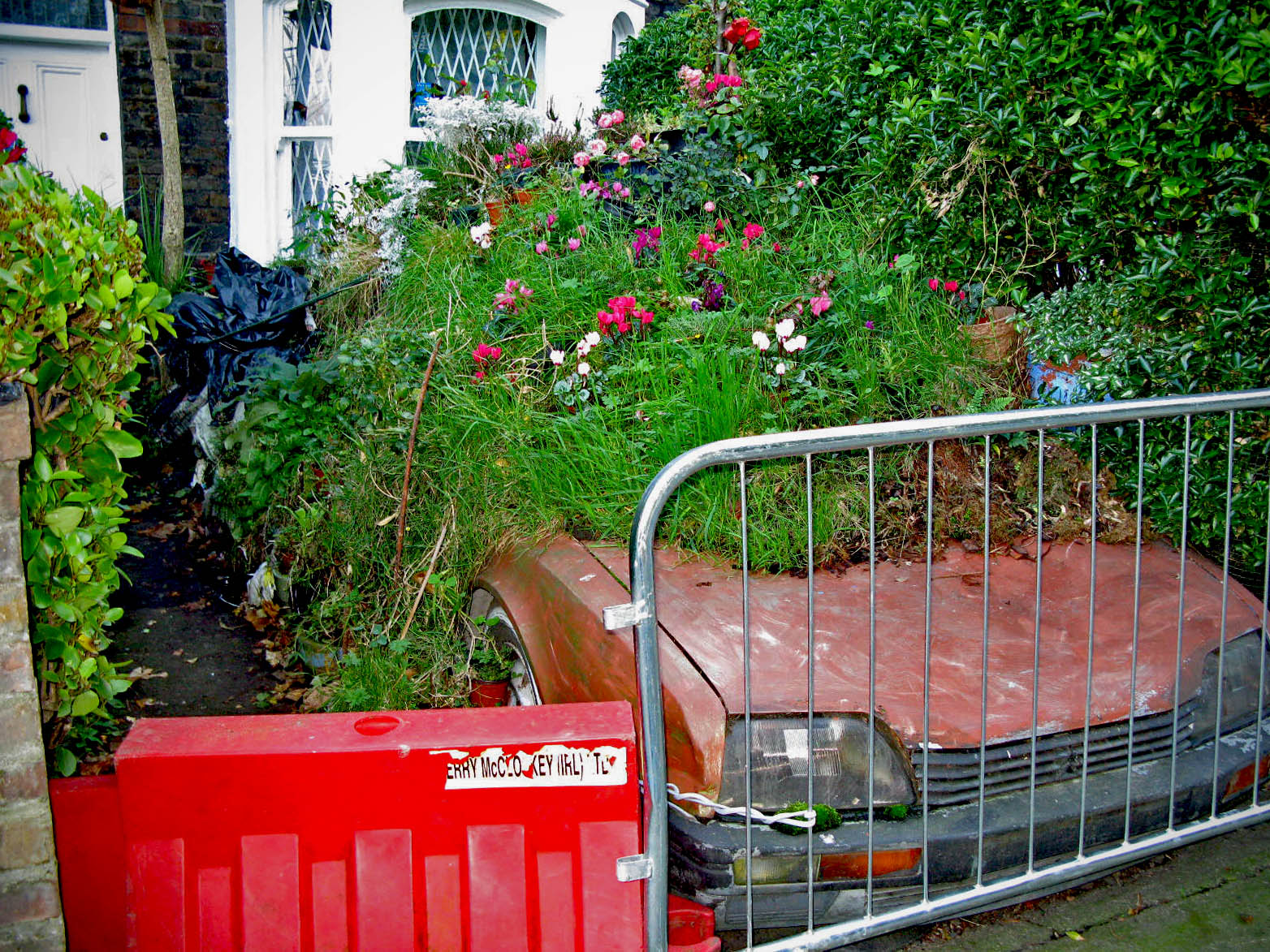
    Below is a mad spot on the way home from work the other day. Anyone who can tell us where this is wins a date with your choice of CHTM! author at a venue and date of your choosing. You’re paying though.

    There's a car under there somewhere

    Continue Reading »

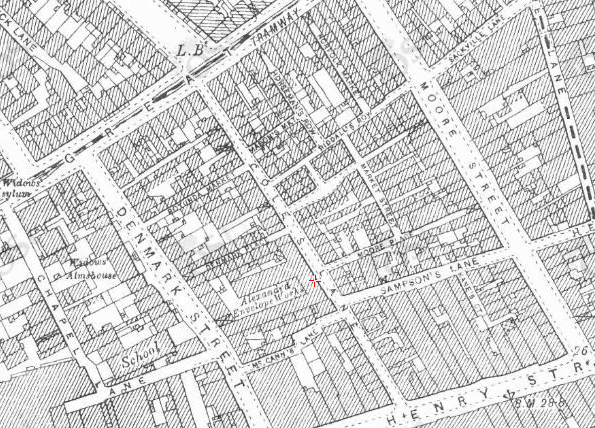
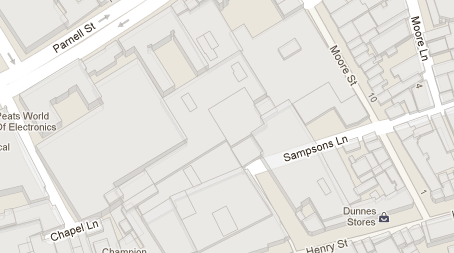
    9. Chapel Lane & Sampsons Lane

    Once connected Chapel Lane & Sampsons Lane’s relationship was ended forever, in the late 1970s, with the construction of the Ilac centre.

    This development also saw the destruction of a whole host of streets and lanes: Norfolk Market, Horseman’s Row, Mason’s Market, Riddall’s Row, Market Street, Moore Place, Coles Lane, Rotunda Market, Denmark Place, Kanes Court and most importantly Denmark Street which used to be a continuation of Liffey Street.

    What the area used to look like in the early 20th century:

    Today, only half of Chapel Lane & Sampsons Lane survive:

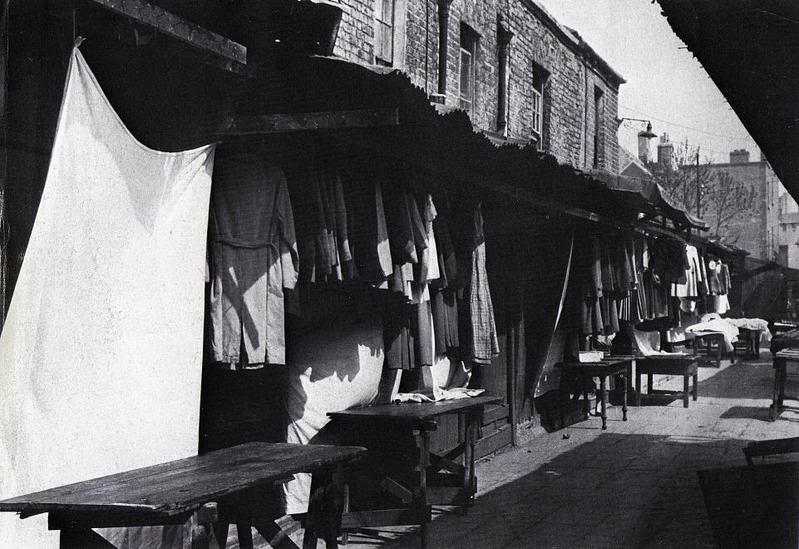
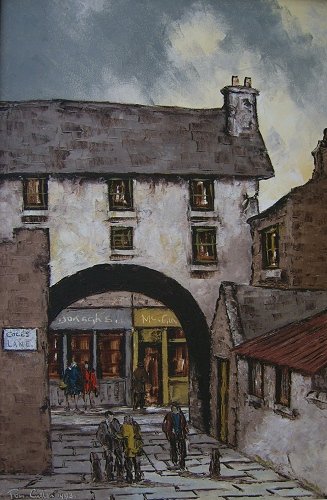
    Between Denmark St. and Moore St, there used to be Coles Lane:

    Coles Lane, 1950s. (Picture - Rashers)

    Coles Lane, nd. (Tom Cullen)

    Looking down what’s left of Sampsons Lane today:

    From the other side, looking at where Chapel Lane has been cut off:

    I don’t think any other shopping development in the city centre (e.g. Stephens Green S.C. and Jervis St. S.C.) ‘redeveloped’ an area so traumatically as the Ilac Centre which led to the disappearance of at least eleven streets and lanes.

    8. Elephant Lane and co.

    A lovely series of lanes just off O’Connell Street.

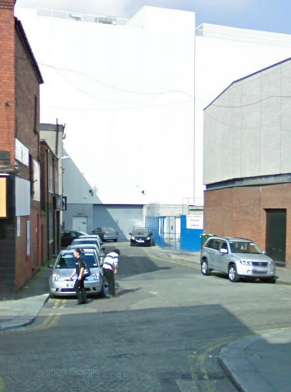
    Today it looks like this:

    As you can see O’Connell Street, Cathedral St., Thomas Lane and Cathal Brugha St. form a sort of rectangle. This was not always the case.

    This map from 1907 shows that Cathal Brugha St. is a relatively newly laid out street and that before that Findlater Place used to connect with O’Connell Street. On the other hand, Cathederal St. and Thomas Lane remain unchanged.

    Findlater Place was known as Greggs Lane (until 1881) as this map from 1848 shows:

    Looks the same going back to 1818:

    How did Elephant Lane get its unusual name? Frank Hopkins, in the ever wonderful Rare old Dublin: heroes, hawkers & hoors (Dublin, 2002) speculates:

    p107

    Elephant Lane became Tyrone Place in 1870 before being renamed as Cathedral St. in 1900. The view from O’Connell Street today:

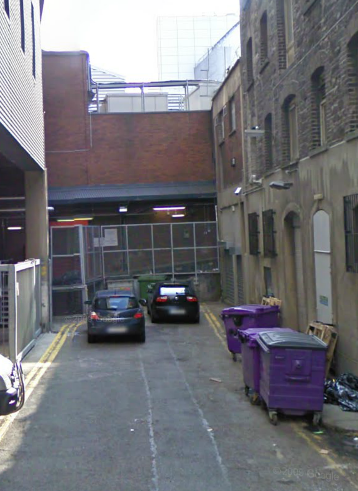
    One view of relatively ugly Thomas Lane:

    ”]