Feeds:
Posts
Comments

Archive for the ‘Dublin History’ Category

The Dublin Waxworks at 30 Henry Street was a beloved institution for the young of Dublin in the late nineteenth and early twentieth century. As was written of the waxworks in a 1940 edition of The Irish Times, not alone was 30 Henry Street home to a museum of waxworks, it also housed a theatre and provided great entertainment to Dubliners. Night and day, the paper noted:

…the hall of No.30 Henry Street was crowded with the young and old who came to see Mr. James’ new programmes of wonders and surprises, all compromising the latest and most sensational from foreign lands, never lacking in the qualities of the humorous, the dramatic and the grotesque.

This March 1916 advertisement is typical of the shows performed at the waxworks, when the “original wild dancing bushman” visited:
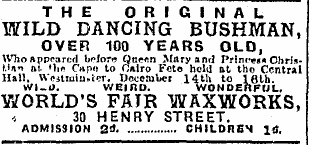
'The original wild dancing bushman' - March 1916

‘The original wild dancing bushman’ – March 1916

In June 1913, the waxworks was visited by Anita “the living doll”, who was described as “the tiniest adult lady that ever lived.”

June 1913 advertisement.

June 1913 advertisement.

The waxworks had been established by Charles Augustine James, who arrived in Dublin in 1892 from the English midlands. The Irish Times noted that James had a “keen interest in the conditions of the working class in Dublin” and that “he financed outings, beanfeasts and parties of all kinds, but still his mind sought for some way in which he could provide a place where a working man could take his wife and family in the evenings. The Henry Street Waxworks was his solution”. In addition to the waxworks, the bijou theatre hosted comedy, drama and visiting acts and wonders.

The waxworks in Dublin contained no ‘chamber of horrors’, something James despised the thought of in such a family environment, but did boast waxworks of political figures and icons, including Parnell, the Duke of Wellington, Gladstone and many others.

Among its most frequent performers was Marcella, the “Midget Queen”, who “sang popular lyrics of the day and always swept her audience along with her.” The first mention of Marcella I can find associated with the waxworks is in the Freeman’s Journal in July 1893, where it was noted she was “the rage of Dublin” and that she “is not wax but alive”

'The Midget Queen'

‘The Midget Queen’

In April 1902, the premises was damaged by a fire, and the Freeman’s Journal noted that “figures which were intended to represent white skinned people were of a dusky hue from the smoke.” The paper noted that the damage done on that occasion was in the region of £1,500.

It was not the fire of April 1902 which would ultimately defeat the Henry Street Waxworks, but the fires of Easter 1916. During the rebellion the Henry Street Waxworks suffered greatly, but prior to its destruction it provided some comic relief to the narrative of Easter Week! Seamus Ua Caomhanaigh recalled in his statement to the Bureau of Military History that:

There was a good deal of fun during the week.In close proximity to the Post Office in Henry St. there was an institution called the Wax Works. I was never in it but I assume it was something like Madame Tussauds in London only on a very small-scale. It had a shop in front. Access was had from one house to another by breaking holes in the walls of the houses, so that one could walk from one end to another of the Street without leaving the shelter of the houses. With the accessibility of all that the Waxworks had to offer, it was not long till a number of our troops were arrayed in various uniforms and costumes from the wax figures, and musical instruments were also acquired, such as mouth organs, melodeons and fiddles,the playing of which and the singing which accompanied them, made a good deal of the time pass very pleasantly.

(more…)

Read Full Post »

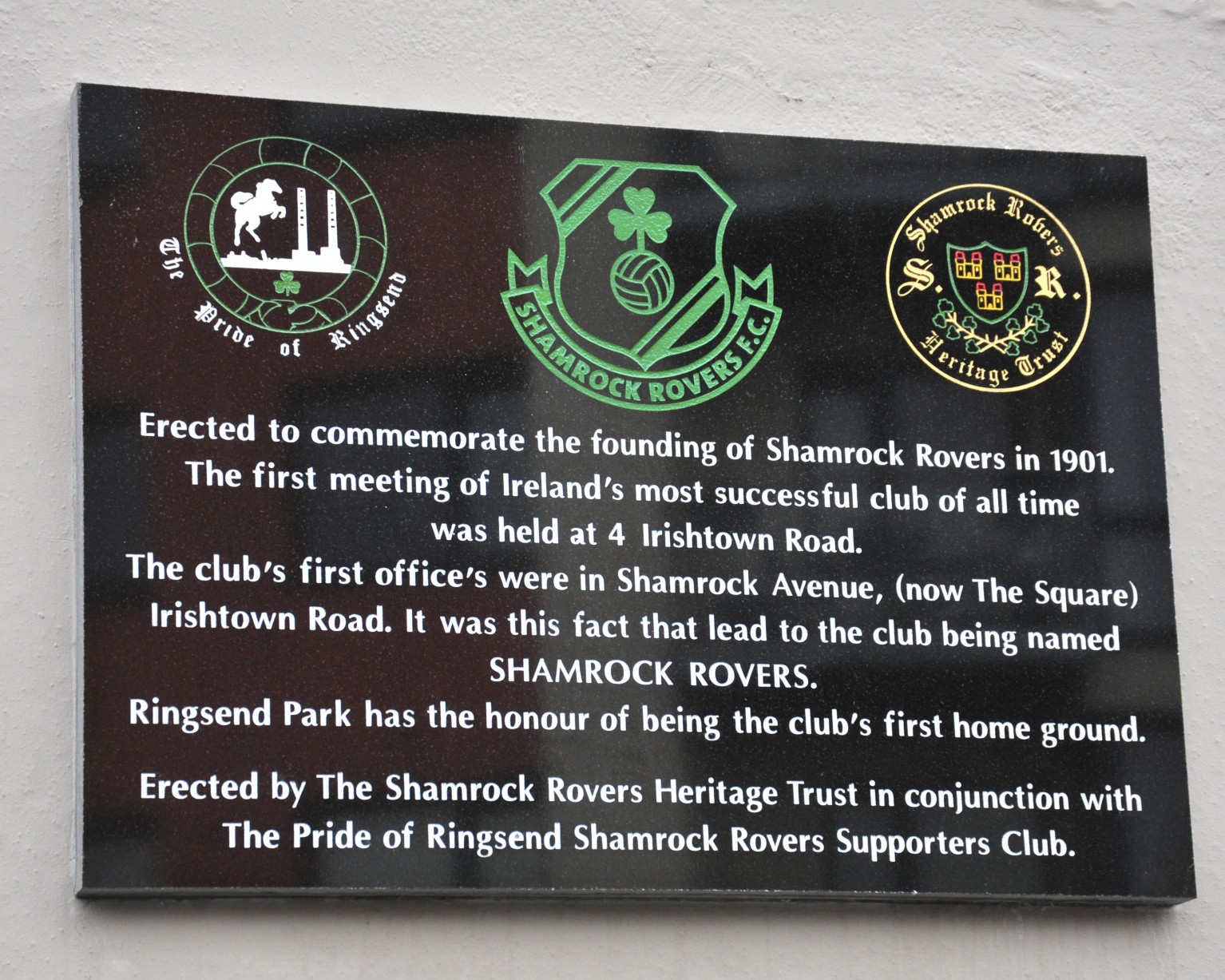
Photo Credit: George Kelly

Photo Credit: George Kelly

Both Shamrock Rovers Football Club and Shelbourne Football Club were founded in Ringsend, yet both play their home games in distant corners of the capital today. Shelbourne are across the river in Tolka Park, and Rovers are now based in Tallaght Stadium following a turbulent period after the loss of their iconic Glenmalure Park home.

Both clubs take their names from their Ringsend origin, with Shelbourne taking their name from the Shelbourne Road, and Shamrock Rovers’ name coming from Shamrock Avenue. Interestingly during a league clash between the two last season, Shels fans proclaimed themselves ‘Ringsend’s Number One’, while Rovers displayed a banner which claimed they were ‘The Pride of Ringsend’.

Yesterday, the Pride of Ringsend Supporters Club unveiled this plaque on the CY Club in Ringsend, marking the connection between Rovers and the area. It was unveiled by Laro O’Byrne. It is not the first commemorative marker placed by Rovers fans in Dublin, as the location of Glenmalure Park, home of the club from 1926-1987, is also marked by a memorial.

There are other domestic football commemorative plaques in the city, such as the plaque at the Phoenix Park gate lodge marking the foundation of Bohemian Football Club there in 1890. Anything that marks the history of The Beautiful Game in this city is a welcome addition.

Read Full Post »

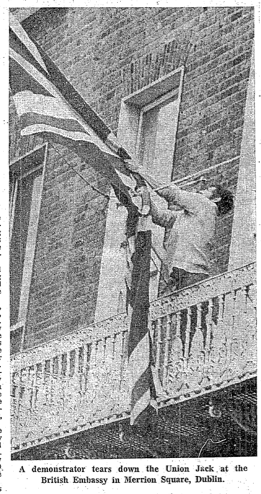
The Irish Press (16 August 1969)

The Irish Press (16 August 1969)

While the attack on the British Embassy in Dublin after Bloody Sunday in January 1972, is more widely known and certainly was more successful, there were attempts to burn the building down three years previously after the Battle of Bogside and the turbulent events of August 1969.

During Saturday night (August 18) and the early hours of Sunday morning (August 19), thousands of protestors laid siege to the embassy and attacked the building with petrol bombs, bricks, stones and bottles. Gardai baton charged the crowd twice. At least 50 people were injured, including 16 Gardai.

In the city centre, at least 60 premises were attacked with 80 plate-glass windows were smashed. More seriously, in the eyes of the Gardai, “pump handles were wrenched off numbers of petrol pumps at filling stations adjacent to the embassy in the demonstators’ endeavours to get petrol”.

Around the Holles Street and Merrion Square area, where the embassy was situated, barricades were built, cars were burnt and a large fire was started outside the Mont Clare Hotel.

At least 17 people were up in the court in the following days after being arrested during the clashes in Dublin.

During protests in the city earlier in the week, thousands descended on Collins Barracks to demand guns and several were injured in scuffles outside its gates.

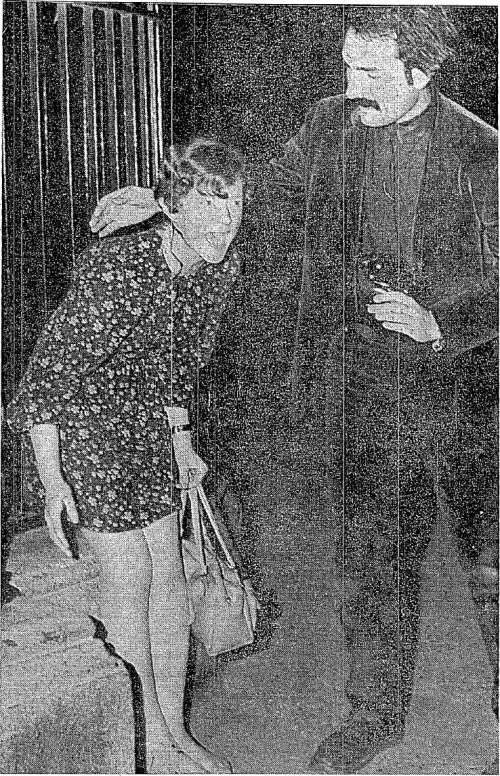
"A girl is comforted by a photographer after being injured in  Saturday night's clashes at the British Embassy". The Irish Press, August 18 1969.

“A girl is comforted by a photographer after being injured in Saturday night’s clashes at the British Embassy”. The Irish Press, August 18 1969.

Read Full Post »

Update: Going, going…..gone! Both tours are now at capacity. Thank you all so, so much. We’ll send on the details soon to all done to attend. Apologies if you missed out.

WalkingTour

Earlier in the week, I asked on Facebook if readers would be interested in the idea of taking a charity one-off walking tour with us. I work with a tour company professionally (Historical Insights, we’re the lovely people you see outside the front gate of Trinity) and the idea of a one-off tour focused around the blog and book appealed to me, with the other lads chipping in a tale or two along the route. In the spirit of Come Here To Me the tour would be done for charity, and while obviously I’d like to contact them before putting any names here, it’s the elderly of Dublin we’ve had in mind.

The response was phenomenal. We’re now tempted to do two, one on January 3rd 2013 and one on January 4th 2013 with a 1pm starting time provisionally. The tour would last just over 2 hours, with a €10 asking price and that money going towards a good cause. From experience, I’d like to keep the groups to 25 people maximum. The tour would leave from a city centre location (obviously enough!), perhaps The Spire.

If you’re interested, drop an email to comeheretome.dublin@gmail.com, saying which day’d suit you. I think it’s the most democratic way to do it, as we’ve asked both on Twitter and Facebook and the response is huge. If you miss out, there’s nothing saying we won’t do another charity tour in the future, don’t hate us!

Read Full Post »

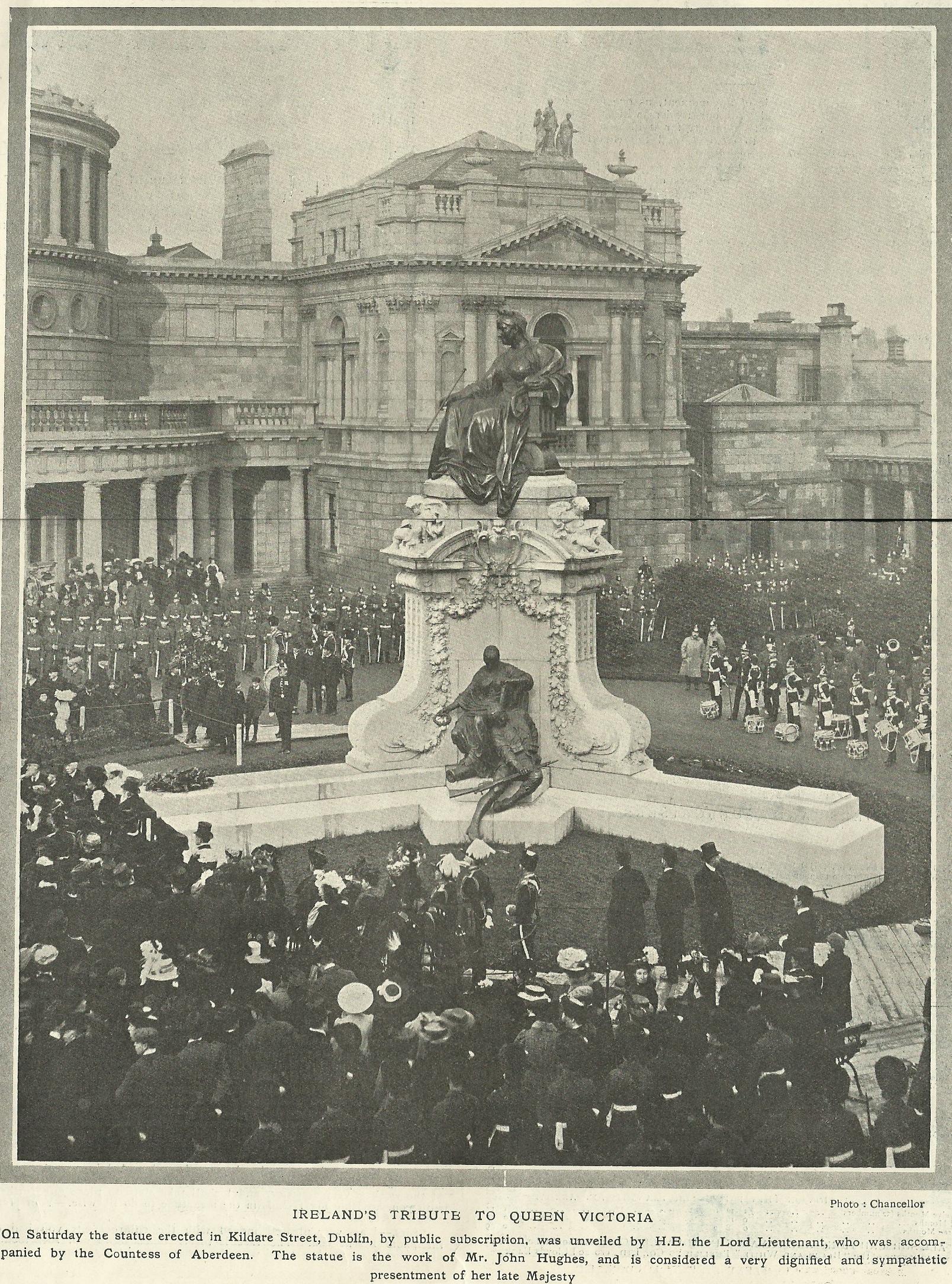
I picked this great image up recently, showing the unveiling of the monument to Queen Victoria inside the grounds of Leinster House in February 1908. A huge image, I had to scan it in two parts, as you can see in the centre of the scan.

From 'Black and White', February 22nd 1908.

From ‘Black and White’, February 22nd 1908.

We’ve looked at this statue in some detail before, and Victoria is quite literally a ‘Moving Statue’.

The statue would survive the revolutionary period intact, but following Irish independence focus turned to it and the potential of removing it. While several statues associated with the British empire were targeted by militant republicans in the first few decades of independence, it was the state which began looking at ways to remove Victoria from her position in front of the parliament. In August 1929 The Irish Times reported that discussions were under way to remove the statue “on the basis that its continued presence there is repugnant to national feeling, and that, from an artistic point of view, it disfigures the architectural beauty of the parliamentary buildings”. In the Dáil however in 1930, the government line was that “The statue in question is not regarded as a valuable or attractive work of art; nevertheless, it is not thought that its effect on popular taste is so debasing as to necessitate the expenditure of public funds on its removal”

Removed from the grounds of the Dáil in July 1948, she spent several years in the grounds of the Royal Hospital Kilmainham, and was ultimately gifted to the people of Australia! In 1986, the statue departed Dublin Port in a container vessel bound for Australia. Following a request from the Lord Mayor of Sydney, a decision was reached to send it on a “permanent loan” basis.

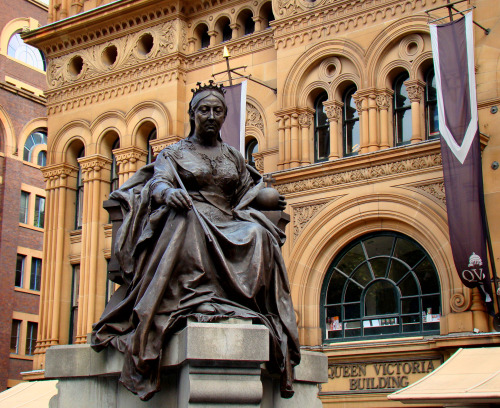
Today, she sits happily in Sydney, with a plaque reading “presented by the Government and people of Ireland in a spirit of goodwill and friendship”

At peace in Sydney.

At peace in Sydney.

Read Full Post »

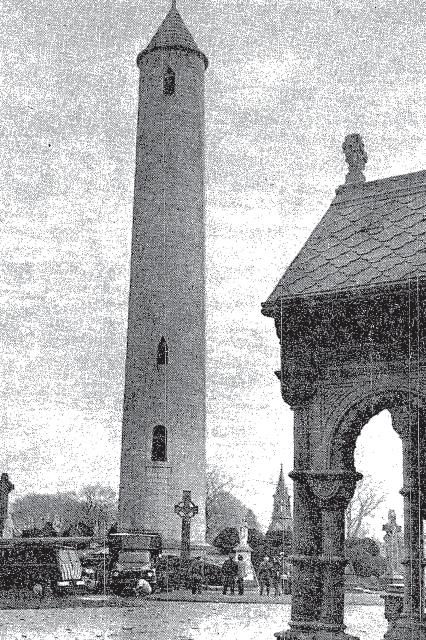
In January 1971, Loyalist bombers from the Ulster Volunteer Force planted an explosion within the Daniel O’Connell tomb at Glasnevin Cemetery. This explosion caused significant damage to the stairwell of the impressive tomb, which removed one of the finest views of the city for many years. The windows and window frames of the tower were blown out by the explosion, and Gardaí kept a 24 hour watch on the monument for some time following the failed attempt at blowing it up. It was not the only important site to Irish nationalists which would be bombed by Ulster Loyalists. The final resting place of Protestant Republican Theobald Wolfe Tone was also bombed by Loyalists, as was the Daniel O’Connell monument on O’Connell Street.

Gardaí examine the Glasnevin Tower following the 1971 explosion (The Irish Times)

Gardaí examine the Glasnevin Tower following the 1971 explosion (The Irish Times)

This was not the first time the O’Connell tomb was damaged by bombers. In 1952, A Dublin schoolboy prank had seen an explosion in the famous Glasnevin Tower grab national media attention, and indeed a 15-year-old was dragged through the Children’s Court. On June 6th 1952, an explosion inside the Tower baffled authorities at first. The explosion damaged the windows of the tower, and the Irish Independent reported the following day that a “home-made bomb is thought to have been used.” Three boys were quickly arrested, one of whom was brought before the courts.

In a statement to police the boy said that “about two years ago I learned from other boys at school how to make explosions with potassium chlorate, charcoal and sulfur.” He was alleged to have told Gardaí he had set off some small trial bombs in the area, and had “purchased the ingredients for the bomb in small quantities in chemists’ shops for only a few pence.” On the afternoon before attempting his bombing at O’Connell’s tomb, the young 15-year-old used an old bicycle frame to pack in the required ingredients.

At 8.30pm on June 6th, the youngster climbed the O’Connell Tower, planting his crude explosion on the top storey with a lighted candle. When asked why he had done it, the lad remarked that “because it was so high”, he expected “a lot of noise and a big flash.” Unlike the bombing which would follow in 1971 then, this one was motivated mainly by boyhood boredom and curiosity! A punishment of 12 months probation was handed down.

On the day of the young teens appearance in court, the District Judge told him “you were before me two years ago for taking lead, was that to make bombs?”. He responded that “no, that was to sell!”

Read Full Post »

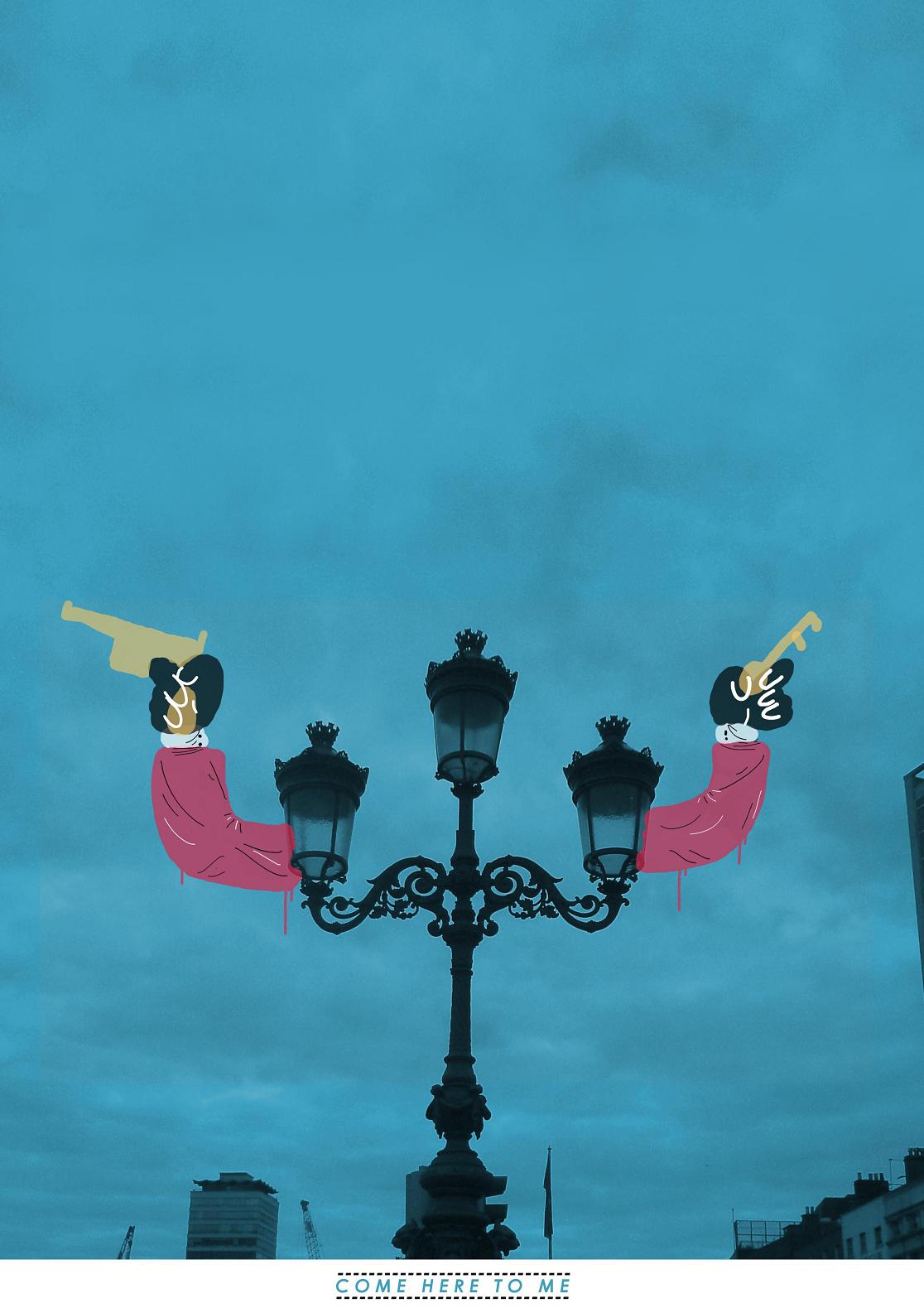
Print by Luke Fallon.

Print by Luke Fallon.

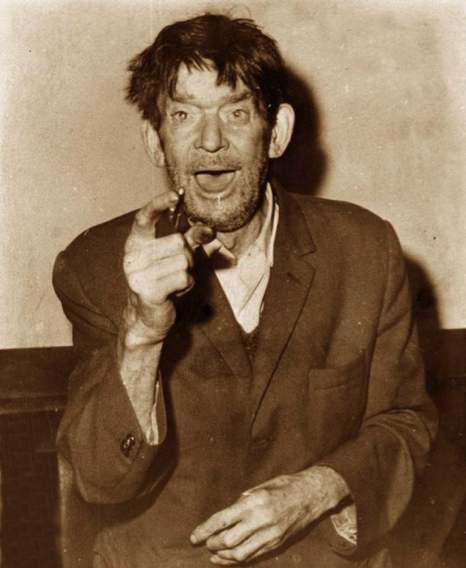
We’re delighted with this beautiful print, which we will be selling on the night of our launch, on Wednesday the twelfth of December. The print is a tribute to Thomas Dudley, better known as Bang Bang, who roamed the streets of Dublin playing mock shoot-outs with a large key he’d use as a gun.

All the profits from the sale of this print will go to a homeless charity in Dublin. It’s a miserably cold time of the year and hopefully we can raise a few quid from these, they’d look beautiful in a frame which is my plan. Our thanks to Luke for this brilliant idea. You can purchase his print of Garda Lugs Branigan from our friends at Rabble over here.

Thomas Dudley.

Thomas Dudley.

Our friends at Storymap have recorded a short little video about Thomas Dudley, which you can view here. “A big child, who lived his life as one long game of cowboys and indians, shooting people with a steel key”

Read Full Post »

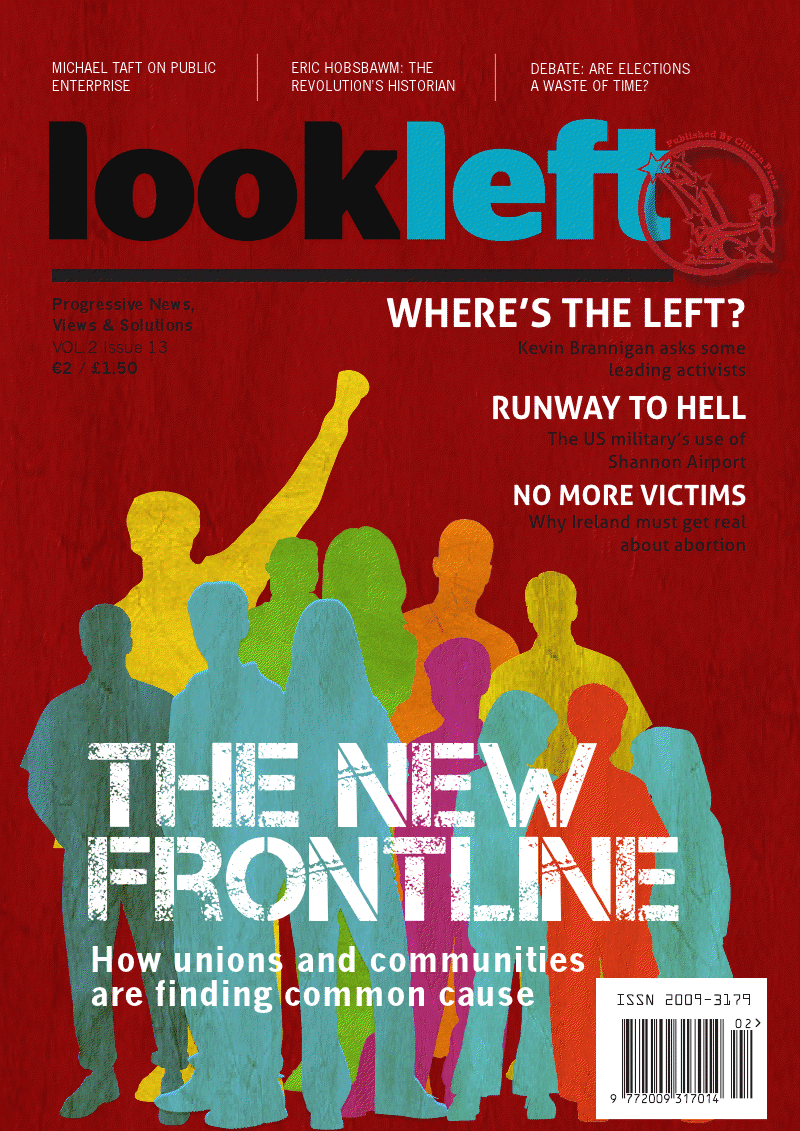
Issue 13 of Lookleft Magazine is in shops now, and it’s another interesting issue. Irvine Welsh throws his weight behind the campaign to name Dublin’s newest bridge in honour of fellow-Hibernian F.C fan James Connolly, while my favourite article in the issue looks at the topic of Dublin Bus and the potential privitisation of that service.

LookLeft-13

From ourselves, I have a report on a recent meeting in Barcelona of historians interested in promoting the idea of a ‘History From Below’ of Europe, through walking tours and indeed websites like this one. An interview with Boots Riley of the brilliant hip-hop act The Coup must be one of the magazines most high-profile interviews to date. There’s plenty in here for the €2 asking price, and it’s available now from all Easons nationwide.

Read Full Post »

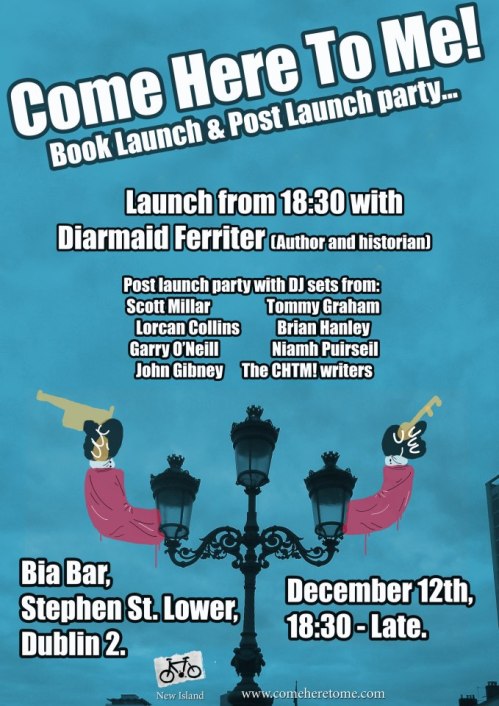
After the official launch of the book by Diarmaid Ferriter, Professor of Modern Irish History at University College Dublin (UCD) – we are going to make “history” ourselves by organising the world’s first known DJ night made up purely of Historians.

CHTM! Book Launch & After Party. Design - Ci.

CHTM! Book Launch & After Party. Design – Ci.

Seven “friends of Come Here To Me!”, all historians who we are told have good taste in music, will step up to the decks and DJ for twenty minutes each. Who will be crowned king in the first annual “Irish Historian DJ of the Year 2012”? We’re taking bets now!

Our illustrious line up:

Lorcan Collins, founder of the 1916 Walking Tour and co-author of The Easter Rising (O’Brien Press, 2000) and author of James Connolly (O’Brien Press, 2012).

John Gibney, author of Sean Heuston (O’Brien Press, 2013) and The Shadow of a Year: The 1641 Rebellion in Irish History and Memory (University of Wisconsin, 2013)

Tommy Graham, founder of the Historical Walking Tours of Dublin and editor of History Ireland magazine.

Brian Hanley, lecturer and author of The IRA, 1926-1936 (Four Courts Press, 2002) and The IRA: a Documentary History 1916-2005 (Gill & Macmillan, 2010) and co-author of The Lost Revolution: The Story of the Official IRA and the Workers’ Party (Penguin, 2009).

Scott Millar, journalist and co-author of The Lost Revolution: The Story of the Official IRA and the Workers’ Party (Penguin, 2009).

Garry O’Neill, editor of Where Were You?: Dublin Youth Culture and Street Style 1950-2000 (Hi-Tone, 2011).

Niamh Pursell, author of The Irish Labour Party, 1922-1973 (UCD Press, 2007) and co-author of We Declare.  Landmark documents in Ireland’s History (Quercus, 2008).

Read Full Post »

Medical Mission

Chancery Place, next to the Four Courts

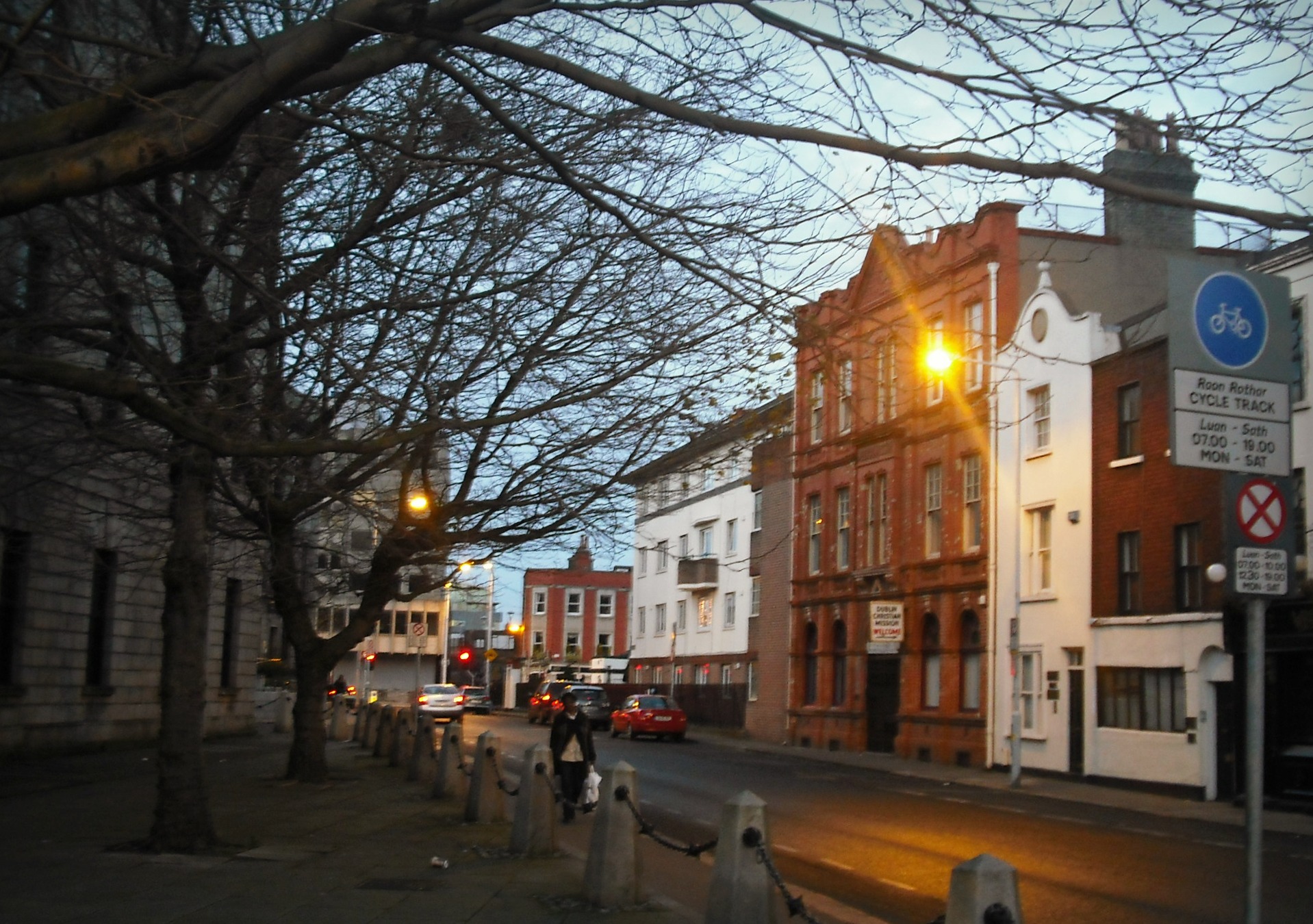
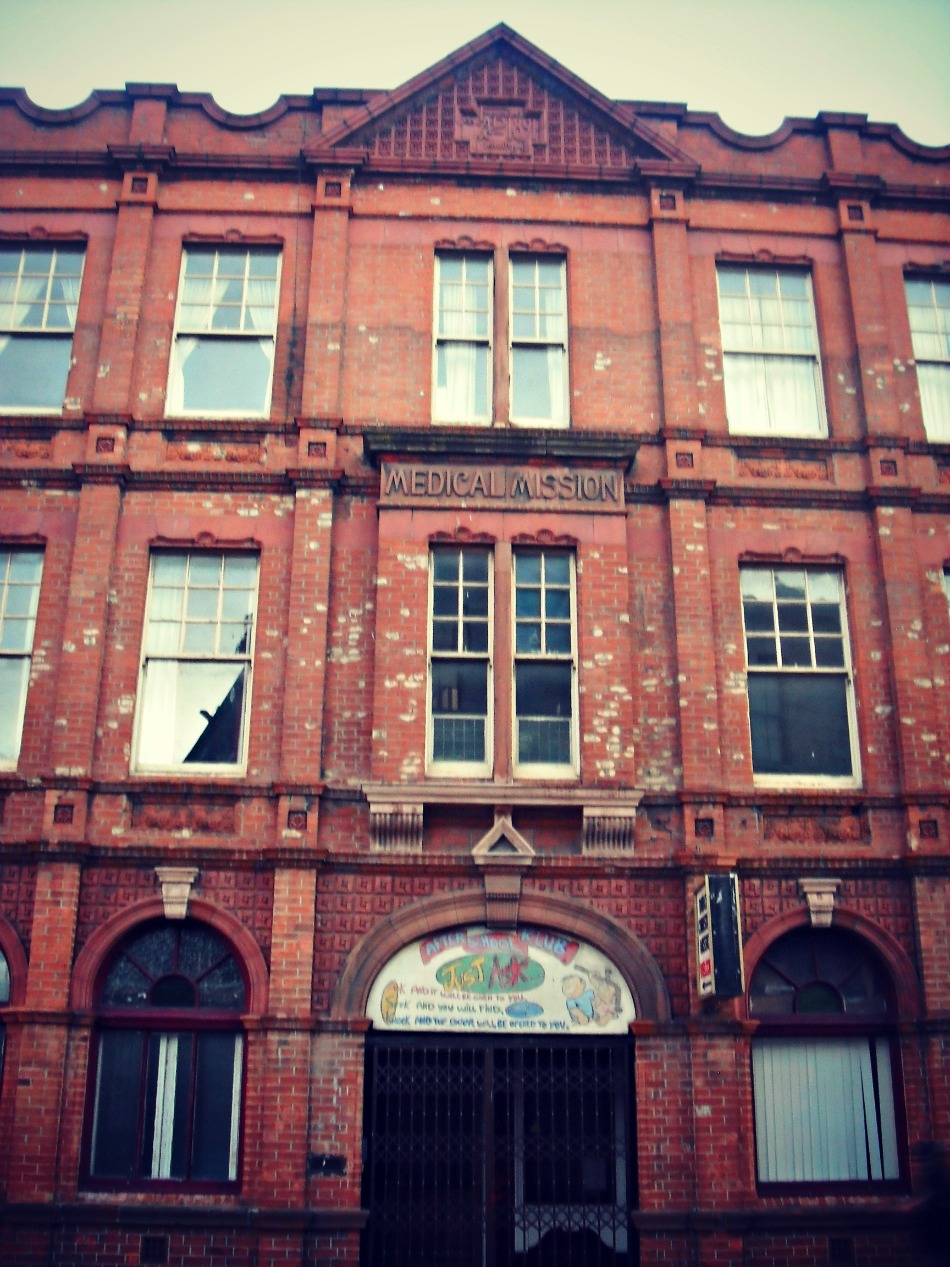
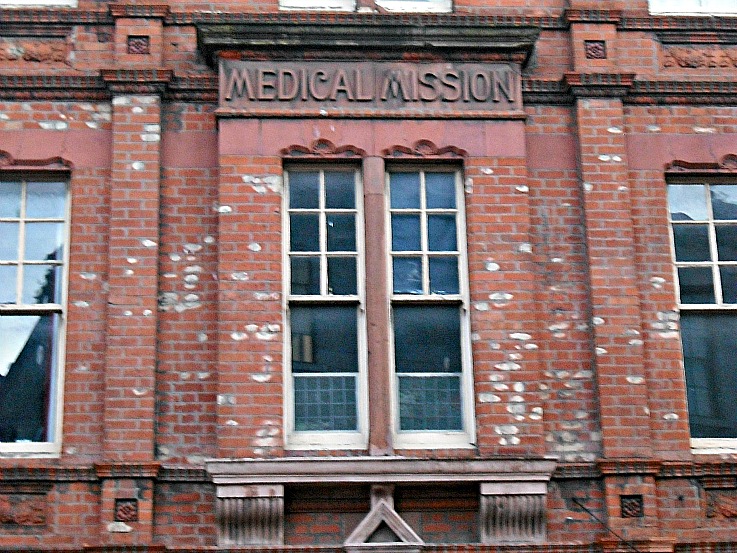
While most Dubliners are familiar with the bullet holes of the Daniel O’Connell monument and other Dublin landmarks, there are other buildings and monuments which show the scars of the Easter Rising. One particularly interesting example is the Medical Mission at Chancery Place, today the Dublin Christian Mission building.

During the rebellion, the Four Courts was occupied by the 1st Battalion of the Dublin Brigade of the Irish Volunteers, led by Edward Daly. Only 150 men, of a 400 strong Battalion, showed up for service at the beginning of the insurrection. On Easter Monday, the men of the Four Courts came into contact with a party of Lancers (cavalry) who were escorting ammunition along the River Liffey.

As Michael McNally has detailed in Easter Rising 1916: Birth of the Irish Republic, upon being fired upon the Lancers dismounted and “broke into the Collier Dispensary and the Medical Mission opposite, and began to fortify their position, bringing the bulk of the arms and ammunition into the building.” Paul O’Brien has written in Crossfire: The Battle of the Four Courts, 1916 that “the Lancers hauled boxes of ammunition through the door, overturned the wagons to form a barricade and the troopers took up firing positions in the windows. Horses were cut loose and the riderless mounts ran wild, the sound of their hooves clattering along the cobbled streets.”

Having occupied the Medical Mission, the Lancers were holed up there for much of Easter Week, and were caught in sporadic firefights with republicans. The Medical Mission today tells the story of that firefight, and the incredible damage to the front of the building speaks for itself:

Medical Mission

Medical Mission

Notice that the marks are particularly evident around the windows of the building:

Medical Mission

Medical Mission

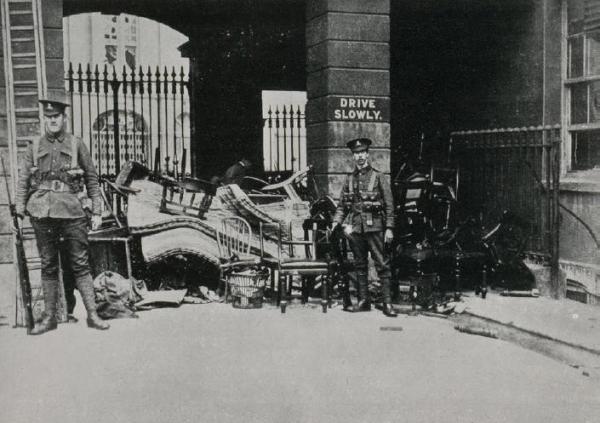
In this image taken at the conclussion of the insurrection showing a barricade at the Chancery Place gate of the Four Courts, the Medical Missionn can be seen behind the gate:

Four Courts, 1916. Image uploaded to dublin.ie by 'boxman'.

Four Courts, 1916. Image uploaded to dublin.ie by ‘boxman’.

Today, the Medical Mission of 1916 is the Dublin Christian Mission, which serves the poor and homeless of the city.

Read Full Post »

The Millenium Arch.

Postcard showing the Pillar.

Postcard showing Nelson’s Pillar.

Following the destruction of Nelson’s Pillar by a republican explosion in March 1966, Owen Sheehy Skeffington would later remark in the Seanad that “The man who destroyed the Pillar made Dublin look more like Birmingham and less like an ancient city on the River Liffey, because the presence of the pillar gave Dublin an internationally known appearance.”

Regardless of what one thought of the Pillar as a symbol, its absence was certainly noted. One attempt at replacing Nelson with a more fitting symbol for the city of Dublin was the Pillar Project in 1988. 1988 was the year of Dublin’s official (but not actual!) Millenium, and the Pillar Project was designed to “find a new symbol for Dublin, playing much the same role as the Eiffel Tower does for Paris or the Statue of Liberty for New York”.

The Pillar Project involved 15 different separate teams of artists and architects, proposing different monuments for the site once occupied by Admiral Nelson. Organised jointly by the Royal Institute of the Architects of Ireland, the Sculptors Society of Ireland and the Architectural Association of Ireland, the various entries were put on public display in the General Post Office, where the public could vote for their favourite proposal. Robert Ballagh opened the exhibition to the public, and a ‘Ballot Paper’ option allowed the public to cast their vote.

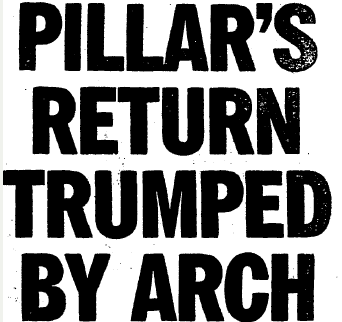
The Irish Press announces the winner.

The Irish Press announces the winner.

In the end, the winning entry was the ‘Millenium Arch’, described in The Irish Times as being “twice the height of the GPO”. It received almost 50% of the public votes, and was designed by Michael Kinsella and Daniel McCarthy. Interestingly, in third place was the idea of “rebuilding the Pillar without Nelson”!

.

The Millenium Arch was never seriously considered for construction sadly, and it was not until 2003 that Nelson would be permanently replaced by the Spire, known officially as the Monument of Light. Costing a rather unbelievable four million Euros, this monument was different from the proposed arch in that it did not seem to enjoy the same popularity among the locals!

Read Full Post »

Come Here To Me! turns three years old today, having begun in November 2009. The last year has been a good one for us, with the blog building a Facebook following recently just passing the 3,000 mark and bringing a ‘Best Of’ the website to the public thanks to New Island Books.

Far from running out of content as we may have once feared, the city and its history has continued to throw up subjects and ideas!

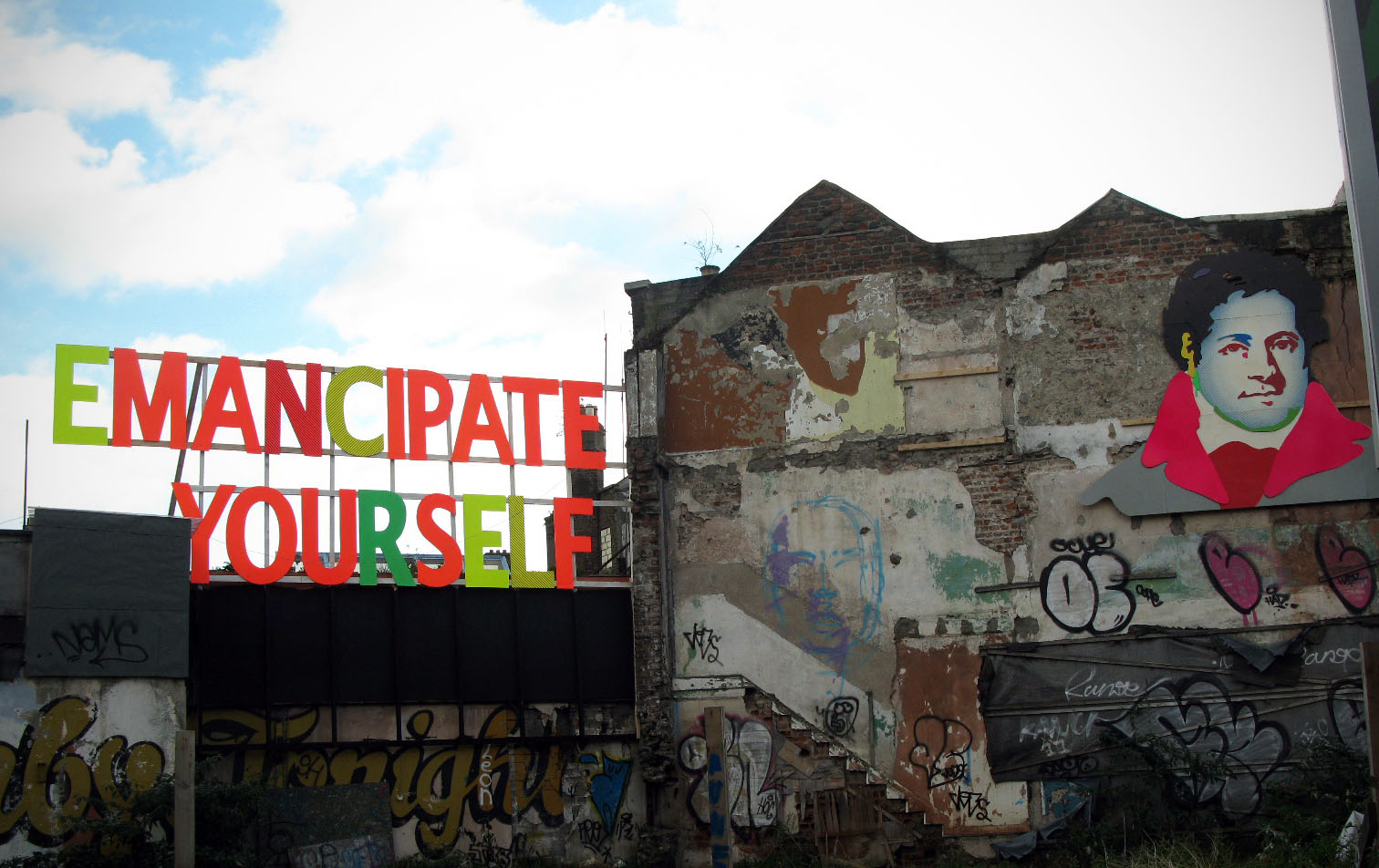
‘Emancipate Yourself’ (Image first posted on CHTM! in November 2012)

Today, the blog has received over 5,000 comments from readers, and published in excess of 1,720 articles, on everything from the back lanes of Dublin to the history of football in the capital. We’ve continued some long running series’ such as the pub crawls of Dublin (albeit with less regularity!) and had new series’ on subjects like the 1911 census returns.

On Wednesday December 12th our book will be launched by Professor Diarmaid Ferriter, and we’d love to see you there.

Below, each of the three writers have chosen some of their articles from the last year. All published since November 29th 2011, this is a taster of what’s been produced. Some of these stories feature in the forthcoming book, and others remain exclusive to the website.

Thanks for all your comments, input and support. Here’s to another year!

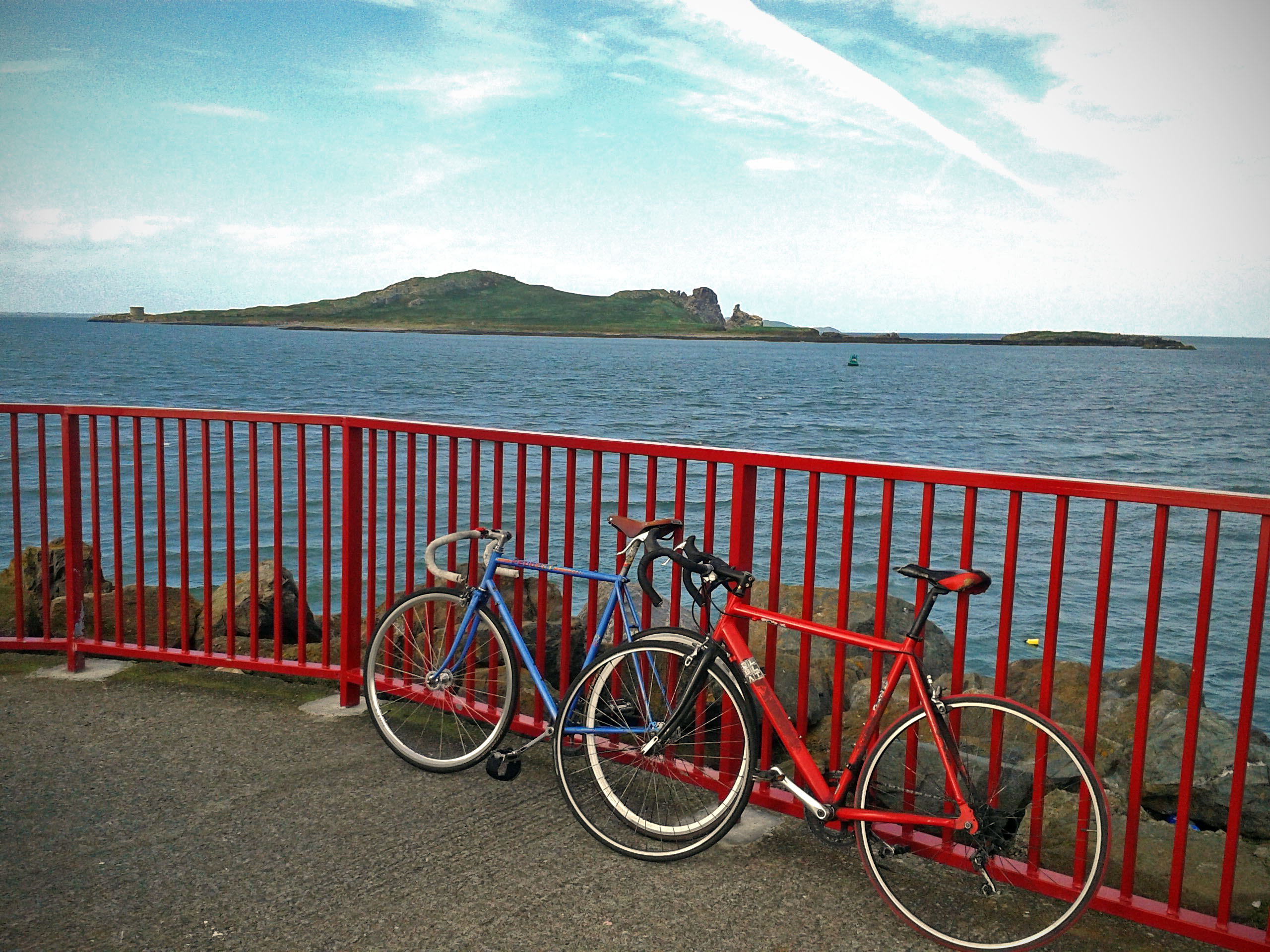
A cycle to Howth (Image first posted on CHTM! in September 2012)

Ci: An eventful start to the year, with Unlock Nama’s Occupation, finding out that Soviet Russia mapped Dublin in Cyrillic, a continuation of the “A Few Quick Snaps” series, as I tried my shot at photography here, here, here and here. In addition to the random snaps, I took a trip to Howth with the camera and started a new series on those “semi-legal” spots in this city where Dublin’s street artists to their thing; the Tivoli Carpark, Richmond Villas, Liberty Lane and Windmill Lane. A look at the history of Dalymount Park’s Floodlights, a beautiful plaque dedicated to the Irish Volunteers in Wynn’s Hotel, and a look at how they were perceived in the Birmingham Gazette. A look at Dublin Trams from a time long before the Luas, a floating ballroom on the Liffey and a quick look at a Dubliner who may have designed the Academy Award; the theft of the Irish Crown Jewels, a student Anti-Fascist meeting in 1934 attended by some well known characters,  remembering the Manchester United Store on Westmoreland Street and probably my favourite bit, a look at where the term “Donnybrook Fair” comes from!

Donal:

The story of ‘Fascist warships in Dublin Bay’ in 1938, the story of Constable Sheahan, the idea of moving Nelson’s Pillar to the Hill of Howth, the infamous ‘Animal Gangs’ of the 1930s, Liberty Hall before Liberty Hall, the story of the ‘African Boy’ John Mulgrave, a crazy trip to Sudan for UCD AFC, foreign media coverage of the Irish Civil War, when Dublin Fire Brigade rushed north during World War II, the earliest sex shops in Dublin, the Behan family and Siberia, the infamous ‘Pinking Dindies’, the Dublin Working Boys Home, Wood Quay vandalism, the first man to parachute over the capital, the Marian statues of Dublin, a chat with Maser, an easy to miss firemark in Kilmainham , some political art from Jim Fitzpatrick, the story of pirate television in the capital, Illustrated London News coverage of the War of Independence, when Hopalong Cassidy came to town, the GAA ‘Vigilance Committee’ of old, Bertie and Brendan, Dubliners with statues beyond these shores, ‘The Heart Of The City’, our first traffic lights and King Billy on his high horse.

Sam:

Trying to figure out what Dublin’s oldest hotel was, the Dublin strike that lasted fourteen years, Phoenix Park’s Free Peace Festivals in the late 1970s, early days of Stand Up comedy in Dublin, depressing snaps of Sandyford post-Celtic Tiger, the Dublin cinema manager who was imprisoned in Dachau during WW2, Vladimir Lenin’s apparent Rathmines accent, Dublin’s first gay bar, figuring out what the shortest street was in the city, another feature on the The Blades, the David vs Goliath battle between Stein Opticians and the developers, Nazi spy funeral in Deansgrange, Philip Chevron interview, breaking the story about the friendship between Bob Marley and Johnny Giles, Kildare Street Club monkeys debate, Stop Making Sense in 1980s Dublin, Dublin New Wave band Sacre Bleu, the City’s first Drugs cases, mysterious Karl Schumann, the much missed Mena Cribben of Santry, origins of the word Quiz, Maynooth’s spooky room, Dublin’s first Chinese restaurants, Una Bean Mhic Mhathuna‘s illustrious political career, Colloquial areas of the city,  1970s Triad violence, the late night cafe The Manhattan, Foreign Nationals in 1911, Atheists and Agnostics in 1901 and 1911unusual religions in the 1911 census, daylight robbery – Hugh Lane paintings and The Hill – Rathmine’s working class enclave.

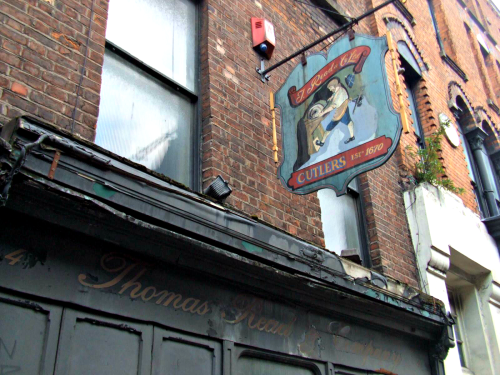
The signage of what was once Dublin’s oldest shop, Thomas Read’s. (Image first posted to CHTM! in May 2012)

Read Full Post »

« Newer Posts - Older Posts »