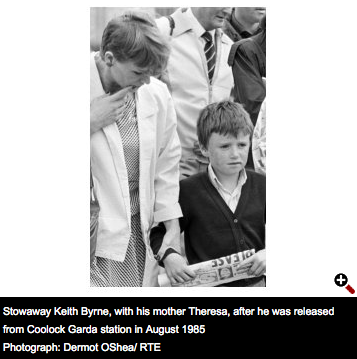
Tune into RTÉ Radio 1 at 2.02pm tomorrow to hear Don’t Go Far . . . Your Dinner’s Nearly Ready, the story of two young Dublin boys made headlines around the world in 1985 when they hopped on a Dart and ended up in New York.
Posted in Dublin History, Social History, tagged 1985, Keith Byrne, New York, noel murray, stowaway on August 20, 2010| 7 Comments »
Tune into RTÉ Radio 1 at 2.02pm tomorrow to hear Don’t Go Far . . . Your Dinner’s Nearly Ready, the story of two young Dublin boys made headlines around the world in 1985 when they hopped on a Dart and ended up in New York.

Posted in Dublin History, tagged Easter 1916, plaques, TCD, Trinity College Dublin on August 19, 2010| 8 Comments »
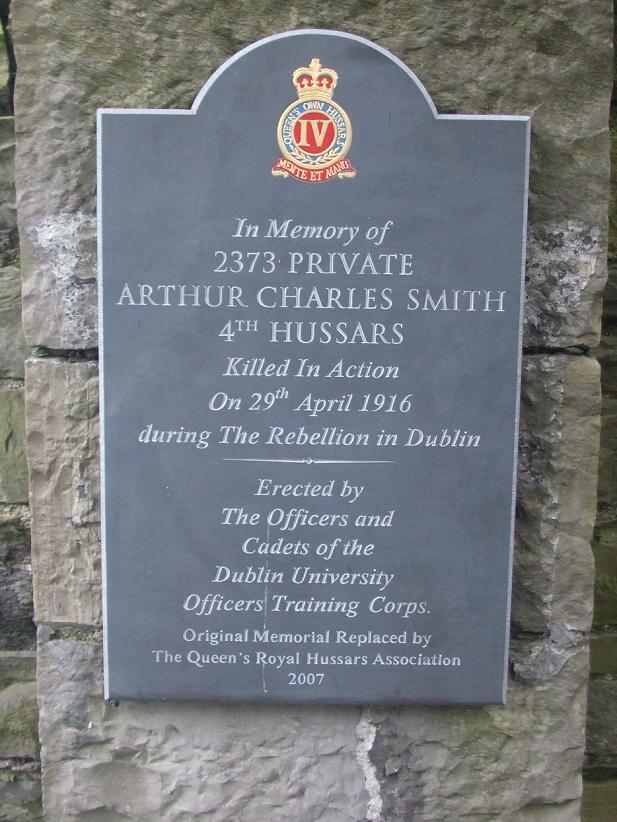
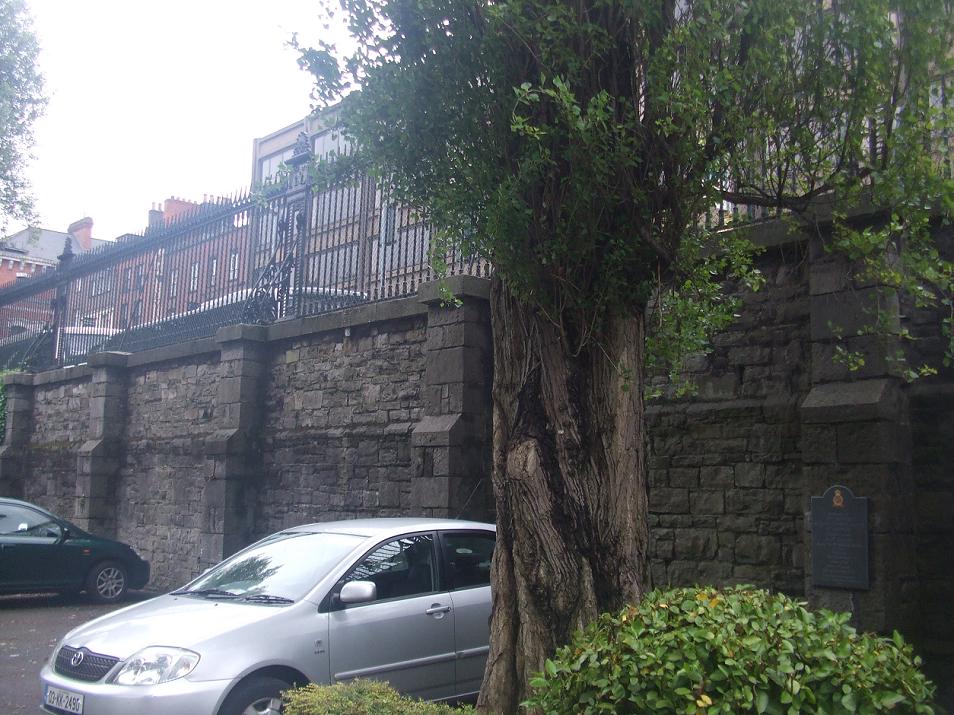
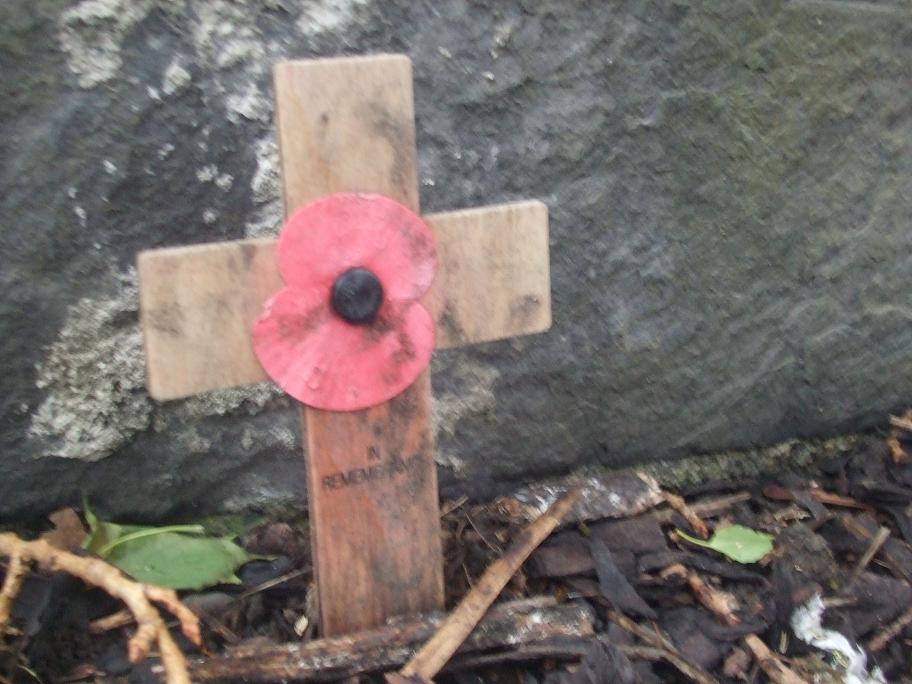
Hidden at the wall by Nassau Street by the (sometimes open) gate to the street above, is this excellent plaque.
Another gem few Dubs, including Trinity students, seem aware of. Of course Trinity College Dublin played a central role in the supression of the rebellion of 1916, with the Sinn Féin Rebellion Handbook (A PDF of which we recently linked to here) noting that
On Saturday, 5th August 1916, in the Provost’s gardens of Trinity College, a presentation from the citizens of Dublin to commemorate the gallant conduct of the Officers Training Corps during the rebellion was made.
“AC Smith (Hexbridge)” is listed among Hussars killed during the rebellion, or as a result of wounds sustained during the Rising.

Posted in Dublin History, Politics, tagged birmingham six, brits out, dunnes stores strike, ictu, mcdonalds strike, Miners Strike, nelson mandela, stickers, trade union, workers party on August 12, 2010| 8 Comments »
I stumbled upon this amazing box of stickers today in the Irish Labour History Museum in Beggars Bush.
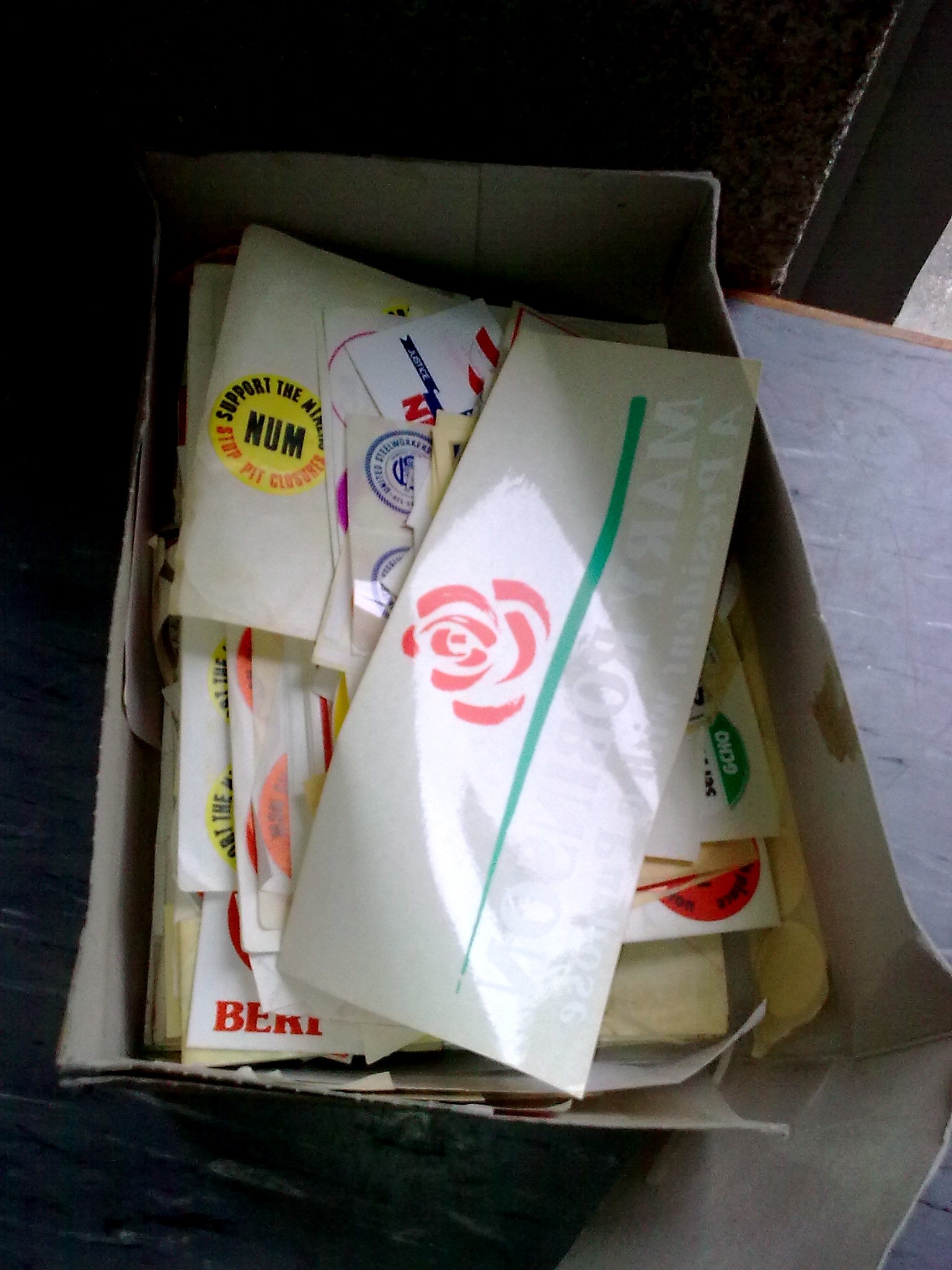
The box.
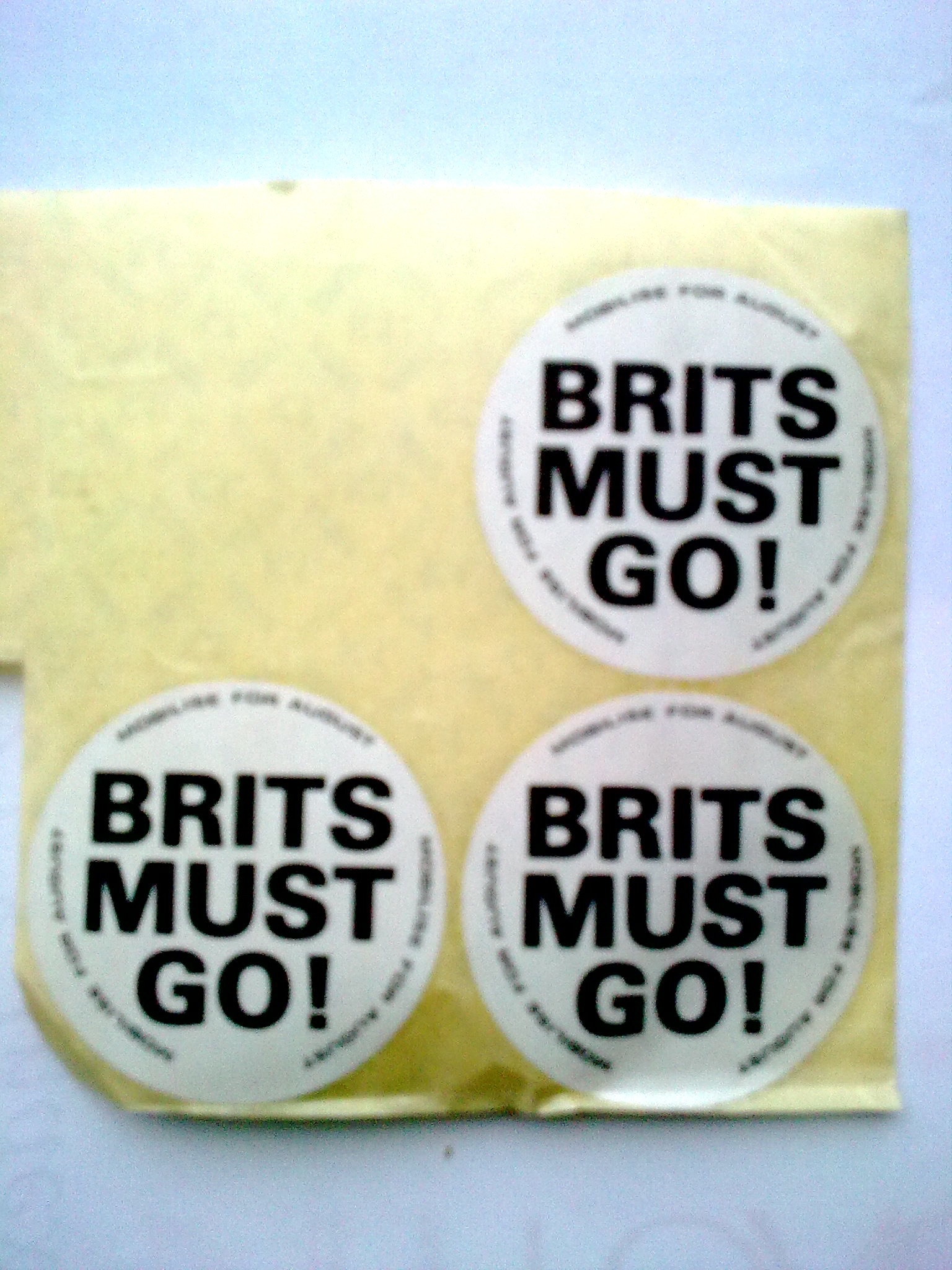
Brits Must Go!
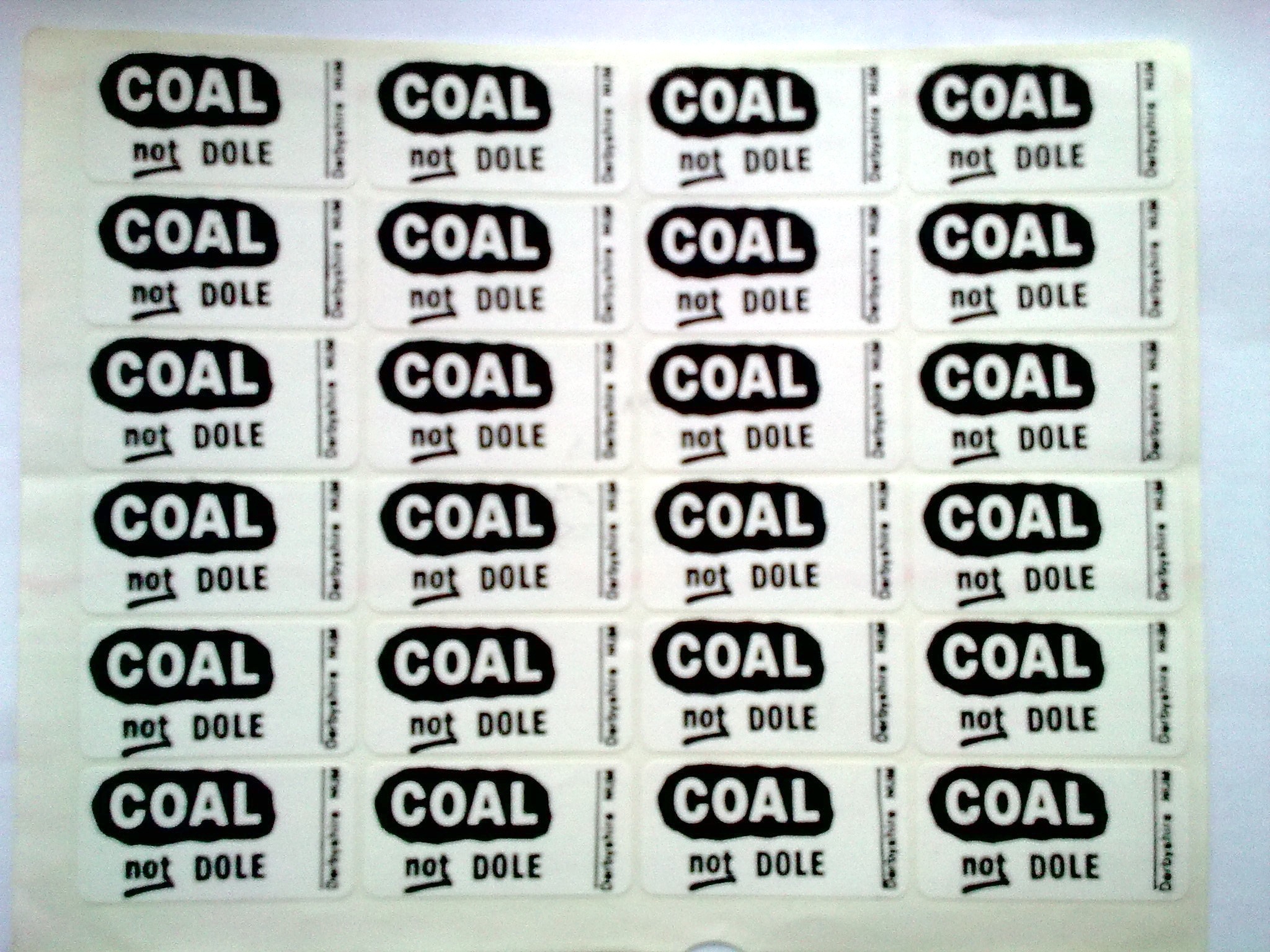
Coal Not Dole
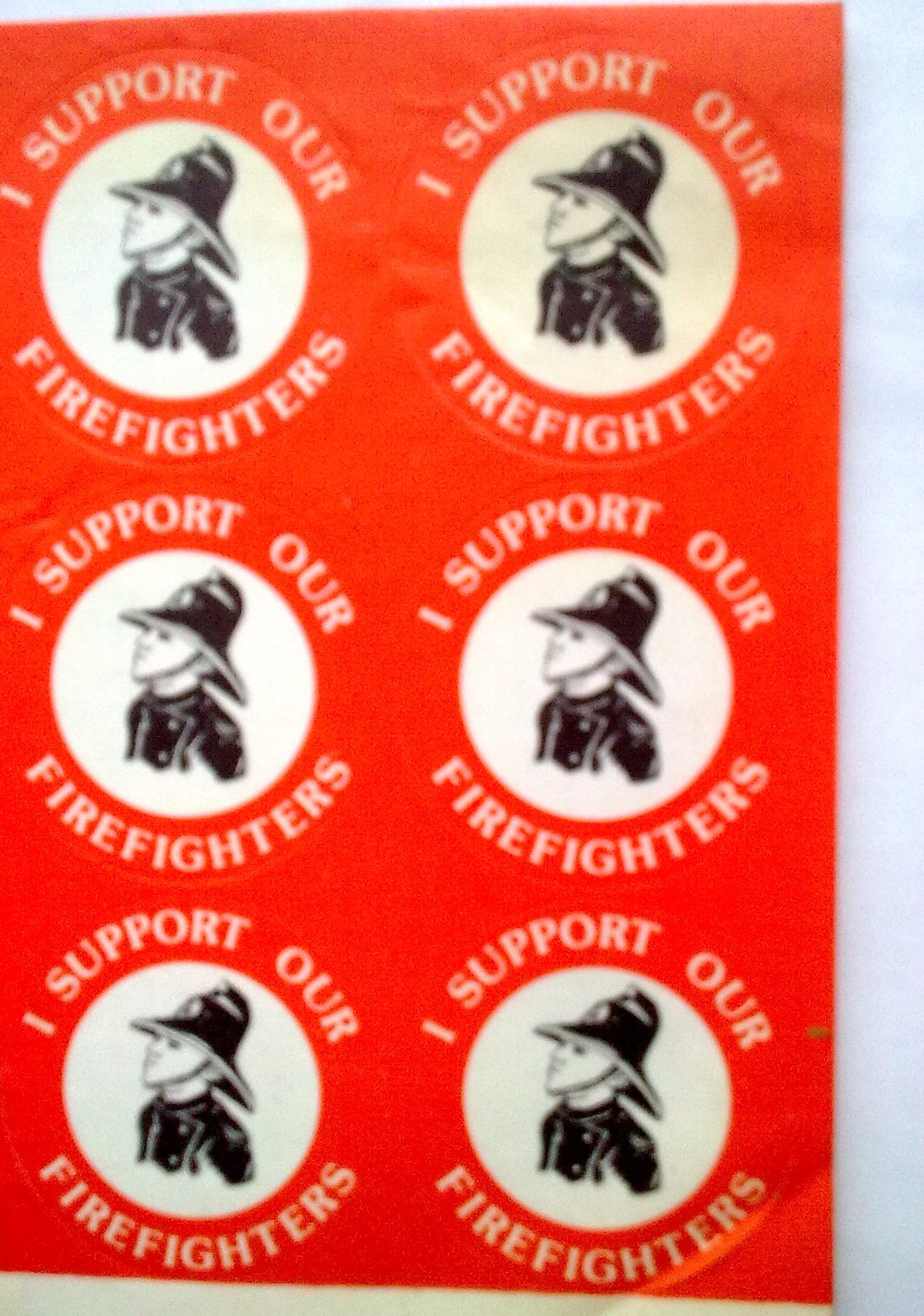
I Support Our Firefighters
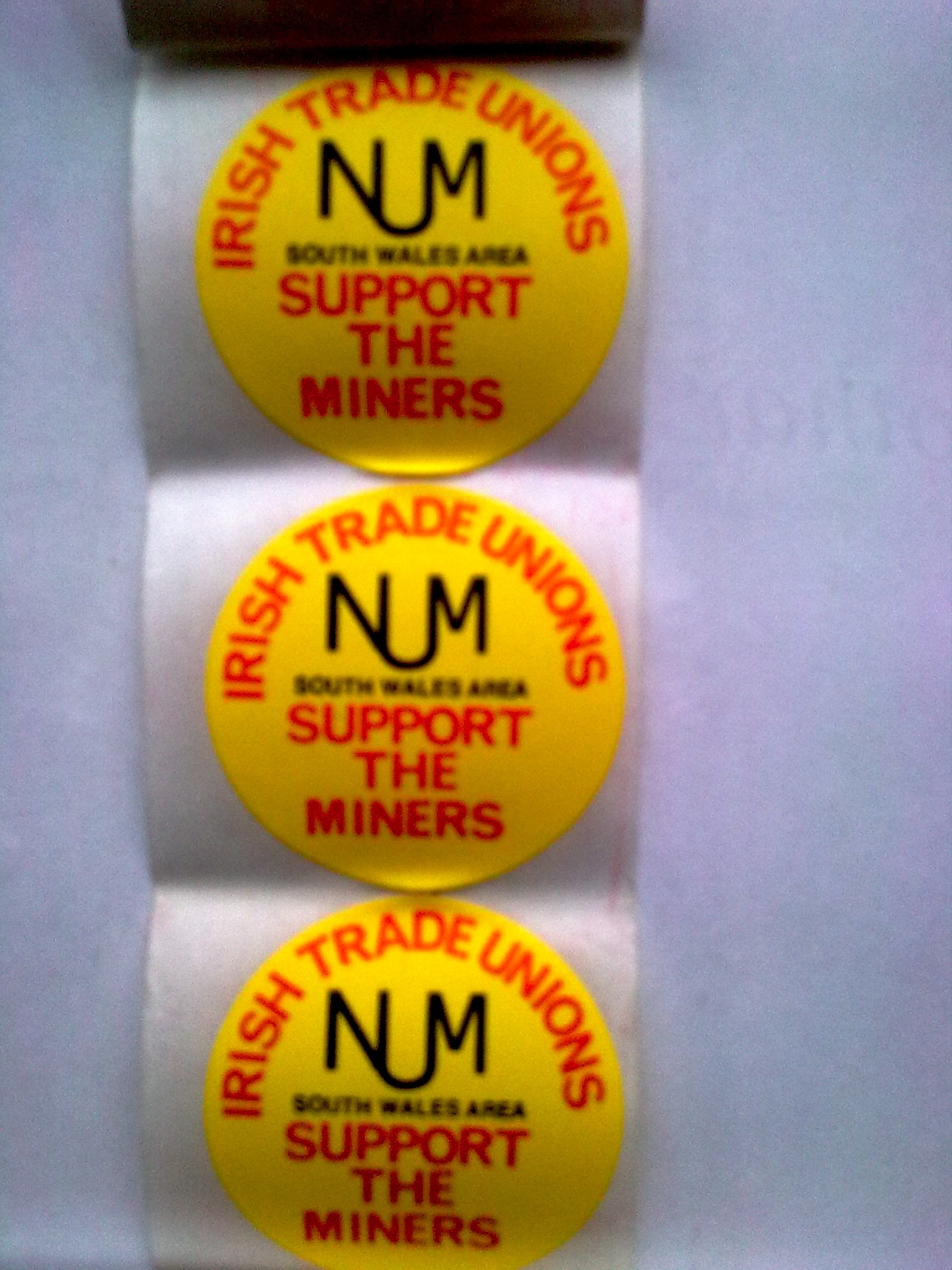
'Irish Trade Unions - Support The Miners' + 'NUM South Wales Area'
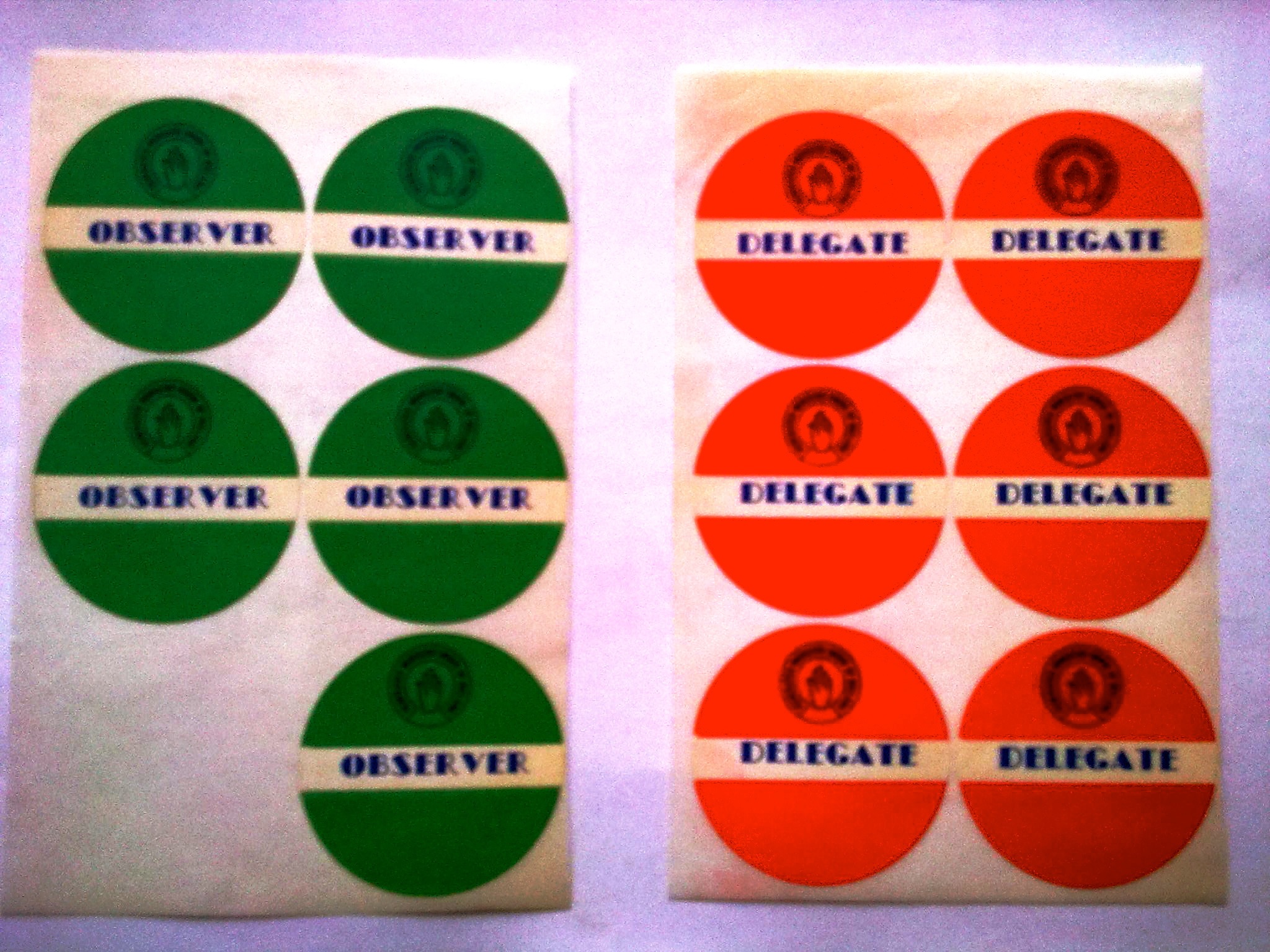
ICTU Observer. ICTU Delegate.

'I Support McDonald's Strikers' 'Don't Pass The Picket' 'Grafton St. & O'Connell St.
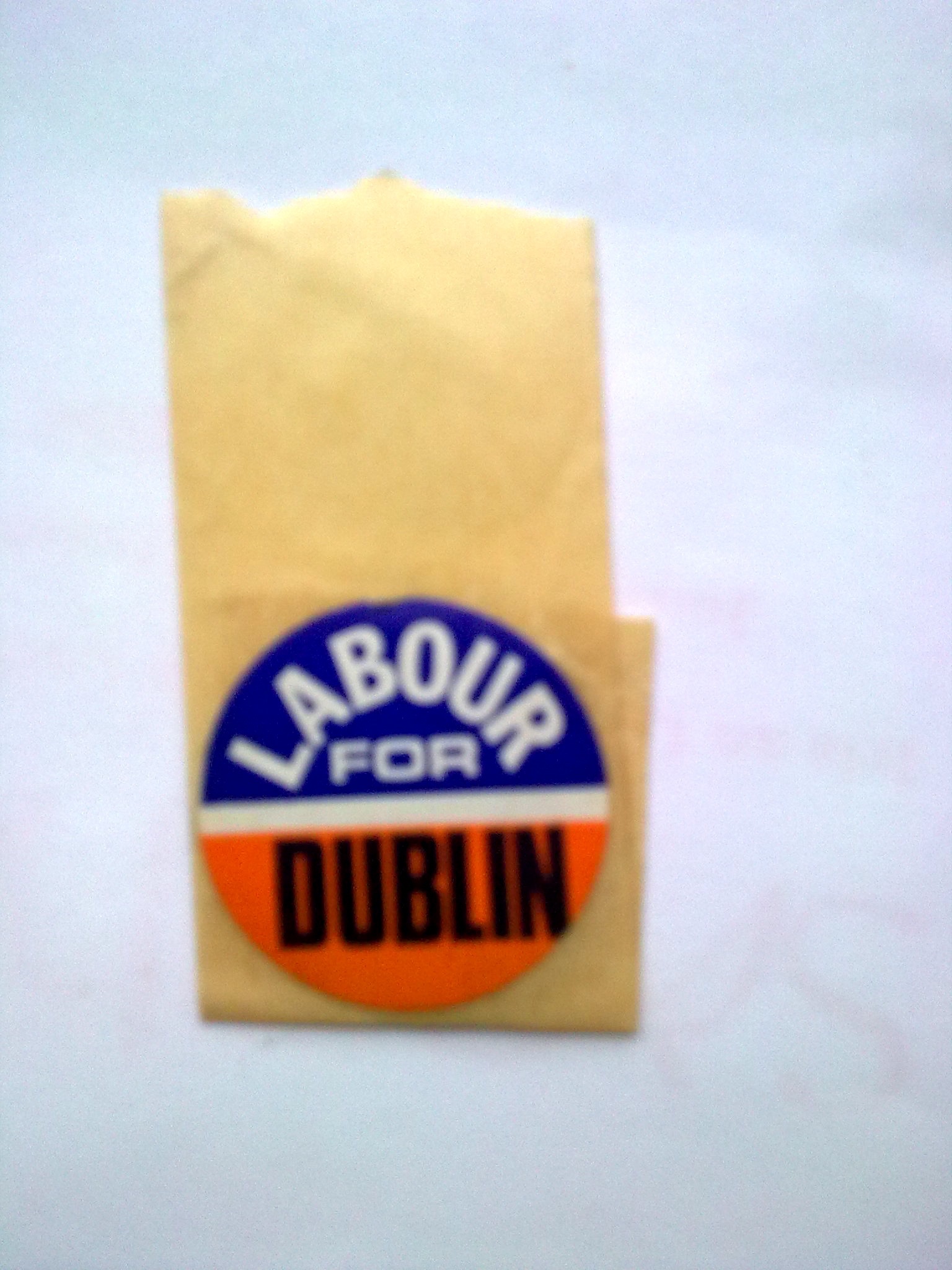
Labour For Dublin

Posted in Dublin History, Social History, tagged Dublin Fire Brigade, Mrs. Gogans Pram, Props in The Plough and the Stars, The Abbey, The Abbey Fire 1951, The Plough and the Stars on August 9, 2010| Leave a Comment »
A promotional image for the current run of The Plough and the Stars at the Abbey.
Sara Keating, for The Irish Times, recently wrote a fantastic piece on the background to some of the props in the current production of The Plough and The Stars at the Abbey. You’re only a click away if you want to read it.
One of the props dealt with was the pram belonging to Mrs. Gogan. She discussed the pram with prop maker Eimear Murphy.
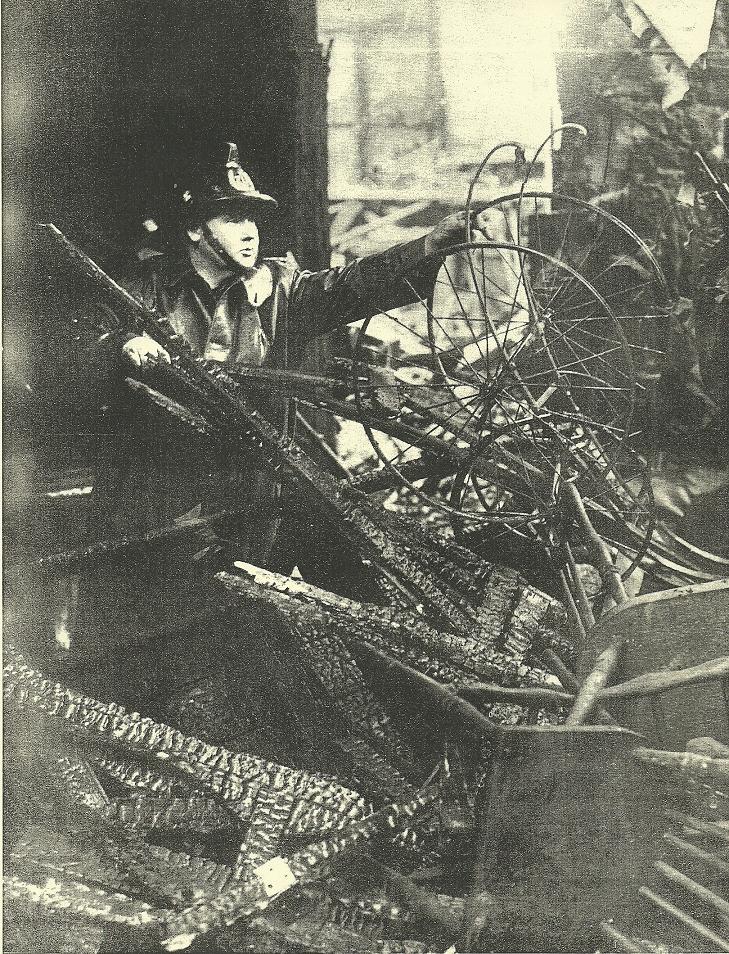
The pram being used for the looting in Act Three is one of the oldest props at the Abbey. An original Victorian pram, it was used in the very first production of the play and every production since. Over 100 years old, it is in a delicate state; “one of the wheels is just taped on at this stage”, Murphy says. It was also badly damaged in the fire of 1951, so that while the frame of the pram is original, its casing isn’t. With its delicate frame and unique wooden handles it is totally authentic, and has been especially reserved over the years for The Plough and the Stars
The fire? Well, on July 18 1951 a fire ripped the home of the Abbey apart.The great history of the Dublin Fire Brigade compiled by Tom Geraghty and Trevor Whitehead noted that in was the busiest night of the year for the Brigade, with nine crews fighting the blaze.
What had been the former Mechanic’s Institute and City Morgue was just a gaunt dangerous skeleton festooned with The Plough and the Stars posters, and the ghost of Yeats was left to haunt an eerie smoke-filled chamber.
Flann O’ Brien (Or eh…Myles na gCopaleen) dealt with the fire in his excellent Cruiskeen Lawn column on July 25, 1951. Writing about plans to stage some major plays in the Peacock, he quipped that.
At the moment the company purports to be playing The Plough and the Stars in the Peacock. Why not Juno in the Peacock?
Or why not Autumn Fire?
No, I’m probably wrong- The Plough is probably the right play. After all, it brought the house down.
Excellent.
The photograph below is a gem, showing Fireman Frank Brennan salvaging the above mentioned pram from the ruins of the Abbey.
Thanks are due to the Dublin Fire Brigade Museum for the use of the image. What survived of the pram can be seen on stage in the current run of the O’ Casey play.

Posted in Dublin History, Miscellaneous, tagged Watts gun shop on August 6, 2010| 7 Comments »

adifferentkettleoffishaltogether art space on Ormond Quay.
The adifferentkettleoffishaltogether space at Ormond Quay was previously Watts Gun Shop. There for years, I was always fascinated by it. A bit like Rory’s Tackle Shop in Temple Bar (still there and with a snap of a happy Amy Winehouse in the window…), it was a bit of a throw-back to a much older Ireland.
Today, it is an art-space used by Mannix Flynn and Farcry productions. Most ironically, in 2006, they staged an exhibition there where……well, I’ll let them explain it
In 2006 Farcry constructed an arms dump and, along with members of the public, actively engaged with a process of placing firearms beyond use. It was a cultural mirroring of the John De Chastelain process that had begun with the provisional IRA. Over a period of 4 days 200 people entered the building on Ormond Quay and saw for themselves upfront, close and personal what it was that we were letting go of. The gun has been phased out of Irish politics and a new process of achieving aspirations has begun.
Anyway, in the last few days this showed up in the family and I thought it worth posting. If anyone has a photo of Watts back in the day please post it!

'With Compliments' card from Watts, 18 Ormond Quay Upr.


Posted in Dublin History, Social History, tagged A. Raftery, Connolly Association, CPGB, Irene Brennan, Irish Communist Organisation, Joseph Deasy, Martin McGuinness, Official Sinn Fein, Stickies, Stolen Waters, Teoiric, Trade Unionists for Irish Unity and Independence (TUIUI) on July 30, 2010| 4 Comments »
My uncle Donal, based in London since 1972, is over in Dublin at the moment. Today, he dropped a shopping bag full of political pamphlets into me at work. Spanning from 1963 till 1989, the collection is quite stunning. I hope to scan most of them up over the next few months. If anyone wants me to scan one up in particular just leave a comment.
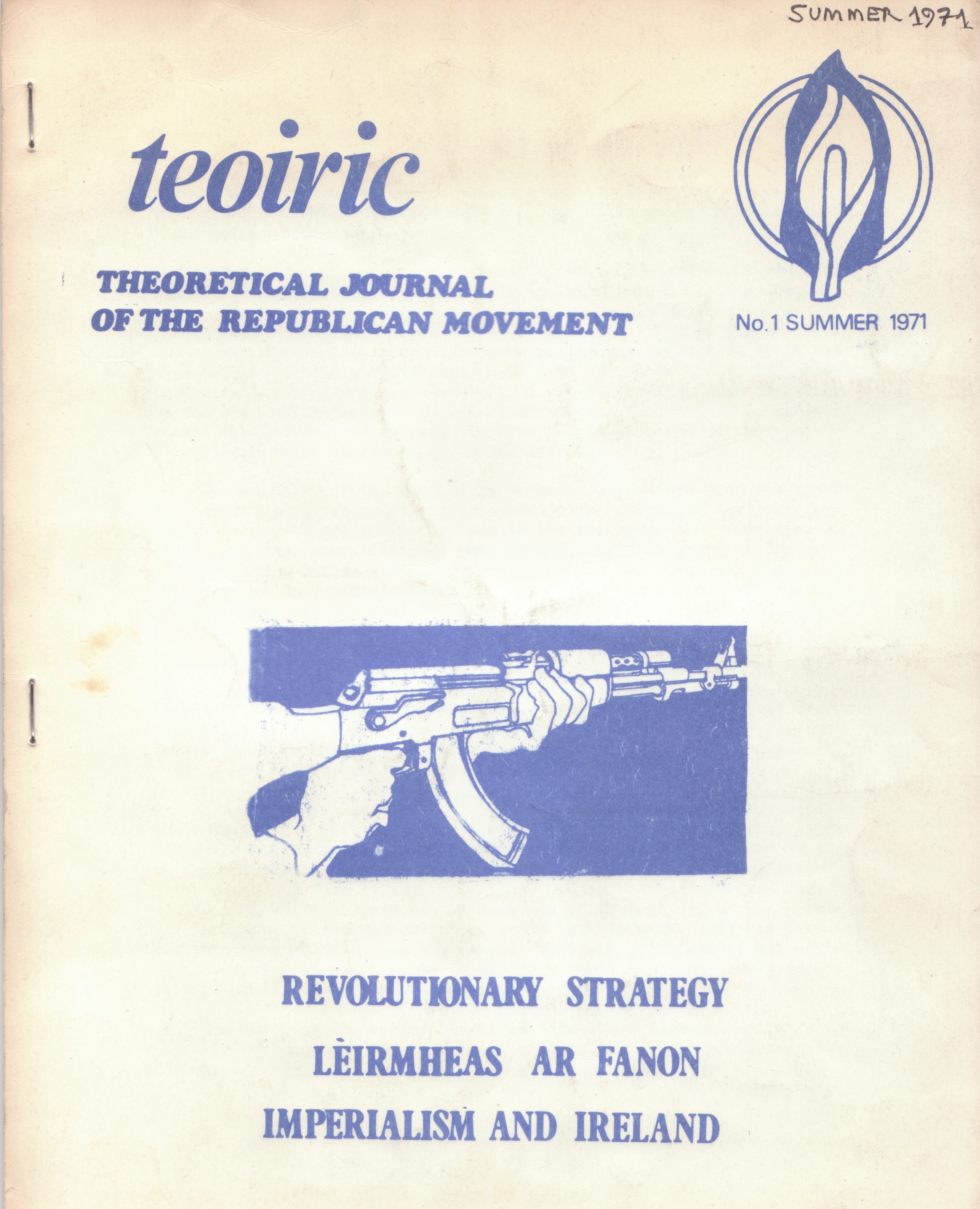
Teoiric, Official Sinn Fein. (No. 1, Summer 1971)
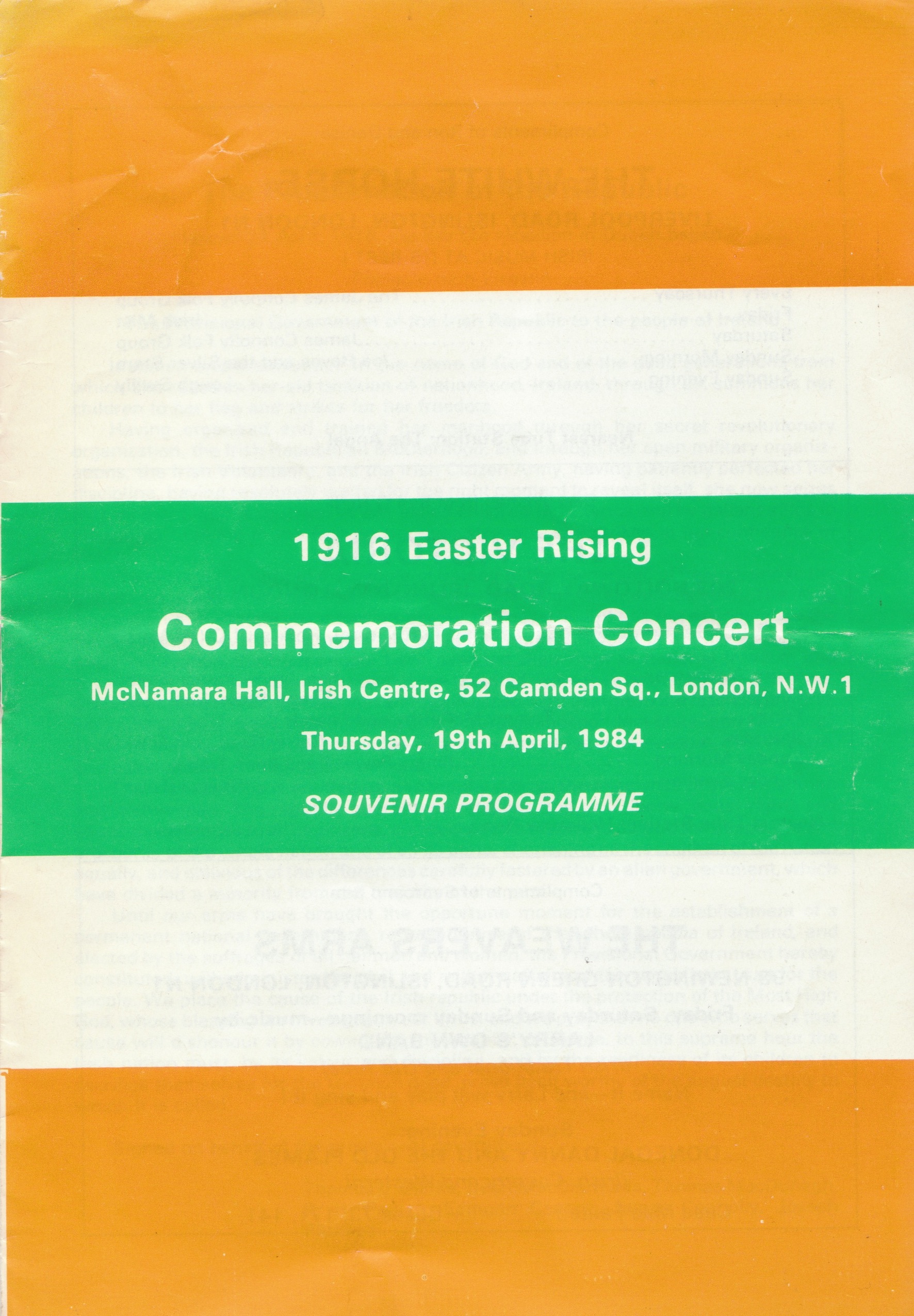
1916 Easter Rising Commemoraton Concert Souvenir Programme, Cumann na Poblactha. (April 1984)
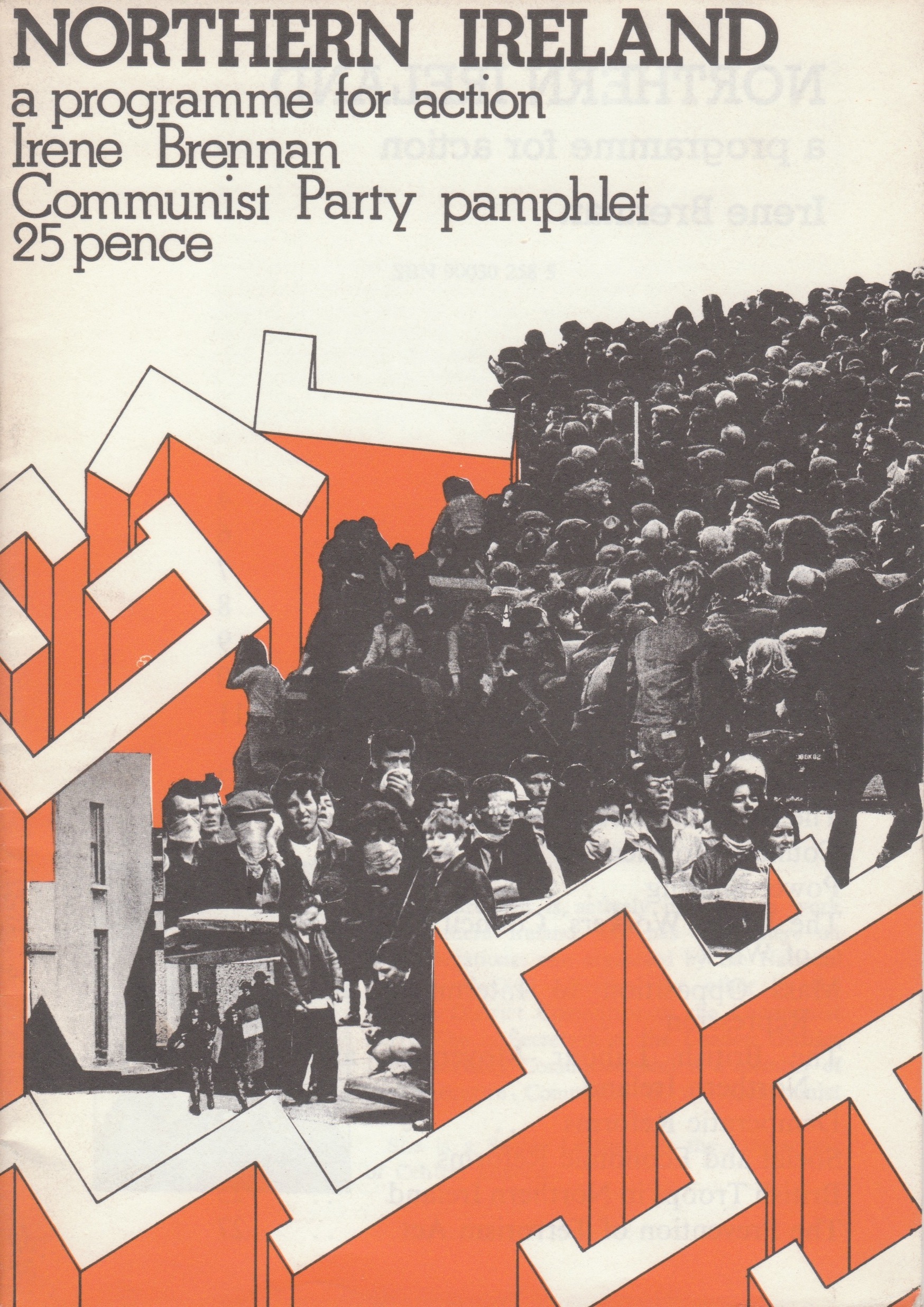
Northern Ireland: a programme for action, CBGB. (1975)
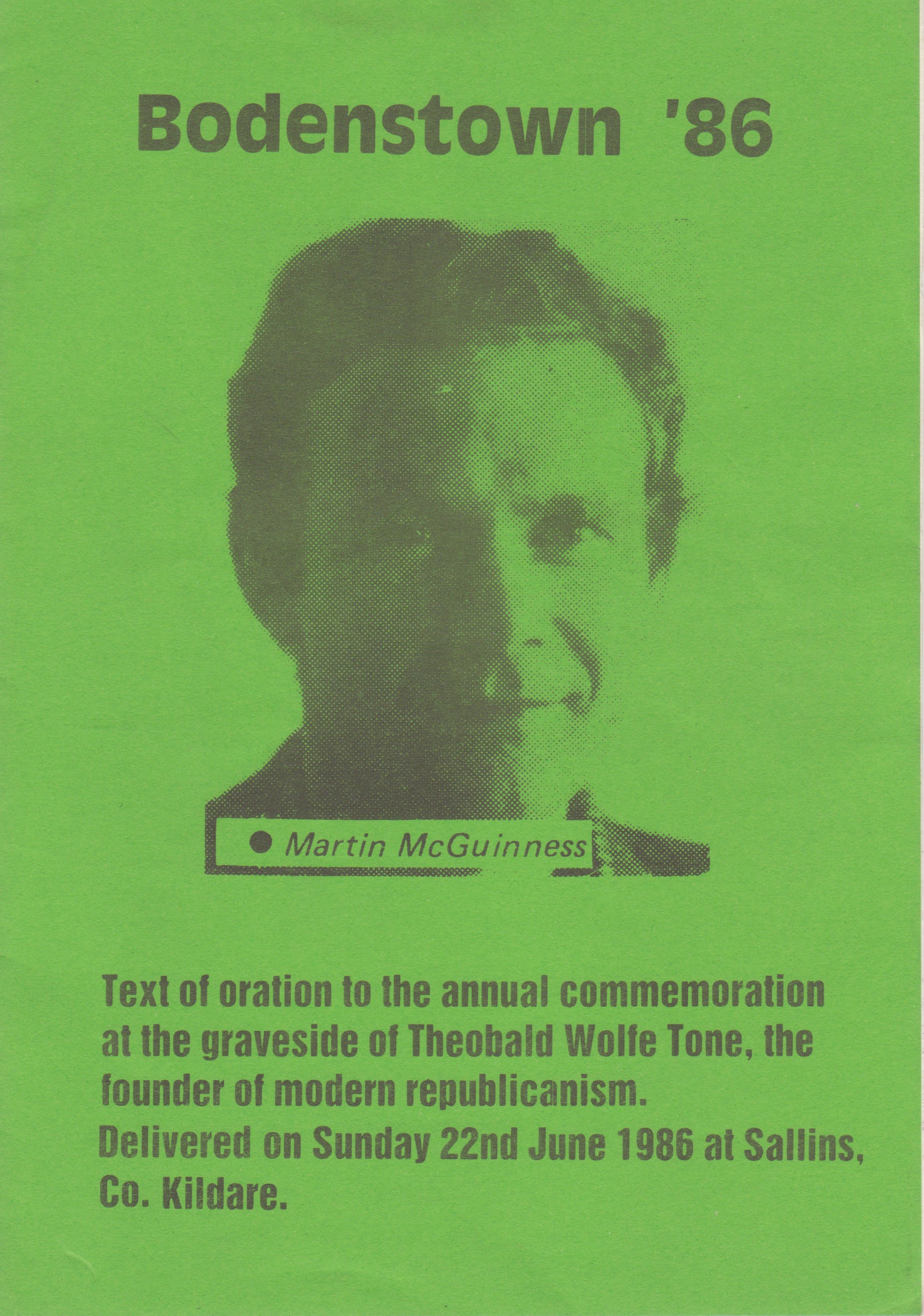
Bodenstown oration, Martin McGuinness. (1986)
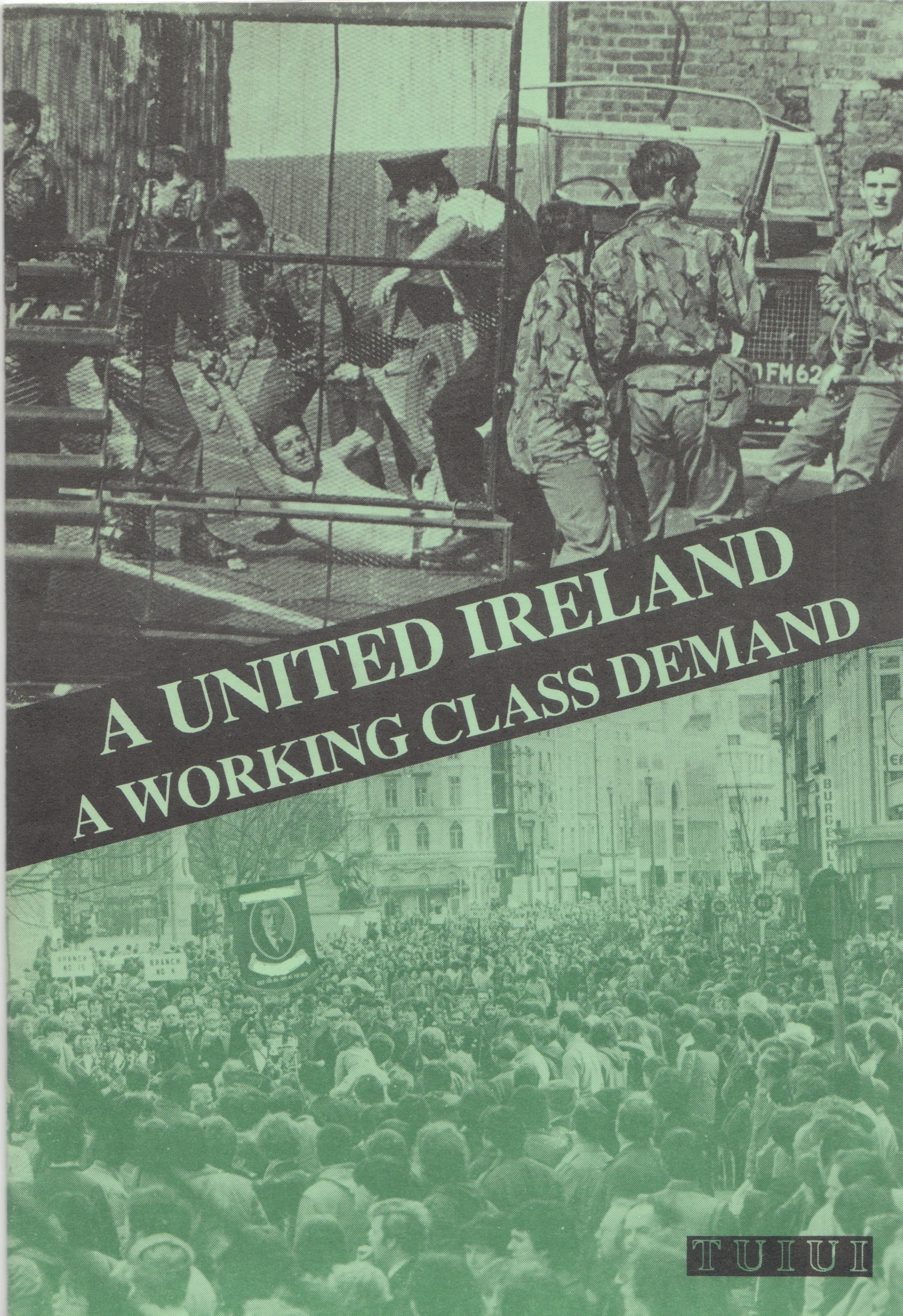
A United Ireland A Working Class Demand, Trade Unionists for Irish Unity and Independence (TUIUI). (October 1986)

Posted in Dublin History, Football Articles, Social History, tagged Bohemian FC Fanzine, Bohs, dalymount park, Fan Culture, Irish Fanzines, Only Fools and Horses on July 30, 2010| 3 Comments »
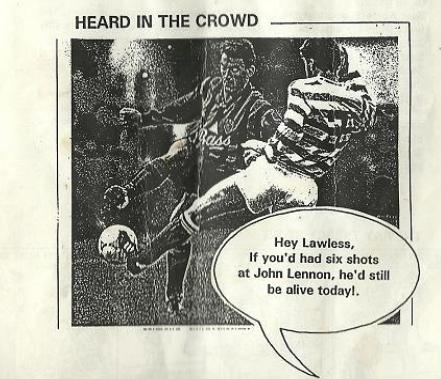
Introduction:As a youngster, it was the fanzines I wanted at Richmond Park quicker than the match programme. If you have Dublin League of Ireland fanzines, please get in touch and I’d love to include them on the site. I hope in time we can establish a small online section with examples from each Dublin club, everything from Some Ecstasy to Eccles Is Innocent! All of these fanzines are a credit to the people who took the time to get them out there.
PDF below, best viewed in full screen.

Posted in Dublin History, Politics, Social History, tagged 1940s Ireland, Aiséirge, Irish Nationalism, Newspaper, Republicanism on July 28, 2010| 6 Comments »

My parents ventured to Newmarket for the monthly Flea Market there, and returned home with this much appreciated gem of a present. The newspaper comes from anti-partitionist grouping Aiséirghe, and pushes “Vocational Democracy”. It is essentially a right-wing nationalist publication.
“Vocational democray derives from the idea of the brotherhood of man in the fatherhood of God” it notes. The paper pushes for a strong Army Policy, noting that
“Apart from those in religion, the soldier in the Aiseirghe Ireland will be the most respected citizen- and not merely during a war-time like emergency period.”
Below, I have scanned the front and backpage of the four page paper, with the paper too fragile for me to risk scanning the inside pages. The old advertisements on this pages are interesting in themselves, including ads for Peter Lalor’s Lounge on Wexford Street, Monument Creameries on Camden Street and more besides.
Click on scans to expand them.


Posted in Dublin History, Social History, tagged Civil Defense Pamphlet 1965 on July 24, 2010| 2 Comments »
“For they give us a four-minute warning
When the rockets are on their way
To give us time to panic, and Christians time to pray”
The Dubliners- Protect And Survive.

Surely there is one of these hiding in every house in Ireland, the excellent 1965 Civil Defence ‘Survival in a Nuclear War’ booklet? The page above is particularly silly and worthy of posting, but it doesn’t get much more sensible elsewhere.

Posted in Dublin History, Reviews, tagged Easter 1916, review, Sean O' Casey, The Abbey, The Plough and the Stars on July 22, 2010| 4 Comments »
“It appears certain that Nationalism has gained a great deal and lost a little by its union with Labour in the Insurrection of Easter Week, and that Labour has lost much and achieved something by its avowal of the National aspirations of the Irish Nation”
-Sean O’ Casey.
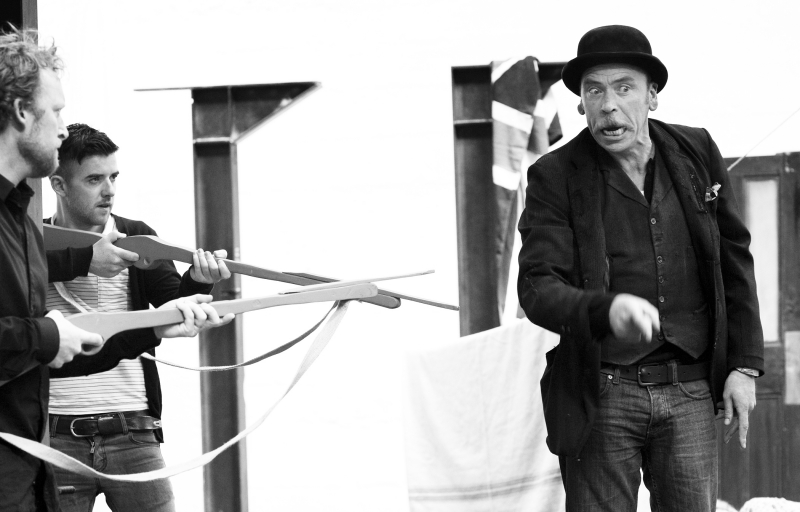
Joe Hanley as Fluther Good, in rehearsal for The Plough and the Stars.
There is no night quite as exciting to see a play as on its first night before the general public. Lines have been practiced, outfits adjusted, props moved slightly this way or that way, feedback taken on board. The stage is set by now, and nothing is as telling as the reaction of a sold-out house to a performance.
Based on the reaction tonight, The Plough and the Stars should enjoy a fine run now it is back home where it belongs.
Undoubtedly one of the most controversial plays to emerge from The Abbey, it is no doubt the one that first comes to mind for many when discussing the iconic Theatre. The riots that emerged during its 1926 run at The Abbey are well documented. These disturbances were, among other things, reactions to the sight of a prostitute on stage, the appearance of the Irish flag in a public house and the use of the words of P.H Pearse. For some, the play was seen as dismissive of the ideals of the men of 1916, and the leading Irish progressive figure Hanna Sheehy Skeffington was among those who disrupted the first performance of the play. A great irony was the fact O’ Casey had previously wrote so highly of her husband Francis, the pacifist who was murdered in very suspicious circumstances during the Rising.
In Sheehy-Skeffington, and not in Connolly, fell the first martyr to Irish Socialism, for he linked Ireland not only with the little nations struggling for self-expression, but with the world’s Humanity struggling for a higher life.
When The Abbey later refused The Silver Tassie, in 1927, O’ Casey left it behind him. The Abbey has never been able to leave O’ Casey behind it however, and The Plough and the Stars has returned to its stage on numerous occasions. This latest performance, directed by Wayne Jordan, is one I’ve been eagerly awaiting for months.
The characters in the play are not easy to carry. I have seen this play performed in the past in a way that did not quite do justice to the weight of characters like The Covey and Fluther. They’re supposed to be passionate, and nothing if not loud. Joe Hanley could not have got Fluther better, and over a ‘post-play pint’ I heard this view shared by many. Fluther is a loveable character despite all his faults, and produces many wonderful lines in the work. Best to hear them read right. His physical manner on stage also matches the character, and he completely makes the character his own, whether pacing a room or returning from an ‘Easter week shopping raid’.

Posted in Dublin History, Politics, tagged 1916 Rising, 1954 Election, Belfast Celtic, Charles Haughey, Dail Eireann, Easter Rising, Eugene Timmons, Fianna Fail, Harry Colley, history, Oscar Traynor, Politics, republican on July 20, 2010| 6 Comments »
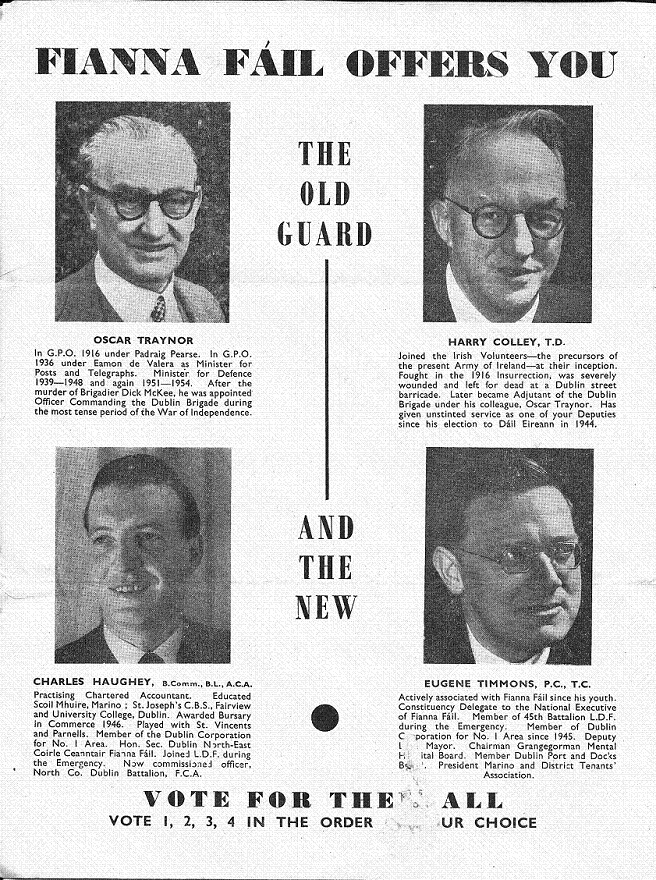
“The old guard and the new”, this is a classic Fianna Fail election leaflet encouraging the public to get behind two 1916 veterans (Oscar Traynor and Harry Colley), “stand by De Valera” and to put faith in two newer faces, Eugene Timmons and Charles Haughey. It is a most unusual piece, from the Dublin North East constituency.
Traynor is a well-known figure in Irish political history, in command at the Metropole Hotel during the 1916 Rising. Unusually, he was a soccer-man, and had toured Europe with Belfast Celtic in 1912. The image below is taken from a piece on his time at that club over on the excellent Belfast Celtic historical site.
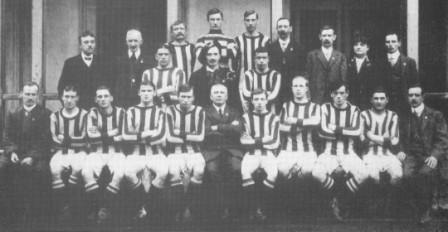
Traynor (Goalkeeper) with the rest of the Belfast Celtic team in 1912.
Harry Colley had also taken part in the Rising, and the leaflet notes that he was “..left for dead at a Dublin street barricade” during the rebellion.
Ultimately, Charles Haughey would fail to win a seat in 1954, obtaining 1,812 votes. When Haughey did obtain a seat three years later in 1957, it was at the expense of Colley. The rest, as they say, is history.
Click to expand and read:

Posted in Dublin History, tagged 1837, 1840, dublin 1818, easter 1916 rising, old dublin maps, shanew on July 19, 2010| Leave a Comment »
Shanew from the Dublin.ie forums has uploaded a remarkable number of old maps of Dublin on his website. Maps from the following years are available: 1818, 1837, 1840, 1848 (x2), 1863, c. 1880 (x2), 1885 (x2) 1912 and 1916. To make it even more outsanding, they are all in Google map format. Thanks Shane!

St. Stephens Green and the surrounding area, 1818. (Click to enter full map)

 | The Mallens on 4. Johnson’s Court |
 | Mindy on Plaques of Dublin: The Eagle… |
 | Aidan Convery on From McDaid’s to Grogan… |
 | Cormac Figgis on A divided Rathmines |
 | cian reardon on Dublin’s connection to t… |

 Click on the book for more.
 Click on the book for more.
 Donal
Donal Ciarán
 Sam
Sam Come Here To Me!